
医疗器械

Search documents
华创医药周观点:医药行业ETF研究系列二之医药ETF2026年场景化配置框架 2026/01/25
华创医药组公众平台· 2026-01-24 16:13
Core Viewpoint - The article discusses the investment framework for the pharmaceutical industry ETF in 2026, emphasizing a dual-driven approach of demand and innovation to navigate the market recovery and differentiation after a prolonged bear market since 2021 [29]. Market Review - The CITIC Pharmaceutical Index decreased by 0.38%, outperforming the CSI 300 Index by 0.24 percentage points, ranking 25th among 30 primary industries [9]. - The top ten stocks by increase this week included ST Changyao, Hualan Biological Engineering, and Kangzhong Medical, with gains ranging from 6% to 70.38% [9]. - The bottom ten stocks by decrease included Kain Technology and Aidi Pharmaceutical, with declines of up to 45% [9]. Industry and Stock Events - The article highlights a shift in funding from active to passive management in the pharmaceutical sector, with passive funds becoming a significant part of the long-term funding structure [18]. - The article notes that the innovation drug sector is expected to see a transition from quantity to quality, focusing on differentiated products and internationalization by 2025 [12]. - The medical device sector is experiencing a recovery in bidding volumes, particularly in imaging equipment, and is benefiting from policies promoting home medical devices and accelerated overseas expansion [12]. - The article discusses the favorable conditions for the blood products industry, with relaxed approval for plasma stations and a clear growth path for the industry during the 14th Five-Year Plan period [13]. Investment Strategy - The article proposes a dynamic ETF configuration framework for the pharmaceutical sector, categorized into three layers: a core base of broad-based ETFs, a dual-driven layer focusing on innovative drugs and medical devices, and a defensive layer using traditional Chinese medicine and overseas biotech [22]. - The article emphasizes the importance of a systematic approach to ETF selection, considering liquidity, tracking quality, and cost [24]. - It suggests that the pharmaceutical sector is entering a new growth cycle driven by rigid demand and continuous innovation, necessitating a more structured and rhythmic ETF combination strategy [22].

迈瑞医疗×美敦力 强强联合拓展门诊监护新赛道
Quan Jing Wang· 2026-01-24 10:28
Core Insights - Medtronic and Mindray North America announced an upgraded strategic partnership in patient monitoring, extending from hospital settings to Ambulatory Surgery Centers (ASCs) in the U.S. to meet the growing monitoring needs in both inpatient and outpatient environments [1][2] - The collaboration aims to provide higher quality and cost-effective care for outpatient patients, leveraging both companies' established cooperation and technical integration experience, particularly in perioperative scenarios [1] Group 1 - The partnership focuses on the unique demands of outpatient settings, as more surgeries transition from inpatient to outpatient environments, leading to an increased demand for flexible and advanced monitoring devices [1] - Medtronic will integrate several core monitoring technologies into Mindray's platform, including Microstream™ capnography, BIS™ brain function monitoring, Nellcor™ pulse oximetry, and INVOS™ regional oximetry, significantly lowering the barriers for outpatient adoption of advanced monitoring technologies [1][2] Group 2 - Mindray North America is actively advancing the integration of Medtronic's next-generation monitoring products, including the upcoming INVOS™7100 and new BIS™ systems, to provide cutting-edge monitoring solutions for outpatient settings [2] - The collaboration will utilize the integrated distribution network to promote the procurement and deployment of Mindray monitoring systems equipped with Medtronic technology within the U.S. healthcare system, enhancing technical coverage [2] - The partnership exemplifies a successful integration of hospital-grade patient monitoring technology into outpatient settings without increasing system complexity, thereby optimizing workflows and maintaining clinical confidence [2]



LP周报丨集成电路龙头做LP,投了一只具身智能基金
投中网· 2026-01-24 07:36
Core Viewpoint - The article highlights the recent developments in the LP (Limited Partner) market, focusing on new fund formations and significant investments by established companies in the venture capital space [6][5]. Group 1: New LP Involvement - Shanghai Jushen Intelligent Creation Venture Capital Partnership has added a new partner, ChipLink Integrated, a leading player in the integrated circuit sector, which recently went public with a market value of around 60 billion [6][9]. - ChipLink Integrated has a history of participating as an LP in various funds and has recently established its own CVC, ChipLink Capital, which raised 1.25 billion for its first main fund, focusing on robotics [6][7]. Group 2: New Fund Establishments - A new specialized fund in Hefei has been established with a total scale of 1.5 billion, targeting high-potential small and medium enterprises in sectors like advanced manufacturing and new materials [10][11]. - The Zhongjin (Zhangzhou) Medical Industry Investment Fund has completed its registration with a total scale of 1 billion, focusing on traditional Chinese medicine and healthcare-related sectors [12][13]. - The establishment of the "Chizhou Wanma Benchi" talent fund aims to support high-level talent innovation and entrepreneurship, with a focus on technology projects in Chizhou [22][23]. Group 3: Notable Investments - The new fund established by Hubei Fenghuo Communication and Unicom Venture Capital has a total investment of 1 billion, combining local state-owned assets with listed companies [19]. - The Sichuan Jin Jiao Investment Fund, backed by Luzhou Laojiao, has been active in the market, with a recent establishment of a fund totaling 495 million, focusing on equity investments [20]. - The establishment of the Guochuang Zhongshan Fund aims to support the development of innovative medical devices and healthcare industries in the Greater Bay Area [24].

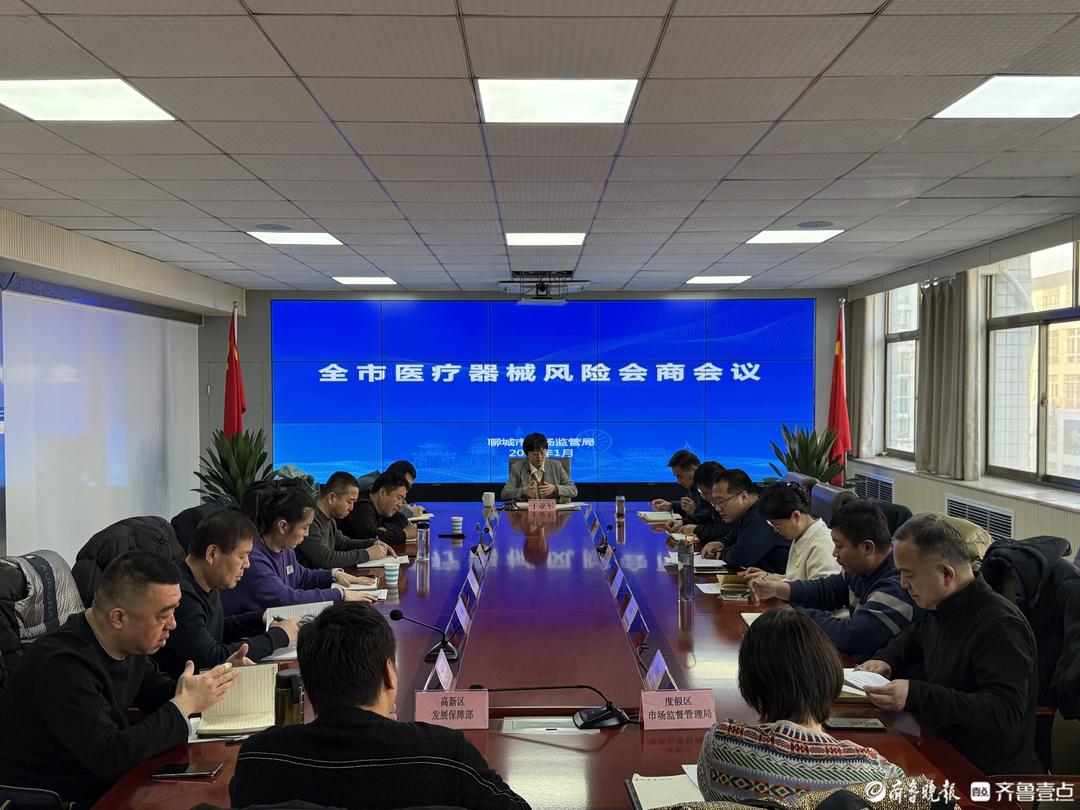
聊城市市场监管局召开全市医疗器械风险会商会议
Qi Lu Wan Bao· 2026-01-24 07:28
1月21日,聊城市市场监管局召开全市医疗器械风险会商会议,各县级局相关负责同志参会。 会上,各县级局围绕医疗器械经营、使用、网络销售及第一类医疗器械生产等关键环节,汇报市场运行态势与风险防控整体情况。同时,详细说明风险销 号进展,对已消除风险详述防控举措,对存量风险剖析根源并明确整改方向,对新增风险汇报拟处置方案。 会议总结全市医疗器械风险防控成效,梳理现存薄弱环节,重点研讨了2026年工作思路。下一步,市场监管部门将强化全链条风险管控,完善闭环处置机 制,聚焦重点领域精准发力,持续筑牢医疗器械质量安全防线,保障公众用械安全。(于亚军) ...
医疗器械科技成果扎堆亮相
Xin Lang Cai Jing· 2026-01-24 07:16
据悉,中关村国际前沿科技大赛按照"全球邀约、自由探索、公开路演"的方式,搭建高水平国际前沿科 技交流竞技平台。 由芯智睿声带来的"可穿戴智能人工喉"项目,能借助纳米级石墨烯柔性传感器、灵敏麦克风等精准捕捉 喉部肌肉的振动及微弱声音信号,再经多模态人工智能算法识别出用户所想讲的话,最后通过音色克隆 及语音还原技术,将信号实时转化为清晰、流畅且富有情感的自然人声。 该公司首席执行官王宇峰介绍,这款设备不需要植入,可以直接穿戴使用,减轻患者痛苦,而且在声音 输出效果上,一改常见的机械音问题,能够还原用户患病前的音色。"希望让每个人的声音都被世界听 见。"王宇峰说,该产品适用于聋哑人士、渐冻症患者、喉切除患者、中风后遗症人群以及因年龄增长 面临发声困难的老年群体。产品预计在2026年送检并进入临床、取证阶段,预计于2027年推向市场。 本报讯(记者孙奇茹)2026中关村论坛系列活动——第九届中关村国际前沿科技大赛医疗器械领域复赛 近日在中关村医疗器械园举办。记者昨天从市科委、中关村管委会获悉,帧光彩影-新一代半导体成像 开拓者、零排异人机无缝融合脑机接口系统、乳腺癌保乳术后瘤腔个体化精准修复重建关键技术与应用 等项目 ...
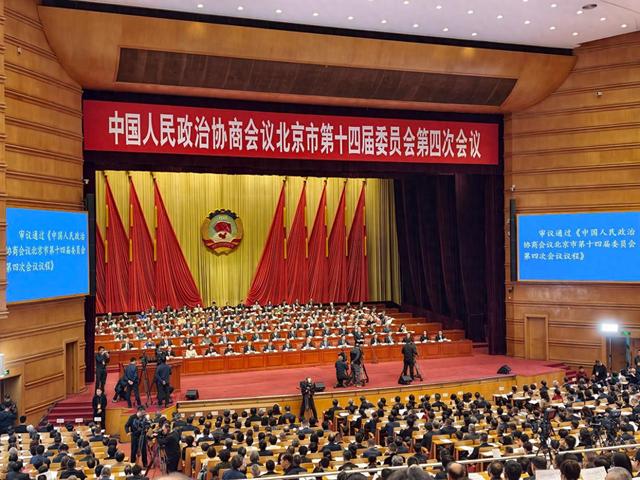
“十五五”开局之年 北京市政协将聚焦这些领域献计出力
Xin Lang Cai Jing· 2026-01-24 05:12
聚焦科创、养老、营商环境等重点议题,北京市政协将组织各专委会围绕高水平建设可信数据空间、推 进养老事业与养老产业协同发展等12项议题召开协商座谈会;持续开展优化营商环境常态化民主监督, 并组织六个民主监督组聚焦加快实施碳排放双控制度、推动全民健身生活化等议题开展专题监督,助推 相关决策部署落实落细。 中国青年报客户端北京1月24日电(中青报·中青网记者 胡宁 张敏)2026年是"十五五"开局之年。今天 上午,北京市政协十四届四次会议开幕。会上,紧扣"十五五"时期经济社会发展的目标任务、战略举 措,北京市政协明确了2026年协商工作计划。 计划关注的重点领域包括,发挥北京(京津冀)国际科技创新中心作用、先进制造业和现代服务业融合 发展、医疗器械产业创新发展和提质升级、发展京郊现代乡村产业、提升首都文明风尚、普惠托育服务 体系建设、加强知识产权保护与运用、山区防灾避险救灾能力建设、深化与各国首都和重要城市交流合 作等。2026年,北京市政协将围绕这些重点议题大兴调查研究,深入协商议政。 这些工作计划都是深入学习贯彻中共二十大和二十届历次全会精神的具体举措,聚焦此前中央经济工作 会议部署的2026年重点任务,落实北 ...
燧原科技科创板IPO获受理 | 融中投融资周报
Sou Hu Cai Jing· 2026-01-24 03:20
Group 1: Investment Opportunities - Shanghai Suiruan Technology Co., Ltd. has received acceptance for its IPO application on the Sci-Tech Innovation Board, aiming to raise 6 billion yuan for product development, business expansion, and supply chain security [3] - The company, established in March 2018, is one of the "Four Little Dragons" of domestic GPUs, with a valuation exceeding 20 billion yuan after its last financing round [3] - The funding will support the development of fifth and sixth-generation AI chip series and advanced AI hardware-software collaborative innovation projects to meet the high-quality AI computing power demand in China [3] Group 2: Recent Financing Activities - Inner Mongolia Xibei Catering Group has completed an A-round financing, increasing its registered capital by approximately 13.1% to about 1.0168 billion yuan [4] - Hangzhou Xiwang Chip Technology Co., Ltd. has successfully raised nearly 3 billion yuan in strategic financing within a year, with investments from various industry players and VC/PE institutions [4][5] - The funds will be used for the core technology development and mass production of the next-generation inference GPUs, enhancing the company's competitive edge in the inference computing sector [4] Group 3: Aerospace Industry Developments - China Aerospace Technology Co., Ltd. has changed its IPO guidance status to acceptance, becoming one of the fastest commercial aerospace companies to progress towards an IPO [6] - The company, founded in December 2018, focuses on the development of medium and large rockets and has successfully launched 84 satellites to date [6][9] - The company has completed eight rounds of financing, with an estimated valuation of approximately 11.1 billion yuan [9] Group 4: New Fund Establishments - The Hubei Port Development Private Equity Fund has completed an expansion, raising about 2.8 billion yuan to support transportation and waterway projects in Hubei Province [9] - The fund aims to guide social capital towards high-quality development in the port and shipping industry [9] - The Changzhou City Innovation Investment Fund has been established to focus on the transformation of research results in intelligent manufacturing and new energy sectors [10][13] Group 5: Robotics and AI Investments - UBTECH Robotics has announced a partnership with local funds to invest in the intelligent robotics industry, with a total fund size of 660 million yuan [11][12] - The fund will focus on high-potential enterprises in the intelligent terminal, robotics, and AI sectors [11] - UBTECH, established in March 2012, is a leader in humanoid and intelligent service robots, recently listed on the Hong Kong Stock Exchange [12]

研判2026!全球及中国冠脉通路器械行业发展背景、患病人数、市场规模、企业布局及未来发展趋势分析:高端市场外资主导,基层扩容增量可期[图]
Chan Ye Xin Xi Wang· 2026-01-24 02:30
Core Insights - The coronary access devices are essential consumables for percutaneous coronary intervention (PCI) surgeries, directly impacting surgical outcomes and complication control [1][6] - The industry is supported by a series of policies in China, including centralized procurement, innovation approvals, and grassroots medical construction, laying a solid foundation for high-quality development [6][10] - The number of coronary artery disease patients is steadily increasing globally and in China, with projections indicating 220 million patients worldwide and 27.879 million in China by 2024, highlighting significant growth potential for the industry [10] Industry Overview - Coronary access devices are specialized medical equipment and consumables used in PCI surgeries to establish and maintain access from the body surface to the coronary arteries, ensuring the smooth execution of angiography, balloon dilation, and stent implantation [1][6] - The devices are categorized into four main types: puncture devices, catheter systems, sheath sets, and auxiliary devices for pressure monitoring and vascular closure [3][4] Development Background - The development of coronary access devices is crucial for reducing cardiovascular disease mortality, enhancing medical accessibility, and promoting high-end device localization [6][8] - Recent policies in China aim to improve centralized procurement mechanisms, accelerate innovation device approvals, and standardize medical insurance payments, providing guidance for industry development [6][10] Market Analysis - The global coronary balloon dilatation catheter market is expanding, with functional balloons growing at a faster rate; the market size is expected to increase from $560 million in 2020 to $960 million in 2024, with a compound annual growth rate (CAGR) of 8.49% [12][14] - In China, the market is characterized by structural adjustments and rapid growth, with the general balloon market experiencing a temporary decline due to centralized procurement but expected to rebound, while functional balloons are projected to grow significantly, with a CAGR of 19.28% from 2024 to 2028 [14][16] Competitive Landscape - The competitive landscape of the coronary access device industry is tiered, with foreign companies dominating the high-end market while domestic leaders are accelerating their market penetration; by 2024, domestic companies are expected to capture 54.9% of the coronary balloon market [14][15] Future Trends - The industry is expected to evolve along three main directions: technological upgrades, deepening domestic substitution, and expansion of grassroots markets [16] - Innovations such as biodegradable materials and smart functions will drive high-end product iterations, while local companies will enhance core component localization through material and manufacturing process advancements [17][18] - The promotion of tiered diagnosis and treatment will reshape market demand, with a growing need for cost-effective and standardized products suitable for grassroots settings [18]


今日视点:中国药械“出海”迈入体系化新征途
Xin Lang Cai Jing· 2026-01-23 23:26
Core Viewpoint - The Chinese pharmaceutical and medical device industry is entering a new phase of "systematic going global," supported by national platforms and multi-dimensional efforts from enterprises [1] Policy Support - The "systematic going global" initiative is receiving unprecedented systematic support, with the issuance of the first "overseas drug price certificate" in January 2026, bolstering the global pricing of China's pharmaceutical industry [2] - A multi-layered market connection network is being formed, with the National Healthcare Security Administration promoting differentiated development in regions like Guangxi, Xinjiang, Tianjin, and Ningbo, targeting Southeast Asia, Central Asia, and Central and Eastern Europe [2] - Multiple government departments, including the Ministry of Commerce and the National Medical Products Administration, are collaborating to reduce institutional costs and information barriers for enterprises going global [2] Industry Transformation - The export structure of China's pharmaceutical and medical device industry is shifting from low-value consumables to high-value innovative products, with a significant increase in the licensing-out transactions of innovative drugs expected to exceed $130 billion by 2025 [3] - Leading companies like United Imaging Healthcare and Mindray Medical are seeing a continuous increase in overseas revenue, successfully entering high-end hospital markets in Europe and the U.S. [3] Strategic Recommendations - Companies need to solidify their innovation foundation by focusing on unmet clinical needs and building proprietary technology platforms in advanced fields like ADCs, bispecific antibodies, and gene therapy [3] - Utilizing capital tools for overseas strategic layout is essential, such as raising funds through targeted placements for overseas clinical research and acquisitions of quality overseas targets [4] - Implementing differentiated market strategies is crucial, with companies needing to adopt localized thinking in different markets, maximizing product value through partnerships in mature markets and engaging in local production in emerging markets [4]

浙江拱东医疗器械股份有限公司 2025年年度业绩预告
Zheng Quan Ri Bao· 2026-01-23 23:07
Core Viewpoint - The company, Zhejiang Gongdong Medical Instrument Co., Ltd., anticipates a significant decline in net profit for the fiscal year 2025, projecting a decrease of 67.37% to 74.36% compared to the previous year [2][3]. Group 1: Performance Forecast - The company expects a net profit attributable to shareholders of the parent company to be between 44 million to 56 million yuan for 2025, a decrease of 115.63 million to 127.63 million yuan from the previous year [2][3]. - The projected net profit, excluding non-recurring gains and losses, is estimated to be between 54 million to 66 million yuan, reflecting a reduction of 102.15 million to 114.15 million yuan year-on-year [3]. Group 2: Previous Year’s Performance - In the previous year, the total profit was 188.74 million yuan, with a net profit attributable to shareholders of the parent company at 171.63 million yuan, and a net profit excluding non-recurring gains and losses at 168.15 million yuan [4]. Group 3: Reasons for Performance Decline - The decline in performance is attributed to several factors: - **Goodwill Impairment**: The company anticipates a goodwill impairment of approximately 24 million to 30 million yuan due to the underperformance of its subsidiary, Trademark Plastics Inc., influenced by international trade policies and shipping cost fluctuations [4][5]. - **Decrease in Gross Margin**: The gross margin has declined due to slowed demand for certain products as a result of U.S. tariff policies and domestic medical procurement policies [5]. - **Exchange Rate Fluctuations**: Financial expenses related to exchange rate fluctuations have increased, contributing to the decline in net profit [6]. - **Non-operating Losses**: The company incurred an investment loss of approximately 11 million yuan due to additional investments in a controlled entity, impacting non-operating gains and losses [7].
