加密货币

Search documents
数字人民币与稳定币:二选一还是并行推进
2025-08-05 03:15
Summary of Key Points from Conference Call Records Industry Overview - The discussion revolves around the development of digital currencies in China, specifically focusing on the digital renminbi and stablecoins, and their implications for the financial landscape [1][2][3]. Core Insights and Arguments - **Digital Currency Leadership**: China is at the forefront of central bank digital currency (CBDC) development, aiming to internationalize its traditional currency while facing the rise of stablecoins globally [1]. - **Stablecoin Definition and Usage**: Stablecoins are defined as cryptocurrencies issued by private entities, pegged to fiat currencies or specific assets, providing more stable value compared to volatile cryptocurrencies like Bitcoin [2]. - **Regulatory Attention**: The rapid rise of stablecoins has prompted increased regulatory scrutiny in China, with officials considering whether to support stablecoin issuance [2][3]. - **International Financial Integration**: Experts argue that China's ability to integrate with international financial systems through stablecoins will be a critical test of its financial openness [3]. - **Strategic Opportunity**: Stablecoins represent a competitive arena for currency dominance, with potential for China to enhance its monetary influence and challenge the dollar's supremacy [3][4]. - **Pilot Projects for Regulation**: China may initially explore stablecoin issuance through pilot projects in offshore markets before formalizing regulations [3][4]. - **Technological Participation**: The focus should be on China's technological capabilities and the attractiveness of its assets rather than solely on pegging stablecoins to the renminbi [4]. - **Hong Kong as a Testing Ground**: Hong Kong is positioned as a testing ground for stablecoin regulations, with a regulatory framework already in place to manage stablecoin issuance [4][6]. - **Corporate Interest**: Major Chinese tech companies, including JD.com and Ant Group, are actively seeking stablecoin licenses in Hong Kong to enhance cross-border payment efficiencies [6]. - **Risks of Stablecoins**: Despite their name, stablecoins carry risks, including potential threats to financial stability and monetary sovereignty if not effectively regulated [7]. - **Digital Renminbi's Role**: The digital renminbi is being developed with a focus on domestic retail payments, but its international application is limited by existing capital controls [8][9]. Additional Important Content - **U.S. Legislative Developments**: The U.S. has introduced the "Genius Act," which aims to regulate stablecoins and strengthen the dollar's position in the global market, raising concerns in Europe about the potential impact on the euro [10][11][12]. - **Market Dynamics**: Tether's USDT is the largest stablecoin, holding nearly 60% of the market share, highlighting the competitive landscape in the stablecoin sector [12]. - **Geopolitical Implications**: The rise of U.S. stablecoins could enhance the dollar's liquidity and diminish the euro's standing, leading to increased geopolitical dependencies [12].
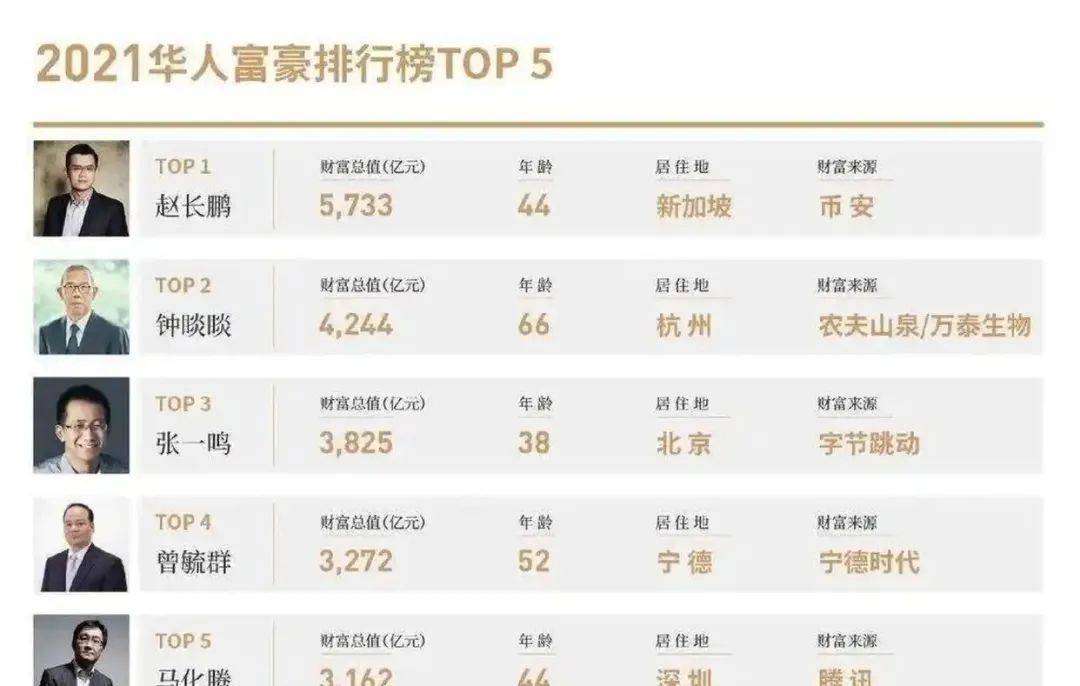
原来他是华人首富:1977年生于江苏连云港,2024年入狱于美国
Sou Hu Cai Jing· 2025-08-04 20:45
Core Viewpoint - Zhao Changpeng, once the richest Chinese with a peak net worth of $90 billion, has experienced a dramatic rise and fall, transitioning from a tech-savvy entrepreneur to facing legal challenges in the U.S. due to regulatory scrutiny of his cryptocurrency exchange, Binance [1][2][23]. Group 1: Background and Early Life - Zhao Changpeng was born in 1977 in Lianyungang, Jiangsu, China, and immigrated to Canada with his family in the late 1980s [3]. - He studied computer science at McGill University and worked in various financial technology firms, gaining extensive experience in both finance and technology [5]. Group 2: Rise of Binance - In 2013, after attending a Bitcoin conference, Zhao invested all his assets into Bitcoin, recognizing the potential of decentralized finance [6][8]. - He founded Binance in 2017, which quickly became the largest cryptocurrency exchange globally, leveraging an ICO to raise $15 million in just three minutes [12][13]. - Binance's user base grew rapidly, reaching over 6 million within six months, and the value of its token, BNB, skyrocketed from $0.1 to over $600 [13]. Group 3: Regulatory Challenges and Exit from China - Following a crackdown on ICOs by Chinese regulators in September 2017, Zhao announced Binance's exit from the Chinese market, adopting a decentralized operational model [14][16]. - The exchange's business model, which included anonymous trading and high-risk products, faced increasing scrutiny from regulators [16]. Group 4: Legal Issues in the U.S. - Starting in 2022, Zhao faced investigations from multiple U.S. regulatory bodies for alleged violations, including money laundering and operating without proper registration [17][19]. - In November 2023, he voluntarily surrendered to U.S. authorities, agreeing to pay a $4.3 billion settlement and stepping down as CEO, while avoiding severe penalties [20][21]. Group 5: Current Status and Future Prospects - Despite stepping down, Zhao retains significant ownership in Binance and is still one of the largest holders of BNB, with a net worth estimated at over $38 billion as of early 2025 [23]. - The potential for Zhao to regain his status as the richest Chinese depends on the future performance of Bitcoin and Binance's compliance efforts [25]. Group 6: Public Perception and Legacy - Zhao is viewed as both a pioneer of a new financial order and a controversial figure in the cryptocurrency space, with opinions divided on his impact on the industry [27][28]. - His journey reflects the complexities of navigating the rapidly evolving landscape of cryptocurrency and regulatory environments [29].


美股全线上涨,加密货币空单爆仓近10亿元
2 1 Shi Ji Jing Ji Bao Dao· 2025-08-04 15:44
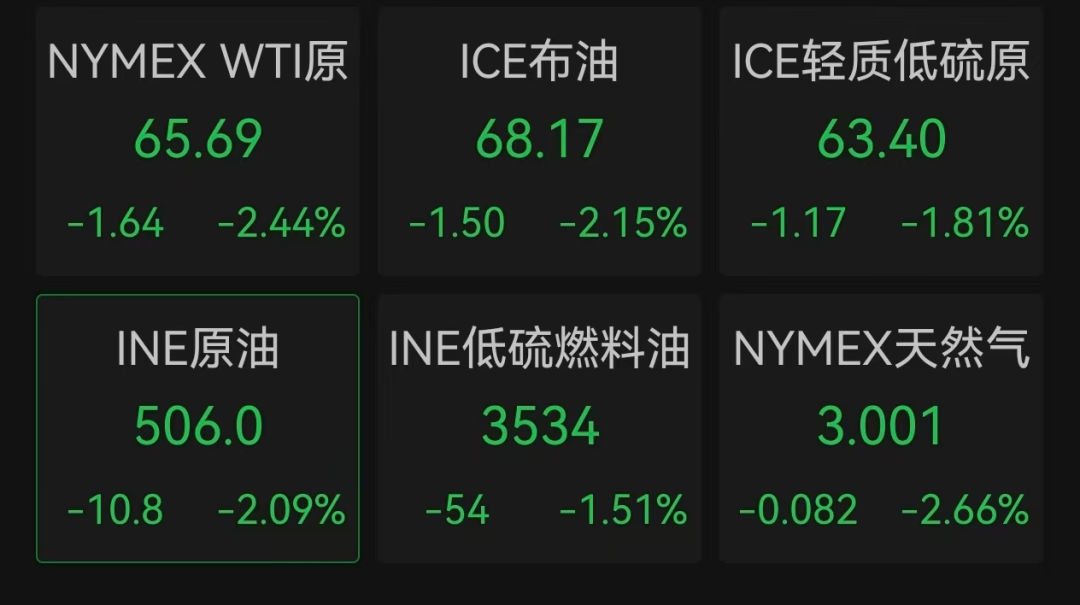
Market Overview - Oil prices fell sharply due to OPEC+ decision to increase production by 547,000 barrels per day starting in September, leading to a decline in WTI crude oil by 2.47% and ICE Brent crude by 2.15% [5][6] - U.S. stock markets, gold, and cryptocurrencies experienced gains, with major U.S. indices rising over 1%, particularly the Nasdaq which increased by over 1.6% [5][6] Oil Market - WTI crude oil closed at $65.69, down $1.64, while ICE Brent crude oil closed at $68.17, down $1.50 [2][4] - Natural gas futures also saw a decline of nearly 3%, closing at $3.001 [2] Stock Market - The Dow Jones increased by 1.00%, Nasdaq by 1.62%, and S&P 500 by 1.16% [6] - Major tech stocks saw significant gains, with Google up 2.82%, NVIDIA up 2.39%, and Apple up 2.18% [7] Cryptocurrency Market - Ethereum surpassed $3,600, with a 24-hour increase of 4.4%, while Bitcoin rose nearly 1.4% [8][9] - The total liquidation in the cryptocurrency market reached $175 million, with $136 million from short positions [10] Gold Market - Gold prices rose above $3,370 per ounce, reaching a peak of $3,385.45, marking the highest level since July 24 [11] Economic Outlook - Expectations for a Federal Reserve interest rate cut have increased significantly, with a probability of 85% for a cut in the September meeting [11] - UBS strategists predict a potential decline in U.S. stock markets in August due to worsening economic data, viewing it as a buying opportunity [12]
美股全线上涨,加密货币空单爆仓近10亿元
21世纪经济报道· 2025-08-04 15:42
Group 1: Oil Market Reaction - Oil prices, including WTI and ICE Brent, fell over 2% due to OPEC+ announcing an increase in oil production by 547,000 barrels per day starting in September [5][1] - WTI crude oil was reported at $65.67, down 2.78%, while ICE Brent was at $68.17, down 2.15% [2][4] Group 2: Stock Market Performance - U.S. stock markets saw significant gains, with all three major indices rising over 1%, and the Nasdaq Composite increasing by more than 1.6% [7][8] - Major tech stocks, including Google, NVIDIA, and Apple, experienced gains of approximately 2% [9] Group 3: Cryptocurrency Market Trends - The cryptocurrency market also showed strength, with Ethereum surpassing $3,600, marking a 4.4% increase in 24 hours, while Bitcoin rose nearly 1.4% [10][11] - A total of approximately 70,000 traders faced liquidation, with a total liquidation amount of $175 million, including $136 million from short positions [10][12] Group 4: Economic Outlook - Expectations for a Federal Reserve interest rate cut have significantly increased, with an 85% probability for a cut in the September meeting, driven by deteriorating U.S. economic data [14] - UBS strategists suggest that potential declines in the U.S. stock market in August could present buying opportunities, as the Fed may lower rates in the coming months [15]

美股异动|比特币概念股多数走高 Strategy(MSTR.US)涨超2.4%
Jin Rong Jie· 2025-08-04 15:07
Core Viewpoint - The majority of Bitcoin-related stocks experienced an upward trend on Monday, indicating positive market sentiment towards the cryptocurrency sector [1] Company Performance - Coinbase (COIN.US) saw an increase of 0.58% - Strategy (MSTR.US) rose by over 2.4% - Bit Origin (BTOG.US) increased by more than 5.7% - SharpLink Gaming (SBET.US) surged by over 12% - GameSquare (GAME.US) jumped by over 13% - Circle (CRCL.US) declined by more than 4% [1]


美股加密货币概念股多数走强,GameSquare涨近10%
Mei Ri Jing Ji Xin Wen· 2025-08-04 14:09
每经AI快讯,8月4日,美股加密货币概念股多数走强,GameSquare涨近10%,Bit Origin涨超9%, SharpLink Gaming涨超6%。 ...
美股加密货币概念股多数走强
Ge Long Hui A P P· 2025-08-04 13:56
Group 1 - GameSquare's stock increased by nearly 10% following the announcement of a $10 million purchase of 2,717 Ether [1] - Bit Origin's stock rose by over 9% [1] - SharpLink Gaming's stock saw an increase of over 6% [1]
2025年7月Web3行业月度发展报告 |陀螺研究院
Sou Hu Cai Jing· 2025-08-04 11:57
Market Overview - The cryptocurrency market performed exceptionally well in July, driven by interest rate cut expectations, regulatory openness, and institutional buying frenzy, with Bitcoin reaching a high of $123,000 and Ethereum surging over 60% [1][9] - The passing of three major cryptocurrency bills, including the Stablecoin Genius Act, established a strategic foundation for cryptocurrencies in the U.S., marking a shift towards mainstream, institutional, and political integration of crypto with traditional finance [1][9] - The macroeconomic policies, particularly U.S. monetary policy, are expected to increasingly influence the cryptocurrency sector [1][9] Policy Direction - In mainland China, two new blockchain policies were introduced, focusing on standardizing blockchain applications and copyright protection for emerging industries [2] - In Hong Kong, the Monetary Authority expressed concerns over the overheated stablecoin market and announced a cautious approach to issuing licenses for stablecoin issuers, with a regulatory framework set to take effect on August 1, 2025 [2][19] Investment and Financing - In July, there were 85 blockchain investment events, with total financing reaching 37.684 billion yuan, a 87.67% increase from the previous month, marking the highest monthly investment record ever [3][10] - The digital currency sector dominated the investment landscape, accounting for 94.20% of total financing, while other areas like blockchain application and foundational technology saw significant declines [3][10] Application Development - 华夏基金 (China Asset Management) launched two tokenized money market funds in July, extending the reach of tokenized funds to major currencies like USD and RMB, although the funds remain conservative in their approach [4][10] - As of July 2025, Hong Kong has 11 licensed virtual asset trading platforms and 42 brokerages with upgraded licenses to provide virtual currency trading services [4][10] CBDC Developments - The U.S. House of Representatives passed the Anti-CBDC Surveillance Act, which restricts the Federal Reserve from issuing retail CBDCs, signaling the end of retail CBDC initiatives in the U.S. [5][10] - This legislation reflects a broader ideological struggle regarding digital currencies, positioning the U.S. against global CBDC initiatives while potentially hindering the development of next-generation financial infrastructure [5][10]
综合对比中美两大阵营加密产业新规与监管新趋势
Tai Mei Ti A P P· 2025-08-04 09:07
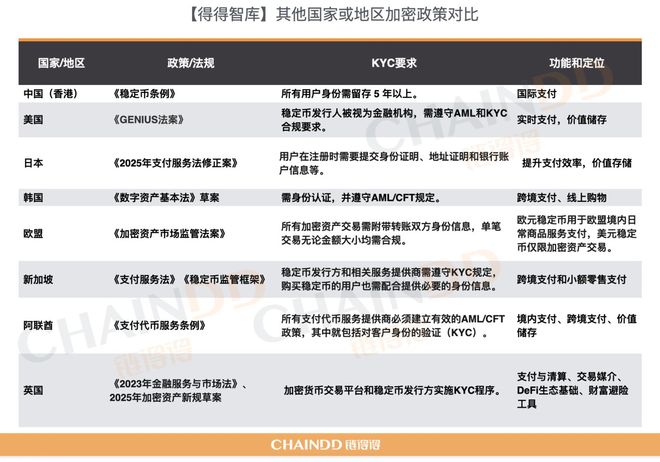
Core Viewpoint - The SEC's "Project Crypto" initiative aims to modernize regulations for the cryptocurrency industry, moving away from the previous administration's strict enforcement approach and fostering innovation in the sector [1][13]. Group 1: SEC's New Approach - Paul Atkins announced "Project Crypto" as a comprehensive regulatory reform for the cryptocurrency industry, aiming to create clear and targeted rules for various aspects of crypto assets [1]. - The initiative marks a significant shift from the previous SEC leadership under Gary Gensler, who adopted a stringent enforcement strategy against crypto firms [2][3]. - Atkins emphasized that most crypto assets are not securities, contradicting Gensler's stance and signaling a new direction for the SEC's relationship with the crypto industry [1][3]. Group 2: Key Components of "Project Crypto" - The initiative includes five main points: 1. Establishing a regulatory framework for crypto asset issuance in the U.S. to clarify which assets fall under securities law [6]. 2. Ensuring maximum freedom for market participants in choosing custodial and trading platforms, including the use of self-custody wallets [8]. 3. Promoting "super apps" that allow diverse services under a single license, facilitating innovation without excessive regulatory burdens [9]. 4. Updating outdated regulations to support both centralized and decentralized software systems in the financial market [11]. 5. Introducing an "innovation exemption mechanism" to encourage new business models and services that may not fully align with existing rules [12]. Group 3: Comparison with Hong Kong's Regulations - On the same day as the announcement of "Project Crypto," Hong Kong implemented its "Stablecoin Regulation," which has stricter KYC requirements and licensing for stablecoin issuers compared to the U.S. approach [2][14]. - The Hong Kong regulations require all stablecoin holders to undergo identity verification, which contrasts with the more flexible regulatory environment proposed by the SEC [15][20]. - The SEC's initiative aims to create a more favorable environment for innovation in the U.S., while Hong Kong's regulations may limit the potential of DeFi and decentralized systems [20].
比起登天,孙宇晨更需要安稳着陆
3 6 Ke· 2025-08-04 08:43
Core Viewpoint - Sun Yuchen, the founder of TRON, has gained significant media attention not for cryptocurrency but for his recent space flight, becoming the youngest Chinese commercial astronaut at 35 years old [1][3]. Group 1: Space Journey and Publicity - Sun Yuchen paid $28 million for a seat on Blue Origin's New Shepard rocket, which was part of a broader strategy to generate publicity for his cryptocurrency ventures [3]. - His space journey is seen as a culmination of his marketing tactics, which include high-profile events like dining with Warren Buffett and investing in Trump's cryptocurrency project [3][7]. Group 2: Cryptocurrency Empire - Sun Yuchen has built a vast cryptocurrency empire, with TRON's on-chain assets reaching a historical high of $119.7 billion as of July 2023 [10]. - The TRON ecosystem includes a public blockchain, various tokens, stablecoins, and applications, creating a closed-loop business model that supports the value of TRX [12][15]. Group 3: Controversies and Legal Issues - Sun Yuchen faces legal challenges, including a lawsuit from the SEC for alleged market manipulation and selling unregistered securities, which has led to a significant drop in TRX's price [16][17]. - Despite these challenges, he has sought to distance himself from U.S. regulations by obtaining diplomatic positions in Grenada and other micro-nations [18]. Group 4: Future Outlook - The success of TRON's listing and Sun Yuchen's investments in Trump's administration have positioned him as a prominent figure in the cryptocurrency space, but the sustainability of his empire remains uncertain due to inherent risks [19].