保健酒

Search documents
“老登”变“网红”!劲酒逆势增长超20%
Shen Zhen Shang Bao· 2025-12-08 17:33
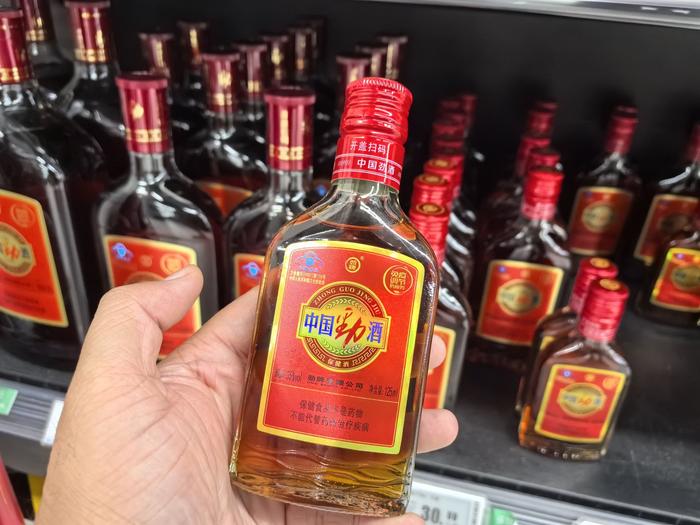
Core Viewpoint - The leading Chinese health liquor brand, Jinjiu, is expected to achieve a 20% growth this year despite market challenges in the white liquor sector [3][7]. Market Supply and Pricing - There is no shortage of Jinjiu products in the Shenzhen market, with various bottle sizes available and prices remaining stable: 125ml at approximately 15 yuan, 258ml at around 30 yuan, and 520ml at about 58 yuan [4]. - The increase in young female customers purchasing Jinjiu is noted, with many buying smaller bottles for mixing or trying out new drinking methods [4]. Social Media Influence and Product Controversy - A drink known as "Auntie Water," made from Jinjiu, brown sugar, and ginger, has gained popularity among women, with claims of alleviating menstrual pain, leading to significant social media exposure [5]. - Jinjiu's company has issued a warning against exaggerated claims made by social media influencers regarding the drink's benefits, emphasizing that alcohol can worsen menstrual discomfort [5]. User Demographics and Growth Drivers - Jinjiu has seen a significant increase in young female users, with over 900,000 new users aged 18-30 in the past year, and 400,000 of them being women [6]. - The brand's success is attributed to its high cost-performance ratio and emotional value, particularly among younger consumers [6]. Sales Performance - Jinjiu's sales figures show a strong upward trend, with a reported revenue of 5.934 billion yuan from January to July 2024, marking a 27.66% year-on-year increase [7]. - The company anticipates a full-year growth of over 20% for 2023, contrasting with a decline in another brand, indicating Jinjiu's resilience in a challenging market [7].

劲牌:劲酒是保健酒不是药,女生生理期要听医生建议
Cai Jing Wang· 2025-12-07 08:41
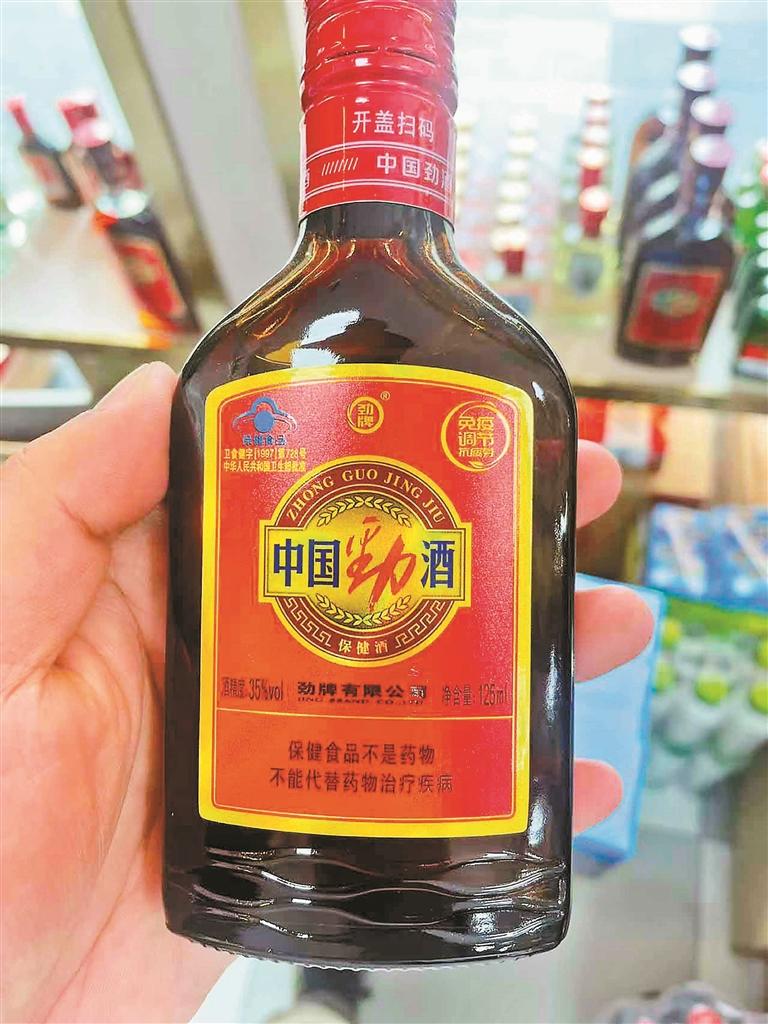
Core Viewpoint - The company emphasizes that its product, Jin Jiu, is a health wine with "immune regulation and anti-fatigue" functions, but it is not a medicine and should be consumed in moderation, especially for women during their menstrual period or when feeling unwell [1] Group 1 - The official account of the company released a statement on December 7, highlighting the health benefits of Jin Jiu while clarifying that it is not a substitute for medicine [1] - There was public concern regarding the promotion of Jin Jiu as a health product, with comments in the social media suggesting that some individuals are misrepresenting its benefits [1] - The company responded to these concerns by stating that they are aware of the discussions but clarified that the misleading information is not from official sources [1] Group 2 - The product gained significant attention this week, being referred to as "the menstrual miracle water," which led to it trending on social media [1]
被称“姨妈神仙水” 多地卖断货!劲酒突然爆火 新增400万女粉 有店主称“缺货快一个月了”
Mei Ri Jing Ji Xin Wen· 2025-12-04 13:30
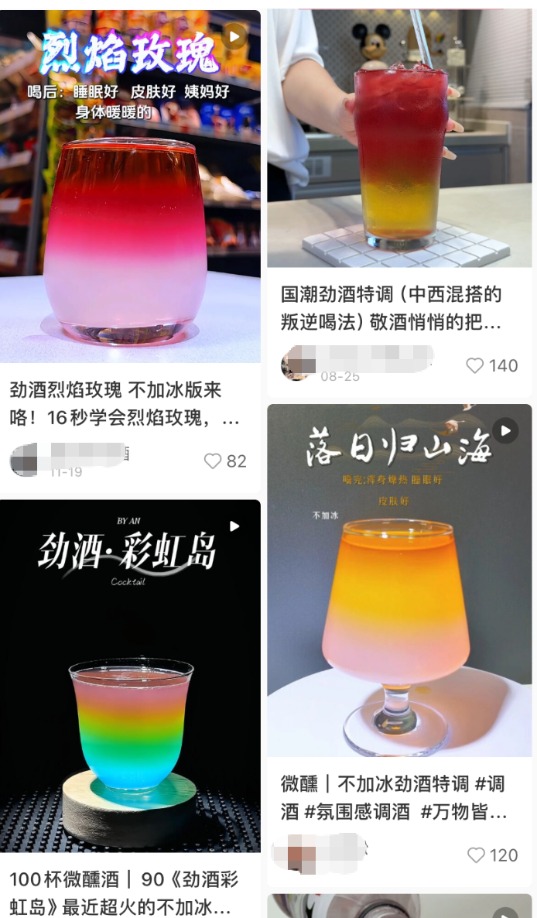
Core Insights - The article highlights the rising popularity of "Jin Jiu" (劲酒), a health liquor, particularly among Gen Z and young women, who have rebranded it with new labels such as "Auntie Miracle Water" and "Health Disco" [1][3][4]. Group 1: Market Performance - Jin Jiu's overall performance has seen a growth of approximately 10% this year, with a notable increase of over 20% in sales specifically for Jin Jiu [3]. - In 2024, Jin Jiu's sales reached 12.5 billion yuan, and in the first half of 2025, sales of the red label Jin Jiu surged by 50% [11]. - The brand has attracted around 9 million young users aged 18 to 30, with 4 million being female, due to social media trends [3]. Group 2: Marketing Strategy - The brand has successfully shifted its image from a "male drinking liquor" to a "female-friendly health drink" through targeted marketing strategies, including collaborations with influencers and the introduction of female-oriented products [6]. - Various cocktail recipes featuring Jin Jiu have emerged, such as "Health Version Long Island Iced Tea" and "Auntie Miracle Water," which have contributed to its popularity among young women [4][6]. Group 3: Supply Chain and Availability - There have been reports of Jin Jiu being out of stock in several regions, attributed to a sudden spike in consumer demand that exceeded prior inventory levels [13][18]. - Despite some areas experiencing shortages, other locations, including the brand's headquarters in Wuhan, reported sufficient supply [16][17].
被称“姨妈神仙水”,多地卖断货!劲酒突然爆火,新增400万女粉,有店主称“缺货快一个月了”,但医生发出警告→
Mei Ri Jing Ji Xin Wen· 2025-12-04 12:46
Core Insights - The article highlights the rising popularity of "Jin Jiu" (劲酒), a health liquor, particularly among younger consumers, especially women, who are redefining its image from a traditional male-oriented drink to a trendy wellness beverage [4][6][12]. Group 1: Market Performance - Jin Jiu's overall performance has seen a growth of approximately 10% this year, with a notable increase of over 20% in sales for Jin Jiu specifically [4]. - In 2024, Jin Jiu's sales reached 12.5 billion yuan, and in the first half of 2025, sales of the red label Jin Jiu surged by 50% [12]. - The brand has attracted around 9 million young users aged 18 to 30, with 4 million being female, due to its new marketing strategies [4][12]. Group 2: Consumer Trends - The drink has gained traction on social media platforms, with over 100,000 related posts on Xiaohongshu (小红书) by autumn 2025, and has been labeled as "the goddess water" for menstrual relief [4][6]. - Various innovative cocktail recipes featuring Jin Jiu have emerged, such as "goddess water" and "health version Long Island iced tea," appealing to a younger demographic [8][12]. - The brand has successfully shifted its marketing focus towards women, launching campaigns and products specifically targeting female consumers [8][12]. Group 3: Supply Chain and Availability - There have been reports of Jin Jiu experiencing stock shortages in several regions, attributed to a sudden spike in consumer demand [12][17]. - Some retailers have noted that the supply of Jin Jiu has been stable, while others have faced shortages, indicating a disparity in availability across different markets [12][14][15]. - A representative from Jin Jiu explained that the shortages are due to increased consumption outpacing prior stock levels, as the production process requires time for aging and ingredient extraction [17].
《食养江湖》西安站:刘奕君解密碳水食养,中国劲酒解锁古都“烟火+温润”智慧
Zhong Guo Shi Pin Wang· 2025-11-05 09:41
Core Insights - The show "Food and Health Jianghu" focuses on the unique dietary culture of Xi'an, emphasizing the health benefits of carbohydrate-rich foods [1][3] - The program highlights the historical significance of Shaanxi cuisine and its evolution, showcasing local dishes that align with modern health trends [3][4] Group 1: Cultural Significance - Xi'an, as a historical capital, has a rich culinary heritage that reflects the philosophy of "food should be exquisite and detailed," which is integral to Chinese dietary culture [3] - The region's agricultural advantages, particularly in high-quality winter wheat, contribute to its reputation as the "Carbohydrate Capital," featuring dishes like biangbiang noodles and lamb paomo [3][4] Group 2: Health and Nutrition - The program illustrates how traditional Xi'an dishes incorporate nutritional wisdom, balancing carbohydrates, proteins, and fibers to promote health [4][6] - Dishes such as lamb paomo and oil-splashed noodles are highlighted for their health benefits, including digestive support and nutrient absorption, particularly suited for the local climate [4][7] Group 3: Modern Relevance - The collaboration with the Tang drama group adds cultural depth and engagement, making the exploration of food and health more relatable to contemporary audiences [4][6] - The integration of traditional health concepts with modern dietary preferences positions Chinese medicinal wine, like China Jingjiu, as a convenient health supplement that complements local cuisine [6][7]

劲牌的百亿瓶颈:八年增长失速 保健酒王者如何破局?
Zhong Guo Jing Ying Bao· 2025-08-29 21:39
Core Viewpoint - The company, Jinpai, has faced growth challenges after reaching over 10 billion yuan in revenue in 2017, with its revenue stagnating around the 10 billion yuan mark in subsequent years, while competitors like Luzhou Laojiao and Shanxi Fenjiu have surpassed 30 billion yuan in revenue [3][4][5] Group 1: Company Performance - Jinpai's revenue was approximately 10.2 billion yuan in 2018, increased slightly to 10.7 billion yuan in 2019, and reached about 11 billion yuan in 2021, but then saw a decline [4][5] - In 2022, Jinpai's revenue recovered to the level of 2019, and for 2024, the company projected a revenue of 12.5 billion yuan, reflecting a growth rate of 4.3% [5][6] - The company holds over 50% market share in the health wine sector, indicating limited growth potential due to market saturation [5][6] Group 2: Market Dynamics - The health wine market is relatively niche, with a limited consumer base, primarily consisting of health-conscious retirees and a younger demographic that is less receptive to traditional health wines [6][7] - The overall liquor industry in China is projected to reach 796.38 billion yuan in sales revenue in 2024, with a year-on-year growth of 5.3%, indicating a broader market opportunity despite the niche nature of health wines [6][7] Group 3: Strategic Initiatives - Jinpai has diversified its product offerings, including the introduction of herbal wines and acquisitions in the liquor sector to seek new growth avenues [7][8] - The company has launched marketing initiatives targeting younger consumers through social media and content marketing, aiming to rejuvenate its brand image [8][9] - Jinpai's herbal wine products, such as the Mao Pu herbal wine series, are positioned to appeal to social drinking occasions, with price ranges from 300 to 780 yuan for different aged variants [8][9]
劲牌:以用户为中心 全面推进“四个友好”型企业建设
Ren Min Ri Bao· 2025-07-08 22:20
Core Viewpoint - The company, Jinpai Co., Ltd., emphasizes a sustainable development model centered around the concept of "Four Friendliness"—user-friendly, customer-friendly, employee-friendly, and socially friendly, aiming for long-term value creation for all stakeholders [1][10]. User-Friendly Initiatives - Jinpai has upgraded its product packaging from transparent glass bottles to brown bottles to enhance product quality stability, despite higher raw material costs, maintaining the same price for consumers [2]. - The company has launched a new herbal liquor product that incorporates over five patents and five herbal essences, with all spirits aged for over five years, providing a new experience for users [2]. - Jinpai invests over 3% of its annual sales revenue in product research and development, utilizing key technologies such as traditional Chinese medicine fingerprinting and scientific extraction [3]. Customer-Friendly Strategies - Jinpai has established long-term partnerships with clients, with some relationships exceeding 39 years, focusing on transparent and mutually beneficial cooperation [7]. - The company promotes "non-saturated sales" to address inventory issues, ensuring healthy stock levels and reasonable profits for distributors and end customers [7]. Employee-Friendly Practices - Jinpai provides comprehensive employee benefits, including full reimbursement for serious illness medical expenses and cash rewards for childbirth, with total employee welfare spending exceeding 160 million yuan in 2024 [8]. - The company emphasizes talent development, having trained several high-level experts and promoting continuous learning among employees through initiatives like a monthly reading program [9]. Socially Friendly Contributions - Jinpai has reduced the carbon footprint of its products by 36.5% to 48.2% through packaging upgrades and has established a comprehensive environmental management system [10]. - The company has invested nearly 900 million yuan in water supply projects and has donated 5.2 billion yuan to support education for impoverished students, demonstrating its commitment to social responsibility [10]. - Jinpai has contributed a total of 12.23 billion yuan to poverty alleviation efforts, benefiting over 5 million people, and has received multiple awards for its charitable initiatives [10].
劲牌:以用户友好为基 构建可持续竞争力
Cai Jing Wang· 2025-05-16 04:15
Core Viewpoint - The company aims to build a user-friendly, customer-friendly, employee-friendly, and socially friendly enterprise, with a strong emphasis on user value as the core driver of its development [1][2]. Group 1: User-Centric Strategy - The company has consistently focused on user-centric strategies from corporate strategy to product development and brand culture, exploring a sustainable development path [2]. - The recent upgrade of the product packaging from transparent to brown glass bottles enhances the stability of the wine quality without increasing prices, showcasing the company's commitment to high-quality products at competitive prices [3][4]. Group 2: Quality and Innovation - The company maintains a systematic innovation approach, ensuring high-quality products through deep control of the entire industry chain, including the establishment of three major raw material bases [4][5]. - The company allocates over 3% of annual sales revenue to research and innovation, resulting in 27 technology awards, with 25 recognized as internationally leading or advanced [4][5]. Group 3: Health and Consumer Responsibility - The company promotes a health-conscious message through its advertising, emphasizing moderation in consumption as part of its corporate responsibility [6][7]. - The core product, Jinjiao, utilizes scientific extraction technology to maximize the retention of effective ingredients from medicinal materials, ensuring health benefits [8]. Group 4: Market Position and Brand Philosophy - The company has established itself as a leader in the Chinese health wine market, exporting to over 30 countries and regions, while promoting a health-first philosophy [9]. - The launch of the herbal white wine, which combines traditional culture with modern health concepts, marks the company's expansion into the health sector [9]. Group 5: User Experience and Service - The company emphasizes high-quality service throughout the product lifecycle, including extensive internal and external testing before product finalization [10][12]. - The new packaging initiative aims to balance environmental considerations with consumer expectations, reflecting the company's commitment to user-friendly practices [11][12]. Group 6: Long-term Commitment - The company’s mission is to enhance consumer health and quality of life through healthy products and services, reflecting its long-term commitment to user friendliness [13].
股票“披星戴帽”,海南椰岛保壳战再启
Bei Ke Cai Jing· 2025-05-06 08:12
Core Viewpoint - Hainan Yedao faces significant financial challenges, with negative net profits and revenues below 300 million yuan, leading to a delisting risk warning and a stock name change to "*ST Yedao" [1][8] Financial Performance - In 2024, Hainan Yedao reported total revenue of 175 million yuan, a year-on-year decrease of 21.97%, and a net loss of 136 million yuan, slightly improved from a loss of 149 million yuan in the previous year [4] - The company’s cash flow from operating activities was negative at -18.29 million yuan [4] - The first quarter of 2025 saw a revenue decline of 18.47% year-on-year to 4.4 million yuan, with a net loss of 650,540 yuan [5] Historical Context - Hainan Yedao has previously faced delisting risks, notably in April 2018, when it managed to avert a crisis through asset sales [2][9] - The company has experienced continuous losses from 2021 to 2024, with revenue dropping from 833 million yuan to 175 million yuan [11] Strategic Initiatives - The company plans to focus on core market development, increase market share, and implement budget controls in 2025 to lift the delisting risk warning [3][13] - Hainan Yedao aims to enhance its product structure and market strategy to improve operational performance [13] Product Development - The introduction of new products in the fourth quarter of 2024 did not significantly boost revenue, with only 12 million yuan in sales during that quarter [5] - The company is attempting to diversify its product offerings, including the launch of herbal liquor, but initial sales figures indicate limited market traction [15][16] Legal Challenges - Hainan Yedao is currently facing over 20 lawsuits, with a total involved amount of approximately 28.81 million yuan, complicating its recovery efforts [12] Market Position - The company has struggled with competition in the beverage market, particularly in the health liquor segment, which has contributed to its declining performance [14][16]

跌停!鹏华基金旗下1只基金持仓海南椰岛,合计持股比例1.51%
Sou Hu Cai Jing· 2025-04-07 13:26
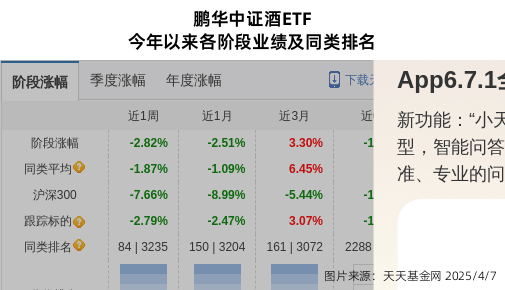
Group 1 - Hainan Yedao's stock hit the daily limit down on April 7, with a year-to-date decline of 27.79% [1] - Hainan Yedao, established in 1953 and listed in 2000, is a large state-controlled enterprise focusing on health wine and liquor, and involved in various sectors including food, beverages, trade, investment, cultural tourism, and real estate [1] - The company is recognized as "China's first health wine stock" and is a national high-tech enterprise [1] Group 2 - Penghua Fund's Penghua Zhongzheng Wine ETF is among Hainan Yedao's top ten shareholders, having increased its stake to 1.51% in the fourth quarter of last year [1] - The Penghua Zhongzheng Wine ETF has a year-to-date return of -3.02%, ranking 427 out of 3067 in its category [1] Group 3 - Zhang Yuxiang is the fund manager of Penghua Zhongzheng Wine ETF, with a background in data analysis and extensive experience in quantitative research and fund management since joining Penghua Fund in 2011 [3][4] - Zhang has managed various funds over the years, including the Penghua Shanghai and Shenzhen 300 Index and the Penghua New Silk Road Fund [3][4]