劲酒

Search documents
这届糖酒会 度数不太高
经济观察报· 2026-03-29 04:11
Core Viewpoint - The liquor industry is undergoing a transition from traditional high-alcohol spirits to new categories driven by younger consumers seeking lower-alcohol options and diverse drinking experiences [1][20]. Industry Changes - The market share of traditional white liquor remains dominant, but its growth has slowed, with a shift from "channel pressure" and "face consumption" to a new order defined by young people's preferences for "light intoxication" [1][20]. - The 2025 data shows a 12.1% decline in white liquor production, marking the ninth consecutive year of decline, with total production dropping to 354.9 million liters from a peak of 1,358.4 million liters in 2016 [17]. - The 2025 revenue of A-share listed white liquor companies fell by approximately 6.26%, with net profits down by 6.72%, indicating significant industry pressure [17]. Emerging Trends - The 2025 China liquor market saw the emergence of new categories such as low-alcohol liquor and non-alcoholic products, with the low-alcohol liquor market reaching 800 billion yuan, growing by 40% year-on-year [3]. - The popularity of non-alcoholic products is rising, with sales of non-alcoholic wine tripling in 2025, indicating a shift in consumer preferences towards healthier options [9][10]. - The introduction of new products like "light" series liquors and the rise of health-oriented drinks from pharmaceutical companies reflect changing consumer demands [6][7]. Channel Dynamics - The distribution landscape is evolving, with companies like Meituan launching instant retail initiatives to connect directly with consumers, indicating a shift towards more immediate and personalized sales channels [12][13]. - The rise of "scatter liquor" sales models is gaining traction, with companies exploring new retail formats that allow consumers to purchase liquor in smaller quantities [14][15]. Consumer Behavior - Younger consumers are shifting their drinking motivations from social obligations to personal enjoyment, preferring scenarios like solo drinking or small gatherings [4]. - The consumer choice logic is changing, with a focus on quality-price ratio and emotional value, leading to a blurring of lines between different liquor types [19].




一个真相:白酒消费者,“变心”了!丨老韩酒业手记
Sou Hu Cai Jing· 2026-02-16 00:00
Core Insights - The drinking culture in China is undergoing a significant transformation, moving from heavy drinking in large gatherings to more intimate settings with lighter consumption [3][4] - This shift reflects deeper changes in consumer behavior, indicating that the motivations and preferences of drinkers have evolved [3][4] Group 1: Consumer Behavior Changes - Younger generations (post-90s and post-00s) are seeking personal enjoyment and emotional release in their drinking habits, favoring casual settings and DIY mixed drinks over traditional heavy drinking [6][7] - Older generations (60s and 70s) are navigating the challenges of aging while trying to maintain social connections, leading them to prioritize health-conscious drinking options [7][8] Group 2: Economic and Social Context - The economic cycle influences the social role of alcohol; during prosperous times, alcohol served as a business tool, while in downturns, it becomes a source of comfort [9][10] - The decline in high-end alcohol consumption reflects a broader trend of reduced business-related drinking, with consumers now seeking affordable and enjoyable options [9][10] Group 3: Cultural Shifts - The traditional drinking culture, characterized by strict rules and social hierarchies, is being replaced by a more relaxed approach that values comfort and moderation [12][17] - Changes in government policies and societal attitudes towards drinking, such as anti-drunk driving laws, have contributed to a reevaluation of drinking norms [14][15][16]
“微醺”赛道暗战:元气森林气泡水何以成为调酒场景“隐形冠军”?
Jin Rong Jie· 2026-02-12 07:31
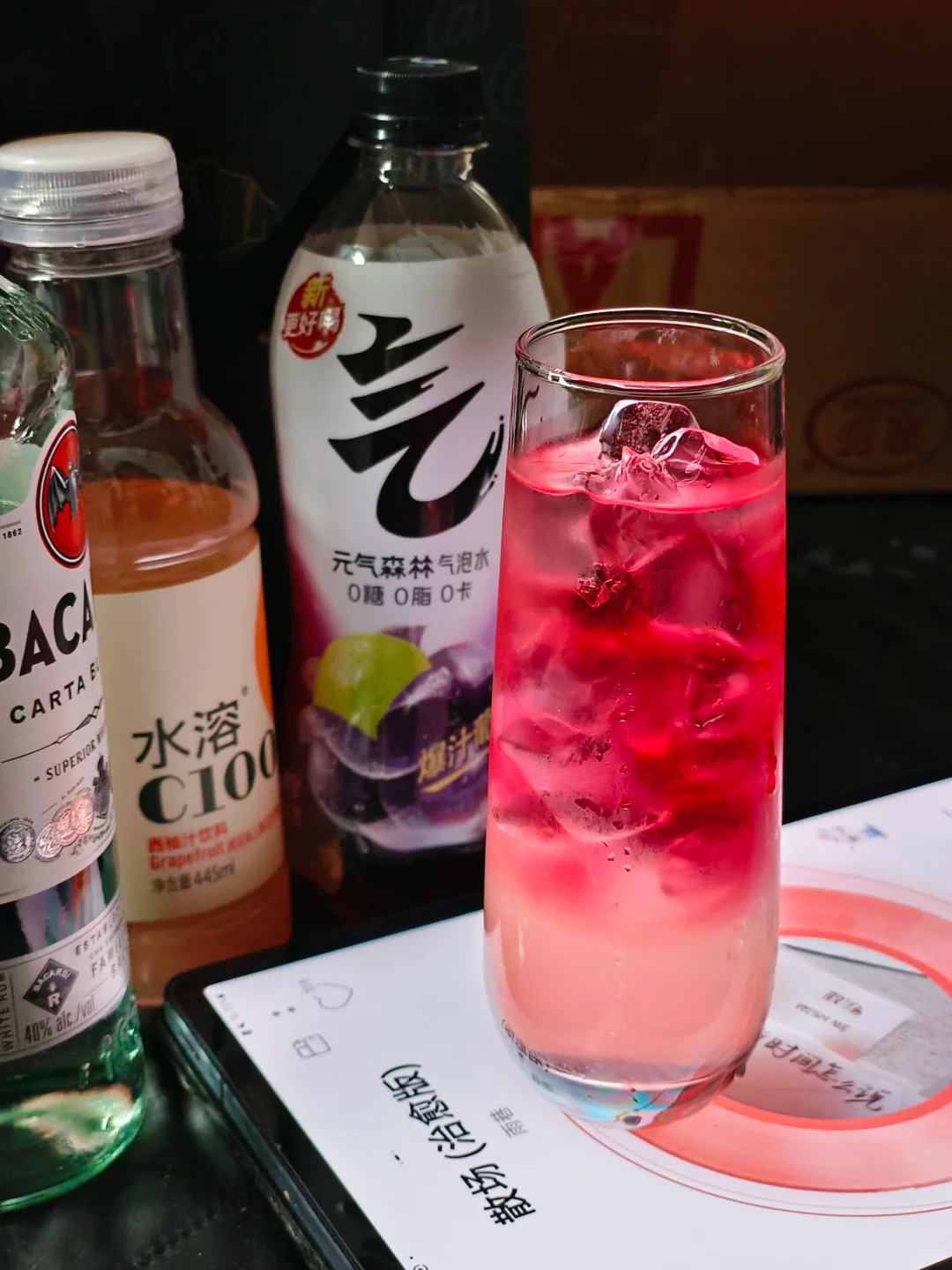
Core Insights - The "tipsy economy" is projected to reach a scale of 117.5 billion yuan by 2025, driven by a transformation in drinking habits among young consumers, emphasizing low-alcohol, personalized, and scenario-based drinking demands [1] - Over 60% of young people are willing to try making their own cocktails, with social media discussions on this topic increasing by 175% year-on-year, indicating a surge in the new cocktail market [1] Group 1: Market Trends - The cocktail consumption trend among young people is being fueled by their creative enthusiasm, with major social platforms becoming key channels for cocktail culture dissemination [3] - The hashtag homemade drinks on Xiaohongshu has reached 12.2 billion views, while the cocktail hashtag on Douyin has garnered 11.9 billion views, showcasing the popularity of cocktail-related content [3] Group 2: Consumer Preferences - "元气森林" (Yuanqi Forest) has emerged as the preferred choice for new-style cocktails among young consumers, with a variety of user-generated content (UGC) showcasing diverse cocktail combinations [4] - The combination of Yuanqi Forest sparkling water with various alcoholic beverages has become a popular trend, with a specific recipe gaining nearly 4,000 UGC entries, highlighting the dual empowerment of beverage and alcohol categories [4] Group 3: Retail Dynamics - The online consumption trend is translating into offline retail strategies, with convenience stores becoming central to this transformation, actively bundling Yuanqi Forest with alcoholic products [6] - By 2025, nearly 30,000 convenience stores nationwide are expected to set up cocktail combination sections, reflecting the market's recognition of the Yuanqi Forest and alcohol combination model [8] Group 4: Product Characteristics - Yuanqi Forest's product features align well with the core demands of new-style cocktails, addressing young consumers' preferences for diverse flavors, low-calorie options, and enjoyable drinking experiences [9] - The brand has established partnerships with major alcohol brands to promote cocktail culture, laying a solid foundation for market acceptance and future growth [9] Group 5: Industry Implications - The success of Yuanqi Forest in the cocktail scene illustrates the potential for integration between beverage and alcohol industries, providing a reference model for industry convergence [10] - The rise of the "tipsy economy" and new-style cocktails highlights the importance of scenario innovation in brand development, suggesting that companies must closely align with consumer needs to seize market opportunities [10]
白酒行业大洗牌!年轻人喝出新花样,传统酒企彻底慌了?
Sou Hu Cai Jing· 2026-02-02 23:41
Core Viewpoint - The white liquor industry is undergoing a transformation rather than a decline, with new consumption patterns emerging among younger consumers who prefer more affordable and convenient drinking options [1][3][33]. Group 1: Industry Trends - By 2025, many liquor companies are expected to see negative revenue growth, with the top five companies experiencing a collective net profit decline of 13.2% [1]. - The white liquor market is witnessing a shift in the main sales price segment, with sales growth in the 100-300 yuan price range exceeding 10% [5]. - The industry is not in decline but is moving away from the old era of "easy profits," as younger consumers seek more value-driven and personal drinking experiences [11][22]. Group 2: Consumer Behavior - Younger consumers are not abandoning white liquor; instead, they dislike the pressure of traditional drinking culture and prefer a more controlled drinking experience [13][20]. - The popularity of small bottle packaging (100ml) is rising, particularly among consumers aged 20-30, as it offers a low-cost trial option and aligns with their lifestyle [9][16]. - The trend of mixing traditional liquors with other beverages, such as the rise of "Jin Jiu" among younger drinkers, indicates a shift towards more creative and personalized drinking methods [7][14][29]. Group 3: Company Strategies - Companies are adapting to new consumer demands by introducing smaller, more affordable products and leveraging digital platforms for better consumer engagement [23][25]. - Moutai's iMoutai platform has successfully attracted new users and increased foot traffic to physical stores, demonstrating the effectiveness of a hybrid online-offline sales strategy [25]. - Other brands, like Luzhou Laojiao and Wuliangye, are also innovating by enhancing their online sales channels and introducing new flavors to appeal to younger consumers [27][29]. Group 4: Market Dynamics - The number of white liquor production companies has decreased to 887, with an industry loss rate of 36.1%, highlighting a significant market consolidation [31]. - The top five companies now account for over 55% of industry revenue, a trend expected to rise to 65% in the next three years, indicating a strong head effect [31]. - Brands that fail to adapt to changing consumer preferences are being eliminated, while those that embrace new trends are gaining market share [31][33].
叛逆,这届年轻人偷偷捧红了一张极小众“网红水单”
3 6 Ke· 2026-01-31 03:06
Core Insights - The article highlights the emergence of unconventional beverages among young consumers in 2025, showcasing a shift in drinking culture towards creative and personalized drink experiences [1][28] Group 1: The Rise of Jinjiao - Jinjiao has transformed from a traditional "health drink" to a trendy beverage dubbed "Auntie’s Elixir," appealing to young women through social media marketing [2][4] - The brand's popularity surged, with a 102.74% increase in search index on Douyin and 46.8 billion video views related to Jinjiao [6] - Jinjiao's marketing strategy included a dedicated content team to create relatable memes and engage younger audiences, establishing a youthful brand identity [9] Group 2: The Popularity of Ice Cups - Ice cups have become a key component in the beverage trend, with sales increasing over 300% for two consecutive years, and urban consumers averaging 48 cups per year [12][10] - The versatility of ice cups allows for creative drink combinations, making them a popular choice for young consumers seeking unique drinking experiences [14] - The low cost of ice cups (1-3 yuan) enhances their appeal, offering consumers a sense of creativity and enjoyment in their drink choices [14] Group 3: Convenience Store Mixology - Young consumers are utilizing 24-hour convenience stores as informal bars, creating personalized cocktails with affordable ingredients [15][17] - The trend of convenience store mixology has gained significant traction, with 42.9 billion views on Douyin for related content, indicating a strong market demand [17] - This trend reflects a desire for instant gratification and a fun, social drinking experience among young adults [17] Group 4: The Resurgence of Sweet Soup - Sweet soup has made a notable comeback, with brands like Haidilao entering the market, indicating a growing consumer interest in traditional desserts [18][19] - The expansion of sweet soup shops has been rapid, with significant new openings in 2025, showcasing a revival of this classic beverage category [19][21] - The emotional connection and nostalgic appeal of sweet soup resonate with consumers, fulfilling their desire for comfort and indulgence [23] Group 5: The Unexpected Popularity of Mate Tea - Mate tea has emerged as a surprising favorite among young consumers, despite its polarizing taste, with significant social media engagement [24][27] - The beverage's unique caffeine content and cultural associations contribute to its appeal, positioning it as a trendy choice for energy and social sharing [27] - The combination of its challenging flavor and health benefits aligns with the adventurous spirit of young drinkers [27]
中锐股份:劲酒是公司主要客户,整体销售情况向好
Mei Ri Jing Ji Xin Wen· 2026-01-26 01:25
Core Viewpoint - The sales performance of the major client, Jinjiu, is reported to be positive, with an expected growth in sales for 2025 compared to the previous year [1] Group 1 - Company Zhongrui Co., Ltd. (002374.SZ) confirmed that Jinjiu is a major client and that overall sales are performing well [1] - The company anticipates that sales to Jinpai will increase in 2025 compared to the previous year [1] - Further details regarding sales performance will be available in the company's upcoming 2025 annual report [1]

习酒明确未来五年工作重点;威龙股份2025年预亏4092万元到6611万元丨酒业早参
Mei Ri Jing Ji Xin Wen· 2026-01-21 00:04
Group 1 - Xijiu has outlined its key work priorities for the next five years, focusing on modern development paths, quality production systems, innovation-driven engines, cultural enterprise development, harmonious growth, and strengthening party leadership [1] - The strategic upgrade of Xijiu is expected to enhance corporate governance and long-term brand value, potentially driving other companies in the sector to increase technological investments and improve overall industry competitiveness [1] Group 2 - Weilang Co. has announced a projected net loss of between 40.92 million to 66.11 million yuan for the year 2025, with expected operating revenue between 341 million to 391 million yuan [2] - The anticipated decline in revenue and negative net profit indicates significant operational pressure on Weilang, reflecting the challenges faced by the domestic wine market [2] Group 3 - The market size of the liquor category, particularly for products like Jingjiu and Meijian, is expected to exceed 20 billion yuan by 2025, doubling from 2020, with a compound annual growth rate of over 10% [3] - The growth of the liquor market highlights the increasing demand from younger consumers, suggesting a high growth potential for the industry, with predictions of the market reaching over 100 billion yuan by 2030 [3]

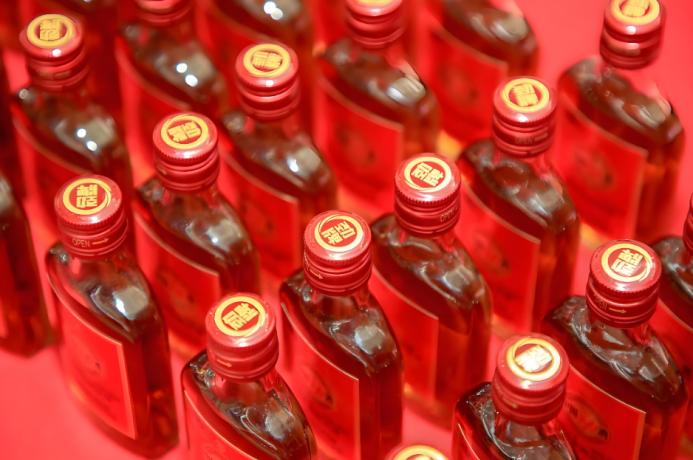
中年男人最爱的酒,年轻女孩正在抢断货
盐财经· 2026-01-20 09:37
Core Viewpoint - The article discusses the rising popularity of Chinese health wine, Jinjiu, particularly among young women, transforming it into a trendy social drink and a new form of "national whiskey" [2][4][10]. Group 1: Market Trends and Consumer Behavior - Jinjiu has gained traction on social media, with many young women sharing their experiences and creative cocktail recipes, leading to a significant increase in its consumer base [3][4][12]. - The brand has successfully attracted approximately 9 million new young users in the past two years, with 4 million being female consumers, indicating a shift in its target demographic [9][28]. - The price point of Jinjiu, with a 125ml bottle costing only 16 yuan, makes it accessible to a wide audience, contributing to its popularity [6][10]. Group 2: Sales Performance and Growth - In the first half of 2025, sales of Jinjiu exceeded 5 billion yuan, marking a year-on-year growth of over 50%, showcasing its strong market performance amidst a challenging industry environment [26][39]. - The company anticipates an overall sales growth of about 10% for 2025, projecting revenues to surpass 13.5 billion yuan, driven by the influx of new consumers [36][28]. Group 3: Marketing Strategies - Jinjiu's marketing strategy includes forming a dedicated content marketing team to engage with younger audiences on social media platforms, which has helped reshape its brand image [24][26]. - The brand has also capitalized on the trend of health-conscious consumption, aligning with national health strategies, which has opened new market opportunities for health-oriented alcoholic beverages [28][39]. Group 4: Industry Context - The health wine sector is projected to reach a market size of approximately 487.1 billion yuan by 2024, significantly smaller than the white wine market, which is expected to approach 8.1 trillion yuan [36]. - The overall alcohol industry is facing challenges, with many companies experiencing declining sales and profits, making Jinjiu's success particularly noteworthy [39][40].

白酒行业“冬去春来”系列研究2:沉舟侧畔千帆过,露酒先发一缕春
Sou Hu Cai Jing· 2026-01-19 13:13
Group 1 - The core viewpoint of the report is that the liquor industry, particularly the emerging category of "露酒" (liquor with medicinal properties), is experiencing growth despite the overall decline in the traditional white liquor market since 2016, driven by changing consumer preferences and innovative marketing strategies [1][2][10]. - The white liquor industry has faced a downturn since 2016, with total production decreasing from 12.66 million tons to an estimated 3.594 million tons by 2024, alongside high channel inventory and a decline in interest from younger consumers [1][26]. - "露酒" has historically been associated with health and medicinal properties, limiting its appeal to younger demographics who seek trendy and visually appealing products, creating a structural bottleneck for growth [1][2][10]. Group 2 - The strategy of "去药化" (de-medicalization) is crucial for "露酒" to break through its growth bottleneck, focusing on reducing its medicinal attributes and enhancing its appeal as a social beverage [9][40]. - The report highlights the successful transformation of "露酒" from a functional health drink to a social beverage, exemplified by products like "梅见酒," which have innovated in flavor and presentation to attract younger consumers [9][41]. - The market for "露酒" is projected to exceed 200 billion yuan by 2030, indicating significant growth potential as it becomes a core segment of the liquor industry [9][42]. Group 3 - The "露酒" industry has shown a remarkable profit growth of nearly 200% from 2020 to 2024, outperforming the overall liquor industry, driven by health-conscious trends and product innovation [10][44]. - The product range of "露酒" has diversified to include lower alcohol content and smaller packaging sizes, catering to a wider audience and adapting to modern consumption habits [11][46]. - Innovative marketing strategies, particularly through social media platforms, have helped "露酒" reach younger consumers and reshape its image away from traditional health-focused branding [14][49]. Group 4 - The future of the "露酒" industry looks promising, with expectations of a flourishing market driven by its refreshing taste, innovative marketing, and the entry of major liquor companies like Moutai and Wuliangye, which will enhance product diversity and market presence [15][54]. - The report suggests focusing on investment opportunities within the "露酒" sector, particularly brands that have established a strong market presence and those that are innovating in flavor and marketing to capture the growing consumer base [16][56].

渠道商谈今年“春节档”白酒销售情况:会比平时好一些,但和往年没法比
Sou Hu Cai Jing· 2026-01-19 09:57
Core Insights - The white liquor market is expected to see better sales during the 2026 Spring Festival compared to regular periods, but it will not match previous years' performance [1] - Key issues in the 2025 market include high inventory levels and price inversion, with manufacturers and channels focusing on destocking as the market shows signs of recovery, albeit weakly [1] Group 1: Market Trends - The 2025 Spring Festival sales are anticipated to be influenced by low-alcohol beverages, instant retail, and health wines, although these segments may not dominate due to the unique consumption patterns during the festival [1] - The overall market recovery is characterized by a focus on destocking and price stabilization, which will remain the main theme for the industry in 2026 [1] Group 2: Marketing Strategies - Leading liquor companies are ramping up marketing efforts for the Spring Festival, with significant partnerships established for promotional activities, such as collaborations with major broadcasting networks [3][5] - The effectiveness of traditional marketing strategies, such as sponsoring the Spring Festival Gala, may be diminished this year due to changing consumer engagement patterns [6] Group 3: Sales Performance - Sales conversion rates for liquor brands are expected to be lower than in previous years, with analysts predicting a decline of 50-60% compared to the same period last year [6] - Despite increased marketing efforts, the actual sales performance during the Spring Festival is projected to be weaker than in previous years, with many products experiencing price reductions rather than increases [6] Group 4: Consumer Behavior - The extended holiday and revival of banquet scenarios may provide a short-term boost to liquor consumption, but the overall high inventory levels and sluggish sales raise concerns about sustainable growth [7] - Low-alcohol products are likely to see increased consumption during family gatherings, but instant retail may not significantly contribute to sales due to logistical challenges during the holiday [11] Group 5: Health Wine Segment - Health wines have gained popularity, particularly among younger consumers, but concerns about exaggerated health claims may limit their long-term appeal [13] - The health wine market is seen as one of the few segments benefiting from category expansion, although it may not be the primary choice for gift-giving during the Spring Festival [13]