
牛肉

Search documents
与特朗普关税有关?中国考虑恢复进口和牛,日本海鲜也将登陆中国
Sou Hu Cai Jing· 2025-07-14 23:12
Group 1: Core Insights - Japan has resumed beef imports from Japan after a 24-year ban due to BSE, marking a significant shift in trade relations with China [1] - The lifting of restrictions on Japanese seafood imports coincides with the beef import resumption, indicating a broader trend of trade normalization between Japan and China [2] - The strategic decision to enhance economic cooperation with China is influenced by the trade pressures from the Trump administration, particularly the tariffs imposed on Japanese goods [3][5] Group 2: Economic Impact - Japan's beef export value is projected to reach 18 billion yen in 2024, with potential demand from China exceeding 5 billion yen [2] - The Japanese seafood export to China is expected to reach 1.23 billion USD in 2024, accounting for 11.1% of Japan's total seafood exports [2] - The anticipated trade agreements could boost Japan's exports to China to 300 billion USD, representing 35% of its total exports, effectively countering losses from U.S. tariffs [5] Group 3: Market Dynamics - The Chinese market, with its 400 million middle-class consumers, presents a growing demand for high-end food products, including Japanese beef priced at 3,000 RMB per kilogram [7] - Japan's beef currently holds only a 0.3% share of China's total beef imports, which are projected to reach 2.8 million tons in 2024 [7] - Despite the challenges posed by stringent quality checks and public concerns over food safety, the potential for market share growth in China remains significant for Japanese agricultural products [7][2] Group 4: Geopolitical Context - The resumption of Japanese beef imports is not merely a trade decision but reflects the complex interplay of geopolitical and economic interests amid escalating U.S.-China tensions [1][7] - Japan's proactive approach in strengthening ties with China is seen as a strategic move to mitigate the economic impact of U.S. trade policies [5][3] - Continuous efforts from both the Japanese government and businesses are essential to navigate the challenges and achieve a mutually beneficial outcome in this evolving trade landscape [7]

韩媒:韩美启动第二轮关税谈判,但谈判前景并不乐观
Huan Qiu Shi Bao· 2025-05-21 22:57
Core Points - The second round of tariff negotiations between South Korea and the United States began on June 20 in Washington, focusing on key issues such as "reciprocal tariffs," non-tariff barriers, and trade imbalances [1][2] - This round of talks is significant as it occurs under the backdrop of the Trump administration's "America First" strategy and is seen as a test of the new and old policy directions of both countries [1] - The negotiations are expected to cover six major areas, including balanced trade, non-tariff barriers, economic security, digital trade, rules of origin, and improvement of the business environment [1] South Korea's Position - South Korea is particularly concerned about the 25% tariffs imposed by the U.S. on imports of steel, aluminum, and certain automotive products, which are framed under the "reciprocal tariffs" policy [2] - The South Korean delegation aims to negotiate significant tariff reductions from the U.S. by leveraging strategic industry cooperation and increasing U.S. product imports as bargaining chips [2] - The South Korean government emphasizes the importance of strategic industry collaboration in sectors like shipbuilding and semiconductors within the Indo-Pacific region to persuade the U.S. [2] U.S. Position - The U.S. has expressed a desire for South Korea to eliminate various non-tariff barriers, including restrictions on beef imports lasting over 30 months [2] - U.S. Treasury Secretary has warned that trade partners lacking sincerity in tariff negotiations may face the reinstatement of previously announced "reciprocal tariffs" [2] - There is uncertainty regarding whether the U.S. will accept South Korea's proposed timeline for reaching a framework agreement before the July 8 tariff buffer period expires [2] Political Context - The upcoming South Korean presidential election on June 3 adds urgency to the negotiations, as achieving a favorable outcome in tariff discussions is viewed as a key measure of the current government's economic diplomacy effectiveness [2]
据每日电讯报:美国将对英国制造的汽车关税降至10%,美英协议下,将把牛肉关税降至“接近零”。
news flash· 2025-05-08 14:25
Group 1 - The core point of the article is that the United States will reduce tariffs on British-made cars to 10% and will lower beef tariffs to "near zero" as part of a trade agreement between the US and the UK [1]
730万桶!中国转头把石油大单给美盟友,特朗普急了,想跟中方和解
Sou Hu Cai Jing· 2025-04-30 14:04
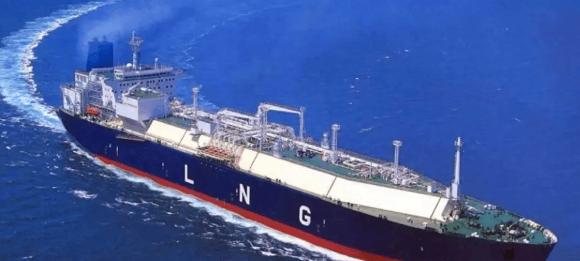
Core Viewpoint - China's record import of 7.3 million barrels of crude oil from Canada in March reflects a significant shift in energy trade dynamics amid the US-China trade war, impacting both countries' economies [1][3]. Group 1: Energy Trade Dynamics - The US has imposed a 125% additional tariff on Chinese imports, aiming to suppress China's energy demand, which led to a drastic reduction in China's imports of US crude oil and LNG, with LNG imports dropping to zero and crude oil imports plummeting by 90% from 29 million barrels per month in 2024 to 3 million barrels in March 2025 [1][3]. - Canada has become a new key supplier for China, with the expansion of the Trans Mountain pipeline facilitating increased crude oil exports, resulting in a significant rise in imports from Canada [3]. - The US is facing substantial losses in oil orders, estimated at several billion dollars monthly, as well as negative impacts on related supply chains and employment [3]. Group 2: Agricultural Trade Changes - The trade war has also affected agricultural exports, with US exports of soybeans to China dropping by 54% year-on-year, while Australia and Brazil have seen significant increases in their beef and poultry exports to China [3]. Group 3: Political and Economic Implications - President Trump has shown signs of softening his stance on tariffs, indicating a desire to lower them to prevent further trade stagnation with China [4]. - Canada is navigating a complex situation, benefiting economically from Chinese orders while politically aligning with the US, creating a contradictory stance [6]. - China has signed a 15-year LNG agreement with the UAE worth approximately 700 billion RMB, marking a significant step in energy cooperation and challenging the dominance of the US dollar [6]. Group 4: Strategic Energy Positioning - China's actions demonstrate a robust capability in energy strategic planning, reducing reliance on US energy and diversifying supply sources, thereby enhancing its energy security [8][9]. - The shift in energy trade dynamics is contributing to a more multipolar global energy market, diminishing the US's previous dominance in LNG exports [9].
撑不住了?特朗普暗示降低对华关税
凤凰网财经· 2025-04-18 11:32
观察者网 . 关注我们,一起观察 以下文章来源于观察者网 ,作者刘程辉 特朗普接着说:"所以我可能不想让关税再提高,甚至可能不想达到现有水平。我可能想降低关税,因为,你知道的,你希望人们购买商品。" 4月17日,特朗普在白宫会见意大利总理梅洛尼 另一边,特朗普仍在对中国下黑手。他被曝试图借关税施压,强迫各国限制对华贸易。 彭博社17日引述消息人士的话称,数十个国家寻求美国减免或豁免关税,作为交换,美国准备要求这些国家采取措施限制中国制造业实力,以防中国 绕开特朗普的关税政策。 消息人士还称,特朗普的高级经济顾问正考虑一项措施,要求他国对从某些与中国关系密切的国家进口的商品征收二级关税。 来源|观察者网 作者| 刘程辉 在中方连续反制下,连打关税乱拳的特朗普,口风变了。 当地时间4月17日,美国总统特朗普在白宫椭圆形办公室对记者表示,他不想继续提高对中国的关税了,因为这可能会使两国之间的贸易陷入停滞。 彭博社等报道称,在谈到美国会对中国进一步反制措施作何回应时,特朗普对记者暗示,他可能愿意降低关税。 "在某个时候,我不想让关税再提高了,因为到了一定程度,人们就不会购买商品了。" 发言人强调,中方此前已就美单边加 ...