科技研发

Search documents
百望股份加速全球税务合规生态布局
Zheng Quan Ri Bao Wang· 2026-02-12 08:48
Core Viewpoint - The strategic partnership between Baiwang Co., Ltd. and FPT marks a significant step in establishing a local tax compliance service system in Vietnam, enhancing Baiwang's presence in the Southeast Asian market and aligning with the "Belt and Road" initiative [1][5]. Group 1: Partnership Details - Baiwang focuses on core technology output and customer resource integration, leveraging its platform advantages while optimizing resource allocation [2]. - FPT provides local tax system access and expertise, ensuring efficient implementation of localized tax compliance services [2]. - The collaboration aims to create the first B2G compliance portal in Southeast Asia, integrating Baiwang's core systems with various government departments for streamlined compliance processes [2][3]. Group 2: Market Impact - Baiwang has developed a global compliance product system covering over 100 languages, 200 types of invoices, and 30,000 international tax rules, positioning itself as a preferred partner for Chinese enterprises going abroad [3]. - The partnership is expected to enhance the synergy between Baiwang's global platform capabilities and FPT's local service advantages, facilitating market penetration for Chinese companies in Vietnam [3][4]. - Baiwang's chairman emphasized the importance of providing comprehensive services for Chinese enterprises, leveraging FPT's extensive local network and expertise [4]. Group 3: Strategic Goals - The collaboration is part of Baiwang's long-term strategy to create a replicable and scalable model for overseas expansion, with plans to extend services to other Southeast Asian countries [4]. - The partnership aims to address the challenges of tax compliance for Chinese companies abroad, contributing to the digital transformation of tax systems in Vietnam and Southeast Asia [5].
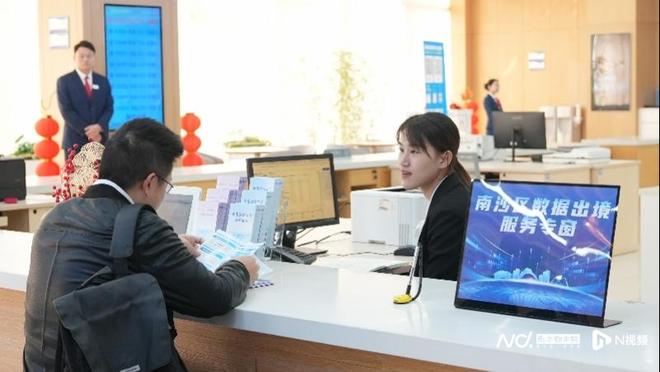
破解企业“走出去”痛点,南沙开设全市首个数据出境服务专窗
Nan Fang Du Shi Bao· 2026-02-12 05:35
企业和个人可通过以下方式便捷联系并获取服务: 随着粤港澳大湾区建设的深入推进,南沙区内跨境电商、数字文娱、科技研发等数字经济核心产业蓬勃 发展,企业数据出境的需求日益迫切且复杂。然而,数据出境面临各国不同的法律法规、技术标准与安 全评估要求,流程专业性强、合规门槛高,成为许多企业特别是中小型创新企业"走出去"的痛点与堵 点。 通过设置服务专窗,为企业提供专业化、集成化服务,有效解决企业数据出境面临的流程不清、周期 长、成本高等痛点,进一步优化营商环境,促进数字经济发展和国际合作。 据介绍,该专窗的服务对象覆盖所有存在数据出境需求的各类市场主体,重点服务但不限于跨境电商企 业、数字文娱与内容企业、科技创新与研发机构和初创型与中小微企业。 其功能远超出普通咨询,将配备专业服务人员,为企业解读《数据出境安全评估办法》《个人信息出境 标准合同办法》等法规的核心要求。从前期数据梳理、风险自评估,到申报材料准备、备案提交,乃至 后续的监督管理,专窗提供贯穿数据出境全生命周期的"一条龙"指导。通过专业的预判和辅导,帮助企 业避免常见"坑点",大幅缩短申报周期,将原本可能耗时数月的摸索过程,压缩为高效、精准的合规行 动。 除 ...

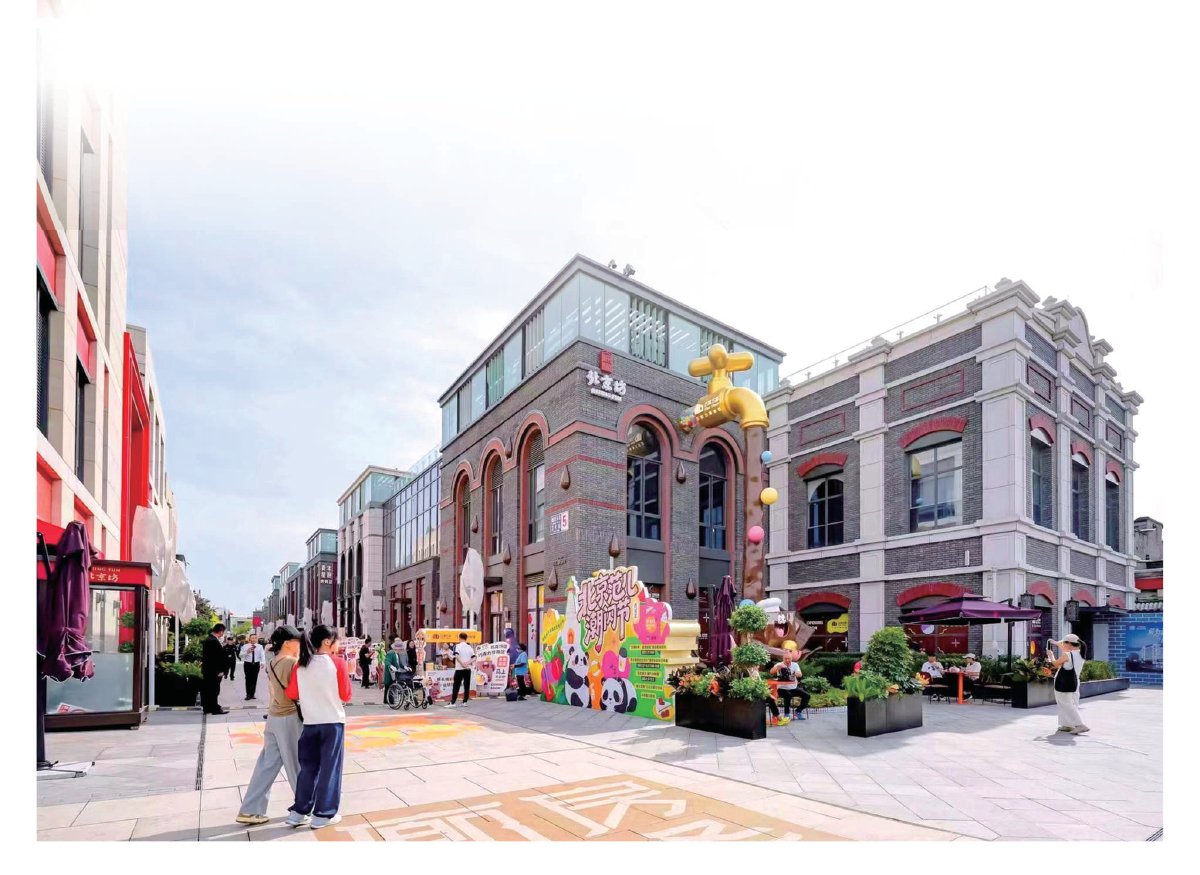
疏解提质 大城向新
Xin Lang Cai Jing· 2026-02-11 00:11
通州宋庄,一座建筑规模超18万平方米的儿童医院即将揭开神秘面纱:儿研所儿童医院通州院区去年已实现主体完工,建成后将添800张床位。 对比今天与十二年前的北京地图会发现,一些同一门牌号的建筑却换了模样。这是北京坚定不移疏解非首都功能,进一步优化首都功能和空间结构布局的生 动注脚。减法与加法、疏解与提升、腾退与更新,为的是让"都"的功能更聚焦、"城"的发展更优质。 去年国庆节前夕,位于中轴线上的北京坊二期正式亮相。 本报记者 方非摄 以"减"换"加" "一号难求,好不容易挂到号,却发现堵在去医院的路上;医院里也七拐八拐,格外拥挤。"有家长这样吐槽儿研所老院区。市民的痛点折射城市公共服务资 源布局的不足。儿研所老院区位于朝阳区雅宝路,虽然开放床位只有400多张,但年接待门急诊量却高达220万人次。 这并非个案。"北京优质医疗资源丰富,但大量集中在中心城区,甚至是二环内。"市疏整促专项办相关负责人说,面对来自全国各地的患者,周边环境,尤 其是交通不堪重负。 为此,本市在三年前启动儿研所儿童医院通州院区建设。通州院区建成后将成为该院主院区,更好地服务东部的患儿;过去老院区的科研教学功能、部分医 疗床位也将疏解至新院区。 ...
中国首个“万亿区”诞生!6000家高企,每平方公里54亿:解构中国最“恐怖”的经济密度……
Xin Lang Cai Jing· 2026-02-10 12:41
Core Insights - Shenzhen's Nanshan District has become the first county-level administrative region in China to surpass a GDP of 1 trillion yuan by 2025, surpassing approximately 90% of China's prefecture-level cities and even exceeding the annual economic output of small European countries like Iceland and Estonia [2][38] - Nanshan's economic success is attributed to a combination of market mechanisms, technological innovation, and urban governance, rather than natural resource endowments or administrative status [4][39] Economic Performance - Nanshan generates over 25% of Shenzhen's economic output on less than 10% of its land, with a GDP density of 54 billion yuan per square kilometer, three times the average in Shenzhen and over three times that of Shanghai's Pudong New Area [2][38] - The district hosts 218 listed companies and contributes approximately 0.7% to the national GDP, showcasing a high concentration of economic activity [2][38] Industrial Ecosystem - Nanshan is characterized as a "tropical rainforest" of industry, with over 600,000 market entities, including 6,037 national high-tech enterprises, creating a unique ecosystem of vertical integration and rapid innovation [7][41] - The district's "robot valley" exemplifies its industrial efficiency, where product development cycles are significantly shorter than in Silicon Valley, allowing for rapid prototyping and testing [9][43] R&D Investment - Nanshan's R&D investment intensity reaches 7.87%, far exceeding the national average of approximately 2.5% and surpassing Israel's 5.6%, leading to a high number of patents per capita [14][48] - The integration of secondary and tertiary industries has resulted in nearly 80% of the economy being driven by high-tech services rather than traditional sectors, with strategic emerging industries accounting for nearly 60% of GDP [14][48] Government Role - The local government plays a crucial role in fostering innovation through supportive policies, including substantial industry guidance funds and a high tolerance for failure, which helps startups navigate funding challenges [16][50] - Nanshan's strict intellectual property protection has made it a hub for international patent applications, accounting for 1/14 of the national total [18][52] Urban Integration - The district promotes seamless collaboration between academia and industry, with universities located close to enterprises, facilitating talent mobility and innovation [20][54] - Nanshan's urban planning integrates work and leisure, creating an attractive environment for top talent, which enhances cross-industry innovation [22][56] Comparative Analysis - Compared to Beijing's Haidian District, which excels in original innovation, Nanshan's strength lies in the industrialization of technology, with over 90% of R&D activities occurring within enterprises [24][58] - In contrast to Shanghai's Pudong, which benefits from significant state resources, Nanshan's growth is driven by grassroots entrepreneurship and a market-oriented approach [28][62] Challenges Ahead - Nanshan faces risks of hollowing out due to rising costs, as high rents and labor expenses may drive manufacturing away, necessitating innovative solutions to maintain its industrial base [30][65] - The district's administrative status as a district limits its governance capabilities, posing challenges in fiscal management and regional coordination [32][67] - The high cost of living may hinder the retention of young talent, raising concerns about the sustainability of its innovative ecosystem [34][69] Conclusion - Nanshan's achievement as the first trillion-yuan district signifies a shift towards innovation-driven growth without reliance on natural resources, providing a model for other regions in China [36][70] - The district's future will depend on balancing high-quality growth with quality of life, as it navigates the complexities of urbanization and economic development [36][70]

擘画新蓝图 河南许昌明确高质量发展着力点
Xin Lang Cai Jing· 2026-02-10 00:31
Group 1 - The core focus of the 2026 Government Work Report for Xuchang City is to summarize achievements during the 14th Five-Year Plan and set clear goals and priorities for the upcoming year [1] - The report emphasizes the importance of high-quality industrial development, with plans to optimize industrial structure and promote digital transformation for small and medium-sized enterprises [1] - Xuchang's government aims to enhance consumer confidence and stimulate economic recovery by establishing itself as a "Quality Consumption Benchmark City" [2] Group 2 - The city plans to integrate into the Zhengzhou metropolitan area by improving infrastructure connectivity, industrial collaboration, and public service sharing [2] - There is a strong emphasis on developing new quality productivity as a requirement for high-quality development, with a focus on the integration of technological and industrial innovation [2]
从“双师课堂”到科创社团,无锡这里探索人工智能教育“新路径”
Yang Zi Wan Bao Wang· 2026-02-08 14:23
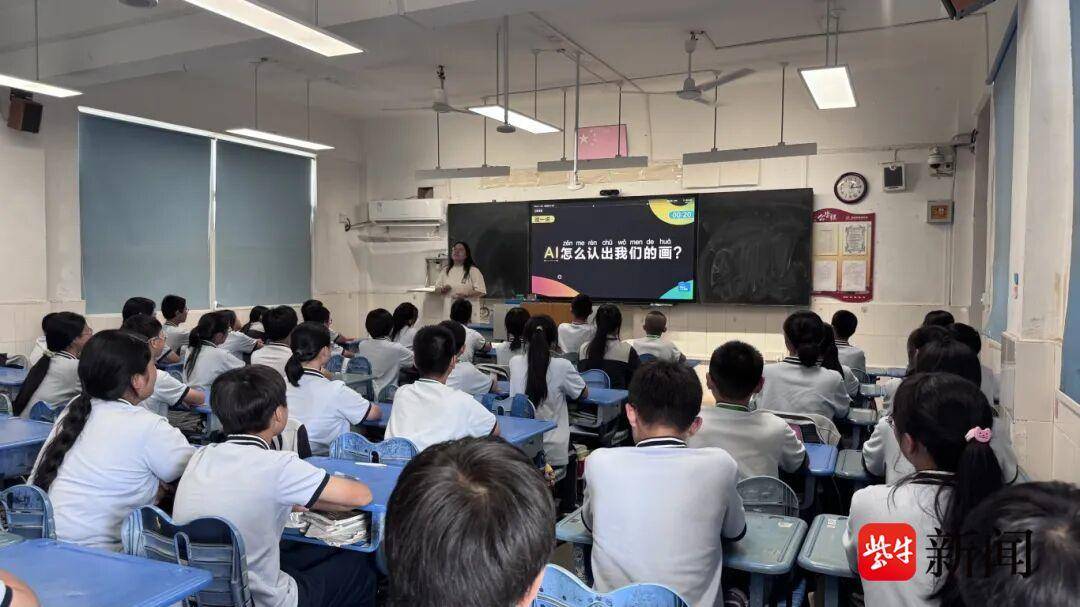
Core Insights - The integration of artificial intelligence (AI) in education is being actively implemented in Wuxi's Huishan District, particularly in the Qianzhou area, with various innovative AI educational scenarios becoming commonplace in schools [1][23]. Group 1: AI Curriculum Development - A dual-teacher collaborative model is being explored for AI general education courses, combining classroom teachers with professional online instructors to enhance learning experiences [2][4]. - The AI general education course has achieved full coverage for grades 7 and 8 since its launch in September 2025, with each class completing 8 hours of systematic learning [4]. - The school plans to establish an AI laboratory by the spring semester of 2026, focusing on integrating AI into classroom teaching to promote educational innovation [7]. Group 2: AI in Physical Education - Qianzhou Central Primary School has created an AI sports corner that combines gamified design with smart technology, significantly increasing student engagement in physical activities [10]. - Qianzhou Middle School has introduced smart jump rope AI devices for grade 9 students, providing real-time data feedback and personalized training suggestions to support their physical examination preparation [12]. Group 3: AI in Mental Health Education - An AI research and psychology research collaboration has been established at Qianzhou Middle School to enhance students' educational experiences through technology [14]. Group 4: School-Enterprise Collaboration - The AI education initiative extends beyond the classroom through strong school-enterprise partnerships, creating a collaborative educational ecosystem [15]. - Qianzhou Central Primary School has engaged local technology companies to provide students with real-world AI application experiences and to co-develop "AI+X" specialized courses [17]. Group 5: AI Extracurricular Activities - The "Sailing Youth Palace" AI innovation club at Qianzhou Central Primary School has attracted around 80 students, offering various activities from introductory programming to AI application exploration [19]. - Students in the club have completed multiple creative projects, with some representing the school in the 2025 World Robot Competition [21]. Group 6: Future Directions - The Qianzhou area is committed to building a comprehensive AI education chain, from introductory courses to practical applications, while continuously enriching AI curriculum resources and improving school infrastructure [25].
十余人团队撬动近3亿营收
Nan Fang Du Shi Bao· 2026-02-05 23:15
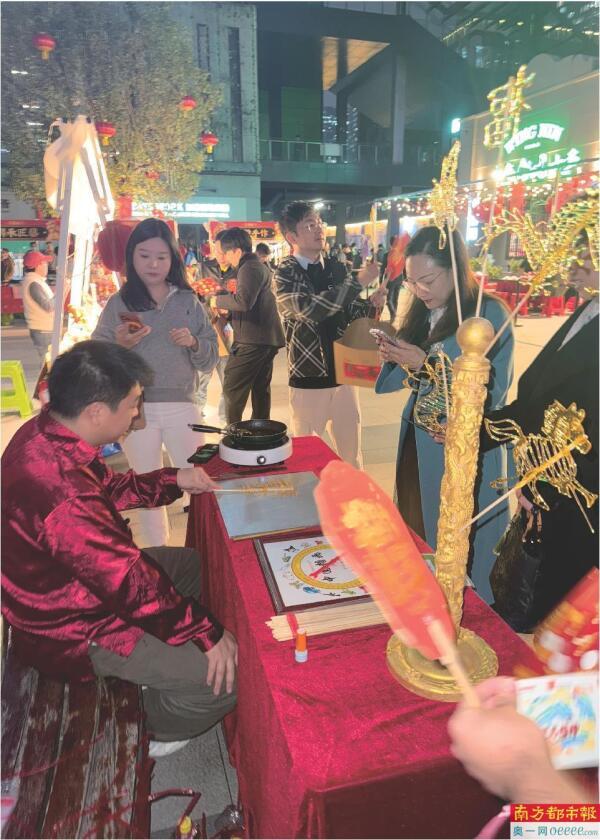
Core Insights - The article highlights the vibrant entrepreneurial ecosystem in Qianhai, where a diverse group of young entrepreneurs and researchers from Hong Kong and Shenzhen are coming together to create opportunities and foster innovation [4][6]. Group 1: Entrepreneurial Environment - Qianhai is becoming a hub for startups, with over 700 teams applying to the Qianhai Youth Dream Factory last year, resulting in 187 quality enterprises successfully settling in [5][7]. - The area boasts a 100% occupancy rate at the Hong Kong Youth Station, indicating a growing density of life and work in Qianhai [4]. - The presence of Hong Kong capital exceeds 81.2% in the commercial offerings, enhancing the local culture and services for young entrepreneurs [4]. Group 2: Support and Resources - The Qianhai Youth Dream Factory provides free office space and rapid approval processes for startups, significantly reducing the time to establish a business [5]. - Collaborative opportunities are abundant, with many entrepreneurs finding potential partners and investors within the same ecosystem, leading to accelerated business growth [7]. - The establishment of three public technology platforms by 2025 aims to facilitate the transformation of scientific research from Hong Kong into marketable products in Qianhai [6]. Group 3: Future Prospects - By 2026, Qianhai plans to deepen its service system to address the needs of talent, funding, and business, positioning itself as a key player in the innovation landscape [6]. - The article emphasizes the ongoing influx of talent and businesses, suggesting that Qianhai will continue to thrive as a center for innovation and collaboration between Hong Kong and Shenzhen [9].
推进教育科技人才一体发展关键在人
Xin Hua Ri Bao· 2026-02-04 21:55
Core Viewpoint - The article emphasizes the importance of integrating education, technology, and talent development to accelerate high-level technological self-reliance and lead the development of new productive forces [1] Group 1: Coordination and Leadership - It is suggested to strengthen the overall coordination and leadership in the integrated development of education, technology, and talent [1] - The establishment of a "three-in-one" working mechanism is recommended, including detailed work guidelines and key task lists [1] Group 2: Collaborative Talent Development - A multi-party collaborative mechanism for talent cultivation is proposed, focusing on technological innovation, industrial development, and national strategic needs [1] - Encouragement for enterprises to participate deeply in the entire talent cultivation process is highlighted [1] - Support for universities to collaborate with leading enterprises to establish future technology colleges and excellent engineer colleges, as well as joint laboratories and interdisciplinary technology centers [1] Group 3: Talent Development Ecosystem - The article discusses optimizing the talent development ecosystem based on the deep integration of technological and industrial innovation [1] - It mentions the construction of infrastructure and support conditions around the "1650" industrial system, with an emphasis on application scenario development [1] - The promotion of flexible allocation of talent resources through laboratories like Zijinshan and Gusu is noted [1] - Encouragement for leading enterprises to build talent hubs to attract international leading talents and teams is also mentioned [1] Group 4: Talent Evaluation and Incentives - The need to improve the talent evaluation and incentive mechanism in line with high-quality development requirements is addressed [1] - Establishing a talent evaluation system that focuses on actual contributions and implementing classified evaluations is recommended [1] - The creation of a unified evaluation system for talents across various fields to guide long-term and breakthrough contributions is emphasized [1]

2026新春走基层 | 科创“上下楼” 产业“上下游”
Xin Lang Cai Jing· 2026-02-03 23:53
什么样的地方,能持续孵化科技创新与产业创新成果? 当记者走进北科建长春北湖科技园,一股科技感扑面而来——实验室里精密仪器运转的嗡鸣,生产车间 里机械臂挥舞的节奏,交织出有力的律动,让答案呼之欲出。 门厅内,一台企业用来"秀肌肉"的仪器发出不规律的"咔哒"声。外行人只能看见不断游走的传感器和随 之开闭的灯光,但业内人无不惊叹于它的高速度、高精准度和集成性。 "就靠它,我们拿下了欧洲老牌电梯企业的订单!"站在仪器前,企业董事长于兆武脸上藏不住"得意"。 他说:"这是我们自主研发的'电梯井道磁绝对值信息系统'。传统传感器最高运行速度一般是每秒16 米,而我们可以做到每秒30米。而且我们的磁条充磁距离最长能达到870米,可实现全行业覆盖。" 从北湖科技园南门走进园区A区,长春海谱润斯科技股份有限公司研发中心就在这里。一台巨大的蒸镀 机前,副总经理赵倩正带着团队观察实验数据。她穿着防护服,目光在屏幕与设备之间快速切换,显得 精干利落。 "这里面是OLED屏幕前沿技术最核心的材料。"赵倩指着眼前的设备说:"材料试验过程就像在微观世界 里制作三明治,材料的选择、配比的精准、每层'食材'的质量与纯度,每个环节都至关重要。" ...

代表委员通道|路遥委员:三张照片,看见云南对外开放的温度和脚步
Xin Lang Cai Jing· 2026-01-31 06:05
Core Viewpoint - The article highlights the stories of openness and development in Yunnan, showcasing the province's efforts to establish itself as a radiation center for South and Southeast Asia through infrastructure, industry, and technology collaboration [1][8]. Group 1: Infrastructure Development - The first story illustrates the impact of the China-Laos Railway, which has significantly shortened travel times and enhanced connectivity, allowing for faster movement of people and goods, thus fostering development opportunities [3][5]. - The railway serves as a backbone for "hard connectivity," fundamentally changing the landscape of openness and facilitating unprecedented flows of human, logistical, and informational resources [3][5]. Group 2: Industry and Economic Integration - The second story features a Vietnamese student who successfully applied for a scholarship and is involved in cross-border commerce, highlighting the "soft connectivity" that leads to industrial upgrades and shared value between China and Vietnam [5][7]. - This narrative emphasizes the transition from a "channel economy" to a more rooted industrial presence, where local industries benefit from the open policies, making the advantages of openness tangible for both countries [5][7]. Group 3: Technological and Educational Collaboration - The third story focuses on a joint laboratory in Cambodia that employs green control technology to protect cashew plantations, representing "heart connectivity" through deep, sustainable links in technology and education [7][8]. - This collaboration showcases the integration of agricultural technology, digital innovation, and ecological protection, with international labs and educational projects acting as vehicles for knowledge transfer and innovation [7][8]. Future Outlook - Yunnan aims to continue its path towards broader, deeper, and more comprehensive openness, fostering more collaborative stories between itself and neighboring countries, thereby strengthening its role as a radiation center for South and Southeast Asia [8].