艺术培训

Search documents
卓优智美赴港IPO,聚焦艺术培训领域,2024年净利润下滑
Ge Long Hui· 2025-08-30 11:42
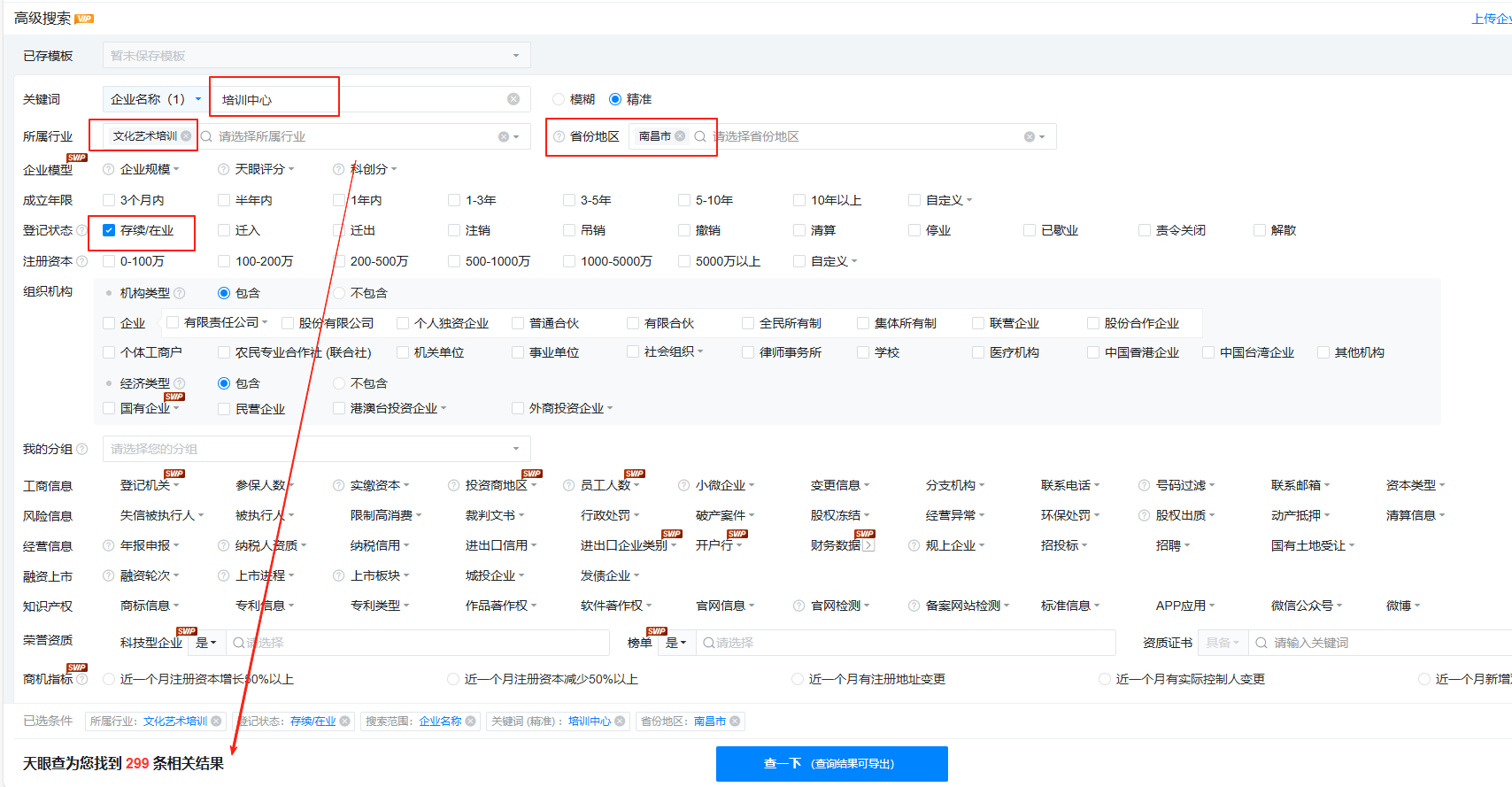
Core Viewpoint - 卓优智美教育咨询集团 is seeking to go public on the Hong Kong Stock Exchange, focusing on the art training sector, despite a projected decline in net profit for 2024 [1][18]. Company Overview - 卓优智美, founded in 2018, provides art training courses for children and teenagers, including dance, painting, calligraphy, and vocal training, primarily operating in Jiangxi and Hunan provinces [5][11]. - The company operates 114, 7, and 11 art training centers under the "小苹果" brand in Nanchang, Ganzhou, and Changsha, respectively [5]. - The company plans to expand its business by establishing new training centers in major cities in Southern China [22]. Financial Performance - In 2023, 2024, and the first five months of 2025, the company's revenue was approximately 128 million, 130 million, and 59 million yuan, with corresponding net profits of about 11.87 million, 5.35 million, and 9.94 million yuan [19]. - The gross profit margin for 2023, 2024, and the first five months of 2025 was approximately 42.4%, 38.0%, and 50.7% [19]. - The company experienced a 55% decline in net profit in 2024 due to increased costs related to employee wages, property depreciation, and financing [18]. Market Context - The Chinese art education market is projected to grow from 1,766 billion yuan in 2024 to 2,255 billion yuan by 2029, with a compound annual growth rate of 5% [24]. - The children's and youth art education market is expected to reach 1,554 billion yuan in 2024, accounting for 88% of the overall art education market [26]. - The industry is highly fragmented and competitive, with numerous players including both local and national institutions [27][28]. Challenges and Risks - The company faces challenges such as a declining number of new births in China, which may reduce its potential customer base [22]. - The number of art training centers operated by the company has decreased from 144 at the end of 2023 to 135 by May 2025 [22]. - The company is heavily reliant on its operations in Jiangxi province, where approximately 95% of its revenue is generated, making it vulnerable to local policies and business environments [21].
卓优智美港股IPO:资不抵债背负超5000万银行贷款 却向控股股东提供巨额无息财务资助 上市募资是否为圈钱?
Xin Lang Zheng Quan· 2025-08-22 01:48
Core Viewpoint - Zhuoyou Zhi Mei has submitted a GEM listing application while simultaneously closing training centers, raising questions about the rationale behind its expansion plans amid financial difficulties [1][2][8]. Company Overview - Zhuoyou Zhi Mei focuses on providing art training for children aged 4 to 14, offering various courses including dance and non-dance categories [2]. - The company was founded in 2018 and transitioned from a limited liability company to a joint-stock company in July 2025 [2]. - It has only completed one round of financing, raising a total of 32.8 million yuan in November 2022 [2]. Financial Situation - As of May 2025, Zhuoyou Zhi Mei's debt-to-asset ratio is 107.97%, indicating insolvency, with a negative operating capital of 43.48 million yuan [1][19]. - The company has significant bank loans exceeding 50 million yuan while providing substantial financial support to its controlling shareholders without interest or fixed repayment terms [1][21]. - The company reported revenues of 128 million yuan, 130 million yuan, and 59 million yuan for the years 2023, 2024, and 2025 (up to May), with net profits of 11.87 million yuan, 5.35 million yuan, and 9.94 million yuan respectively [12]. Market Position - Zhuoyou Zhi Mei is the largest children's art training institution in China but holds only 0.1% of the national market share [5]. - The company has been closing training centers, with 12 closures since 2024, including 9 in Nanchang [7][8]. - The competitive landscape is intensifying, with major players like New Oriental and TAL Education entering the art training market, posing significant challenges for Zhuoyou Zhi Mei [9][10][11]. Expansion Plans - The company plans to use the funds raised from the listing to acquire art training centers in South China and establish approximately 30 new centers in Jiangxi Province and Changsha [1][21]. - Despite its financial struggles, Zhuoyou Zhi Mei continues to provide financial assistance to its shareholders, raising concerns about potential conflicts of interest and regulatory compliance [21][22].

卓优智美递表港交所 中泰国际为独家保荐人
Zheng Quan Shi Bao Wang· 2025-08-18 01:05
Core Viewpoint - Zhuoyou Zhimei has submitted a listing application to the Hong Kong Stock Exchange, positioning itself as the largest children's and youth art training institution in China, focusing on art training for children aged 4 to 14 [1] Company Overview - The company operates over 114 art training centers under the "Little Apple" brand in Jiangxi and Hunan provinces [1] - Courses offered include dance (Chinese dance, Latin dance, street dance) and non-dance subjects (art, calligraphy, broadcasting, taekwondo, vocal music) [1] - The company claims competitive advantages in course variety, quality, and opportunities for public performances [1] Revenue Streams - In addition to core training services, the company provides examination services (e.g., Jiangxi Province dance level examination) and event organization (e.g., internal performances and competitions) [1] - Examination services and event organization contribute a certain percentage to the company's total revenue, enhancing its reputation and brand influence [1] Student Enrollment and Revenue - The number of registered students for the fiscal years 2023, 2024, and the first five months of 2025 are approximately 36,100, 37,000, and 40,700 respectively [1] - The majority of the company's revenue (approximately 87.9% to 95.9%) comes from course offerings [1] Underwriter Information - Zhongtai International is the exclusive sponsor for Zhuoyou Zhimei's listing application [1]
新股消息 | 卓优智美递表港交所 为中国最大型的儿童及青少年艺术培训机构
智通财经网· 2025-08-17 08:03
Core Viewpoint - 卓优智美教育咨询集团(江西)股份有限公司 has submitted an application for listing on the Hong Kong Stock Exchange's Growth Enterprise Market, with 中泰国际 as the sole sponsor [1]. Group 1: Company Overview - 卓优智美 is recognized as the largest children's and youth art training institution in China, holding approximately 0.1% and 1.8% market shares in the overall Chinese market and Jiangxi province, respectively, based on revenue from art training centers for the fiscal year ending December 31, 2024 [4]. - The company operates 114, 7, and 11 "小苹果" branded art training centers in Nanchang, Ganzhou, and Changsha, respectively [4]. Group 2: Course Offerings - The company provides a diverse range of courses for children aged 4 to 14, categorized into three main types of dance courses and five types of non-dance courses, including art, calligraphy, broadcasting, taekwondo, and vocal music [5]. - The average monthly registered student numbers for the fiscal years 2023, 2024, and the first five months of 2025 are approximately 36,100, 37,000, and 40,700, respectively, with around 87.9%, 88.9%, and 95.9% of revenue derived from course offerings during the same periods [5]. Group 3: Complementary Business Lines - In addition to its core art training business, the company has developed two complementary business lines: examination services and event organization, enhancing its market position [6]. - The examination services are significant in Jiangxi province, where the company is designated as an examination service provider by the authoritative dance association, enhancing its credibility and providing a standardized examination platform for students [6]. - The event organization business includes hosting internal performances and competitions, which serve to showcase students' learning outcomes and increase parental engagement [6]. Group 4: Financial Performance - For the fiscal years 2023 and 2024, the company reported revenues of approximately 128.09 million and 130.415 million RMB, respectively, with net profits of 11.873 million and 5.345 million RMB [7]. - The revenue for the first five months of 2024 and 2025 was approximately 46.99 million and 58.757 million RMB, with net losses of 1.943 million RMB in 2024 and a profit of 9.939 million RMB in 2025 [7][9].
红松APP正式上线行业首个适老化艺术能力认证服务
Jing Ji Wang· 2025-08-13 09:58
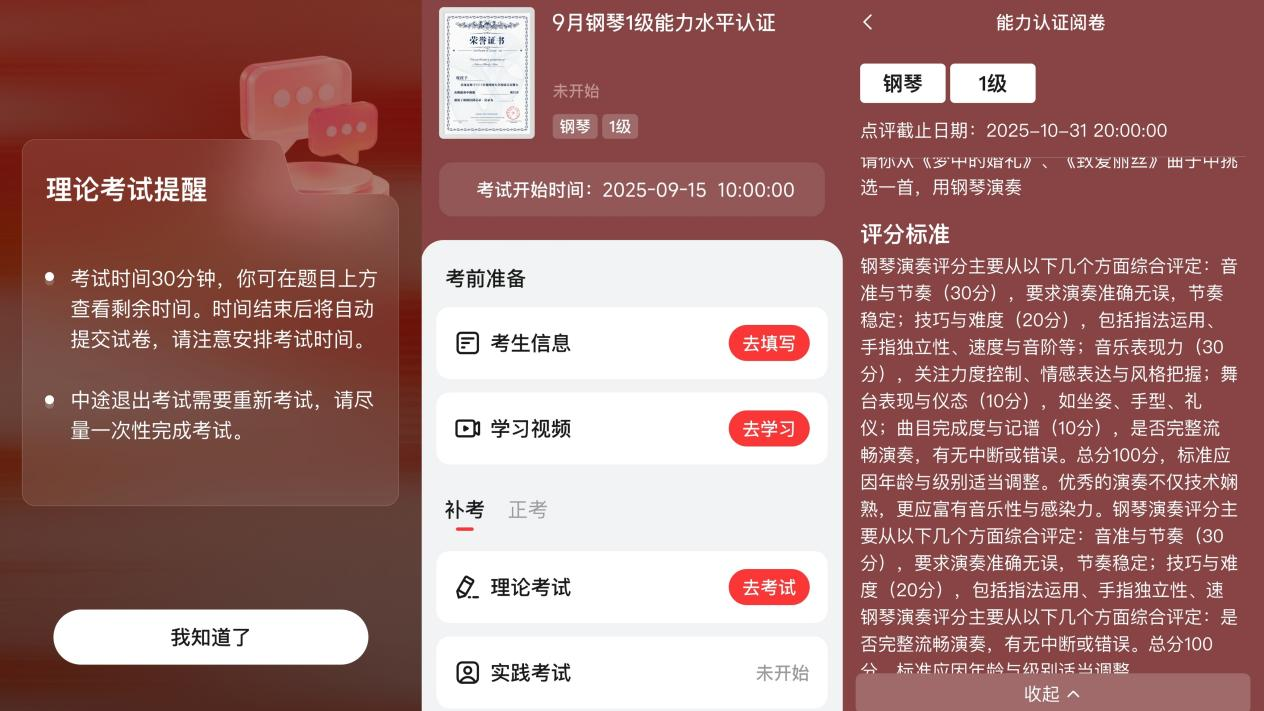
Core Viewpoint - The launch of the first "Art Ability Level Certification System" for the elderly by Hongsong APP marks a significant step towards the standardization and professional development of art training for seniors [1][3]. Group 1: Certification Service Overview - The certification service focuses on two musical instruments: keyboard and erhu, with the registration channel opening to the public on August 19 [1]. - The service aims to provide a professional and authoritative assessment of learning outcomes for middle-aged and elderly art enthusiasts, potentially unlocking the vast potential of the senior interest learning market [1][3]. Group 2: Assessment Mechanism - The certification features a "fully online elderly-friendly assessment mechanism," allowing learners to complete the entire process through the Hongsong APP, leveraging digital technology for easier access to art education [3]. - The certification is divided into five levels, accommodating the learning differences and personalized needs of the elderly, allowing them to choose based on self-assessment and actual ability [3]. Group 3: Professional Evaluation System - Under the guidance of the China Art Vocational Education Society Training Center, a professional evaluation system has been established, including both theoretical knowledge and practical performance assessments [3]. - The evaluation will follow a sequence of theory first, then practical, with an online review process conducted by the Hongsong research team and the training center to ensure professional, rigorous, and fair certification results [3]. Group 4: Future Development - Hongsong Group emphasizes the importance of meeting the elderly's needs for self-improvement and value realization, believing that the certification will provide a sense of belonging and achievement for more middle-aged and elderly art enthusiasts [4]. - Future plans include exploring more art categories to build a comprehensive, professional, and authoritative certification system for elderly art learning [4].
夜校供不应求 市民日校来了 分为艺术早课、午间一小时、都市(下)午茶 首批设立78个点位招收学员近6000人
Jie Fang Ri Bao· 2025-07-29 02:07
Core Insights - The Shanghai Citizen Art Night School has been included in the municipal government's project for the second time, aiming to establish 500 teaching points and 1,800 courses for the year, with current achievements exceeding these targets [1] - The autumn session of the night school has opened with over 46,000 enrolled students, and a new daytime school initiative has been launched to cater to diverse community needs [1][2] Group 1: Night School Achievements - The night school has exceeded its target with 600 teaching points, achieving a 20% surplus, and the total number of courses has reached 2,300, surpassing the goal by 27.78% [1] - The daytime school offers 238 courses across 78 locations, attracting nearly 6,000 students, addressing the demand from various demographic groups [2] Group 2: Course Offerings and Diversity - The daytime school features a variety of courses tailored to different age groups and needs, including art classes for seniors and working professionals [2][3] - Specific courses include "Golden Era: Pop Music Singing Class" for seniors and various creative workshops like "Speed Sketching" and "Anime Character Design" [3] Group 3: Expansion and Innovation - The night school has expanded its teaching points into professional, commercial, and tourism spaces, with notable locations including major shopping centers and cultural hubs [4] - New courses related to artificial intelligence have been introduced, such as "AI for Everyday Life" and "AI Video Production," reflecting the integration of technology in education [4] Group 4: Additional Educational Initiatives - The weekend art education program will be offered at 73 teaching points across 16 districts, providing 242 courses to meet the needs of youth and families [5] - Registration for the various educational programs will be available through multiple platforms, ensuring accessibility for interested participants [6]
毕业季也是消费季,这八大“暑期经济”火了
3 6 Ke· 2025-07-28 04:12
Group 1: Summer Economic Trends - The end of the college entrance examination marks the beginning of a diverse and expansive summer consumption market, driven by students and their families [1] - The summer economy is characterized by various consumption patterns, including self-improvement, beauty investments, and skill acquisition [1] Group 2: Graduation Celebrations - The tradition of graduation banquets has evolved into a significant consumption phenomenon, supported by a growing number of high school graduates [2][4] - The banquet market shows a clear segmentation, with high-end customized options in first-tier cities and more affordable traditional options in lower-tier cities [2][4] - The rise of graduation banquets reflects the societal recognition of educational success and the desire for social status among families [2][5] Group 3: Travel Trends - The graduation travel market has seen a surge, with related searches increasing threefold and bookings up 137% year-on-year [6] - Young travelers are favoring longer and themed trips, with a preference for cultural cities and group travel [6][8] - The introduction of visa-free policies has further stimulated outbound travel, with a significant increase in hotel bookings for popular destinations [8] Group 4: Indoor Skiing - The popularity of indoor skiing has risen, particularly in southern regions, as it offers a unique experience regardless of the season [9][11] - Businesses are responding with tailored packages for students, creating a comprehensive service chain that enhances family participation [11] Group 5: Arts Education - The summer period has become a peak time for arts training, driven by a growing emphasis on quality education [12][15] - Families are increasingly viewing arts education as a necessary investment, leading to a diverse range of offerings in the market [12][15] Group 6: Medical Aesthetics - The medical aesthetics market is projected to grow significantly, with a notable increase in student consumers during the summer months [16][18] - Parental support plays a crucial role in driving this consumption trend, reflecting a shift in attitudes towards cosmetic procedures [18] Group 7: Driving Licenses - The demand for driving licenses peaks during the summer, with a significant portion of annual registrations occurring in July and August [19][21] - Driving schools are adapting by offering discounts and flexible training options to attract students [21] Group 8: Vision Correction Surgery - The summer is a popular time for vision correction surgeries, driven by the need for clear vision for certain academic programs [22][24] - The market is characterized by a strong demand for quality procedures, with various options available at different price points [24] Group 9: Live Events - The summer concert and festival market is experiencing substantial growth, with ticket sales and related consumption on the rise [25][30] - The events not only drive direct ticket sales but also boost local economies through increased travel and hospitality spending [27][30] Group 10: Overall Economic Impact - The rise of the summer economy is attributed to fixed holiday periods and the increasing influence of younger consumers [31] - As Generation Z becomes the main consumer force, the summer economy is expected to evolve towards more personalized and quality-driven experiences [31]
艺培之“疾”
Hu Xiu· 2025-07-15 07:07
Core Viewpoint - The article discusses the evolving landscape of art education in China, highlighting its transition from a valued component of holistic education to a marginalized sector facing significant challenges due to changing societal values and regulatory pressures [1][2][3]. Group 1: Historical Context - In 2015, the Chinese education industry experienced a significant financing boom, marking the beginning of art education being recognized as an industry with structured policies and capital investment [3][4]. - The introduction of policies such as the "Art Quality Assessment Measures" by the Ministry of Education in 2015 integrated art education into the national education governance system, elevating its status [3][4]. - By 2016-2018, the art training industry saw rapid growth, with numerous financing events and the establishment of regulations that allowed for profit-making in art training institutions [6][7]. Group 2: Recent Developments - From 2019 to 2021, the industry experienced a shift towards "non-academic" training, with a focus on quality education and the rise of online platforms during the pandemic [11][12]. - The introduction of the "Double Reduction" policy in 2021 led to a significant decline in academic training institutions, while non-academic training was not subjected to the same level of scrutiny, allowing for a temporary boom in art education [12][13]. - However, by 2022-2023, the industry faced a regulatory tightening, with new guidelines and standards being implemented, leading to a decline in financing and a restructuring of the market [16][18][20]. Group 3: Current Challenges - The art education sector is now characterized by a "white list" governance model, requiring institutions to meet stringent criteria to operate, which has led to the exit of many previously successful entities [22][23]. - The market is experiencing a bifurcation, with high-end institutions dominating and low-end individual teachers thriving, while the mid-tier market is being squeezed out [23][24]. - The overall financing for the education sector has drastically decreased, with art education projects becoming increasingly rare, indicating a significant contraction in the industry [24][25]. Group 4: Societal Perception - Art education is perceived as a non-essential expenditure by many families, leading to a decline in enrollment and investment in this sector [28][29]. - The lack of a clear narrative and recognition of the value of art education contributes to its marginalization, as it struggles to justify its existence in a results-driven educational environment [30][31]. - The article suggests that the decline of art education reflects broader societal attitudes towards "useless" pursuits, questioning the value placed on artistic endeavors in contemporary education [35][36].
艺术人才培训资助项目开班
Ke Ji Ri Bao· 2025-05-21 00:50
Group 1 - The National Art Fund's 2025 annual training project for artistic talent, focusing on "Art Rural Construction and Public Art Creation Talent Training," has commenced at Jiangsu University of Technology, lasting 60 days [1] - The training aims to cultivate and deliver innovative talents for the beautification of rural public environments and the organization of various cultural and artistic activities [1] - The project was applied for in June of the previous year, received funding approval in January, and officially opened for nationwide enrollment on February 28 [1] Group 2 - A total of 50 students were selected from 135 applicants after expert evaluation and public announcement [1] - To ensure training quality and meet diverse learning needs, Jiangsu University of Technology has invited authoritative experts and scholars from the fields of rural revitalization and public art [1] - The training will cover various stages, fields, and levels, utilizing concentrated lectures, exchange visits, and seminars to explore the value and significance of artistic rural construction and public art creation [1][2]
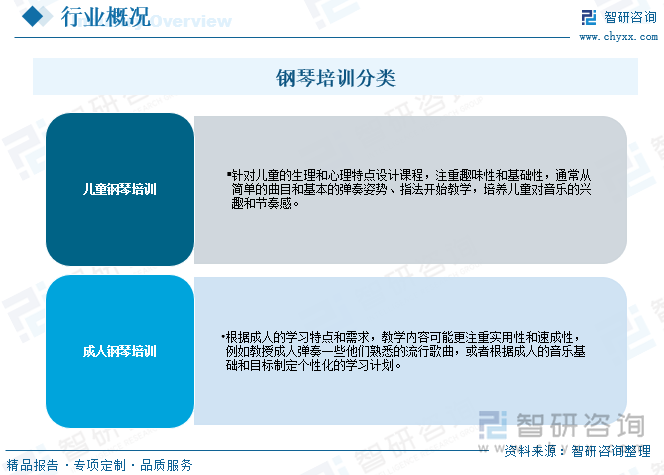
研判2025!中国钢琴培训行业市场政策、产业链、发展现状、竞争格局及发展趋势分析:线上教学逐步普及[图]
Chan Ye Xin Xi Wang· 2025-04-04 23:12
Core Viewpoint - The piano training market in China is experiencing a decline in demand due to external factors such as global economic slowdown and insufficient consumer confidence, with the market size expected to drop to 3.63 billion yuan in 2024, a year-on-year decrease of 8.5% [1][8]. Overview - Piano training is an educational activity aimed at teaching piano playing skills and music knowledge, helping learners improve their musical perception and understanding [2]. Market Policy - Various policies have been introduced to support and regulate the development of the piano training industry, creating a favorable policy environment [4][5]. Industry Chain - The piano training industry consists of upstream components (hardware and software), midstream (training institutions and online platforms), and downstream (students, primarily children and adults) [6]. Current Development - The demand for piano training is declining despite the increasing emphasis on cultural and artistic education among families, with children's piano training accounting for over 80% of the market [1][8]. Competitive Landscape - The piano training market is becoming increasingly competitive, with numerous companies entering the field, including traditional institutions, private studios, and online platforms [10]. - Key players in the industry include Guangzhou Pearl River Piano Group, Helen Piano, and others, primarily located in major cities like Beijing, Shanghai, and Guangdong [10][12]. Company Analysis - Guangzhou Pearl River Piano Group focuses on music education and cultural products, with a revenue of 364 million yuan in the first half of 2024, where education and training contributed 10 million yuan [12]. - Shanghai Zhiyin Music Culture Co., Ltd. has established a strong reputation in the industry, achieving a revenue of 23.76 million yuan in the first half of 2024, with a gross margin of 39.63% [14]. Development Trends - The future of piano training is expected to see a rise in online teaching, integrating with offline methods to form an OMO model, enhancing the learning experience through technology [16].