
酒类流通

Search documents
杨陵江收购怡园酒业,1919酒类直供是否重启上市?
Mei Ri Jing Ji Xin Wen· 2025-12-25 00:41
Core Viewpoint - Yang Lingjiang's acquisition of 73.63% of Yiyuan Wine Industry amidst financial struggles at 1919 Liquor Supply indicates a strategic move to leverage potential capital opportunities in the wine industry [2][12]. Group 1: Acquisition Details - Yang Lingjiang acquired approximately 5.89 billion shares of Yiyuan Wine Industry for an estimated price of 156 million HKD (approximately 141 million RMB) [2]. - Yiyuan Wine Industry, known as the largest wine producer in Shanxi, has faced significant financial losses in recent years, including losses of 600,000 RMB in 2022 and 41 million RMB in 2024 [3]. - The acquisition is seen as a potential platform for capital integration and operational synergy, especially given the current adjustments in the wine industry [3][12]. Group 2: Financial Context - 1919 Liquor Supply has been facing severe financial challenges, including claims from franchisees for overdue payments, leading to rumors of a financial crisis [5][6]. - Yang Lingjiang stated that the company has reduced its debt from 60 billion RMB to a debt ratio of less than 20%, asserting that the company is in its healthiest state historically [6][12]. - The company has undergone significant changes, including a shift in ownership structure, with Yang's stake in 1919 Liquor Supply increasing to 92.87% after a recent buyback [12]. Group 3: Industry Trends and Challenges - The wine industry is currently undergoing a deep adjustment, with companies like Huazhi Liquor facing substantial performance declines [2][3]. - Yang Lingjiang's strategy includes transitioning 1919 Liquor Supply towards a new business model focused on immediate retail and experiential sales, moving away from traditional sales methods [9][10]. - The potential for 1919 Liquor Supply to relist is complicated by regulatory challenges and the need for improved business health and profitability [14].
用户第一 客户至上: 华致酒行的新零售进阶之路
Sou Hu Cai Jing· 2025-12-24 23:29
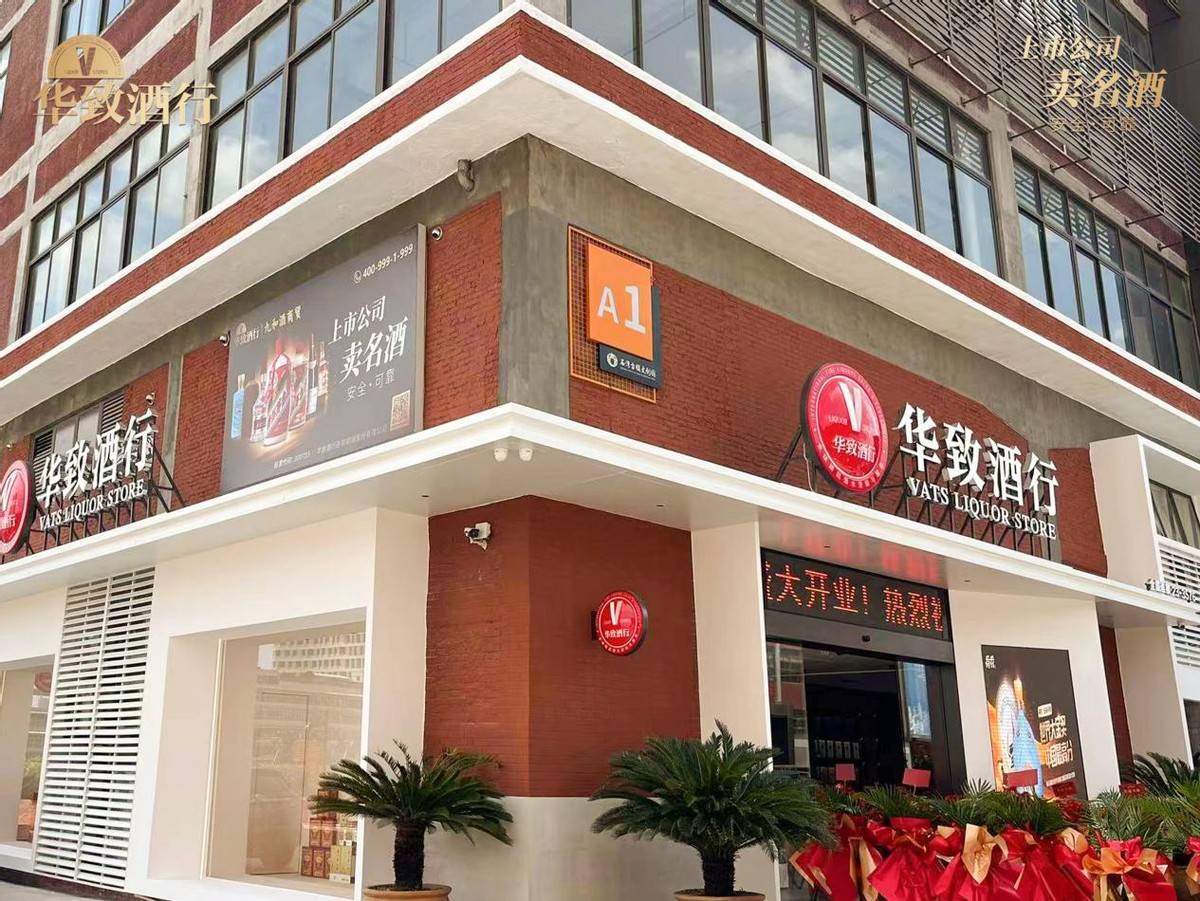
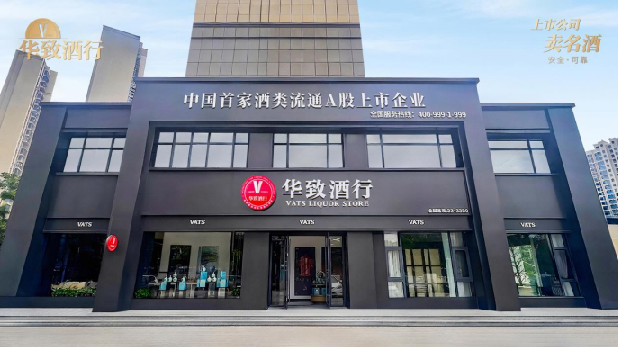
Core Insights - The Chinese liquor industry is undergoing a significant structural transformation, shifting from a scale expansion phase to a value reconstruction phase, driven by intensified consumer segmentation, diverse demand scenarios, and the impact of digitalization [1][2][3] Industry Overview - The industry is characterized by a "volume decline, profit increase" trend, with production expected to fall below 3.9 million kiloliters by 2025, while total profits may reach 270 billion yuan [2] - The market share of leading liquor companies continues to rise, exacerbating the Matthew effect [2] Consumer Behavior Changes - The high-end liquor market (priced above 800 yuan per bottle) is projected to exceed 450 billion yuan by 2025, driven by an increase in high-net-worth individuals [2] - Middle-income consumers are becoming more rational, shifting towards mid-range products, while Generation Z contributes 35% of sales in the under 100 yuan price segment, promoting innovation in lower-alcohol and flavored products [2] - The proportion of business banquets in liquor consumption has decreased to around 40%, with family gatherings and social events gaining prominence, necessitating more precise channel coverage [2] Competitive Landscape - The competition in the liquor distribution sector has shifted from traditional channel-based strategies to user-centric value competition, emphasizing the need for companies to transition from "selling products" to "managing users" [3] - Companies like Huazhi Wine are increasing investments in consumer-facing operations, viewing user asset construction as a long-term competitive barrier [3] Huazhi Wine's Strategic Initiatives - Huazhi Wine has built a robust foundation with over 2,000 stores, 4,000 global wine resources, and a modern logistics system, positioning itself to adapt to industry changes [5][7] - The company is focusing on enhancing store quality and structure rather than merely expanding in number, implementing a "one store every 3 kilometers" strategy to cover various consumption scenarios [7] - Huazhi's brand experience upgrade aims to transform stores into emotional touchpoints between brands and users, enhancing user loyalty and reinforcing brand professionalism [7] Value Ecosystem Development - Huazhi Wine is constructing a BC integrated value ecosystem through channel deepening, user engagement, and service empowerment, emphasizing a user-centric strategy [8][10] - The company has developed a three-business matrix ("Huazhi Wine + Huazhi Famous Wine Library + Huazhi Selection") to cover different consumer scenarios and demographics [8] - The focus on empowering franchisees through comprehensive support systems, including supply chain stability and operational guidance, enhances the competitiveness of B-end stores [10][11] Service and Operational Enhancements - Huazhi's service capabilities have evolved from basic product authenticity to a comprehensive support system that links B-end and C-end value [11] - The "New Retail 3+" model integrates product and service offerings, enhancing customer engagement and facilitating seamless online and offline interactions [13] - The implementation of digital tools, such as e-commerce live streaming, allows for effective C-end user engagement, creating a win-win situation for both B-end and C-end operations [13]

国家战略点名服务消费!华致酒行靠什么成为行业体验标杆?
Jing Ji Guan Cha Wang· 2025-12-24 04:33
Core Insights - The article emphasizes the transformation of service consumption as a national strategy, highlighting the importance of enhancing domestic demand and consumer experience in the context of China's economic policies [1][14] - The introduction of the "Service Consumption Nineteen Measures" by the Ministry of Commerce and other departments sets a clear direction for industries to innovate and create differentiated value through services [1][2] Industry Overview - The liquor distribution industry, facing inventory pressure and declining profits, is guided towards a new direction by focusing on service as a core value throughout the consumption chain [2] - As the only publicly listed liquor distribution company in A-shares, Huazhi Wine is aligning its strategy with the policy directive to cultivate service consumption brands [2] Consumer Experience Innovation - The policy encourages the cultivation of service consumption brands and the creation of service consumption hotspots, which aligns with Huazhi Wine's strategy of integrating high-end retail and liquor supply chain services [4] - Huazhi Wine recognizes that liquor serves not only as a beverage but also as a medium for social interaction and cultural exchange, thus enhancing the consumer experience [4][9] Business Model and Expansion - Huazhi Wine has accelerated the layout of its three business models: high-end retail, localized operations in lower-tier markets, and a new retail platform that combines online and offline services [5] - Since 2025, Huazhi Wine has rapidly expanded, adding 323 new stores nationwide, showcasing its growth strategy [5] Cultural Value Integration - The emphasis on exploring traditional cultural IP market value aligns with Huazhi Wine's efforts to modernize and promote Chinese culture through its products [8][11] - Huazhi Wine has successfully collaborated with international brands to create products that incorporate Chinese cultural symbols, enhancing its brand appeal [11] Digital Transformation - The policy encourages the expansion of digital service consumption, which Huazhi Wine is implementing through a data-driven approach to meet consumer demands [12][13] - Huazhi Wine's digital platform captures consumer trends and optimizes inventory management, ensuring efficient supply chain operations and enhancing customer service [13] Future Outlook - The ongoing policy support for expanding domestic demand and promoting high-quality service development will continue to drive the liquor industry towards a service-oriented transformation [14] - The key to success in the new retail liquor chain industry lies in understanding consumer needs and leveraging technology to provide high-quality services [14]
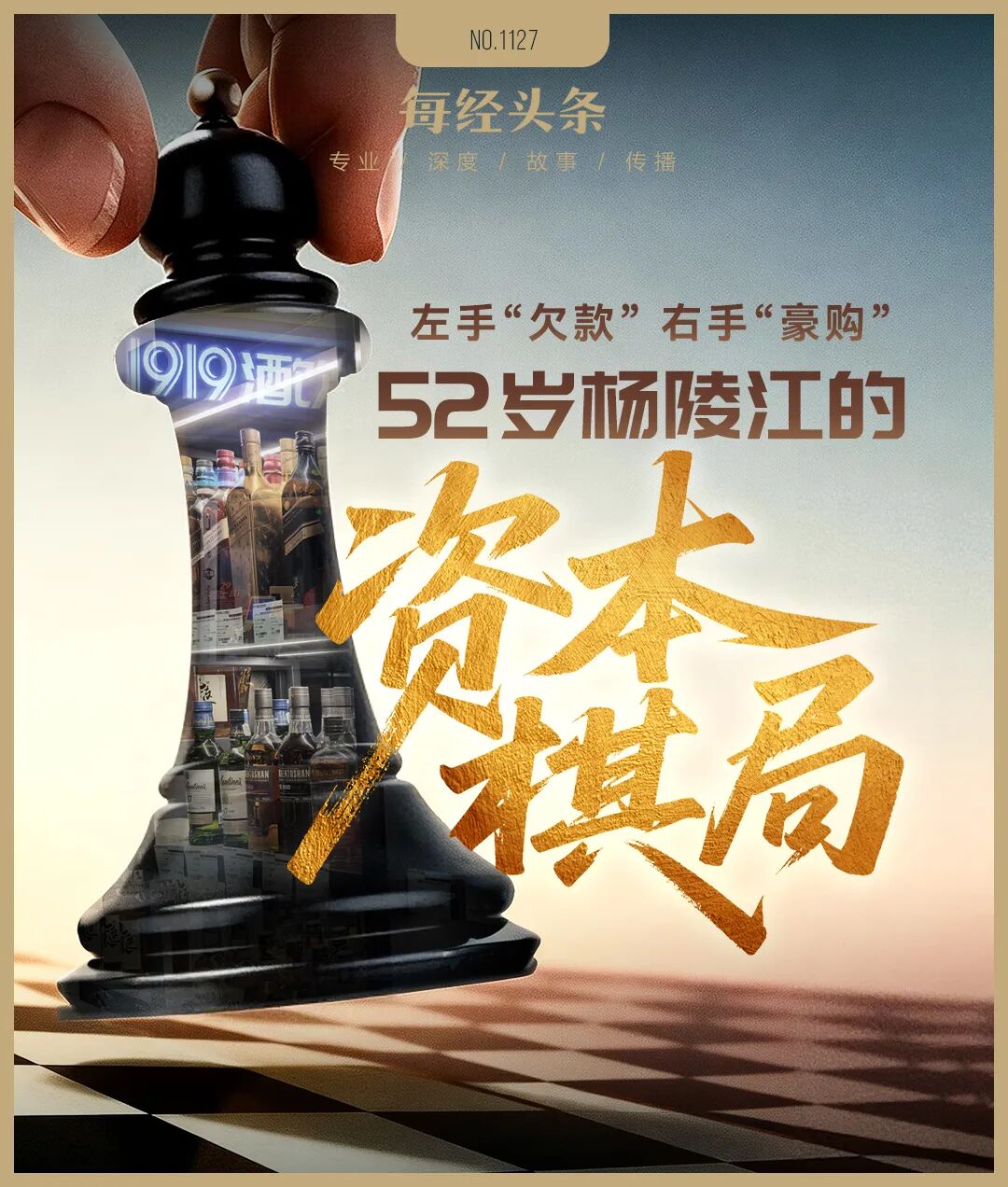
左手“欠款”右手“豪购”!杨陵江收购“国内酒庄第一股” 1919是否重启上市?“吹太多牛都实现了,但千亿还没实现,我很着急”
Mei Ri Jing Ji Xin Wen· 2025-12-23 15:14
Core Viewpoint - The founder of 1919, Yang Lingjiang, has acquired a 73.63% stake in Yiyuan Wine Industry, becoming the new owner of this Hong Kong-listed company, amidst challenges faced by 1919 due to debt issues with franchisees [2][3]. Group 1: Acquisition Details - Yang Lingjiang's acquisition of Yiyuan Wine Industry was disclosed on December 15, with the estimated transaction value around 156 million HKD (approximately 141 million RMB) based on the stock price prior to suspension [3]. - Yiyuan Wine Industry, the first listed winery in China, has faced declining performance, reporting losses in recent years, including 60,000 RMB in 2022 and 4.1 million RMB in 2024 [5]. - Industry analysts suggest that Yang may see potential in Yiyuan's asset platform value and the opportunity for industry consolidation during this adjustment period [5]. Group 2: Financial Context and Challenges - 1919 has been experiencing financial strain, with reports of overdue payments to franchisees and concerns about a potential liquidity crisis [8][10]. - Yang Lingjiang has publicly stated that the company has reduced its debt from 60 billion RMB to a much healthier level, with a debt ratio dropping from 92% to below 20% by year-end [10]. - The company is undergoing a systematic upgrade of its national store network, which has contributed to the delays in payments to franchisees [8]. Group 3: Strategic Direction and Future Plans - Yang Lingjiang has ambitious plans for 1919, aiming to transform it into a leading F2B2C company with self-developed products and a global platform for brand operations [19][20]. - The acquisition of Yiyuan Wine Industry may facilitate 1919's capital operations and simplify the process for a potential relisting, as it provides a ready-made capital platform [25]. - Despite the challenges in the current market, Yang remains focused on adapting to new consumer trends and enhancing the company's operational capabilities [15][18].
左手“欠款”右手“豪购”!杨陵江收购“国内酒庄第一股”,1919是否重启上市?“吹太多牛都实现了,但千亿还没实现,我很着急”
Mei Ri Jing Ji Xin Wen· 2025-12-23 15:04
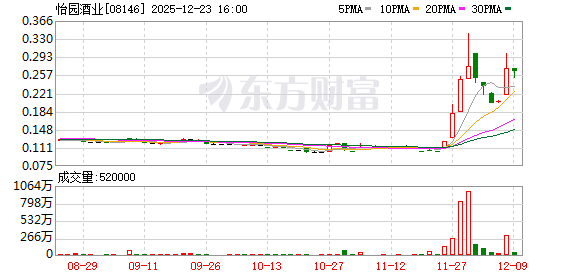
Core Viewpoint - The founder of 1919, Yang Lingjiang, has acquired a 73.63% stake in Yiyuan Wine Industry, marking a significant move amidst challenges faced by 1919, including debt issues with franchisees and a struggling market for the liquor industry [2][4][6]. Group 1: Acquisition Details - Yang Lingjiang's acquisition of Yiyuan Wine Industry was disclosed on December 15, with the company's stock price at 0.265 HKD per share before suspension, giving it a market value of 2.12 billion HKD [4]. - The estimated transaction value for the acquisition is approximately 1.56 billion HKD (around 141 million RMB) based on the stock price prior to suspension [4]. - Yiyuan Wine Industry, the first listed winery in China, has faced declining performance, reporting losses of 600,000 RMB in 2022 and 4.1 million RMB in 2024 [6]. Group 2: Industry Context - The liquor industry is undergoing significant adjustments, with companies like Huazhi Liquor facing severe performance declines [2]. - Yang Lingjiang's acquisition is seen as a strategic move to leverage Yiyuan's asset value and potential for industry consolidation during this challenging period [6][30]. Group 3: Financial Health and Strategy - Yang Lingjiang has stated that 1919 has reduced its debt from 60 billion RMB to a debt ratio of less than 20% by the end of the year, claiming the company is in its healthiest state historically [13]. - The company has been facing cash flow issues, attributed to a systematic upgrade of its national store network and historical receivables collection [10][13]. Group 4: Future Plans and Market Position - Yang Lingjiang aims to transform 1919 into a leading F2B2C company with self-developed products and a global platform for brand operations within the next ten years [22]. - There are speculations about the potential for 1919 to restart its IPO plans, with the acquisition of Yiyuan Wine Industry possibly facilitating this process by providing a capital platform [30][31].
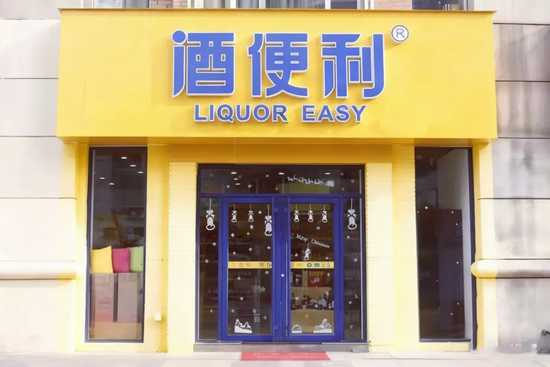
天音控股操盘拿下酒便利51%控股权
Nan Fang Du Shi Bao· 2025-12-11 23:18
Core Viewpoint - The acquisition of a 51% controlling stake in Henan Jiubianli Commercial Co., Ltd. by Huake Fund for a total price of 68.4 million yuan marks a significant shift in ownership, with Tianyin Holdings indirectly gaining control over Jiubianli, amidst the latter's operational turmoil and financial distress [1][2][3]. Group 1: Acquisition Details - Huake Fund successfully acquired the controlling stake in Jiubianli through a three-part auction, with a total price of 68.4 million yuan, slightly above the starting price of 67.12 million yuan [2]. - The auction saw the 3% stake attract competitive bidding, resulting in a 30% premium, while the remaining stakes were acquired at the base price, leading to a total transaction price that was only 1.9% above the starting price [2]. - Following the acquisition, the original controlling shareholder, Henan Qiaohua, will see its stake plummet from 51% to 1.98%, officially making Huake Fund the new controlling shareholder [2]. Group 2: Financial Performance of Jiubianli - Jiubianli reported a revenue of 1.679 billion yuan in 2024, reflecting a slight decline of 3.89% year-on-year, while net profit turned into a loss of 109 million yuan [3]. - In the first half of 2025, Jiubianli's revenue plummeted by 37.1% to 598 million yuan, with net losses widening to 61.55 million yuan and a debt ratio rising to 74% [3]. - The company is facing severe liquidity issues, with only 14 million yuan in cash remaining on its balance sheet [3]. Group 3: Strategic Rationale for Acquisition - Tianyin Holdings, through Huake Fund, aims to leverage its extensive national distribution network to expand into the high-potential fast-moving consumer goods sector, particularly in alcoholic beverages [5]. - The company views the acquisition as a strategic move to reduce marginal costs for new product sales, capitalizing on the low inventory pressure associated with alcoholic products [5]. - This acquisition is part of Tianyin Holdings' broader strategy to diversify beyond its traditional 3C distribution business, which is currently facing growth challenges [4][5].

酒便利:从资本宠儿到'烫手山芋'
Xin Lang Cai Jing· 2025-12-11 07:40
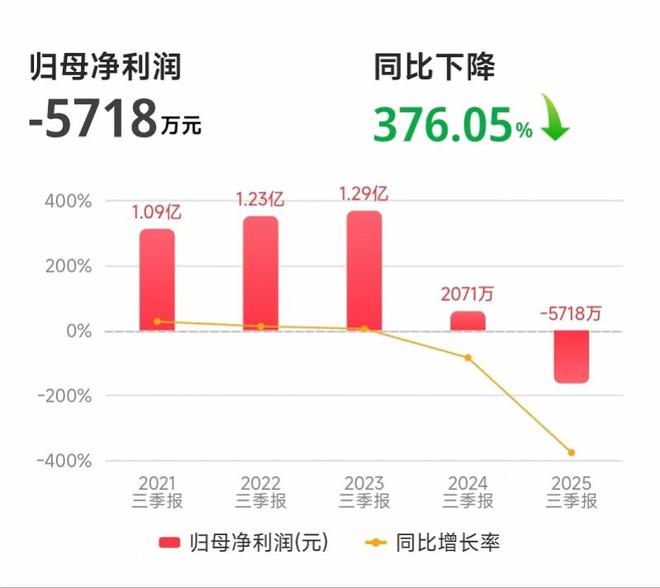
Core Insights - The article discusses the rise and fall of Jiu Bian Li, a liquor retail chain that once thrived on capital investment but is now facing significant challenges due to management upheaval and financial instability [3][14]. Group 1: Company Background and Growth - Jiu Bian Li was founded in 2010, starting with 6 stores in Zhengzhou and innovating with an O2O model that offered "online orders + 20-minute delivery" [3][15]. - The company attracted significant investment from notable firms between 2015 and 2018, including a strategic investment from Lenovo in 2016, which propelled its growth and led to its listing on the New Third Board [4][15]. - By 2024, Jiu Bian Li expanded to nearly 400 stores across multiple cities and had over 6 million members, positioning itself as a potential national leader in the liquor retail sector [4][5]. Group 2: Management Changes and Strategic Shifts - Starting in 2021, Jiu Bian Li underwent significant management changes as its controlling shareholder, Henan Qiaohua, increased its stake to 52.98% by May 2023, leading to a restructuring of the board [6][16]. - The new management adopted an aggressive national expansion strategy, which faced internal criticism for high management costs and unrealistic budgets, resulting in a 48.77% decline in net profit in 2024 [6][16][17]. Group 3: Financial Performance and Challenges - Financial data shows that Jiu Bian Li's revenue increased from 9.4 billion yuan in 2022 to 17.45 billion yuan in 2023, but net profit plummeted from 297.32 million yuan to -109 million yuan in the same period, a drop of 468.03% [8][18]. - By mid-2025, the company faced severe liquidity issues, with cash reserves down over 90% to 14.05 million yuan and an asset-liability ratio nearing 74% [8][19]. - The company also encountered a crisis when its controlling shareholder was investigated, leading to frozen assets and a loss of financing channels, further exacerbating its financial troubles [19][20]. Group 4: New Ownership and Future Prospects - The company's 51% stake was auctioned for 68.4 million yuan to Chuang Dongfang Huake, a subsidiary of Tianyin Communication, which has a background in state-owned assets and has been active in the liquor distribution sector [10][20]. - Following the auction, co-founder Zhang Li returned to the board as general manager, viewing the change as an opportunity to rebuild trust in financing and supply chains [20][21]. - The integration of Jiu Bian Li with Chuang Dongfang Huake's existing operations could potentially reduce costs and improve efficiency, but the company must address its financial and operational challenges to achieve sustainable growth [20][21].
天音控股跨界操盘,拿下酒便利51%控股权!公司回应
Nan Fang Du Shi Bao· 2025-12-10 04:33
Group 1 - The core point of the article is that Huake Fund successfully acquired a 51% controlling stake in Jiu Bian Li for a total price of 68.4 million yuan, marking a significant change in ownership amid the company's operational turmoil [1][2] - The acquisition was conducted through a judicial auction, with the total starting price of 67.12 million yuan, which is only 70% of the assessed total price of 95.9 million yuan [2] - The previous controlling shareholder, Henan Qiaohua, will see its stake drop from 51% to 1.98% post-acquisition, with Huake Fund becoming the new controlling shareholder [2] Group 2 - Jiu Bian Li has faced significant operational challenges, reporting a revenue decline of 3.89% to 1.679 billion yuan in 2024, and a net loss of 109 million yuan [3] - In the first half of 2025, the company's revenue plummeted by 37.1% to 598 million yuan, with a net loss of 61.55 million yuan and a debt ratio rising to 74% [3] - Despite these challenges, Jiu Bian Li's core assets are considered valuable, as it pioneered the "alcohol front warehouse model" in China and has established a network of over 300 stores across multiple provinces [3] Group 3 - Huake Fund, the acquirer, is closely tied to Tianyin Holdings, which has a significant stake in the fund and plays a crucial role in investment decisions [4] - Tianyin Holdings has previously entered the alcohol sector, acquiring a 60% stake in Jiu Kuai Dao, which complements Jiu Bian Li's business model [4] - The company aims to leverage its extensive distribution network to expand into the high-potential fast-moving consumer goods sector, particularly in alcohol sales [6]
三十而立,同心同行 | 中国酒类流通协会三十周年主题活动谱写酒业高质量发展新篇章
Xin Lang Cai Jing· 2025-12-10 02:06
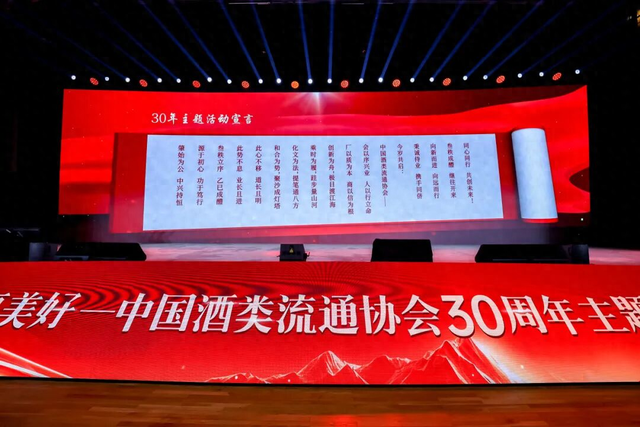
Core Viewpoint - The event celebrating the 30th anniversary of the China Alcoholic Drinks Circulation Association aims to unify industry consensus and wisdom, marking a new chapter for high-quality development in the alcoholic beverage distribution industry [1][5][28]. Group 1: Event Overview - The anniversary event took place on December 5, 2025, and is the largest gathering organized by the association, featuring over 700 guests including government leaders, industry experts, and representatives from well-known liquor companies [1][5]. - The event included a stage play that artistically connected the industry's 30-year development history and future outlook, showcasing significant achievements and innovations [15][28]. Group 2: Key Contributions and Achievements - The total circulation of alcoholic beverages has grown from less than 100 billion yuan 30 years ago to 2 trillion yuan today, reflecting a high-quality prosperous development path [10]. - The association has established nearly 2,000 "National Trustworthy Wine Demonstration Stores" since 2014, promoting a standardized and healthy development of the liquor distribution market [16]. - The "Hundred Cities, Ten Thousand Stores Autumn Wine Consumption Season" initiative led to a total consumption exceeding 100 billion yuan, highlighting the market's potential and vitality [18]. Group 3: Future Directions - The association plans to enhance the credit system, improve product and service competitiveness, and foster high-quality market entities through initiatives like the "Navigator Program" [14][18]. - Emphasis will be placed on digital transformation, international standard alignment, and cultural empowerment to achieve sustainable development [8][22]. - The "Future Partners Program" was launched to symbolize the passing of the torch within the industry, gathering new generation wisdom for future growth [24][26].
明星消费品牌,6800万甩卖控股权
3 6 Ke· 2025-12-10 01:25
Core Viewpoint - The new retail liquor chain brand Jiu Bian Li is set to change ownership, with approximately 51% of its shares auctioned off and acquired by Chuang Dong Fang Hua Ke Equity Investment Partnership for 68.4 million yuan, indicating a strategic move in the liquor distribution industry [1][2]. Company Summary - Jiu Bian Li, established in 2010, was once a star enterprise in the capital market, known for its innovative "20-minute delivery" model, which led to rapid market expansion and significant funding rounds, including a listing on the New Third Board in 2016 [2]. - The company faced a downturn starting in 2021, with significant changes in ownership and management leading to a drastic decline in performance, including a net loss of 109 million yuan in 2024 [2][3]. - As of mid-2025, Jiu Bian Li reported a revenue of 598 million yuan, a 37.1% year-on-year decline, and a debt ratio of 74%, indicating severe financial distress [3]. Industry Summary - The liquor distribution industry is undergoing accelerated consolidation, with a fragmented market characterized by nearly 940,000 distribution companies, leading to inefficiencies in traditional multi-level distribution models [4]. - The acquisition of Jiu Bian Li by Chuang Dong Fang Hua Ke is seen as a strategic move to integrate assets in the liquor distribution sector, aiming to leverage synergies between Jiu Bian Li and its new partner, Jiu Kuai Dao [3][4]. - The trend of consolidation in the liquor market is expected to continue for the next 3-5 years, as larger companies seek to enhance their bargaining power and competitiveness through mergers and acquisitions [4].