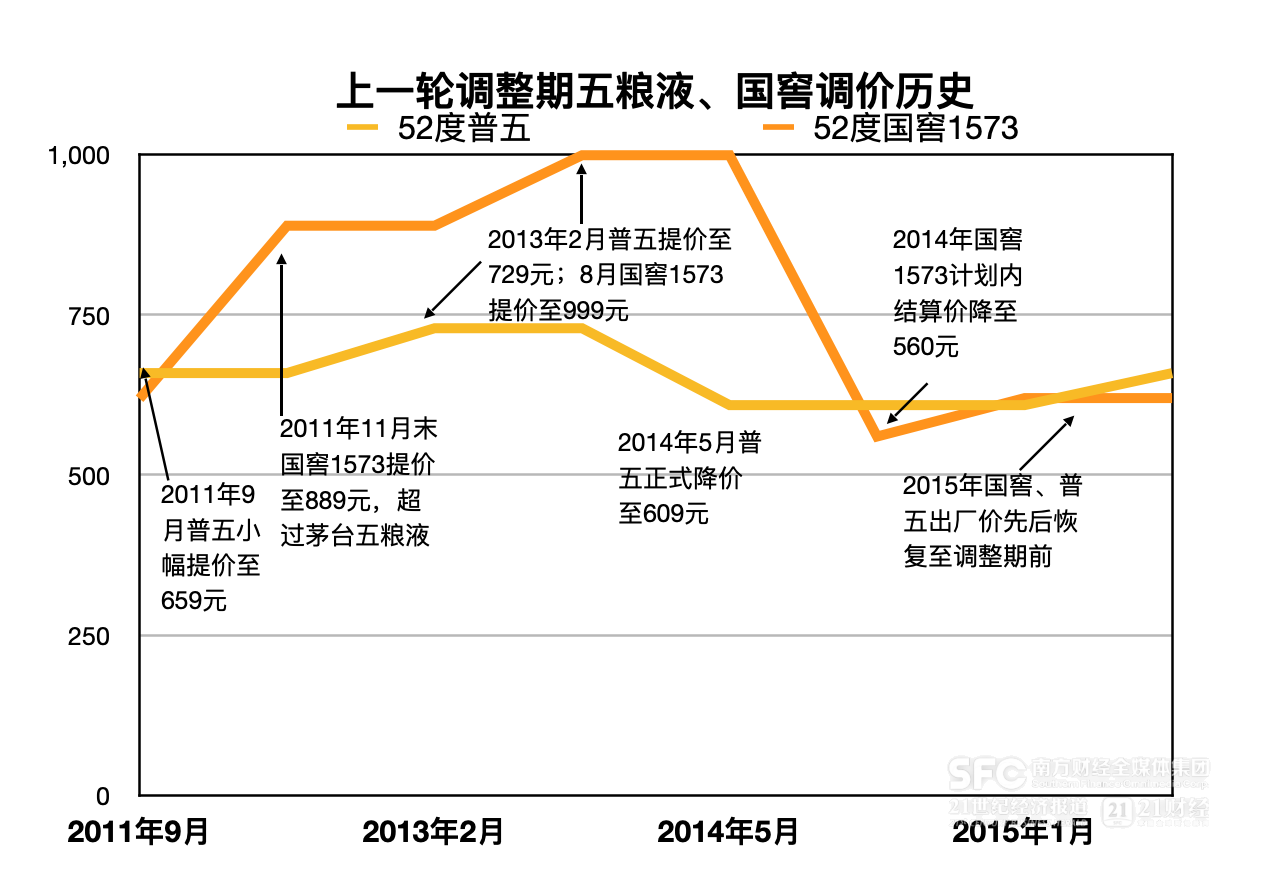
52度国窖1573

Search documents
1499元飞天茅台“秒空”背后:消费者质疑与行业转型的双重变奏
Sou Hu Cai Jing· 2026-01-05 22:06
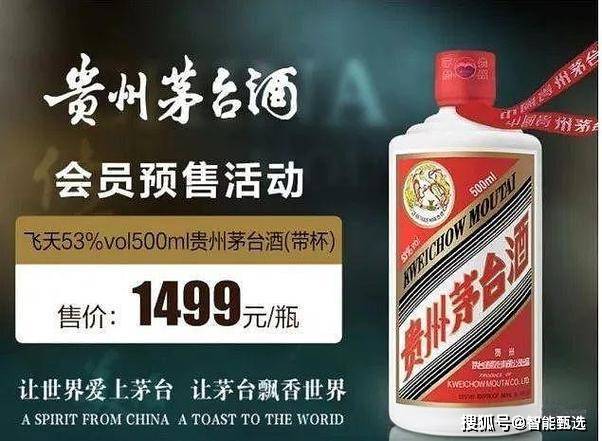
Core Viewpoint - The article highlights the ongoing transformation and challenges faced by the high-end liquor industry in China, particularly focusing on Kweichow Moutai's pricing strategies and market dynamics during a period of adjustment and reform [1][8]. Consumer Experience - The launch of Moutai's "i Moutai" app on January 1, 2026, resulted in a "秒空" (instant sell-out) phenomenon, with consumers facing difficulties in purchasing the product despite high demand, leading to suspicions of insufficient supply and "hunger marketing" tactics [2][3]. - A stark contrast was observed between online sales and offline promotions, with a local distributor selling out 1,000 cases in two hours, raising questions about the allocation of stock between online and offline channels [2][3]. Official Explanation - Moutai stated that daily supply is determined by balancing three goals: preventing speculation, matching supply with demand, and maintaining market stability. However, estimates suggest that actual supply may be less than 30% of reported figures [3]. - The company's strategy of "ambiguous supply" has been interpreted by some consumers as a form of "hunger marketing," as the limited availability may not meet actual consumer demand [3]. Grey Market Dynamics - Despite technological measures to curb speculation, such as real-name verification and dynamic codes, the black market has adapted quickly, with reports of resellers marking up prices by 200 yuan per bottle [3]. - The presence of a grey market, where resellers exploit loopholes, poses significant challenges to Moutai's supply-demand balance and pricing control [3]. Price Discrepancy - There has been a significant price gap between Moutai's official price of 1,499 yuan and the market price, which peaked above 3,000 yuan from 2020 to 2023, before declining to 2,600-2,800 yuan in 2024 [4][5]. - In January 2026, the wholesale price of Moutai fell to 1,490 yuan, marking the first time it dropped below the official price, which has contributed to a burgeoning grey market [5]. Channel Reform - Moutai has initiated aggressive reforms since 2025, shifting 80% of its distribution to direct sales channels and launching the "i Moutai" digital marketing platform to reduce reliance on traditional distributors [6]. - The upgrade of the "i Moutai" platform aims to streamline product offerings and combat the speculative practices of distributors, pushing the industry towards a service-oriented model [6]. Youth Strategy - The "i Moutai" app has attracted over 80 million registered users, with 41% aged between 25 and 35, indicating a shift towards a younger consumer base [7]. - Moutai's strategies, such as limited-time offers and point redemption, aim to engage younger consumers and reshape the brand's image away from being solely a "government wine" or "business wine" [7]. Industry Trends - Moutai's price adjustments reflect broader trends in the high-end liquor market, where major brands like Wuliangye and Luzhou Laojiao are also experiencing revenue and profit declines [8]. - The collective price reductions across the industry signify a return to consumer-centric pricing, moving away from the financial attributes that previously dominated the market [8]. Balancing Act - Moutai faces the challenge of balancing commercial interests with social responsibilities, as aggressive price suppression could harm distributor relationships while allowing high prices contradicts regulatory goals [9]. - The recent drop in wholesale prices has raised concerns about potential market instability, while the "秒空" phenomenon has led to accusations of artificially created scarcity [9]. Future Outlook - Analysts suggest that 2026 will be a pivotal year for the industry, with a focus on operational stability rather than aggressive channel expansion [10]. - The upcoming 2026 Spring Festival is seen as a critical observation point for Moutai's ability to meet genuine consumer demand and stabilize wholesale prices, which will indicate the success of its market transformation efforts [10].


五粮液,曲线降价
21世纪经济报道· 2025-12-12 06:46
Core Viewpoint - The article discusses the recent price adjustment strategies of high-end liquor brands, particularly focusing on Wuliangye and Guojiao 1573, and the competitive dynamics in the premium liquor market following Wuliangye's price changes [1][3][5]. Group 1: Market Dynamics - Wuliangye has been leading the high-end liquor market, with Guojiao 1573 closely following, and both brands often adjust their prices in tandem [1][3]. - The competition has intensified, with Guojiao 1573 expected to adopt a follow-up strategy similar to Wuliangye, potentially using channel subsidies to effectively lower prices without officially changing the factory price [1][3][9]. - The price gap between Guojiao 1573 and Wuliangye has been narrowing, with Guojiao 1573's price sometimes exceeding Wuliangye's [3][9]. Group 2: Pricing Strategies - Wuliangye's pricing strategy has included initial price increases followed by indirect price reductions through channel incentives, leading to a complex pricing environment [7][9]. - Guojiao 1573 has historically followed Wuliangye's pricing moves, but its management has indicated a more cautious approach this time, reflecting on past experiences where aggressive pricing led to market share losses [8][10]. - The current market environment is characterized by a need for strategic pricing adjustments, as both brands face declining demand and the challenge of maintaining market share [10][12]. Group 3: Product Focus and Revenue Contribution - Wuliangye's revenue is heavily reliant on its flagship product, contributing 50%-60% to its overall income, while Guojiao 1573 has diversified its offerings, with significant contributions from both high and low alcohol content products [13][14]. - Guojiao 1573's revenue contribution from high-end products has increased significantly, indicating a successful strategy in expanding its market presence [13][14]. - The competitive landscape has evolved, with new players entering the market, making pricing strategies more critical for maintaining brand positioning [14][15].



五粮液出招“调价”,国窖们跟不跟?
2 1 Shi Ji Jing Ji Bao Dao· 2025-12-12 03:29
Core Viewpoint - The recent price adjustment news from Wuliangye has sparked industry speculation about whether other high-end liquor brands will follow suit, particularly focusing on the competitive dynamics between Wuliangye, Guojiao 1573, and other brands in the premium liquor market [1][3][4]. Group 1: Market Dynamics - Wuliangye, Guojiao 1573, and Moutai are the top three players in the high-end liquor market, with Wuliangye and Guojiao 1573 often adjusting their strategies in tandem due to their similar pricing and market positioning [2][4]. - The competition has intensified, with Guojiao 1573's pricing strategy closely mirroring that of Wuliangye, often resulting in a price difference of only a few dozen yuan between the two brands [4][11]. - The current market environment shows a trend of price adjustments, with Wuliangye leading the way by increasing channel subsidies to effectively lower the cost for distributors without officially changing the factory price [13][15]. Group 2: Historical Context - The current price adjustment cycle resembles previous cycles, where both Wuliangye and Guojiao 1573 have engaged in back-and-forth pricing strategies, including price increases followed by temporary reductions [9][10][12]. - Historical data indicates that Guojiao 1573 has previously faced challenges when maintaining higher prices than Wuliangye, leading to a significant drop in market share during past adjustment periods [10][11]. Group 3: Strategic Responses - Guojiao 1573 is expected to adopt a follow-up strategy similar to Wuliangye's, potentially using indirect methods such as increased subsidies to maintain competitiveness without directly lowering factory prices [4][15]. - The strategic focus of both companies has diverged, with Wuliangye prioritizing volume sales while Guojiao 1573 has the flexibility to leverage both high and low alcohol content products to enhance market presence [18][20]. - The competitive landscape has evolved, with new entrants like Langjiu and Moutai 1935 gaining market share, complicating the pricing strategies for established brands [22][23].
酒类流通平台壹玖壹玖陷资金困境?加盟商曝其“以货抵债”
Nan Fang Du Shi Bao· 2025-09-24 23:51
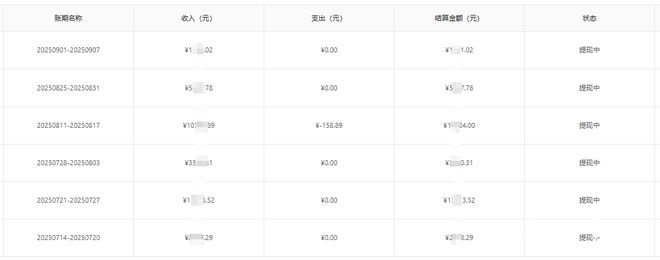
Core Viewpoint - The company 1919, a leading player in the liquor distribution sector and the first to be listed on the New Third Board, is facing significant financial difficulties, including large-scale delays in payments to franchisees, which has led to cash flow issues for many stores [1][2][4]. Group 1: Financial Difficulties - Since June 2023, 1919 has reportedly begun to delay payments for online business settlements, causing financial strain for franchisees [1][2]. - A complaint letter indicates that 1919 has not paid franchisees for online orders since June, with amounts owed ranging from tens of thousands to hundreds of thousands of yuan per store [1][2]. - Franchisees have expressed frustration over the lack of clear communication regarding payment timelines, receiving only vague responses from the company [1][2]. Group 2: Business Model and Operations - 1919 operates as a liquor e-commerce platform, primarily sourcing products from distributors and selling them through both physical stores and online platforms [3][4]. - The company has shifted from a direct sales model to a franchise model, with a significant increase in the number of franchise stores, which now account for a large portion of its operations [10][11]. - The company has faced cumulative losses exceeding 1.5 billion yuan, despite rapid expansion and increased store numbers over the years [7][8]. Group 3: Franchisee Relations - Franchisees have reported that the delayed payments have severely impacted their ability to cover essential expenses such as rent and salaries [4][10]. - In response to the financial crisis, 1919 has proposed a "goods-for-pay" scheme to franchisees, allowing them to offset debts by purchasing inventory, although not all franchisees are willing to accept this arrangement [12][11]. - Some franchisees have indicated that they are unwilling to accept the proposed inventory as they already have unsold stock, and they are considering legal action to recover owed payments [12][11].
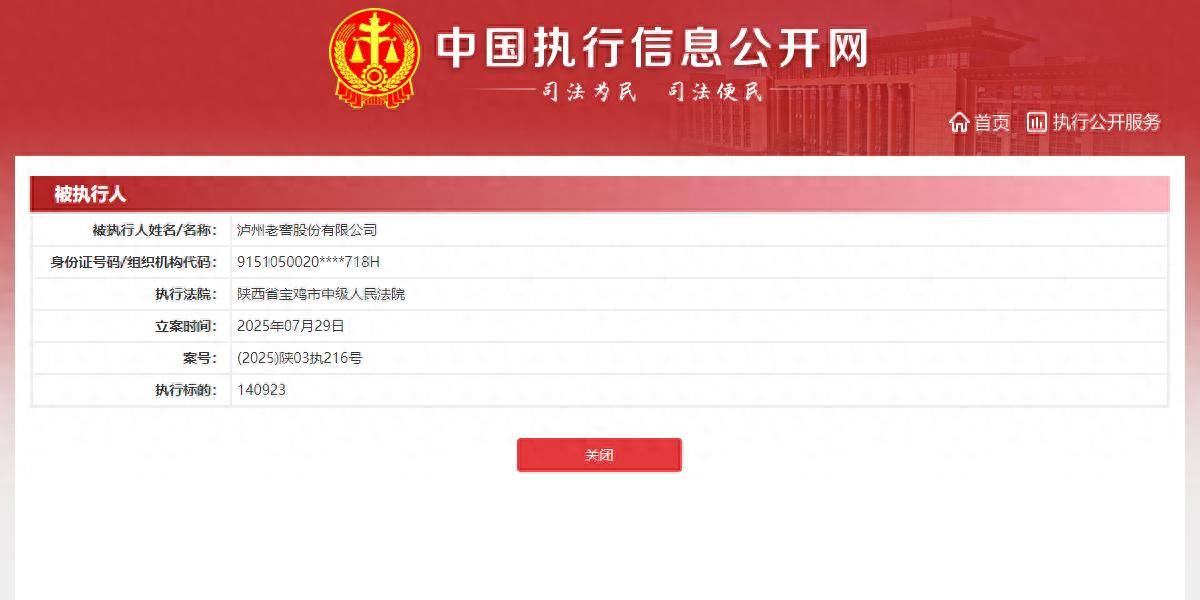
泸州老窖被执行14万余元 经营数据折射多重挑战
Sou Hu Cai Jing· 2025-07-30 12:12
Group 1 - The core product, 52-degree Guojiao 1573, has a current adjustment price of 835 yuan per bottle, while the factory price is 980 yuan per bottle, indicating a significant price inversion where distributors incur a loss of at least 145 yuan per sale [1] - As of the end of 2024, Luzhou Laojiao's inventory scale reached 13.393 billion yuan, a year-on-year increase of 15.24%, accounting for 19.6% of total assets, marking a historical high [1] - The stock price of Luzhou Laojiao has seen an annual decline of 28.28% in 2024, underperforming within the liquor sector, which is closely related to the company's operational data [1] Group 2 - The company's strategy of "inventory compression" alongside "lending" may lead to discrepancies between short-term operational data and the market's actual consumption capacity [1] - In the context of intensified market competition and upgraded consumer demand, liquor companies need to continuously optimize their pricing systems, inventory management, and operational strategies for sustainable development [1] - For Luzhou Laojiao, improving core indicators and stabilizing market expectations through refined operations is a critical challenge currently faced [1]