农产品贸易

Search documents
大士礼盛(云南)贸易有限公司成立 注册资本100万人民币
Sou Hu Cai Jing· 2025-11-18 12:19
Core Viewpoint - A new company, Dashi Lisheng (Yunnan) Trading Co., Ltd., has been established with a registered capital of 1 million RMB, focusing on various agricultural and trading activities [1] Group 1: Company Overview - Dashi Lisheng (Yunnan) Trading Co., Ltd. has been registered with a legal representative named Chu Heng [1] - The company has a registered capital of 1 million RMB [1] Group 2: Business Scope - The company’s business scope includes wholesale and retail of fresh fruits, production, sales, processing, transportation, and storage of agricultural products [1] - It also engages in the initial processing of edible agricultural products and the sale of specialized equipment for agricultural product processing [1] - Additional activities include wholesale and retail of edible agricultural products, import and export of goods, and sales of petroleum products (excluding hazardous chemicals) [1] - The company is authorized to conduct business activities independently based on its business license, except for projects that require approval [1]
避险增值并举 期权赋能产业高质量发展
Qi Huo Ri Bao Wang· 2025-11-17 02:01
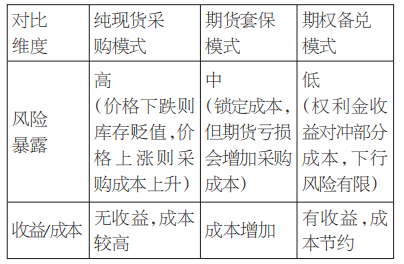
2022年4月份以来,国内玉米市场步入宽幅震荡、短周期轮动的新常态。受东北产区种植结构调整、黄 淮海地区天气波动、下游饲料需求周期性变化以及国际粮价传导等因素影响,玉米现货价格自2022年的 高位逐步回落,至2024年已呈现跌多涨少、波段性反弹特征。 在此背景下,传统随行就市的现货经营模式逐渐难以适应市场变化。越来越多的玉米产业链企业开始探 索"现货+期货+期权"的综合经营模式,而国内衍生品市场的愈发成熟则为这一探索提供了坚实基础。 吉林启隆实业有限公司是光大期货有限公司服务的一家玉米原粮购销企业。该企业专注于东北优质玉米 原粮的收购、仓储与销售。下游客户以饲料企业、有机食品加工厂为主,这类客户对原粮品质(如容 重、水分、杂质含量)要求严苛,而采购成本的细微波动也将直接影响企业利润。在2024/2025年度的 市场行情中,该企业对期权策略的精准应用,成为产业端避险增值的标杆案例。 行情背景与企业困境 2024年东北玉米秋收季,受前期降水偏多影响,吉林、黑龙江部分产区玉米出现水分偏高、容重下降问 题,市场收购意愿减弱。当地农户种植成本约为1950元/吨,价格逐渐跌破成本线,部分农户出现惜售 待涨情绪。 对于企业 ...

中国消费新需求为中秘经贸合作添动力(专家解读)
Ren Min Ri Bao· 2025-11-16 23:25
Core Insights - Peru is the first Latin American country to sign a comprehensive free trade agreement with China and is one of the earliest participants in the Belt and Road Initiative, with trade between China and Peru reaching $19.149 billion from January to May 2025, a year-on-year increase of 30.7% [1] Trade and Economic Cooperation - China is Peru's largest trading partner, and the successful operation of the Chancay Port, set to begin in 2024, is expected to generate approximately $4.5 billion in annual economic benefits and create over 8,000 direct jobs [1] - The Chancay Port aims to become a key logistics hub connecting South America and Asia, significantly optimizing logistics efficiency and facilitating Sino-Peruvian trade [1][4] Consumer Trends in China - There is a rising trend in health-conscious consumption among Chinese consumers, leading to increased demand for Peruvian agricultural products such as blueberries, avocados, and quinoa [2] - The demand for convenience has surged, particularly among younger consumers, driving the growth of the frozen food market, prompting Peru to promote frozen fruits and vegetables in China [2] - Emotional consumption and the "self-care economy" are on the rise, with Peruvian alpaca toys gaining popularity among Chinese consumers, reflecting a blend of cultural significance and emotional appeal [3] - The trend towards premium and personalized products is evident in the coffee sector, where Peruvian specialty coffees are gaining recognition among Chinese coffee enthusiasts, particularly in emerging markets [3] Logistics and Trade Facilitation - The China-Peru Free Trade Agreement has led to the expansion of bilateral trade, with many Peruvian products enjoying zero tariffs, enhancing trade facilitation [4] - The opening of direct shipping routes from Chancay to Shanghai has reduced the shipping time for fresh Peruvian products from 35 days to 23 days, lowering logistics costs and increasing competitiveness in the Chinese market [4] Socioeconomic Impact - The alpaca toy industry in Peru is experiencing annual growth of 20% to 35%, providing significant income and employment opportunities for local artisans, particularly women, and helping to preserve traditional crafts [5] - Collaboration with Chinese partners in brand development and market expansion is enabling Peru to better meet the demands of Chinese consumers, integrating Peruvian products into the vibrant Chinese market [5] Future Outlook - There is an expectation for continued collaboration through platforms like the China International Import Expo to showcase Peru's diverse and high-quality products, aiming for further cooperation in agricultural technology and market development [6]
共探跨境合作新机遇 磨憨—磨丁经济合作区招商推介会在京举行
Ren Min Wang· 2025-11-16 08:30
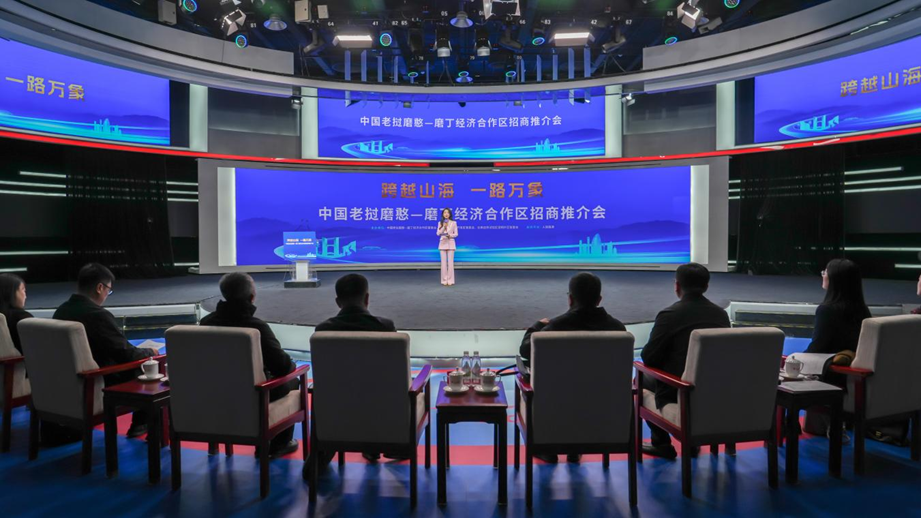
Core Viewpoint - The China-Laos Mohan-Deng Economic Cooperation Zone is being promoted as a platform for deepening regional cooperation and value co-creation, with a focus on its unique resources and industrial advantages [1] Group 1: Economic Cooperation Zone Overview - The cooperation zone spans a total area of 24.23 square kilometers and is located at the border of Yunnan Province, China, and the southern province of Laos [2] - The zone's primary advantage lies in its cross-border nature, with efforts underway to enhance infrastructure connectivity and promote a "two countries, one park" model [2] - The zone serves as a significant platform for strengthening the relationship between China and Laos, supported by government policies in coordination, connectivity, and industrial collaboration [2] Group 2: Regional Development and Opportunities - Kunming, Yunnan Province, is leveraging its "four-zone overlay" policy advantages and the hub function of the China-Laos Railway to accelerate its development as an open highland facing South Asia and Southeast Asia [3] - The cooperation zone is actively promoting the integration of manufacturing and service industries, inviting various sectors to seize new opportunities arising from border openness and dual circulation development [3] Group 3: Industrial Development and Trade - The Kunming Economic and Technological Development Zone is becoming a key hub linking domestic markets with South Asia and Southeast Asia, utilizing the China-Laos Railway to facilitate international logistics [4] - Cross-border agricultural product trade, particularly in durians, is identified as a significant growth point, with the establishment of a national durian distribution center in the cooperation zone [5] - The center aims to create a comprehensive service system covering the entire durian trade process, enhancing the connection between producers and consumers [5] Group 4: Future Prospects and Strategic Importance - The cooperation zone is positioned as a demonstration area for strategic cooperation between China and Laos, with potential for significant contributions to regional economic growth through enhanced logistics and international capacity cooperation [6][7] - The signing of the RCEP and the 3.0 version of the China-ASEAN Free Trade Area is expected to release more growth dividends for the region [6] - Future developments will focus on improving infrastructure, creating an integrated logistics system, and fostering deep processing manufacturing to drive agricultural development and industrial upgrades [7]
美国大豆比巴西豆贵还加税,中国采购停滞不是违约,市场规律才是关键?
Sou Hu Cai Jing· 2025-11-16 06:00
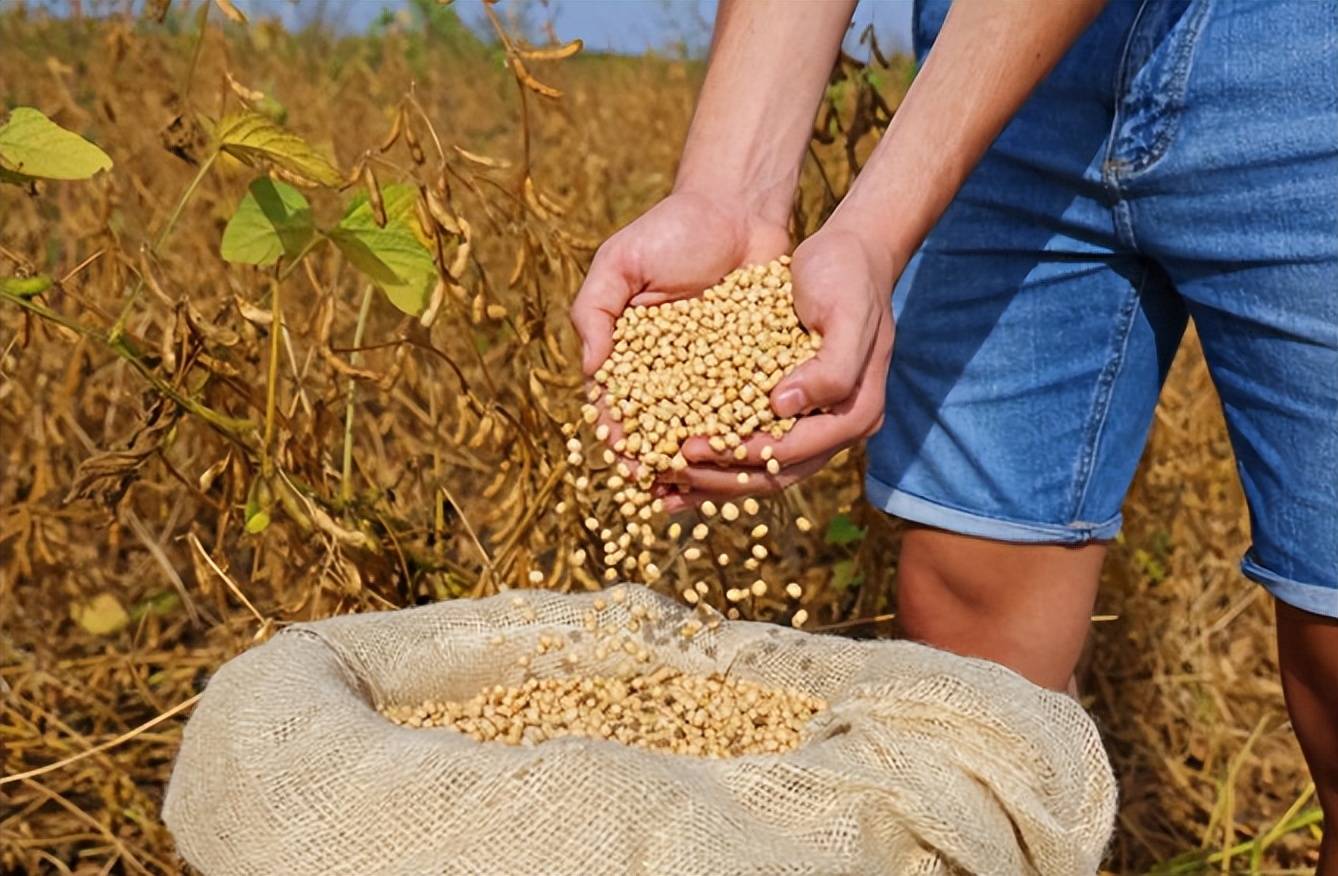
Core Insights - The U.S. soybean farmers initially felt relief after China's commitment to purchase 12 million tons of U.S. soybeans by the end of 2025, with an average annual import of 25 million tons over the next three years, but this optimism quickly faded as actual purchases did not materialize [1][4] - The significant tariff disparity, with U.S. soybeans facing a 13% tariff compared to just 3% for Brazilian soybeans, has rendered U.S. soybeans uncompetitive in price, leading to a lack of large-scale purchases from China [3][4] - The U.S. administration's conflation of political promises with commercial realities has created a fundamental misunderstanding in trade relations, as China emphasizes adherence to WTO rules and market principles [4][9] Trade Dynamics - U.S. soybean prices must be $45 to $50 per ton cheaper than Brazilian soybeans for Chinese buyers to consider purchasing, but U.S. farmers are unable to lower prices due to high inventory and low market prices [3][6] - China's soybean inventory has reached a three-year high due to prior large purchases from South America, making it less likely for Chinese buyers to purchase U.S. soybeans at higher prices [3][6] - The U.S. agricultural sector is increasingly vocal about the need to decouple soybean trade from political issues, recognizing that stable market conditions are essential for survival [6][9] Competitive Landscape - Brazil is rapidly expanding its infrastructure, such as ports and railways, which enhances its competitive edge in soybean exports, while U.S. farmers face challenges in maintaining market share [6][7] - The potential for adverse weather conditions in Brazil could impact global soybean prices, presenting a possible opportunity for U.S. soybeans, but relying on such factors indicates a weakness in trade strategy [7][9] - China's diversification of soybean sources, including Argentina and Russia, is creating a more complex supply chain that reduces reliance on U.S. soybeans [7][9]
中方仅象征性买美国大豆就停手,商务部回应话里有话,特朗普会不会再变卦?
Sou Hu Cai Jing· 2025-11-16 04:11
Group 1 - The core issue revolves around China's halt in large-scale soybean purchases from the U.S., which contrasts with the U.S. government's expectations of a $120 billion procurement commitment [1] - China's agricultural imports have diversified, with private enterprises increasing their share, indicating that state-owned enterprises cannot fulfill the large orders anticipated by the U.S. [5] - The U.S. soybean industry is facing internal challenges, including surplus inventory and rising production costs, which complicate the market dynamics [3] Group 2 - The U.S. soybean import tariff of 13% significantly hampers competitiveness compared to Brazilian soybeans, which are 10% cheaper [1] - Brazil's soybean exports to China are projected to reach approximately 4 million tons by the end of 2025, providing China with leverage in negotiations [1] - The U.S. agricultural sector is concerned about the political volatility affecting trade agreements, as seen in the uncertainty faced by farmers regarding whether to store or sell their soybeans [3][5] Group 3 - China's procurement strategy appears to focus on risk diversification rather than reliance on a single source, reflecting a cautious approach in the face of geopolitical tensions [1] - The U.S. soybean association expresses hope that agricultural trade will not be politicized, highlighting the industry's frustration with the current trade environment [5] - China's response to the U.S. trade policies suggests that cooperation is contingent upon the removal of high tariffs, indicating a need for a more balanced trade relationship [5]
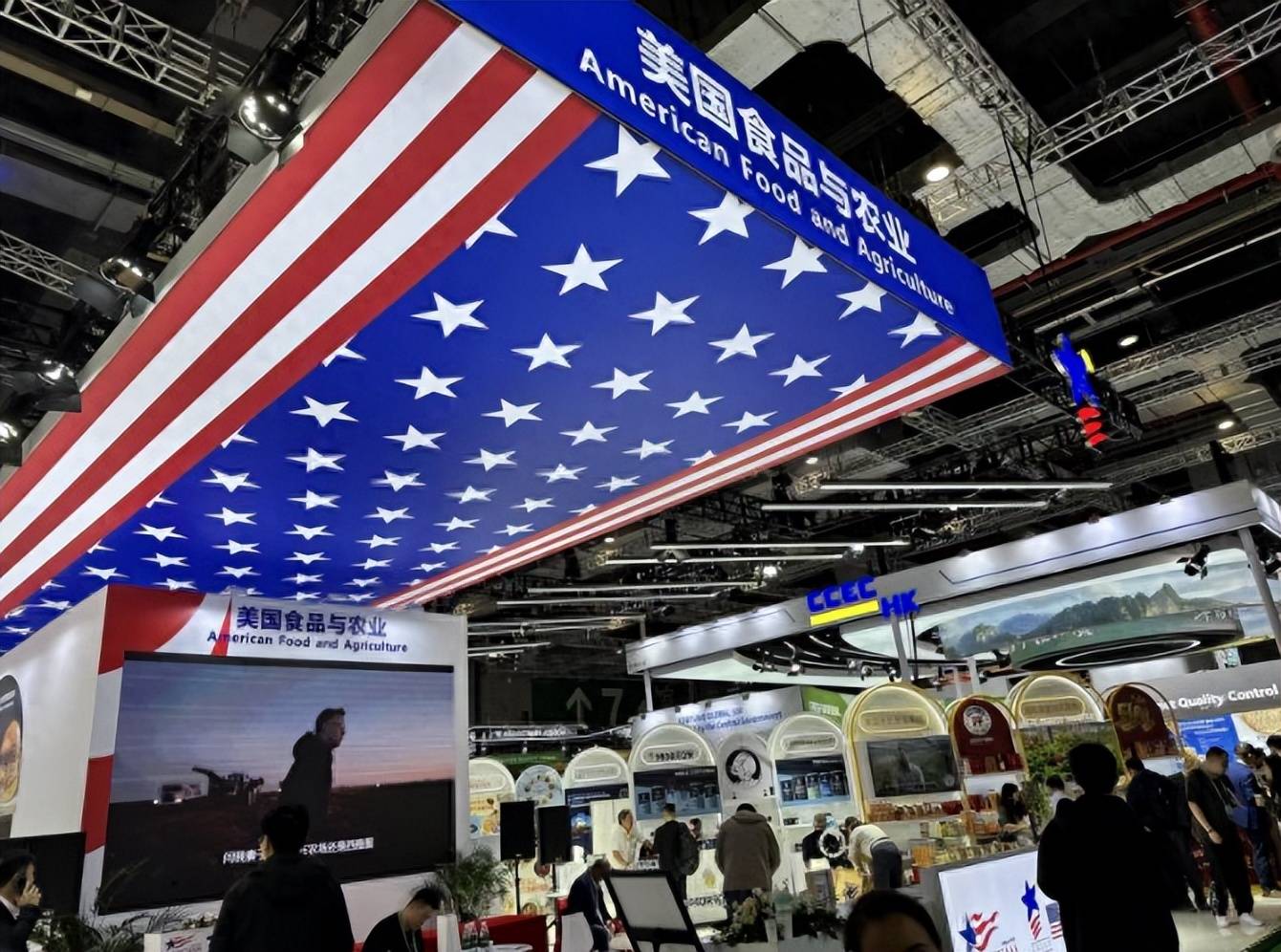
13% 关税压垮利润空间,中国企业暂停美国大豆采购,巴西豆成更优选择?
Sou Hu Cai Jing· 2025-11-16 02:44
难道美国大豆就彻底没机会了吗?倒也未必。每年11月到次年2月是南美大豆的供应淡季,这为美豆提供了一个天然的时间窗口。如果巴西的运输或天气出 现波动,或者中国储备系统出于战略考虑进行采购,美豆仍有翻盘可能。但问题在于,这种采购往往由中粮、中储粮等国企主导,带有明显的政策色彩,难 以反映真实的市场需求。而眼下中美关系的微妙之处就在于,中方虽然暂停了部分农产品关税反制,却始终保留着"暂停"而非"取消"的表述——这本身就是 一种战略预留,一把可以随时收回的"钥匙"。 白宫急于向国内农业州展示"对华贸易成果",但北京的回应却相当谨慎。中方从未公开确认过所谓的"干杯式采购承诺",反而在通报中强调企业可"自主决 策、择优采购"。这"择优"二字,分明是留给巴西大豆的后门。中国市场的逻辑很清晰:你要卖豆,我得看价。政治氛围可以暖场,但最终登台唱戏的还得 是性价比。美国如果真想稳住中国这个全球最大大豆买家,就得在降低关税壁垒、提供稳定贸易预期上拿出诚意,而非指望通过一两次高层会晤就能"签单 了事"。 回过头看,这场大豆贸易的拉锯战折射出中美经贸关系的深层困境。美方总希望用政治协议撬动市场订单,中方却坚持用市场规则消化政治波动。美 ...

综述丨专家批评阿美贸易协议让阿根廷处于“完全劣势”
Xin Hua She· 2025-11-16 01:41
Core Viewpoint - The recent trade agreement between Argentina and the United States has been criticized by experts for placing Argentina at a "complete disadvantage," suggesting that it will not improve the Argentine economy but rather impose additional burdens on it [1]. Group 1: Trade Agreement Details - Argentina will open its market to U.S. agricultural products, including live cattle and poultry, and simplify the registration process for U.S. beef and beef products [2]. - The agreement is seen as problematic because both Argentina and the U.S. are major agricultural exporters, and the U.S. has a higher level of industrialization in agriculture, which could negatively impact Argentina's agricultural development [2]. Group 2: Economic and Political Implications - Opening the market to the U.S. violates the unified external tariff regulations of the Southern Common Market (Mercosur), potentially affecting Argentina's economic relations with neighboring countries [4]. - The agreement has been described as "unequal," with Argentina making concessions in various areas such as tariffs, non-tariff barriers, intellectual property, agricultural market access, and labor issues, while the U.S. has not made clear concessions, effectively giving U.S. companies preferential market access [4]. - The Argentine Interior Minister compared the trade agreement to the historical Roca-Runciman Agreement with the UK, which is viewed as having allowed the UK to exert control over the Argentine economy at a low cost [4].
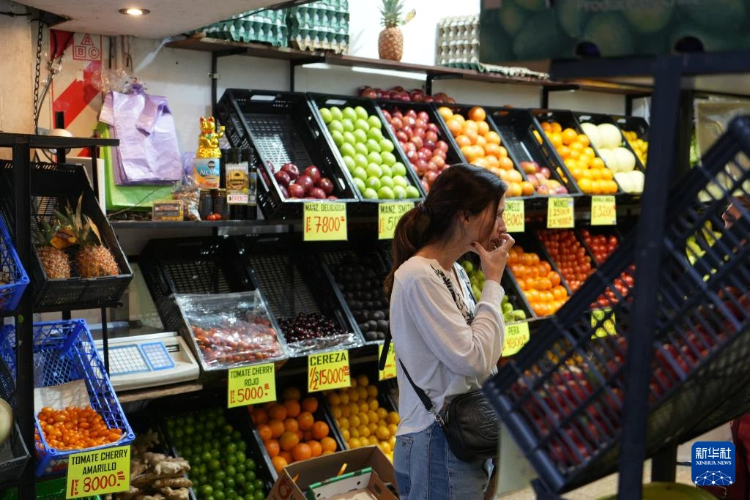
中外客商中国中部农博会觅合作机遇
Zhong Guo Xin Wen Wang· 2025-11-15 13:20
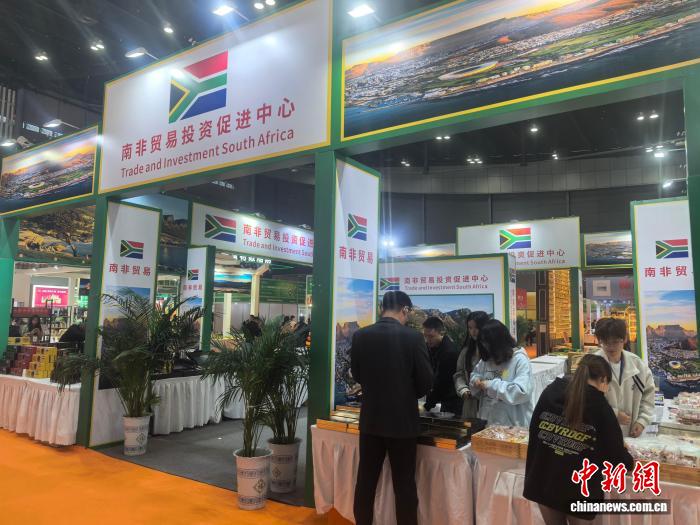
Group 1 - The 26th China Central (Hunan) Agricultural Expo is a significant agricultural event approved by the Ministry of Agriculture and Rural Affairs of China, featuring over 3,500 enterprises from both domestic and international markets [1][3] - The expo showcases a variety of international agricultural products, including Southeast Asian fruits, African coffee, French wine, Laotian beer, Australian beef, and Malaysian bird's nest [1] - The event aims to facilitate face-to-face cooperation between international enterprises, with the organizing committee inviting international purchasing groups three months in advance and providing translation services in six languages [3] Group 2 - Laotian agricultural products, such as organic ancient tree tea and low-alcohol glutinous rice wine, are increasingly entering the Chinese market, supported by e-commerce channels and infrastructure connectivity between ASEAN countries and China [3] - The manager of a Laotian company expressed intentions to introduce Chinese medical devices and new energy vehicles to Laos, indicating a desire for bilateral agricultural cooperation [3] - Hunan's agricultural products, particularly vegetables, are expanding their export reach from the Guangdong-Hong Kong-Macao Greater Bay Area to the Middle East and Southeast Asia [4]
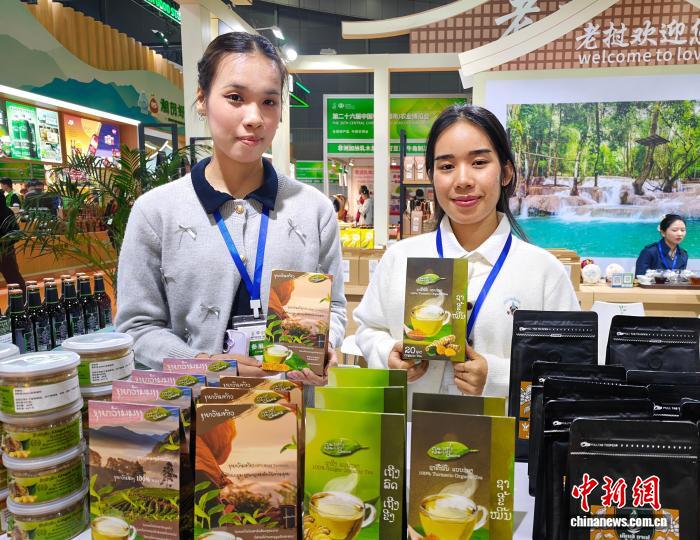
多国农产品汇聚长沙 中部农博会促“买卖全球”
Zhong Guo Xin Wen Wang· 2025-11-15 12:51
Core Insights - The 26th Central China (Hunan) Agricultural Expo showcases over 30,000 agricultural products from more than ten countries and regions, with an exhibition area of 80,000 square meters and participation from over 3,500 enterprises [1][3] Group 1: International Participation - Laos and South Africa are the guest countries, featuring their unique agricultural products such as packaged rice and coffee, aiming to establish long-term partnerships with local enterprises [3] - African merchants, including those from Ghana, express interest in finding stable partners in China to promote their products like shea butter and black soap [3] Group 2: Business Networking - Major retailers like Walmart, Sam's Club, Metro, and Hema are actively engaging with exhibitors to facilitate direct communication and mutual benefits [3] - The organizing committee has prepared multilingual support to enhance international exchanges, ensuring effective communication among participants [3] Group 3: Export Initiatives - The expo promotes Chinese enterprises to expand internationally, exemplified by the "Xiangqi Going Global" event aimed at connecting Hunan products with Southeast Asian and European markets [4] - The event has a history of 26 years, showcasing over 280,000 agricultural products and achieving a transaction volume exceeding 280 billion yuan, with over 23 million visitors [6]