大数据

Search documents
湖北成立100亿元规模数据产业基金,聚焦多项核心领域
Huan Qiu Wang· 2025-09-23 00:52
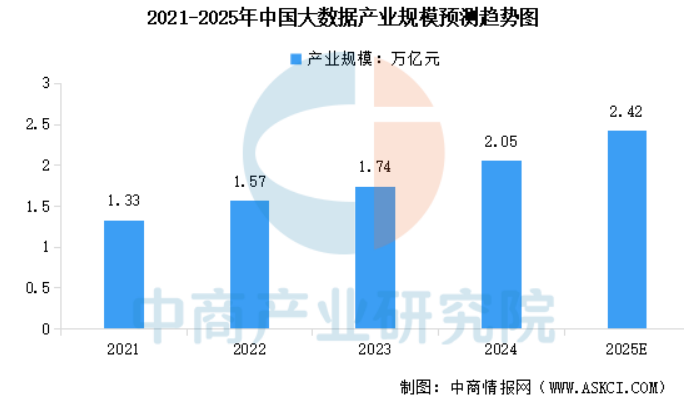
Core Insights - Hubei province has established a data industry fund with a total scale of 10 billion yuan, focusing on key areas such as big data, data circulation, data security, green computing, industrial internet, and artificial intelligence [1] - The big data industry is recognized as a strategic emerging industry in China, essential for activating data potential and driving digital transformation across various sectors [1] - The Chinese big data industry has experienced rapid growth, with a projected scale of 1.74 trillion yuan in 2023, reflecting a year-on-year increase of 10.45% [2] Industry Overview - The big data industry encompasses upstream support, midstream data processing, and downstream applications, significantly impacting sectors like finance and healthcare [1] - A series of national policies, including the "14th Five-Year" plans, have been implemented to support the development of the big data industry [1] - The number of active big data-related enterprises in China reached over 813,800 by July 2025, with a notable increase in registrations from 79,500 in 2020 to 178,700 in 2023 [6] Market Projections - The big data industry scale is expected to reach approximately 2.05 trillion yuan in 2024 and 2.42 trillion yuan by 2025 [2] - The registration of big data-related enterprises saw a decrease in 2024, with 176,400 new registrations compared to the previous year [6] - In the first half of 2025, 104,900 new big data-related enterprises were registered, indicating ongoing interest and investment in the sector [6]

互利共赢 谱写中国东盟合作新篇章
Ren Min Ri Bao· 2025-09-22 22:02
Group 1: Core Insights - The China-ASEAN Expo (CAEXPO) has successfully promoted the development of China-ASEAN relations, with high-tech cooperation emerging as a new growth point [1][3] - The expo showcased advanced achievements in artificial intelligence (AI) and stimulated innovation and entrepreneurship [1][2] - The event highlighted the ongoing economic integration and trade cooperation between China and ASEAN, aiming for mutual benefits and a new chapter of collaboration [1][3] Group 2: Technological Innovations - The expo featured a dedicated AI pavilion, the introduction of "AI exhibition" entities, and the first China-ASEAN AI ministerial roundtable, indicating a shift towards a future-oriented regional cooperation model [3] - Companies like Zhongke Shuguang are focusing on smart computing, cloud computing, and big data, providing a platform for technology display and demand matching [3] - The establishment of a new productivity pavilion at the expo reflects the broad prospects for cooperation in strategic emerging industries between China and ASEAN [3][4] Group 3: Trade and Investment Cooperation - The expo displayed 178 geographical indication products and 76 new ASEAN products, indicating a vibrant atmosphere for cooperation in agriculture and rural revitalization [5] - Trade between China and ASEAN has significantly increased from over 870 billion RMB in 2004 to nearly 7 trillion RMB in 2024, maintaining growth for nine consecutive years [5] - Companies like SAIC-GM Wuling are expanding their markets into ASEAN countries, showcasing the deepening cooperation in various sectors beyond traditional trade [6] Group 4: Cultural and Human Exchange - The expo serves as a platform for cultural exchange, with activities designed to foster closer ties between the people of China and ASEAN [6][7] - The number of exchanges between Chinese residents and ASEAN countries reached over 25.2 million in the first eight months of the year, reflecting increasing interactions [7] - The next CAEXPO will focus on implementing the upgraded version of the China-ASEAN Free Trade Area, enhancing business opportunities and dialogue [7]
人民网·人民数据与四川数据集团达成数据要素战略合作
Zheng Quan Shi Bao Wang· 2025-09-22 09:09
Core Viewpoint - Recently, People's Data and Sichuan Data Group have established a strategic partnership to leverage their strengths in big data and jointly build the "Sichuan Data Element Innovation Laboratory" [1] Group 1 - The collaboration aims to focus on data governance, public data operation services, data circulation and trading, data asset management, and the integration of data assets into financial statements [1] - The partnership will also work on creating an industrial chain data ecosystem and developing data elements for various scenarios [1]

湖北设立百亿数据产业基金 首期20亿助推数字经济跨越式发展
Chang Jiang Shang Bao· 2025-09-21 23:01
Core Insights - Hubei Province has established a data industry fund with a total scale of 10 billion yuan, focusing on key areas such as big data, data circulation, data security, green computing power, industrial internet, and artificial intelligence [1][2] - The digital economy in Hubei is experiencing strong growth, with the core industry value expected to reach 574.29 billion yuan by 2024, which is 2.4 times that of 2020, and is projected to exceed 10% of GDP by 2025 [1][2] - The fund aims to invest in the entire data industry chain, including upstream sectors like chips and optical communication, midstream data centers, and downstream data applications and AI [1][2] Investment Strategy - The fund will prioritize local enterprises in Hubei while also attracting leading companies from major cities like Beijing, Shanghai, Guangzhou, and Shenzhen, creating a dual-driven approach of "internal cultivation + external introduction" [2] - The Hubei Big Data Group is developing the Xiaohongshan Data Industry Park, with a total investment of 2.5 billion yuan, to foster a data ecosystem by attracting and nurturing data-related enterprises [2] Infrastructure Development - A provincial computing power interconnection platform has been launched to integrate computing resources, aiming to make Hubei a central node in the national integrated computing network [3] - The Hubei Health Medical Big Data Center has been established to enhance healthcare services and research, focusing on a comprehensive operational framework [3] Talent Development - The Hubei Big Data Academy has been inaugurated to provide comprehensive talent services, aiming to create a high-end talent cultivation system for the data industry [4]
东方国信(300166) - 300166东方国信投资者关系活动记录表(2025年9月19日)
2025-09-21 07:36
Company Strategy and Technology Development - The company focuses on core capabilities in big data, artificial intelligence, and cloud computing, evolving through three main stages: code development, low-code, and now generative AI [2] - Generative technology allows for 70% automation in development, significantly reducing costs and aligning with digital transformation needs across industries [2] - The company utilizes a symbolic approach to enhance data accuracy, addressing limitations of mainstream large language models [2] Knowledge Accumulation and AI Application - Emphasis on building knowledge graphs to convert multi-source data into high-value structured knowledge, particularly in telecommunications, finance, and industry [3] - The company has established six engineering frameworks to facilitate AI application deployment, completing numerous projects for ToB clients [3] - A dual-version product "Wenshengshu" targets both enterprise and individual users, with nearly 6,000 listed companies processed [4] Business Development and Growth Points - Despite recent performance pressures, the company maintains healthy cash flow and is at an inflection point with traditional business recovery and strong new business growth [5] - Opportunities in operator business due to data centralization initiatives by major telecom companies [5] - The company has a GPU resource pool of nearly 40,000 cards, serving over 70,000 C-end users and 6,000 enterprises [5] Collaboration with Shitop Cloud - Collaboration with Shitop Cloud enhances resource integration, ecosystem building, and commercial synergy, reinforcing the "cloud + AI + data" strategy [7] - Shitop Cloud leads the C-end computing retail market, with a business scale surpassing the combined total of its next nine competitors [9] - The company aims to capture 20% to 50% market share in the educational and research sectors, estimated at around 5 billion RMB [10] Future Outlook and Challenges - The company anticipates a recovery in performance driven by traditional business stabilization and new business contributions, particularly from the intelligent computing center [17] - Cost optimization and historical burden clearance are expected to support profit recovery [18] - The company is cautious about future acquisitions, focusing on growth potential and synergy [16]

两点一存耀华夏丨黄土塬上崛起的算力新高地
Yang Shi Wang· 2025-09-20 05:54
Core Viewpoint - The transformation of Qingyang from a traditional agricultural region to a digital powerhouse, known as "China's Computing Valley," is driven by the establishment of a robust computing infrastructure and the strategic implementation of the "East Data West Computing" initiative [1][4]. Group 1: Infrastructure Development - Qingyang has built 31,000 standard racks, achieving a computing power scale of over 66,000 Pflops, making it the fastest-growing data center cluster among the eight national computing hub nodes [2]. - The region benefits from a stable geological structure, a cool and dry climate, and abundant electricity resources, which are essential for developing the big data industry [1][2]. Group 2: Renewable Energy Integration - Qingyang is recognized as a key area in the "Golden Triangle" of energy in the northwest, with a total installed power capacity of 6.789 million kilowatts by June 2025, including 3.2253 million kilowatts from wind power (47.51%) and 1.5358 million kilowatts from solar power (22.62%) [2]. - The local government is promoting energy structure transformation by integrating renewable energy sources to support the high energy demands of data centers, aiming for a green development model [2]. Group 3: Economic and Social Impact - The establishment of the computing center has attracted major internet companies, research institutions, and innovative tech firms, creating a complete computing industry chain [3]. - Various applications based on strong computing power are emerging, enhancing digital transformation in traditional industries and improving public services and governance [3][4]. - The "East Data West Computing" initiative is expected to drive digital industrialization and create over 80,000 high-end job opportunities, contributing to economic growth and social development [4].
光耀太行·红土巨变 | 灵丘:从“红色热土”到“算力高地”
Yang Guang Wang· 2025-09-20 01:50
Group 1: Economic Development - Lingqiu County is experiencing high-quality economic development driven by "big data + new energy" and "special agriculture + rural tourism" [1][6] - The establishment of the data center park in Lingqiu is set to make it the largest data center park in Asia, with a total IT capacity exceeding 500MW and the ability to host over 1 million servers [2][3] - By 2024, the server scale in the Lingqiu data center park is expected to reach 342,000 units, with a total capacity surpassing 300MW and main business revenue projected at 5.843 billion yuan [6] Group 2: Tourism Development - Lingqiu County is leveraging its rich red revolutionary resources to promote all-region tourism, with the Pingxingguan Battle site attracting around 500,000 visitors annually [8][12] - The county has over 190 revolutionary historical sites, enhancing its tourism offerings through themed tours that immerse visitors in red culture [9][12] - Lingqiu has been recognized as a beautiful ecological and livable tourism county, with its tourism development case included in national rural revitalization initiatives [12] Group 3: Organic Agriculture - Lingqiu County is positioned as a prime location for organic dry farming due to its favorable climate and natural resources [13] - The county has established the largest national organic agriculture park, with 40,000 acres of organic agricultural demonstration bases and a total organic agricultural output value of 500 million yuan [16] - The income of the local community has significantly increased, with collective income rising from zero to 1.38 million yuan and per capita income increasing from 2,300 yuan to 24,500 yuan [15][16]

打造中国式现代化的城区样本 上海静安的“十四五”答卷
Bei Jing Wan Bao· 2025-09-19 03:33
Core Viewpoint - The Shanghai Jing'an District has made significant progress during the "14th Five-Year Plan" period, focusing on high-quality development, high-level reform and opening up, improved living standards, and efficient governance to create a modern international urban area [1][3]. Economic Development - The district's GDP reached 336.99 billion yuan in 2024, surpassing the 300 billion yuan mark, with a per capita GDP of 360,000 yuan, 1.5 times that of 2020 [5]. - The district's public budget revenue reached 30.22 billion yuan, ranking among the top in the city [5]. - The number of headquarters enterprises has increased, with 85 new multinational company headquarters established, totaling 142, contributing to an annual tax revenue growth of 11.1% [7]. Industrial Growth - Six key industries contribute over 85% to the regional economy, with a notable increase in high-end service brands from 48 to 103 [9]. - The professional services sector's tax contribution rose from 15.8% in 2020 to 22.1% last year [9]. - The district has attracted one-third of the city's core data companies and one-third of the global top 50 pharmaceutical companies [11]. Reform and Opening Up - From 2021 to 2024, the district attracted 1,122 foreign direct investment projects, with a total contracted foreign capital of 4.83 billion USD, leading the city's central districts [12]. - The district has implemented 693 measures to optimize the business environment, resulting in 47,600 new market entities, 1.8 times that of the previous five years [12]. Urban Renewal - The district has completed the renovation of 4,849 households and added 1,495 elevators to existing multi-story residential buildings [13]. - The district is actively updating commercial buildings, with 35 projects completed and 23 ongoing [13][14]. Social Development - The district has developed a comprehensive elderly care model and established the first "baby house" in the country, achieving full coverage of childcare services [16]. - Public cultural facilities and social satisfaction ratings are among the highest in the city, with significant investments in green spaces and parks [16]. Future Outlook - Looking ahead, the district aims to enhance development confidence and set higher goals for the next decade, focusing on excellence and contributing to Shanghai's overall development [17].
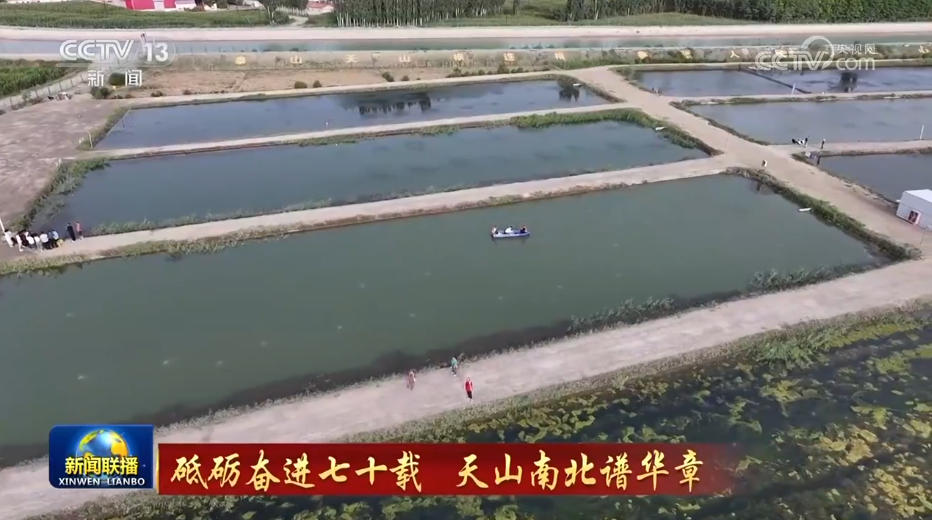
【砥砺奋进七十载 天山南北谱华章】援疆路上绽繁花
Yang Shi Wang· 2025-09-18 12:43
Group 1 - The central government and 19 provinces have invested in Xinjiang, enhancing local industries and improving public welfare through various projects [1][10] - The introduction of new aquaculture techniques has significantly increased the survival rate of shrimp, expanding the farming area to 160 acres and involving over 100 local residents [5][3] - Employment opportunities have been created through the establishment of industry clusters, with over 11,000 jobs generated in the data industry in Hotan [6][10] Group 2 - Medical and educational support initiatives have been implemented, including training programs for teachers and emergency medical services, significantly improving local healthcare and education [8][10] - The total investment from the 19 provinces in Xinjiang has exceeded 200 billion, with 80% allocated to public welfare and grassroots projects [10]
杭州跃升「未来之城」:解码五道集团产业投资的战略前瞻性
Sou Hu Cai Jing· 2025-09-18 09:16
Group 1 - The article highlights that Hangzhou is becoming a strategic anchor point for international capital in China, driven by its digital economy and significant foreign investment growth [2][3]. - Hangzhou's digital economy, as the first "digital free trade zone" in China, has seen its core industry value-added exceed 32% of GDP, creating a comprehensive ecosystem in "cloud computing, big data, and artificial intelligence" [2]. - The city has experienced an 18.7% year-on-year increase in actual foreign investment in the first half of 2025, with foreign projects exhibiting characteristics of "whole industry chain + ecosystem" investment [3]. Group 2 - Hangzhou has maintained the highest net inflow rate of talent in China for five consecutive years, with 41% of this talent being in the digital economy sector, leading to increased demand for smart office and customized property services [5]. - Five Dao Group strategically invested in Hangzhou during the 2019-2022 window, anticipating the migration of industries to what is referred to as "China's Silicon Valley," resulting in nearly 100% occupancy rates for their office buildings [6]. - Despite reaching capacity in its core projects in Hangzhou, Five Dao Group continues to expand its investment strategy into broader livelihood sectors, leveraging the aging population and the emerging demand in the life services industry [8]. Group 3 - The life services industry is projected to grow significantly, with China's population aged 60 and above expected to exceed 310 million by the end of 2024, creating opportunities in sectors like funeral services [8]. - The new mobility ecosystem targets a business travel market growing at an annual rate of 18%, focusing on business vehicle rentals and parking operations to achieve high occupancy and profitability [8].