私募

Search documents
2025收官盛宴!超百家私募管理人的“财富共鸣”,不容错过!
私募排排网· 2026-01-04 03:33
Core Insights - The private equity industry is experiencing significant growth, with over 100 private equity firms surpassing 10 billion yuan in assets by October 2025, marking a return to the "double hundred era" [2] - By the end of November, over 600 firms among the 7,000 existing securities private equity firms achieved annual growth, with nearly 100 firms elevating their scale by two levels or more, indicating strong momentum in the industry [2] - The total management scale of domestic private equity funds exceeded 22 trillion yuan by the end of October, further rising to 22.09 trillion yuan by the end of November, reflecting a robust increase in both industry scale and product issuance [2] - The average return for 5,116 private equity products with performance data was notable, with quantitative long and subjective long strategies showing strong performance, achieving average returns of ***% and ***% respectively [2] Industry Trends - The private equity sector is characterized by a diverse range of products, with over 12,000 new products registered in 2025, indicating a growing variety and sustained high issuance enthusiasm [2] - The industry is at a critical juncture, facing opportunities and uncertainties, particularly regarding the continuation of the easing cycle in 2026 and the potential for quantitative strategies to maintain their success from 2025 [2] - A VIP roadshow event titled "Hearing Wealth" is set to commence on January 5, 2026, featuring leading private equity managers focusing on annual reviews and future outlooks, particularly in quantitative and subjective strategies [2]


A股牛市仍在进程中!头部私募2026年新展望
券商中国· 2026-01-02 10:46
Core Viewpoint - The private equity firms believe that the A-share bull market is ongoing, with a shift from liquidity-driven to fundamentals-driven growth expected in 2026, leading to increased stock selection difficulty and significant investment opportunities in areas such as overseas expansion, artificial intelligence, anti-involution, and domestic demand [1][2][3]. Group 1: Market Outlook - The A-share market is still in a bull phase, with the valuation uplift driven by a loose liquidity environment in 2025 [2]. - The current stock-to-deposit ratio indicates that equity assets remain attractive, with room for residents to shift asset allocation towards the stock market [2]. - The ratio of total A-share market capitalization to household savings is around 0.65, suggesting that the bull market has not yet concluded [2]. Group 2: Fundamental Changes - A significant transformation in the underlying logic of the A-share market is noted, with improving free cash flow and increasing dividend and buyback ratios, expected to exceed 40% in 2025 [2]. - The transition from old to new economic drivers is underway, supported by a stable market mechanism from policy [2]. - The overall market risk appetite is bolstered by favorable liquidity conditions and expectations of a Federal Reserve rate cut [3]. Group 3: Investment Opportunities - Investment opportunities in 2026 are expected to focus on overseas expansion, artificial intelligence, anti-involution, and domestic demand [6][7]. - Strategic resource stocks, particularly copper and aluminum, are viewed positively due to limited supply growth and rising costs [6]. - High-growth sectors such as artificial intelligence, innovative pharmaceuticals, and military industry are highlighted as attractive investment areas [6][7]. Group 4: Economic Recovery and Market Dynamics - The economic recovery is anticipated to be supported by domestic price recovery and the implementation of anti-involution policies, which may lead to a shift in market style from growth to value and cyclical stocks [5]. - The expected GDP resilience and ongoing domestic demand expansion are likely to contribute to a favorable investment environment [5]. - Historical data suggests that during periods of earnings recovery, the market can achieve significant returns despite limited valuation increases [5].
量化爆发+AI重塑!2025私募行业八大关键词全景复盘
券商中国· 2026-01-01 23:32
Core Viewpoint - The private equity industry in 2025 experienced a recovery and restructuring phase, marked by a significant rebound in fund management scale, regulatory tightening, and a shift in investment strategies towards quantitative and AI-driven approaches [1]. Group 1: Fund Management Scale - The private equity fund management scale surpassed 22 trillion yuan, reaching 22.09 trillion yuan by the end of November 2025, marking a net increase of over 2 trillion yuan within the year [2][3]. - The private securities investment funds emerged as the core driver of this growth, with their scale increasing from 5.21 trillion yuan at the beginning of the year to 7.04 trillion yuan by November, a total increase of 1.83 trillion yuan [2]. Group 2: Market Dynamics - The recovery in private equity scale was driven by a rebound in the stock market and a shift in investor risk preferences from defensive to selective active allocation, making private equity products a key option for asset allocation [3]. - The number of private equity firms with over 10 billion yuan in assets reached 113 by the end of October, indicating a return to the "double hundred" era, with 18 new firms joining in a single month [4]. Group 3: Fundraising Trends - Fundraising activities showed a significant recovery in the second half of 2025, with new private fund registrations reaching 1,689 and a total scale of 1,074.27 billion yuan in July, the highest monthly figure in nearly four years [6]. - The head effect in fundraising became more pronounced, with top quantitative firms significantly outperforming mid-tier and lower-tier managers in both product registration and new fundraising [6]. Group 4: Quantitative Strategies - Quantitative strategies, particularly index enhancement strategies, gained prominence in 2025, with products linked to small-cap indices like the CSI 1000 and CSI 2000 showing annual returns exceeding 50% [7][8]. - The favorable market conditions and increased volatility provided opportunities for quantitative models to capture mispricing and generate alpha [7]. Group 5: Regulatory Developments - 2025 saw the implementation of new regulations for algorithmic trading, which aimed to enhance market fairness and transparency, shifting the focus from speed competition to strategy depth [9][10]. - The regulatory environment is expected to foster a more compliant and sustainable development of the quantitative investment sector, with clearer boundaries for operations [11]. Group 6: AI Integration - The introduction of AI technologies in quantitative investment processes marked a significant shift, with AI moving from a supportive role to a foundational one, enhancing data processing, feature extraction, and risk management [12]. - The competition in the quantitative sector is increasingly driven by the speed of model and algorithm iteration, with AI becoming a central element in strategy development [12][13]. Group 7: Global Expansion - The number of mainland private equity firms obtaining licenses in Hong Kong surpassed 100 in 2025, indicating a significant step towards global expansion and cross-border operations [14]. - The motivations for this international push include risk diversification, broadening investment opportunities, and enhancing client service capabilities [14]. Group 8: Industry Cleanup - The regulatory environment led to the cancellation of 1,118 private equity managers by November 2025, with a notable increase in voluntary cancellations, indicating a trend towards industry consolidation and compliance [15][16]. - The focus on compliance and long-term viability is expected to enhance the overall competitiveness of the private equity sector, shifting the emphasis from quantity to quality [16].
九坤投资创始团队成立至知创新研究院,发布开源代码大模型
Zhong Zheng Wang· 2026-01-01 05:04
Core Viewpoint - Jiukun Investment announced the launch of the new generation open-source code model IQuest-Coder-V1 series by the Zhizhi Innovation Research Institute team, marking a significant development in their technology-driven investment ecosystem [1] Group 1: Company Overview - Jiukun Investment is one of the earliest quantitative private equity firms in China, indicating its established presence in the investment landscape [1] - The founding team of Jiukun Investment is expanding to form a dual-driven ecosystem of "technology and investment," aligning with their developmental ethos [1] - The Zhizhi Innovation Research Institute, initiated by the Jiukun Investment founding team, operates independently from the quantitative research system, showcasing a strategic diversification [1] Group 2: Product Launch - The IQuest-Coder-V1 series represents a new generation of open-source code models, highlighting Jiukun Investment's commitment to technological innovation [1] - The launch of this product is part of Jiukun Investment's broader strategy to position itself as a technology company at its core [1]
投资课卖12888元 名额售罄!李蓓却被谭珺连环怼 本人最新回应:我不认识她
Mei Ri Jing Ji Xin Wen· 2025-12-31 14:01
Core Viewpoint - The recent public course offering by renowned fund manager Li Bei has sparked significant market discussion, highlighting the evolving dynamics of the asset management industry and the rise of knowledge monetization in finance [1][15]. Group 1: Course Offering and Pricing - Li Bei announced a high-priced investment course titled "Learn Investment from Scratch," priced at 12,888 yuan for four sessions, targeting high-level professionals and affluent individuals [4][7]. - Despite the controversy, the course has reportedly sold out, with potential revenue estimated at approximately 2.58 million yuan if 200 spots were filled [9]. Group 2: Industry Reactions and Criticism - Former analyst Tan Jun has publicly criticized Li Bei's investment philosophy, particularly her views on AI and real estate, suggesting they reflect a misunderstanding of market trends [8][12]. - Tan Jun's critiques include claims that Li Bei's course model resembles that of problematic financial products, indicating a tendency to "precisely harvest conservative wealthy individuals" [8][12]. Group 3: Knowledge Monetization Trend - The rise of knowledge monetization in the finance sector has become a trend, with many former financial professionals leveraging their expertise to create paid content, often at higher price points than typical knowledge products [14]. - This trend reflects a broader shift in the asset management industry, where personal branding and social media presence are increasingly important for professional visibility and engagement [15].
12888元的投资课名额售罄,李蓓却被谭珺连环怼,本人最新回应
Mei Ri Jing Ji Xin Wen· 2025-12-31 10:33
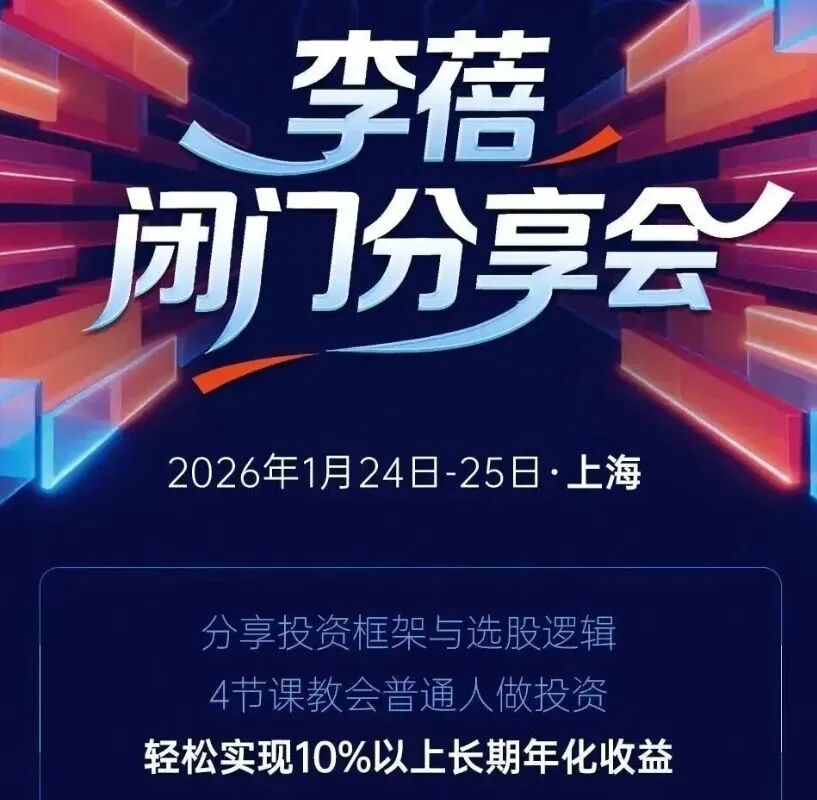
Core Viewpoint - The recent move by renowned fund manager Li Bei to publicly sell investment courses has sparked significant market discussion, highlighting the evolving dynamics of the asset management industry in the social media era [1][12][14] Group 1: Course Offering and Pricing - Li Bei's investment course, titled "Learn Investment from Scratch," consists of four sessions priced at 12,888 yuan, targeting high-level professionals and affluent individuals [1][3] - The course has reportedly sold out, with potential revenue from 200 participants estimated at approximately 2.58 million yuan [8] Group 2: Market Reactions and Criticism - Former analyst Tan Jun has publicly criticized Li Bei's investment philosophy, particularly her views on AI and real estate, suggesting they reflect a misunderstanding of market trends [4][6] - Tan Jun's critiques include claims that Li Bei's course model resembles that of problematic financial products, indicating a tendency to "precisely harvest conservative wealthy individuals" [6][14] Group 3: Knowledge Payment Trend in Finance - The rise of knowledge payment in the finance sector has become a trend, with many former financial professionals leveraging their expertise to monetize insights through platforms like knowledge circles [12][13] - This trend has led to high pricing for specialized financial knowledge, often exceeding typical knowledge payment products, raising concerns about pricing disputes and service quality [12][13] Group 4: Industry Implications - The controversy surrounding Li Bei's course reflects broader ecological logic within the asset management industry, emphasizing the importance of personal branding and professional content in the social media landscape [14] - The ongoing debate about financial professionals selling courses is likely to persist, with the accuracy of investment views ultimately determined by market performance over time [14]
洪灏的“星球”vs李蓓的“课堂”
3 6 Ke· 2025-12-31 01:40
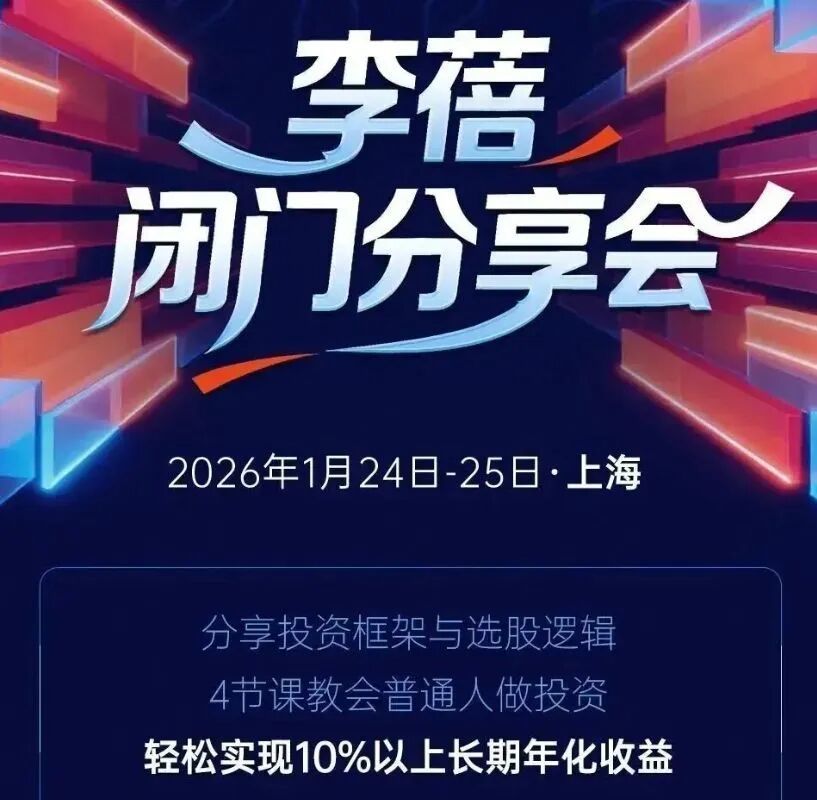
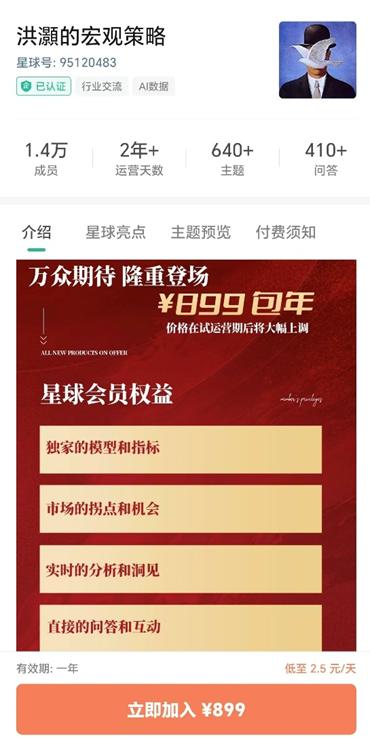
Core Insights - The investment landscape has become increasingly challenging for stable profitability, prompting prominent investors to explore new business avenues [1] - Notable figures like economist Hong Hao and investor Li Bei are leveraging their expertise to create paid membership and course offerings, generating significant revenue [1][14] Group 1: Li Bei's Course Offering - Li Bei's investment course, organized by Banxia Investment, consists of four sessions covering essential investment knowledge, market analysis, and risk assessment [1][3] - The course is priced at 12,888 yuan for the full set, with individual sessions available for 3,888 yuan each [2] - The course quickly filled all 200 spots within two days, indicating strong market interest and potential revenue of approximately 77.76 million yuan if all participants opted for single sessions [3] Group 2: Course Content and Controversy - The course emphasizes investor education, including identifying investment scams and understanding core risks, rather than specific investment recommendations [4][6] - A controversial claim in the course materials suggests achieving a long-term annualized return of over 10%, raising questions about its feasibility in the current low-return market environment [6][10] Group 3: Performance Metrics - Banxia Investment's representative product has shown a cumulative net value increase exceeding the performance of the CSI 300 index since the end of 2018, with an estimated annualized return of around 14% over approximately seven years [7] - However, the product's recent three-year performance has been poor, with negative returns and a decline in management scale, indicating challenges in maintaining consistent performance [8][9] Group 4: Macro Strategy and Market Interest - The macro hedging strategy course offered by Banxia Investment is particularly appealing to investors, despite its complexity and the limited number of professionals in this area [11][12] - The course's focus on macro strategies may attract interest but also raises concerns about the feasibility of consistently replicating such strategies in practice [13] Group 5: Hong Hao's Subscription Model - Hong Hao's paid subscription service on the Zhishixingqiu platform has attracted 14,000 members at a price of 899 yuan per year, generating an estimated revenue of 12.5 million yuan [15][16] - The service provides macroeconomic analysis, market insights, and interactive Q&A, contrasting with Li Bei's in-person course approach [18] Group 6: Broader Industry Trends - The shift towards alternative monetization methods in the investment sector reflects a broader trend of financial professionals adapting to a challenging market by leveraging their knowledge and communication skills [19] - Various professionals are diversifying into roles such as insurance brokers, consultants, and educators, indicating a transformation in how financial expertise is utilized and monetized [19]
沸腾2025!私募行业十大现象级事件:AI布局加速、百亿格局巨变、量化超越主观...
私募排排网· 2025-12-30 03:03
Core Insights - The Chinese private equity industry is at a pivotal crossroads in 2025, driven by technological advancements and regulatory reforms, particularly in quantitative investment powered by AI [2][4]. - Quantitative private equity has outperformed subjective investment in terms of both the number of funds and performance, marking a significant shift in the industry landscape [2][10]. Group 1: AI and Quantitative Investment - DeepSeek, founded by Liang Wenfeng, launched the AI model DeepSeek-R1, which quickly gained attention for its performance in mathematical and logical reasoning tasks, even surpassing ChatGPT in the U.S. market [4]. - The average return for DeepSeek's affiliated quantitative funds reached ***% from January to November 2025, with a three-year average return of ***% [4]. - Other notable quantitative firms, such as Heiyi Asset and Jinkun Investment, have also integrated AI into their investment strategies, enhancing their performance and operational efficiency [6]. Group 2: Regulatory Changes - In April 2025, new regulations on algorithmic trading were introduced, imposing stricter controls on high-frequency trading and defining abnormal trading behaviors [8]. - These regulations are expected to lead to a shift towards medium and low-frequency strategies, increased focus on machine learning applications, and enhanced risk management practices within the quantitative investment sector [8]. Group 3: Market Dynamics - The number of billion-yuan private equity firms has surpassed 100, with quantitative firms leading this growth, indicating a return to the "double hundred" era in the industry [10]. - By November 2025, the total assets under management for private equity funds reached 22.09 trillion yuan, with private securities investment funds contributing significantly to this growth [15]. Group 4: Performance Metrics - As of November 2025, quantitative long-only products reported an average return of 40.34%, outperforming subjective long-only products, which averaged 34.25% [30]. - Among the billion-yuan private equity firms, those focused on quantitative strategies achieved an average return of 34.40%, significantly higher than the 28.49% average for subjective strategies [30]. Group 5: Talent Movement - The trend of public fund managers transitioning to private equity has intensified, with 304 managers leaving public funds in 2025, many moving to private equity firms [38]. - By December 2025, 859 former public fund managers were working in private equity, with a notable average return of 27.70% for those managing at least three qualifying products [39].

景林、星石、重阳……2026年投资思路曝光
Zhong Guo Ji Jin Bao· 2025-12-29 12:57
Group 1: AI and Technology Outlook - The penetration and transformation of AI across various industries is just beginning, with 2026 likely to be the year of widespread adoption of AI Agents [2][3] - Companies without an "AI ticket" are at risk of being marginalized in the evolving market landscape [3] - The demand for the technology sector is expected to remain strong, driven by ongoing global AI capital expenditure and the development of high-end manufacturing industries in China [4][5] Group 2: Investment Strategies - Investment strategies should focus on high-growth sectors such as AI, innovative pharmaceuticals, and advanced manufacturing, while also considering sectors like transportation and real estate that are experiencing improved supply-demand dynamics [5][7] - The market is expected to see a shift from valuation-driven to earnings-driven performance, with a focus on companies with strong customer loyalty and pricing power [2][6] - Defensive strategies are recommended to preserve gains from the 2025 bull market while seeking further opportunities for profit expansion [6][7] Group 3: Market Conditions and Predictions - The macroeconomic environment in 2026 is anticipated to support a recovery in traditional industries, with policies aimed at stabilizing demand and improving price trends [5] - The A-share and Hong Kong markets are showing reduced volatility, indicating a more resilient market with stronger sustainability over time [6] - The overall sentiment remains positive, but investors are advised to temper their return expectations due to the completion of valuation recovery in many sectors [6][7]
12.29犀牛财经晚报:金价跌破4500美元
Xi Niu Cai Jing· 2025-12-29 11:51
Group 1: Metal Futures and Market Impact - Recent rapid increases in precious and industrial metal futures prices have led to heightened volatility risks, prompting the CME Group to raise margin requirements for trading metals including gold, silver, palladium, and lithium [1] - The new margin requirements, effective after the close of trading on the upcoming Monday, include a 10% increase for gold futures, approximately 13.6% for silver, and 23% for platinum [1] - Following the announcement, international metal futures prices experienced multiple rounds of declines, with gold prices falling below the $4500 per ounce mark, closing at $4497.9 per ounce, a decrease of 1.20% [1] Group 2: AI and Investment Insights - Jinglin Asset Management, a major private equity firm, has indicated that 2026 may mark the true beginning of the widespread adoption of AI Agents [1] Group 3: Fund and Market Adjustments - Guotou Silver LOF announced a temporary suspension of trading on December 30, 2025, to protect investor interests, with the possibility of extending the suspension if market price premiums do not decrease [2] Group 4: Airline Fuel Charges - Starting January 5, 2026, domestic airlines in China will reduce the fuel surcharge for passenger transport, with fees decreasing by 10 yuan for flights under 800 kilometers and 20 yuan for longer flights [3] Group 5: Energy and Technology Developments - The first 30MW pure hydrogen gas turbine has successfully achieved stable operation, marking a significant advancement in hydrogen power generation technology [3] - The Chinese government has confirmed the continuation of the "national subsidy" for consumer goods, which has significantly boosted the sales of mid-to-high-end products in recent years [4] Group 6: Corporate Changes and Developments - Financial adjustments include the appointment of Bi Chunhui as the deputy director of the research institute at Zheshang Securities [5] - Zero Run Technology's CEO confirmed that the company will maintain control by the founding team despite the investment from FAW [6] - China Software plans to sell 555 X86 servers and two properties to optimize idle assets [7] Group 7: Market Transactions and Contracts - Financial services firm Caitong Securities has received approval from the China Securities Regulatory Commission to publicly issue bonds totaling up to 150 billion yuan [8] - Southeast Network Frame has won an EPC project worth 8.87 billion yuan [11] - Shanxi Expressway intends to acquire a 15% stake in Shanxi Transportation Development Group for 74.8 million yuan [12] - Rima Precision's subsidiary has been designated as a supplier for a new energy vehicle project, with expected sales of approximately 1.342 billion yuan over its lifecycle [13] - Nankuang Group signed a 3 billion yuan equipment procurement contract for iron ore processing [14] - Guangdong Yuedian A's Dapu Power Plant's second phase has successfully commenced commercial operations [15] - China Energy Construction's subsidiary has won an EPC project worth approximately 6.864 billion yuan [16] Group 8: Stock Market Updates - ST Dongtong's stock will resume trading on December 30, 2025, entering a delisting preparation period [17] - The Shanghai Composite Index recorded a slight increase, marking a nine-day rise, while the Shenzhen Component Index experienced a decline [18][19]