
文旅产业

Search documents
烟台|双轮驱动,像抓工业一样抓服务业
Da Zhong Ri Bao· 2026-01-21 01:46
Core Insights - Yantai, a traditional industrial city, is prioritizing the development of its service sector to achieve high-quality growth, recognizing the need for a balanced industrial and service economy [1][4][6] Group 1: Economic Development - In 2023, Yantai's GDP surpassed 1 trillion yuan, with industrial output playing a crucial role as a stabilizing force [2] - The city's industrial output is projected to reach 1.3 trillion yuan by 2025, with annual growth rates of 11.7%, 9%, and 13% for the next three years [2] - By 2024, the service sector's value added is expected to reach 550.6 billion yuan, accounting for 51.1% of the GDP, indicating a need to enhance service sector contributions compared to other cities like Jinan and Qingdao [2] Group 2: Service Sector Challenges - The current structure of Yantai's service sector is heavily weighted towards traditional services, with a lag in productive service development [3] - To maintain competitive advantages in high-quality development, Yantai must address the imbalance between strong industrial performance and weak service sector growth [3] Group 3: Strategic Initiatives - The municipal government emphasizes the integration of advanced manufacturing and modern services, aiming to enhance service-oriented manufacturing and develop productive service industries [4][6] - A three-year action plan for high-quality service sector development has been initiated, targeting a service sector value added of over 600 billion yuan [7] - The city plans to adopt successful industrial strategies, such as the "chain leader" system, to strengthen the service sector's value chain and address fragmentation issues [7] Group 4: Tourism and Quality of Life - Yantai's tourism sector benefits from its coastal resources and local industries, with plans to enhance the quality and diversity of life services [5] - Initiatives include improving dining and accommodation services, promoting local specialties, and expanding sports facilities to boost community engagement [5]
江西2025年引客入赣成效显著,全年接待境外游客创近年新高
Xin Lang Cai Jing· 2026-01-21 01:01
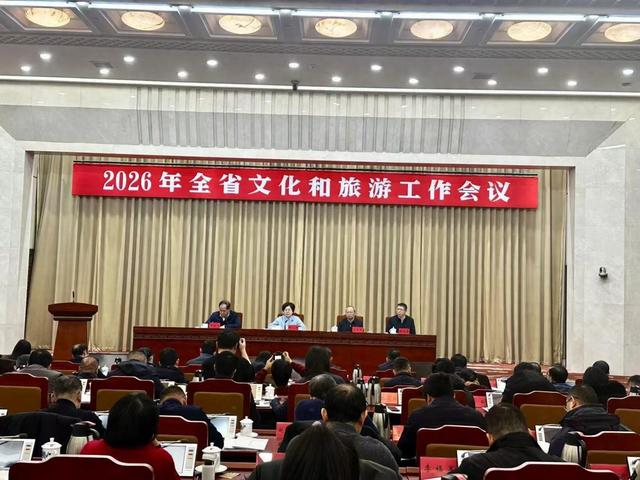
Core Viewpoint - The 2026 Jiangxi Provincial Cultural and Tourism Work Conference highlighted the achievements of 2025 and outlined plans for the "14th Five-Year" cultural and tourism development, emphasizing the need for high-quality integration and development in the sector [1][2]. Group 1: Achievements in 2025 - The cultural and tourism system in Jiangxi province achieved significant growth, with domestic tourist numbers and total tourism expenditure expected to increase by 4.75% and 13.8% year-on-year, respectively, with per capita spending surpassing 1,000 yuan [2]. - Over 30% of tourists were from outside the province, positioning Jiangxi first in the central region for attracting external visitors [2]. - The province also recorded a new high in the number of inbound tourists, indicating a robust tourism recovery [2]. Group 2: Future Plans for 2026 - The conference emphasized the need to recognize new challenges and higher demands for cultural and tourism work, aiming to build a stronger cultural province and a more competitive tourism sector [2]. - 2026 marks the beginning of the "14th Five-Year" plan, with a focus on implementing national strategies, developing the "Four Famous Projects," and enhancing the accessibility of quality cultural resources [2]. - The conference called for vigorous efforts to stimulate tourism consumption potential, foster new growth drivers in the cultural and tourism industry, and enhance the "Jiangxi Reputation" in the tourism market [2].

加快文化强省建设 凝聚强大精神力量
Shan Xi Ri Bao· 2026-01-21 00:47
Core Viewpoint - The article emphasizes the commitment of Shaanxi Province to strengthen its cultural development and promote a new chapter in its economic and social progress by 2025, aligning with national strategies and enhancing cultural confidence. Group 1: Cultural Development Initiatives - In 2025, Shaanxi aims to build a "culturally strong province" through various initiatives focusing on cultural identity, education, and economic growth [1][2]. - The provincial government has set clear goals, including the establishment of "three high grounds" and "three models" to enhance cultural visibility and influence [1]. - The promotion of Xi Jinping's cultural thought is central to transforming rich cultural resources into development advantages [2]. Group 2: Theoretical Learning and Implementation - The provincial leadership has prioritized theoretical learning, conducting multiple sessions to deepen understanding of Xi Jinping's thoughts and their application in governance [3][4]. - A series of educational programs have been implemented to ensure that party members and leaders are well-versed in the party's core values and directives [5][6]. Group 3: Media and Public Engagement - Shaanxi's media has actively engaged in promoting positive narratives and themes that resonate with the public, conducting over 40,000 outreach events to connect with more than 3.1 million people [7][10]. - The province has successfully launched various media campaigns to highlight its achievements and cultural heritage, including a series of reports showcasing local developments [9][11]. Group 4: Cultural Heritage and Preservation - Shaanxi has made significant strides in preserving its cultural heritage, with over 54,000 immovable cultural relics and 8 million movable artifacts being protected [22]. - The province has also focused on the active transmission of intangible cultural heritage, with numerous initiatives aimed at revitalizing traditional arts and crafts [24][25]. Group 5: Economic and Cultural Integration - The integration of culture and tourism has been emphasized, with projections indicating that the cultural tourism industry could generate over 940 billion yuan in revenue, reflecting an 8.7% year-on-year growth [34]. - Shaanxi is fostering a vibrant cultural economy by supporting innovative projects and leveraging technology to enhance cultural experiences [34].
“按猪”按出的流量,如何被接住
Mei Ri Shang Bao· 2026-01-20 22:26
Core Insights - The "Killing Pig Feast" event in Hechuan unexpectedly gained massive attention, highlighting the unpredictability of viral events in the tourism industry [1][2] - Local tourism departments must quickly adapt to capitalize on sudden spikes in interest, demonstrating their ability to manage and enhance visitor experiences [2][3] Group 1: Event Overview - A girl named "Dai Dai" posted a help video on Douyin, leading to over 180,000 likes and 140,000 shares within two days, resulting in thousands of visitors attending the pig slaughter event [1] - The event featured the slaughter of five pigs, with additional donations from local businesses, and was live-streamed, attracting over 100,000 viewers [1] Group 2: Tourism Department Response - The local tourism department acted swiftly, providing support for visitors, optimizing traffic, and enhancing service quality within 24 hours of the video going viral [2] - They organized a series of cultural activities, including a pig slaughter experience, culinary competitions, and a themed cultural festival to leverage the event's popularity [3] Group 3: Long-term Strategy - The tourism department developed a comprehensive tourism package that included various local attractions and experiences, effectively transforming a temporary spike in interest into sustained tourism engagement [3] - The proactive approach of the Hechuan tourism department serves as a model for other regions to follow in managing unexpected tourism opportunities [3]
今年成都将举办近90项高能级赛事超150场大型演唱会
Xin Lang Cai Jing· 2026-01-20 17:50
Group 1 - Chengdu will host nearly 90 high-level events and over 150 large-scale concerts this year, including new competitions like the China-ASEAN Chess Invitation Tournament and the International Equestrian Federation CSI 3-Star Show Jumping [1] - National events will cover a wide range of sports, including water, land, and air activities, showcasing Chengdu as one of the first "high-quality outdoor sports destinations" in China [1] - In 2026, Chengdu aims to enhance its cultural and tourism brand "Park City · Happy Chengdu" by accelerating the development of major cultural tourism projects and upgrading key cultural landmarks [1] Group 2 - Chengdu will organize significant cultural and tourism events throughout the year, such as the China Network Audio-Visual Conference, while also introducing international exhibitions and large concerts [2] - The city plans to promote a full-chain marketing strategy covering dining, accommodation, transportation, travel, shopping, and entertainment, enhancing its consumer brands like "Must Visit Sichuan" and "Rongcheng Joyful Events" [2] - Chengdu aims to cultivate new business models and scenarios in cultural tourism consumption, focusing on quality and systematic standards to create "Chengdu Gifts" [2]
德州市政协委员高玉林:聚焦三大方向,全力推动文旅消费提质扩容
Qi Lu Wan Bao· 2026-01-20 12:11
Core Insights - The core viewpoint of the news is that the focus of cultural and tourism consumption in Dezhou has shifted from merely selling tickets to offering experiences, culture, and lifestyle, emphasizing emotional resonance and immersive scenarios for visitors [1] Group 1: Project Leadership - The strategy emphasizes strengthening the consumption engine by advancing the construction of key cultural tourism projects, such as the Grand Canal National Cultural Park (Dezhou section) and enhancing the cultural tourism functions of significant areas like the Su Lu Wang Tomb and Ancient Canal District [1] - There is a push for the upgrade of the Qi River Europa Park, leveraging resources from Europa's Dream World and Animal Kingdom to create high-quality leisure and educational tourism destinations [1] - Support for the development of the Le Ling Film and Television City is highlighted, aiming to expand into new business formats like immersive performances and film tourism [1] Group 2: Business Innovation - The initiative focuses on deepening the "Cultural Tourism +" integration, systematically consolidating resources to develop educational products and immersive experience routes, such as the Qi River Zoo and local cultural festivals [2] - There is an emphasis on enhancing the quality of rural homestays, particularly in areas like the Yellow River's ancient path, and the thematic revitalization of industrial heritage sites in Yucheng and Pingyuan [2] - The cultivation of a public food brand representing "Dezhou flavor" is prioritized, with a focus on local specialties like braised chicken and donkey meat, creating themed routes that combine tourism and culinary experiences [2] Group 3: Service Enhancement - The plan includes accelerating the construction of a comprehensive smart cultural tourism service platform, enabling seamless access to services across attractions, venues, and hotels [2] - Establishing a service network centered around a city-level tourism distribution center and supporting consultation points in key counties and scenic areas is part of the strategy [2] - The implementation of a tourism consumption integrity evaluation system and advance compensation mechanisms aims to create a high-quality consumption environment for visitors, ensuring a safe and comfortable experience [2]
德州市政协十五届五次会议第二场新闻发布会召开
Xin Lang Cai Jing· 2026-01-20 11:42
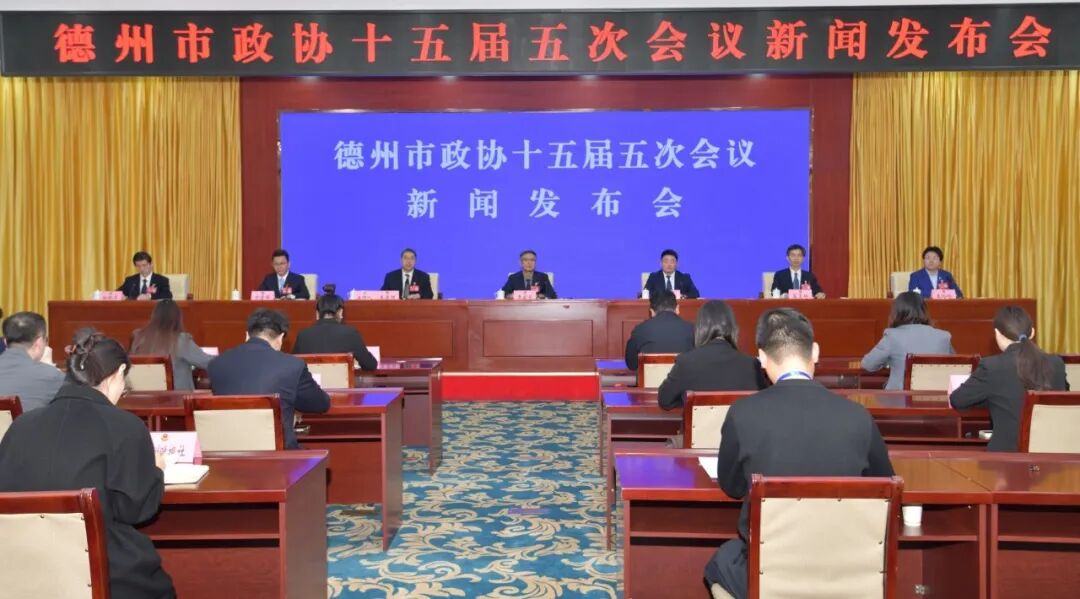
Group 1 - The city’s political consultative conference received a total of 672 proposals, with 524 officially registered, covering various sectors including economy, politics, culture, society, and ecological civilization [2] - Economic proposals accounted for 167, focusing on enhancing consumption and developing sports equipment industries, while social proposals made up 258, addressing urban infrastructure and education resource optimization [2] - Cultural proposals numbered 61, emphasizing the integration of culture, sports, and tourism, as well as creating urban flow IPs [2] Group 2 - The domestic sports industry is entering a "golden growth period," transitioning from a marginal sector to a pillar of the national economy, with a total industry scale nearing 50 billion [3] - Key opportunities in the sports sector include ongoing policy benefits, a clear demand shift towards personalized and professional services driven by a nationwide fitness trend, and the emergence of "event economy" [3] - The integration of digital technology is accelerating innovation in the "sports+" new business models [3] Group 3 - The local business association aims to assist enterprises in expanding overseas markets through government collaboration, organizing large trade events, and facilitating information exchange [4] - A local food company plans to transform 40% of its flour into deep-processed foods, 50% as quality raw materials for leading enterprises, and 10% for personalized products by the end of the 14th Five-Year Plan [4] - This strategy aims to shift the company from a "flour strong enterprise" to a diversified, technology-driven, and intelligent "food strong enterprise," contributing to the development of the local food industry [4]
全省宣传部长会议召开 刘宁作出批示
He Nan Ri Bao· 2026-01-20 10:47
会议强调,要学习好实践好习近平文化思想,扛稳着力推动文化繁荣兴盛的重大使命,全面落实宣传思 想文化工作重点任务,为"十五五"开局起步鼓劲添彩、凝聚力量。要坚持不懈用习近平新时代中国特色 社会主义思想凝心铸魂,健全用党的创新理论武装全党、教育人民、指导实践工作体系,一体推进理论 学习、研究阐释、宣传普及。要扎实做好重大主题宣传和经济宣传,加强舆情应对与舆论引导,深入推 进主流媒体系统性变革,有效开展对外宣传。要深化社会主义核心价值观宣传教育,统筹推进城乡精神 文明建设,增强思想政治工作针对性和实效性,涵养昂扬奋发的精神气质。要推动文化遗产系统性保护 和统一监管督察,加强文艺精品创作,深入实施文化惠民工程,提升书香河南建设水平,推动文化和旅 游深度融合,将文旅产业真正打造成为支柱产业、民生产业、幸福产业。要坚持党的文化领导权,压实 意识形态工作责任,营造清朗健康网络环境,推动形成良好文化生态,以改革创新举措、务实重干作风 推动全省宣传思想文化工作不断开创新局面,为奋力谱写中原大地推进中国式现代化新篇章作出更大贡 献。(记者 金京艺 张笑闻) 责任编辑: 王苑 1月20日,全省宣传部长会议在郑州召开,以习近平新时代 ...
广东推动自然保护地全方位智慧监管
Nan Fang Ri Bao Wang Luo Ban· 2026-01-20 10:00
Group 1 - During the 14th Five-Year Plan period, Guangdong focuses on creating national parks to enhance the quality of natural protected areas, transitioning from "quantity coverage" to "quality improvement" [1] - Guangdong has established a comprehensive digital and refined management system for natural protected areas, with 376 biological resource monitoring plots and 1,192 kilometers of sample lines constructed, along with the addition of 3,006 infrared cameras [1] - The smart monitoring system in the Nanling National Park candidate area has integrated seamlessly with the national forestry and grassland bureau's perception system, uploading nearly 590,000 ecological factor data points and over 350,000 wildlife image data in real-time [1] Group 2 - Guangdong has established 124 suburban and mountain parks, covering all 21 prefecture-level cities, creating a diverse and complementary green space network [2] - The Nanling National Park is promoting pilot construction in the Luokeng area, leading to a nearly threefold increase in visitor numbers and over double the output value in cultural tourism and ecological agriculture [2] - Utilizing the Gaode Map technology platform, Guangdong is developing a series of cultural tourism maps to enhance digital accessibility for green and beautiful protected areas [2]
天府文旅(000558.SZ):成都文旅集团将成为公司控股股东
Ge Long Hui A P P· 2026-01-20 08:33
格隆汇1月20日丨天府文旅(000558.SZ)公布,近日收到控股股东成都体育产业投资集团有限责任公司 (简称"成都体投集团")通知,成都体投集团拟将其持有的公司385,477,961股股份(占公司总股本的 29.90%)无偿划转至成都文化旅游发展集团有限公司(简称"成都文旅集团"),划转完成后,成都文旅 集团将成为公司控股股东;公司实际控制人不变,仍为成都市国有资产监督管理委员会(简称"成都市 国资委")。 ...
