
茶叶

Search documents
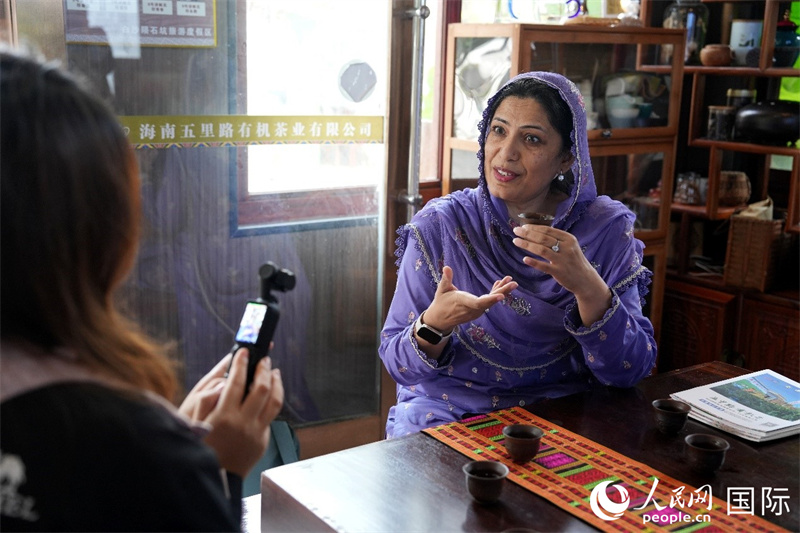
陨石坑旁茶飘香 白沙有机茶引领茶旅融合新赛道
人民网-国际频道 原创稿· 2025-11-26 03:00
Core Insights - The article highlights the unique tea culture and production in Baisha, Hainan, emphasizing the region's ecological advantages and the integration of traditional practices with modern organic certifications [2][4]. Group 1: Tea Production and Economic Impact - Baisha County is a major tea production area in Hainan, with a total tea planting area of 14,100 acres, including 3,564 acres of organic tea gardens, making it the largest organic tea-producing county in the province [4]. - The annual output value of the tea industry in Baisha exceeds 128 million yuan, providing employment for over 5,000 people, showcasing the industry's role in poverty alleviation [4]. - The region is leveraging its unique meteorite crater geological resources and tropical rainforest ecology to transform ecological features into economic advantages [4]. Group 2: Organic Certification and Future Plans - The founder of Wuli Road Organic Tea Garden has adhered to international organic production standards since its inception, achieving certifications from China, the EU, Japan, and Canada since 2015 [2]. - Future plans include promoting 4,890 acres of tea gardens for organic certification and creating a demonstration area for tea tourism integration, focusing on a full industry chain that combines tea production, cultural experiences, and leisure tourism [6]. Group 3: Cultural Significance and Market Expansion - The tea produced in Baisha, particularly from the meteorite crater area, has gained market attention, with green and black teas successfully exported to Nigeria and interest from buyers in South Korea, Japan, and Singapore [4]. - The article emphasizes the cultural significance of tea in China, contrasting it with its perception as merely a beverage in other parts of the world, highlighting the wisdom and culture associated with tea [2].

【省知识产权局】陕西两地入选国家地理标志保护示范区
Shan Xi Ri Bao· 2025-11-25 22:58
Core Points - The National Intellectual Property Administration has announced the establishment of 54 national geographical indication protection demonstration zones, including Hanzhong Xianhao and Fuping in Shaanxi province [1][2] - The initiative aims to enhance the protection and management of geographical indications, promoting high-quality economic development [2] Summary by Category Geographical Indication Protection - A total of 54 national geographical indication protection demonstration zones have been publicly announced [1] - Hanzhong Xianhao and Fuping have been selected as demonstration zones, reflecting a significant step in geographical indication management reform [1] Economic Impact - Hanzhong's tea garden covers an area of 1.324 million acres, with a production of 1,675 tons and a value of 1.98 billion yuan, showing growth of 5.4% and 29.68% respectively since 2021 [1] - The tea industry has created employment for 1 million people, with an average income increase of over 20,000 yuan for 230,000 tea farmers [1] - Fuping's core industries include Fuping persimmons and goat milk powder, with an annual output value of 8.5 billion yuan for the persimmon industry and over 18 billion yuan for the goat industry, benefiting 250,000 workers and over 50,000 farmers with an average income increase of over 17,000 yuan [1]
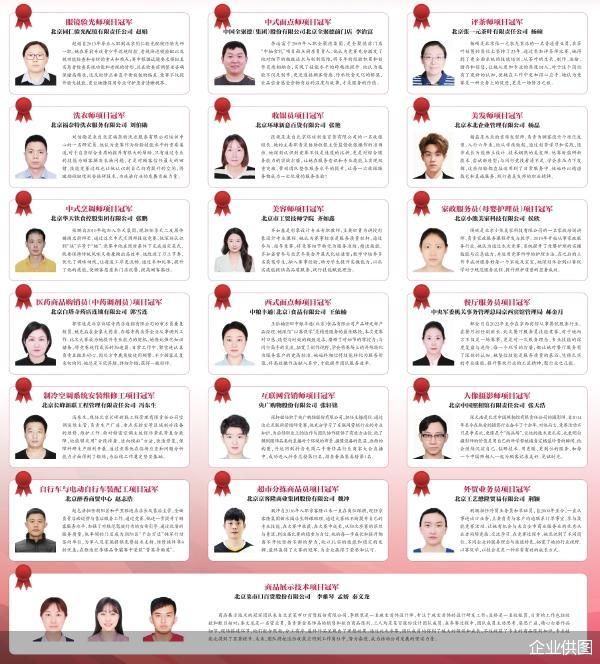
技能提升服务品质 劳动创造美好生活
Bei Jing Shang Bao· 2025-11-25 16:46
Core Viewpoint - The 15th Beijing Commercial Service Skills Competition successfully concluded, showcasing industry elites and professional skills, with winners emerging from nearly ten thousand participants across 20 competition categories [1] Group 1: Competition Overview - The competition included various categories such as optometry, Chinese pastry making, and tea evaluation, highlighting the diverse skill sets within the commercial service industry [1] - Participants included both seasoned professionals with decades of experience and innovative young talents, demonstrating a blend of traditional craftsmanship and modern techniques [1] Group 2: Impact on the Industry - The champions exemplified "craftsmanship spirit," enhancing the reputation of "Beijing Service" and contributing to the city's goal of becoming an international consumption center [1] - The recognition of these champions aims to inspire more professionals in the commercial service sector to refine their skills and enhance their capabilities, promoting high-quality industry development [1]
10个涉茶类国家地理标志保护示范区拟获批
Nan Fang Nong Cun Bao· 2025-11-24 15:31
Core Viewpoint - The establishment of 10 national geographical indication protection demonstration zones related to tea signifies a new phase in the systematic promotion of geographical indication protection in China, aiming to enhance quality control and brand reputation in the tea industry [3][4][15]. Group 1: Geographical Indication Protection Zones - The 10 selected tea-related national geographical indication protection demonstration zones include: West Lake Longjing, Yuexi Cuilan, Anxi Tieguanyin, Fuding White Tea, Gougu Brain, Anhua Black Tea, Baojing Golden Tea, Liubao Tea, Fenggang Zinc Selenium Tea, and Hanzhong Xianhao [5][9][13]. - These zones are distributed across eight provinces and autonomous regions: Zhejiang, Anhui, Fujian, Jiangxi, Hunan, Guangxi, Guizhou, and Shaanxi [11][12]. Group 2: Objectives and Benefits - The construction of these demonstration zones aims to establish high standards for protection, management, and development, creating benchmarks for geographical indication protection [14]. - This initiative will provide systematic support for the tea industry, including unified production standards, enhanced quality control, standardized mark usage, and strengthened market supervision, effectively curbing counterfeiting and protecting brand reputation and consumer rights [15][16]. Group 3: Impact on the Tea Industry - The establishment of these zones is expected to release market potential for geographical indication products by improving standard systems, quality supervision, and brand operations [22]. - The initiative not only recognizes traditional production techniques and superior quality but also promotes high-quality development in the local tea industry, providing continuous momentum for farmers' income growth and rural revitalization [23][24].

嘉世咨询:2025年中国茶品类行业简析报告
Sou Hu Cai Jing· 2025-11-24 10:14
Core Insights - The Chinese tea market is projected to reach a scale of 325.8 billion yuan in 2024, transitioning towards a high-quality integration phase, with domestic sales dominating at approximately 70% of total production [1][4][19] - Green tea remains the leading category, with a market size nearing 200 billion yuan in 2024, followed by black tea at 54.1 billion yuan, and oolong and dark teas closely following [1][4][29] - The industry is characterized by a high level of fragmentation, with over 70,000 tea enterprises, predominantly small workshops, leading to a "heavy on origin, light on brand" scenario, where the top five players hold only about 5.6% of the high-end tea market [1][4][39] Industry Overview - The Chinese tea industry has evolved through three significant phases over the past thirty years: from scale expansion in the mid-1990s, to quality and efficiency enhancement from 2000 to 2019, and now entering a phase of high-quality development and full integration [2][14] - The industry encompasses a complete supply chain covering planting, processing, branding, and channel development, with a steady increase in tea plantation area expected to reach 5.172 million acres by 2024 [2][22][32] Market Structure - The market is segmented into three main price tiers: high-end tea (1,031 billion yuan), mid-range tea (814 billion yuan), and mass-market tea (1,413 billion yuan), reflecting a clear price stratification [1][12][39] - High-end tea products are characterized by rare or precious raw materials and meticulous production processes, targeting consumers with higher purchasing power [10][12] Consumer Behavior - The tea market is influenced by high trust costs due to its non-standard agricultural product nature, necessitating a shift towards branding to reduce transaction costs [7][11] - The offline channel remains dominant, accounting for 94.5% of high-end tea sales in 2024, emphasizing the importance of experiential retail in the tea industry [4][39] Future Opportunities - The industry is poised for growth driven by consumer upgrades towards high-end products, innovations in mixed teas appealing to younger demographics, and the rapid development of online sales channels [43][44][45] - Global interest in Chinese high-end tea is increasing, with opportunities for customized products in international markets, supported by a collaborative approach across the entire supply chain [46]

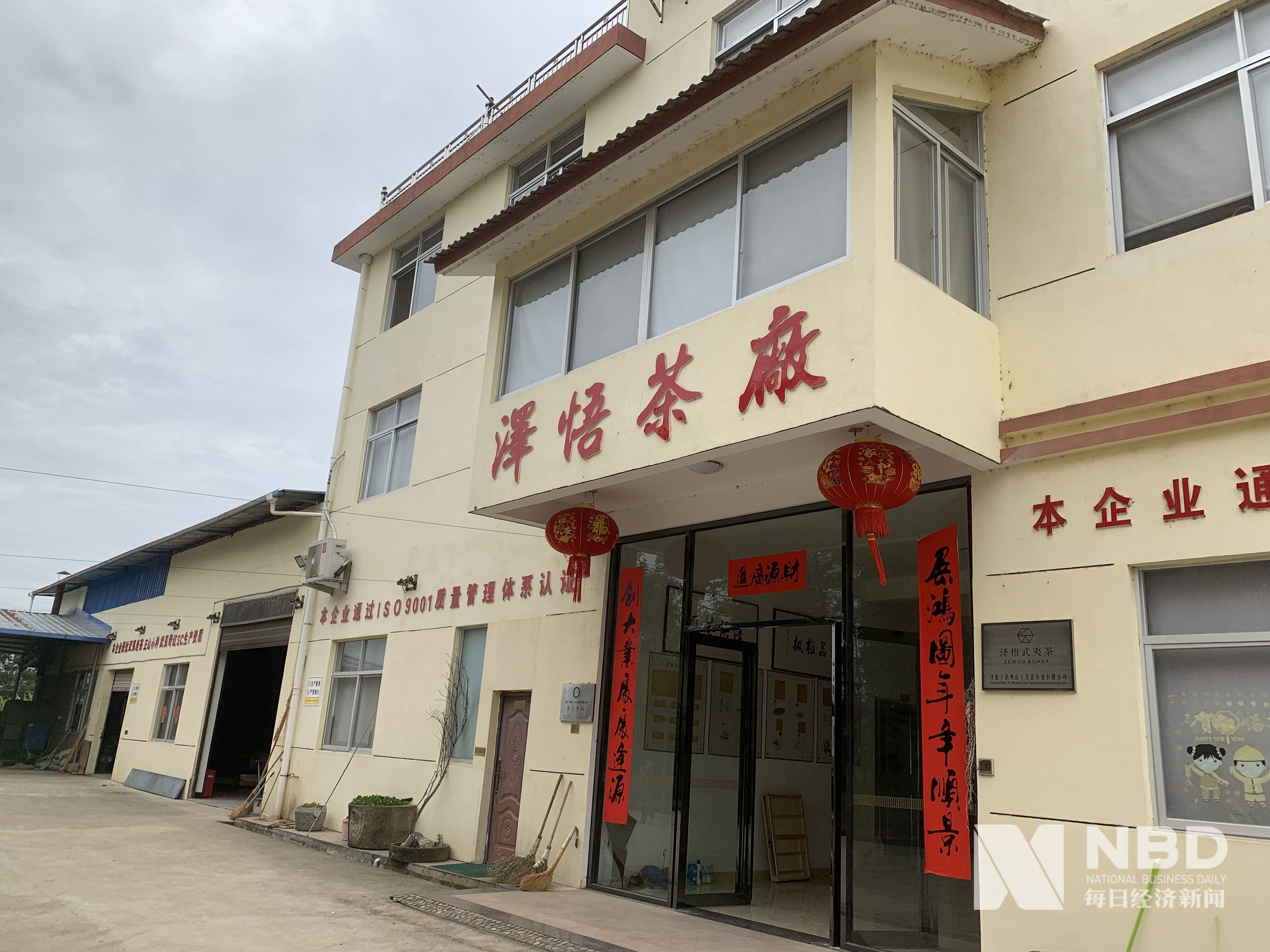
武夷山茶农数字化转型:从短视频直播到“低代码”运营客户
Mei Ri Jing Ji Xin Wen· 2025-11-24 07:53
Core Viewpoint - Wuyishan, known as the birthplace of world black tea and oolong tea, is facing challenges in sales despite high production levels, as traditional sales methods struggle to adapt to the evolving e-commerce landscape [1][4]. Group 1: Industry Overview - Wuyishan has 148,000 acres of tea gardens and over 3,500 tea companies, but sales channels remain a significant challenge [1]. - The rise of short video e-commerce and live streaming has provided new sales avenues for Wuyishan tea producers, although the cost of customer acquisition is increasing as platform traffic growth slows [1][4]. Group 2: Sales and Marketing Challenges - The e-commerce sector for Wuyishan tea is growing rapidly, with an annual output value of approximately 2 billion yuan, accounting for 40% of the total sales in the Wuyishan tea industry [5]. - The return on investment (ROI) for short video e-commerce advertising has decreased from 3-5 to 2-2.5, indicating rising competition and costs [5][10]. Group 3: Innovative Solutions - Huang Pingwei, founder of "Daming Tea Warehouse," has turned to low-code development to create a customer relationship management (CRM) system to better analyze and manage customer data [6][10]. - The low-code development platform allows users without coding skills to create applications, making it accessible for business owners to tailor solutions to their specific needs [10][11].
2025广东省“大益杯”评茶技师职业技能竞赛圆满完赛
Nan Fang Nong Cun Bao· 2025-11-23 11:33
Core Points - The 2025 Guangdong Province "Dai Yi Cup" Tea Tasting Technician Vocational Skills Competition has successfully concluded [2][3] - The award ceremony took place on November 22 during the 2025 China (Guangzhou) International Tea Expo [3] Event Overview - The competition was approved by the Guangdong Provincial Department of Human Resources and Social Security and organized by the Guangdong Tea Industry Association and the 2025 China (Guangzhou) International Tea Expo [5][6] - The event was sponsored by Dai Yi Group/Menghai Tea Co., Ltd. and co-organized by various tea associations and companies [6][7] - A technical forum themed "Focusing on Tea Blending Technology, Strengthening the Foundation of Chinese Tea Quality" was held concurrently, featuring roundtable discussions [8][9] Technical Insights - Key points on tea blending technology were presented by industry experts, including Shao Aijiu, Deputy General Manager of Menghai Tea Co., Ltd. [10] - Discussions highlighted the importance of tea blending technology from various perspectives, including academic, production, and export [12][14] - The industry is encouraged to align with the "Three Tea Coordination" strategy to enhance tea quality and sustainability [15][16] Competition Results - The competition took place from November 14 to 16 and on the 20th, with rigorous assessments of theoretical knowledge and practical skills [22][23] - A total of 35 outstanding participants were awarded, including 2 gold, 4 silver, 8 bronze, and 21 merit awards [25][26] Future Directions - The Guangdong Tea Industry Association aims to continue using the competition platform to enhance the skills of tea evaluators and promote high-skilled talent in the tea industry [28][30] - The association emphasizes the importance of cultivating a culture of excellence and craftsmanship in the tea industry [31][32]
霸王茶姬创始人迎娶“最美光伏二代”,公司股价大涨,女方公司今年已亏超40亿元
Mei Ri Jing Ji Xin Wen· 2025-11-22 23:36
Core Viewpoint - The marriage between the founders of Bawang Chaji and Trina Solar is expected to create complementary and expansive effects for both brands, enhancing brand recognition and public attention for Trina Solar while providing brand capital endorsement for Bawang Chaji [6][8]. Group 1: Company Performance - Bawang Chaji reported a total GMV of 8.1031 billion yuan in Q2 2025, a year-on-year increase of 15.5%, with net income of 3.3319 billion yuan, up 10.2% [7]. - Trina Solar, established in 1997, has a current market value of 42.518 billion yuan, but has faced challenges, with a 20.87% year-on-year decline in revenue to 49.97 billion yuan and a net loss of 4.201 billion yuan in the first three quarters [7]. Group 2: Brand Impact - The marriage is seen as a strategic alliance that can enhance public awareness of Trina Solar, which has strong influence in its vertical field but limited public recognition [8]. - Bawang Chaji's high brand awareness can potentially elevate Trina Solar's visibility, while Trina Solar's established reputation can lend credibility to Bawang Chaji [8]. Group 3: Industry Trends - The trend of second-generation entrepreneurs marrying across industries is noted, reflecting a shift from traditional wealth matching to compatibility in cognitive levels, business philosophies, and social circles [6][10]. - Such unions are viewed as a means to strengthen brand image and instill confidence for long-term development, as seen in other successful partnerships [12].


勐海县林富有茶叶店(个体工商户)成立 注册资本10万人民币
Sou Hu Cai Jing· 2025-11-22 11:55
天眼查App显示,近日,勐海县林富有茶叶店(个体工商户)成立,法定代表人为林瑶,注册资本10万 人民币,经营范围为一般项目:茶叶种植;农副产品销售;食品互联网销售(仅销售预包装食品);食 品销售(仅销售预包装食品);初级农产品收购;农产品的生产、销售、加工、运输、贮藏及其他相关 服务;食用农产品批发;食用农产品零售;技术服务、技术开发、技术咨询、技术交流、技术转让、技 术推广(除依法须经批准的项目外,凭营业执照依法自主开展经营活动)。 ...
云南福叶古茶有限公司成立 注册资本100万人民币
Sou Hu Cai Jing· 2025-11-22 11:55
天眼查App显示,近日,云南福叶古茶有限公司成立,法定代表人为普会松,注册资本100万人民币, 经营范围为许可项目:茶叶制品生产;食品生产;食品互联网销售;食品销售;食品用纸包装、容器制 品生产。(依法须经批准的项目,经相关部门批准后方可开展经营活动,具体经营项目以相关部门批准 文件或许可证件为准)一般项目:茶叶种植;茶具销售;食用农产品批发;食品互联网销售(仅销售预 包装食品);农副产品销售;食用农产品零售;食品销售(仅销售预包装食品);食用农产品初加工; 农产品的生产、销售、加工、运输、贮藏及其他相关服务;包装服务;组织文化艺术交流活动。(除依 法须经批准的项目外,凭营业执照依法自主开展经营活动)。 ...