数码

Search documents
2026“国补”继续!几类补贴有变化→
Xin Lang Cai Jing· 2026-01-02 03:05
Core Viewpoint - The new round of "National Subsidy" for 2026 has officially started, with a total of 62.5 billion yuan allocated to support the replacement of old products and enhance equipment updates [3][9]. Group 1: Digital and Smart Products - Digital and smart products will continue to receive a 15% subsidy, with a maximum of 500 yuan per item, maintaining the same standards as in 2025. The product categories have been expanded to include smart glasses in addition to smartphones, tablets, smartwatches, and smart home products [3][5]. - The subsidy applies to products priced up to 6,000 yuan, with each consumer limited to one subsidized item per category [5]. Group 2: Home Appliances - The subsidy for home appliances will focus on products that meet the 1st-level energy efficiency or water efficiency standards, excluding those that meet only the 2nd-level standards. Eligible products include refrigerators, washing machines, televisions, air conditioners, computers, and water heaters [5]. - Each consumer can receive a subsidy of up to 1,500 yuan for one item per category [5]. Group 3: Automotive Subsidies - The automotive subsidy has been adjusted to a fixed percentage of the new car sales price, with a maximum subsidy of 20,000 yuan for eligible vehicles. The eligibility criteria for scrapping old vehicles have been expanded compared to 2025 [6][8]. - For scrapped gasoline vehicles, the registration date must be before June 30, 2013, while for diesel and other fuel vehicles, it must be before June 30, 2015. For new energy vehicles, the registration date must be before December 31, 2019 [6][12]. Group 4: Support for Community and Infrastructure - The new round of subsidies addresses public concerns by increasing support for the installation of elevators in old residential areas, updating equipment in elderly care facilities, and enhancing commercial infrastructure such as shopping centers and supermarkets [11][13]. - The subsidy program aims to improve consumer access and increase the effectiveness of the subsidy distribution [19].

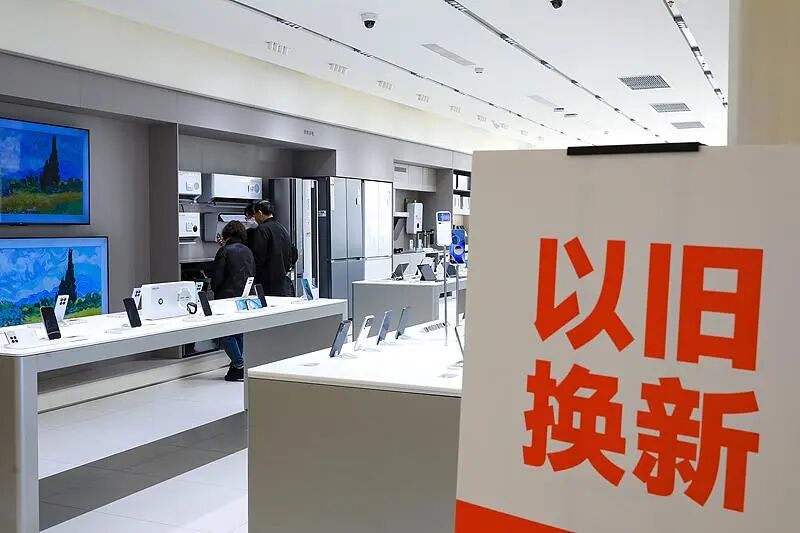
2026“国补”来了!安徽最新公告:消费品以旧换新1月1日启动
Xin Lang Cai Jing· 2026-01-02 03:05
Core Viewpoint - The announcement from the Anhui Provincial Department of Commerce outlines the implementation of a "trade-in" program for consumer goods, including automobiles and home appliances, starting January 1, 2026, in accordance with national guidelines [1]. Group 1: Automobile Trade-in Program - The automobile trade-in subsidy will apply to personal consumers who scrap vehicles registered before specific dates and purchase new energy vehicles or fuel-efficient cars, with subsidies up to 20,000 yuan for new energy vehicles and 15,000 yuan for fuel-efficient vehicles [2][3]. - Consumers must retain proof of scrapping and new vehicle purchase, and can only apply for one subsidy during the program period [3][5]. - The eligibility for scrapping includes gasoline cars registered before June 30, 2013, diesel cars before June 30, 2015, and new energy vehicles before December 31, 2019 [2]. Group 2: Home Appliances and Digital Products Trade-in Program - The home appliance and digital product trade-in program will provide subsidies for purchasing energy-efficient appliances and certain digital products, with a subsidy of 15% of the final sales price, capped at 1,500 yuan for appliances and 500 yuan for digital products [6][7]. - Each consumer can receive a subsidy for one item per category, and local authorities will manage the implementation of these subsidies [7].
2026“国补”有何变化?一文看懂→
Xin Lang Cai Jing· 2026-01-02 02:58
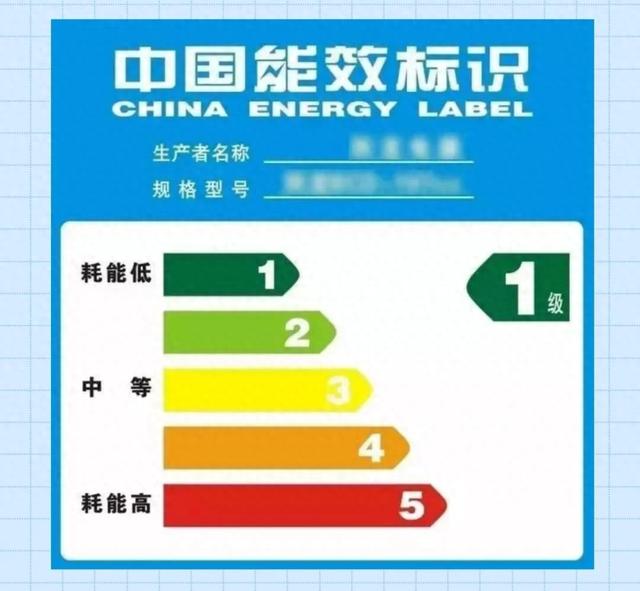
Core Viewpoint - The new round of "National Subsidy" (国补) has officially started on January 1, 2026, with a total of 62.5 billion yuan allocated for various consumer products and equipment upgrades, continuing the "trade-in" policy for old products [1] Group 1: Digital and Smart Products - Digital and smart products will continue to receive a 15% subsidy, with a maximum of 500 yuan per item, maintaining the same subsidy standards as in 2025 [1] - The subsidy categories have expanded to include smart glasses, in addition to mobile phones, tablets, smartwatches, and smart home products [1] - The subsidy applies to products priced up to 6,000 yuan, with each consumer limited to one subsidy per product category [1] Group 2: Home Appliances - Home appliance subsidies will focus on products that meet 1st-level energy efficiency or water efficiency standards, with no subsidies for 2nd-level products [2] - Subsidy categories include refrigerators, washing machines, televisions, air conditioners, computers, and water heaters [3] - Each consumer can receive a subsidy of up to 1,500 yuan per product category [5] Group 3: Automotive Subsidies - The automotive subsidy program has been adjusted to provide a percentage-based subsidy, with a maximum of 20,000 yuan for eligible new energy vehicles [5][6] - For scrapped gasoline vehicles, the subsidy is 10% of the new car price, capped at 15,000 yuan, while for scrapped diesel vehicles, the same percentage applies [6] - The program also includes a subsidy of 8% for purchasing new energy vehicles when replacing old ones, with a maximum of 15,000 yuan, and 6% for fuel vehicles, capped at 13,000 yuan [7] Group 4: Support for Public Welfare - The new round of subsidies addresses public concerns by increasing support for upgrading equipment in old residential areas, elderly care facilities, and safety equipment [8] - The subsidy program will also support the upgrade of commercial infrastructure, including shopping centers and supermarkets [8] Group 5: Application Process - Consumers can apply for subsidies through designated platforms for automobiles, home appliances, and digital products [9][11] - A special focus will be placed on preventing fraud and ensuring that the subsidy benefits reach a wide range of consumers [13]
2026“国补”继续!几类补贴有变化 一文看懂
Xin Lang Cai Jing· 2026-01-02 02:22
Core Viewpoint - The 2026 "National Subsidy" program will continue to support the replacement of old products with new ones, with a total of 62.5 billion yuan allocated for the first batch of subsidies, focusing on consumer electronics, home appliances, and automobiles [3][11]. Group 1: Digital and Smart Products - Digital and smart products will continue to receive a 15% subsidy, with a maximum subsidy of 500 yuan per item, applicable to products priced up to 6,000 yuan [5][6]. - The categories eligible for subsidies have expanded to include smart glasses, in addition to smartphones, tablets, smartwatches, and smart home products [6]. Group 2: Home Appliances - Home appliance subsidies will focus solely on products that meet the 1st-level energy efficiency or water efficiency standards, with no subsidies for 2nd-level products [7]. - Eligible home appliances include refrigerators, washing machines, televisions, air conditioners, computers, and water heaters, with a maximum subsidy of 1,500 yuan per item [11]. Group 3: Automotive Subsidies - The automotive subsidy program will now provide a fixed percentage of the new car sales price as a subsidy, with a maximum subsidy of 20,000 yuan for eligible vehicles [8][9]. - Specific eligibility criteria for old vehicles include registration dates before June 30, 2013, for gasoline cars, before June 30, 2015, for diesel cars, and before December 31, 2019, for new energy vehicles [12]. Group 4: Additional Support Areas - The new subsidy program addresses public concerns by increasing support for the installation of elevators in old residential areas and updating equipment in elderly care facilities [13]. - It also includes updates for commercial infrastructure such as shopping centers and supermarkets [14]. Group 5: Application Process and Compliance - Consumers can apply for subsidies through designated platforms for different product categories, ensuring a streamlined process for claiming benefits [15][16]. - Authorities will implement strict measures to combat fraudulent claims and enhance the effectiveness of the subsidy program [16].
买家电、手机、汽车都能省!2026年重庆“国补”来了→
Xin Lang Cai Jing· 2026-01-02 01:59
Core Viewpoint - Chongqing will fully implement a vehicle scrapping and replacement policy starting January 1, 2026, which includes subsidies for automobile scrapping, appliance replacement, and digital product purchases. Vehicle Scrapping Update - Consumers can receive a maximum government subsidy of 20,000 yuan for scrapping eligible gasoline and diesel vehicles registered before specified dates and purchasing new energy vehicles or fuel vehicles with an engine size of 2.0 liters or less [2] - The subsidy for scrapping eligible vehicles and purchasing new energy vehicles is 12% of the new vehicle sales price, capped at 20,000 yuan; for fuel vehicles, the subsidy is 10%, capped at 15,000 yuan [2] - All required documents for subsidy applications must be obtained after January 1, 2026, and the scrapped vehicle must be registered in the applicant's name by January 8, 2025 [2] Vehicle Replacement Update - A maximum subsidy of 15,000 yuan is available for consumers who sell their registered vehicles and purchase new energy or fuel vehicles [3] - The subsidy for purchasing new energy vehicles is 8% of the new vehicle sales price, capped at 15,000 yuan; for fuel vehicles, the subsidy is 6%, capped at 13,000 yuan [3] - Similar to the scrapping policy, all documents must be dated after January 1, 2026, and the old vehicle must be registered in the applicant's name by January 8, 2025 [3] - Each consumer can only choose one subsidy option during the policy implementation period [3] Appliance and Digital Product Subsidies - Consumers purchasing energy-efficient appliances such as refrigerators, washing machines, televisions, air conditioners, computers, and water heaters can receive a subsidy of 15% of the final sales price, capped at 1,500 yuan per item [4] - For digital products like smartphones, tablets, smartwatches, and smart glasses, consumers can receive a subsidy of 15% of the final sales price, capped at 500 yuan per item, with a price limit of 6,000 yuan per item [5] - The subsidy policy will be effective from January 1, 2026, to December 31, 2026, and will be implemented on a first-come, first-served basis until funds are exhausted [5]
扩大支持范围细化补贴标准 “两新”政策优化升级促内需
Jing Ji Ri Bao· 2026-01-02 01:46
Core Viewpoint - The National Development and Reform Commission and the Ministry of Finance have issued a notice to implement large-scale equipment updates and a trade-in policy for consumer goods in 2026, aiming to optimize support scope, subsidy standards, and implementation mechanisms for the "Two New" policies [1][2]. Group 1: Equipment Updates - The 2026 policy will expand the support scope for equipment updates to include the installation of elevators in old residential communities, equipment updates in elderly care institutions, and facilities for fire rescue and inspection [1][2]. - The subsidy for updating old elevators will shift from a fixed amount to a tiered subsidy based on the number of elevator floors [2]. - The policy prioritizes the replacement of old operating trucks with electric vehicles and adjusts subsidies for household appliances to focus on energy-efficient products [2]. Group 2: Consumer Goods Trade-in - The trade-in policy will continue to support the replacement of old cars and household appliances, specifically targeting six categories: refrigerators, washing machines, televisions, air conditioners, computers, and water heaters [1]. - The subsidy for household appliances will be set at 15% of the product price, with a maximum subsidy of 1,500 yuan per item [2]. - The scope of digital product subsidies will be expanded to include smartphones, tablets, smartwatches, smart glasses, and smart home products [1]. Group 3: Implementation and Oversight - The notice emphasizes the need for optimized project application mechanisms and reduced investment thresholds to support small and medium-sized enterprises [2]. - It includes measures to combat fraudulent claims and ensure uniform subsidy standards across the country for vehicle scrappage and trade-in, as well as for the six categories of household appliances and four categories of digital products [2]. - The National Development and Reform Commission will coordinate with relevant departments to ensure effective implementation and monitoring of the policies [3].
2025年以旧换新相关商品销售额超2.6万亿元
Sou Hu Cai Jing· 2026-01-02 01:27
Core Insights - The "old-for-new" consumption policy has significantly boosted sales, with related product sales expected to exceed 2.6 trillion yuan by 2025, benefiting over 360 million people [1] - The policy has led to substantial growth in various sectors, including over 11.5 million cars, 129 million home appliances, and 9.1 million digital products being replaced [1] - The retail sales of social consumer goods increased by 4.0% year-on-year from January to November 2025, with the "old-for-new" initiative contributing over 1 percentage point to this growth [1] Automotive Sector - In the automotive sector, nearly 60% of the "old-for-new" transactions involved new energy vehicles, with the market share of new energy passenger cars exceeding 50% for nine consecutive months [1] - In November 2025, the market share of new energy passenger cars reached 59.4% [1] Home Appliance Sector - The home appliance sector saw over 90% of the "old-for-new" transactions involving first-level energy efficiency products [1] - Retail sales in the home appliance sector surpassed 1 trillion yuan, marking a historical high [1] Consumer Behavior - Since the implementation of the policy in September 2024, over 480 million subsidies have been distributed directly to consumers, promoting the adoption of green, low-carbon, and smart products [1] - More consumers are opting for in-store experiences and enjoying subsidies, leading to increased cross-scenario consumption in leisure, entertainment, and dining [2] - In areas with concentrated home appliance "old-for-new" stores, consumer spending within a 1-kilometer radius has increased by over 30% [2]
2026年深圳消费品以旧换新全面启动 新车最高补贴2万元 家电最高补贴1500元
Xin Lang Cai Jing· 2026-01-02 00:57
Core Viewpoint - Shenzhen will fully implement a vehicle scrapping and replacement program, along with subsidies for six categories of home appliances and four categories of digital products starting January 1, 2026 [1] Group 1: Vehicle Scrapping and Replacement - Personal consumers who scrap gasoline passenger cars registered before June 30, 2013, and diesel or other fuel passenger cars registered before June 30, 2015, will receive a subsidy of 12% of the vehicle price when purchasing eligible new energy passenger cars [1] - A subsidy of 10% of the vehicle price will be provided for purchasing fuel passenger cars with an engine displacement of 2.0 liters or less [1] - Consumers scrapping new energy passenger cars registered before December 31, 2019, will also receive a subsidy of 12% when purchasing eligible new energy passenger cars [1] - The maximum subsidy for new energy vehicles is 20,000 yuan, while the maximum subsidy for fuel vehicles is 15,000 yuan [1] Group 2: Home Appliance Replacement - Consumers purchasing energy-efficient or water-efficient products from six categories of home appliances, including refrigerators, washing machines, televisions, air conditioners, computers, and water heaters, will receive a subsidy of 15% of the product's sales price [1] - Each consumer can receive a subsidy for one item per category, with a maximum subsidy of 1,500 yuan per item [1] Group 3: Digital Product Replacement - Consumers purchasing new digital and smart products, including mobile phones, tablets, smartwatches, and smart glasses, will receive a subsidy of 15% of the product's sales price [1] - Similar to home appliances, each consumer can receive a subsidy for one item per category, with a maximum subsidy of 500 yuan per item [1]
新华财经早报:1月2日
Xin Lang Cai Jing· 2026-01-02 00:56
Group 1 - In 2025, the sales of products related to the trade-in program will exceed 2.6 trillion yuan, benefiting over 360 million people [1] - The trade-in program includes over 11.5 million cars, 129 million home appliances, 9.1 million digital products, 12 million home renovation items, and 12.5 million electric bicycles [1] - The Chinese government plans to respond firmly to the EU's carbon border adjustment mechanism, which it views as unfair and discriminatory against Chinese products [1] Group 2 - In 2025, China's carbon market is expected to operate smoothly, with an increase in market vitality and expanded support for voluntary greenhouse gas reduction trading [1] - The China Council for the Promotion of International Trade organized 407 outbound delegations in 2025, deepening trade and investment cooperation with Belt and Road Initiative countries [1] - The film box office in China for 2025 is projected to reach 51.83 billion yuan, a year-on-year increase of 21.95%, with domestic films accounting for 79.67% of the total [1] Group 3 - In 2025, Jilin Province's total grain production is expected to reach 164.006 billion jin, maintaining its position as the top producer in China for 16 consecutive years [1] - The number of new business entities in Hainan Province reached 11,957 by December 28, 2025, following the launch of the free trade port [1] - The passenger and vehicle flow through the Hong Kong-Zhuhai-Macao Bridge is expected to exceed 31.34 million and 6.8 million respectively in 2025, marking historical highs [1] Group 4 - The Spanish stock market index Ibex experienced a nearly 50% increase in 2025, marking the largest rise since 1993 [2] - The index reached a record high of 17,354.9 points on December 30, 2025, making it one of the best-performing indices globally [2] - The Democratic Republic of the Congo will extend cobalt export quotas from the fourth quarter of 2025 to the end of March 2026 to ensure a smooth implementation of the new quota system [2]

惠及超3.6亿人次!
Xin Lang Cai Jing· 2026-01-01 23:53
Group 1: Consumer Goods and Trade - In 2025, the sales revenue from the replacement of old consumer goods is expected to exceed 2.6 trillion yuan, benefiting over 360 million people, with over 11.5 million cars, 129 million home appliances, and 9.1 million digital products being replaced [3] - Starting January 1, 2025, China will adjust import tariffs on certain goods, implementing a temporary tariff rate lower than the most-favored-nation rate on 935 items, aimed at reducing tariffs on key components, advanced materials, resource products, and medical products to expand the supply of quality goods [3] Group 2: Film Industry - The total box office revenue for films in China in 2025 is projected to be 51.832 billion yuan, with urban cinema attendance reaching 1.238 billion people, and domestic films accounting for 41.293 billion yuan, representing 79.67% of the total [4] - In 2025, there will be 51 films with box office earnings exceeding 100 million yuan, including 33 domestic films, with a total of 764 films produced, of which 511 are narrative films [4] - The number of urban cinema screens is expected to increase by 2,219, bringing the total to 93,187 screens [4] Group 3: Cross-Strait Relations and Tourism - In 2025, over 1.43 million Taiwanese residents traveled via the "Mini Three Links" passenger routes, marking a historical high since the service began 25 years ago [5] - The "Mini Three Links" route from Quanzhou to Kinmen has surpassed 100,000 passengers for the first time in six years, while the Fuzhou Huangqi to Matsu route celebrates its 10th anniversary of smooth operation [5] - The introduction of 15 passenger ships for the "Mini Three Links" routes during the 2026 New Year holiday is expected to facilitate over 20,000 travelers [5] Group 4: Cultural and Business Exchange - A delegation of Taiwanese restaurant enterprises visited Nanchang to explore business opportunities, aiming to leverage the influence of the "Two Sides' Human Fire" brand to promote collaboration between Taiwanese dining brands and Nanchang's commercial entities [6] - The delegation engaged in cultural exploration and business matching, enhancing their understanding and recognition of the Nanchang market [6] - The visit included tours of significant cultural sites and discussions with local commercial management, fostering direct dialogue between businesses from both regions [6]