
飞行汽车

Search documents
外国驻港领团和商界参访团来穗 “广州之夜”推介会举行 广州新设外企占全国1/7
Guang Zhou Ri Bao· 2025-06-04 19:09
Group 1 - The event organized by the Ministry of Foreign Affairs in Hong Kong aimed to promote cooperation between countries and the Guangdong-Hong Kong-Macao Greater Bay Area, highlighting the region's high-quality development and openness [1] - Guangzhou has attracted over $130 billion in foreign investment over the past decade, making it a preferred investment destination in China [2] - In 2022, Guangzhou established 8,445 new foreign-invested enterprises, accounting for approximately 14% of the national total [2] Group 2 - The visiting delegation received presentations from various local government bodies, showcasing Guangzhou's geographical advantages, industrial policies, and business environment [3] - The delegation visited several innovative companies, including XAG Technology, which specializes in agricultural drones and holds a leading position in agricultural technology patents [4] - XPeng Motors, a leading smart electric vehicle manufacturer, was also showcased, emphasizing its integration of internet and AI technologies [5] Group 3 - The IHM·GBA High-Performance Medical Device Innovation Center focuses on the development of high-end medical devices using advanced technologies like 3D printing and AI [6] - XPeng Heavens, a subsidiary of XPeng Motors, is dedicated to developing flying cars, indicating a strong growth trajectory in the new energy vehicle sector [6] - The Philippines Chamber of Commerce expressed interest in deepening cooperation with Chinese companies, particularly in high-tech industries and manufacturing [6]
低空经济破壁
经济观察报· 2025-06-02 03:52
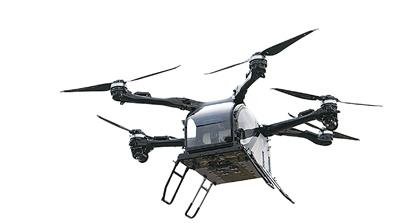
Core Viewpoint - The low-altitude economy in China is entering a critical period of policy support, with significant government initiatives and industry developments anticipated in 2024, marking it as a pivotal year for the sector [1][2]. Group 1: Industry Development - The low-altitude economy is characterized by the emergence of various applications, particularly in logistics and emergency rescue, with companies like Shenzhen United Aircraft Technology Co., Ltd. launching innovative products such as the "Platinum Shadow T1400" heavy-lift drone [2][8]. - The market size for China's low-altitude economy is estimated to be approximately 506 billion yuan in 2023, with projections suggesting it could reach 1 trillion yuan by 2026 [7]. - Companies like DJI have been applying drone technology in various sectors since 2013, with over 1 million users globally utilizing their products [8]. Group 2: eVTOL and Flying Cars - eVTOL (electric Vertical Take-Off and Landing) vehicles are seen as a significant component of the low-altitude economy, with companies like Xiaopeng Huaitian and GAC Gaoyu exploring commercial applications [12][16]. - The commercial viability of flying cars is expected to develop over the next five years, with initial offerings targeting the consumer market [15][16]. - The integration of automotive technology into eVTOL manufacturing is anticipated to reduce costs significantly, creating a more accessible market for low-altitude transportation [16]. Group 3: Infrastructure Challenges - The development of low-altitude infrastructure is lagging behind the rapid growth of the aviation sector, with calls for government involvement in establishing comprehensive support systems [19][20]. - Companies like Fengyu Technology are actively working on building low-altitude logistics networks, emphasizing the need for improved infrastructure such as communication and navigation systems [19]. - The establishment of a comprehensive management platform for low-altitude operations is crucial, as highlighted by industry leaders who stress the importance of regulatory frameworks and coordination among various stakeholders [22][23]. Group 4: Safety and Regulation - The low-altitude economy faces challenges related to safety and regulatory compliance, with industry experts calling for the development of a robust safety assurance system [25][26]. - As the scale of drone operations expands, the need for clear accountability and risk management strategies becomes increasingly important [25][26]. - Legal and regulatory frameworks are still evolving, with companies needing to navigate complex compliance issues as they scale their operations [26].


低空经济破壁
Jing Ji Guan Cha Wang· 2025-06-01 03:12
Core Insights - The era of low-altitude economy is beginning, with significant advancements in drone technology and applications in logistics and emergency rescue [2][3][4] - The Chinese government has started to support the low-altitude economy through policies, marking a critical period for industry development [3][4][8] - The market size for China's low-altitude economy is projected to reach approximately 5,060 billion yuan in 2023, with expectations to grow to 10,000 billion yuan by 2026 [8] Group 1: Industry Developments - Shenzhen United Aircraft Technology Co., Ltd. launched the "Platinum Shadow T1400" heavy-lift drone, capable of carrying 650 kg and maintaining over 8 hours of flight time [2] - The low-altitude economy is expected to transition from demonstration to pilot projects in 2023, with 2024 being identified as the inaugural year [2][3] - DJI has reported that over 1 million users globally have utilized its industry application products since 2013, indicating a growing adoption of drone technology [10] Group 2: Market Opportunities - The agricultural sector is anticipated to see significant growth in drone applications, with an expected increase in the number of agricultural drones from 250,000 to around 500,000 in China [11] - The logistics sector is also experiencing growth, with United Aircraft having signed orders for 1,300 units of the T1400 drone, primarily for large-scale transport [11] - The eVTOL and flying car sectors are being explored by companies like Xiaopeng Huitian and GAC Gaoyu, with commercial deliveries expected in 2024 [15][17] Group 3: Infrastructure and Regulation - The development of low-altitude infrastructure is lagging, with calls for national leadership in establishing comprehensive management platforms and regulatory frameworks [19][21] - Companies like Fengyi Technology are actively building low-altitude logistics networks, emphasizing the need for improved infrastructure such as communication and navigation systems [19] - The establishment of a comprehensive management platform is crucial for coordinating various stakeholders in the low-altitude economy, as highlighted by industry leaders [22][23] Group 4: Safety and Legal Considerations - The low-altitude economy faces challenges related to safety regulations and legal compliance, with ongoing discussions among industry players about accident management and liability [25][26] - The need for a robust safety assurance system is emphasized, as the industry anticipates a significant increase in the deployment of low-altitude aircraft [26]
第一张飞行汽车驾照落地:新能源又换了个马甲卷?
Tai Mei Ti A P P· 2025-05-29 01:38
Core Insights - The emergence of flying cars and eVTOLs represents a significant evolution in the low-altitude economy, transitioning from science fiction to reality [3][4] - The current landscape shows a division between flying cars and eVTOLs, with eVTOLs dominating the commercial market due to lower development costs and regulatory hurdles [10][19] - The industry is heavily reliant on existing electric vehicle technology, raising questions about the true innovation behind these aerial vehicles [5][14] Industry Overview - The first operational certificate for a manned autonomous aircraft was issued in March 2025, marking a milestone in the industry [4] - eVTOLs are primarily focused on vertical takeoff and landing, while flying cars require dual systems for both ground and air travel, complicating their development [10][12] - The eVTOL market is projected to grow significantly, with companies like EHang reporting revenues of 456.2 million yuan, a 288.5% increase year-on-year [19] Market Dynamics - The current market for flying cars is still in the conceptual phase, while eVTOLs have begun to see commercial viability, with over 70% market share [19] - Companies are facing challenges in meeting aviation safety standards, which differ significantly from automotive regulations, leading to increased costs and development time [16][17] - The infrastructure for low-altitude operations is lagging, with only 23 out of 1000 planned takeoff and landing points completed by 2025 [17] Customer Segmentation - The primary customers for eVTOLs are government entities, with commercial applications still limited [22][23] - The high cost of flying cars makes them accessible only to affluent individuals, with prices exceeding one million yuan and additional operational costs [23] - Companies are exploring various business models, including cargo transport and emergency services, to validate their technologies and achieve profitability [19][24] Future Outlook - The next decade will be crucial for the low-altitude economy, with a focus on identifying real market needs and pain points [24] - The industry is expected to consolidate, with many flying car projects likely to fail, leaving only those that address genuine market demands [24] - The evolution of this sector will continue to draw from the supply chains established in the electric vehicle industry, indicating a strong interconnection between these two markets [24]

A股盘前播报 | 美法院阻止特朗普关税政策 英伟达(NVDA.US)Q1业绩整体超预期
智通财经网· 2025-05-29 00:35
Company Insights - Nvidia's Q1 revenue increased by 69% year-on-year, reaching $44.1 billion, surpassing market expectations of $43.1 billion. The company anticipates Q2 revenue of $45 billion, factoring in an $8 billion reduction in H20 revenue due to export restrictions. CEO Jensen Huang noted strong global demand for Nvidia's AI infrastructure, leading to a 5% increase in stock price after hours [2] - Honor has confirmed its entry into the robotics business, having previously established a company to focus on this area. The humanoid robot production is expected to begin in the second half of 2024, marking a significant turning point for commercialization. The humanoid robot industry is anticipated to enter a high-growth phase with increased production waves this year [11] Industry Insights - The Ministry of Commerce has strengthened communication regarding rare earth export control policies with semiconductor companies in China and Europe, indicating a potential easing of export restrictions for European chip manufacturers. This move aims to maintain global supply chain stability [3] - The eVTOL (electric Vertical Take-Off and Landing) industry is gaining attention as flying car stocks surged over 30% following a $250 million investment from Toyota. The focus is on the necessary infrastructure and regulatory frameworks to support this emerging market [9] - DeepSeek has released an open-source version of its R1 model, which performs comparably to OpenAI's top models. This development is seen as a significant step in the open-source trend, with implications for AI integration in major internet companies and content production firms [10]

广汽高域GOVY AirCar多旋翼飞行汽车亮相第三届民航科教创新成果展
Bei Jing Shang Bao· 2025-05-27 08:35
Group 1 - The core product of GAC Gaoyue, GOVY AirCar, is an innovative dual-mode flying car designed for urban transportation, significantly reducing ground commuting time from 1 hour to 15 minutes [1] - GOVY AirJet, another key product, is a high-performance flying car capable of intercity travel within 200 kilometers at a maximum speed of 250 kilometers per hour, facilitating quick transit across the Guangdong-Hong Kong-Macao Greater Bay Area [1] - The flying vehicles are equipped with advanced perception systems, including dual-vision, laser radar, and infrared cameras, enabling obstacle detection from 100 meters away [1] Group 2 - GAC Gaoyue is proactively pursuing airworthiness certification and plans to launch Robo AirTaxi services in collaboration with partners like Qiji Mobility, allowing users to summon air taxis via an app [2] - The company aims to establish a demonstration operation station in Guangzhou by 2025 and expand services to eight cities in the Greater Bay Area by 2027 [2] - GAC Gaoyue is also exploring solutions for tourism, logistics, and emergency rescue, aiming to create a comprehensive low-altitude travel service system [2]
飞行汽车正“飞”入我们的生活
Ren Min Wang· 2025-05-26 22:29
Core Viewpoint - The flying car industry is gaining momentum due to advancements in aviation, new energy vehicles, 5G, and artificial intelligence, with significant potential for future urban transportation solutions [6][11]. Industry Development - The launch of the Hainan flying car application demonstration island project marks a significant step in the commercialization of flying cars, with expectations for the market to reach 500 billion yuan by 2030 [4][8]. - The flying car market is projected to exceed 1 trillion yuan by 2030, with over 100 companies expected to emerge in the sector [11]. Technological Advancements - Continuous breakthroughs in technology, particularly in electric vertical takeoff and landing (eVTOL) aircraft, are essential for the industry's growth, with a focus on electric motors, batteries, and control systems [7][8]. - The power density of flying car motors is required to be twice that of traditional electric vehicle motors, presenting significant technical challenges [7]. Market Opportunities - The flying car market is characterized by a growing interest from consumers and investors, with companies like Xiaopeng and Jiangtun making significant strides in product development and testing [9][10]. - The collaboration between companies like Sichuan Wofei Chang Kong Technology and Sichuan Airlines marks a pivotal moment for integrating eVTOL into urban transportation networks [12][13]. Regulatory Framework - The regulatory landscape for flying cars is evolving, with a need for clear guidelines that address both automotive and aviation standards [16][17]. - Safety and reliability are paramount, with flying cars needing to meet aviation-grade standards to ensure safe operation in various environments [16][17].
访广汽高域苏庆鹏:飞行汽车会在“低空+出行”“低空+文旅”率先落地
Zhong Guo Jing Ying Bao· 2025-05-24 13:42
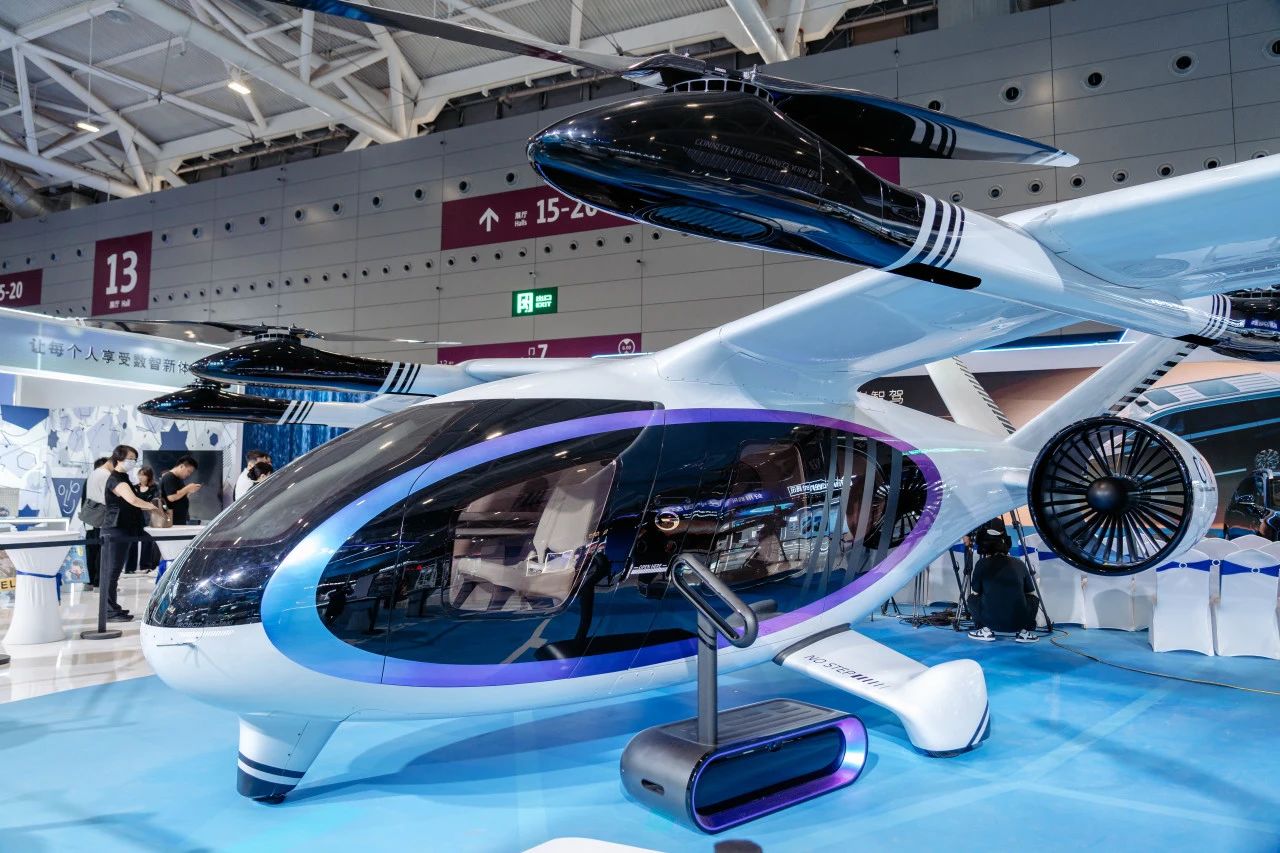
如今中国企业正积极寻求海外扩张。根据研究公司Global Information和MarketsandMarkets的数据,全球eVTOL市场预计到2030年将达到234亿美元,2024年 的规模约为2023年的19倍。除中国外,北美、欧洲和中东等地区预计也会出现增长。 另据摩根士丹利预测,到2030年,全球将投入使用12000架飞行汽车,用于空中出租车、机场班车和城际航班服务。预计到2040年,全球飞行汽车市场规模 将达到550亿美元,并有望在2050年达到9万亿美元,其潜在客户将涵盖航空公司、物流、应急服务、农业、旅游和安保等诸多领域。 深圳国际会展中心13号馆粤港澳大湾区文化产业创新展主展厅里摆放的广汽高域GOVY AirJet 复合翼飞行汽车,成为本次文博会的一大亮点。苏庆鹏 以"色、声、香、味、触、法"来诠释它,多重感官元素有效缓解乘客在飞行全程尤其是起降阶段的不安情绪,为用户带来舒适且充满乐趣的飞行体验。从设 计细节中,处处彰显着先端科技与人文关怀的深度融合。 在文旅产业蓬勃发展的当下,人们对于旅行体验的追求日益多元化。广汽高域GOVY AirJet 飞行汽车的出现,为文旅产业注入了全新活力。在接 ...
科技感拉满!人形机器人和飞行汽车同台“秀肌肉”,这届文博会的“技术咖”们如何硬核破圈?
Mei Ri Jing Ji Xin Wen· 2025-05-23 09:48
Group 1: Event Overview - The 21st China (Shenzhen) International Cultural Industries Fair officially opened on May 22, featuring 6,280 participating government groups, cultural institutions, and enterprises, with over 120,000 cultural products exhibited and more than 4,000 cultural industry investment and financing projects showcased [1] Group 2: Robotics and AI Innovations - The humanoid robot industry has entered a critical phase of technological innovation and commercialization, with various robot performances becoming highlights at the fair [3][4] - This year's fair introduced an AI exhibition area with over 60 participating AI companies, showcasing robots that attracted significant attention from visitors [3] - Digital Huaxia (Shenzhen) Technology Co., Ltd. presented its humanoid robots "Xialan" and "Xingxingxia," with "Xialan" featuring high human-like facial skin and advanced interaction capabilities [6][7] - "Xingxingxia," a new dual-mode robot, can operate on wheels or walk on two legs, addressing issues of endurance and speed with a maximum speed of 1.2 meters per second and a battery life of 10 hours [6][7] - Shenzhen Zhongqing Robot Technology Co., Ltd. announced a full-size humanoid robot fighting competition, aiming to provide a large-scale training scenario for robot technology [11] Group 3: Cultural Tourism Innovations - AI and low-altitude economy technologies are reshaping cultural tourism, enhancing the cultural experience with technological elements [12] - A company showcased a VR project that digitally reconstructs cultural landscapes, providing immersive experiences for visitors [12] - Shenzhen Zhihang Drone Co., Ltd. introduced the world's first disc-shaped manned flying vehicle, designed for unique sightseeing experiences at low altitudes [12] - GAC Gaoyu's GOVY AirJet flying car, which combines fixed-wing and multi-rotor advantages, made its debut, capable of vertical takeoff and landing with a maximum speed of 250 km/h and a range of 200 km [16]


从展厅到蓝天 创新保险护航低空经济“起飞”
Shang Hai Zheng Quan Bao· 2025-05-14 18:51
Core Viewpoint - The low-altitude economy is rapidly emerging as a new trillion-yuan industry, with innovations in insurance mechanisms becoming crucial for addressing risks associated with its development [1][6]. Group 1: Low-altitude Economy Development - The low-altitude economy is expanding from regional exploration to a national scale, with significant projects like drone delivery in rural areas and cross-province passenger flights during holidays [1]. - The development of low-altitude economy projects faces various uncertainties, making risk management essential for project success and corporate confidence [1]. Group 2: Insurance Innovations - Insurance innovations are being introduced across various regions to address the risk management needs of low-altitude economy projects, enhancing the overall security of these initiatives [1][2]. - The insurance solutions have evolved from simple policies to comprehensive risk management plans that cover all aspects of low-altitude flight operations [2][3]. Group 3: Commercial Applications - After successful test flights, low-altitude aircraft are moving towards commercial applications, serving diverse industries such as emergency rescue and industrial manufacturing [4][5]. - Companies like Zongheng Co. have established manufacturing bases for industrial drones, which are increasingly used in disaster response scenarios [4]. Group 4: Government and Local Initiatives - Local governments are recognizing the importance of insurance in the low-altitude economy and are actively exploring insurance solutions to meet emerging demands [6][7]. - Guangdong province has taken the lead in developing low-altitude economy insurance, launching the first dedicated insurance products to cover risks associated with low-altitude operations [6][7]. Group 5: Market Potential and Future Outlook - The demand for insurance in the low-altitude economy is expected to grow significantly, with projections indicating a market size of 8 to 10 billion yuan by 2035 [7]. - Collaboration among government, insurance companies, and enterprises is essential to build a robust insurance ecosystem that supports the low-altitude economy [7].