
医疗保险

Search documents
股神巴菲特出手捞底500万股 UNH,你还怕什么崩盘?
美股研究社· 2025-08-15 11:29
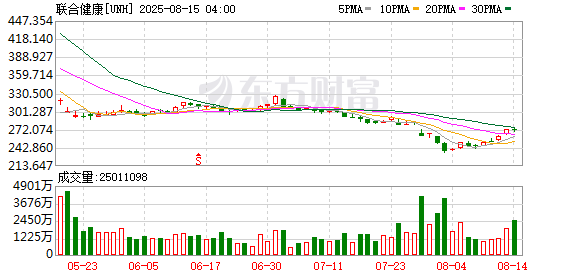
美股投资网 . 美国洛杉矶投资公司,TradesMax.com为美股投资者提供美股行情和投资策略的专业网站。一支有着多年华尔街投资银行工作经验的美籍分析师团队,提供 公司研究报告、美股交易技巧、美股软件、美股开户指南、微信客服niugu88,微博美股投资网 来源 | 美股投资网 据美股投资网了解到,巴菲特领导的伯克希尔哈撒韦今日公布了其2025年第二季度的13F报告。 以下文章来源于美股投资网 ,作者StockWe.com 随着伯克希尔13F报告的正式披露,这一消息得到了证实。报告发布后UNH的股价在盘后交易中大涨超过10%,充分显示了市场对巴菲特投资 决策的积极反应。 其中最引人注意的是,伯克希尔在二季度以约16亿美元建仓了503.9万股美国医保公司联合健康(UNH)。建仓成本价是314美元! 至季度末,这一仓位的总价值已达15.7亿美元,仓位排名已跃升为伯克希尔投资组合中的第18大持股,仅次于亚马逊和星座品牌(STZ)。 | UNH | History | HEALTH CARE | 5,039,564 | 1,572,192,781 | 0.61% | | 18 | 1 5,039,564 | New ...



巴菲特持仓报告出炉,为何花16亿美元重新建仓联合健康?
Xin Hua Cai Jing· 2025-08-15 04:44
Core Viewpoint - Berkshire Hathaway has continued its trend of net stock selling for the 11th consecutive quarter, with a reported long position in U.S. stocks amounting to $257.5 billion as of the end of Q2 2025 [2] Group 1: Berkshire Hathaway's Investment Actions - In Q2, Berkshire Hathaway restarted selling Apple shares, continued to reduce its stake in Bank of America, and increased its holdings in Chevron and the food and beverage sector [2] - Six new positions were established, including significant investments in UnitedHealth, Nucor Steel, Lennar, and Lamar Advertising, with a total market value of approximately $3.65 billion at the end of the quarter [2][5] Group 2: UnitedHealth's Performance and Market Reaction - UnitedHealth reported Q2 revenue of $111.6 billion, a year-on-year increase of 13%, but adjusted net profit fell over 23.7% to $3.406 billion, leading to a decline in stock price [6] - Following Berkshire's announcement of re-establishing a position in UnitedHealth, the stock price surged over 8% in after-hours trading [5][6] Group 3: Market Sentiment and Future Outlook - Analysts suggest that Berkshire's renewed investment in UnitedHealth may be due to its stock price reaching a multi-year low, with a current P/E ratio of 11.55, indicating potential for long-term returns [7] - Despite the challenges, if profit margins improve, the stock could return to a fair value of around $360, with conservative estimates placing the target price above $300 [7]
股神巴菲特出手捞底500万股 UNH,你还怕什么崩盘?
3 6 Ke· 2025-08-15 03:11
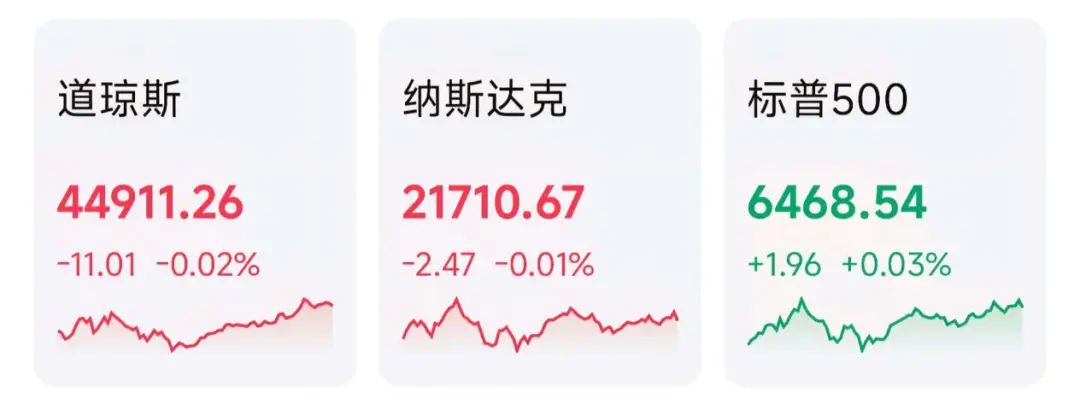
美股周四低开,盘初一度尝试反弹,但随着美债收益率盘中走高,三大指数涨势受阻,最终表现分化。截至收盘,道指微跌0.02%,纳指下跌0.01%,标 普500小幅上涨0.03%。 当天交易主线集中于通胀数据的意外上行。 美国劳工部公布的数据显示,7月生产者价格指数(PPI)环比上涨0.9%,远高于市场预期的0.2%,前值为持平。作为衡量批发层面商品与服务价格变动 的指标,PPI被视为消费者通胀的前瞻信号。数据公布后,市场对美联储降息的路径预期出现波动。 主要股指随即转跌,投资者担忧,通胀若重新抬头,将推迟甚至干扰美联储原定的宽松节奏。不过,多位市场人士认为,这一轮PPI上涨成因具有偶发 性。 部分交易员指出,本月涨幅主要由"投资组合管理"费用和航空票价推升,属于短期波动项。如果剔除这些因素,核心PPI或更接近市场原先预期。 Horizon Investments首席投资官Scott Ladner表示: "目前的单月数据尚不足以令美联储转向。他指出:"我们需要看到连续几个月类似的通胀加速数据,才有理由认为整体物价环境出现系统性反弹。" 巴菲特等机构抄底UNH 随着伯克希尔13F报告的正式披露,这一消息得到了证实。报告 ...
巴菲特最新持仓披露
Sou Hu Cai Jing· 2025-08-15 02:54
Group 1 - Berkshire Hathaway, led by Warren Buffett, released its Q2 13F report, revealing significant changes in its investment portfolio [2] - The report indicates that Berkshire reduced its holdings in Apple, Bank of America, DaVita, and Charter Communications while initiating positions in UnitedHealth, Nucor Steel, Lennar A shares, D.R. Horton, and Lamar Advertising [3] - Berkshire sold 20 million shares of Apple, reducing its stake to 280 million shares, while also decreasing its investment in Bank of America [3] Group 2 - Berkshire initiated a new position in UnitedHealth Group, purchasing 5.04 million shares valued at approximately $1.57 billion, marking its return to the health insurance sector after a 14-year absence [3] - Following the news, UnitedHealth's stock price surged over 10% in after-hours trading, despite the company facing a 40% decline in stock price during Q2 and multiple crises [4] - Berkshire's total stock sales exceeded purchases by approximately $3 billion during Q2, marking the 11th consecutive quarter of net selling in U.S. equities, with cash and equivalents reaching $344.1 billion by the end of June [4][5] Group 3 - Berkshire's operating profit for Q2 declined by 4% year-over-year to $11.16 billion, attributed to negative impacts from U.S. government trade policies [5] - The company has experienced a decline in profits for two consecutive quarters, falling short of market expectations, with ongoing uncertainties regarding trade policies affecting its business and equity investments [5]



建仓联合健康,减持苹果!伯克希尔时隔14年重返医疗保险板块
Di Yi Cai Jing Zi Xun· 2025-08-15 00:49
Group 1 - Berkshire Hathaway has re-entered the healthcare insurance sector by purchasing 5.04 million shares of UnitedHealth Group, valued at approximately $1.57 billion as of June 30, marking its first investment in this sector since exiting in 2010 [1] - UnitedHealth's stock price rose over 10% in after-hours trading following the news, despite a nearly 50% decline in its stock price year-to-date due to rising medical costs, a U.S. Department of Justice investigation, a cyberattack last year, and the death of former executive Brian Thompson [1] - Berkshire also sold 20 million shares of Apple, reducing its holdings to 280 million shares, while Apple remains the largest single stock in Berkshire's portfolio [1] Group 2 - Berkshire Hathaway has established new positions in residential builder DR Horton and significantly increased its stake in Lennar, along with new investments in Allegion, Lamar Advertising, and Nucor, all of which saw varying degrees of stock price increases in after-hours trading [2] - The company sold approximately $3 billion more in stocks than it bought during the April to June period, marking the 11th consecutive quarter of net selling in U.S. stocks, with cash and equivalents totaling $344.1 billion as of June 30 [2] - It remains unclear who led these transactions, whether it was Warren Buffett, investment managers Todd Combs and Ted Weschler, or successor candidate Greg Abel, but the market generally views Berkshire's purchases as endorsements of the respective companies [2]
伯克希尔二季度减持苹果、美国银行
Zheng Quan Shi Bao Wang· 2025-08-15 00:00
Group 1 - Berkshire reduced its holdings in Apple by 20 million shares in the second quarter, yet Apple remains its largest position [1] - Berkshire also sold over 26 million shares of Bank of America [1] - The company completely exited its position in T-Mobile during the second quarter [1] Group 2 - Berkshire initiated a new position in health insurance giant UnitedHealth, purchasing approximately 5.04 million shares with a market value of nearly $1.6 billion [1] - Additionally, Berkshire entered positions in the largest steel producer Nucor, valued at over $800 million, and homebuilder Lennar, valued at nearly $800 million [1] Group 3 - Among the top ten holdings, Chevron was the only stock that Berkshire increased, adding 3.45 million shares [1]


121种药通过初审 国家医保局将首次制定商保创新药目录
Yang Shi Xin Wen· 2025-08-13 06:09
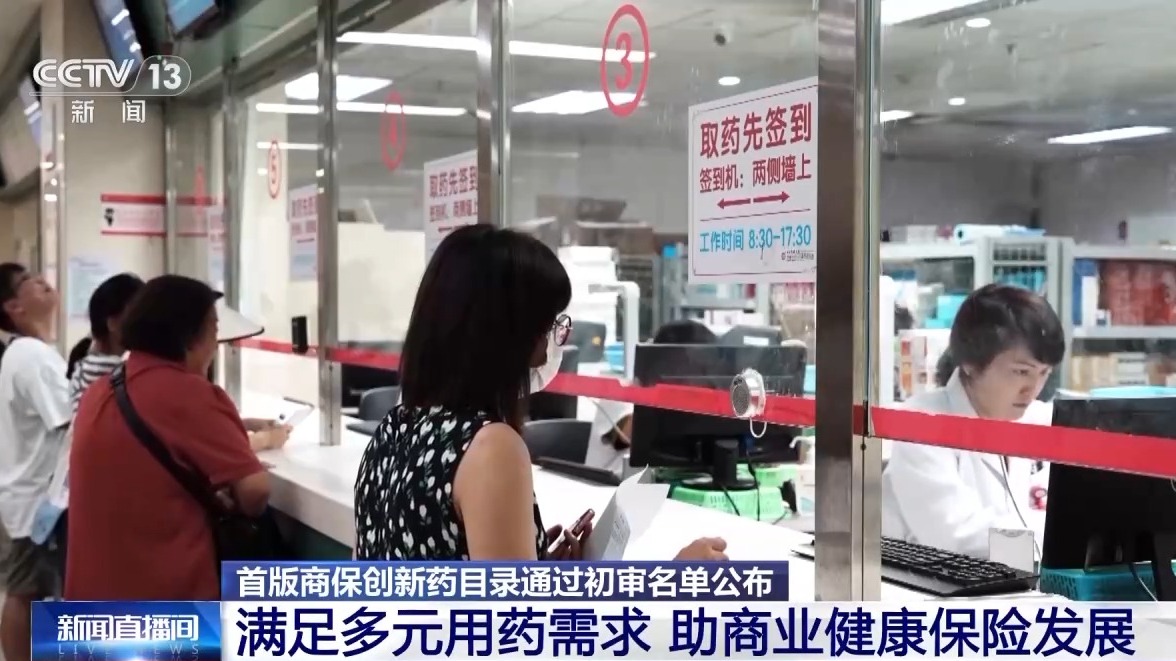
Group 1 - The adjustment of the national medical insurance drug catalog for 2025 has been initiated, including the establishment of a commercial health insurance innovative drug catalog for the first time by the National Healthcare Security Administration [1] - The preliminary review of the first version of the commercial health insurance innovative drug catalog has been published, with 141 drug applications received, and 121 drug names passing the initial review [2] - The basic medical insurance system covers 1.326 billion people in 2024, maintaining a coverage rate of 95%, with total fund expenditure reaching 2.97 trillion yuan [3] Group 2 - The overall funding level of basic medical insurance is low, with an average funding of 1,070 yuan per person, of which about two-thirds comes from various levels of fiscal subsidies [5] - In 2024, the original insurance premium income of commercial health insurance in China reached 977.3 billion yuan, a year-on-year increase of 8.2%, approaching the total funding level of residents' medical insurance [7] - The establishment of the commercial health insurance innovative drug catalog is expected to enhance the integration of basic medical insurance and commercial health insurance funds, providing better economic support for innovative drug development [9]
奋勇争先,决战决胜“十四五”|健康中国建设全面推进
Ren Min Ri Bao· 2025-08-11 00:46
Group 1: Healthcare System Development - The establishment of a national medical insurance cloud index in Hubei Province allows for seamless access to patient imaging data across different healthcare facilities, enhancing convenience for patients [1] - The "14th Five-Year Plan" emphasizes the comprehensive promotion of health in China, aiming to improve the quality of healthcare services and ensure better access for the public [1][2] - The construction of a tiered diagnosis and treatment system is underway, with 2,188 counties advancing the establishment of closely-knit county medical communities, facilitating mutual recognition of results between primary and higher-level medical institutions [2] Group 2: Medical Insurance and Financial Support - In Guangzhou, over 7,000 mothers spent less than 100 yuan on childbirth after insurance reimbursement, highlighting the financial relief provided by the medical insurance system [3] - The coverage of medical insurance has expanded significantly, with the reimbursement rates for inpatient expenses reaching 80% for employee insurance and 70% for urban and rural residents [3] - The 2024 National Medical Insurance Directory includes 3,159 types of drugs, significantly increasing access to essential medications for various diseases [3] Group 3: Public Health System Enhancement - The integration of disease control and prevention personnel into hospitals is being expanded, with 254 cities participating in the pilot program to enhance public health monitoring [4] - The per capita financial subsidy for basic public health services has reached 99 yuan, reflecting increased public financial support for health initiatives [4] - The health literacy rate among residents has improved from 17.06% in 2018 to 31.87% in 2024, indicating a growing societal emphasis on health [4]
医保、商保协同发力 破解创新药“支付难”瓶颈
Jin Rong Shi Bao· 2025-08-08 08:01
7月1日,国家医保局联合国家卫生健康委出台的《支持创新药高质量发展的若干措施》(以下简称 《若干措施》)发布。其中提出的"增设商业健康保险创新药品目录"备受关注。 在当日国家医保局举行的新闻发布会上,国家医保局医药管理司司长黄心宇表示:"基本医保和商 业健康保险都是我国多层次医疗保障体系的重要组成部分。《若干措施》提出了加强对创新药研发支 持,支持创新药进入医保药品目录和商保创新药目录,鼓励创新药临床应用,提高创新药多元支付能 力,以及强化组织保障等5方面16条具体举措。未来一段时间,将为支持我国创新药的高质量发展提供 积极助力。" 《若干措施》提出,适应多层次医疗保障体系发展需要,增设商业健康保险创新药品目录,重点纳 入创新程度高、临床价值大、患者获益显著且超出基本医保保障范围的创新药,推荐商业健康保险和医 疗互助等多层次医疗保障体系参考使用。 商保重要性日益凸显 数据显示,我国基本医保体系已覆盖超过13亿人,参保率稳定在95%。2024年,医保基金支出达 2.97万亿元,为医疗体系运行和医药产业发展提供了坚实保障。自2018年以来,149种创新药(主要为1 类创新药)纳入医保目录,占新增药品数量的17%。 ...
广东医保明年起普通门诊按人头付费
Guang Zhou Ri Bao· 2025-08-07 08:08
探索开展"门特"按病组和病种分值付费 《通知》指出,探索开展门诊特定病种支付方式改革,有条件的地区可在省医保局制定的门诊特定病种 范围内,选取部分病种开展按病组和病种分值付费。 定点医疗机构要按相关规定进一步加强病案管理和医保结算清单质控管理,建立参保患者门诊特定病种 病历档案,为参保患者提供更优质的医药服务。各市医疗保障部门要建立门诊特定病种用药管理机制, 规范门诊特定病种诊疗行为,严格执行"双通道"管理政策,加强门诊特定病种外配处方管理,认真落实 药品全程追溯扫码、资料留存备查、价格管理等要求,严厉打击串换药品、倒卖药品等违法违规行为。 《通知》要求完善村卫生站门诊服务。支持已纳入医保定点管理的村卫生站作为普通门诊选点,合理分 配村卫生站和乡镇卫生院的按人头付费标准,支持村卫生站的健康发展。鼓励村卫生站开展高血压、糖 尿病等基层参保群众需求较多的门诊特定病种服务,鼓励村卫生站工作人员积极加入家庭医生团队,促 进分级诊疗。 6日,《广东省医疗保障局关于建立健全门诊医保支付方式改革的通知》(下称《通知》)挂网公布。 《通知》自2026年1月1日起实施,全省实施完善普通门诊按人头付费支付方式改革、探索开展门诊特 ...