
家政服务

Search documents
服务消费新标杆|尚伟家政以党建为魂铸匠心,树立家庭服务新典范
Sou Hu Cai Jing· 2025-12-11 03:13
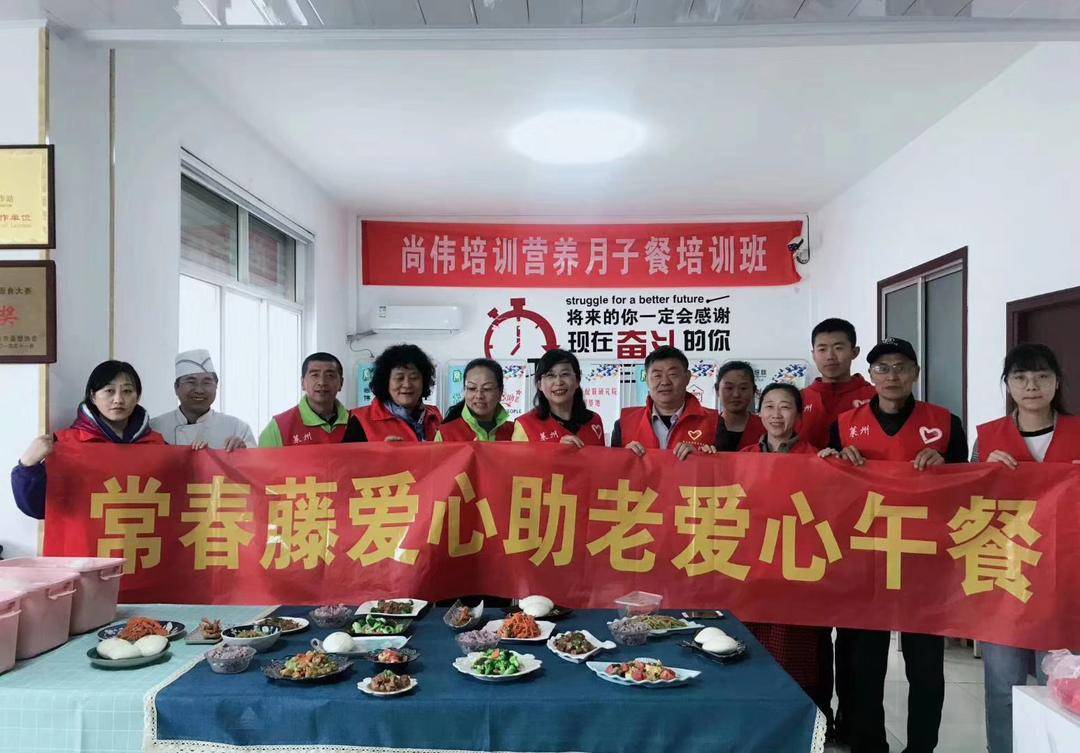
Core Viewpoint - The transformation of household services from "basic needs" to "quality pursuit" is reshaping the service consumption market in Shandong, with Shangwei Home Service Co., Ltd. emerging as a new brand in this sector, driven by its commitment to comprehensive service innovation and a development model led by party building [1][12]. Group 1: Party Building and Service Philosophy - The establishment of a social organization party branch in 2018 has integrated the "Party Building + Craftsmanship + Love" service philosophy into every aspect of home service, enhancing the moral quality of service personnel and building a trust system among government, families, and workers [3][12]. - The "Party Building + Trade Union Support" model has successfully implemented training programs that promise to uplift individual trainees and their families, reflecting a commitment to community and service excellence [3][12]. Group 2: Professional Training and Standards - Shangwei Home Service has established rigorous training standards focused on "strong faculty and strict management," creating clear career paths and entry mechanisms for service staff, thus elevating the profession from temporary work to a desirable career [5][10]. - Over the past three years, the company has trained 2,000 maternal and infant care trainees and 1,527 elderly care trainees, producing over 3,000 skilled professionals, with several receiving prestigious awards [5][10]. Group 3: Comprehensive Service Offerings - The company has developed a "1+N" full-chain service system that addresses diverse family needs, providing services from maternal care to health management and family education, thereby achieving comprehensive coverage [6][12]. - Shangwei Home Service has expanded its offerings internationally, providing services in Germany and the United States, enhancing the global image of "Shandong Home Services" [6][10]. Group 4: Trust and Consumer Assurance - As a participant in the Ministry of Commerce's home service credit information platform, Shangwei Home Service emphasizes integrity throughout its service process, implementing standardized procedures and transparent pricing to ensure consumer confidence [8][12]. - The company has also contributed to social welfare by providing entrepreneurial training for special groups, helping them achieve employment and benefiting the community [8][12]. Group 5: Growth and Recognition - Shangwei Home Service has grown from a local institution in Laizhou to a brand with three franchise stores and five direct chain stores, achieving a "zero complaint" market reputation and recognition as a national advanced unit in health education [10][12]. - The company's innovative model of "Party Building + Service" has transformed household services into a respected profession, providing warmth to families and serving as a replicable model for the standardized development of the home service industry [12][13].

山东服务消费盛宴12月13日启幕,一展双圈三地同步绽放
Qi Lu Wan Bao· 2025-12-09 09:51
Core Insights - The upcoming service consumption upgrade event in Jinan will showcase the first batch of "new service consumption brands" in Shandong province, highlighting the importance of service consumption as a key driver for high-quality economic development in the region [1][2] Group 1: Event Overview - The event will take place from December 13 to 14 at three major locations: Shungeng Convention and Exhibition Center, Yuhuan Yinzuo, and CCPARK [3] - The exhibition will feature 66 new brands selected through a rigorous multi-step process, covering five key areas: dining and accommodation, housekeeping services, elderly care, health consumption, and sports consumption [1][2] Group 2: Exhibition Format and Themes - The event will adopt an innovative "main venue + sub-venues" format, with the main exhibition area at Shungeng Convention Center and simultaneous activities at Yuhuan Yinzuo and CCPARK, creating a "one exhibition, two circles" consumption matrix [2] - Shungeng Convention Center will focus on themes like "Quality Life. Service Leadership," showcasing cutting-edge products and service models through interactive displays [2] - Yuhuan Yinzuo will emphasize family consumption scenarios, offering services like elderly product trials and children's care consultations [2] - CCPARK will cater to younger consumers with a trendy service consumption market, featuring light dining, sports consumption, and health consumption [2] Group 3: Development Ecosystem - The event reflects a broader strategy in Shandong to build a service consumption development ecosystem driven by government guidance, enterprise participation, and market dynamics [2]
“新职业”“老行当”从细微处为百姓雕琢美好生活 职业更新为劳动者打开就业新空间
Yang Shi Wang· 2025-12-09 06:35
Group 1 - The emergence of new professions and revitalization of traditional industries are creating new opportunities in the job market for 2025 [1][28] - The introduction of 17 new professions and 42 new job categories by the Ministry of Human Resources and Social Security indicates a significant increase in job specialization [29][32] - The role of the "drone swarm flight planner" has been officially recognized as a new profession, highlighting the need for multi-disciplinary talents in the low-altitude economy [18][21] Group 2 - The professionalization of roles such as sleep health managers and elderly care service providers reflects a shift towards comprehensive service models in traditional sectors [3][33] - Training programs are evolving to incorporate industry-specific skills, preparing workers for future job requirements, as seen in the case of the "beef noodle making master" training in Gansu [35][38] - The demand for positions in emerging fields like artificial intelligence and drone operations is rapidly increasing, with job postings for AI product managers growing by over 138% [40][42]

山东省首批“服务消费新品牌”名单公示
Qi Lu Wan Bao· 2025-12-09 02:49
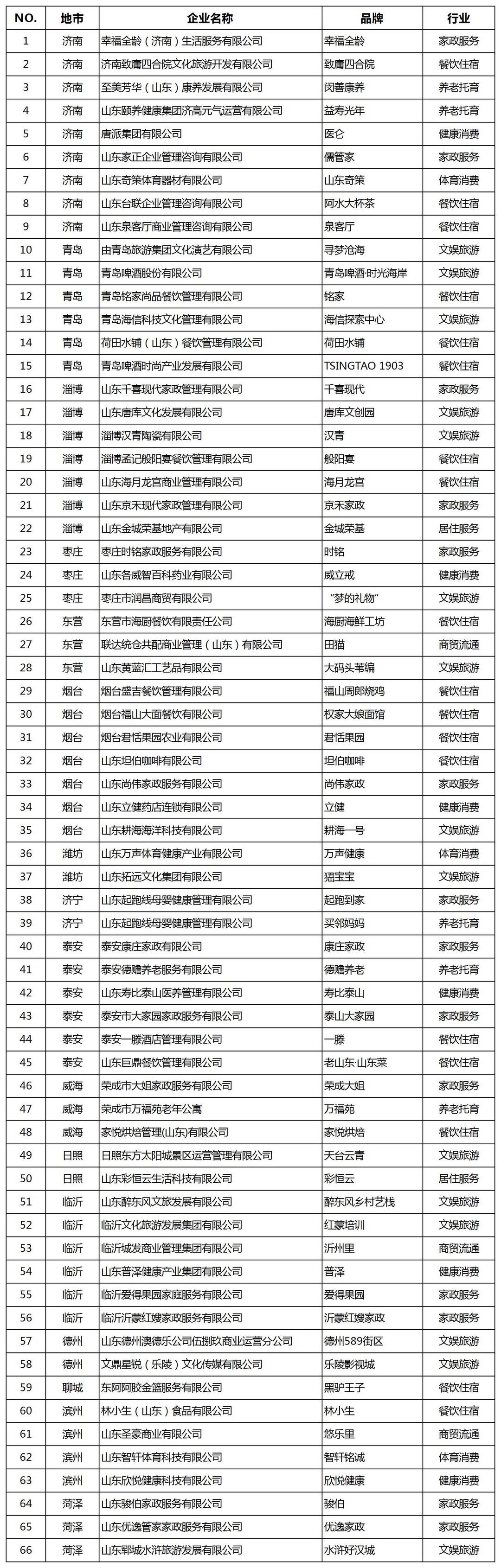
Group 1 - The initiative aims to enhance the quality of service consumption in Shandong Province and foster new market dynamics in the service sector [1][2] - A total of 239 companies were submitted for consideration across 16 cities, covering various service consumption sectors such as entertainment, tourism, dining, housekeeping, elderly care, health consumption, and sports [1][2] - The selection process involved a rigorous mechanism including city submissions, qualification reviews, online voting, and expert evaluations, resulting in 66 companies being recognized as the first batch of "New Service Consumption Brands" in Shandong Province [2] Group 2 - The online voting phase received over 4.18 million votes within three days, significantly increasing brand visibility [2] - The final evaluation committee comprised experts from various departments and associations, ensuring a comprehensive assessment of the nominated companies [2] - The list of the first batch of "New Service Consumption Brands" will be publicly announced from December 8 to December 12, 2025 [2] Group 3 - The selected companies represent diverse industries, including housekeeping services, dining and accommodation, elderly care, health consumption, and sports [3][4][5] - Notable companies include "幸福全龄" in housekeeping, "致庸四合院" in dining, and "益寿光年" in elderly care, showcasing the breadth of service offerings [3][4][5] - The initiative reflects the innovative vitality and development potential within the service consumption sector in Shandong Province [1][2]
解锁“饭来张口”体验 厦门上门代厨服务走俏
Sou Hu Cai Jing· 2025-12-07 15:09
Core Insights - The rise of "on-site cooking" services is meeting the demand of young consumers who prefer cleaner and cheaper meal options compared to takeout and restaurants [3][8] - Various players, including young individuals, home service platforms, and restaurant chefs, are entering the "on-site cooking" market, leading to a diversified competitive landscape [3][4] Group 1: Market Dynamics - "On-site cooking" services are increasingly popular among working professionals, particularly those with limited time for meal preparation [4][7] - The service model includes options like meal preparation and cooking, with additional fees for tasks like dishwashing and ingredient procurement [4][5] - Home service companies are expanding their offerings to include packages for multiple sessions, catering to long-term clients [5][6] Group 2: Consumer Demographics - The primary clientele for "on-site cooking" services includes busy office workers, elderly individuals living alone, and families hosting gatherings [7][8] - There is a notable demand for home-cooked meals, particularly among families with children and elderly members [7] Group 3: Industry Trends - The entry of home service companies and restaurant chefs into the "on-site cooking" sector is transforming it from a casual side gig to a more structured and scalable business model [8] - The trend aligns with broader consumer preferences for convenience, quality, and personalized dining experiences [8]

《新职业炫季》|整理收纳师:用4步焕新生活空间,职场上的空间治愈者
Yang Shi Wang· 2025-12-06 12:09
Core Insights - The article highlights the profession of home organizers, which combines space planning, aesthetic design, and practical living needs, with experienced practitioners earning between 15,000 to 30,000 yuan per month, addressing family pain points while also being a desirable career choice [1] Group 1: Profession Overview - Home organizers are skilled professionals that integrate space planning, aesthetic design, and lifestyle needs [1] - Experienced practitioners can earn a monthly salary ranging from 15,000 to 30,000 yuan [1] Group 2: Practical Steps for Home Organization - Step 1: Assessment and Planning - Understand family habits, measure space dimensions, and create personalized plans [1] - Step 2: Classification and Selection - Organize items by "keep, discard, donate," retaining frequently used and sentimental items to reduce clutter [1] - Step 3: Space Optimization - Designate areas in wardrobes and playrooms, use storage boxes and labels, and maximize space with dividers and vertical hangers [1] - Step 4: Long-term Maintenance - Employ rolling methods for clothing to save space and use visual storage solutions for easy access [1]
注册企业数暴增45.7% 北京家政“卷”起来了
Jing Ji Guan Cha Wang· 2025-11-30 04:48
Core Insights - The Beijing home service industry is experiencing intense price competition, with service prices dropping significantly due to new entrants and market dynamics [1][5][6] - The influx of new companies has led to a surge in registered home service businesses, with a 45.7% increase in registrations in the past year [1][3] - Despite the increase in supply, the demand for home services has not kept pace, leading to downward pressure on wages for service workers [2][6][7] Market Dynamics - The average service price for live-in elderly care has decreased from 5000 yuan/month to 4500 yuan/month, with many service workers accepting lower wages [2][6] - The entry of large e-commerce platforms into the home service market has intensified competition, with prices for cleaning services dropping to as low as 39.9 yuan for two hours [1][5] - The home service industry is characterized by a large number of small companies, with 44.1% of registered firms having a capital of less than 1 million yuan [4] Employment Trends - Many home service workers are now accepting lower wages due to economic pressures and a shift in employer demands [6][7] - The overall wage level for home service workers has remained stable, but specific sectors like elderly care and cleaning are seeing slight declines [6][7] - The industry is facing a significant labor shortage, with an estimated gap of over 20 million workers needed in the home service sector [8] Future Outlook - The home service industry is projected to remain a lucrative business opportunity, driven by aging populations and increasing demand for childcare services [8] - New entrants to the market must navigate high implicit barriers, as service quality and worker support are critical for long-term success [8]
国家发展改革委再次召开民营企业座谈会 累计已达21场
Zheng Quan Ri Bao· 2025-11-28 17:14
Core Points - The National Development and Reform Commission (NDRC) is focusing on high-quality development in the service industry during the 14th Five-Year Plan period, emphasizing the importance of this sector for employment stability, investment expansion, consumption promotion, and improving people's livelihoods [2] - The NDRC has established a mechanism for regular communication with private enterprises, holding 21 discussion sessions since 2023 to gather opinions and suggestions from the industry [3] Group 1 - The NDRC aims to enhance the service industry's capacity and quality, integrating resources and deepening industry-education collaboration to reduce innovation costs for enterprises [2] - The NDRC encourages enterprises to strengthen their core businesses, expand effective investments, and improve service supply levels to better meet the needs of the public [2] - The NDRC will incorporate valuable suggestions from enterprises into the 14th Five-Year Plan outline, demonstrating a commitment to addressing industry concerns [2] Group 2 - The service industry is seen as a critical component that connects various sectors, impacting daily life and economic stability [2] - The NDRC is focused on promoting the integration of modern services with advanced manufacturing to drive high-quality development in the service sector [2] - Continuous communication between the government and enterprises is emphasized to address challenges faced by private businesses and promote healthy economic growth [2][3]
济南暖阳科技有限公司成立 注册资本100万人民币
Sou Hu Cai Jing· 2025-11-25 04:59
Core Viewpoint - Jinan Nuanyang Technology Co., Ltd. has been established with a registered capital of 1 million RMB, indicating a new player in the technology and service sector [1] Company Overview - The legal representative of the company is Yu Lili [1] - The registered capital is 1 million RMB [1] Business Scope - The company operates in various fields including: - Technical services, development, consulting, exchange, transfer, and promotion [1] - Home services, professional cleaning, and disinfection services [1] - Sales of daily necessities and household goods [1] - Manufacturing of computer hardware and software, as well as peripheral devices [1] - Furniture installation and maintenance services [1] - Daily life services for residents [1] - Indoor air pollution control [1] - Repair of daily electrical appliances [1] Licensing and Regulatory Compliance - The company is authorized to conduct: - Second-class value-added telecommunications business [1] - First-class value-added telecommunications business [1] - Online data processing and transaction processing business (e-commerce) [1] - Activities requiring approval will only commence after obtaining necessary permits from relevant authorities [1]
粤桂开展家政协作对接活动
Guang Xi Ri Bao· 2025-11-25 03:14
Core Points - The event held on November 19-20 in Nanning aimed to enhance cooperation between Guangdong and Guangxi in the home service industry, facilitating high-quality employment opportunities [1] - Over 100 representatives from home service brands, industry associations, and government participated in the event, emphasizing the importance of collaboration in the home service sector [1] Group 1: Cooperation Initiatives - The collaboration includes the establishment of the "Shenzhen·Hechi Home Service Employment Station" and the "Community Bang·Women's Garden Home Service Talent Training and Delivery Base," creating a comprehensive service loop from training to employment [1] - The "Shouxiang Yuesao" brand has successfully sent workers to the Guangdong-Hong Kong-Macao Greater Bay Area, with an average monthly income exceeding 8,000 yuan for employees, and some outstanding caregivers earning over 50,000 yuan annually [1] Group 2: Recruitment Efforts - A job fair was held during the event, where 31 Guangdong home service companies and 42 Guangxi home service companies offered over 1,200 quality job positions, including roles such as home service workers, elderly caregivers, and infant care specialists [1] - The recruitment fair utilized an innovative "online + offline" model, breaking geographical barriers through live interactions and real-time connections, effectively linking employers and job seekers [1]