
乡村旅游

Search documents
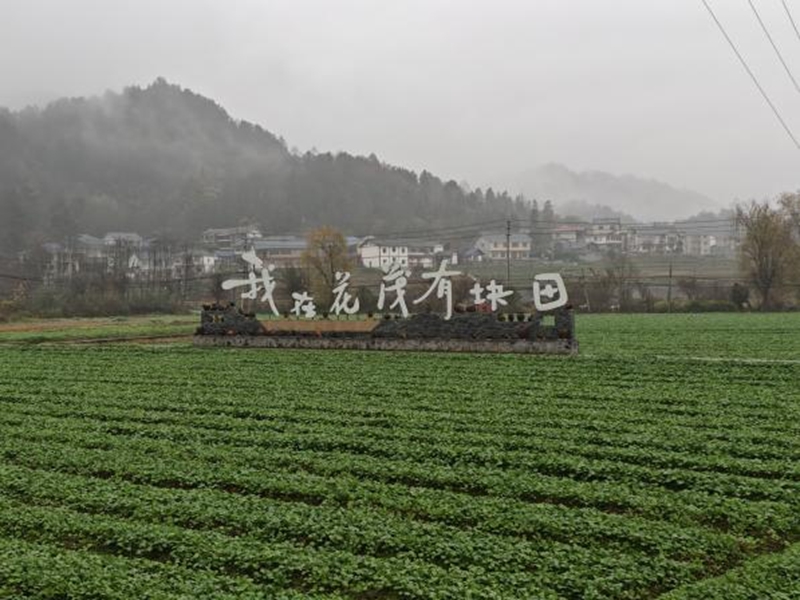
贵州花茂村:昔日“荒茅田” 今日“花正茂”
Ren Min Wang· 2026-01-01 00:14
Core Insights - The article highlights the transformation of Huamao Village from a barren land to a thriving tourist destination, emphasizing the integration of ecological preservation and cultural heritage in its development strategy [3][4][5]. Group 1: Ecological and Agricultural Development - Huamao Village has shifted from using coal and wood-fired kilns to electric kilns for pottery, resulting in reduced pollution and improved product quality [3]. - The village has planted over 9,000 trees to enhance its ecological environment, which has laid a foundation for agricultural development [4]. - The establishment of a professional cooperative in 2016 has led to the adoption of eco-friendly farming practices, increasing the per-acre yield from 1,000 yuan to approximately 5,000 yuan for conventional crops, and up to 20,000 to 30,000 yuan for specialty crops [4]. Group 2: Tourism and Cultural Integration - Huamao Village has developed various tourism projects, including red tourism, rural tourism, and experiential tourism, transforming idle houses into 28 rural inns and 12 farmhouses [5]. - The village is focusing on cultural heritage by creating spaces for traditional crafts such as pottery and paper-making, which enhances the tourism experience [5]. - The expected tourism revenue for the village in 2024 is projected to reach 35 million yuan, reflecting the successful integration of ecological advantages into tourism [5]. Group 3: Recognition and Future Plans - Huamao Village was officially recognized as a "Green Water and Green Mountain is Gold and Silver Mountain" practice innovation base by the Ministry of Ecology and Environment in December 2025 [8]. - The village plans to continue prioritizing ecological development while enhancing its agricultural efficiency, cultural industries, and tourism appeal [8].

红豆千年情 雨林古寨新
Xin Lang Cai Jing· 2025-12-31 23:12
除了红豆饰品,山寨的手工雪茄、传统织锦、生态茶叶等物产,如今也变成了承载文化、连接市场的特 色商品。村民在家门口就能实现就业增收,一条以文化为魂、以生态为根的产业发展路径日渐清晰。 "咚!咚!咚!"记者边走边看,到达神鼓广场时,基诺大鼓舞正在精彩上演。非遗传承人白腊先挥动鼓 槌,带领着一群年轻人踏歌而舞。银饰叮当,舞步豪迈,激昂的节奏瞬间点燃现场气氛。 这不是特定的节日庆典,而是景区组织当地村民为游客精心准备的日常文化体验活动。不少游客也被现 场的氛围所感染,接过村民递来的鼓槌,欣然加入鼓舞队伍。虽动作稍显生疏,但敲击的每一槌都认真 而有力,周围基诺族青年环绕起舞,笑声与鼓声在林间交织回荡。 (来源:中国旅游报) 转自:中国旅游报 □ 本报记者 牛佳欣 北纬21°的热带雨林深处,鼓声咚咚,穿透晨雾与林叶,唤醒了基诺山的一天。中国旅游报社记者近日 来到云南省景洪市基诺族乡基诺山寨景区,这是云南湄公河集团参与投资运营的一个乡村旅游项目。如 今,这个深藏于滇南群山雨林的古老村寨,正以"保护性开发"与文旅融合的发展实践,向世界讲述着文 化传承与乡村振兴交融共生的生动故事。 走进寨门,只见几位基诺族姑娘正围坐在一起制作 ...
冰雪中品味文化 欢乐中记住乡愁
Xin Lang Cai Jing· 2025-12-31 21:06
千人共跳土族安昭舞。 本报记者 牛玉娇 陈晨 摄 本报记者 陈 晨 牛玉娇 以冰雪为媒、以文化为魂、以产业为脉,海东持续擦亮乡村旅游品牌,让"冷资源"不断释放"热效应",让冬日乡村从"沉寂期"变为"黄金季"。本届"青海年· 最海东"迎新春系列文旅惠民活动,以"驰骋河湟迎新春·欢聚海东过大年"为主题,聚焦趣味性、观赏性、参与性和体验性,将海东最优的冰雪资源、最美的 自然景观、最浓的河湟文化、最暖的民俗风情"串珠成链",全力打造"有温度、有品质"的冰雪体验,让游客在冰雪中品味文化,在欢乐中记住乡愁,进一步 激发全民参与冰雪运动的热情,拓展文旅消费新空间,增强海东文旅品牌的传播力、吸引力,为当地经济社会发展注入新动能。 据了解,作为此次活动的承办方,互助县委、县政府精心推出涵盖群众文化、冰雪旅游、群众体育、商贸大集、城市亮化5大板块的36项特色活动,通过五 业融合,深度联动,全面展示互助壮美的雪景、绚丽的文化和独特的民俗。 冰雪,是大自然的馈赠,更是振兴发展的引擎。在卓扎滩原生态景区,周边村民踏着欢快的旋律,跳起"千人安昭舞",让这一千年民俗在冰雪天地间焕发新 生。"现在农闲,我们也喜欢一起跳安昭舞,而且周边也开了 ...

1.7亿文旅项目落户淄川太河,山乡文旅如何破题?
Qi Lu Wan Bao· 2025-12-30 12:06
Core Viewpoint - The announcement of the Zichuan Taihe Rural Tourism Resort Project (Phase I) marks a significant investment in the development of rural tourism in Taihe Town, aiming to enhance local cultural and ecological resources while addressing infrastructure challenges [1][4]. Project Overview - The project will cover approximately 150 acres and is set to begin construction by the end of 2025, with completion expected by the end of 2027 [1]. - Key components of the project include a comprehensive tourism service center, a rural specialty agricultural product distribution center, dining and accommodation facilities, and the renovation of traditional villages [3]. Advantages and Challenges - Taihe Town benefits from rich ecological and cultural resources, including five tourist attractions rated 3A or above and numerous traditional villages, which have led to recognition as a national scenic town [4]. - However, the town faces significant challenges, particularly in infrastructure development, with urgent needs for improvements in water, electricity, heating, and sewage systems [4][6]. Strategic Considerations - The investment of 170 million yuan is part of a broader strategy to establish a provincial-level tourism resort, with the project serving as a key initiative in this development plan [7]. - The local government aims to address land and resource integration issues by promoting policies for collective operational construction land and revitalizing idle residential land for homestay development [7]. Infrastructure and Development Plans - The project will enhance infrastructure by constructing a comprehensive tourism service center and ecological parking facilities, while ongoing road improvements will facilitate better access to the region [8]. - The development aligns with Zichuan District's strategy to integrate historical culture, ecological resources, and industrial innovation, with Taihe Town focusing on ecological aspects [8]. Future Challenges and Opportunities - The successful implementation of the 170 million yuan project is just the beginning, with the real challenge being the conversion of investment into sustainable development [9]. - Local authorities plan to collaborate with educational institutions to cultivate talent in hospitality and tourism management, while also organizing seasonal events to boost tourism [9][10]. - The Zichuan tourism market shows strong demand, with 450,000 visitors and 13 million yuan in revenue during the 2024 Golden Week, highlighting the need to convert visitor traffic into lasting engagement [10].

西和县:22个示范村探出“美丽经济”新路子
Xin Lang Cai Jing· 2025-12-30 09:45
Core Viewpoint - Xihe County is leveraging a special fund of 76.8 million yuan to accelerate the development of rural cultural tourism, transforming previously overlooked villages into vibrant tourist destinations [1] Group 1: Economic Development - The county has established 22 rural tourism demonstration villages and several cultural tourism wellness villages since the start of the 14th Five-Year Plan [1] - Three villages, including Xiezhang Village and Ningjia Village, have been recognized as provincial-level cultural tourism revitalization model villages [1] Group 2: Infrastructure and Offerings - Xiezhang Village has converted idle farmhouses into distinctive guesthouses, enhancing the aesthetic appeal of the area [1] - Ningjia Village has integrated local agricultural customs and intangible cultural heritage into experiential projects for visitors [1] Group 3: Economic Integration - Villages are utilizing local specialty products like pepper and walnut to create a "cultural tourism + e-commerce" sales bridge [1] - The transformation has led to a thriving rural economy, with high demand for guesthouses and bustling agricultural product markets [1]
(乡村行·看振兴)从“金包银”到“村咖”:沙县小吃第一村的共富路
Zhong Guo Xin Wen Wang· 2025-12-30 07:06
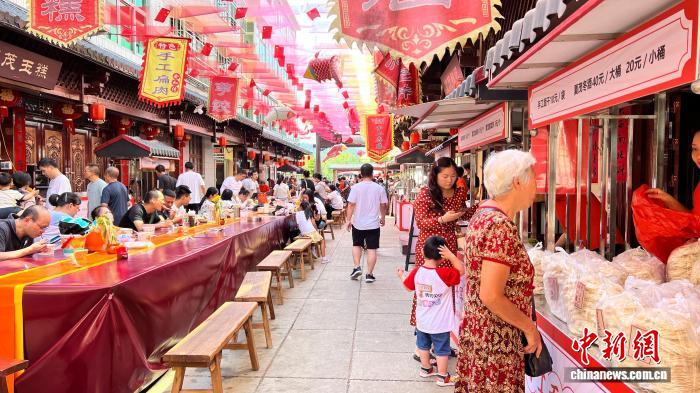
Core Insights - The article highlights the transformation of Yubang Village in Fujian Province, showcasing its evolution from a traditional snack village to a vibrant community with diverse offerings, including a coffee shop and various local delicacies [1][5]. Group 1: Economic Development - The village has seen significant economic growth, with collective income rising from 178,000 yuan in 2020 to 930,000 yuan in 2024 [5]. - Per capita annual income for villagers increased from 23,500 yuan to 34,000 yuan, reflecting improved living standards [5]. Group 2: Community Engagement - Young villagers, like Yu Lingyue, are taking on multiple roles, contributing to the community as baristas, administrative staff, and educators, thus enhancing local engagement [2]. - The village has developed a "mobile business card" through social media, showcasing its livability and tourism potential [2]. Group 3: Cultural Heritage - The culinary tradition of Sha County snacks, exemplified by local specialties like "Jin Bao Yin" (meat-filled tofu), continues to thrive, with older generations passing down their skills [3]. - The village has successfully integrated traditional food culture with modern tourism, attracting more visitors and creating a more relaxed atmosphere for guests [2][5].
唤醒“沉睡资源” 激活乡村振兴新动能
Hai Nan Ri Bao· 2025-12-30 01:24
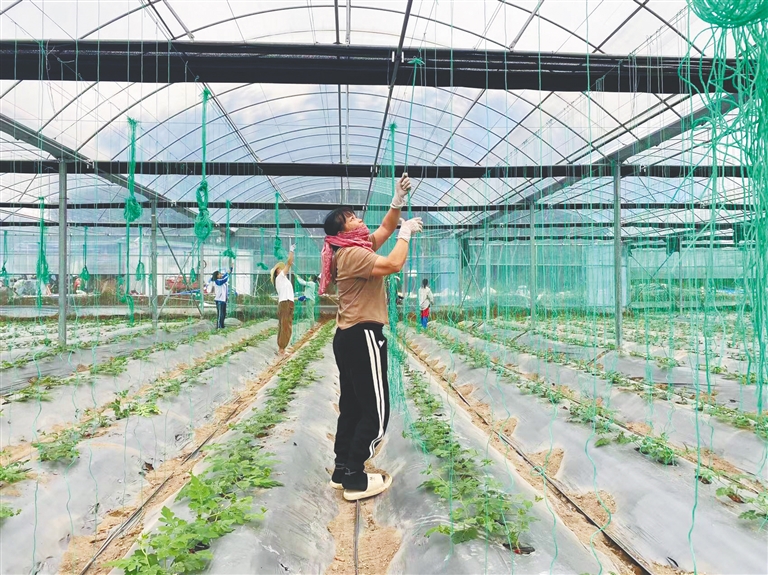
Core Insights - The article discusses the collaborative efforts of planning and institutional innovation in revitalizing idle rural land resources and enhancing industrial development in Hainan Province [1][3]. Group 1: Land Resource Utilization - Idle agricultural land in Qirong Village, Danzhou City, has been transformed into high-standard greenhouses for winter crops, showcasing a successful agricultural demonstration base [3]. - The old school site in Shuikou Village has been repurposed into a rural guesthouse with 34 unique rooms, providing a weekend getaway for tourists [3][5]. - The "Three Transformations" reform encourages farmers to consolidate idle and scattered land into collective economic organizations for unified planning and development [5]. Group 2: Economic Impact - Villagers in Shuikou Village reported increased income from new employment opportunities in the guesthouse, with monthly wages of 3,500 yuan and additional year-end bonuses [4]. - The introduction of enterprises into rural areas has created numerous job opportunities, helping to revitalize previously depopulated villages [5][6]. - The integration of various industries, such as agriculture, hospitality, and coffee production, has diversified local economies and improved living standards [6][7]. Group 3: Policy and Planning - Hainan Province has implemented a comprehensive land resource management strategy, ensuring that both new and existing land use supports rural industrial development [8][9]. - The provincial government is committed to enhancing the rural environment and optimizing land use through various projects, including the addition of 273.26 hectares of arable land and ecological restoration efforts [7][9]. - Future plans include learning from successful rural development models to improve implementation mechanisms and promote orderly rural revitalization [8].
加快农业农村现代化 扎实推进乡村全面振兴——访农业农村部党组书记、部长韩俊
Jing Ji Ri Bao· 2025-12-29 22:36
Core Viewpoint - The article emphasizes the strategic importance of accelerating agricultural and rural modernization as a key component of China's overall modernization efforts, particularly during the 14th Five-Year Plan period [2][3]. Group 1: Significance of Agricultural and Rural Modernization - Agricultural and rural modernization is a major task for building a modern socialist country, as it directly impacts the overall progress and quality of China's modernization goals [2]. - It serves as a foundational support to address various risks and challenges, stabilizing the agricultural sector to ensure food security and economic stability amid external uncertainties [2]. - The modernization of agriculture and rural areas is essential for meeting the people's needs for a better life, as it relates to both economic and political stability [3]. Group 2: Current Conditions and Achievements - Since the 18th National Congress, significant progress has been made in agricultural modernization and rural revitalization, including stable grain production at over 1.3 trillion jin (approximately 650 million tons) annually, with a record high of 14,298 billion jin this year [4]. - The achievements in poverty alleviation have been consolidated, with over 30 million people employed in poverty-stricken areas, and the establishment of a monitoring and support system to prevent a return to poverty [4][5]. - Agricultural modernization has advanced significantly, with a contribution rate of agricultural science and technology exceeding 64%, and a mechanization rate of 76.7% for major crops [5]. Group 3: Strategic Tasks for Implementation - The 14th Five-Year Plan outlines several strategic tasks to ensure the implementation of agricultural and rural modernization, including enhancing agricultural production capacity and quality, and establishing a robust food security framework [8]. - A mechanism for preventing poverty and ensuring sustainable development is to be established, focusing on targeted support for underdeveloped areas and maintaining stability in post-poverty alleviation policies [9]. - Efforts will be made to improve rural living conditions and infrastructure, ensuring that rural areas are equipped with modern amenities and services [10]. Group 4: Policy and Support Mechanisms - The article highlights the need for a multi-faceted investment approach to support rural revitalization, including financial, social, and governmental participation [11]. - Policies will be strengthened to ensure the stability of land contracts and support the development of new agricultural business entities, enhancing the overall agricultural operating system [11]. - The importance of agricultural support policies, including price, subsidy, and insurance mechanisms, is emphasized to maintain reasonable prices for key agricultural products and incentivize farmers [11].
车田村获评贵州省甲级乡村旅游村寨
Xin Lang Cai Jing· 2025-12-29 19:18
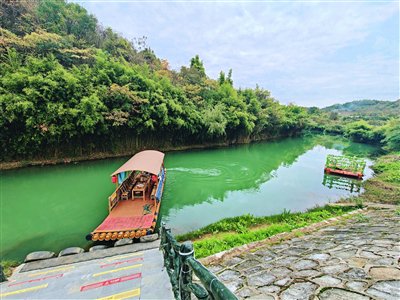
Core Insights - The article highlights the recognition of Chetian Village in Guizhou Province as a Class A rural tourism village, emphasizing its unique natural scenery, rich historical culture, and thriving rural tourism industry [1] Group 1: Tourism Development - Chetian Village, located in the easternmost part of Gui'an New District, has a history of approximately 200 years and features unique landscapes formed by the convergence of Chetian River, Lengfan River, and Sancha River [1] - The village has shifted from relying on natural resources to developing tourism projects such as boat rides, bamboo rafting, and outdoor camping, enhancing the collective economy [1] Group 2: Ecological and Cultural Initiatives - Chetian Village implements the concept of "lucid waters and lush mountains are invaluable assets" by conducting ecological governance of rivers and lakes, improving sewage collection, and establishing waste classification systems [2] - The village has introduced mechanisms like "civilization points supermarket" and "environmental hygiene red and black list" to encourage community participation in environmental maintenance [2] Group 3: Innovative Projects - In 2024, Chetian Village partnered with Guizhou Benniu Geng Tourism Development Co., Ltd. to create the "Wenxian Valley" project, which integrates natural landscapes with Xianxia culture, targeting family micro-vacations and leisure [2] - The village is fostering an open entrepreneurial ecosystem to attract young talents and professional teams, supporting initiatives like coffee cultivation and developing water-based tourism products [2]
封开杏花镇 “杏花客厅 + 云顶咖啡”今日启幕 新业态解锁文化体验 “新玩法”
Nan Fang Nong Cun Bao· 2025-12-29 13:32
Core Viewpoint - The opening of "Xinghua Living Room + Yunding Coffee" marks a significant milestone in the development of Xinghua Town, integrating culture, tourism, and agriculture to enhance rural revitalization and create new business models [2][14]. Group 1: New Business Model - "Xinghua Living Room" is not a traditional exhibition hall but a multifunctional space that combines the culture of Xinghua Chicken, intangible cultural heritage, live e-commerce, educational programs, and light food offerings [6][12]. - The "Yunding Coffee" allows visitors to enjoy local-flavored coffee while overlooking the beautiful rural landscape, promoting a new experience of rural revitalization that is "visitable, learnable, and enjoyable" [8][11]. Group 2: Development Strategy - The town has been implementing the "Hundred Million Thousand Project" with a focus on high-quality development, integrating "culture + tourism + agriculture" as a pathway for growth [11][14]. - The opening of the new space is a crucial step in restructuring rural spaces, upgrading business formats, and improving service quality, indicating progress in the "Hundred Million Thousand Project" and the deepening of agricultural, cultural, and tourism integration [13][14]. Group 3: Community Engagement - "Xinghua Living Room" will regularly host agricultural training, cultural salons, and intangible heritage workshops, serving as a comprehensive platform to connect urban and rural areas, empower the countryside, and serve the community [15][16]. - The initiative aims to enhance infrastructure, improve living conditions, and optimize the business environment, striving to create a model of a livable, workable, and tourable rural area in Lingnan [17][21].
