
粮食种植

Search documents
(乡村行·看振兴)山西上党:抢收晾晒双管齐下 守护秋粮丰收屏障
Zhong Guo Xin Wen Wang· 2025-10-16 10:42
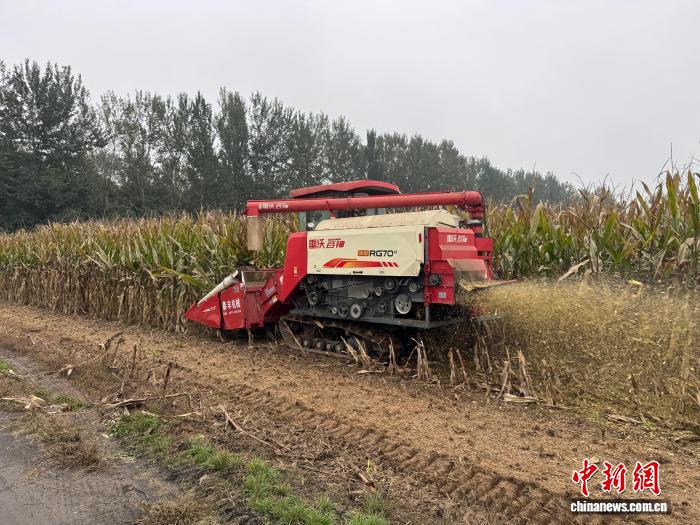
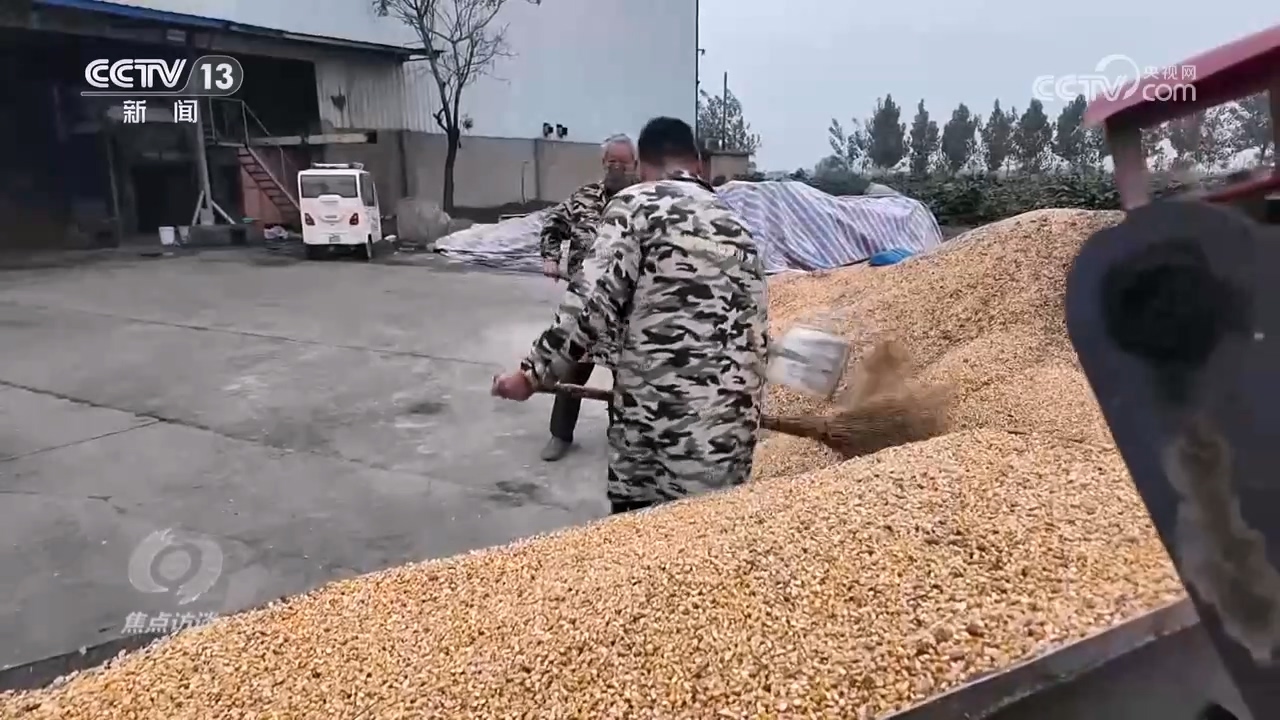
(乡村行·看振兴)山西上党:抢收晾晒双管齐下 守护秋粮丰收屏障 中新网长治10月16日电 (李庭耀 白雪峰)10月以来,山西省长治市上党区的持续降水给秋粮收获带来挑 战,当地围绕"抢"与"晾",一方面抢时间、抢进度,与阴雨天气赛跑;另一方面抓晾晒、抓仓储,保障 秋粮颗粒归仓、安全入囤。 山西省长治市上党区的持续降水给秋粮收获带来挑战,当地围绕"抢"与"晾",保障秋粮颗粒归仓、安全 入囤。 白学峰 摄 上党区6个粮食烘干中心全部满负荷运转,开通"烘干绿色通道"。 白雪峰 摄 同时,上党区6个粮食烘干中心全部满负荷运转,开通"烘干绿色通道",为全区农户提供优先烘干服 务,解决湿粮晾晒难题。 与此同时,上党区以"政府主导、部门协同、农户主体"联动机制,由该区农业农村局成立5个技术指导 组,24小时驻村蹲点,提供"面对面、手把手"的技术服务;各乡镇组建"农机调度专班"和"抢收志愿服 务队",实时对接机械需求与作业地块;农机合作社、种植大户发挥示范带动作用,共享机械、人力、 烘干等资源,守护秋粮丰收屏障。(完) 来源:中国新闻网 编辑:王永乐 广告等商务合作,请点击这里 本文为转载内容,授权事宜请联系原著作权人 上党区 ...

【百姓身边的“十四五”】人均粮食占有量1000斤,变化从田间到舌尖
Zhong Guo Jing Ji Wang· 2025-10-16 09:52
Core Points - Since the "14th Five-Year Plan," China's grain production has reached new heights, establishing a diversified food supply system that ensures not only sufficient food but also improved nutrition and health for residents [2][4] - The annual grain production is stable at over 1.3 trillion jin (approximately 650 million tons), with a target to reach 1.4 trillion jin by 2024 [4][6] - Per capita grain availability exceeds the internationally recognized safety line of 400 kilograms, reaching 500 kilograms [6] Group 1 - The self-sufficiency rate for soybeans has increased by 4 percentage points, while the self-sufficiency rate for edible vegetable oil has risen by nearly 5 percentage points [6] - Total production of meat, eggs, and milk is projected to reach 175 million tons by 2024, an 18.8% increase from 2020 [6] - Per capita annual consumption of meat is 72 kilograms, which is above the world average, with egg consumption at 25 kilograms and milk consumption at 40.5 kilograms, an increase of 2.3 kilograms since 2020 [7] Group 2 - The total production of aquatic products, including fish, shrimp, and crabs, is expected to reach 73.58 million tons by 2024, a 12.3% increase from 2020 [7] - During the "14th Five-Year Plan" period, the annual production of facility vegetables has exceeded 200 million tons, achieving year-round balanced supply [7] - The quality safety monitoring pass rate for agricultural products has remained stable at over 97.5% [7][9] Group 3 - New and revised standards for pesticide residue limits have increased by nearly 40% compared to the end of the "13th Five-Year Plan," with a total of 3,782 items [9] - High-toxicity pesticides have been eliminated from field agricultural production, enhancing safety measures [9] - A comprehensive regulatory system has been established, including a certification system for agricultural products, ensuring traceability and accountability [9]

新华鲜报丨守护好“食”光!世界粮食日话“饭碗”
Xin Hua Wang· 2025-10-16 07:59
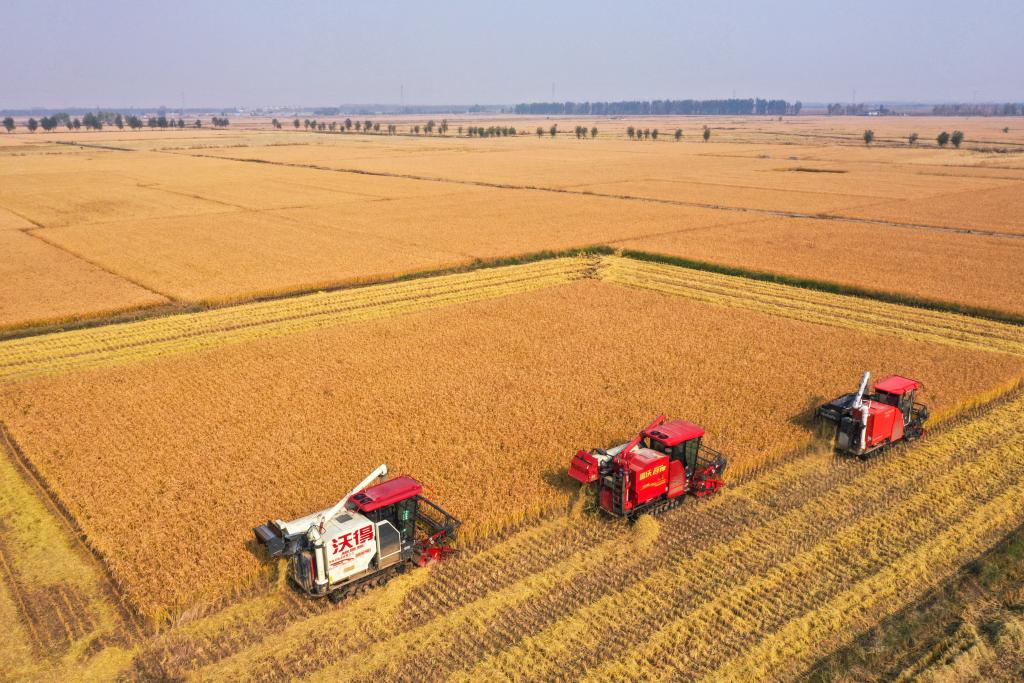
新华社北京10月16日电 题:守护好"食"光!世界粮食日话"饭碗" 新华社记者古一平、胡了然 手中有粮,心中不慌! 10月16日,我们迎来第45个世界粮食日。今年的主题是"手拉手共倡多样美食,聚合力同创美好未来"。 14亿多人要吃饭,是我国最大的国情。习近平总书记始终牵挂着粮食安全这件"头等大事",强调"要把保障国家粮食安全摆在突出位置"。 农业农村部最新农情调度显示,全国秋粮收获过六成。 目前我国人均粮食占有量达到500公斤,高于国际公认的人均400公斤粮食安全线,做到了谷物基本自给、口粮绝对安全。端牢饭碗,中国底 气十足。 辛勤耕耘、保证粮食产量;节粮减损、深耕"无形粮田"。生产、储备、加工、消费……保障国家粮食安全的努力,贯穿粮食流通全链条。 坚定不移保丰收—— 我国粮食产量连续多年保持在1.3万亿斤以上,去年更是首次迈上1.4万亿斤新台阶。但多年丰收并不代表可以懈怠松劲儿,自然灾害等不利影 响还在威胁着粮食生产。 2025年10月14日,在吉林省公主岭市,吉林省米兜种植农民专业合作社进行机械化收割水稻作业展示(无人机照片)。新华 社记者 张楠 摄 近期黄淮地区特别是河南、山东等地出现连阴雨天气,一些地 ...
新华社权威快报丨我国秋粮收获已过六成
Xin Hua Wang· 2025-10-16 02:35
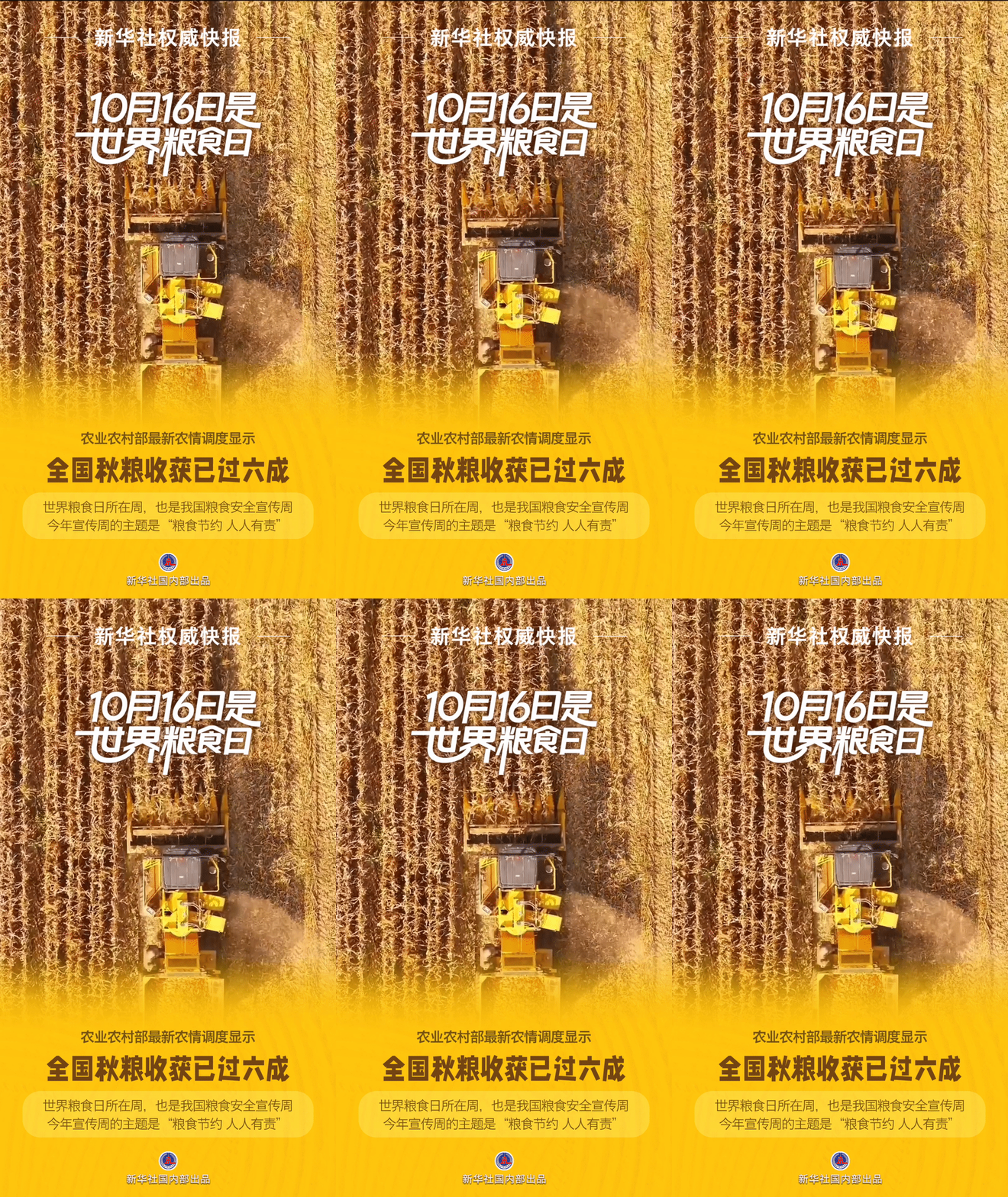
Core Points - The theme for this year's food security awareness week in China is "Food Conservation is Everyone's Responsibility" [2] - The latest agricultural report indicates that over 60% of the autumn grain harvest has been completed nationwide [2] - Specific crop harvest progress includes nearly 70% for medium rice, 55% for corn, and nearly 80% for soybeans [2] - Since the 14th Five-Year Plan, China has implemented a national food security strategy, focusing on enhancing food storage and technology [2] - The per capita grain availability in China has reached 500 kilograms, exceeding the internationally recognized safety line of 400 kilograms [2] - China has achieved basic self-sufficiency in grains and absolute safety in staple food supplies [2]
连阴雨里保“三秋”
He Nan Ri Bao· 2025-10-15 23:47
Core Insights - The persistent rainfall in Henan province has significantly impacted the autumn harvest, with average precipitation reaching 349.6 mm since September 1, which is 2.6 times higher than the historical average for the same period, marking the highest level since 1961 [2][3][4] - The province has mobilized resources to support the harvest, including preparing 200,000 harvesting machines and deploying 7,980 tracked corn harvesters to address the challenges posed by wet soil conditions [1][7][8] - The ongoing rainfall has delayed the wheat sowing schedule by approximately 10 to 15 days, creating a tight timeline for farmers to manage both the harvest and the subsequent planting [11][12][13] Harvest and Machinery - A total of 20,000 harvesting machines have been prepared, including 83,000 corn harvesters and 100,000 peanut harvesters, alongside the establishment of 742 emergency service teams [1][7] - The province has recognized 832 regional agricultural service centers to facilitate emergency harvesting operations [1] - The introduction of tracked harvesters has become crucial due to the wet conditions, with 7,980 units deployed to enhance harvesting efficiency [7][8] Drying and Storage - The prolonged rainy weather has increased the moisture content of harvested corn to 30-40%, raising concerns about spoilage [9] - The province has 5,262 drying machines available, and efforts are being made to ensure that farmers can access these resources effectively [1][9] - A comprehensive survey of drying equipment locations has been conducted to assist farmers in finding nearby facilities [9] Impact on Wheat Sowing - The continuous rainfall has created challenges for timely wheat sowing, with delays expected to push planting back by 10-15 days [11][12] - Despite the difficulties, the excess moisture may benefit soil conditions for wheat growth in the long term [12][13] - Farmers are advised to adopt careful management practices to ensure successful late sowing, including selecting appropriate seed varieties and adjusting planting techniques [13][14] Long-term Agricultural Strategies - The situation highlights the need for infrastructure upgrades to better adapt to frequent rainfall, including improved drainage systems and efficient agricultural machinery [15][16] - There is a call for enhanced data integration across agricultural sectors to improve decision-making and operational efficiency [16] - Investment in drought-resistant crop varieties and proactive funding strategies are essential to mitigate future risks associated with extreme weather patterns [16][17]

全省多地进入秋收时间,积极应对阴雨天气抢收抢烘,确保颗粒归仓
Xin Hua Ri Bao· 2025-10-15 23:30
"今年全镇种植水稻9.4万亩,已进入大面积秋收时期,现已收获12%。"竹镇镇组织委员王添介绍, 镇级层面进行抢收提醒、安全巡查、技术指导,同时提前布局秋种事宜。近期雨季明显影响全镇水稻收 割进度,同时对下阶段油菜种植产生较大影响。当前竹镇镇正时刻关注天气,督促农业生产主体找准时 机抢收,对接好烘干企业随时做好准备。 10月14日,溧阳市南渡镇庆丰村的高标准示范田内,多台收割机隆隆作响,秋粮正式开镰。溧阳市 岁丰农业科技有限公司总经理王林松说,预计亩产将稳定在700公斤以上。随着近日江阴市雪峰农业专 业合作社50亩水稻开镰,江阴的水稻收获季拉开帷幕,预计大面积收割将在10月底至11月初陆续展开。 据全省农情调度,截至10月14日,全省秋粮收获1010.9万亩、进度约23%,与上年同期进度基本相 当。其中,水稻收获进度6%,玉米收获进度77%,大豆收获进度约65%。 近日,江苏秋粮陆续进入成熟收获期。放眼全省,大地机械轰鸣,秋收陆续启动。与此同时,连日 阴雨对农机下田、秋粮收储均产生一定影响。多地以强化农机调度、烘干服务、技术指导等措施推动抢 收抢烘,确保秋粮丰收到手。 10月15日,位于南京市六合区竹镇镇的立友 ...
端牢中国饭碗 共护大国粮仓——写在第45个世界粮食日到来之际
Xin Hua She· 2025-10-15 14:56
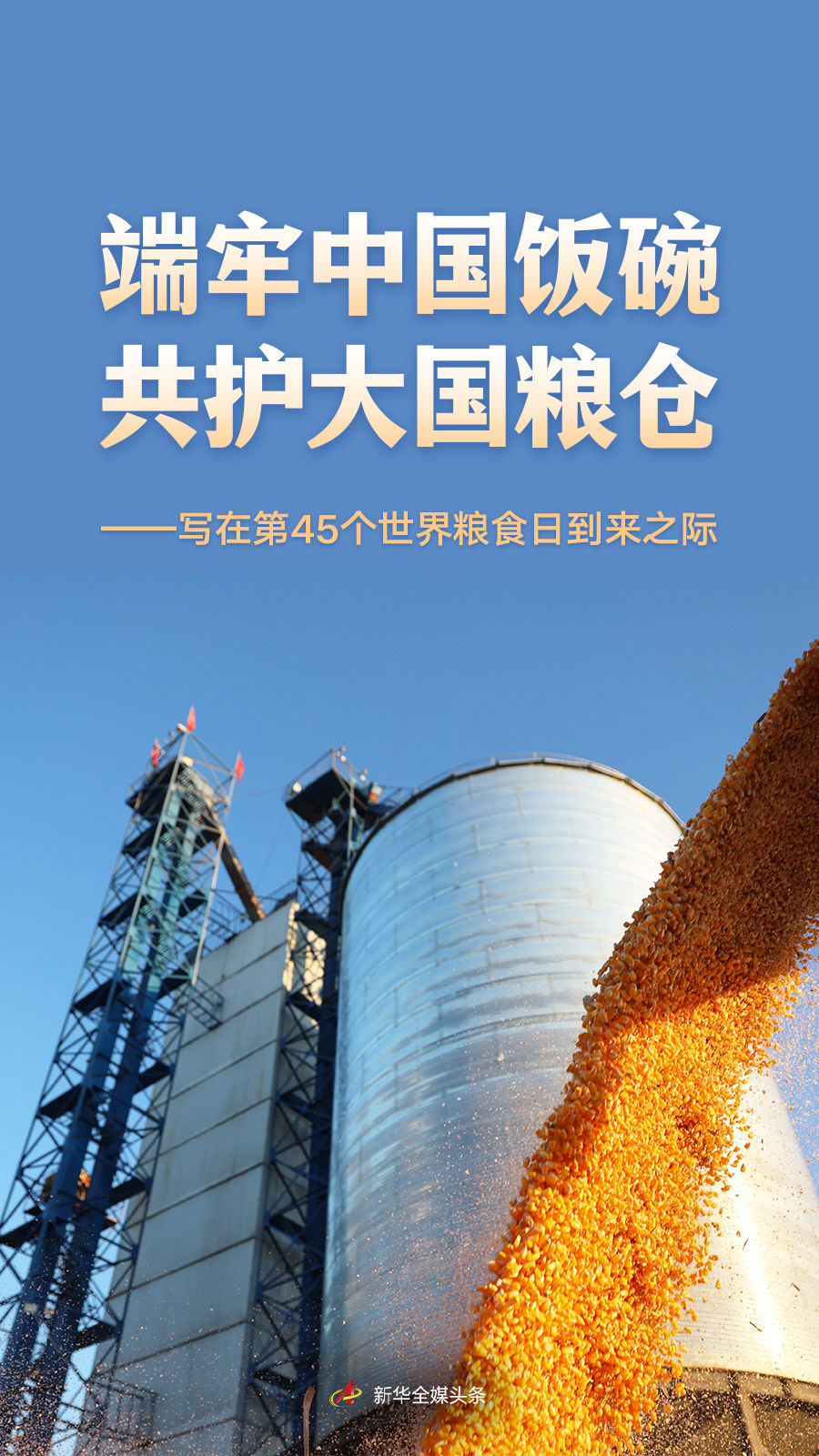
Core Points - The 45th World Food Day emphasizes the importance of global food security amid complex international challenges, with China committing to safeguarding its food security as a national priority [2][21] - The theme for this year's World Food Day is "Hand in Hand Advocating for Diverse Foods, Uniting Forces to Create a Better Future," reflecting a collective effort to address the global food crisis [2] Group 1: Food Security Initiatives - China has implemented a national food security strategy, focusing on a comprehensive approach to protect its food supply chain [2][11] - The government has allocated 484 million yuan for agricultural disaster relief to support farmers affected by adverse weather conditions [7][25] - The establishment of service centers, such as the one in Dezhou, Shandong, provides essential services like grain drying and purchasing, enhancing local farmers' efficiency [4][6] Group 2: Agricultural Production and Technology - The current autumn harvest is crucial for achieving annual grain production targets, with favorable conditions reported for this year's crops [6][11] - Technological advancements in agriculture, such as the use of AI and IoT, are being integrated into grain production and storage processes, improving efficiency and reducing losses [15][20] - The mechanization rate in agriculture has surpassed 75%, with over 200 million agricultural machines in operation, significantly enhancing productivity [17][20] Group 3: Food Waste Reduction Efforts - The government has launched initiatives to reduce food waste across the entire supply chain, including the implementation of standards for grain processing and transportation [23][25] - The food processing loss rate has been reduced to 0.8%, demonstrating effective measures taken to minimize waste [25] - Public awareness campaigns, such as the "Clean Plate Campaign," are promoting food conservation practices among consumers, leading to a cultural shift towards reducing waste in dining [26][28]
焦点访谈|秋粮抢收抢烘 这场“保卫战”如何打好?
Yang Shi Wang· 2025-10-15 13:31
Core Insights - The autumn harvest is crucial for food security, accounting for approximately 75% of the annual grain production, with various regions facing challenges due to adverse weather conditions [1] - Efforts are being made across provinces to coordinate resources and ensure efficient grain drying and harvesting processes amid continuous rainfall [26][28] Group 1: Regional Harvest Progress - The autumn harvest is over halfway complete, with positive reports from Northeast, Northwest, and Southwest regions, while the Huanghuai area, particularly Henan, Shandong, and Anhui, is experiencing significant delays due to persistent rain [1] - As of now, over 80% of autumn grain crops have been harvested in Henan, nearly 70% in Anhui, and over 60% in Shandong [26][28] Group 2: Grain Drying and Coordination Efforts - In Anhui, local agricultural service centers are actively coordinating the use of drying machines to manage the high demand for grain drying, with over 1 million pounds of corn and rice awaiting processing [3][5] - Local governments are facilitating communication between farmers and drying facilities to ensure fair pricing and access to necessary equipment [11][13] Group 3: Government Support and Policies - The government is implementing policies to support farmers, including subsidies for drying services and establishing minimum purchase prices for wet grain to mitigate losses [13][15] - In response to the challenges posed by the weather, local authorities are mobilizing resources and forming support teams to assist vulnerable farmers in the harvesting process [15][19] Group 4: Agricultural Innovation and Research - Agricultural experts are focusing on breeding high-yield, disease-resistant corn varieties to withstand adverse weather conditions, with the "Ludan 510" variety showing promise in recent trials [21][24] - The emphasis on resilient crop varieties is part of a broader strategy to ensure stable production in the face of increasingly unpredictable weather patterns [22][24]
中国碗里装满中国粮!江苏贡献“科技强粮”力
Yang Zi Wan Bao Wang· 2025-10-15 13:22
2025年10月16日是第45个世界粮食日。粮食是人类赖以生存和发展的物质基础。"十四五"期间,我国粮 食年产量稳定在1.3万亿斤以上,2024年首次迈上1.4万亿斤新台阶。目前,我国人均粮食占有量达到500 公斤,中国人的饭碗端得更牢。作为粮食主产区的江苏,以科技创新为驱动,在产能、仓储、产业价值 等领域实现突破,成为地方粮食安全保障的典范。 再创历史新高 2024年全国粮食亩产达394.7公斤/亩 单产提升对粮食增产的贡献占比超过80% 粮食生产从"靠面积" 向"靠科技"转型成效显著 江苏"科技强粮" 多项指标居全国前列 作为东部粮食主产区,江苏以仅占全国 3.2%的耕地,贡献了 5.5% 的粮食产量。 2024 年 江苏粮食总产 突破762亿斤 连续11年 2024年我国粮食产量14130亿斤 比上年增加222亿斤 连续10年稳定在 1.3万亿斤以上 首次迈上1.4万亿斤新台阶 我国人均粮食占有量达到500公斤 高于国际公认的400公斤粮食安全线 做到了 谷物基本自给、口粮绝对安全 播种面积 连续5年增长 2024年全国粮食播种面积 达17.90亿亩 31个省(区、市) 中有26个实现增产 成立江苏粮食 ...

“十四五”以来广东民生发展主要情况出炉 去年广东城镇居民人均可支配收入超6万元
Guang Zhou Ri Bao· 2025-10-15 08:01
Core Insights - The report highlights significant growth in disposable income and consumption expenditure for residents in Guangdong, indicating a positive trend in economic development and living standards [1][2][3] Income and Consumption - In 2024, the per capita disposable income for all residents in Guangdong is projected to exceed 50,000 yuan, with an annual growth rate of 5.8% [1] - Urban residents' per capita disposable income is expected to reach 61,629 yuan, growing at 5.2% annually, while rural residents' income is anticipated to be 26,729 yuan, with a higher growth rate of 7.3% [2] - The per capita living consumption expenditure for all residents is forecasted to be 35,818 yuan, with an annual increase of 5.9% [2] - Urban residents' consumption expenditure is projected at 41,055 yuan, growing at 5.2%, while rural residents' expenditure is expected to be 23,057 yuan, with a growth rate of 7.7% [2] - The income disparity between urban and rural residents has decreased, with the ratio of per capita disposable income dropping from 2.49 in 2020 to 2.31 in 2024 [2] Employment and Agricultural Production - The employment situation remains stable, with over 1.3 million new urban jobs created annually since the start of the 14th Five-Year Plan, and over 1.43 million expected in 2024 [3] - The urban unemployment rate is consistently maintained below 5.5%, which is lower than the national average [3] - Agricultural production has seen increases in sown area, yield, and total output, with grain sown area reaching 33.55 million acres, a 1.5% increase from 2020 [3] - The total grain output is projected at 13.134 million tons, reflecting a 3.6% increase from 2020 [3] - Key crops such as rice, sweet potatoes, and corn have shown significant production growth, with rice output at 11.236 million tons, a 2.2% increase from 2020 [3]