
会员店

Search documents
山姆的信任危机,不在于选品
创业邦· 2025-07-31 10:42
Core Viewpoint - Sam's Club is currently facing a public relations crisis due to discrepancies between product adjustments and consumer expectations, leading to dissatisfaction among its members [4][6]. Group 1: Product Strategy and Consumer Response - Sam's Club has introduced traditional domestic brands like Holley and Wei Long, which some consumers feel lack differentiation and harm its middle-class positioning [5]. - The removal of high-repurchase products, such as low-sugar egg yolk pastries and mango sago, has also sparked significant consumer discontent [5]. - As of now, eight Sam's stores in China have annual sales exceeding $500 million (approximately 3.67 billion RMB), with an overall sales target of over 100 billion RMB for 2024 [5]. Group 2: Membership Growth and Communication - Sam's Club has accelerated its store expansion, planning to open 6-7 new stores annually in 2024 and 8-10 stores annually by 2025 [5]. - Membership numbers have surged from nearly 2 million in 2019 to around 8.6 million by the end of 2024, with projections to exceed 9 million by mid-2025 [5]. - The core issue of the current crisis lies in Sam's Club's failure to effectively communicate product removals and new introductions to its growing member base [6][7]. Group 3: Consumer Education and Brand Perception - There is a need for Sam's Club to educate consumers about its product offerings and the rationale behind product changes, especially for new members who may not fully understand the brand's positioning [10][12]. - The perception of domestic products as inferior persists, necessitating ongoing consumer education to shift these views and highlight the quality of local goods [12][13]. - Effective communication strategies, such as those employed by Trader Joe's, could enhance consumer understanding and acceptance of new products [14][19]. Group 4: Importance of Communication - Trust is fundamental to the membership model, and Sam's Club must improve its communication to maintain this trust, especially regarding product changes [7][19]. - The company has historically been silent in the face of competitive marketing strategies, which may need to change following this incident to better engage with consumers [19].



山姆的信任危机,不在于选品
3 6 Ke· 2025-07-30 03:55
Core Viewpoint - Sam's Club is facing a public relations crisis due to a mismatch between product adjustments and consumer expectations, highlighting the importance of communication with its expanding member base [2][4]. Group 1: Current Situation - Sam's Club has recently been criticized on social media for introducing traditional domestic brands while removing high-repurchase products, leading to dissatisfaction among consumers [2][3]. - The company has experienced significant growth in China, with eight stores achieving annual sales exceeding $500 million and plans to surpass $100 billion in overall sales by 2024 [3]. - Membership numbers have surged from approximately 2 million in 2019 to an expected 9 million by mid-2025, indicating a rapid expansion of its consumer base [3]. Group 2: Consumer Communication - Trust is essential for the membership model, and Sam's Club has failed to adequately inform members about product removals and new offerings, which has contributed to the current crisis [5][6]. - There is a need for Sam's Club to educate consumers about its product offerings, emphasizing that it is not solely about imported goods but about quality products [7][9]. Group 3: Product Strategy - The removal of popular products, such as the low-sugar egg yolk pastry, has led to consumer disappointment, especially when these items were previously marketed as best-sellers [14][16]. - Sam's Club's strict product removal standards focus on maintaining a unique value proposition for members, but this can lead to consumer frustration if not communicated effectively [16]. Group 4: Recommendations - The company should adopt better communication strategies, similar to those used by Trader Joe's, which includes detailed product introductions and consumer engagement through various channels [10][11]. - Providing reasons for product removals and ensuring transparency in product changes can help rebuild trust and manage consumer expectations [12][16].
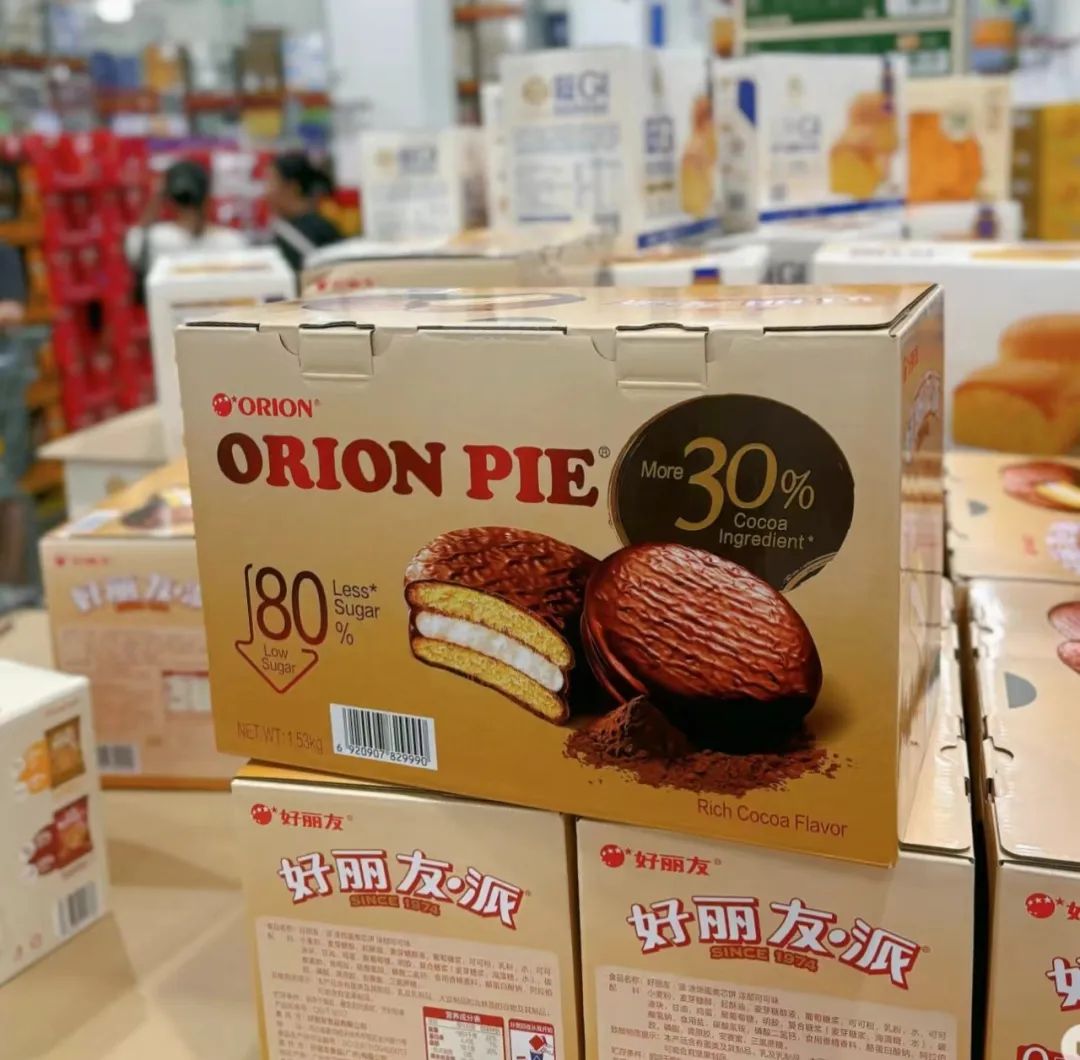
山姆员工表示好丽友、卫龙等大众化商品皆已下架
第一财经· 2025-07-22 12:38
Core Viewpoint - The article discusses the recent controversy surrounding Sam's Club due to the removal of certain popular mass-market products, which has led to customer dissatisfaction. The core issue revolves around the need for unique and high-value products in membership stores to justify membership fees [1][3]. Group 1: Membership Store Dynamics - Membership stores like Sam's Club have gained popularity as consumers seek unique and high-value products, especially after years of homogenized offerings from standard supermarkets and hypermarkets [3]. - Historically, membership stores were not mainstream in China due to low acceptance of paid membership systems, but they have now become favored by consumers due to their distinctive product offerings [3][4]. - Sam's Club previously had around 70% of its products as differentiated non-local items, which attracted many consumers [3]. Group 2: Supply Chain and Competition - Sam's Club and Costco possess strong supply chain capabilities, allowing them to manage a limited SKU count of around 4,000, which is one-third of that of hypermarkets, leading to higher sales efficiency [4]. - The rise in popularity of membership stores has attracted numerous competitors, intensifying the competition for supply chain resources and product differentiation [4][5]. - Many new entrants in the membership store market tend to replicate successful products from established players like Sam's Club and Costco, which dilutes the uniqueness of Sam's offerings [4][5]. Group 3: Product Strategy and Market Adaptation - The removal of mass-market products from Sam's Club is not expected to significantly impact the business, as the overall SKU count remains high and product adjustments are a common practice [6][7]. - The real challenge for membership stores lies in maintaining product differentiation and competing with online retailers for customer attention [7]. - To address these challenges, membership stores need to accelerate the iteration of unique products and enhance their online presence to capture more customers [7].
下架风波背后,“山姆们”的供应链升级大战|乐言商业
Di Yi Cai Jing· 2025-07-22 10:19
Core Insights - The article discusses the challenges faced by Sam's Club in maintaining its unique product offerings amidst increasing competition in the membership store sector [1][3][6] - It highlights the need for Sam's Club to enhance its supply chain capabilities and product differentiation to attract and retain customers [4][6][7] Group 1: Product Differentiation - Sam's Club has faced backlash for offering mainstream products that can be found in regular supermarkets, leading to customer dissatisfaction and product removals [1][3] - Historically, about 70% of Sam's Club's products were differentiated, appealing to consumers seeking unique and high-value items [3][4] - The increasing competition from other retailers has led to a dilution of product uniqueness, as many competitors replicate successful items from Sam's Club [6][7] Group 2: Supply Chain and Operational Efficiency - Membership stores like Sam's Club and Costco benefit from a streamlined SKU count, maintaining around 4,000 SKUs, which allows for better management and higher sales efficiency compared to traditional supermarkets [4] - The ability to innovate and source unique products is critical for membership stores, as those with weaker supply chains struggle to compete effectively [3][4] Group 3: Market Dynamics and Competition - The rise of membership stores has been fueled by consumer demand for unique and cost-effective products, especially as traditional supermarkets and e-commerce platforms have become more homogenized [3][6] - The competitive landscape has intensified, with various brands entering the membership store space, leading to a battle for supply chain dominance [6][7] - Sam's Club must adapt to these market changes by accelerating product iteration and enhancing online sales capabilities to capture a broader customer base [7]
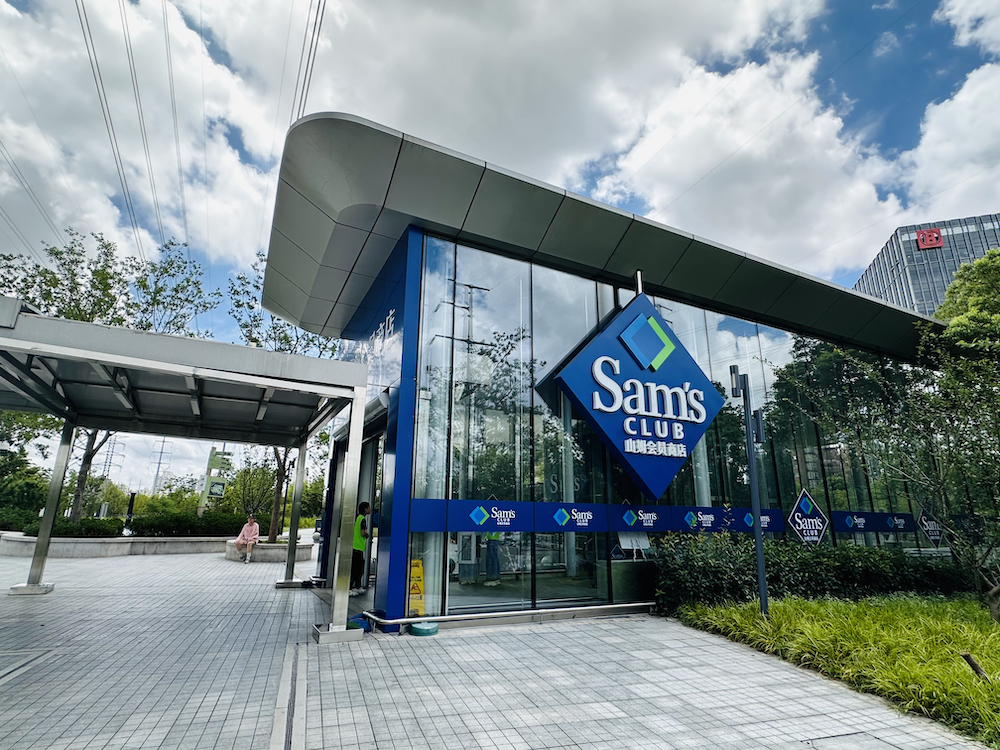
盒马又关2家会员店!中国零售为何玩不转会员店模式?
Sou Hu Cai Jing· 2025-06-08 02:53
Core Insights - The decline of Hema X membership stores reflects broader challenges in the Chinese membership store industry, highlighting strategic missteps and operational inefficiencies [2][3][11] - Hema's overall business is thriving, with plans to open 100 new Hema Fresh stores in the upcoming fiscal year, contrasting sharply with the struggles of its membership store segment [3][10] - The membership store model requires a long-term commitment and a strong supply chain, which Hema has failed to establish effectively [14][15] Group 1: Membership Store Performance - Hema X membership stores have seen a rapid decline, with closures of multiple locations in a short period, indicating a failure to attract sufficient customer traffic [2][3] - Consumer dissatisfaction has grown due to perceived diminishing value of membership benefits, with over 60% of members feeling that their rights do not match the annual fee [4][5] - The membership store's operational model has been criticized for its lack of unique offerings compared to Hema Fresh, leading to confusion among consumers [6][8] Group 2: Competitive Landscape - Hema X membership stores face intense competition from established players like Sam's Club, which has a robust supply chain and a successful business model in China [10][11] - Sam's Club has achieved significant sales growth and high renewal rates, leveraging its extensive data and customer insights to enhance service offerings [10][11] - The competitive advantage of Sam's Club stems from its long-term investment in the Chinese market, contrasting with Hema's short-term focus [10][13] Group 3: Strategic Misalignment - Hema's management has exhibited inconsistent strategies regarding the membership store, oscillating between expansion and contraction, which reflects a lack of clear direction [6][7] - The company's attempt to replicate the rapid delivery model of Hema Fresh in the membership store context has proven ineffective, as the two business models have fundamentally different operational needs [13][14] - Hema's failure to cultivate a unique identity for its membership stores has resulted in a lack of differentiation in a crowded market [6][9] Group 4: Industry Challenges - The membership store model in China is facing collective challenges, with both foreign and domestic players struggling to adapt to local consumer preferences [11][12] - The rise of discount retail formats has further complicated the landscape for membership stores, as consumers gravitate towards lower-priced options [12] - The overall market for membership stores in China remains underdeveloped, with varying levels of consumer acceptance and understanding of the model [12][11]
解码会员店,拉开高效零售序幕
科尔尼管理咨询· 2025-04-02 09:57
作者: 贺晓青,科尔尼全球合伙人,大中华区总裁 王娅欣,科尔尼董事 李古岳,科尔尼项目经理 全文首发于《中欧商业评论》 2025 年 4 月 2 日 本文是 " 科尔尼深度 ——2024 中国消费市场大洗牌:五大趋势洞察新拐点 " 系列文章的渠道话题延伸。 如果说以卖场为代表的现代渠道是中国零售渠道变革的第一波浪潮,百花齐放的线上化是第二波浪潮,那 么在线上获客成本上升的当下,我们看到了 第三波渠道变革的趋势。无论是电商还是线下渠道,新零售业 态的发展都吸引了市场的目光。 值得注意的是,线下实体渠道虽然在过去被电商遮掩了光芒,但是随着会员店、折扣店等新兴渠道的兴 起, 线下渠道这个最贴近消费者、最具温度的渠道正在重新回到市场的聚光灯下 —— 未来或成为渠道组合 中的独特机会点。 前言 随着中国宏观经济环境变化,消费者心态也在悄然变化,由从前的" 任性消费 "向" 理性消费 "回归。 消费者并非"断舍离"式的节衣缩食,而是不再被漫天的营销噱头和品牌溢价所裹挟。 反观供应端,零售业在经历过疫情前围绕"场"和"货"的迭代与试错后,围绕" 人 "的消费趋势也在变化 ——即重构"货场"价值链,以更有的放矢地搭配满足消费 ...
