
再生医学

Search documents
近亿元人民币,中博聚力再次领投恩泽康泰B轮融资,外泌体赛道再升温 | 融资首发
Tai Mei Ti A P P· 2025-11-06 10:37
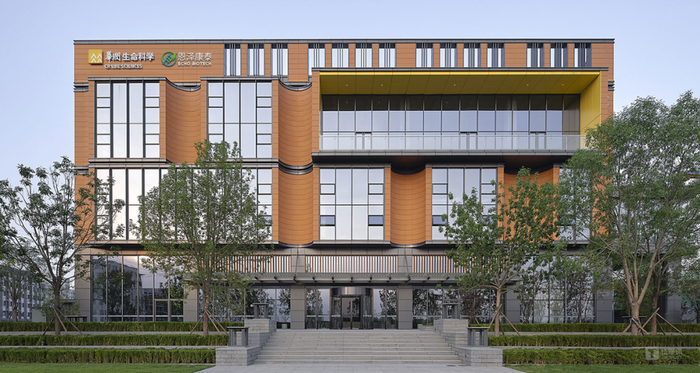
Core Insights - Enze Kangtai is a leading company in the exosome field, recognized as a national-level "specialized and innovative" small giant in China, with a strong competitive advantage in various business scenarios [1][2] - The company has established a comprehensive professional team focused on exosome research, industrial transformation, and application promotion, with significant collaborations and a healthy financial outlook [2][16] - The exosome market is rapidly growing, particularly in regenerative medicine, with significant advantages over other technologies, driving its commercialization and industrialization [9][14] Company Overview - Founded by Kong Guanyi in 2017, Enze Kangtai has developed a robust foundation in exosome research, with over 3,000 square meters of GMP laboratories and more than 500 key partnerships [1][2] - The company has achieved significant milestones, including the establishment of the first postdoctoral research station and the first expert consensus in the exosome field [2][11] - Enze Kangtai's cash flow is expected to turn positive in the second half of 2024, with a projected break-even by 2025 [2] Exosome Technology and Applications - Exosomes are nano-sized vesicles that facilitate intercellular communication, containing bioactive molecules such as proteins and nucleic acids, making them crucial for targeted drug delivery and disease treatment [4][5][7] - The global exosome market is projected to exceed $10 billion by 2030, with a compound annual growth rate (CAGR) of approximately 32.7% over the next five years [9][14] - Enze Kangtai has developed three major platforms for exosome research and application, focusing on multi-omics analysis, engineering, and large-scale production [11][12] Business Segments - Enze Kangtai operates three main business segments: exosome services, exosome raw materials, and exosome therapies [14] - The exosome service segment is the foundation of the business, providing analysis services and tools for research and early drug development [14] - The exosome raw material segment is expected to grow rapidly, as Enze Kangtai is the first company in China to offer GMP-grade exosome raw materials [14] - The exosome therapy segment is in its early stages but is anticipated to have significant potential in regenerative medicine over the next 3-5 years [14] Market Trends and Future Outlook - The Asia-Pacific regenerative medicine market is expected to grow at a CAGR of 47.2% from 2023 to 2027, surpassing Europe to become the second-largest market globally [9] - Enze Kangtai is well-positioned to capitalize on the regulatory framework for exosome products, which will align them with innovative drug standards by June 2025 [9][16] - The company is supported by strategic investments from Zhongbo Juliy, which aims to enhance its business model and governance while fostering collaboration in the exosome industry [16]

人肾类器官首次与猪肾实现功能整合
Ke Ji Ri Bao· 2025-11-03 23:57
Core Insights - An international research team led by the Catalonia Institute of Bioengineering has successfully combined human kidney organoids with live pig kidneys in vitro and transplanted them back into pigs, marking a significant milestone in regenerative medicine and personalized healthcare [1][2] - The study results were published in the latest issue of Nature Biomedical Engineering, paving the way for clinical trials using human stem cell-derived kidney organoids for cell therapy [1] Group 1 - Kidney organoids are three-dimensional microstructures cultivated from human stem cells, measuring only a few micrometers, capable of replicating major kidney structures and some functions, primarily used for kidney development research and drug testing [1] - Pig kidneys, structurally and functionally similar to human kidneys, provide a realistic environment for preclinical transplantation research [1] Group 2 - The study demonstrated that 24 and 48 hours post-transplant, human kidney organoids successfully integrated into pig kidney tissue, maintained viability, and did not trigger significant immune responses [2] - The transplanted kidneys functioned normally without signs of damage or toxicity, and physiological parameters could be monitored in real-time to detect any damage or rejection [2] Group 3 - The research introduced a systematic method for rapidly generating thousands of human kidney organoids in a short time without complex components, utilizing micro-aggregation and genetic engineering techniques for high-precision and controlled production [2]
再生医学里程碑!上海九院李青峰/黄如林团队全球首次实现脂肪跨胚层再生,登上中国工程院院刊 Engineering
生物世界· 2025-10-26 08:00
Core Viewpoint - The article discusses a groundbreaking research study from Shanghai Jiao Tong University that introduces a new paradigm in regenerative medicine, allowing for direct differentiation of human adult adipose tissue into functional organoids without the need for complex cellular manipulation, thus overcoming significant clinical challenges in the field [3][4]. Group 1: Research Breakthroughs - The study presents a novel "tissue → new tissue" reprogramming paradigm that activates the endogenous differentiation potential of adult adipose tissue, enabling the generation of various functional organoids [4]. - Three major advantages of this research are highlighted: 1. Tissue-level reprogramming that preserves the ecological niche and homeostasis of multiple cell types within adipose tissue, avoiding genomic instability risks associated with cellular manipulation [7]. 2. The breakthrough of germ layer restrictions, successfully directing adipose tissue to differentiate into functional endodermal and ectodermal organoids [7]. 3. Clinical safety assurance through a process that avoids pluripotent states and cell passage, with long-term trials showing no tumorigenicity [7]. Group 2: Methodology and Findings - The research team developed an innovative technique that maintains the natural microenvironment of adipose tissue, leading to the formation of three-dimensional active microtissues with a high proportion of mesenchymal stem cells [8]. - The reaggregated microfat (RMF) particles demonstrated significant differentiation potential, successfully constructing functional human-derived bone marrow organoids that exhibited progressive ossification and superior hematopoietic support capabilities [9]. - The study also achieved the construction of pancreatic organoids with a notable percentage of functional β-like cells, significantly enhancing insulin secretion in response to glucose stimulation [10]. Group 3: Clinical Implications - The findings suggest that adipose tissue can serve as a "natural stem cell reservoir," providing a safe, economical, and scalable treatment strategy for conditions such as diabetes, blood disorders, and nerve injuries [13]. - The research team has initiated clinical translation studies for diabetes treatment, potentially leading to a new chapter in regenerative medicine where liposuction can be utilized for significant health benefits [13].

科学家用人类干细胞构建出“类血细胞”
Ke Ji Ri Bao· 2025-10-15 01:12
Core Insights - Researchers at Cambridge University have developed "blood-like cells" using human stem cells, which can simulate key stages of early human development, including the generation of blood stem cells [1][2] - The new human embryo-like model accurately replicates the initiation of the hematopoietic system in embryos, providing a powerful tool for drug screening, early blood and immune system development research, and modeling blood diseases [2][3] Group 1 - The three-dimensional structures created by human stem cells exhibit self-organization capabilities, forming the three primary germ layers (ectoderm, mesoderm, and endoderm) within two days of culture [1] - By day eight, beating heart cells were observed, which in real embryos develop into the heart, and by day thirteen, functional blood cells were confirmed with visible red blood spots [1][2] - The ability to produce human blood cells in the lab marks a significant step in regenerative medicine, allowing for the potential creation of genetically matched blood cells for patients, thus avoiding immune rejection [2] Group 2 - The model captures the "second wave" of hematopoiesis during human development, which includes the production of adaptive lymphocytes such as T cells, opening new avenues for studying blood development in both healthy and cancerous states [2] - This research adheres to international ethical standards and has received approval from ethics committees, ensuring compliance with regulatory frameworks [1] - The technology may eventually provide tailored blood cells or hematopoietic stem cells for patients with blood diseases like leukemia, potentially saving more lives [3]
上海,重磅发布!
证券时报· 2025-10-11 04:50
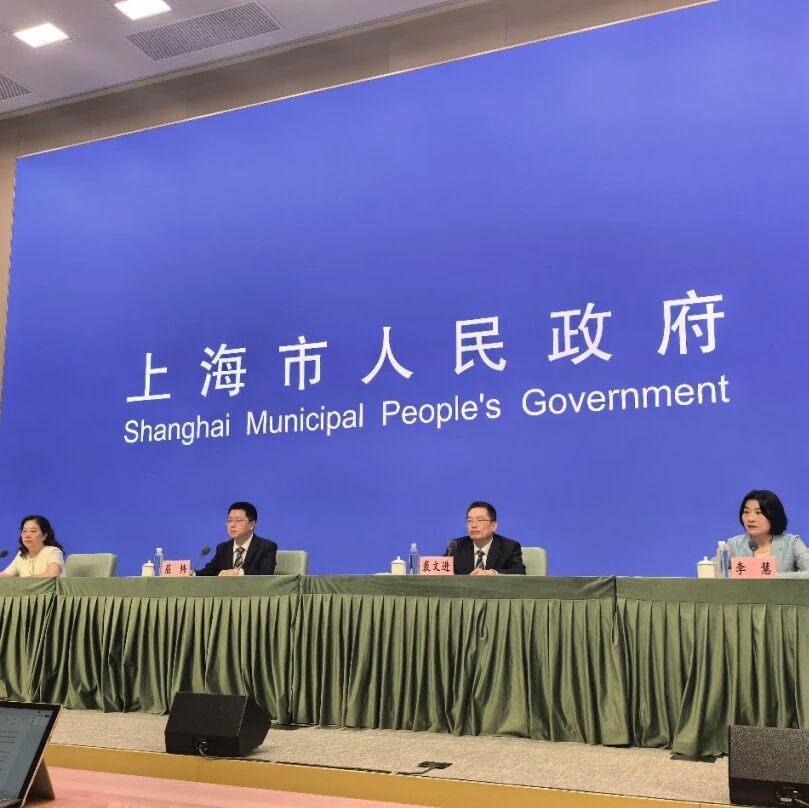
Core Viewpoint - Shanghai aims to accelerate the cultivation of future industries and breakthrough disruptive technologies by 2027, with a goal of establishing around 20 leading enterprises in future industry ecosystems by 2030 [1][3]. Summary by Relevant Sections Future Industry Development - Shanghai will focus on developing fields such as cell and gene therapy, brain-machine interfaces, biomanufacturing, and embodied intelligence, while also accelerating the cultivation of fourth-generation semiconductors, silicon photonics, 6G, and brain-like intelligence [3][7]. - The city plans to systematically layout and build future industry clusters, with a focus on six major directions: future manufacturing, future information, future materials, future energy, future space, and future health [7]. Measures and Support - The "Several Measures" document outlines 15 initiatives across six areas to enhance future industry cultivation, including financial support for innovative products and scene construction tasks, with funding up to 30% of contract amounts and a maximum of 2 million yuan [7][9]. - Shanghai has already launched several cultivation plans in areas like brain-machine interfaces and quantum computing, establishing high-quality incubators and a future industry fund with a total scale of approximately 15 billion yuan [9][14]. Investment and Financial Ecosystem - The future industry fund aims to create a multi-source investment system led by government funding, supported by enterprises and financial institutions, with a focus on early-stage quality projects and long-term value [14][15]. - As of October 10, 2023, the future industry fund has made investment decisions on 18 strategic sub-funds, with a proposed investment amount of 2.215 billion yuan, and has focused on nine key strategic projects with an investment of 399 million yuan [15]. Cluster Development - Shanghai is planning to create national-level future industry pilot zones and has initiated the construction of several future industry clusters in areas like Pudong and Minhang, with support of up to 2 million yuan for qualifying cluster construction entities [11][12]. - The brain-machine interface future industry cluster is being developed to become a global innovation hub, focusing on clinical trials and incubation of disruptive technologies [12].
利好来了,上海重磅发布
Zheng Quan Shi Bao· 2025-10-11 04:32
Core Insights - Shanghai Municipal Government has issued measures to accelerate the innovation of frontier technologies and the cultivation of future industries, focusing on areas such as brain-machine interfaces, embodied intelligence, and fourth-generation semiconductors [1][2][3] Group 1: Future Industry Development - The measures emphasize the development of future manufacturing, information, materials, energy, space, and health sectors, aiming to rationally plan and cultivate future industries based on industrial foundations and resource endowments [2][3] - Key areas for support include cell and gene therapy, brain-machine interfaces, biological manufacturing, and embodied intelligence, with a focus on reducing costs, improving accessibility, and building industrial ecosystems [2][4] Group 2: Technological Innovation and Research - The initiative aims to accelerate the cultivation of fourth-generation semiconductors, silicon-based optoelectronics, sixth-generation mobile communications, and brain-like intelligence, emphasizing product design optimization and market value verification [2][3] - There is a focus on quantum technology, controllable nuclear fusion, and regenerative medicine, with support for tackling technical challenges and validating the feasibility of product development [2][3] Group 3: Financial Support and Investment - The measures propose a multi-level financial support system, leveraging government funding to guide enterprise investment and support from financial institutions [6] - Future industry funds will play a guiding role, utilizing a "direct investment + sub-fund investment" model to create an investment incubation ecosystem for disruptive technology innovation [6] Group 4: Ecosystem and Enterprise Support - The initiative supports the cultivation of leading technology enterprises that focus on future industries, providing special support for those with significant innovation input and industry influence [4] - A gradient cultivation system for innovative enterprises will be established, supporting small and medium-sized technology enterprises and high-growth technology companies [4] Group 5: Application and Demonstration - The measures encourage the development of experimental verification scenarios and demonstration applications to drive future technology iterations and product maturity [5] - Government procurement policies will support the large-scale application of innovative products, with financial backing for eligible projects [5]
干细胞移植逆转动物中风损伤
Ke Ji Ri Bao· 2025-09-26 01:11
Core Insights - A breakthrough in regenerative medicine has been achieved by a research team from the University of Zurich, demonstrating the ability to reverse brain damage caused by stroke through stem cell transplantation, promoting neuron regeneration and significantly restoring motor function [1][2][3] Group 1: Research Findings - The study utilized human-induced pluripotent stem cell-derived neural stem cells, which can be reprogrammed from ordinary somatic cells and have the ability to differentiate into various neural system cells [1] - In animal experiments, the team induced permanent brain damage in mice to simulate human stroke, and after one week, they precisely transplanted neural stem cells into the damaged brain area, tracking changes for five weeks using various imaging and biochemical techniques [1][2] - The transplanted stem cells successfully survived in the damaged brain area, with most differentiating into mature neurons that established functional connections with the host's existing neural network, indicating integration into the brain's operational system [2] Group 2: Broader Implications - The research revealed widespread regenerative effects, including the formation of new blood vessels in the damaged area, significant reduction in brain inflammation, and restoration of blood-brain barrier integrity, highlighting how transplanted cells activate the brain's overall "regeneration program" [2] - Collaboration with Kyoto University ensured that all stem cells were prepared without using animal-derived reagents, laying the groundwork for future safe applications in humans [2] - A critical finding was that transplantation performed one week after the stroke yielded better results, providing a valuable preparation window for clinical treatment [2][3] Group 3: Future Directions - The research opens new clinical prospects by achieving biological repair of structural brain damage rather than merely alleviating symptoms, potentially offering a treatment paradigm for other neurodegenerative diseases such as Parkinson's or spinal cord injuries [3] - The identified "one-week delayed transplantation" window enhances clinical feasibility, marking a significant step towards real-world application of the technology [3] - The team is working on developing a "safety switch" system to minimize potential risks and optimize the technology for human application, allowing for the termination of stem cell proliferation if necessary [2]
再生医学在脑修复领域迈出关键一步 干细胞移植逆转动物中风损伤
Ke Ji Ri Bao· 2025-09-25 23:54
Core Insights - A breakthrough in regenerative medicine has been achieved by a research team from the University of Zurich, demonstrating the ability to reverse brain damage caused by stroke through stem cell transplantation, promoting neuron regeneration and significantly restoring motor function [1][2] Group 1: Research Findings - One in four adults will experience a stroke in their lifetime, with about half suffering long-term consequences such as paralysis or speech disorders due to irreversible brain cell death caused by hemorrhage or hypoxia [1] - The research utilized human-induced pluripotent stem cell-derived neural stem cells, which can be reprogrammed from ordinary somatic cells and have the ability to differentiate into various neural system cells [1] - In animal models, the team induced permanent brain damage similar to that in humans and transplanted neural stem cells into the damaged area one week post-stroke, tracking changes for five weeks [1][2] Group 2: Regeneration Effects - The transplanted stem cells survived in the damaged brain area, with most differentiating into mature neurons that established functional connections with the host's existing neural network, indicating successful integration into brain operations [1] - The team observed widespread regeneration effects, including the formation of new blood vessels, significant reduction in brain inflammation, and restoration of blood-brain barrier integrity, revealing how transplanted cells activate the brain's "regeneration program" [2] Group 3: Future Applications - Collaboration with Kyoto University ensures that all stem cells are prepared without using animal-derived reagents, laying the groundwork for safe human applications [2] - A critical finding is that transplantation is more effective when performed one week after the stroke, providing a valuable preparation window for clinical treatment [2] - The team is developing a "safety switch" system to minimize potential risks and optimize the technology for human application, allowing for the termination of stem cell proliferation if necessary [2]
再生医学在脑修复领域迈出关键一步:干细胞移植逆转动物中风损伤
Ke Ji Ri Bao· 2025-09-25 23:09
Core Insights - A breakthrough in regenerative medicine has been achieved by a research team from the University of Zurich, demonstrating the ability to reverse brain damage caused by stroke through stem cell transplantation, promoting neuron regeneration and significantly restoring motor function [1][2] Group 1: Research Findings - The study published in Nature Communications indicates that one in four adults will experience a stroke in their lifetime, with about half suffering from long-term sequelae such as paralysis or speech disorders due to irreversible brain cell death [1] - The research utilized human-induced pluripotent stem cell-derived neural stem cells, which can be reprogrammed from ordinary somatic cells and have the ability to differentiate into various neural system cells [1] - In the experiment, a permanent brain injury similar to that in humans was induced in genetically modified mice, which do not reject transplanted human cells [1] Group 2: Results of Stem Cell Transplantation - The transplanted stem cells successfully survived in the damaged brain area, with most differentiating into mature neurons that established functional connections with the host's existing neural network, indicating integration into the brain's operational system [2] - A broad regeneration effect was observed, including the formation of new blood vessels in the damaged area, a significant reduction in brain inflammation, and restoration of the blood-brain barrier integrity [2] - The collaboration with Kyoto University ensured that all stem cells were prepared without using animal-derived reagents, laying the groundwork for future safe applications in humans [2] Group 3: Clinical Implications - The research highlights a critical one-week window for transplantation post-stroke, suggesting that delayed intervention may yield better outcomes, providing a valuable preparation period for clinical treatment [2][3] - The study opens new clinical prospects by achieving biological repair of structural brain damage rather than merely alleviating symptoms, potentially offering a treatment paradigm for other neurodegenerative diseases such as Parkinson's or spinal cord injuries [3] - Future human trials could significantly alter the landscape of neuro-rehabilitation medicine if the efficacy of this approach is validated [3]
点题人才战略:经济大省如何出招
2 1 Shi Ji Jing Ji Bao Dao· 2025-09-15 00:15
Group 1 - Guangdong Province is focusing on talent recruitment and development as a key strategy for modernizing its industrial system, with a series of meetings held throughout the year to address this issue [1][2] - The province has set ambitious goals, such as the "Million Talents Gathering in South Guangdong" initiative, which aims to attract 1 million college graduates to work and start businesses in the region [1][7] - In 2024, Guangdong's GDP is projected to reach 14 trillion yuan, maintaining its position as the top economic province in China for 36 consecutive years, supported by a growing population and employment opportunities [3][4] Group 2 - The shift from a "demographic dividend" to an "engineer dividend" is underway, with a significant increase in skilled and high-skilled talent in Guangdong, which is essential for the province's industrial transformation [4][5] - As of mid-2024, Guangdong has 19.19 million skilled workers and 7.22 million high-skilled workers, reflecting a robust talent pool that supports the province's economic growth [4] - The province's modern vocational education system is the largest in the country, with a continuous increase in enrollment in vocational schools, contributing to a stable supply of skilled labor [5][6] Group 3 - The government is under pressure to attract high-quality, innovative talent that aligns with industrial development, emphasizing the need for a comprehensive talent evaluation system [6][7] - Challenges remain in quickly adjusting talent structures to meet industry needs, enhancing salary competitiveness, and providing long-term benefits to retain talent [8] - A collaborative discussion involving experts, government officials, and industry representatives is planned to explore new strategies for talent development in Guangdong [8]