可再生能源

Search documents
通用电气取得用于风力涡轮的机舱组件专利
Jin Rong Jie· 2026-02-27 01:19
国家知识产权局信息显示,通用电气可再生能源西班牙有限公司取得一项名为"用于风力涡轮的机舱组 件"的专利,授权公告号CN112302891B,申请日期为2020年7月。 声明:市场有风险,投资需谨慎。本文为AI基于第三方数据生成,仅供参考,不构成个人投资建议。 本文源自:市场资讯 作者:情报员 ...

国家能源局新能源司司长李创军:“十五五”可再生能源要扩量提质
2 1 Shi Ji Jing Ji Bao Dao· 2026-02-26 13:05
21世纪经济报道记者雷椰 北京报道 全方位深层次扩大绿电应用。坚持强制消费和自愿消费相结合,结合实际向更多重点用能行业提出绿色电力消费目标并稳步提高比例要求,强 化监测与考核。优化设置2026年可再生能源电力消纳责任权重目标,以权重保障机制电量和年度装机稳定增长,研究中长期权重引导机制。持 续培育扩大绿证市场,开展绿证价格监测,适时发布绿证价格指数,开展绿色电力消费认证,进一步推动绿证国际互认。 加快修订《中华人民共和国可再生能源法》。配合全国人大环资委修改完善可再生能源法修改草案文本,研究市场化新阶段下可再生能源可持 续发展长效机制,并以修法进一步凝聚共识,坚定不移推动可再生能源优先发展、大力发展。 编制实施《可再生能源发展"十五五"规划》。全力抓好规划编制和衔接,深入谋划"十五五"可再生能源重大战略任务、重大改革举措、重大工 程项目,进一步加强规划"上下左右"衔接,推动《可再生能源发展"十五五"规划》尽快印发,明确中长期发展目标和布局,以规划引领发展。 加强政策供给和落实。抓好《关于促进新能源集成融合发展的指导意见》落实,组织开展政策宣介活动和典型案例征集,推动非电试点起步。 印发《可再生能源消费最低比重 ...

绿色能源科技集团(00979)发布中期业绩 股东应占亏损496.5万港元 同比收窄31.19%
Xin Lang Cai Jing· 2026-02-26 11:52
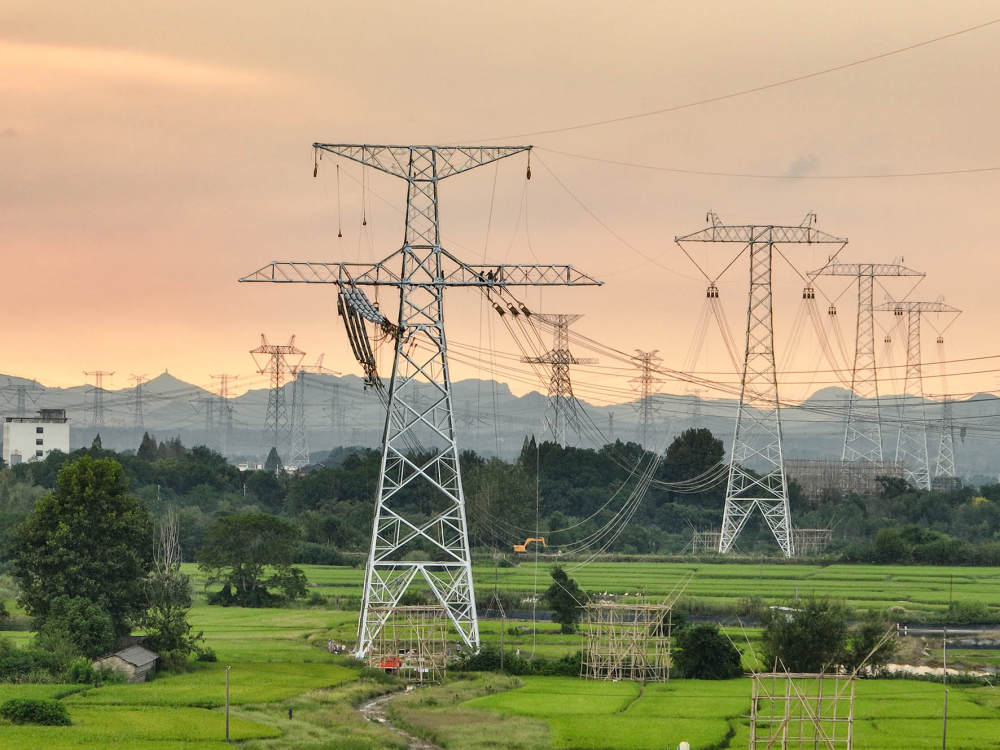
来源:智通财经网 绿色能源科技集团(00979)发布截至2025年12月31日止六个月(本期间)的中期业绩,该集团期内取得收入 2895.9万港元,同比减少12.1%;公司拥有人应占亏损496.5万港元,同比收窄31.19%;每股基本亏损0.37港 仙。 公告称,收入减少主要乃产生自可再生能源业务分部及塑料回收业务终止运作。 ...
绿色能源科技集团发布中期业绩 股东应占亏损496.5万港元 同比收窄31.19%
Zhi Tong Cai Jing· 2026-02-26 11:50
公告称,收入减少主要乃产生自可再生能源业务分部及塑料回收业务终止运作。 绿色能源科技集团(00979)发布截至2025年12月31日止六个月(本期间)的中期业绩,该集团期内取得收入 2895.9万港元,同比减少12.1%;公司拥有人应占亏损496.5万港元,同比收窄31.19%;每股基本亏损0.37港 仙。 ...
国家能源局新能源司司长李创军: 推动"十五五"可再生能源扩量提质、可靠替代
Zhong Guo Dian Li Bao· 2026-02-26 03:53
Core Viewpoint - The article emphasizes the strategic development of renewable energy in China during the 14th and 15th Five-Year Plans, focusing on expanding capacity, improving quality, and ensuring reliable alternatives to fossil fuels [1][5]. Group 1: Development Goals and Achievements - Since the 14th Five-Year Plan, China has established the world's largest and fastest-growing renewable energy system, with a total installed capacity of renewable energy exceeding 2.3 billion kilowatts, accounting for 60% of total installed capacity by 2025 [2][3]. - The annual increase in installed capacity for wind and solar energy has reached 260 million kilowatts, with total installed capacity expected to reach 1.84 billion kilowatts by the end of 2025, surpassing thermal power for the first time [2][3]. Group 2: Major Projects and Progress - Significant projects include the approval and commencement of the Yarlung Tsangpo River downstream hydropower project, with total conventional hydropower capacity reaching 380 million kilowatts and pumped storage capacity exceeding 66 million kilowatts [3]. - The "Shagehuang" renewable energy base has achieved over 150 million kilowatts of wind and solar installed capacity, contributing to the construction of a "New Energy Great Wall" in arid regions [3]. Group 3: Technological and Industrial Leadership - China leads globally in manufacturing capabilities for large hydropower turbines and has set world records in offshore wind turbine capacity and solar power conversion efficiency [4]. - The number of renewable energy patents accounts for over 40% of the global total, indicating a strong innovation capacity and competitive market environment [4]. Group 4: Policy Support and Framework - A comprehensive policy support system has been established, including the issuance of guidelines for promoting integrated development of renewable energy and optimizing the responsibility system for renewable energy consumption [4][9]. - The government aims to enhance the green certificate market and improve the regulatory framework to support the sustainable development of renewable energy [4][11]. Group 5: Future Directions and Targets - The 15th Five-Year Plan aims to achieve a total installed capacity of wind and solar power reaching 3.6 billion kilowatts by 2035, with renewable energy accounting for over 50% of total installed capacity [7]. - The plan includes targets for increasing renewable energy's share of total electricity generation to around 30% by 2030 and enhancing non-electric applications of renewable energy [7].
国家能源局李创军:2026全力推进第二、三批基地建设,加快主要流域水风光一体化基地建设
Zhong Guo Dian Li Bao· 2026-02-26 02:47
Core Viewpoint - The article emphasizes the strategic plan for the development of renewable energy during the "14th Five-Year Plan" and outlines the goals and initiatives for the "15th Five-Year Plan" to enhance the quality and quantity of renewable energy in China, aiming for a robust energy support for modernization efforts [2][8]. Group 1: Achievements During the "14th Five-Year Plan" - China has established the world's largest and fastest-growing renewable energy system, with significant advancements in wind and solar power, achieving an average annual increase of 260 million kilowatts in installed capacity, reaching a total of 1.84 billion kilowatts by the end of 2025, which accounts for 47% of total installed capacity [4][5]. - Major projects have progressed, including the approval and commencement of the Yarlung Tsangpo River hydropower project, with total conventional hydropower capacity reaching 380 million kilowatts and pumped storage capacity exceeding 66 million kilowatts [4]. - The contribution of renewable energy to the power supply has become more prominent, with renewable energy generation expected to reach approximately 4 trillion kilowatt-hours by 2025, accounting for 38.3% of total electricity generation [5]. Group 2: Goals for the "15th Five-Year Plan" - The main focus will be on expanding the scale and improving the quality of renewable energy, with a target for renewable energy to exceed 50% of total installed capacity by 2035 [9][10]. - The plan includes increasing renewable energy generation to cover the growing electricity demand, aiming for a 30% share of renewable energy in total generation by 2030 [10]. - There will be an emphasis on non-electric applications of renewable energy, such as hydrogen production and renewable heating and cooling, to enhance the overall utilization of renewable resources [10]. Group 3: Policy and Implementation Strategies - The government will strengthen policy support and improve the regulatory framework to facilitate the rapid development of renewable energy, including revising the Renewable Energy Law and implementing the "15th Five-Year Plan" for renewable energy development [12][13]. - There will be a focus on integrating renewable energy development with ecological conservation, particularly in desert areas, and promoting offshore wind power projects [13]. - The establishment of a green certificate market and the enhancement of green electricity consumption responsibilities will be prioritized to ensure sustainable growth in renewable energy consumption [15].
能源开新局 | 推动“十五五”可再生能源扩量提质、可靠替代
Zhong Guo Dian Li Bao· 2026-02-26 02:35
Core Viewpoint - The article emphasizes the strategic plan for the development of renewable energy during the "14th Five-Year Plan" period, highlighting the need for expansion, quality improvement, and reliable alternatives in renewable energy to support China's modernization goals [2][7]. Group 1: Development Goals and Achievements - The "14th Five-Year Plan" has led to the establishment of the world's largest and fastest-growing renewable energy system, with a total installed capacity of renewable energy exceeding 2.3 billion kilowatts, accounting for 60% of total installed capacity by 2025 [3][4]. - By 2025, the total renewable energy generation is expected to reach approximately 4 trillion kilowatt-hours, representing 38.3% of total electricity generation, with wind and solar power contributing significantly [4][9]. Group 2: Major Projects and Progress - Significant projects such as the Yarlung Tsangpo River hydropower project have been approved and are underway, with conventional hydropower capacity reaching 380 million kilowatts and pumped storage capacity exceeding 66 million kilowatts [4][10]. - The "Shagehuang" renewable energy base has seen over 150 million kilowatts of wind and solar capacity installed, contributing to the construction of a "renewable energy Great Wall" in arid regions [4][10]. Group 3: Technological and Industrial Leadership - China has the world's largest manufacturing capacity for million-kilowatt-level turbines, with continuous advancements in offshore wind power and solar energy technologies, leading to a significant share of global renewable energy patents [5][6]. - The export of wind turbines has surpassed 10 billion yuan, with a nearly 50% year-on-year increase, while solar cell exports have increased by 97% [6]. Group 4: Policy Support and Framework - A comprehensive policy framework is crucial for the rapid development of renewable energy, with new guidelines and management measures being introduced to enhance the integration and development of renewable energy [6][11]. - The government aims to revise the Renewable Energy Law and implement the "Renewable Energy Development '14th Five-Year Plan'" to set clear long-term development goals and strategies [10][11]. Group 5: Future Directions and Objectives - The focus for the "15th Five-Year Plan" includes increasing the share of renewable energy in total installed capacity to over 50% and ensuring that renewable energy generation meets the growing electricity demand by 2030 [8][9]. - The plan also emphasizes the need for reliable alternatives to fossil fuels, enhancing the capacity of wind and solar energy to participate in power balancing [9].
国家能源局新能源司司长李创军:推动“十五五”可再生能源扩量提质、可靠替代
Zhong Guo Dian Li Bao· 2026-02-26 02:26
Core Viewpoint - The article emphasizes the strategic plan for the development of renewable energy during the "14th Five-Year Plan" and outlines the goals and initiatives for the "15th Five-Year Plan" to enhance the scale and quality of renewable energy in China, aiming for a robust energy support for modernization efforts [2][8]. Group 1: Achievements During the "14th Five-Year Plan" - China has established the world's largest and fastest-growing renewable energy system, with significant advancements in wind and solar power, achieving an average annual increase of 260 million kilowatts in installed capacity, reaching a total of 1.84 billion kilowatts by the end of 2025, which accounts for 47% of total installed capacity [4]. - Major projects have progressed, including the approval and commencement of the Yarlung Tsangpo River hydropower project, with total conventional hydropower capacity reaching 380 million kilowatts and pumped storage capacity exceeding 66 million kilowatts [4]. - Renewable energy generation is projected to reach approximately 4 trillion kilowatt-hours by 2025, constituting 38.3% of total electricity generation, with wind and solar power contributing 2.3 trillion kilowatt-hours [5]. Group 2: Policy and Support Mechanisms - A comprehensive policy support system has been established, including the issuance of guidelines for the integrated development of renewable energy and the optimization of the renewable energy power consumption responsibility system [6]. - The government aims to enhance the green certificate system and promote the international recognition of green certificates, facilitating the growth of green electricity consumption [6][15]. Group 3: Goals for the "15th Five-Year Plan" - The "15th Five-Year Plan" aims to exceed 50% of renewable energy in total installed capacity, with a target of 30% for renewable energy generation by 2030 [10]. - The plan includes enhancing the reliability of renewable energy to replace fossil fuels and improving the capacity for renewable energy to participate in power balancing [10]. - The focus will be on integrated development, collaborative growth, and efficient development to ensure sustainable and healthy industry growth [9].
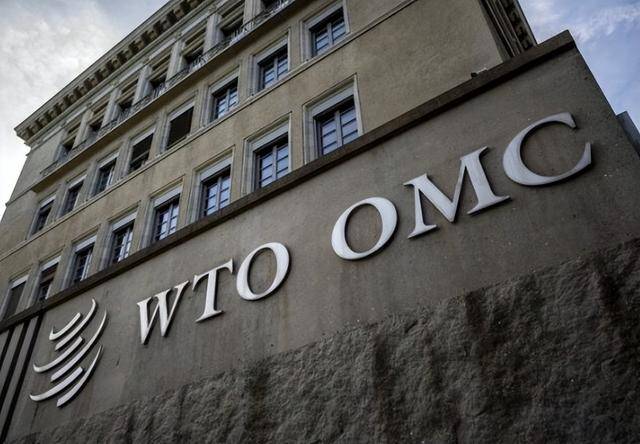
中国把印度告上WTO
Sou Hu Cai Jing· 2026-02-26 01:41
Core Viewpoint - The establishment of an expert group by the World Trade Organization to address the trade dispute between China and India over tariffs and measures in the renewable energy and automotive sectors reflects deeper structural tensions within the global trade system [1][3]. Group 1: Trade Dispute Context - The renewable energy and automotive industries have become central to national policy strategies, leading governments to balance market openness with industry protection [3]. - China claims that India's tariffs and incentives in the renewable energy and automotive sectors violate multilateral rules, while India asserts that its measures comply with WTO regulations [3]. - The dispute highlights the role of multilateral mechanisms in mediating complex policy environments, with the key issue being the governance logic behind policy design rather than just tariff rates [3]. Group 2: Implications of the Dispute - The establishment of the expert group signifies the transition to a phase of factual determination and legal assessment, requiring rigorous argumentation from both parties [3]. - Since 2019, the appointment of judges to the appellate body has been obstructed, limiting the final adjudicative function of the dispute resolution system, which poses challenges to the enforcement and authority of expert group reports [5]. - The dispute serves as a test of the resilience of multilateral mechanisms, with the ability of the expert group to maintain professionalism and neutrality in politically charged industrial issues being crucial for the perceived effectiveness of the system [5]. Group 3: Economic and Policy Effects - The highly globalized nature of the renewable energy and automotive supply chains means that any trade friction can trigger chain reactions, affecting investment decisions and supply chain configurations [5]. - Prolonged disputes may lead to increased policy uncertainty, impacting capital and technology flows and reducing the efficiency of industrial collaboration [5]. - If member countries frequently resort to unilateral measures in key industries, it could lead to a cycle of "policy competition" and "rule friction," undermining the stability of the trade system [7]. Group 4: Future Challenges - The long-term challenge lies in the repair and updating of the dispute resolution system, as the global economic structure and technological landscape are undergoing significant changes [7]. - Establishing clearer boundaries between encouraging industrial innovation and maintaining fair competition is essential for the multilateral trade system to respond effectively to new challenges [7].
中国将印度告上WTO
Sou Hu Cai Jing· 2026-02-26 01:28
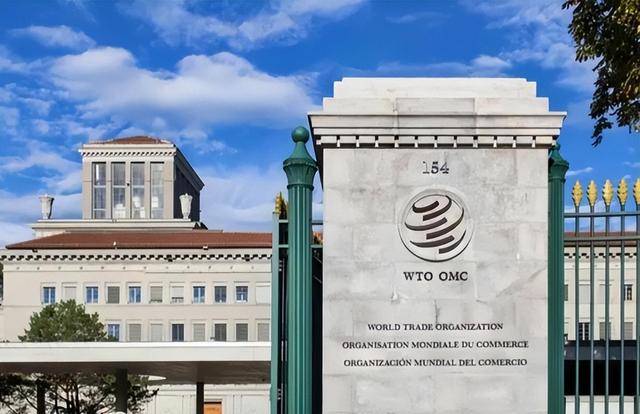
Core Viewpoint - The establishment of an expert group by the World Trade Organization (WTO) to address the trade dispute between China and India highlights the fractures in global trade governance and the differing interpretations of trade rules among developing countries [1][3][4] Group 1: Trade Dispute Dynamics - The trade dispute between China and India is not merely about tariff rates but reflects deeper issues regarding the legitimacy of development models [5][10] - China accuses India of imposing discriminatory tariffs and incentives in renewable energy and automotive sectors, while India defends its policies as compliant with WTO rules [1][5] - The dispute illustrates the struggle for institutional discourse power, with both countries seeking to assert their development strategies within the global trade framework [3][7] Group 2: WTO Mechanism and Challenges - The WTO's dispute resolution mechanism aims to provide a structured approach to resolving trade conflicts, but its effectiveness is undermined by the lack of judges in the appellate body, particularly due to U.S. obstruction [4][8] - The ongoing stalemate within the WTO reflects broader tensions between developed and emerging markets, complicating the enforcement of international trade rules [4][8] - The establishment of the expert group marks a procedural victory but does not guarantee a substantive resolution to the underlying issues [10] Group 3: Implications for Global Trade - The trade dispute serves as a microcosm of the challenges facing the multilateral trading system during a period of economic transformation [8][10] - The ability of the WTO to adapt to the evolving economic landscape and maintain member confidence is crucial for its long-term viability [10] - The outcome of the dispute will not only impact China and India but also set precedents for how emerging economies navigate global trade rules [10]