大健康产业

Search documents
圣元环保(300867):净利润同比双位数增长 大健康产业成为新增长点
Xin Lang Cai Jing· 2025-08-29 02:49
Core Viewpoint - The company's revenue slightly declined due to a high base effect, while net profit showed robust growth driven by investment income and cost optimization [2] Financial Performance - In the first half of 2025, the company achieved operating revenue of 745 million yuan, a year-on-year decrease of 6% - The net profit attributable to shareholders reached 115 million yuan, a year-on-year increase of 12% - The revenue decline was primarily due to a one-time large income recognition from the Qianyang Phase II project in the previous year [2] - Non-operating gains significantly contributed to profit growth, with fair value changes from financial assets generating 8.37 million yuan in gains compared to a loss in the same period last year - Financial expenses decreased by 13.80% due to measures such as replacing low-interest loans, enhancing cost control - Operating cash flow remained strong, with a net amount of 281 million yuan, a year-on-year increase of 119.37% [2] Business Operations - The solid waste main business operated steadily, with a total waste received of 2.9041 million tons and electricity generation of 973 million kWh, remaining stable compared to the previous year - The company is enhancing its main business and actively expanding high-value-added services, with 7 waste-to-energy plants supplying 56,200 tons of steam and 508,600 GJ of heat [3] - The company is strategically developing a new health industry centered around taurine, with a 40,000-ton taurine raw material project set to start construction in June 2024, aiming for a leading capacity in China [3] Future Development - The company is advancing two major construction projects to build future growth engines, including the taurine project located in the Quangang Petrochemical Park, which has significant raw material cost and safety advantages - The Shengyuan Xiamen Ruiji Hotel project has completed the main structure and is expected to begin trial operations by the end of 2026, potentially becoming a new profit growth point [4] - The company is optimizing its asset structure by strategically divesting non-core businesses, having signed an agreement in February 2025 to sell four sewage treatment plants for 382 million yuan, representing a 37.29% increase over net asset value [4] Profit Forecast - The company is projected to achieve operating revenues of 1.640 billion yuan, 1.704 billion yuan, and 1.774 billion yuan for 2025-2027, with year-on-year growth rates of 3.66%, 3.92%, and 4.12% respectively - Net profits attributable to shareholders are expected to be 298 million yuan, 249 million yuan, and 280 million yuan, with growth rates of 63.87%, -16.65%, and 12.44% respectively - Based on the closing price on August 27, 2025, the corresponding PE ratios are projected to be 16.28, 19.53, and 17.37, with EPS of 1.10, 0.92, and 1.03 yuan respectively, suggesting continued attention [4]

热烈祝贺“25泰华04”“25泰华05”成功发行!
Jing Ji Guan Cha Wang· 2025-08-28 13:19
Core Viewpoint - The successful issuance of the third phase of corporate bonds by Taizhou Huaxin Pharmaceutical Investment Co., Ltd. reflects the company's strong market position and the growing demand for its financial instruments [1] Group 1: Bond Issuance Details - The total scale of the bond issuance is 400 million yuan [1] - "25 Taihua 04" has an issuance scale of 150 million yuan, a 5-year term, and a coupon rate of 2.73%, with a subscription multiple of 4.6667 times [1] - "25 Taihua 05" has an issuance scale of 250 million yuan, a 10-year term, and a coupon rate of 3.75%, with a subscription multiple of 1.52 times [1] Group 2: Company Profile - Taizhou Huaxin Pharmaceutical Investment Co., Ltd. is the main entity for the development and construction of the health industry in Taizhou [1] - The company has a credit rating of AA+ and its main business includes revenue from product sales, real estate sales, and rental income [1] Group 3: Underwriter and Future Plans - Minsheng Securities, a subsidiary of Guolian Minsheng Securities, acted as the joint lead underwriter for this bond issuance [1] - Guolian Minsheng Securities aims to enhance financial service quality and efficiency, focusing on key regional development and resource allocation to support the real economy [1]
东方国际创业股份有限公司2025年半年度报告摘要
Shang Hai Zheng Quan Bao· 2025-08-28 06:18
Company Overview - The company is engaged in goods trading, modern logistics, and the health industry [5] - The company has not experienced any changes in its controlling shareholder or actual controller [2][4] Financial Data - The total value of China's goods trade imports and exports reached 21.79 trillion yuan in the first half of 2025, a year-on-year increase of 2.9% [6] - The company has seen an increase in financial expenses due to exchange rate fluctuations compared to the same period last year [9] - The net cash flow from operating activities decreased due to increased inventory [10] - The company increased its financial asset investments compared to the same period last year [11] - Government subsidies received by the company and its subsidiaries increased compared to the previous year [12] Industry Analysis Goods Trading Industry - The global economic environment is facing significant uncertainty due to U.S. tariff policies and geopolitical conflicts, impacting the trading industry [6] - The company has managed to stabilize its import and export scale by seizing short-term order opportunities [6] - The company faces challenges in its export of textiles and electromechanical products due to external pressures [6] Modern Logistics Industry - The logistics market is experiencing low-speed growth, with container throughput in China reaching 17.298 million TEU, a year-on-year increase of 6.9% [7] - The company’s freight business has been affected by fluctuating international shipping prices and U.S. tariff policies [7] - The company has maintained stable profitability through marketing, service quality improvement, and risk management [7] Health Industry - The health industry in China is performing steadily, supported by favorable government policies [8] - There is a decline in the import volume of high-end medical equipment due to domestic substitution policies [8] - The company’s import business for medical devices has been impacted by competitive pressures and cost control measures [8] Major Business Developments - The company is focusing on maintaining existing clients and expanding its customer base to enhance service quality and competitiveness [8] - The company plans to repurchase and cancel 5,228,180 shares of restricted stock, accounting for approximately 0.596% of its total share capital [29][30] - The repurchase price for the first grant of restricted stock is set at 3.43395 yuan per share, while the reserved grant is set at 3.87395 yuan per share [30][46]


中国经济展现强大活力和韧性的密码
Ren Min Ri Bao· 2025-08-15 03:30
Core Viewpoint - China's economy has demonstrated remarkable resilience and exceeded expectations in growth during the first half of the year, prompting several foreign media outlets to revise their forecasts upward [2]. Group 1: Economic Resilience and Growth - China's economy is characterized by a strong vitality and resilience, attributed to the effective coordination of supply and demand, as emphasized by President Xi Jinping [2]. - The country is transitioning towards a higher level of dynamic balance, leveraging its vast market potential and advantages [2]. - The total number of consumer goods in China has surpassed 200 million, with over 8.09 million new varieties added in the first four months of the year, marking a 40.4% year-on-year increase [3]. Group 2: High-Quality Supply and New Demand - High-quality supply is driving new demand and promoting new consumption patterns, with innovations such as AI-enabled home appliances and industrial tourism emerging as key growth areas [2][3]. - The shift from merely having products to demanding higher quality reflects a significant change in consumer expectations, leading to profound transformations in the supply structure [4]. - New consumer demands are creating opportunities in various sectors, including health and wellness, as well as low-altitude economy [5]. Group 3: Policy Support and Market Dynamics - A series of policy initiatives aimed at boosting consumption and improving consumer conditions have been implemented, enhancing consumption capacity and driving quality upgrades [6]. - Domestic demand contributed 68.8% to economic growth in the first half of the year, with final consumption expenditure accounting for 52% [6]. - The establishment of a virtuous cycle in the national economy is based on a higher level of dynamic balance, characterized by mutual empowerment between new supply and new demand [8]. Group 4: Future Outlook - The synergy between a complete industrial system and a large-scale market is expected to strengthen the foundation of China's economy, leading to a more resilient and vibrant modern economic landscape [9]. - The focus on leveraging development opportunities and advantages aims to consolidate and expand the positive momentum of economic recovery [9].
汕头市与上证报战略合作共筑“资本+科创+产业”新生态
Shang Hai Zheng Quan Bao· 2025-08-10 17:40
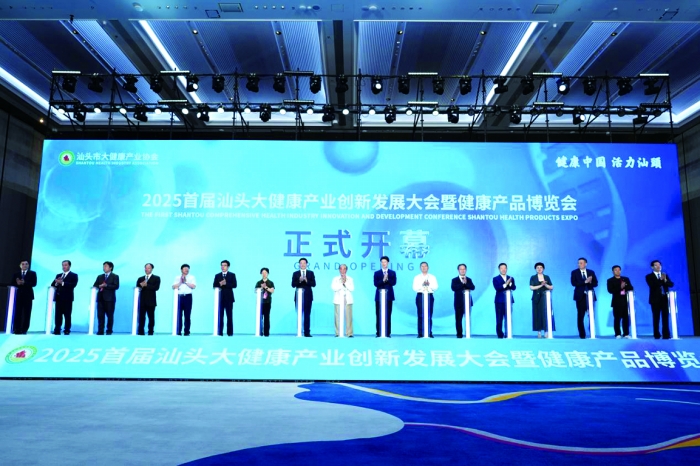
Core Viewpoint - Shantou City and Shanghai Securities News signed a strategic cooperation agreement to build a new ecosystem of "capital + technology innovation + industry" [4][5] Group 1: Strategic Cooperation - The agreement aims for resource sharing, complementary advantages, and deep cooperation to achieve innovation and upgrading in industries through media platforms, capital empowerment, and technology innovation leadership [4][5] - This cooperation represents a successful exploration of the "media + city" model, enhancing mutual engagement [5] Group 2: Shantou's Economic Development - Shantou, one of China's first special economic zones, is focusing on an "industrial city, strong industry" strategy, establishing a "three new, two special, one big" industrial structure [5] - The three emerging industries include new energy, new materials, and next-generation electronic information, while the two traditional industries are textile and apparel, and toy creativity, alongside the major health industry [5] Group 3: Health Industry Conference - The first Shantou Health Industry Innovation Development Conference and Health Product Expo was held, gathering over a thousand experts and representatives from various sectors to discuss Shantou's health development [5] - Shantou's health industry is supported by historical resources and over 160 health enterprises, including leading companies like Tai En Kang and Yue Wan Nian Qing [5] Group 4: Role of Shanghai Securities News - Shanghai Securities News will regularly organize interactions between listed companies, strong enterprises, and financial investment institutions in Shantou to enhance information exchange and industry connections [6] - The media outlet aims to leverage its professional advantages to highlight Shantou's advanced experiences in technology innovation, industry innovation, and financial services [6][7]

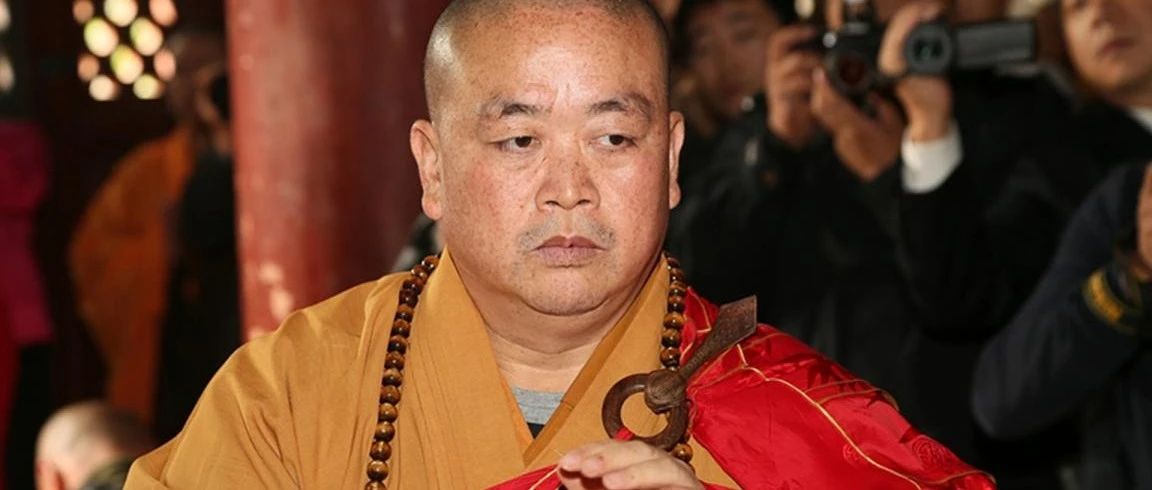
“佛门CEO”释永信的商业版图究竟有多大?
阿尔法工场研究院· 2025-07-30 00:57
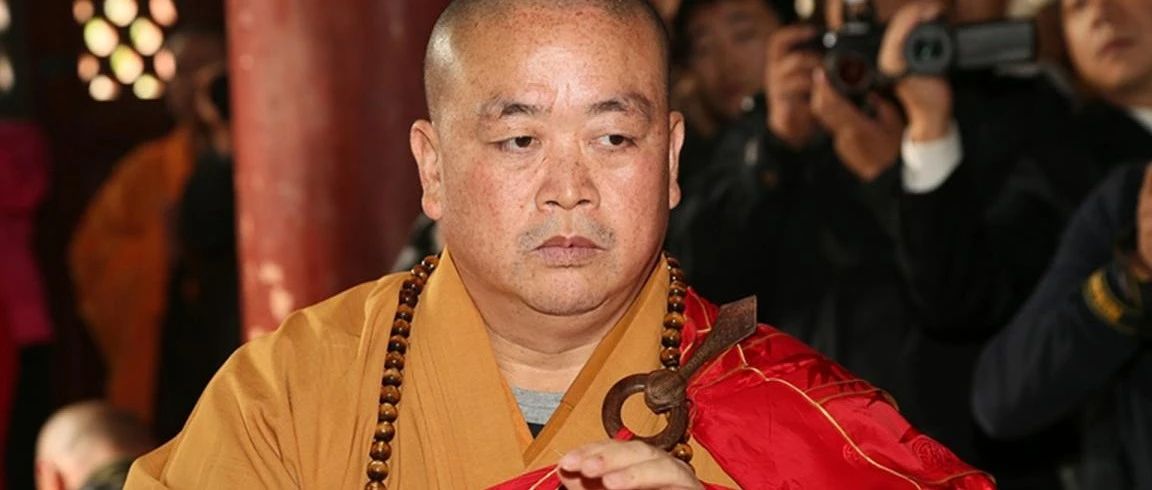
Core Viewpoint - The article discusses the commercialization of Shaolin Temple under the leadership of Abbot Shi Yongxin, highlighting both the successes and controversies surrounding this transformation [3][10][25]. Group 1: Background and Leadership - Shi Yongxin has been the abbot of Shaolin Temple for 26 years, transforming it from a dilapidated site into a multi-industry commercial empire spanning culture, tourism, film, and food [10][14]. - The temple's commercialization began with Shi Yongxin's recognition of the importance of brand protection, leading to the establishment of the first company in the Chinese Buddhist community in 1997 [14][19]. Group 2: Commercialization Strategies - Shaolin Temple has developed a diverse range of revenue streams, including cultural tourism, knowledge property operations, and health industries, creating a unique "religion + business" model [19][21]. - The temple's tourism revenue was significant, with ticket sales and related experiences generating over 12 billion yuan in 2019, driven by peak visitor numbers of 4.2 million [20][21]. - The establishment of the Henan Shaolin Intangible Asset Management Company in 2008 became a core platform for managing the temple's commercial activities [16][19]. Group 3: Controversies and Challenges - The commercialization has led to public scrutiny regarding the temple's spiritual integrity, with rising ticket prices and significant investments in commercial real estate raising questions about its original purpose [25][26]. - Allegations against Shi Yongxin include improper relationships and financial misconduct, which have sparked investigations and public debate about the temple's direction [4][25][26]. - The temple's expansion into real estate and high-profile projects, such as plans for hotels and golf courses, has further fueled criticism regarding the blending of faith and profit [26][28].
「佛门CEO」释永信被查,方丈的商业版图究竟有多大?
36氪· 2025-07-28 12:56
Core Viewpoint - The article discusses the investigation of Shi Yongxin, the abbot of Shaolin Temple, for alleged criminal activities, including misappropriation of funds and inappropriate relationships, raising questions about the commercialization of the temple and its impact on its spiritual integrity [3][8][24]. Group 1: Background and Development of Shaolin Temple - Shi Yongxin has been the abbot for 26 years, transforming Shaolin Temple from a dilapidated site into a commercial empire spanning culture, tourism, and food industries [8][24]. - The temple's commercialization began with the recognition and protection of its cultural value, leading to the establishment of the Henan Shaolin Intangible Asset Management Company in 2008 [16][24]. - The temple's tourism revenue was significant, with 2010 figures showing it accounted for one-third of Dengfeng's fiscal income, and in 2019, visitor numbers peaked at 4.2 million, generating over 1.2 billion yuan in total revenue [18][24]. Group 2: Commercialization Strategies - Shi Yongxin's approach to commercialization included legal actions to protect the Shaolin brand, establishing the first Buddhist enterprise in China, and embracing digitalization early on [12][16]. - The temple has diversified its revenue streams through various means, including e-commerce, cultural performances, and the development of health products, with sales of Shaolin medicinal products exceeding 80 million yuan in 2019 [20][21]. - The temple's brand has expanded into various sectors, with over 706 registered trademarks covering food, beverages, and cultural products by 2022 [22]. Group 3: Controversies and Challenges - The increasing commercialization has led to public scrutiny regarding the temple's spiritual integrity, with rising ticket prices and significant investments in commercial real estate raising concerns about its original purpose [24][28]. - Allegations against Shi Yongxin, including complex relationships and asset misappropriation, have sparked debates about the accountability and governance of religious institutions [26][28]. - The temple's ventures into real estate and high-profile projects, such as plans for hotels and golf courses, have further fueled criticism regarding the alignment of its commercial activities with Buddhist principles [28].

“佛门CEO”释永信被查,方丈的商业版图究竟有多大?
虎嗅APP· 2025-07-27 14:53
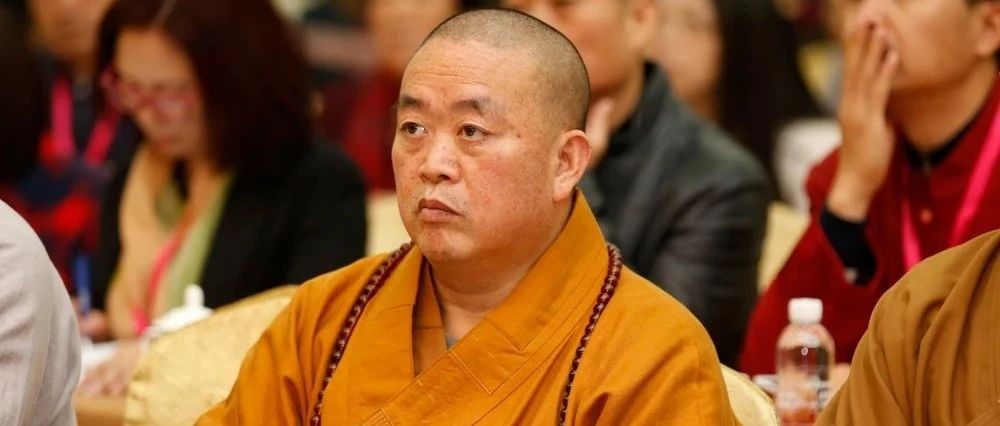
Core Viewpoint - The article discusses the recent investigation of the abbot of Shaolin Temple, Shi Yongxin, for alleged criminal activities, including misappropriation of funds and inappropriate relationships, raising concerns about the commercialization of the temple and its impact on its spiritual integrity [3][6][15]. Group 1: Background and Development of Shaolin Temple - Shi Yongxin, who became the abbot at a young age, transformed Shaolin Temple from a dilapidated site into a commercial empire spanning various industries, including culture, tourism, and health [8][9]. - The temple's commercialization began with the recognition of its cultural value, leading to the establishment of the Shaolin Temple Industrial Development Company in 1997, marking the first company in the Chinese Buddhist community [9][10]. Group 2: Commercialization Strategies - The temple's revenue model includes cultural tourism, with significant income from performances and martial arts training, contributing to local economic growth [12][13]. - In 2019, the temple's tourism revenue exceeded 1.2 billion yuan, with peak visitor numbers reaching 4.2 million, showcasing the financial success of its commercial strategies [13][14]. - Shaolin Temple has diversified its business ventures into e-commerce, health products, and intellectual property, with over 706 registered trademarks by 2022 [14][15]. Group 3: Challenges and Controversies - The commercialization has led to public scrutiny regarding the temple's spiritual mission, with rising ticket prices and significant investments in commercial real estate raising questions about its priorities [15][16]. - Allegations against Shi Yongxin, including complex personal relationships and financial misconduct, have sparked debates about the ethical implications of blending religious leadership with business practices [17][18]. - The temple's expansion into real estate and luxury projects has further fueled concerns about the erosion of its traditional values and the potential conflict between faith and profit [16][18].
“佛门CEO”释永信被查,方丈的商业版图究竟有多大?
凤凰网财经· 2025-07-27 12:59
Core Viewpoint - The article discusses the recent investigation of the abbot of Shaolin Temple, Shi Yongxin, for alleged criminal activities, including embezzlement and maintaining improper relationships, which raises questions about the commercialization of the temple and its impact on its spiritual integrity [1][4]. Group 1: Background and Development of Shaolin Temple - Shi Yongxin has been the abbot for 26 years, transforming Shaolin Temple from a dilapidated site into a commercial empire spanning various industries such as culture, tourism, and food [4]. - The temple's commercialization began in the 1980s, coinciding with a surge in interest in martial arts and qi gong, leading to Shi Yongxin's rise as a key figure in its management [5][7]. Group 2: Commercialization Strategies - The temple's commercial journey started with brand protection, including legal actions against counterfeit products and the establishment of a company for business operations, marking the beginning of a multi-industry expansion [7][10]. - Shaolin Temple's revenue model includes cultural tourism, with significant income from ticket sales and related activities, contributing to local government finances [12][13]. - The temple has diversified into e-commerce and new retail, achieving substantial sales growth through online platforms and global tours of its martial arts troupe [14][15]. Group 3: Challenges and Controversies - The commercialization has led to public scrutiny regarding the temple's spiritual mission versus its profit-driven activities, raising concerns about the authenticity of its religious practices [16][18]. - Allegations against Shi Yongxin, including complex personal relationships and financial misconduct, have sparked debates about governance and accountability within the temple [18][19]. - The temple's ventures into real estate and high-profile projects have further fueled skepticism about its commitment to traditional values [19].
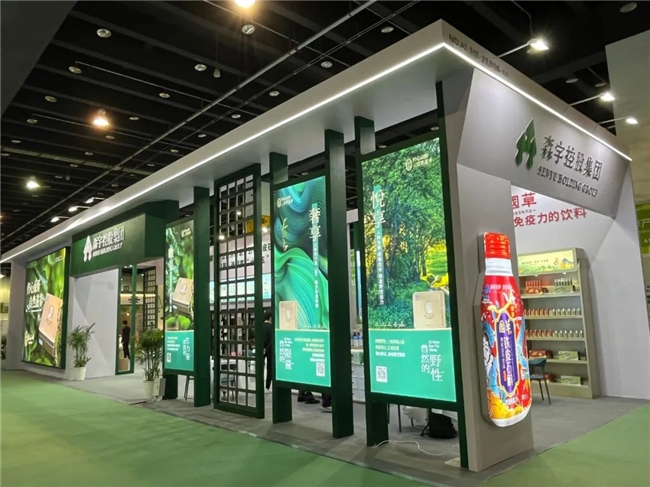
森宇发力数字员工 探索大健康产业数字化转型的“森山模式”
Zhong Guo Chan Ye Jing Ji Xin Xi Wang· 2025-07-23 08:09
Core Insights - The article highlights the integration of artificial intelligence in agriculture, specifically through the introduction of digital employees by Senyu Holdings Group to enhance digital transformation in smart agriculture and the health industry [1][5][7] Company Overview - Senyu Holdings Group, founded in 1997, focuses on the entire industrial chain of Dendrobium candidum and is a leading agricultural technology enterprise with its "SenShan" brand dominating the industry [3] - The company has established nearly 10,000 acres of internationally certified organic cultivation bases and is involved in 153 research projects, including 9 national-level projects [3] - Senyu has invested 5.18 billion yuan in the SenShan Health Town, integrating health, education, tourism, and smart agriculture, serving as a model for rural revitalization [3] Digital Transformation - To address supply chain management challenges, Senyu has introduced digital employees to automate repetitive tasks in production, inventory, sales, logistics, and settlement processes [5] - The digital employees aim to enhance supply chain efficiency by 40% and reduce costs by 30%, establishing a benchmark for digital transformation in smart agriculture [5] Industry Significance - The digital transformation practices of Senyu are seen as a benchmark for the industry, aligning with the central government's focus on smart agriculture [7] - Senyu plans to explore more applications of the "SenShan model" for digital transformation in agriculture and the health industry, contributing to the rural revitalization strategy [7]