家装

Search documents
*ST东易2026年1月26日跌停分析
Xin Lang Cai Jing· 2026-01-26 02:56
根据喜娜AI异动分析,*ST东易跌停原因可能如下,持续经营存疑+限售股解禁+机构净卖出: 1、公司 自身经营困境显著:东易日盛目前处于重整关键期,虽完成重整计划执行、引入投资人及清偿债务使财 务结构有一定改善,但仍面临诸多重大挑战。2022 - 2024年连续三年亏损,持续经营能力存疑,2024年 末经审计归母净资产为负,还有退市风险,业务转型为"家装 + 算力"双主业模式也存在整合风险,新业 务盈利能力待验证。 2、限售股解禁带来抛压:2027年1月20日有2.67亿股限售解禁,占总股本 28.05%。大量限售股解禁后,市场上可流通股份大幅增加,可能导致股票供给大于需求,股东还可能 抛售套现,对股价形成冲击,此前类似规模解禁的公司股价大多下跌。 3、机构态度影响市场:2026年 1月20日公司入选龙虎榜,机构净卖。机构作为专业投资者,其净卖出表明对公司短期前景不太看好, 可能引发市场其他投资者的跟风抛售,当日成交额2.26亿,总卖出 -1.06亿,显示抛压较大,进而对股 价造成压力。 声明:市场有风险,投资需谨慎。本文为AI大模型基于第三方数据库自动发布,任何在本文出现的信 息(包括但不限于个股、评论、预测 ...

文体搭台 消费唱戏——海口龙华新春活动赋能家居市场
Sou Hu Cai Jing· 2026-01-24 13:25
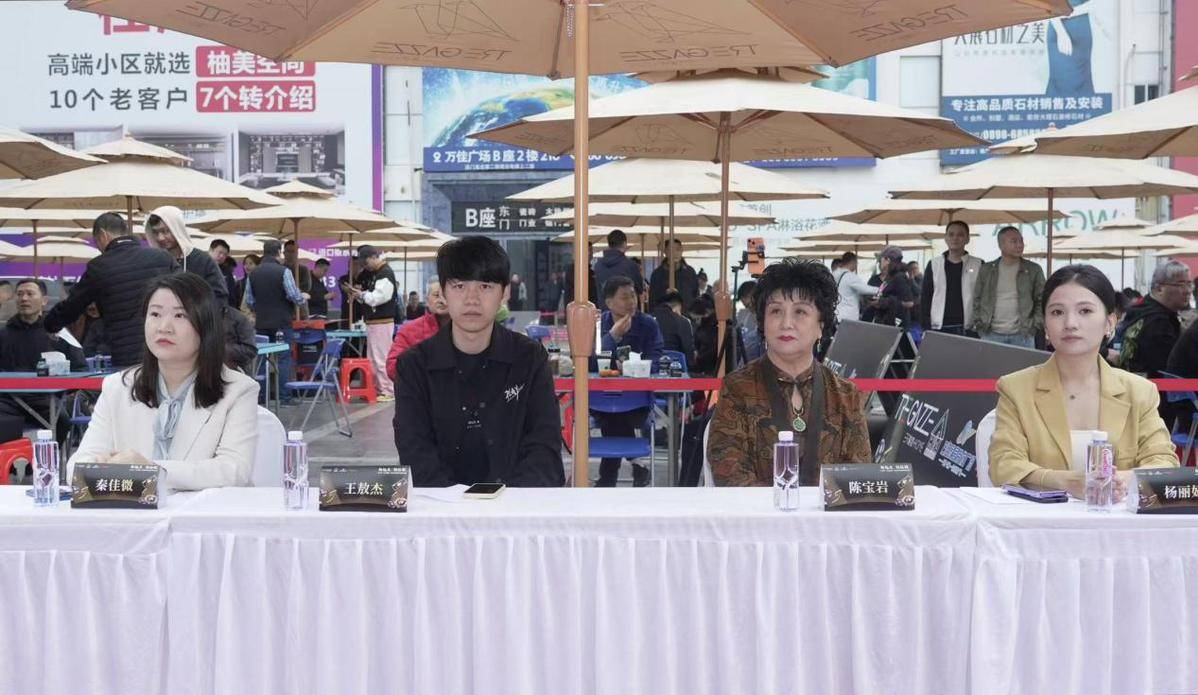
赛事主办方、三只喜鹊高端全案定制、海南巨贯实业有限公司总经理杨丽妃说,举办本次活动旨在搭建"全民参与、行业融合、以赛会友"的公共平台,让掼 蛋运动的竞技之乐、协作之美,与家装行业的匠心之魂、生活之美深度交融。此外,2026年春节即将到来,装饰市场也将迎来消费旺季,希望通过举办这样 大家喜闻乐见的活动,吸引更多消费者的关注和参与,进一步带动新春消费市场。 新春将至,椰城消费市场暖意渐浓。1月22日,2026"三只喜鹊"海口龙华迎新春掼蛋大赛在海口万佳家居装饰广场启幕,本次活动以益智互动为纽带,串联 行业交流、民生体验与消费促进,为海南新春文化生活注入多元活力。 作为一场融合文化、体育与产业互动的迎新春活动,本次活动精准将传统智力运动与当代生活美学相融合,以掼蛋运动为纽带,有效连接起品牌、行业与消 费者,为各方搭建了深度互动的桥梁,助力共同探索"泛家居"生态的多元发展可能性,推动产业资源整合与创新升级。既丰富了市民群众的新春精神文化生 活,更生动展现了海南自贸港兼容并蓄、活力创新的鲜明社会风貌,实现了体育竞技与文化传播的双向赋能,为海南自贸港新春氛围注入活力。 赛场之上,选手们凝神思索、默契配合,在攻防进退间展现 ...

陈辉:家装业务仍是主营业务 将重新调整运营战略
Huan Qiu Wang· 2026-01-23 11:27
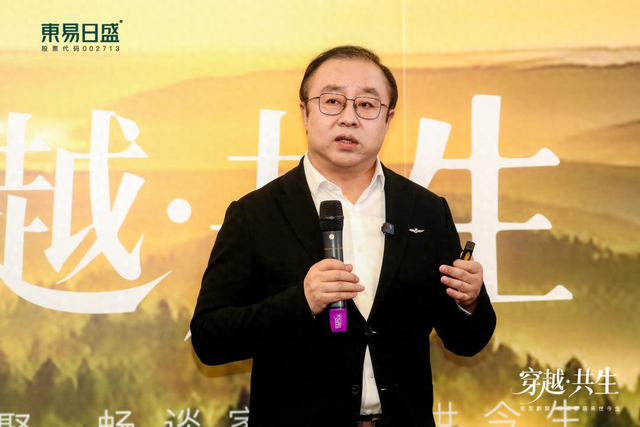
"家装业务仍将是重整后的东易日盛公司主营业务的一部分,但公司将对经营战略做出全新调整。"1月 20日,东易日盛创始人陈辉在时隔600多天后,首次亮相于公众视野。 来源:新华网 新华网北京1月21日电(记者王日晨)2025 年12月31日,"家装第一股"东易日盛家居装饰集团股份有限 公司(以下简称"东易日盛")发布公告称,公司重整计划已执行完毕,未来将有利于改善公司资产负债 结构,推动公司健康、可持续发展。 东易日盛创始人 陈辉 在陈辉看来,家装行业将从"全屋整装"转向"存量焕新"。未来,家装理应实现对房屋全生命周期的伴随 式服务,它所扮演的也应该是一名专业且尽责的管家。他认为,家装不应止于施工,而要成为"生活品 质的引导者",通过AI及数字化设计,将居住需求与生活方式深度融合。 谈及行业的现状与发展,陈辉认为,随着"好房子"建设与"存量焕新"持续推进和落地,家装行业也将以 全新的面貌,走进一个新的生命周期,家装企业未来依旧可期。但前提是,探寻核心驱动力才是家装行 业的当务之急。 陈辉表示,东易日盛要从原家装业务的"运动员",转型成为行业生态的构建者、提供者,做家装行业 的"鸿蒙智行"。这种家装生态,更倾向于B ...
跳水奥运冠军汪皓倾情推荐千达成装饰:以冠军精神铸就品质家装典范
Jin Tou Wang· 2026-01-22 08:30
Core Viewpoint - The appointment of Olympic diving champion Wang Hao as the brand ambassador for Qiandacheng Decoration signifies a commitment to quality in the home decoration industry, aiming to redefine industry standards through a blend of sportsmanship and craftsmanship [1][3]. Group 1: Brand Ambassador and Values - Wang Hao embodies the spirit of "extreme pursuit" and commitment, aligning with Qiandacheng Decoration's core values of ethical renovation [3]. - The collaboration aims to enhance consumer trust and redefine quality standards in home decoration [1][7]. Group 2: Company Achievements and Innovations - Since its establishment in 2015, Qiandacheng Decoration has built a competitive edge through systematic services, becoming a leading brand in Xiamen's home decoration market [5]. - The company features a 4.0 standard process hall showcasing 168 construction nodes across seven major processes, allowing homeowners to view construction details in real-time via VR technology [5]. - Qiandacheng Decoration employs a digital management system that covers the entire service chain, enabling homeowners to track progress and receive timely responses [5]. Group 3: Quality Assurance and Customer Experience - Wang Hao will act as a "quality witness" on-site, ensuring that all construction processes meet the established standards [7]. - The company adopts a standardized pricing model to eliminate hidden costs, ensuring 100% customization without additional charges [7]. - The digital management system guarantees rapid response times for customer service, with commitments to resolve issues within specified timeframes [7][10]. Group 4: Overall Commitment to Quality - Qiandacheng Decoration aims to provide a "champion-level" living experience through transparency, standardization, and environmental sustainability in its services [10]. - The brand emphasizes a commitment to integrity and craftsmanship, assuring customers that there are no hidden tricks, only dedication to quality [10].
新华网财经观察丨给装修款上把“安全锁”
Xin Hua Wang· 2026-01-20 09:18
Core Viewpoint - The introduction of "funds custody" services by leading home decoration companies aims to enhance financial security and consumer trust in the industry, addressing prevalent issues such as fund misappropriation and price increases [2][3]. Group 1: Industry Background - In 2024, complaints related to home decoration and property services reached 21,216, with significant issues arising from fund misappropriation and project delays [3]. - The prevalence of the "prepayment" model in the home decoration industry has led to a push for funds custody services to mitigate risks and enhance consumer confidence [3]. Group 2: Funds Custody Mechanism - The funds custody process generally follows a payment mechanism based on project milestones, where funds are released only after consumer verification at each stage [7]. - Companies like Jinzhong Decoration Group and Yiqi Decoration Network are collaborating with platforms like Alipay and banks to implement these services, ensuring that payment control is returned to consumers [7][9]. - Over 92% of customers have opted for funds custody services, indicating strong consumer interest in this model [7]. Group 3: Industry Transformation - The funds custody model is expected to drive changes in pricing transparency and service standardization within the industry, shifting the focus from sales tactics to customer satisfaction [10]. - The model introduces an independent third party for fund supervision, enhancing consumer protection compared to the previous prepayment model [10]. Group 4: Challenges for Small Enterprises - Smaller decoration companies face cash flow pressures due to the requirement to deposit funds into custody accounts, which can hold significant amounts of cash for extended periods [11]. - Some companies remain cautious about adopting funds custody due to the immediate financial strain it may impose [12]. Group 5: Implementation and Standards - Establishing a transparent and quantifiable standard system is crucial for the successful implementation of funds custody, addressing operational questions such as payment release criteria [13]. - Industry associations are encouraged to develop regulatory frameworks and standards to facilitate the widespread adoption of funds custody services [13]. Group 6: Consumer Empowerment - Consumers are advised to clarify payment milestones and standards in contracts with decoration companies to ensure effective implementation of funds custody [13]. - The current funds custody model still relies on consumer expertise for determining payment release criteria, indicating that true consumer autonomy is yet to be fully realized [13].


奥运冠军汪皓签约千达成装饰,赋能家装行业品质升级
Jin Tou Wang· 2026-01-20 03:30
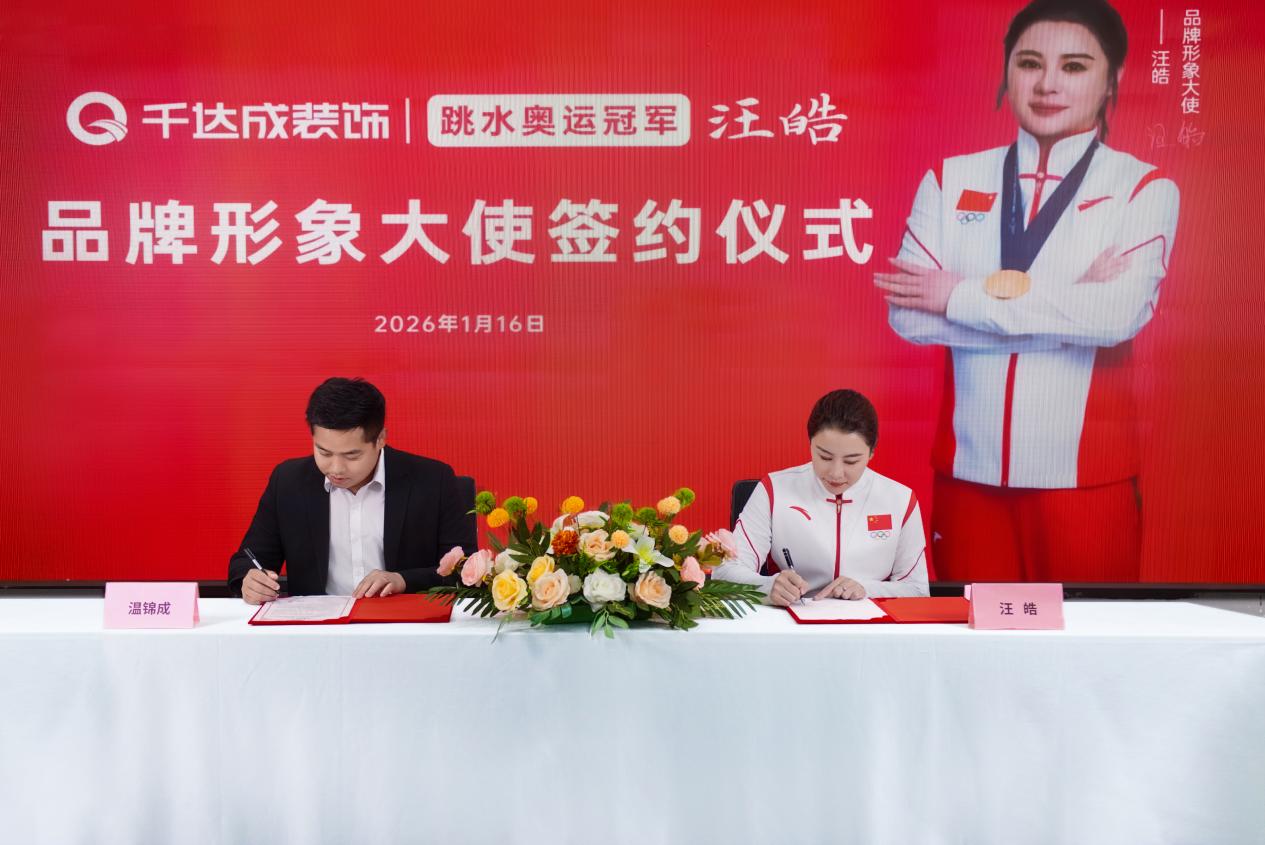
签约仪式上,汪皓分享了对家装品质的理解:"跳水运动中,0.1分的差距就可能错失冠军,家装行业也是如此, 每一个细节的把控都关乎居住体验。千达成装饰对工艺的极致追求、对透明化的坚守,与我追求零失误 的冠军理念高度契合。"设计总监温锦成则表示:"汪皓冠军的加入,不仅是品牌形象的升级,更是对千达成 十年匠心的认可。我们将以奥运冠军的严苛标准要求自己,在设计、施工、服务各环节持续精进,为业主 提供'冠军级'的家装体验。" 此次合作,为千达成装饰的品牌升级注入强大动力。未来,公司将依托汪皓的冠军影响力,进一步扩大品牌 辐射范围,深化"全案交付、透明装修"的核心优势,以标准化体系、环保化材料、数字化管理,为家装行业 的品质升级树立新典范,让更多家庭享受到省心、安心、放心的高品质家装服务。 2026年1月,厦门家装市场迎来重磅喜讯——伦敦奥运会跳水冠军汪皓与本土全案整装标杆企业千达成装 饰正式签署品牌代言协议。千达成装饰设计总监温锦成与汪皓共同出席签约仪式,这场"体育冠军+家装 匠心"的跨界联动,不仅引发行业广泛关注,更将推动家装行业向"标准化、透明化、高品质"方向加速升 级。 汪皓的运动生涯,是一部关于"极致追求与逆境重 ...
十个勤天、许翠花登顶,天猫报告揭秘年度十大破亿“新势力”品牌
Guan Cha Zhe Wang· 2026-01-14 00:54
Core Insights - Tmall's 2025 New Brand Development Report indicates that over 150,000 quality new merchants launched brands on Tmall in the past year, marking a historical high for brand creation [1] - The number of brands achieving over 100 million yuan in sales in their opening year increased by over 40% year-on-year [1] - Among new brands established within three years, 276 achieved over 100 million yuan in annual sales, and 5,026 surpassed 10 million yuan [1] Industry Breakdown - The top ten industries with the most new brands achieving over 10 million yuan in sales include apparel, home appliances, home decoration, 3C digital products, health, sports and outdoor, maternal and infant products, home goods, food and fresh produce, and jewelry [1] - Notable brands that achieved over 100 million yuan in sales on Tmall in 2025 include Tenko Qintian, Tongpin, Xu Cuihua, Kutaike, Xiaoban Furniture, Junpei, LiberLive, Juequling, PANE, and CrzYoga, each leading in their respective niche markets [1][4] Regional Insights - The cities with the highest number of new merchants include Guangzhou, Shenzhen, Jinhua, Hangzhou, Quanzhou, Xiamen, Wuhan, Xuzhou, Dongguan, and Zhengzhou, with Guangzhou leading for three consecutive years [4] - In 2025, over 18,000 new merchants opened stores in Guangzhou, doubling the number from 2023 [4] Strategic Initiatives - Tmall plans to implement a "supporting excellence" strategy in 2025, focusing on brands with originality and creativity that can drive consumer demand and retain users [8] - Different support policies are provided based on the stage of new brands, including the "Blue Star Plan" for new merchants and the "Treasure New Brand" initiative to help brands grow from 1 to 10 [8] - The report also identifies 50 blue ocean opportunity sectors for 2026, including smart robots, AI glasses, skin science, personalized makeup, and more, indicating significant growth potential in these areas [8]

天猫2025年度新品牌发展报告:超15万个优质商家创立品牌
Zheng Quan Shi Bao Wang· 2026-01-12 05:07
Core Insights - Tmall's 2025 New Brand Development Report indicates that over 150,000 quality new merchants established brands on the platform in the past year, marking a historical high in scale [1] - The number of brands achieving over 100 million yuan in sales in their opening year increased by over 40% year-on-year [1] - Among new brands established within three years, 276 brands achieved annual sales exceeding 100 million yuan, and 5,026 brands surpassed 10 million yuan, all setting historical records [1] Industry Breakdown - The top ten industries with the highest number of new brands achieving over 10 million yuan in sales in 2025 include apparel, home appliances, home decoration, 3C digital products, health, sports and outdoor, maternal and infant products, home goods, food and fresh produce, and jewelry [1] - The cities with the most new merchants in 2025 are Guangzhou, Shenzhen, Jinhua, Hangzhou, Quanzhou, Xiamen, Wuhan, Xuzhou, Dongguan, and Zhengzhou, with Guangzhou leading for three consecutive years [1] - In 2025, over 18,000 new merchants opened stores in Guangzhou, doubling the number from 2023 [1] Emerging Opportunities - A new wave of brands is rapidly emerging by addressing niche demands with differentiated high-quality products [1] - The report also highlights 50 blue ocean opportunity tracks for 2026, including smart robots, AI glasses, skin science, personalized makeup, wearable home clothing, vegetable-tanned HOBO bags, light customization in home decoration, smart mattresses, titanium kitchenware, small ball sports, lightweight sports gear, professional trail running, and outdoor pet products, indicating significant growth potential in these areas [1]
圣都推出“一心一亿”品牌联盟战略
Mei Ri Shang Bao· 2026-01-11 22:30
Core Insights - The event held by Shengdu Decoration in Hangzhou celebrated its achievements in 2025, highlighting customer satisfaction and quality service [1] - Shengdu launched the "One Heart One Billion" brand alliance with several well-known brands to enhance home decoration quality and cost-effectiveness for 2026 [1][2] - The company introduced a "payment before renovation" model, which has gained significant attention and led to a transformation in the home decoration industry [2] Group 1 - Shengdu Decoration hosted a customer appreciation banquet with over a thousand attendees, including old and new customers, strategic partners, and key department heads [1] - The event featured speeches from industry leaders, emphasizing the importance of trust between companies and customers as a driving force for industry progress [1] - The "One Heart One Billion" alliance includes reputable brands such as Moganshan, Rabbit Baby, and Boss Appliances, aiming to provide high-quality renovation services [2] Group 2 - In 2025, Shengdu completed renovations for 8,665 homes, with thousands of repeat customers, indicating strong brand loyalty and customer satisfaction [2] - The "funds custody" service introduced by Shengdu has not only attracted consumer interest but has also been adopted by other home decoration companies, showcasing its industry-leading position [2] - The event featured performances by well-known singer Xiong Tianping, enhancing the celebratory atmosphere and engaging attendees [3]
2025年深圳以旧换新“成绩单”出炉!
Shen Zhen Shang Bao· 2026-01-10 04:23
Core Insights - In 2025, Shenzhen's old-for-new consumption policy achieved significant results, with a total sales volume of 87.5 billion yuan, benefiting 17.8 million consumers [1] Group 1: Policy Implementation - Shenzhen fully promoted the old-for-new program for automobiles, smart home appliances, home renovation, and electric bicycles in 2025 [1] - The program included the replacement of 190,000 cars, 7.97 million home appliances, 4.32 million digital products, 5.23 million home renovation items, and 90,000 electric bicycles [1] Group 2: Market Participation - Over 1,000 offline merchants participated in the old-for-new program in the home appliance, digital, and home renovation sectors, with more than 11,000 stores involved [1] - The policy also extended to cover residents from Hong Kong, Macau, Taiwan, and foreign nationals, with over 20,000 individuals benefiting from subsidies [1] Group 3: Market Response - The new consumption policy was launched on January 1, 2026, covering automobiles, six categories of home appliances, and four categories of digital products, providing substantial discounts to citizens [1] - The market response was rapid, with some stores experiencing a more than 150% increase in foot traffic and over 200% increase in transaction rates during the New Year period compared to the previous week [1]