文旅地产

Search documents
从“湾区之眼”到“冰雪世界” 前海以建筑美学重塑城市文旅叙事
2 1 Shi Ji Jing Ji Bao Dao· 2025-09-29 13:55
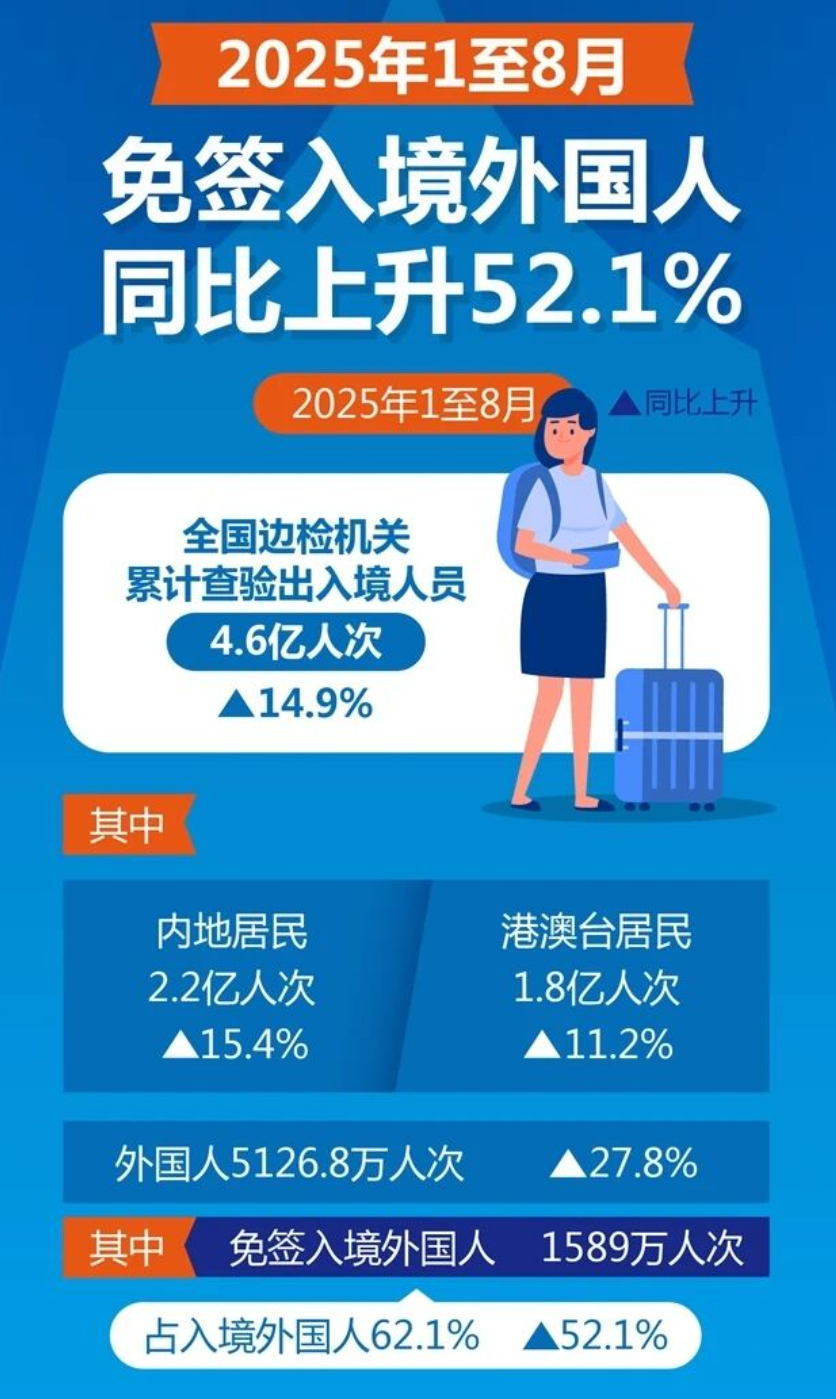
Core Insights - The article highlights the emergence of futuristic cultural landmarks in Qianhai, Shenzhen, which are expected to reshape urban tourism narratives and generate economic momentum [1][4][5] - The unique architectural aesthetics of these landmarks, such as "Bay Area Eye" and "Qianhai Ice and Snow World," are designed to attract visitors and enhance the city's international recognition [7][10] Group 1: Architectural Developments - Qianhai is introducing several innovative buildings, including the world's largest indoor snow park and a transformed cruise ship, which serve as both cultural symbols and tourist attractions [4][8] - "Bay Area Eye," a massive bookstore, and "Qianhai Ice and Snow World," featuring the largest indoor ski area at the lowest latitude, are key highlights of this architectural transformation [4][12] - The architectural designs reflect a blend of modern aesthetics and functional utility, aiming to create immersive experiences for visitors [5][13] Group 2: Tourism and Economic Impact - The implementation of a 240-hour visa-free transit policy has significantly boosted inbound tourism, with a reported 31.9% year-on-year increase in visitors to Shenzhen [19][20] - The integration of cultural and tourism experiences is seen as a strategy to enhance consumer engagement and investment opportunities in the region [19][20] - The presence of social media influencers has amplified the visibility of Qianhai as a travel destination, attracting a diverse audience [18][19] Group 3: Visitor Experience Enhancements - Qianhai is enhancing visitor experiences through improved payment systems and tax refund services, making it more accessible for international tourists [22][20] - The development of unique attractions, such as the immersive theater experience on the "Minghua Wheel," caters to the growing demand for experiential travel [14][16] - The region aims to create a "1-hour ice and snow lifestyle circle" for residents and visitors from Hong Kong and Macau, further integrating the Greater Bay Area [13][14]


秦皇岛远洋蔚蓝海岸十一潮玩指南|在帆船、匹克球与亲子活动中嗨翻黄金周!
Xin Lang Zheng Quan· 2025-09-28 01:32
Core Viewpoint - The article promotes the eighth Small Town Life Festival at the Ocean Blue Coast in Qinhuangdao, emphasizing a unique holiday experience that combines various activities, community engagement, and modern leisure options, appealing to diverse groups including sports enthusiasts, families, and young adults seeking quality experiences [1][14]. Group 1: Event Highlights - The festival features a range of activities including a family sailing camp and a newly upgraded pickleball tournament, catering to both participants and spectators [1][6]. - The event includes a children's theater week in collaboration with Germany's Galli Theater, offering performances of classic fairy tales and interactive workshops for children [3][4]. - A community sports event will take place, allowing visitors to compete alongside local residents in various sports, fostering a sense of community [6][14]. Group 2: Daily Activities - The festival schedule includes a morning run to celebrate National Day, an opening concert by the OST Symphony Orchestra, and various themed events throughout the week [8][9]. - Daily activities feature a mix of music, art, markets, and outdoor movies, providing a diverse range of entertainment options for attendees [10][9]. - Special events such as a Mid-Autumn Festival lantern lighting and music concert will enhance the festive atmosphere [9][10]. Group 3: Unique Selling Points - The Ocean Blue Coast offers a more engaging experience compared to traditional coastal tourism, focusing on deep participation in activities like sailing and pickleball [14]. - The festival's structured children's activities are designed to meet developmental needs, promoting both education and fun [14]. - The community aspect encourages social interaction and a sense of belonging, moving away from one-time visits to a more integrated experience [14].

中国文旅,迎来外资接盘时刻?
3 6 Ke· 2025-09-25 01:14
Core Viewpoint - The article discusses the increasing interest of foreign capital in China's cultural and tourism assets, highlighting recent investments and policy changes that facilitate this trend [10][12][15]. Group 1: Investment Opportunities - The project located in Suzhou's Yangcheng Lake Peninsula will be renamed Haihe An Suzhou Yangcheng Peninsula Park, with an additional investment of 100 million yuan, aiming to create a lakeside immersive cultural and entertainment tourism destination in the Yangtze River Delta [1]. - During its trial operation in the summer of 2025, the park is expected to attract over 350,000 visitors, with a peak daily attendance exceeding 20,000, making it a popular destination on a leading short video platform [3]. - MBK Partners, known for its opportunistic investments, previously privatized Shenzhou Car Rental at a significant premium despite the company's challenges during the pandemic [3][4]. Group 2: Foreign Investment Trends - MBK's notable acquisition of four theme parks from Haichang Ocean Park for approximately 6.5 billion yuan marks a rare case of foreign investment consolidation in China's cultural tourism sector [4]. - The article notes that foreign investments in China's tourism sector are increasing, with examples including the acquisition of high-end hotels and theme parks by various foreign entities [6][8]. - Recent policy changes by Chinese authorities aim to optimize the foreign investment environment, signaling a shift towards welcoming foreign capital in various sectors, including tourism [10][12]. Group 3: Market Dynamics - The article emphasizes that the valuation logic for cultural tourism assets in China is becoming clearer as foreign capital enters the market, with a focus on projects that can generate stable cash flow [13][15]. - The influx of foreign capital is expected to reshape the industry landscape, with a trend towards acquiring undervalued assets and enhancing their operational models [21][22]. - The article suggests that the next five years may see a significant transformation in the way cultural tourism assets are structured and valued, driven by both foreign and domestic capital [25].
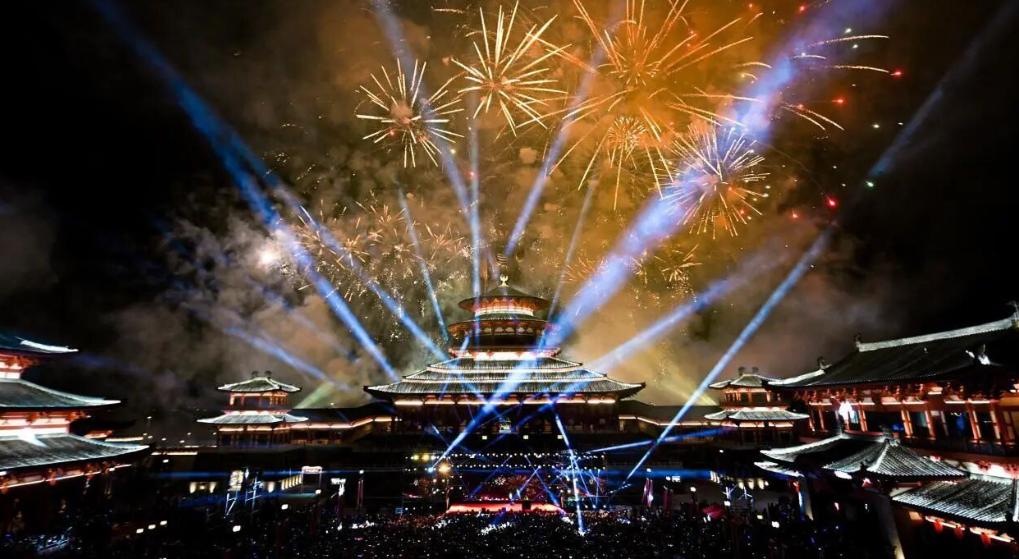
从主题乐园到外滩酒店,外资出手了
Hu Xiu· 2025-09-25 00:30
Core Insights - MBK Partners has completed the acquisition of Suzhou Huayi Brothers Movie World, marking a significant investment in China's cultural tourism sector [1][4] - The project will be renamed Haihe An Suzhou Yangcheng Peninsula Park and aims to become a lakeside immersive cultural tourism destination in the Yangtze River Delta, with an additional investment of 100 million yuan [2] Investment Trends - MBK Partners is known for its strategic investments in undervalued assets, having previously privatized Shenzhou Car Rental at a premium despite market challenges [5][6] - The firm gained prominence in the Chinese cultural tourism market through the acquisition of four theme parks from Haichang Ocean Park, totaling approximately 6.5 billion yuan [7][8] - The investment strategy focuses on assets with cash flow potential and room for improvement, as evidenced by past investments like Universal Studios Japan [9][10] Market Dynamics - The valuation of cultural tourism assets in China has been declining, attracting foreign investments, including the acquisition of high-end hotels by groups like Singapore's Golden Eagle [11][12] - Recent policy changes by Chinese authorities aim to optimize the foreign investment environment, signaling a shift towards opening up the market for overseas capital [21][22][24] Future Outlook - The influx of foreign capital is expected to simplify the valuation logic of cultural tourism assets, making projects with stable cash flows more attractive for investment [27][32] - The current market is characterized by a transition phase, where high-cost projects are retreating, creating new opportunities amid supply contraction and demand recovery [40][41] - The trend indicates that undervalued cultural tourism assets in China will increasingly attract capital, leading to potential restructuring and revaluation of these assets [43][50]
借力文旅消费政策红利,安博凯基金收购苏州文旅项目
2 1 Shi Ji Jing Ji Bao Dao· 2025-09-24 06:33
Core Insights - MBK Partners' subsidiary, Haihe An Cultural Tourism, has completed the acquisition of Suzhou Huayi Brothers Movie World, rebranding it as Haihe An Suzhou Yangcheng Peninsula Paradise, marking a shift in the Yangtze River Delta's cultural tourism focus from "scale expansion" to "quality enhancement" [1][2] - The park, covering 460,000 square meters, is expected to attract over 350,000 visitors during its trial operation in the summer of 2025, with a peak daily attendance exceeding 20,000 and a revenue increase of 68% year-on-year [1][2] - The Chinese government is providing strong policy support for tourism consumption, including issuing consumption vouchers and implementing ticket reduction policies, which is expected to significantly benefit the cultural tourism real estate sector [1][2] Company Overview - Haihe An Cultural Tourism has invested over 100 million yuan in the project, launching three core products, including the largest domestic dragon-themed children's area and a night economy system [2][3] - The company operates several major cultural tourism projects across cities like Qingdao and Chengdu, adopting a "one city, one IP" model to enhance local cultural integration [3][4] - The acquisition strategy of MBK Partners focuses on identifying high-value assets in distress, aiming to revitalize them through operational improvements and capitalize on market recovery [5][6] Industry Trends - The cultural tourism real estate sector is shifting towards theme consumption, immersive experiences, and innovative models, with AI technology accelerating industry upgrades [4][5] - There is a significant amount of inefficient existing assets in the domestic cultural tourism industry that require revitalization, highlighting the need for diverse capital involvement [6] - The current capital market is facing an "asset scarcity" situation, with a focus on operational income becoming crucial for real estate value, making cultural tourism properties attractive for investment [5][6]
从华润、中建到华侨城,吴秉琪调任背后:新帅能否激活增长新动能?
Hua Xia Shi Bao· 2025-09-11 05:47
Core Viewpoint - The recent leadership changes at China Overseas Chinese Town (OCT) aim to address the company's operational challenges and enhance its development trajectory, with Wu Bingqi taking over as General Manager to lead this transformation [1][4]. Leadership Changes - Zhang Zhenggao has officially retired as the Chairman of OCT, and Liu Fengxi has been relieved of his duties as General Manager [1]. - Wu Bingqi, with extensive experience in state-owned enterprises, has been appointed as the new General Manager and Deputy Secretary of the Party Committee at OCT [1][2]. Wu Bingqi's Background - Wu Bingqi, aged 54, has a strong background in real estate and commercial operations, having previously served as President of China Resources Land and held significant positions at China State Construction Engineering [2][3]. - His career trajectory showcases a steady rise from grassroots roles to senior management, accumulating over 20 years of experience within the China Resources system [2]. Financial Context - OCT is currently facing a substantial debt challenge, with total liabilities amounting to 3,593 billion yuan, which has been reduced to 2,411 billion yuan under Zhang Zhenggao's leadership [4]. - The company has been actively optimizing its asset structure and has seen a positive cash flow for four consecutive quarters, indicating resilience in operations [8]. Industry Challenges - The cultural tourism real estate sector is undergoing significant changes, with major players like Sunac and Vanke divesting from tourism assets to refocus on core real estate development [6]. - OCT, as a pioneer in this sector, must navigate these industry shifts and redefine its strategic direction to remain competitive [6][7]. Future Outlook - Wu Bingqi's appointment is seen as a critical opportunity for OCT to revitalize its operations and explore new growth avenues, especially given the ongoing financial pressures [5][9]. - The management team's youthfulness, with Wu being one of the few "post-70s" executives, brings fresh perspectives that may benefit the company's strategic initiatives [9][10].

古都大同投资10亿元打造对标阿那亚“文旅生活共生体”
Zhong Guo Xin Wen Wang· 2025-08-27 20:59
随着该项目的落地,大同古城有望进一步释放文化魅力,吸引更多京津冀及周边地区的游客与投资者, 为古城保护与活化利用提供可借鉴的"大同样本"。(完) (文章来源:中国新闻网) 该项目定位为"大同古都,千年对话",将对标国内知名文旅项目阿那亚、良渚文化村,打造北方首 个"生活美学、商业文旅共生体"。项目规划融合潮流商业、高端居住、文化艺术、休闲度假和社群生活 五大功能板块,重点围绕大同古城历史文化IP,通过"运营服务+内容赋能"的模式,在保留古城原有历 史肌理的基础上,构建独特的消费场景和生活方式体验,推动古城文旅从"观光型"向"深度体验型"升 级。 中新网大同8月27日电 (记者胡健)记者27日从山西省大同市委宣传部获悉,总投资10亿元的"凤凰蛋商业 文旅共生体"项目完成签约,旨在对标国内知名文旅项目阿那亚、良渚文化村,打造北方首个"生活美 学、商业文旅共生体"。 日前,山西省大同市平城区人民政府与山西恒瑞房地产有限公司正式达成合作,就大同古城县隍庙街两 侧地块"凤凰蛋商业文旅共生体"项目进行签约仪式。该项目总投资额达10亿元,选址于大同古城核心区 域,用地面积4.33万平方米,是大同推动古城活化利用的关键项目。 ...
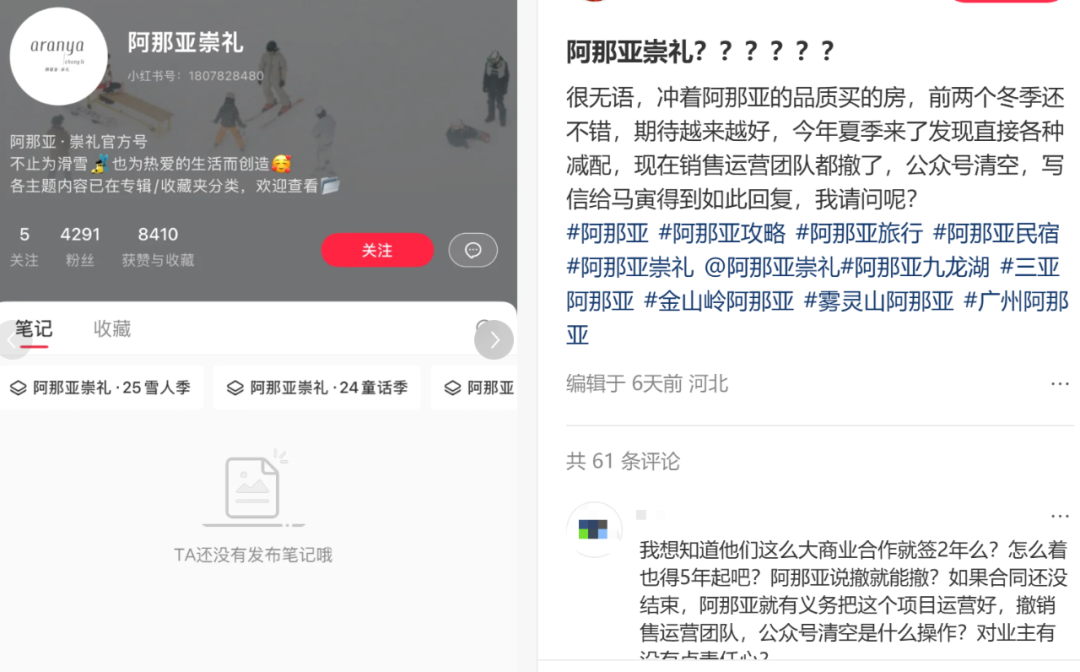
阿那亚要从崇礼撤场?买房的小业主们懵了
36氪· 2025-08-14 13:35
闻旅 . 专注有价值的报道,服务有思想的人群。 神仙打架,业主遭殃? 以下文章来源于闻旅 ,作者郭鸿云 文 | 郭鸿云 编辑 | Sette 来源| 闻旅(ID:wenlvpai) 封面来源 | 阿那亚官网 最近阿那亚崇礼业主们着实很闹心,连好好避暑过暑假的心思都没有了。 因品牌方阿那亚与开发商正在焦灼谈判去留问题,未来自己花高价买的房子还是不是属于阿那亚,能不能继续享受阿那亚的管理服务与社区文化成了一个未 知数。 而且从现有信号看,双方谈判情况并不乐观,已经有业主发现,小红书上 @阿那亚崇礼官方账号发布内容已经清除,而阿那亚官方微信公众号有关崇礼项 目的介绍文章也已被发布者删除。 究竟发生了什么闹 得 这么僵,阿那亚如果撤出冲着品牌买房的业主们又该怎么办? 一封被业主公开的 "村长"马寅回复信解释了双方扯皮原委,但却无法取下悬在业主头顶的那把达摩克利斯之剑。 根据网友分享的回复信内容可以看到,导致阿那亚崇礼与开发商出现分歧的主要原因在于小镇内项目的统一运营权问题。 马寅提到,崇礼这些年雪场发展同质化比较严重,服务和细节相对较弱,短暂雪季带来的潮汐式客流不能支持全年良性运营。这也使得拾雪川项目早期并不 太被看 ...
阿那亚要从崇礼撤场?买房的小业主们懵了
Hu Xiu· 2025-08-12 09:25
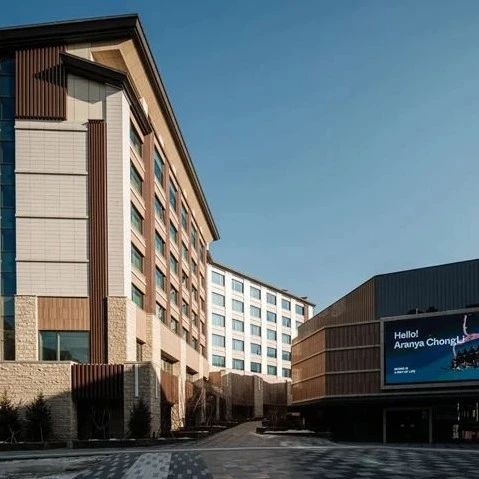
Core Viewpoint - The ongoing negotiations between Anaya and the developer regarding the future management and ownership of properties in Anaya Chongli have created uncertainty for homeowners who purchased properties based on the Anaya brand and its associated services [1][4][21]. Group 1: Negotiation Status - Current signals indicate that negotiations between Anaya and the developer are not optimistic, with evidence of content removal from Anaya's official accounts related to the Chongli project [3][27]. - Anaya's founder, Ma Yin, has expressed the need for a thorough negotiation to determine whether Anaya will continue its involvement based on the ability to manage the project effectively [15][36]. - The outcome of these negotiations is expected by mid to late September, which will determine if Anaya will remain involved or withdraw from the project [16][25]. Group 2: Operational Challenges - The primary issue causing friction between Anaya and the developer is the unified operational rights within the project, which affects service quality and customer satisfaction [5][10]. - Anaya has successfully differentiated the Chongli project, leading to high occupancy rates and competitive pricing for its accommodations, but faces challenges due to external interference from the developer [7][12]. - The presence of the Courtyard Hotel, which is not under Anaya's management, has led to complaints and negatively impacted the project's reputation [11][12]. Group 3: Homeowner Concerns - Homeowners are anxious about the potential withdrawal of Anaya, as they purchased properties at prices above the average in Chongli, relying on Anaya's brand for value retention [21][23]. - The lack of Anaya's operational presence has already been felt, with a decline in service quality and customer experience, leading to disappointment among visitors and homeowners alike [27][28]. - Homeowners are left with uncertainty regarding the future value of their properties and whether they can seek refunds if Anaya withdraws [21][24]. Group 4: Broader Implications - Anaya's ability to manage and operate projects effectively is crucial for its brand reputation and future collaborations with developers [36][34]. - The situation in Chongli reflects broader challenges faced by Anaya in maintaining its operational standards across various projects, especially those involving external developers [28][32]. - The outcome of the negotiations will serve as a test of Anaya's operational capabilities and its commitment to maintaining quality standards in its projects [36][37].
太可怕!卖不完、空置多!买这类房子,很多人都踩深坑了!
Sou Hu Cai Jing· 2025-07-26 17:21
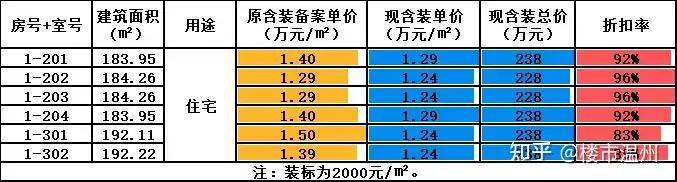
Core Viewpoint - The recent price adjustments of unsold properties in the Wen Cheng tourism projects, Swan Castle and Jia Nan Mei Di, indicate a challenging sales environment for these long-established developments, with most properties seeing price reductions of 7.8% to 9.7% from their original prices [1][2]. Group 1: Price Adjustments - Swan Castle and Jia Nan Mei Di have adjusted prices for several unsold units, with most seeing a discount ranging from 7.8% to 9.7% [1]. - Specific price adjustments for Swan Castle include reductions in unit prices from original values, with some units now priced at 0.82 to 0.54 per square meter [2]. Group 2: Sales Performance - The sales performance of these tourism projects is concerning, with Swan Castle having sold 89% of its 1,448 units and Jia Nan Mei Di selling 82% of its 2,745 units, indicating a significant number of unsold properties [7]. - Other tourism projects in the region show even poorer performance, with some like Tian Ding Hu only achieving a 34% sales rate [7]. Group 3: Market Challenges - The ongoing decline in the real estate market has led to developers lowering prices, but the adjustments in Swan Castle and Jia Nan Mei Di are not considered substantial given the broader market context [2][6]. - Many tourism projects are facing severe challenges, including stalled construction and unsold inventory, which raises concerns about their future viability [8][12]. Group 4: Developer Issues - Many of the tourism projects are managed by smaller developers lacking the necessary financial strength and operational experience, leading to difficulties in project completion and sales [12][15]. - The reliance on residential sales to fund tourism facilities has created a cycle of underperformance, with unsold residential units hindering further development [12][14]. Group 5: Government and Future Outlook - There is a call for local governments to intervene and assist in the resolution of stalled projects to protect consumer interests and ensure timely delivery of properties [16]. - The future of tourism projects in Wenzhou may require larger, more resourceful developers to ensure successful operation and management, moving away from the current reliance on small-scale developers [15].