
智能网联新能源汽车

Search documents
2026上海科技和产业怎么干,政府工作报告划重点
第一财经· 2026-02-03 06:31
Core Viewpoint - Shanghai aims for a GDP growth of around 5% in 2026, with a focus on enhancing its status as an international economic center and promoting technological innovation and industrial integration [3][5][7]. Economic Goals - The main expected targets for Shanghai's economic and social development include a GDP growth of approximately 5%, a 2% increase in local public budget revenue, and a research and development expenditure ratio of 4.6% of GDP [3][5]. Technological and Industrial Focus - Key tasks for 2026 involve deepening the construction of an international technology innovation center, supporting industries such as smart connected new energy vehicles, marine economy, low-altitude economy, aerospace, and satellite internet [5][6][10]. - The report emphasizes the integration of technological and industrial innovation to cultivate new productive forces [7]. Research and Development - In 2025, Shanghai's R&D expenditure was about 4.5% of its GDP, with leading industries like integrated circuits, biomedicine, and artificial intelligence exceeding a scale of 2 trillion yuan [8]. - The city plans to establish 7 high-quality concept verification platforms and 6 incubators, with a technology contract transaction volume of 649.68 billion yuan, marking a 24.9% increase [8]. Modern Industrial System - Shanghai's "14th Five-Year Plan" outlines a modern industrial system characterized by advanced manufacturing, focusing on two transformations (digital and green) and three leading industries (integrated circuits, biomedicine, artificial intelligence) [9]. - The plan also includes six emerging pillar industries and six future industry fields [9]. Specific Industry Initiatives - The "Shanghai High-Level Autonomous Driving Leading Area" plan aims for large-scale implementation of high-level autonomous driving by 2027, with a target for L2 and L3 vehicles to comprise over 90% of new car production [10]. - The low-altitude economy is projected to reach a core industry scale of around 80 billion yuan by 2028, with plans to establish Shanghai as a leading city in eVTOL technology [10][12].

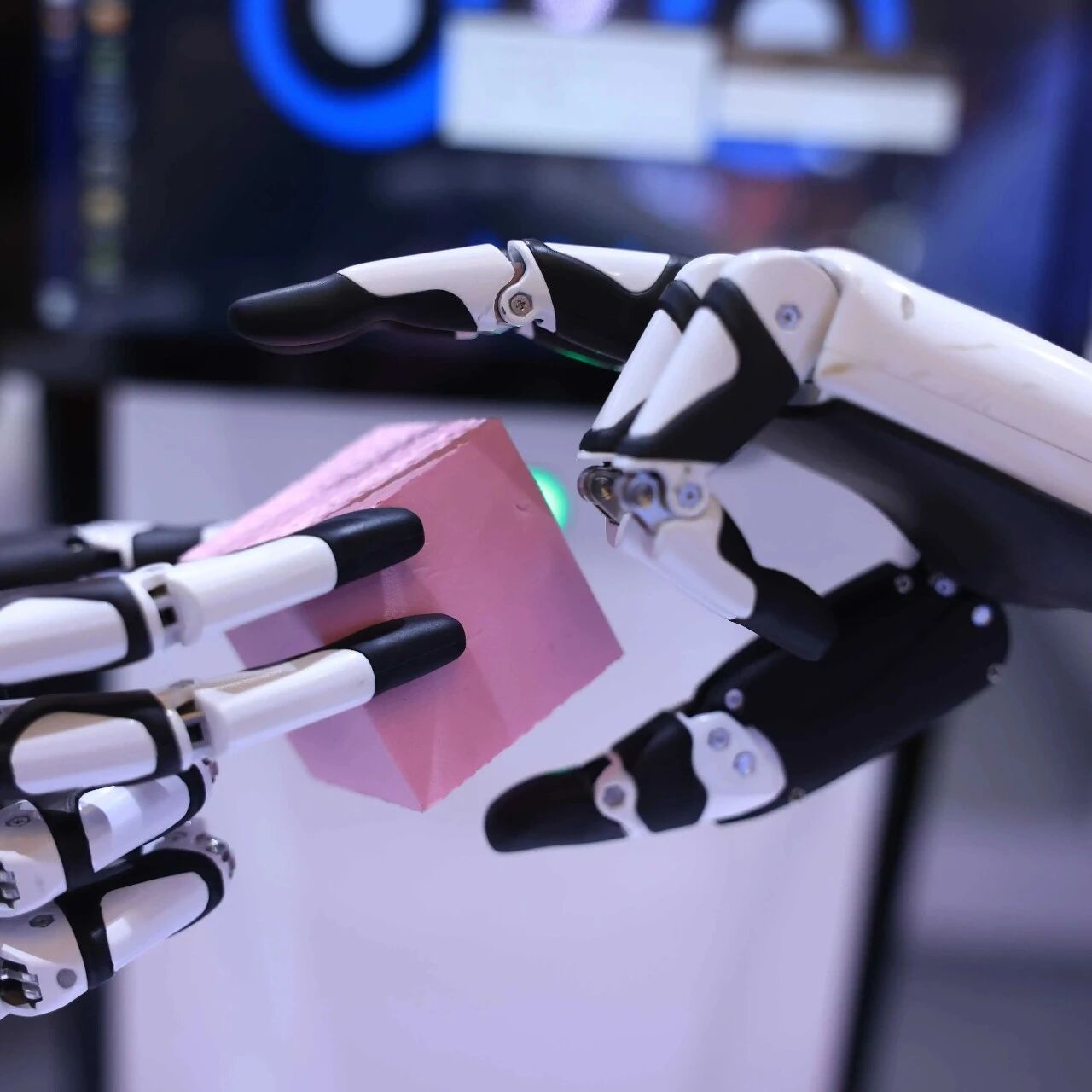
2026上海科技和产业怎么干,政府工作报告划重点
Di Yi Cai Jing· 2026-02-03 04:58
Core Insights - Shanghai aims for a GDP growth of approximately 5% in 2025, with a focus on enhancing its international economic center and supporting key industries such as smart connected vehicles, marine economy, low-altitude economy, aerospace, and satellite internet [2][4] Industry Development Goals - The report emphasizes the importance of integrating technology and industry innovation to cultivate new productive forces, including accelerating the application of major technological achievements and promoting intelligent, green, and integrated industrial development [3] - Shanghai plans to increase its R&D expenditure to 4.6% of GDP, with significant growth in the integrated circuit, biomedicine, and artificial intelligence sectors, which have collectively surpassed 2 trillion yuan [3][4] Specific Industry Initiatives - The city has outlined specific initiatives for smart connected vehicles, including the "Mosu Zhixing" action plan, which aims for large-scale implementation of high-level autonomous driving by 2027, targeting over 90% of new vehicles to have L2 and L3 capabilities [4] - In the low-altitude economy sector, Shanghai aims for a core industry scale of approximately 80 billion yuan by 2028, with plans to establish itself as a global hub for eVTOL (electric vertical takeoff and landing) technology [5] Recommendations and Challenges - Industry representatives suggest leveraging Shanghai's strengths in high-end manufacturing and technology innovation to advance low-altitude economy sectors, while also addressing challenges in key technologies such as autonomous flight control and low-altitude communication [6] - Recommendations include accelerating the establishment of standards and applications in low-altitude communication, navigation, and safety operations, as well as fostering collaboration among leading enterprises, research institutions, and universities [6]

上海:积极支持智能网联新能源汽车、海洋经济、低空经济、航空航天、卫星互联网等产业发展
Jin Rong Jie· 2026-02-03 02:08
上海市第十六届人大四次会议2月3日上午在世博中心开幕。上海市市长龚正作《政府工作报告》。报告 表示,今年要深化国际经济中心建设。聚焦建设现代化产业体系,持续巩固壮大实体经济根基,在石 化、 钢铁等行业持续开展数智技术、绿色技术改造和产线升级,在 集成电路、 生物医药、 人工智能等 领域加快实施一批重大产业项目,积极支持智能网联 新能源汽车、 海洋经济、 低空经济、航空航天、 卫星互联网等产业发展,培育特色数字产业集群,大力推动服务业扩能提质、集聚发展。 ...
上海:大力培育发展脑机接口、第四代半导体等未来产业
财联社· 2026-02-03 02:08
Core Viewpoint - The Shanghai government aims to deepen the construction of an international economic center, focusing on modern industrial systems and supporting various key industries for sustainable economic growth [1][2][3]. Group 1: Economic Goals - The GDP growth target for Shanghai this year is set at approximately 5%, with local public budget revenue expected to grow by 2% [3]. - The proportion of R&D expenditure relative to GDP is targeted to reach 4.6%, while the urban unemployment rate is aimed to remain below 5% [3]. - The report anticipates that the growth in residents' disposable income will align closely with economic growth, and consumer price inflation is projected to be around 2% [3]. Group 2: Long-term Development Plans - By 2035, Shanghai aims to double its per capita GDP compared to 2020 levels, with significant advancements in high-quality development and urban governance [4]. - The "14th Five-Year Plan" outlines goals for enhanced core urban functions, breakthroughs in reform and opening-up, and improved social civilization [4]. Group 3: Innovation and Talent Development - By 2025, Shanghai plans to see an average of over 320 new technology companies established daily, with a focus on high-quality construction of national laboratories and support for leading tech enterprises [5]. - The city aims to attract nearly 150,000 talents from both domestic and international sources, enhancing its innovation capacity [5]. - The technology contract transaction volume is expected to reach 649.68 billion yuan, reflecting a growth of 24.9% [5].
上海市长划重点:这些产业,全力支持
Di Yi Cai Jing· 2026-02-03 02:07
Group 1 - The report emphasizes the need to deepen the construction of an international economic center in Shanghai [1] - Focus will be on building a modern industrial system and strengthening the foundation of the real economy, particularly in industries like petrochemicals and steel through digital and green technology upgrades [1] - Major industrial projects will be accelerated in fields such as integrated circuits, biomedicine, and artificial intelligence [1] Group 2 - Active support will be provided for the development of industries such as smart connected new energy vehicles, marine economy, low-altitude economy, aerospace, and satellite internet [1] - There will be efforts to cultivate distinctive digital industry clusters and promote the expansion and quality improvement of the service sector [1]
智能网联新能源汽车锦标赛在顺义启动
Xin Lang Cai Jing· 2026-02-02 16:59
Group 1 - The 2026 National Disruptive Technology Innovation Competition for Intelligent Connected New Energy Vehicles has been launched in Shunyi, focusing on discovering and nurturing disruptive technologies in the industry [1] - The competition is organized by the Beijing-Tianjin-Hebei National Technology Innovation Center and aims to promote high-quality development in the intelligent connected new energy vehicle sector [1] - Key areas of focus include solid-state batteries, automotive-grade chips, and embodied intelligence, with a closed-loop system established for technology selection, innovation incubation, and industrial implementation [1] Group 2 - Shunyi District is positioned as a core area for high-end manufacturing and the intelligent connected vehicle industry in Beijing, having gathered leading enterprises and innovation platforms [2] - The district is in the process of establishing the Beijing-Tianjin-Hebei Intelligent Connected New Energy Vehicle Technology Ecological Port, aiming to create a comprehensive industrial chain ecosystem that integrates research, production, testing, and daily life [2]
31省份2025年GDP排名出炉:谁靠前?谁垫底?
Xin Lang Cai Jing· 2026-02-02 07:50
2025年31省份GDP排名出炉,重庆超越辽宁,西藏增速领跑全国,西部省份增长亮眼。辽宁增速垫底, 凸显东北转型挑战。江苏经济总量迫近广东,长三角一体化动能强劲 文|《财经》记者 孙颖妮 编辑 | 王延春 近日,31省份2025年经济"成绩单"全部出炉。从经济总量看,根据国内生产总值(GDP)由高至低排 列,经济前十强省份为:广东(145847亿元)、江苏(142351亿元)、山东(103197亿元)、浙江 (94545亿元)、四川(67665亿元)、河南(66633亿元)、湖北(62661亿元)、福建(60199亿 元)、上海(56709亿元)、湖南(55309亿元)。 | 2025年各省份GDP(亿元) | | | | | | | | | | --- | --- | --- | --- | --- | --- | --- | --- | --- | | | 排名 | 省份 | 2025 | 2024(修订前) | 2024(修订后) | 增量 | 名义增长 | 实际增长 | | | 全国 | | 1401879. 2 | 1349084 | 1348066. 2 | 53813 | 3.99% | 5. ...
长图· 2025年河北GDP增速何以跑进全国前三丨经济运行稳中向好,韧性活力不断增强
Xin Lang Cai Jing· 2026-02-01 13:46
来源:河北日报客户端 细看2025年成绩单,河北经济 从"量"的累积加速迈向"质"的 提升,高质量发展底气更是、韧性 Fatto 以"数"观势,这一年河北经济 向新向优的是迹愈发清晰。 沉甸甸的成绩单,离不开重大 国家战略深入实施。 沉甸甸的成绩单,离不开政策 措施有力指举。 规上工业增加值增速7.9% 快于全国2.0个百分点 居全国第六位 x 0 固定资产投资增速6.1% 快于全国9.9个百分点 居全国第三位 3 社会消费品零售总额增速5.6% 快于全国1.9个百分点 居全国第二位 "稳" 的权居而序 LETLE FATH LIFE 经济实力稳步提升 就业形势总体稳定 粮食总产量达到784亿斤 创历史新高 居民收入稳步增长 "进"的步伐有力 nl lul 2025年 河北地区生产总值49305.2亿元 向5万亿元迈进 同比增长5.6% 增速快于全国0.6个百分点 增速位次为全国第三 这一年 河北经济预期目标圆满实现 地区生产总值增速 规模以上工业增加值增速 固定资产投资增速全国位次均为 历史最好水平 规模以上工业增加值 比上年增长7.9% 其中,制造业增长8.7% 九八公二十六十 4VT 1丁亚人关于 30 ...

重庆两江新区正式挂牌,意味着什么?
Xin Lang Cai Jing· 2026-01-31 05:00
Core Viewpoint - The establishment of the Liangjiang New Area marks a new beginning for Chongqing, aiming to enhance administrative efficiency and drive economic growth through strategic planning and innovation [1][2][5] Group 1: Administrative Changes - The Liangjiang New Area was officially established on January 25, 2023, following the approval of administrative adjustments by the central government, which included the dissolution of Jiangbei District and Yubei District [1] - The new administrative area covers approximately 1,360 square kilometers, comprising 31 streets and 11 towns, with a permanent population of about 3.52 million and an urbanization rate of 95% [1] Group 2: Economic Development - The Liangjiang New Area has contributed significantly to Chongqing's economy, accounting for 60% of the city's automobile production and 30% of its total imports and exports [1] - The area aims to create a new industrial layout by integrating smart connected vehicles, next-generation electronic information manufacturing, and high-end equipment into an "industrial corridor" [2] Group 3: Innovation and Technology - The Liangjiang New Area is focused on enhancing its technological innovation capabilities, with initiatives to strengthen the role of enterprises and create a favorable innovation ecosystem [3] - The area is positioning itself as a core hub for the development of a modern manufacturing cluster, particularly in the smart connected vehicle sector [3] Group 4: Social Welfare and Urban Development - Initiatives such as the "AI+ Campus Meal Management" system aim to improve the quality of life for residents by utilizing digital solutions for school meal planning and other community services [4] - The area is committed to enhancing urban governance and living standards through projects like the installation of elevators in old buildings and the creation of a "15-minute high-quality service circle" [4] Group 5: Strategic Vision - The leadership of the Liangjiang New Area emphasizes a commitment to becoming a significant growth engine for modern Chongqing, with a focus on continuous improvement and innovation [5]
重庆两江新区再出发
Xin Lang Cai Jing· 2026-01-31 01:56
Core Viewpoint - The establishment of the Liangjiang New Area marks a significant administrative adjustment aimed at enhancing governance efficiency and economic development in Chongqing, contributing to the city's modernization and industrial growth [1][2][4]. Group 1: Administrative Changes - The Liangjiang New Area was officially established on January 25, 2025, following the approval from the central government to adjust administrative divisions, which includes the cancellation of Jiangbei District and Yubei District [1]. - The new administrative area covers approximately 1,360 square kilometers, comprising 31 streets and 11 towns, with a permanent population of about 3.52 million and an urbanization rate of 95% [1]. Group 2: Economic Development - The Liangjiang New Area has contributed significantly to Chongqing's economy, accounting for 60% of the city's automobile production and 30% of its total imports and exports [1]. - The area aims to create a new industrial layout by integrating smart connected vehicles, next-generation electronic information manufacturing, and high-end equipment into an "industrial corridor" [2]. Group 3: Innovation and Technology - The Liangjiang New Area is focusing on enhancing its technological innovation capabilities, with initiatives to support the development of a modern manufacturing cluster and a globally influential smart connected vehicle industry [3]. - The area is also implementing digital solutions in various sectors, such as the "AI + campus meal management" system, which optimizes school meal planning and monitoring [3]. Group 4: Social Welfare and Urban Development - Continuous efforts are being made to improve the quality of life for residents, including urban renewal projects and the installation of elevators in old buildings [3]. - The goal is to create a "15-minute high-quality living service circle" to enhance urban governance and public services [3]. Group 5: Strategic Importance - The Liangjiang New Area is positioned as a key player in supporting the development of the Chengdu-Chongqing economic circle and enhancing the Western Land-Sea New Corridor, reflecting its strategic importance in national economic planning [4]. - The area is committed to becoming a significant growth engine for the modernization of Chongqing, driven by a proactive and determined approach [4].