
林果业

Search documents
给阿克苏苹果“建网”!“冰糖心”风险减量正落到实处
Zheng Quan Shi Bao Wang· 2025-10-28 10:34
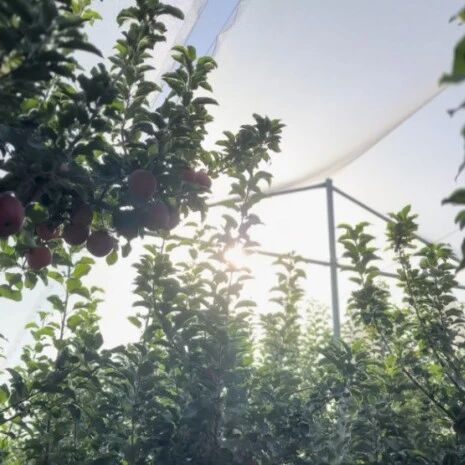
Core Insights - The introduction of hail nets in the Aksu region has significantly improved the economic stability of apple farmers, particularly in the Red Flag Slope area, which is known for its "Ice Sugar Heart" apples [1][2][3] Group 1: Hail Net Project Implementation - The hail net project in Aksu is funded 60% by insurance companies and 40% by farmers, leading to a reduction in individual farmer costs and encouraging participation [3][6] - The project aims to cover approximately 500 acres annually over a five-year period, with a total budget of 16.6 million yuan [3][6] - Farmers have reported substantial income recovery due to the installation of hail nets, with one farmer stating that the nets saved over 10,000 yuan per acre during a severe hailstorm [2][5] Group 2: Economic Impact and Benefits - The hail nets have demonstrated their effectiveness during a significant hailstorm in July 2024, where covered orchards experienced minimal damage compared to uncovered ones [2][6] - The estimated economic loss from the 2024 hailstorm was over 200 million yuan, but the nets helped recover at least 10 million yuan in losses [6][8] - The project has led to a rapid increase in hail net coverage, surpassing 30,000 acres since its inception [5][6] Group 3: Agricultural Risk Management - The Aksu region faces frequent hailstorms, with an average of 28.5 occurrences per year, leading to significant economic losses [7][8] - The collaboration between insurance and meteorological services has been crucial in reducing direct economic losses, with an estimated 390 million yuan saved over three years [8] - The integration of "meteorology + insurance" strategies has enhanced the region's ability to manage agricultural risks effectively [7][8]
一线调研|给阿克苏苹果“建网”!“冰糖心”风险减量正落到实处
券商中国· 2025-10-28 10:22
Core Viewpoint - The article highlights the successful implementation of hail prevention nets in the Aksu region of Xinjiang, which has significantly mitigated the economic losses from hail disasters for apple farmers, particularly benefiting the "Ice Sugar Heart" Aksu apples, a renowned geographical indication product in China [1][2][9]. Group 1: Hail Prevention Measures - The main production area for "Ice Sugar Heart" apples is the Hongqi Slope region, which has faced challenges from hail disasters due to its location in an air traffic control zone, making traditional hail prevention methods ineffective [2][4]. - A pilot project for hail prevention nets was initiated in 2023, funded 60% by insurance companies and 40% by farmers, leading to tangible benefits in reducing losses from hail damage [2][7]. - The installation of hail nets has proven effective, with farmers reporting significant income recovery, such as one farmer recovering over 10,000 yuan per acre after the installation of nets [3][9]. Group 2: Economic Impact and Adoption - The cost of building a hail prevention net is approximately 7,000 yuan per acre, which previously deterred farmers due to high upfront costs; however, the pilot project has reduced the financial burden, encouraging more farmers to adopt this technology [7][8]. - The area under hail net coverage has rapidly increased, surpassing 30,000 acres, demonstrating a shift in farmers' attitudes towards disaster prevention [8][9]. Group 3: Insurance and Risk Management - The insurance company has invested around 10 million yuan over five years in the hail prevention project, which has effectively addressed the issue of insufficient individual farmer investment and facilitated the rapid deployment of hail nets [9][10]. - The hail prevention nets have significantly reduced economic losses during severe hail events, with estimates suggesting that they saved at least 10 million yuan in damages during a major hailstorm in July 2024 [9][10]. Group 4: Climate and Disaster Statistics - The Aksu region experiences an average of 28.5 hail events per year, with economic losses exceeding 300 million yuan annually due to hail damage, highlighting the critical need for effective disaster management strategies [10][11]. - The collaboration between insurance and meteorological services has led to a reduction of direct economic losses by approximately 390 million yuan over the past three years, showcasing the effectiveness of the "insurance + meteorology" approach in agricultural disaster risk management [11].

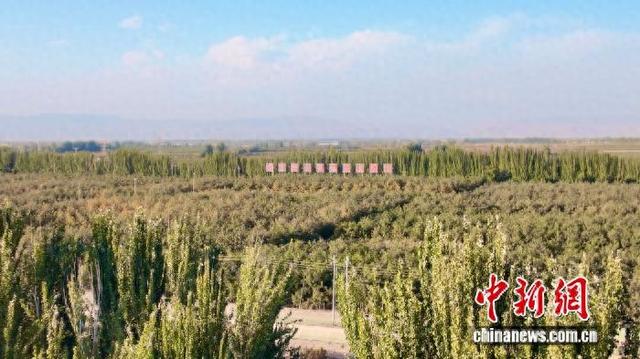
河南淅川:绿色动能涌新潮
Zhong Guo Jing Ji Wang· 2025-10-24 02:06
Group 1: Ecological Agriculture - The county has implemented the "Fruit Industry Management Subsidy Measures," integrating 45 million yuan to support ecological industries [2] - The area of ecological fruit planting has reached over 230,000 mu, with standardized industrial parks covering 80,000 mu, generating an annual output value of 600 million yuan [2] - The initiative has helped 100,000 people increase their income and improve their livelihoods [2] Group 2: Green Industry - The county has established a complete automotive shock absorber production base, with a market share of 20%, and the automotive parts industry is expected to achieve an output value of 3.63 billion yuan in 2024 [2] - The county has implemented a series of strategic measures, including the establishment of a 60 million yuan industrial R&D fund and the introduction of talent policies to foster industrial growth [2] Group 3: Tourism Development - The county is enhancing tourism by upgrading scenic spots and developing projects around the Danjiangkou Reservoir, with three national 4A-level and four 3A-level tourist attractions established [3] - The tourism sector is projected to receive over 5.7 million visitors and generate a total revenue of 4.78 billion yuan in the first half of 2025 [3]
新疆阿克苏:全链布局兴林果 产业增效富乡村
Zhong Guo Jing Ji Wang· 2025-10-21 07:49
Core Insights - The apple and walnut industries in Aksu, Xinjiang, are thriving, with farmers actively engaged in harvesting and utilizing smart devices for packaging, indicating a shift towards modernization and efficiency in agricultural practices [1] - Aksu has established itself as a major fruit-growing region, focusing on the entire production, processing, and sales chain, which has significantly contributed to rural revitalization and increased farmers' incomes [1][2] - Quality is emphasized as the key to high-quality development in the fruit industry, with local initiatives promoting standardized production and deep processing to enhance product value [1] Industry Development - The continuous increase in fruit production and improved infrastructure has led to intensified investment attraction efforts in Aksu, aiming to extend and strengthen the fruit product supply chain [2] - The variety of fruit products has expanded, including grape juice, dried apples, and walnut-based products, enhancing market competitiveness [2] - Currently, there are 233 processing and storage enterprises in the region, with an annual processing capacity of 1.78 million tons and over 300 processed products available, indicating a robust and attractive market [2]
读懂中国·阿克苏的甜蜜故事|三代坚守,柯柯牙如何让荒漠变“金山”?
Zhong Guo Xin Wen Wang· 2025-10-15 08:26
Core Viewpoint - The article highlights the transformation of the Keke Ya region from a desert to a green oasis through decades of dedicated efforts by local communities, emphasizing the importance of environmental restoration and sustainable development in the region [1][3][12]. Group 1: Historical Context and Development - The Keke Ya desert greening project began in 1986, addressing a critical survival crisis as the desert was encroaching just 6 kilometers from the city at a rate of 5 meters per year [5]. - The first head of the Keke Ya Three North Shelter Forest Management Station, Imam Maimaiti, faced significant challenges, including soil salinity levels reaching 9.87%, far exceeding the 1% threshold required for afforestation [5]. - By 1987, the survival rate of tree seedlings improved significantly, with spring rates at 87.5% for 2,000 acres and autumn rates reaching 98% for 1,200 acres [5]. Group 2: Economic and Ecological Impact - The Keke Ya greening initiative has led to the establishment of 450,000 acres of specialty fruit bases around the Tarim Basin, with varieties like thin-skinned walnuts and sugar heart apples becoming local economic staples [8][11]. - The region's fruit production is projected to reach 300 million tons by 2025, with a total output value of 20 billion yuan, making the fruit industry a pillar of poverty alleviation and rural revitalization [11]. - The ecological improvements have resulted in increased annual rainfall from 60 mm to 120 mm, a reduction in sandstorm days from over 100 to about 30, and an increase in forest coverage from 3.35% to 9.04% [11]. Group 3: Community and Cultural Significance - The Keke Ya spirit, characterized by self-reliance, unity, hard work, and selfless dedication, has been a driving force behind the community's efforts to transform the landscape [3][6]. - The narrative of three generations of a family involved in the greening efforts symbolizes the collective commitment of the local population to environmental stewardship [1][12]. - The ongoing efforts are now being carried forward by younger generations, ensuring the continuation of the ecological restoration and economic development initiatives [12].
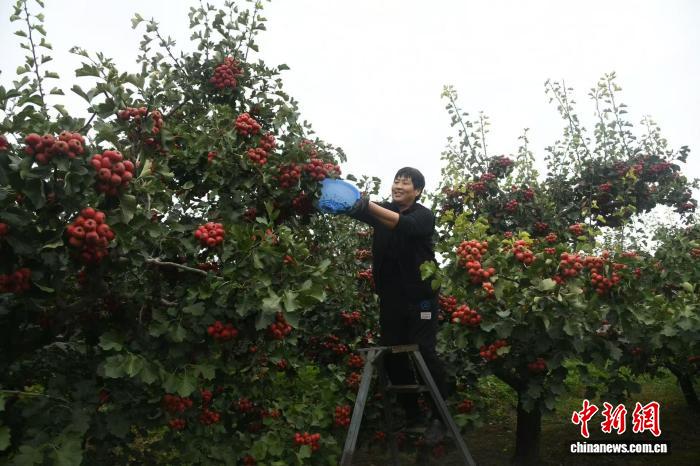
(乡村行·看振兴)山西闻喜抢收“黄金果” 守护3.6万亩林果丰收防线
Zhong Guo Xin Wen Wang· 2025-10-11 10:05
Core Viewpoint - The article highlights the successful harvest of hawthorn and sweet persimmon in Guojiazhuang Town, Shanxi Province, emphasizing the effective measures taken by local farmers and government to ensure a bountiful yield despite adverse weather conditions [1][2][3]. Group 1: Industry Development - The fruit industry in Guojiazhuang Town has developed significantly, starting from the exploration of natural endowments, with a current cultivation area exceeding 36,000 acres [2]. - This year, the total expected yield for hawthorn is over 150 million pounds, while sweet persimmon is projected to reach 40 million pounds [2]. Group 2: Economic Impact - The fruit industry serves as a pillar for local farmers' income, with average annual earnings exceeding 10,000 yuan per farmer due to the cultivation of 36,000 acres of fruit [3]. - A local farmer reported that cultivating 20 acres of sweet persimmon could yield an income of 400,000 yuan, significantly more than working outside [2]. Group 3: Emergency Response Measures - In response to frequent rainfall during the harvest season, local authorities initiated an emergency harvesting plan, mobilizing over 3,000 farmers to ensure efficient collection and processing of the fruits [2]. - The local government coordinated with external buyers to address storage and transportation needs, ensuring a smooth procurement process [2].
新疆小果子“链”起大产业
Ren Min Wang· 2025-10-11 03:06
Core Insights - Xinjiang's fruit industry is transitioning from a "large fruit region" to a "strong fruit region," leveraging its unique natural resources and innovative agricultural practices to enhance quality and market reach [1][4] Industry Development - Xinjiang has established a mature "one area, three belts" system for fruit production, which includes various advantageous regions and specialty industry belts, enabling year-round fruit supply [1][2] - The region is the top producer of red dates, grapes, apricots, and almonds in China, showcasing its diverse agricultural output [1] Technological Advancements - Over 50,000 technical training sessions have been conducted, benefiting over 3.8 million farmers and significantly improving overall orchard management [2] - The integration of technology, such as drones for pesticide application and digital management systems, is enhancing the standardization and efficiency of fruit production [2] Value Addition and Processing - Xinjiang has developed over 70 leading fruit processing enterprises and more than 2,000 cooperatives, producing over 180 deep-processed products, thus moving from simple fresh fruit sales to a multi-faceted industry [3] - The establishment of smart production lines has enabled the processing of 70,000 tons of raw fruits and vegetables annually, creating a variety of products like dried fruit and fruit juices [3] Market Expansion - Xinjiang's fruit exports account for 80% of its annual production, with ongoing efforts to enhance brand influence and market reach [4] - Initiatives like the "Big Warehouse East Move" project have facilitated the sale of 311,000 tons of specialty agricultural products from Kashgar to broader markets since 2018 [3][4] Socioeconomic Impact - The fruit industry supports approximately 5.5 million farmers, with fruit income constituting nearly 30% of per capita disposable income in major production areas, and in some regions, exceeding 60% [4]
小果子“链”起大产业
Ren Min Ri Bao· 2025-10-11 02:08
Core Insights - The Xinjiang fruit industry is transitioning from a "large fruit region" to a "strong fruit region," leveraging its unique natural resources and innovative agricultural practices to enhance quality and market reach [2][6]. Industry Development - Xinjiang's fruit industry has become a significant green industry and a pillar for farmers' income, with a wide coverage and substantial development potential [2]. - The region has established a mature "one area, three belts" system for fruit production, optimizing the variety structure and extending the fruit supply period throughout the year [2][3]. Technological Advancements - The introduction of new varieties and standardized cultivation practices has improved fruit quality and increased prices, with over 380 million training sessions conducted for farmers [3]. - Advanced technologies, such as drones for pesticide application and digital management systems, are enhancing the standardization of fruit production [3]. Value Addition and Processing - Xinjiang has developed over 70 leading fruit processing enterprises and more than 2,000 cooperatives, expanding from fresh fruit sales to diverse processing products [4]. - The region's processing capabilities include products like apple chips, concentrated juices, and walnut oil, significantly increasing the value chain [4]. Sales and Market Expansion - Xinjiang's fruit exports account for 80% of its annual production, with ongoing efforts to enhance brand influence and market reach [5]. - Initiatives like the "Big Warehouse East Move" project have facilitated the sale of local products to broader markets, addressing logistical challenges [4][6]. Socioeconomic Impact - The fruit industry benefits approximately 5.5 million farmers in Xinjiang, with fruit income constituting nearly 30% of their disposable income, and in some areas, exceeding 60% [6]. - The industry plays a crucial role in rural revitalization and improving livelihoods, demonstrating the significant economic impact of fruit production in the region [6].
砥砺奋进七十载 天山南北谱华章|小果子“链”起大产业
Ren Min Ri Bao· 2025-10-11 00:54
Core Insights - The Xinjiang fruit industry is transitioning from a "large fruit region" to a "strong fruit region," leveraging its unique natural resources and innovative agricultural practices to enhance quality and market reach [1][5] - Xinjiang's fruit production includes leading national outputs in various categories such as red dates, grapes, apricots, and almonds, contributing to a diverse and appealing "big fruit plate" for consumers [1][5] Industry Development - Xinjiang has established a mature "one area, three belts" system for fruit production, optimizing the variety and supply of fruits throughout the year [1] - The region has implemented standardization measures and technical training, with over 50,000 training sessions conducted, benefiting more than 3.8 million farmers and significantly improving orchard management [2] Technological Advancements - The integration of technology in traditional fruit farming is evident, with the use of drones for precise pesticide application and digital management systems enhancing the standardization of fruit production [2] - Xinjiang has developed over 70 leading fruit processing enterprises and more than 2,000 cooperatives, expanding into over 180 deep-processing products [3] Market Expansion - Xinjiang's fruit sales have reached a significant scale, with 80% of annual fruit production being exported, supported by e-commerce platforms and various marketing initiatives [4] - The "Big Warehouse East Move" project has facilitated the sale of 311,000 tons of Kashgar specialty agricultural products to broader markets since 2018, addressing logistical challenges [3] Economic Impact - The fruit industry is a crucial pillar for rural revitalization and livelihood improvement, benefiting 5.5 million farmers, with fruit income accounting for nearly 30% of per capita disposable income in main production areas [5]
新疆从“林果大区”迈向“林果强区”—— 小果子“链”起大产业(砥砺奋进七十载 天山南北谱华章)
Ren Min Ri Bao· 2025-10-11 00:47
Core Viewpoint - The Xinjiang fruit industry is transitioning from a "large fruit region" to a "strong fruit region," leveraging its unique resources and innovative practices to achieve high-quality development and enhance the income of farmers [1][4]. Industry Development - Xinjiang's fruit industry has become a significant green industry with vast coverage, benefiting a large population and showing great development potential [1]. - The region has established a mature "one area, three belts" system for fruit production, optimizing the variety structure and extending the fruit supply period throughout the year [1][2]. Technological Advancements - The introduction of new varieties and standardized cultivation practices has improved fruit quality and increased prices, with over 380 million training sessions conducted for farmers [2]. - Advanced technologies, such as drones for pesticide application and digital management systems, are enhancing the standardization of fruit production [2]. Value Addition and Processing - The industry is moving from fresh fruit sales to multi-format integration, with over 70 leading processing enterprises and more than 180 deep-processing products developed [3]. - The establishment of smart production lines has enabled the processing of 70,000 tons of raw materials annually, creating a variety of products like dried fruit and fruit juice [3]. Sales and Market Expansion - Xinjiang's fruit exports account for 80% of its annual production, with ongoing efforts to enhance brand influence and market reach [4]. - Initiatives like the "Big Warehouse East Move" project have facilitated the sale of 311,000 tons of specialty agricultural products from Kashgar to broader markets [3][4]. Socioeconomic Impact - The fruit industry significantly contributes to rural revitalization and the livelihoods of approximately 5.5 million farmers, with fruit income accounting for nearly 30% of their disposable income [4][5].