
自媒体

Search documents
29岁4000万粉丝,年营收过亿,一个想死在火星的人
3 6 Ke· 2025-10-13 07:19
Core Insights - The interview with Tim, a prominent figure in the media industry, reveals his exceptional qualities as a top product manager, including sensitivity, wisdom, strong insight, curiosity, and high cognitive ability [2][3] Company Overview - Tim, whose real name is Pan Tianhong, is the founder of "Film Hurricane," a media company that has grown from a personal account to a firm with over 100 employees and an annual revenue exceeding 100 million [5][7] - The company has a unique tradition of gifting new iPhones to all employees after the launch of each new model, similar to practices seen in the WeChat team [7] Growth and Development - Film Hurricane has evolved significantly, with Tim's journey from a single account to a successful company showcasing a remarkable growth trajectory [11] - The company is currently investing heavily in producing Oscar-worthy short films, with an annual expenditure of 3 to 4 million, aiming for a total investment of over 10 million in three years [13] Strategic Insights - Tim's father, a successful executive, provided valuable guidance rather than financial support during challenging times, emphasizing the importance of cognitive development over monetary assistance [22][24] - The company has adopted a strategy of finding global benchmarks, specifically looking up to Mr. Beast, a leading figure in the media industry, to enhance its content creation and business model [30][33] Key Takeaways - Strong positive feedback is crucial for personal and company growth, as demonstrated by Tim's early experiences in photography [16][36] - Investing in knowledge and cognitive development is more beneficial than merely providing financial resources [22][38] - Identifying and learning from industry benchmarks can significantly enhance a company's efficiency and direction [29][38]


完整的假期该如何定义?
Hu Xiu· 2025-10-10 13:39
Core Viewpoint - The article discusses the pervasive culture of working during holidays in China, highlighting the impact of technology, particularly WeChat, on work-life balance and the differences in communication styles between Chinese and Western workplaces [5][8][22]. Group 1: Work Culture and Technology - Many industries, including self-media, public relations, and finance, experience a lack of complete holidays due to ongoing work demands [4][24]. - The use of WeChat as an all-in-one tool integrates work and life, leading to a blurred line between personal time and work obligations [9][10]. - The legal ruling that handling work via WeChat during holidays constitutes overtime has sparked debate about the nature of work and compensation [5][7]. Group 2: Communication Styles - Chinese companies often require synchronous communication, expecting immediate responses, which contributes to the disruption of personal time [14][16]. - In contrast, Western companies favor asynchronous communication, allowing employees to respond at their convenience, which promotes a clearer separation between work and personal life [15][22]. - The fragmented communication style in China leads to a fragmented holiday experience, where employees feel compelled to remain connected to work [21][18]. Group 3: Management Practices - To improve work-life balance, companies should consider adopting tools designed for separation, such as email, and reduce reliance on WeChat [25]. - Establishing asynchronous communication processes can minimize unnecessary real-time interruptions [26]. - Management should shift from equating work hours with efficiency to a results-oriented approach, allowing employees to have uninterrupted time off [27][24].
破产赛道火了
投资界· 2025-10-10 08:49
Core Viewpoint - The article discusses the rise of "bankruptcy influencers" on social media, highlighting how narratives of financial downfall have become a new trend, replacing the previously popular "wealth flaunting" content [4][24]. Group 1: Rise of Bankruptcy Influencers - The "negative wealth" narrative has gained traction, with influencers sharing their stories of financial ruin, which resonates with a broader audience facing economic challenges [5][8]. - Influencers like "负家千金" (Negative Wealth Daughter) have transitioned from showcasing luxury lifestyles to sharing their experiences of bankruptcy, thus attracting a new following [10][12]. - The trend has evolved from genuine stories of wealthy individuals facing financial crises to include various demographics, such as students and middle-class families, all seeking to share their struggles [14][16]. Group 2: Content Creation and Audience Engagement - The content produced by bankruptcy influencers often focuses on emotional narratives rather than material possessions, appealing to audiences' interests in personal growth and resilience [17][18]. - Different subgroups of bankruptcy influencers have emerged, including those from wealthy backgrounds, students, and middle-class families, each with unique storytelling approaches [14][16]. - The shift from luxury consumption to narratives of survival and adaptation reflects a broader societal change in values, where audiences are more interested in authenticity and relatability [25][26]. Group 3: Market Dynamics and Future Trends - The economic slowdown has made flaunting wealth riskier, leading to a decline in the popularity of wealth influencers and a rise in bankruptcy narratives as a new form of content [24][25]. - The emergence of bankruptcy influencers is seen as a response to changing societal attitudes towards wealth and poverty, with audiences increasingly drawn to stories of struggle and resilience [26]. - As the trend continues, there is potential for these influencers to pivot towards more educational content, offering advice on career choices and financial management, thus broadening their appeal [22][23].

“北京榜样•最美互联网从业者”提名人选|曹德春:把流量变成正能量
Sou Hu Cai Jing· 2025-10-10 02:02
Core Viewpoint - The article highlights the achievements and contributions of Cao Dechun, a prominent self-media creator, in the fields of education, traditional culture, and public welfare, emphasizing his role in enhancing public awareness and engagement through various digital platforms [1][2][3][4][10]. Group 1: Education Focus - Cao Dechun has dedicated his efforts to improving national scientific literacy through engaging content on social media, covering topics from historical anecdotes to scientific knowledge [2]. - He actively addresses social issues related to education, such as college entrance exams and employment trends for graduates, providing valuable insights and guidance to students [2][3]. - His initiatives include creating practical resources for job-seeking graduates, such as video guides on resume writing and interview preparation, which have reached millions of viewers [3]. Group 2: Cultural Promotion - Cao Dechun has expanded his influence into the realm of traditional culture, using innovative methods to engage younger audiences and promote cultural heritage [4][7]. - His travel-based content serves as a dynamic cultural lesson, showcasing traditional craftsmanship and historical sites, thereby fostering a deeper appreciation for cultural heritage [7]. - He has contributed to the promotion of Beijing's cultural image through creative short videos, significantly boosting local tourism and cultural engagement [8]. Group 3: Public Welfare Initiatives - Public welfare is a central theme in Cao Dechun's work, with over 100 initiatives focused on rural education and support for disadvantaged groups [10]. - As an ambassador for educational programs, he actively raises funds and awareness for underprivileged students, helping them overcome socio-economic barriers [10]. - His involvement in policy advocacy for the private economy demonstrates his commitment to bridging the gap between government initiatives and public understanding [12].
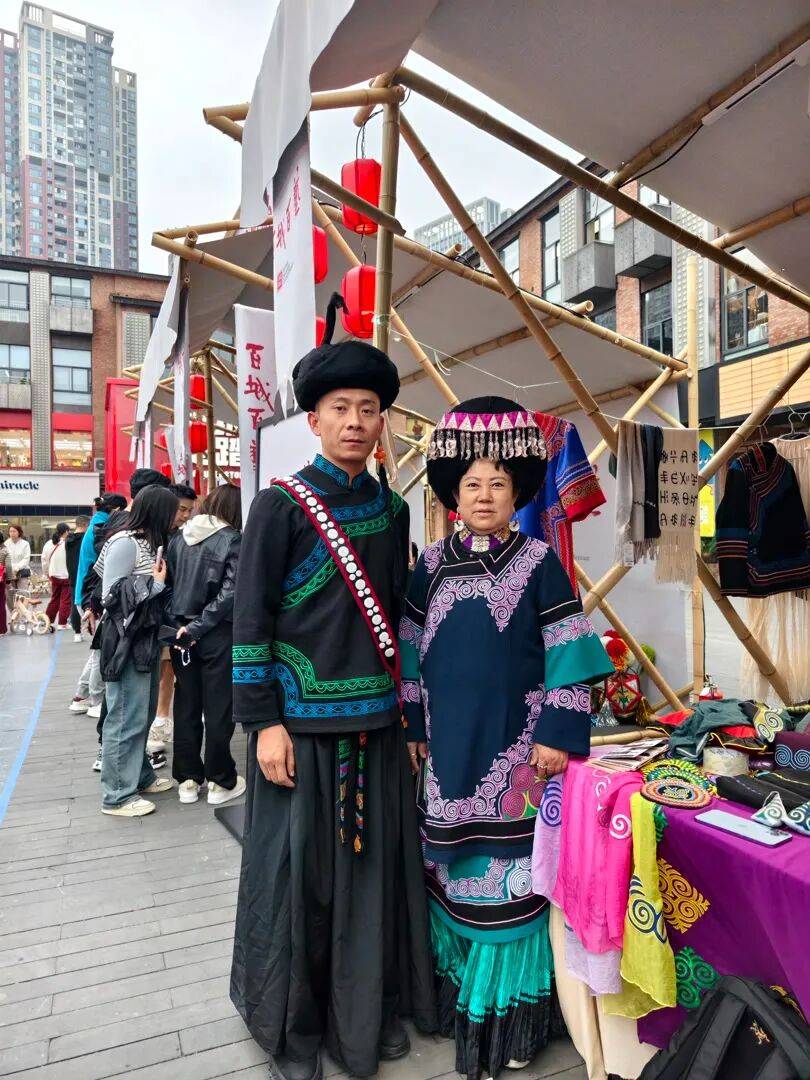
“00后”台青谈假期:备考、面试、招待“首来族”
Zhong Guo Xin Wen Wang· 2025-10-09 06:59
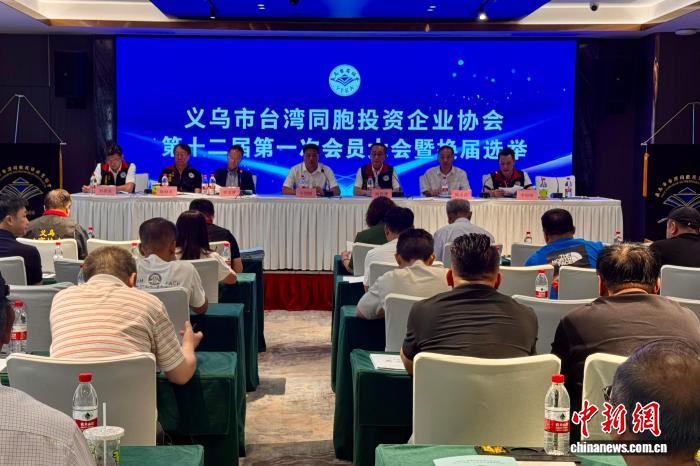
Group 1 - The article highlights the diverse activities of young Taiwanese individuals in mainland China during their holiday, showcasing their engagement in various fields such as civil service exam preparation and self-media industry [1][2] - The self-media industry is noted for its rapid development in mainland China, with young Taiwanese expressing a preference for creating engaging short videos over traditional film work [1] - The cross-border e-commerce sector in mainland China is described as having a well-established support system, attracting young Taiwanese entrepreneurs to explore collaborative opportunities [2] Group 2 - The establishment of the youngest director in the Yiwu Taiwan Investment Enterprises Association indicates a growing involvement of young Taiwanese in business associations and entrepreneurial initiatives [2] - Young Taiwanese are actively seeking to learn more about cross-border e-commerce to enhance their employment and entrepreneurial prospects, indicating a trend towards skill development in this area [2]
这篇文章,是AI写的吗?
混沌学园· 2025-10-08 11:58
Core Viewpoint - The article discusses the transformation of content creation in the age of AI, highlighting how AI tools have restructured the self-media landscape, leading to both opportunities and challenges for content creators and audiences [2][3][6]. Group 1: AI's Impact on Content Creation - AI has significantly lowered the barriers to content production, allowing creators to generate high-quality content quickly through tools like ChatGPT and Midjourney, which can produce text and visuals in minutes [3][4]. - The role of content creators has shifted from hands-on production to effectively directing AI tools, requiring a new set of skills focused on precision in task delegation rather than traditional creative skills [5][6]. Group 2: Industry Structure Changes - The content creation industry is experiencing a sharp division, where standardization and process-driven creators are losing value, while those with strong descriptive abilities can leverage AI as a powerful tool for unique creativity [5][6]. - The oversaturation of AI-generated content is leading to a decline in content quality and originality, as similar prompts yield homogenized outputs, increasing competition for audience attention and driving up acquisition costs [6][7]. Group 3: Audience and Trust Issues - The proliferation of standardized AI content narrows the diversity of thought available to audiences, potentially eroding critical thinking and independent judgment as users become accustomed to easily digestible information [7][8]. - There is a growing market demand for authentic content that reflects real experiences and insights, as audiences begin to value "human touch" and unique perspectives over algorithmically generated perfection [8][9]. Group 4: Future of Content Creation - The role of content creators must evolve to embrace AI as a supportive tool for information processing, while focusing on building unique insights and brand reputation that cannot be automated [9][10]. - Platforms need to adapt their algorithms to prioritize content that demonstrates human authenticity and credibility, fostering a new relationship between creators and audiences based on trust and genuine engagement [9][10].

做自媒体矩阵发稿慢AI原创文章批量生成+自动发布提效80%
Sou Hu Cai Jing· 2025-10-06 10:50
Core Insights - The article highlights the challenges faced by content creators in managing multiple social media platforms, emphasizing the inefficiencies in content production and publishing processes [1][6] - It presents AI content generation and automated publishing tools as effective solutions to enhance operational efficiency and reduce time spent on content management [7][9] Group 1: Challenges in Content Creation - Over 67% of content creators spend more than 3 hours on average to create and publish a single piece of content [1] - A typical mid-tier content team managing 8-12 platforms requires 1.5-2 hours just for the publishing phase, excluding writing and engagement time [3] - Common issues include manual writing bottlenecks, platform-specific formatting challenges, and cumbersome publishing processes that lead to errors [3][6] Group 2: Impact of Delayed Publishing - Delays in content publishing can lead to significant traffic loss, with a reported 40% decrease in average views for content published more than 4 hours late [6] - The cycle of slow publishing results in compromised content quality and stagnated follower growth [6] Group 3: AI Solutions for Content Generation - AI technology allows for bulk content generation by inputting multiple keywords, drastically reducing the time required from 20 hours to just 15 minutes for generating 10 articles [7] - AI can adapt content formats for different platforms, ensuring compliance with specific stylistic requirements [8] Group 4: Automation in Publishing - Automated publishing tools can significantly reduce the time spent on manual posting, with one case showing a reduction from 2.5 hours to just 20 minutes for a content creator managing 12 accounts [9] - Implementing independent IP proxies for multiple accounts can lower the risk of account suspension from 15% to below 3% [9] Group 5: Efficiency Gains from Automation - The application of AI generation and automated publishing can reduce the average time from content creation to publication from 218 minutes to 41 minutes, increasing daily output from 3.2 to 11.5 pieces [10] - Data-driven decision-making is enhanced through automated systems that track content performance across platforms, allowing for strategic adjustments [11]
张雪峰多平台账号被禁止关注
Di Yi Cai Jing· 2025-09-24 10:30
Core Viewpoint - The education influencer Zhang Xuefeng has faced bans across multiple social media platforms due to violations of community guidelines and laws, following previous controversies regarding his views on journalism and liberal arts education [1]. Group 1 - Zhang Xuefeng's accounts on Weibo, Douyin, Kuaishou, and Bilibili have been prohibited from being followed [1]. - The bans were attributed to violations of laws and community regulations, as indicated by the notifications from the respective platforms [1]. - Previous controversies surrounding Zhang Xuefeng included debates on whether to choose journalism as a major and the classification of liberal arts as a service industry [1].
我们正在被“AI屎”喂饱?
虎嗅APP· 2025-09-18 13:21
Core Viewpoint - The rise of AIGC (AI-Generated Content) has significantly transformed the content creation landscape, particularly in the self-media sector, leading to an influx of creators and a surge in content volume, but not necessarily in quality [6][7][10]. Group 1: Impact of AIGC on Content Creation - AIGC represents a shift from professional content generation (PGC) to user-generated content (UGC), and now to AI-generated content, lowering the barriers for content creation [7]. - The self-media industry has become increasingly competitive, with AIGC contributing to a saturation of low-quality, homogeneous content, making it harder for users to find valuable information [9][10]. - AIGC content is characterized by a lack of creativity and originality, primarily serving to aggregate existing knowledge rather than generate new insights [14]. Group 2: Practical Value of AIGC - AIGC has practical applications in various content types, including media dissemination, formal documents, and academic/literary works, particularly in generating routine or template-based articles [16][18]. - While AIGC can enhance efficiency in producing standard content, it often requires significant post-processing to meet quality standards, especially for high-stakes media articles [18][19]. Group 3: Drawbacks of AIGC in Content Creation - A significant drawback of using AIGC is the potential for cognitive dependency, which may diminish creative thinking and writing skills over time [21][23]. - AIGC-generated content can lead to a homogenization of writing styles, resulting in a loss of individual voice and originality among creators [23]. Group 4: Competitive Strategies Against AIGC - To compete with AIGC, content creators should focus on providing unique insights, simplifying complex topics, ensuring comprehensive coverage, maintaining accuracy, and delivering timely information [27][28][29]. - The ability to present technical information in an accessible manner is highlighted as a key competitive advantage over AIGC-generated content [27]. Group 5: Concerns Regarding AIGC - There are concerns that AIGC may undermine human creativity and originality, as it often relies on existing human-created content for training without compensating the original creators [30]. - The efficiency of AIGC poses a threat to human creators, potentially leading to a decline in the quality and diversity of original content available to audiences [30]. Group 6: AIGC's Influence on Video Content - AIGC is also impacting video content creation by lowering production barriers, although high-quality AIGC video content remains scarce [33][34]. - The prevalence of AIGC in video production may lead to a decline in societal appreciation for original storytelling and artistic expression, raising ethical concerns regarding intellectual property [34].

新华视点·关注AI造假丨耸人听闻背后的生意经——揭开AI造谣利益链
Xin Hua She· 2025-09-16 11:05
Core Viewpoint - The rise of AI-generated misinformation poses significant challenges for social governance, with a growing trend of individuals exploiting AI tools to create and disseminate false information for financial gain [1][2][3]. Group 1: AI Misinformation Trends - The use of AI for creating false information has become increasingly common, with various cases reported by law enforcement agencies across China [2][3]. - A report from Tsinghua University indicates that since 2023, the volume of AI-generated rumors has surged, particularly in the economic and public safety sectors, with food delivery and logistics being heavily affected [2][3]. - AI technology enhances the realism of online rumors, often accompanied by fabricated images and videos, making them more deceptive [2][3]. Group 2: Commercialization of Misinformation - The motivation behind AI-generated rumors often stems from the desire to monetize internet content through creator rewards and advertising revenue [4][5]. - Some individuals have been found to generate thousands of misleading posts daily, with potential earnings exceeding 10,000 yuan per day [4]. - The emergence of a black market for AI misinformation is driven by competitive business practices, where companies hire individuals to create negative content about rivals [5]. Group 3: Governance and Regulation - The Chinese government has initiated various actions to combat online misinformation, including a nationwide campaign to address false information related to enterprises and public welfare [5][6]. - Experts suggest that a comprehensive governance framework is necessary to effectively tackle AI-generated misinformation, involving collaboration across multiple sectors [6]. - Legal experts emphasize the need for a balanced approach to regulation, ensuring that innovation in AI technology is not stifled while addressing misuse [6][7].