运输仓储

Search documents
近一年来首次!美国服务业活动陷入萎缩区间
Jin Shi Shu Ju· 2025-06-04 14:35
Core Viewpoint - The ISM reported a decline in the US non-manufacturing PMI to 49.9, marking the lowest level since June 2024, indicating a contraction in the service sector [1][3] Group 1: Economic Indicators - The new orders index plummeted by 5.9 points to 46.4, the largest drop in nearly a year [3] - The business activity index fell by 3.7 points to 50, the lowest in five years [3] - The payment prices index surged to 68.7, the highest since November 2022 [3] Group 2: Sector Performance - The accommodation and food services sector was one of the few growth highlights, while eight other service sectors, including retail, construction, and transportation, experienced contraction [3] - Backlogs of orders decreased to the lowest level since August 2023 [3] Group 3: Employment and Supply Chain - The employment index increased by 1.7 points to 50.7, indicating nearly stagnant hiring [3][6] - The supplier delivery index rose, suggesting longer delivery times as companies adjust their supply chains [5] Group 4: Trade and Policy Impact - Both the export and import indices showed contraction, reflecting the impact of fluctuating trade policies from the Trump administration [4]

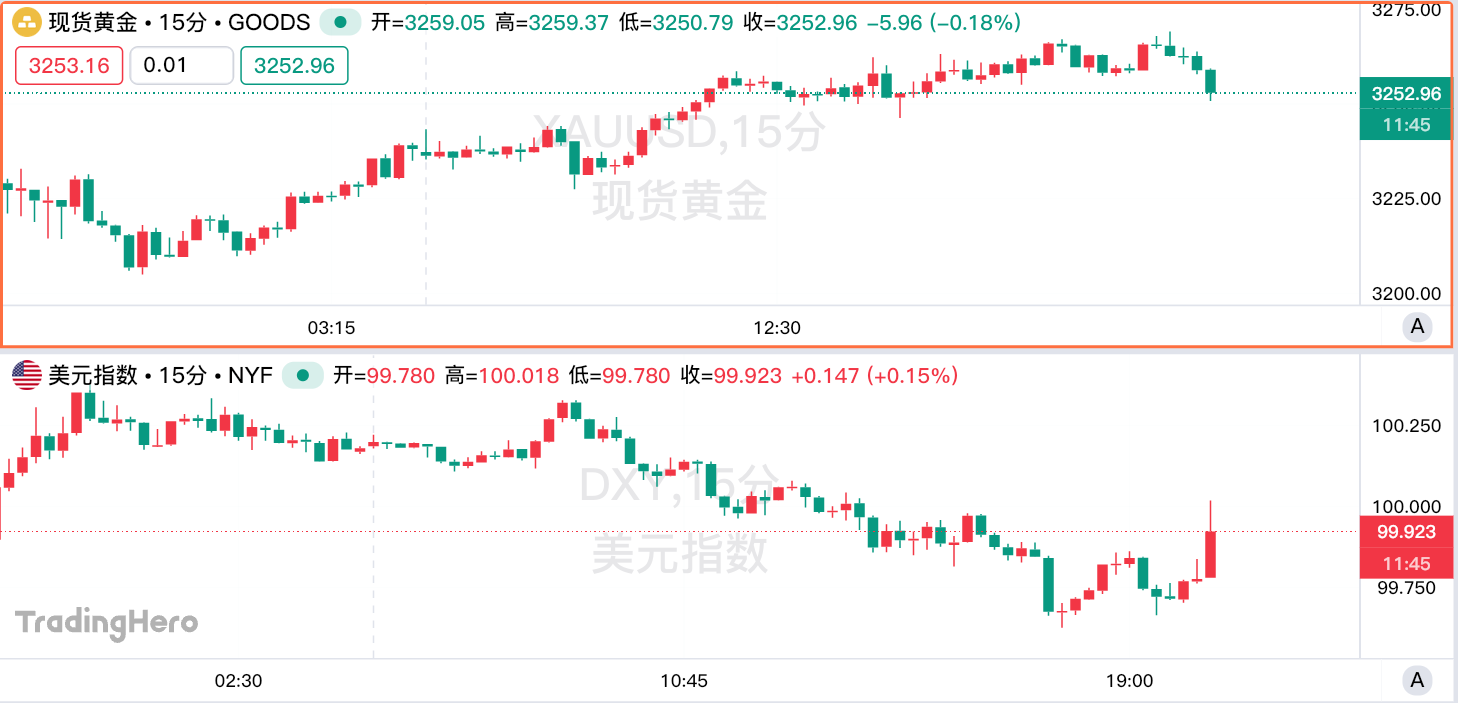
BCR聚焦国际金融热点: 非农震荡波冲击市场:黄金美元美债同步异动
Sou Hu Cai Jing· 2025-05-08 05:07
Group 1 - The April non-farm payroll report in the U.S. shows a mixed labor market picture, with 177,000 jobs added, exceeding the expected 130,000, but with a downward revision of 58,000 jobs in the previous two months [1] - The unemployment rate remains steady at 4.2%, while the annual wage growth is at 3.8%, which is below expectations [1] - The healthcare (+64,000), transportation and warehousing (+29,000), and financial activities (+15,000) sectors are the main contributors to job growth, while manufacturing continues to lose jobs [1] Group 2 - Average hourly earnings increased by 0.2% month-over-month, which is below the expected 0.3%, but the year-over-year growth of 3.8% outpaces the current inflation rate of 3.5%, indicating real income growth [2] - The Federal Reserve is expected to maintain interest rates in May, but traders have adjusted expectations for four rate cuts within the year [2] - The labor force participation rate slightly increased to 62.6%, with the participation rate for the core working age group (25-54 years) reaching a seven-month high, indicating more potential workers returning to the market [2]

就业不断下修——4月美国非农数据解读【陈兴团队·财通宏观】
陈兴宏观研究· 2025-05-03 05:57
Core Viewpoint - The April non-farm payroll data indicates a slight decline in employment growth, with potential implications for the overall labor market stability and economic outlook [1][3][17]. Group 1: Employment Data - In April, the non-farm employment increased by 177,000, showing a slight decrease compared to the previous month [3]. - The combined downward revision of 58,000 jobs for February and March suggests a cooling trend in the job market [3]. - The three-month moving average of non-farm employment indicates a downward trend, pointing to a continued softening in the employment market [3]. Group 2: Sector Performance - Job growth in April was primarily concentrated in the education and healthcare sectors (70,000), transportation and warehousing (29,000), and leisure and hospitality (24,000) [5]. - Retail and leisure hotel sectors experienced the most significant declines, with reductions of 24,000 and 14,000 jobs, respectively [5]. Group 3: Unemployment Rate - The unemployment rate remained stable at 4.2% in April, with a slight increase in the labor force participation rate by 0.1 percentage points [7]. - The U6 unemployment rate decreased by 0.1 percentage points to 7.8%, indicating a stable employment market [7]. Group 4: Labor Market Dynamics - The number of job vacancies decreased to 7.19 million in March, with a vacancy rate of 4.3%, the lowest in nearly six months [9]. - The labor supply-demand gap recorded 110,000, indicating a return to pre-pandemic levels and suggesting a balance in the labor market [9]. Group 5: Wage Growth - Average hourly earnings growth in April showed a slight month-over-month decrease to 0.2%, while year-over-year growth remained steady at 3.8% [10]. - The highest year-over-year wage growth was observed in the retail and business services sectors, at 4.5% and 4.4%, respectively [12]. - Real wage growth, adjusted for inflation, increased to 1.4% in March, reflecting a steady increase in wage income [15]. Group 6: Economic Outlook - Following the release of the non-farm data, market expectations for Federal Reserve interest rate cuts have been slightly adjusted to 3.5 times for the year, indicating a moderation in economic risk concerns [17]. - Despite the stable employment data, the impact of government layoffs and ongoing economic policy uncertainties may continue to dampen hiring prospects [17].

非农报告超预期,细节暗示关税影响!
Jin Shi Shu Ju· 2025-05-02 12:52
Group 1 - The latest non-farm payroll report indicates that the U.S. added 177,000 jobs in April, exceeding the expected 130,000 [1] - The unemployment rate remained steady at 4.2%, aligning with market expectations [1] - Average hourly wage growth year-over-year was recorded at 3.8%, slightly below the expected 3.9% [1] Group 2 - The revisions for February and March non-farm employment numbers showed a downward adjustment of 58,000 jobs combined [1] - The healthcare, transportation and warehousing, financial activities, and social assistance sectors continued to see job growth [3] - The construction sector added 11,000 jobs, which was anticipated due to expected spring activity [3] Group 3 - The transportation and warehousing sector added 29,000 jobs, potentially indicating an increase in tariffs [3] - Average hourly wage growth was slightly below expectations at 0.2%, compared to the anticipated 0.3% [3] - Year-over-year wage growth of 3.8% outpaced consumer price inflation, leading to real income growth [3]