医疗保健

Search documents
方正证券11月份港股行情展望:外部扰动难改慢牛行情
Zhi Tong Cai Jing· 2025-11-04 08:49
Group 1 - The core viewpoint of the report is that the Hong Kong stock market is experiencing a temporary adjustment but is expected to rebound, presenting a good opportunity for investment as the economic fundamentals remain stable and resilient [1] - In October, the Hong Kong stock market indices experienced a decline due to external factors such as tariffs, with the Hang Seng Technology Index falling by 8.6%, the Hang Seng Index by 3.5%, the Hang Seng Composite Index by 3.9%, and the Hang Seng China Enterprises Index by 4.0% [1] - The performance of various sectors in October showed that utilities, finance, and materials sectors performed relatively well, while healthcare, information technology, and consumer staples lagged behind [1] Group 2 - The AH share premium index saw a slight recovery, rising to 120 by October 31, up 2.2% from 117 at the end of September, indicating it is at a historically low level since 2016 [2] Group 3 - The valuation levels of major Hong Kong stock indices slightly decreased, with the Hang Seng Index PE at 11.7, the Hang Seng China Enterprises Index PE at 10.5, and the Hang Seng Technology Index PE at 22.9, all indicating low historical valuation levels [3] - Specific sectors such as utilities, consumer discretionary, and consumer staples are still at relatively low valuation levels, with the utilities index PE at 12.3, consumer discretionary at 22.8, and consumer staples at 23.8, reflecting their respective historical percentiles [3] Group 4 - Foreign capital outflow from the Hong Kong market has slowed down, with a net outflow of 669 million HKD in October, while southbound funds continue to flow significantly into the market, with a cumulative inflow exceeding 1.1 trillion RMB for the year [4] - In October, the net inflow of southbound funds reached 849 million RMB, contributing to a total cumulative inflow of 11.691 billion RMB for the year, marking a new high in recent years [4]

科创板收盘播报:科创50指数跌0.97% 仅91只个股上涨
Xin Hua Cai Jing· 2025-11-04 07:30
Core Points - The Sci-Tech Innovation 50 Index opened high but closed down, with a final report of 1387.24 points, reflecting a decline of 0.97% [1] - The total trading volume for the day was approximately 683.8 billion yuan [1] Market Performance - Most stocks on the Sci-Tech Innovation Board experienced declines, with only 91 stocks rising [2] - High-priced and low-priced stocks collectively saw a majority drop [2] - In specific sectors, stocks in aviation, automotive parts, and semiconductors showed active performance, while healthcare, chemical pharmaceuticals, and components faced the largest declines [2] Stock Performance - The average decline for the remaining 591 stocks on the Sci-Tech Innovation Board, excluding one suspended stock, was 1.83% [2] - The average turnover rate was 2.69%, with a total trading volume of 187.3 billion yuan and an average fluctuation of 4.13% [2] Notable Stocks - Yishitong led the gainers with an increase of 17.24%, while Qingyue Technology had the largest drop at 10.91% [3] Trading Volume - Cambrian Technology had the highest trading volume at 9.74 billion yuan, while ST Pava had the lowest at 775.7 million yuan [4] Turnover Rate - The stock "Bibei Special" had the highest turnover rate at 25.85%, while "Longteng Optoelectronics" had the lowest at 0.23% [5]
2025年前十月中概股再融资一览:18家公司募资约3亿美元
Sou Hu Cai Jing· 2025-11-04 07:18
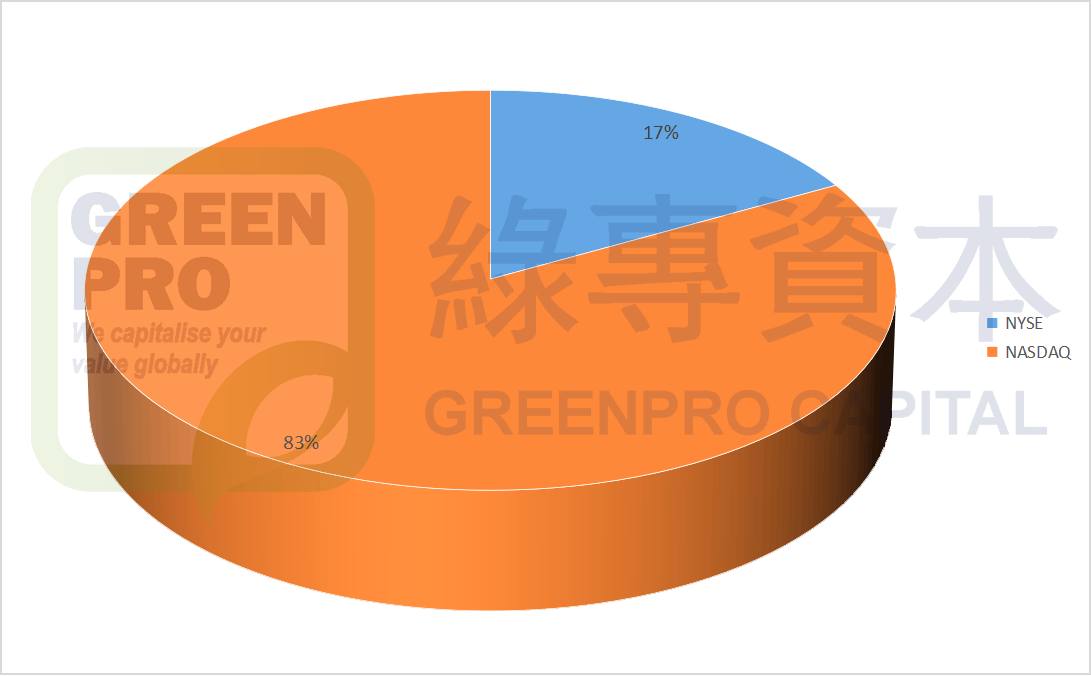
Core Insights - In the first ten months of 2025, a total of 271 publicly listed companies in the US engaged in refinancing, raising a total of $14.165 billion [1] - Among these, 18 were Chinese concept stocks (Chinese ADRs), raising $285 million, accounting for 6.64% and 2% respectively [1] - The majority of refinancing activities occurred on the NASDAQ, with 225 companies raising $9.183 billion, representing 64.83% of the total [1] Group 1: Industry Distribution - The refinancing activities spanned over a dozen industries, with healthcare being particularly prominent, accounting for 51% of the total [3] - The 271 companies involved in refinancing came from 12 countries and regions globally, with China, Canada, and Israel being the most represented after the US, having 18, 13, and 8 companies respectively [3] Group 2: Timing of Activities - Refinancing activities began to gain momentum in the second quarter of the year, with significant performance noted between May and September, particularly in May, June, and July, which together accounted for 41% of the total refinancing in the first ten months [4] Group 3: Chinese Concept Stocks - The 18 Chinese concept stocks were distributed across 17 sub-sectors, with a concentration of listings between 2018 and 2025; notably, 9 of these companies went public in 2024, making up 50% of the total [6] - The total amount raised by Chinese concept stocks was $285 million, averaging $15.3 million per company. Bit Digital (BTBT) led the refinancing efforts with $150 million, followed by VS MEDIA (VSME) with $15.07 million [9] - A notable mention is Yipin Weike (EPWK), which completed a $8 million financing on October 8, 2025, shortly after its IPO that raised $11.28 million on February 6, 2025 [9]

港股科技ETF(513020)小幅回调,连续3日迎净流入,资金逢回调布局
Sou Hu Cai Jing· 2025-11-04 03:37
Group 1 - The Hong Kong stock market has medium to long-term investment value under the dual backdrop of the Federal Reserve's interest rate cut cycle and policy support, despite a potential slowdown in the pace of rate cuts in the short term [1] - The overall global liquidity environment remains relatively loose, providing support for the Hong Kong stock market [1] - The Hang Seng Tech Index component stocks face short-term adjustment pressure, but their scarcity and long-term growth potential still exist, with leading companies in AI and other niche areas worth paying attention to [1] Group 2 - The Hong Kong Tech ETF (513020) tracks the Hong Kong Stock Connect Technology Index (931573), which mainly covers technology companies listed in Hong Kong that meet the trading qualifications of the Stock Connect [1] - The index focuses on new economy sectors such as information technology and healthcare, reflecting the overall performance of these industries in the Hong Kong stock market [1] - The index aims to track technology companies with high growth potential, embodying characteristics of innovation and technology-driven enterprises [1]
科创板收盘播报:科创50指数震荡回落跌1.04% 半导体类个股跌幅居前
Xin Hua Cai Jing· 2025-11-03 07:24
Core Points - The Sci-Tech Innovation 50 Index opened lower on October 13 and experienced a decline, closing at 1400.86 points with a drop of 1.04% and a trading range of 2.38% [1] - Most stocks on the Sci-Tech board rose, with 261 stocks increasing in value, while high-priced stocks showed mixed performance and low-priced stocks mostly rose [1] - In specific sectors, software services, healthcare, and specialized machinery stocks were active, while semiconductor and component stocks had the largest declines [1] Trading Performance - On November 3, excluding one suspended stock, the remaining 591 stocks on the Sci-Tech board had an average decline of 0.10%, an average turnover rate of 3.24%, a total trading volume of 224.5 billion yuan, and an average trading range of 4.60% [1] - In individual stock performance, Yingfang Software led with a 20% increase, while Qingyue Technology saw a significant drop of 20.02% [2] Trading Volume - Semiconductor International had the highest trading volume at 8.94 billion yuan, while ST Pava had the lowest at 744.9 thousand yuan [3] Turnover Rate - C He Yuan-U had the highest turnover rate at 32.38%, while Longteng Optoelectronics had the lowest at 0.27% [4]
233只港股获南向资金大比例持有
Sou Hu Cai Jing· 2025-11-03 01:52
Core Insights - The overall shareholding ratio of southbound funds in Hong Kong Stock Connect stocks is 19.01%, with 233 stocks having a shareholding ratio exceeding 20% [1] - Southbound funds hold a total of 4,799.05 million shares, accounting for 19.01% of the total share capital of the stocks, with a market value of 61,425.84 billion HKD, representing 14.49% of the total market value [1] - The highest shareholding ratio by southbound funds is in China Telecom, with 98.59 million shares held, accounting for 71.03% of the issued shares [1] Group 1: Southbound Fund Holdings - 233 stocks have a shareholding ratio of over 20%, while 136 stocks are in the 10%-20% range, 96 stocks are in the 5%-10% range, 82 stocks are in the 1%-5% range, and 18 stocks have a shareholding ratio below 1% [1] - A significant portion of stocks with high southbound fund holdings are AH concept stocks, with 124 out of 233 stocks (53.22%) having a shareholding ratio over 20% being AH stocks [1] Group 2: Industry Distribution - Southbound fund holdings exceeding 20% are primarily concentrated in the healthcare, financial, and industrial sectors, with 54, 34, and 34 stocks respectively [2] - The table lists several stocks with high southbound fund holdings, including China Telecom (71.03%), Green Power Environmental (70.14%), and COSCO Shipping Energy (70.01%) [2][3]

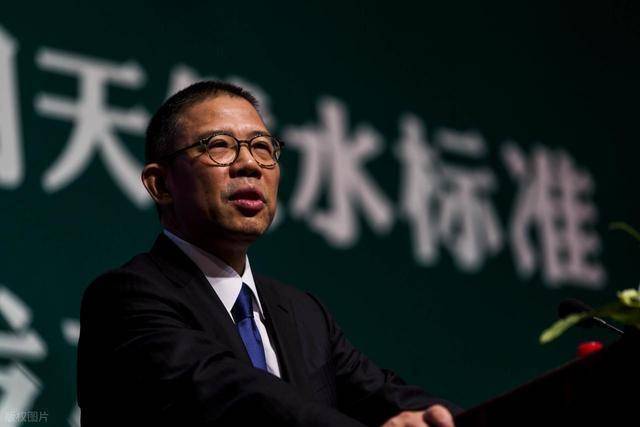
钟睒睒四登首富!农夫山泉凭什么?
Sou Hu Cai Jing· 2025-11-01 15:54
Core Insights - Zhong Shanshan's wealth has increased by 190 billion RMB, reaching 530 billion RMB, making him the richest person in China for the fourth time, surpassing the second richest, Zhang Yiming, by 60 billion RMB [1][10]. Wealth Growth and Rankings - In the latest Hurun Rich List, Zhong Shanshan ranks first with a wealth of 530 billion RMB, reflecting a 56% increase [3]. - The second place is held by Zhang Yiming with 470 billion RMB, showing a 34% increase [3]. - Other notable figures include Ma Yun's family at 210 billion RMB and Lei Jun at 330 billion RMB, with respective increases of 27% and 65% [3]. Business Development Phases - **Entrepreneurial Enlightenment (1988-1995)**: Zhong transitioned from a journalist to a businessman, initially facing failures before finding success in curtain fabric trading and becoming a distributor for Wahaha [4]. - **Foundation Phase (1996-2009)**: He founded Nongfu Spring in 1996, breaking into the bottled water market and establishing a strong brand despite facing controversies [5][6]. - **Diversification Phase (2010-2019)**: Zhong expanded into the pharmaceutical sector by acquiring a controlling stake in Wantai Biological Pharmacy, focusing on HPV vaccine development [7]. - **Wealth Explosion Phase (2020-2025)**: His wealth surged due to the success of Nongfu Spring and Wantai Biological, with significant revenue growth from both companies [8][9]. Financial Performance - In the first half of 2025, Nongfu Spring reported revenues of 25.62 billion RMB, a 15.6% increase year-on-year, with a net profit of 7.62 billion RMB, up 22.2% [10][11]. - The tea beverage segment, particularly the "Oriental Leaf" brand, has become the largest revenue source, contributing 10.09 billion RMB, a 19.68% increase [12][13]. Market Challenges - Despite the recovery in bottled water sales, the tea beverage segment's growth rate has slowed significantly compared to previous years, indicating increased competition [12][14]. - The beverage market is facing challenges from rising competition and changing consumer preferences, which may limit Nongfu Spring's profitability [14][15]. Leadership and Governance - Zhong Shanshan's centralized decision-making style has been effective in the early stages but poses risks as the company grows, particularly concerning succession planning [16][17]. - The potential lack of involvement from his son in daily operations raises concerns about future leadership stability [17].

今年1-9月波黑服务业年化核心通胀率为4.33%
Shang Wu Bu Wang Zhan· 2025-10-31 16:40
Core Insights - The annualized core inflation rate for Bosnia's service sector from January to September is estimated at 4.33% [1] - The consumer price index for the service sector has an annualized increase of 4.84% [1] Inflation Drivers - The most significant impact on September's monthly inflation came from telephone and fax services, although their price increase was too low to affect the overall core inflation trend for the year [1] - Healthcare service prices and hotel and restaurant service prices are the main contributors to the sustained rise in core inflation from January to September [1] - Personal care services also experienced price increases, which had a notable impact on core inflation due to their high price weight [1]
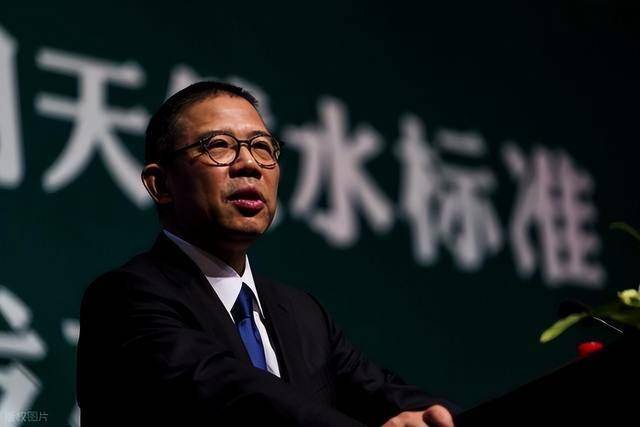
以5300亿身价再成中国首富,钟睒睒为何每次都踩对风口?
Sou Hu Cai Jing· 2025-10-29 23:08
Core Insights - Zhong Shanshan has regained the title of China's richest person with a wealth of 530 billion yuan, marking his fourth time at the top of the Hurun Rich List, equaling the record for the most times held by a single individual since the list's inception in 1999 [2][4]. Company Performance - Nongfu Spring, founded by Zhong Shanshan, remains the leader in China's packaged drinking water market, achieving a revenue of 25.62 billion yuan in the first half of the year, a year-on-year increase of 15.56%, and a net profit of 7.622 billion yuan, up 22.16% [4][10]. - The company's stock price has seen a significant increase, rising from 31.13 HKD at the beginning of the year to 52.55 HKD by October 28, resulting in a total increase of 69% for the year [3][4]. Wealth Growth - Zhong Shanshan's personal wealth increased by 56% in 2025, from 340 billion yuan to 530 billion yuan, marking a growth of 190 billion yuan [4][7]. - The number of billionaires in China has increased significantly, with 1,434 individuals having a wealth exceeding 5 billion yuan, a 31% increase from 2024 [4][6]. Market Trends - The top ten wealth threshold has risen, with the tenth position now held by the Li Shufu family at 225 billion yuan, an increase of 600 billion yuan from the previous year [6][7]. - The wealth of the top ten billionaires has shown substantial growth, with the lowest increase being 18% [6][7]. Strategic Insights - Zhong Shanshan's success is attributed to his ability to identify and capitalize on market trends, particularly in the health and wellness sectors, as evidenced by the launch of sugar-free tea drinks and the expansion into the ice cup market [8][9][13]. - The company has invested in innovative technologies, such as micro-molecular water crystallization, enhancing product quality and safety standards [13][14]. Future Prospects - Nongfu Spring is expanding into the ice cup market, with plans to invest 28.42 million yuan to build a production base capable of producing 7,000 tons of ice annually, indicating a strategic move to tap into a rapidly growing segment [11][13]. - The ice cup market is projected to reach 6 billion yuan by 2025, with significant growth potential as consumer preferences shift [11][12].

5300亿!钟睒睒四登首富,农夫山泉的“独狼”危机
Sou Hu Cai Jing· 2025-10-29 14:30
Core Insights - Zhong Shanshan's wealth has increased by 190 billion RMB, reaching 530 billion RMB, making him the richest person in China for the fourth time, surpassing the second richest, Zhang Yiming, by 60 billion RMB [1][12] Company Overview - Zhong Shanshan's wealth accumulation is attributed to nearly 30 years of deep involvement in the consumer and pharmaceutical sectors, reflecting the value transformation of China's real economy [3] - The primary company driving Zhong's wealth is Nongfu Spring, which has shown a strong recovery in 2025, achieving a revenue of 256.2 billion RMB in the first half of the year, a year-on-year increase of 15.6% [12][14] Historical Development Phases - **Entrepreneurial Enlightenment Period (1988-1995)**: Transition from journalist to businessman, with initial failures in various ventures before finding success in curtain fabric trade and becoming a distributor for Wahaha [4][5] - **Foundation Period (1996-2009)**: Established Nongfu Spring in 1996, breaking the dominance of purified water with the introduction of "natural water" [5][6] - **Diversification Period (2010-2019)**: Acquired a controlling stake in Wantai Biological Pharmacy in 2001, focusing on HPV vaccine development, which became a key driver of wealth growth [9][10] - **Wealth Explosion Period (2020-2025)**: Achieved significant wealth increase due to the dual drivers of Nongfu Spring and Wantai Biological, with notable events including the IPO of Nongfu Spring in 2020 and the approval of the HPV vaccine in 2025 [11][12] Financial Performance - In 2025, Nongfu Spring's revenue from tea beverages surpassed that of bottled water for the first time, with tea beverage revenue reaching 100.89 billion RMB, a year-on-year increase of 19.68% [14][15] - The company's overall revenue for the first half of 2025 was 256.2 billion RMB, with a net profit of 76.2 billion RMB, reflecting a year-on-year growth of 22.2% [12][14] Market Challenges - Despite the recovery, challenges remain, including increased competition in the tea beverage market and the lingering effects of a public relations crisis that impacted bottled water sales [16][18] - The beverage industry is facing intensified competition due to lower production costs and a shift in consumer demand, which may limit Nongfu Spring's profit growth potential [17][18] Leadership and Governance - Zhong Shanshan is known for his strong control over the company, which poses risks as the company grows larger, particularly concerning succession and reliance on his personal judgment [19][20] - The potential lack of a capable successor and the "key person risk" associated with Zhong's leadership style could lead to strategic instability in the future [19][20]