职业教育

Search documents
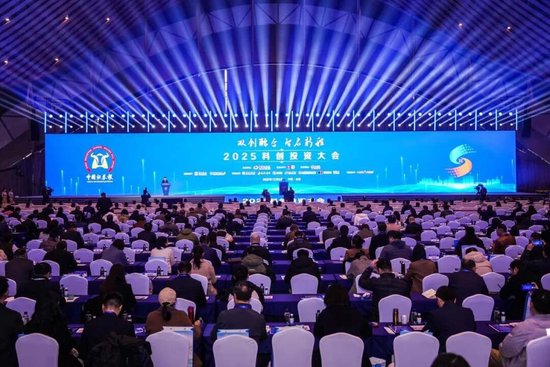
中国东方教育亮相2025科创投资大会,获评“安徽金牛影响力公司(港股)”
Xin Lang Cai Jing· 2025-12-09 02:41
Group 1 - The "2025 Science and Technology Investment Conference" was held in Hefei, Anhui, focusing on the integration of technology innovation and industrial innovation to drive high-quality development [1][5] - The conference gathered nearly a thousand representatives from government, industry, investment, and research sectors to discuss the cultivation of future industries through patient capital [1][3] Group 2 - China Oriental Education Holdings Limited was awarded the "Anhui Influential Company (Hong Kong Stock)" for its continuous innovation and contributions in vocational education and skills training [6][10] - The award reflects the recognition of the company's brand value and development achievements by the capital market and industry [6][11] Group 3 - The Anhui provincial government emphasizes the importance of vocational education as a key bridge connecting talent cultivation and industrial demand, aligning with national strategies for technological self-reliance and innovation [3][8] - Anhui aims to create a favorable innovation environment and high-quality industrial ecosystem, fostering collaboration among various enterprises and providing more investment opportunities [3][8]

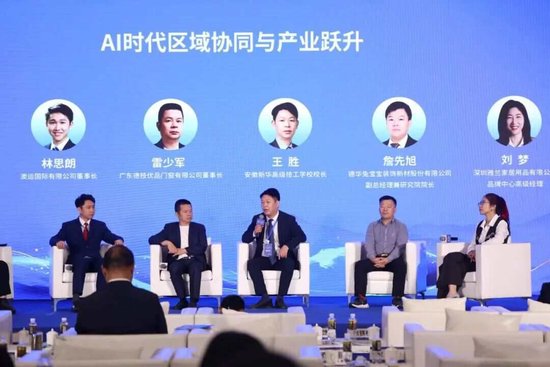
2025企业家博鳌论坛 | 安徽新华高级技工学校校长王胜:把专业建在产业链上
Xin Lang Cai Jing· 2025-12-09 02:40
12月3日,在海南博鳌举行的AI时代·"中国名牌"创新融合发展论坛圆桌对话环节,中国东方教育 (00667.HK)旗下安徽新华高级技工学校校长王胜围绕"AI时代的区域协同与产业跃升"主题,分享了 学校通过深度对接区域产业,为合肥高质量发展提供技能人才支撑的实践路径。王胜表示,学校始终坚 持"把专业建在产业链上",推动教育链、人才链与区域产业链、创新链有机衔接。 合肥市作为国家级综合性科学中心,正重点培育新能源、新一代信息技术、数字创意等战略性新兴产 业。安徽新华高级技工学校主动对接区域产业发展定位,集中资源建设与地方经济结构相匹配的专业体 系。 12月3日,在海南博鳌举行的AI时代·"中国名牌"创新融合发展论坛圆桌对话环节,中国东方教育 (00667.HK)旗下安徽新华高级技工学校校长王胜围绕"AI时代的区域协同与产业跃升"主题,分享了 学校通过深度对接区域产业,为合肥高质量发展提供技能人才支撑的实践路径。王胜表示,学校始终坚 持"把专业建在产业链上",推动教育链、人才链与区域产业链、创新链有机衔接。 合肥市作为国家级综合性科学中心,正重点培育新能源、新一代信息技术、数字创意等战略性新兴产 业。安徽新华高级技 ...
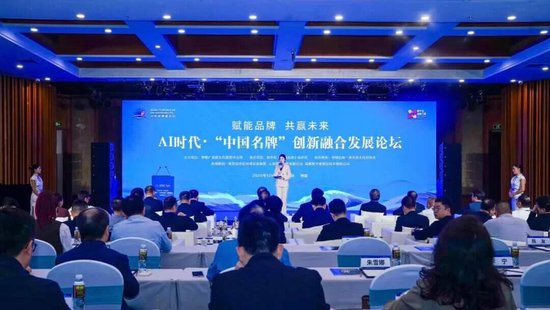
2025企业家博鳌论坛顺利举行,中国东方教育描绘人才培养新范式
Xin Lang Cai Jing· 2025-12-09 02:40
Core Viewpoint - The forum highlighted the transformative role of AI in reshaping brand logic and driving industrial advancement, with a focus on vocational education as a cornerstone for talent supply in the digital economy [1][9]. Group 1: Challenges in Vocational Education - The rapid development of the digital economy has led to three core challenges in vocational education: outdated curriculum, difficulties in practical training implementation, and insufficient collaboration between schools and enterprises [3][11]. - AI technology is seen as a key pathway to address these structural challenges, supported by the upcoming policies such as the "Guidelines for the Construction of a Comprehensive Standardization System for the AI Industry" and the "Education Strong Nation Construction Plan (2024-2035)" [3][11]. Group 2: Curriculum Development - China Oriental Education has developed a dynamic "job capability profile" based on extensive job demand data, allowing for monthly updates to course content [3][11]. - In 2024, new modules on cutting-edge technologies like HarmonyOS development and AI visual recognition were added, resulting in a 45% increase in alignment with industry needs and a 25% improvement in student skill qualification rates compared to traditional models [3][11]. Group 3: Practical Training Innovations - The institution employs a dual-track model of "virtual simulation + practical projects," utilizing AI and VR/AR technologies to create a highly realistic "digital twin factory" that simulates complex operational environments [5][13]. - This approach has led to a 45% reduction in training costs per specialty, a 60% increase in resource utilization, and a 30% decrease in the adaptation period for graduates entering the workforce [5][13]. Group 4: Industry Collaboration and Future Plans - To bridge the gap between talent cultivation and employment, China Oriental Education has established a deep school-enterprise integration mechanism, exemplified by partnerships with companies like Beijing Prophet Technology to create AI talent training bases [6][13]. - The company aims to achieve nationwide coverage of AI training rooms in three years, train 1,000 "AI + specialty" composite backbone teachers, and build 20 high-level AI talent training bases, emphasizing a model that is "job-oriented, technology-driven, and integrated with industry education" [8][15].
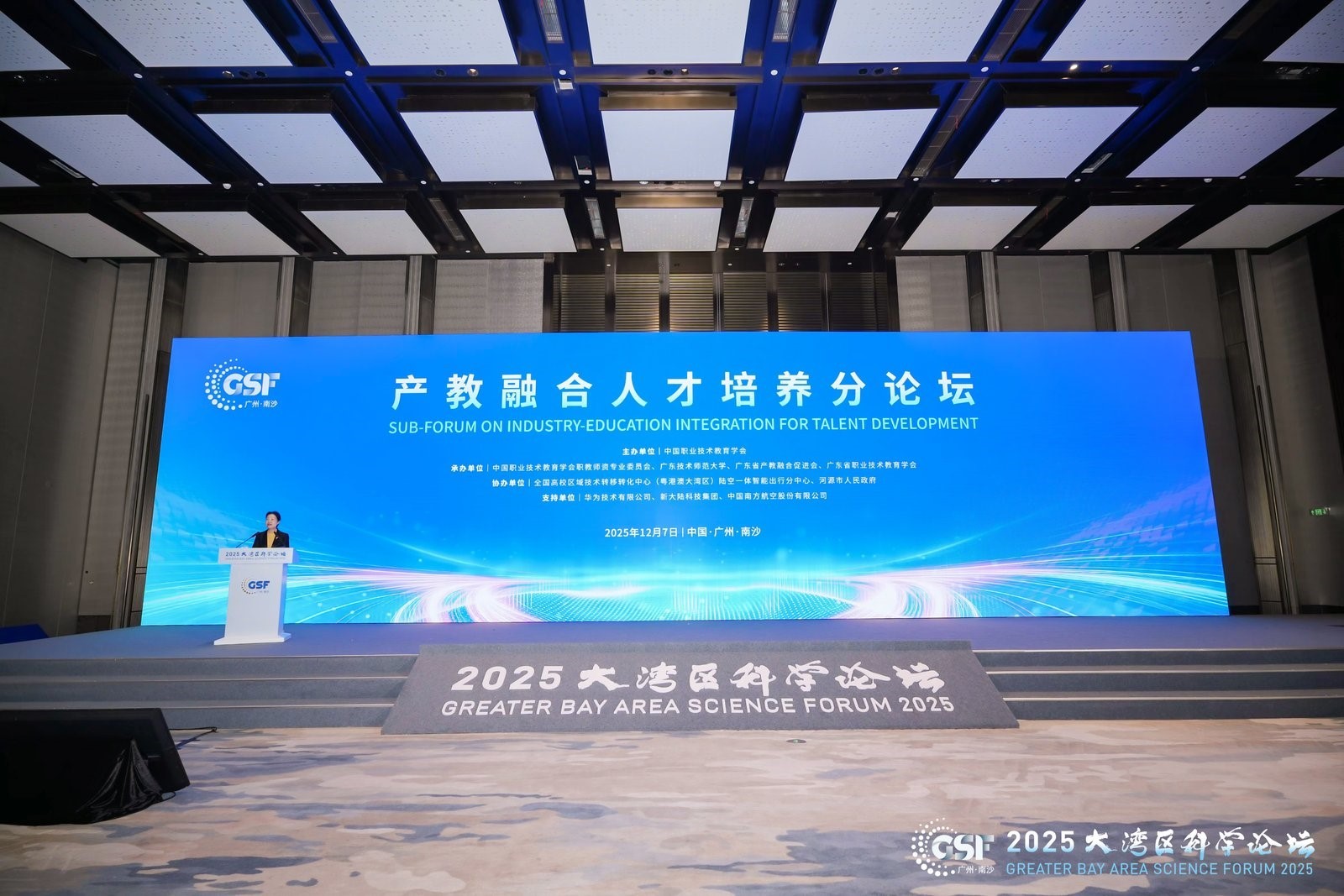
2025大湾区科学论坛产教融合人才培养分论坛在广州举行
Feng Huang Wang Cai Jing· 2025-12-08 14:02
12月7日下午,以"数智产教 融创未来"为主题的"2025大湾区科学论坛产教融合人才培养分论坛"在广州南沙举办。 广东省有关领导,中国职业技术教育学会会长、教育部原副部长鲁昕,中国工程院院士、省部共建精密电子制造技术与装备国家重点实验室主任、粤港澳大 湾区国家技术创新中心主任陈新,广东省委教育工委书记、省教育厅党组书记、厅长林如鹏,中国职业技术教育学会副会长兼秘书长刘建同,广东省教育厅 副厅长冯伟,德国文化经济促进会主席艾哈特·捞,工业和信息化部人才交流中心副主任任利华,广东省科技厅二级巡视员杨慧芳,广州市委常委、南沙区 委书记刘炜等出席,来自包括政府机构、高等院校、科研院所、行业企业及媒体界的领导、专家、学者,外国嘉宾等300多人与会。论坛由中国职业技术教 育学会副会长宋敏主持。 刘建同表示,"产教融合人才培养分论坛"是中国职业技术教育学会依托大湾区科学论坛举办的重要活动,自2023年起已连续举办三届,本届论坛聚焦新质生 产力驱动下的人才供给侧改革,探索人工智能时代产教深度融合新范式新机制,推动职业教育更有效地做好科技成果转移转化工作,以服务好现代化产业体 系建设。为此,要加快成果转移转化,促进科技创新与产 ...
银河证券解读解读政治局会议:明年的结构性主线将更加清晰,重点关注“两条主线+两条辅助线”
Xin Lang Cai Jing· 2025-12-08 11:28
Core Viewpoint - The December Central Political Bureau meeting emphasizes the importance of maintaining a stable yet progressive approach to economic work in 2026, focusing on expanding domestic demand and optimizing supply to enhance resource allocation efficiency [1][6][21]. Economic Goals and Policy Framework - The meeting highlights the need to continue expanding domestic demand and optimizing supply, aiming for both qualitative and quantitative growth in the economy during the "14th Five-Year Plan" period [1][21]. - The overall policy framework for 2026 will maintain a proactive stance, with a focus on enhancing the quality and effectiveness of development, alongside a more active fiscal policy and moderately loose monetary policy [2][8][22]. Industry Policy Deployment - The meeting outlines a clear path for industry planning in 2026, prioritizing domestic demand and innovation, which will benefit sectors such as consumer goods, AI, digital economy, and new energy [3][10][24]. - Emphasis is placed on reform, opening up, and coordinated development to enhance high-quality growth, benefiting state-owned enterprises and infrastructure-related sectors [3][10][24]. Implications for A-Share Investment - The meeting provides initial guidance for economic work in 2026, focusing on domestic demand, innovation, and reform, which is expected to stabilize market expectations and boost confidence in the A-share market [4][17][26]. - Upcoming central economic work meetings are anticipated to detail specific fiscal, monetary, and industrial measures, further activating market vitality [4][17][26]. Investment Focus Areas - The current policy window indicates a clearer structural focus for 2026, with attention on new productive forces such as AI, renewable energy, and quantum technology, alongside recovery paths for manufacturing and resource sectors [12][26]. - The consumer sector is expected to see a favorable investment environment due to policies aimed at boosting domestic demand, while the trend of companies expanding overseas will enhance profit potential [12][26].

粉笔12月8日斥资278.31万港元回购90万股
Zhi Tong Cai Jing· 2025-12-08 10:31
粉笔(02469)发布公告,于2025年12月8日,该公司斥资278.31万港元回购90万股股份,每股回购价格为 3.07-3.1港元。 ...
河北工业职业技术大学:非遗技艺嵌入职业教育
Xin Hua She· 2025-12-08 10:16
河北工业职业技术大学的烙画教学,尤为注重激发学生在传统根基上的创造力。校园风景、工业意 象乃至卡通形象,都成为学生烙笔下的主题。除了木板、葫芦等传统载体,帆布包、文化衫、金属片也 成为创作介质。淡彩技艺的运用,突破了烙画原有的色彩局限,让画面层次更为丰富。 "一笔烙下,无法修改,这要求我们在下笔前要构思完备,创作过程中必须心手合一、呼吸平 稳。"一名机械专业的学生说,学习烙画后,自己在加工精密元器件时更加沉稳专注,这种对极致耐 心、精准控制和严谨态度的追求,与工匠精神的内核完全同频。 学校相关负责人表示,非遗进校园,其意义远超越技艺本身,学生们在潜移默化中感悟的,是对工 艺的敬畏、对作品的专注和对极致的追求,这恰恰是滋养学子心灵、坚定文化自信、锻造大国工匠的源 头活水。 新华社石家庄12月8日电(记者任丽颖)在河北工业职业技术大学一间实训室里,空气中弥漫着淡 淡的松木焦香。大学生李悦手持一支通电的高温烙笔,全神贯注。手腕运转间,一幅融合了校园建筑与 钢铁齿轮元素的现代烙画渐次浮现。 这生动的一幕,是河北工业职业技术大学《现代烙画艺术鉴赏与体验》课堂的日常体现。在这里, 以火为墨、以木为纸的千年非遗技艺烙画,不 ...
粉笔(02469)精品就业班上线 打通职业成长全链路
智通财经网· 2025-12-08 07:27
Core Viewpoint - The company, Fenbi, is expanding its focus from public service exam training to a broader employment service sector by launching a new comprehensive employment service product, the Premium Employment Class, which aims to create new growth opportunities for long-term development [1] Group 1: Product Offering - The Premium Employment Class will establish a results-oriented, full-chain career development service system, providing authoritative and timely employment information services, including job selection guidance, core knowledge and skills training, and professional quality enhancement [1] - The service will offer personalized and differentiated support, with each student assigned a dedicated learning planner to follow their progress and adjust preparation strategies dynamically [2] Group 2: Market Demand and Trends - The employment market is experiencing structural changes, with increasing numbers of applicants for civil service exams and higher demands for practical skills from employers, creating a pressing need for specialized and systematic employment services [2] - In 2026, the total number of applicants for the national civil service exam reached 3.718 million, setting a new historical high, while the difficulty of securing positions continues to rise [2] Group 3: Technology Integration - The newly developed Fenbi Job Selection System integrates AI algorithms with human expertise, monitoring vast amounts of recruitment information daily, automatically tracking and capturing the latest job postings, and providing precise analysis and personalized recommendations [3] Group 4: Performance and Effectiveness - The employment service system has shown promising results during its trial phase, with a comprehensive pass rate of 70% for the "One Year to Success Plan," which covers 12 mainstream recruitment projects [4] - The trial validated the feasibility and effectiveness of a multi-track collaborative preparation model [4] Group 5: Business Strategy and Growth - The Premium Employment Class is a standardized, intelligent, and personalized upgrade based on a mature model, aimed at nationwide users [5] - Fenbi has provided AI education services to nearly 30 million people and expects significant revenue growth from its AI teaching products, with the AI question-answering system exceeding its annual sales target of 200,000 units, contributing over 100 million yuan in revenue [5] - The company is transitioning from a single-point training revenue model to a sustainable long-term career support system, which may reshape its valuation logic and long-term growth potential in the capital market [5]
AI逼疯00后,18岁少女放弃大学修马桶,Hinton又说对了
3 6 Ke· 2025-12-08 01:55
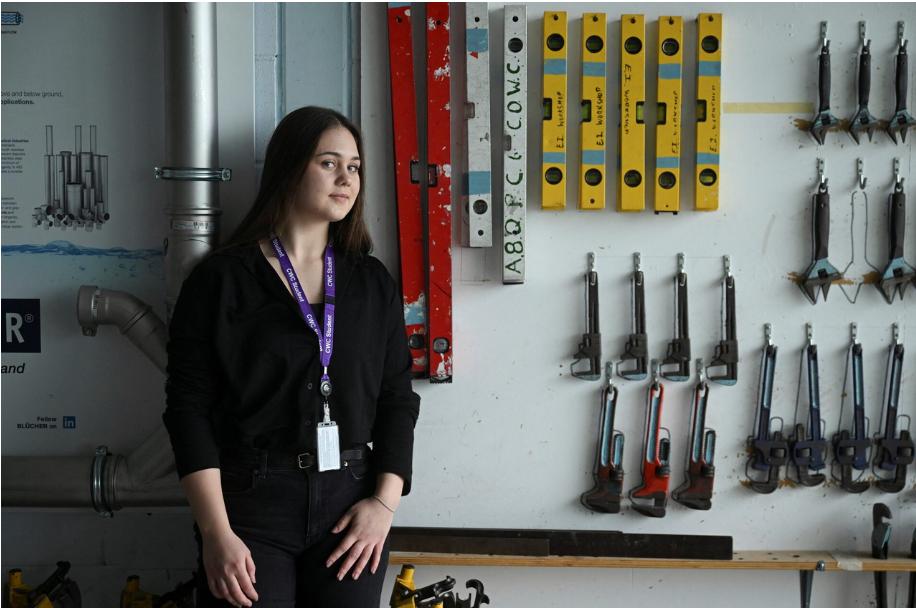
Core Viewpoint - The rise of AI in the workplace is prompting young individuals to shift from traditional white-collar career paths to skilled blue-collar jobs, as these roles are perceived to be more secure against automation [1][10][22]. Group 1: Shift in Career Choices - Increasing numbers of young people are abandoning the "university + white-collar job" model in favor of "vocational school + blue-collar job" due to fears of AI job displacement [1][14]. - The average salary for plumbers in the UK is £37,881 (approximately $50,169), which is competitive with the overall average salary of £39,039 across all industries [19]. - A survey by New America indicates that 66% of adults believe that a high school diploma or GED can lead to high-paying, stable jobs, up from 50% in 2018 [20]. Group 2: AI's Impact on Employment - 1 in 6 employers in the UK expect to reduce their workforce using AI tools within the next 12 months, particularly affecting entry-level white-collar jobs [11]. - AI is predicted to replace many entry-level positions in sectors like technology, finance, and law, leading to a decline in job opportunities for graduates in these fields [12][13]. - The demand for skilled trades is expected to remain high due to an aging workforce, making blue-collar jobs more attractive [18]. Group 3: Educational Trends - Enrollment in engineering, construction, and building environment courses at vocational institutions like Westminster City College has increased by 9.6% over the past three years [17]. - The cost of vocational education is significantly lower than that of traditional university education, often being 1/3 to 1/2 the cost, which is appealing to young people [17]. - The decline in university enrollment, with a 1.1% drop in the 2023/24 academic year, marks the first annual decrease in nearly a decade [17]. Group 4: Job Security and Future Prospects - Skilled trades are seen as a "safe harbor" against AI disruption, with roles like plumbing requiring hands-on skills that are difficult for AI to replicate [10][16]. - The potential for higher earnings through apprenticeships in skilled trades is becoming more recognized, challenging the traditional view that a university degree is the only path to success [19][22]. - The perception of blue-collar work is changing, with more individuals acknowledging the value and stability these jobs can provide in the face of AI advancements [22][23].
高考喜报与“人名大全”高度重合,甚至列出了高考分数
Xin Lang Cai Jing· 2025-12-07 16:32
智通财经记者 岳怀让 不仅如此,这份"喜报"还列出了所有110名考生的高考分数和"本科线学生"的选报类型。 广州通用职业技术学校还在喜报末尾写道:"三载丹心育桃李,辛苦耕耘结硕果!三年育人坚实路,一 朝喜闻捷报传!满怀感恩和喜悦,我校向在高职高考中取得优异成绩的全体同学表示祝贺!向辛勤耕耘 的老师们表示敬意!向支持我校教育工作的各级领导、各位家长表示由衷的感谢!" 据学校官网介绍,广州通用职业技术学校是直属广州市教育局下全日制中职学校,现位于广州后花园从 都风景区;占地面积200多亩,现代化建筑风格,科技感十足。学校坚持"开拓创新,服务社会"的办学 宗旨,在"博学、慎思、勤勉、奋进"校训下,不断深化教学体制改革,积极开拓企业人才培训新途径。 近日,"全网最忙五人组"及其背后的百度文库《10000中国普通人名大全》牵出诸多乱象。其中的"张吉 惟""林国瑞"等名字被广泛复制粘贴使用,既充当过政府采购评审小组人员,又包揽了书法大赛特等 奖,引发舆论热议。 对此,有网友反映,上述名单数据库不仅出现在政府采购、公示文件等方面,还被用于喜报充数。 根据网友提供信息,智通财经记者注意到,广州通用职业技术学校官网2023年发 ...