农产品贸易

Search documents
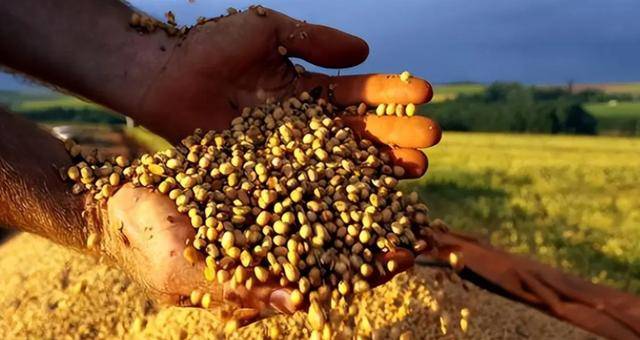
巴西大豆6天狂涨20%,中国4招反杀,订单投阿根廷豆价一周跌700元
Sou Hu Cai Jing· 2025-10-25 13:04
Core Insights - The international commodity market experienced a significant surge in soybean prices from Brazil, with a monthly increase of 20%, reaching historical peak levels in October 2023 [1] - Brazil's exporters raised soybean quotes for November shipments, showcasing their confidence in pricing power [1][5] - China's response to rising prices indicates a shift from being a passive buyer to an active player in the market, employing a multi-dimensional risk mitigation strategy [3][18] Group 1: Market Dynamics - Brazil's soybean market share in China reached 71.6% from January to August 2023, reflecting a near-monopoly status [5] - Brazilian exporters underestimated China's market responsiveness, leading to a significant drop in domestic soybean meal prices by 700 CNY/ton within a week [6][10] - A record premium of 66.1 USD/ton for Brazilian soybeans over U.S. counterparts was noted, the highest in four years [8] Group 2: Competitive Landscape - Argentina's sudden removal of a 26% export tax on soybeans provided a competitive edge, making Argentine soybeans 80 USD/ton cheaper than Brazilian ones [12][14] - The withdrawal of a 130 million ton order from Brazil redirected most of the demand to Argentina, disrupting Brazil's pricing strategy [10][14] Group 3: Supply Chain Resilience - China's internal supply chain demonstrated resilience, with sufficient raw material inventory to sustain production for 43 days, exceeding the industry warning line of 35 days [20][22] - Structural reforms in demand, including a shift to lower protein feed, reduced soybean meal consumption by 5.7% despite an overall increase in industrial feed production [24] - Domestic soybean production strategies, including subsidies and high-yield varieties, stabilized planting areas at 14.2 million acres, ensuring a backup of approximately 9 million tons of import capacity [26][30] Group 4: Financial Risk Management - Chinese industry clients utilized the Dalian Commodity Exchange to hedge against price volatility, securing 8.5 million tons of future import costs [29][32] - The proactive risk management approach reflects a matured understanding of market dynamics, supported by national policy guidance [32] Group 5: Strategic Implications - The events of October 2023 serve as a comprehensive stress test for China's food security system, showcasing a multi-layered price firewall [34][36] - The evolving role of China in the global commodity supply chain indicates a transition from a defensive posture to an active management role in shaping market expectations [36][38]

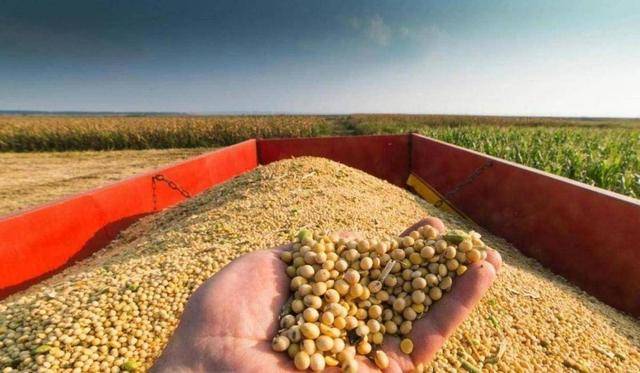
贪心致“饭碗”被砸!巴西大豆强行抬价,中国130万吨大单转投阿根廷
Sou Hu Cai Jing· 2025-10-25 11:01
Core Viewpoint - The article discusses the shift in China's soybean procurement strategy from Brazil to Argentina due to rising prices and supply chain dynamics, highlighting the consequences of Brazilian sellers' greed and miscalculations in the market [1][22]. Group 1: Market Dynamics - Brazil's soybean exports to China were expected to reach a record high of 110 million tons in 2025, driven by a significant market share of 71.6% in the first eight months of the year [3][10]. - Brazilian sellers, overconfident in their market position, began hoarding inventory, anticipating higher prices, which led to a significant price premium of $66.1 per ton compared to U.S. soybeans [6][19]. - The Brazilian sellers' strategy backfired as Argentina announced the elimination of a 26% export tax on soybeans, making their prices more competitive [8][10]. Group 2: Strategic Procurement - Following Argentina's tax reduction announcement, Chinese buyers quickly placed orders for 130,000 tons of soybeans, demonstrating a strategic shift in procurement to ensure supply chain diversification [10][15]. - The decision to source from Argentina instead of Brazil reflects China's commitment to not relying on a single supplier and maintaining food security [11][13]. - The article emphasizes that the procurement of Argentine soybeans could yield an additional profit of 200 RMB per ton, showcasing the economic rationale behind the shift [15][19]. Group 3: Consequences for Brazil - Brazilian farmers who speculated on higher prices are now facing losses as their inventory remains unsold and prices begin to decline [17][19]. - The Brazilian Grain Exporters Association (ANEC) has become silent after the unexpected loss of a major order, indicating a significant market shift [15][22]. - The article draws parallels between Brazil's situation and historical market dynamics, suggesting that overconfidence can lead to significant market share losses, as seen with OPEC in the oil market [19][20].
昆明恒泓商贸有限公司成立 注册资本133万人民币
Sou Hu Cai Jing· 2025-10-25 10:53
Core Viewpoint - Kunming Henghong Trading Co., Ltd. has been established with a registered capital of 1.33 million RMB, focusing on various agricultural and trading services [1] Company Summary - The legal representative of Kunming Henghong Trading Co., Ltd. is Wang Yu [1] - The company’s registered capital is 1.33 million RMB [1] - The business scope includes supply chain management services, production, sales, processing, transportation, and storage of agricultural products [1] - The company is involved in retail and wholesale of edible agricultural products and fresh meat [1] - Additional activities include the sale and maintenance of agricultural machinery, technology services, and domestic trade agency [1] Industry Summary - The establishment of the company reflects growth in the agricultural and trading sectors, particularly in supply chain management and agricultural product services [1] - The diverse range of services offered indicates a comprehensive approach to agricultural commerce, which may enhance market competitiveness [1]
巴西猛涨大豆溢价,中国反手砸130万吨订单给阿根廷,谁背后捣鬼
Sou Hu Cai Jing· 2025-10-25 05:53
巴西因贪婪失去了中国市场,中国两天内狂买130万吨阿根廷大豆! 今年的这一记"耳光",打得既响亮又有力。自5月以来,中国几乎停止了从美国购买大豆,而巴西的大豆占据了我们进口的大部分份额,超过了七成。眼看 着巴西即将成为中国的"独家供应商",可他们却因为贪心,选择抬高价格,结果把自己推向了困境。 对于巴西来说,中国减少购买美国大豆,本应是一个天赐良机。今年1到8月,中国共进口了7300多万吨大豆,其中71.6%来自巴西,而美国的份额只有 22.8%。巴西方面计算认为,今年可以卖给中国创纪录的1.1亿吨大豆。然而,他们由于觉得自己掌握了话语权,开始肆意抬价。 巴西的"涨价"策略非常激进。巴拉那瓜港口的大豆价格,比美国墨西哥湾贵了66美元,这个差价是过去四年来的最高点。到了10月,巴西大豆的溢价更是上 涨至每蒲式耳270美分。 更让人惊讶的是,南美的大豆收获季节即将结束,巴西农民已经售出了四分之三的库存。剩下的那些,他们选择捂紧不卖,希望赌中美关系恶化,认为中国 只能依赖他们的大豆,从而等待价格再次飙升。 他们为什么敢这么做?因为他们觉得自己掌握了中国的"命门"。中国对巴西的投资巨大,建设了仓库、修建了铁路、改造了 ...
贪心砸了饭碗?巴西硬抬价,中国 130 万吨大豆订单瞬间流向阿根廷
Sou Hu Cai Jing· 2025-10-24 11:56
Core Viewpoint - A significant shift in soybean trade dynamics has occurred, with China redirecting its soybean orders from Brazil to Argentina due to rising prices and a new zero-export tax policy in Argentina [1][11][14]. Group 1: Trade Dynamics - China, the world's largest soybean buyer, has shifted 130,000 tons of soybean orders from Brazil to Argentina in just two days [1][14]. - Brazil's expectation of exporting 110 million tons to China this year has been severely undermined by this sudden change [1]. - The price of Brazilian soybeans has increased significantly, making them less competitive compared to Argentine soybeans [7][11]. Group 2: Market Reactions - Brazilian sellers have become complacent, believing they could dictate prices due to their dominant position in the market [7][9]. - The announcement of zero-export taxes by Argentina has made its soybeans the most attractive option globally, leading to immediate orders from Chinese buyers [11][12][14]. - Brazilian exporters are now facing significant losses and potential business failures due to their pricing strategies and market miscalculations [14][16]. Group 3: Strategic Insights - China's procurement strategy has evolved to prioritize a diversified and dynamic global sourcing network, reducing reliance on any single supplier [9][16]. - The situation serves as a warning to other commodity-exporting countries about the importance of maintaining fair pricing and long-term relationships with buyers [16].
供销牵线名厨直供湾区,“清城优选” 大湾区营销中心挂牌
Nan Fang Nong Cun Bao· 2025-10-24 10:00
Core Viewpoint - The event held on October 22, 2023, marked the establishment of the "Qingcheng Preferred" marketing center, aimed at promoting agricultural products from Qingcheng in the Greater Bay Area, showcasing a collaborative effort between Qingcheng Cooperative and Guangzhou Panyu Chef Association [5][24]. Group 1: Event Overview - The "Qingcheng Preferred" marketing center was inaugurated in Panyu District, with over a hundred chefs and restaurant representatives attending to explore promotional pathways for Qingcheng agricultural products in the Greater Bay Area [5][6][24]. - The event included a food exchange meeting, where various Qingcheng agricultural products were showcased, including high-calcium tofu and local specialties like Qingyuan chicken and traditional peanut oil [16][17][22]. Group 2: Product Reception - The showcased products received positive feedback, with notable endorsements from chefs and attendees, highlighting the quality and taste of Qingcheng chicken and tofu [19][20][21]. - Many attendees expressed interest in purchasing the products, indicating a strong market demand and potential for future collaborations [21][22]. Group 3: Strategic Collaboration - The event exemplified the deepening cooperation between Qingcheng and Panyu, leveraging a multi-dimensional approach involving cooperatives, restaurant associations, and local businesses to enhance the market competitiveness of Qingcheng's agricultural products [24][25][26]. - The manager of Qingyuan Zhenlian Agricultural Products Trade Co., Ltd. emphasized the intention to deepen collaboration with the Greater Bay Area's restaurant industry and utilize modern marketing strategies to promote Qingcheng's quality agricultural products [27][28][29].

半山农工贸禄劝有限公司成立 注册资本6万人民币
Sou Hu Cai Jing· 2025-10-24 09:56
天眼查App显示,近日,半山农工贸禄劝有限公司成立,法定代表人为黄英,注册资本6万人民币,经 营范围为许可项目:食品销售;食品生产。(依法须经批准的项目,经相关部门批准后方可开展经营活 动,具体经营项目以相关部门批准文件或许可证件为准)一般项目:国内贸易代理;初级农产品收购; 食用农产品初加工;食用农产品批发;食用农产品零售;农副产品销售;互联网销售(除销售需要许可 的商品);食品互联网销售(仅销售预包装食品);保健食品(预包装)销售;食品销售(仅销售预包 装食品);包装服务;谷物销售;农产品的生产、销售、加工、运输、贮藏及其他相关服务;豆及薯类 销售;粮食收购;地产中草药(不含中药饮片)购销;中草药收购;未经加工的坚果、干果销售;个人 互联网直播服务;技术服务、技术开发、技术咨询、技术交流、技术转让、技术推广;食用菌种植;信 息技术咨询服务;日用百货销售;日用品销售;销售代理。(除依法须经批准的项目外,凭营业执照依 法自主开展经营活动)。 ...
巴西犯了美国的错误,觉得中方依赖巴西大豆,结果也玩砸了
Sou Hu Cai Jing· 2025-10-24 03:36
Core Viewpoint - Chinese buyers have collectively suspended the procurement of Brazilian soybeans for December and January, signaling a significant shift in the market dynamics between China and Brazil, the world's largest soybean buyer and supplier respectively [1][7]. Group 1: Price Dynamics - Brazilian soybean offshore prices have surged from $565 to $628 per ton over the past three months, an increase of over 11% [3]. - The price premium for Brazilian soybeans has become unreasonable, with the landed price per bushel being nearly $3 higher than Chicago futures, while U.S. soybeans are only $1.7 higher [3]. Group 2: Brazilian Confidence Factors - Brazil's confidence stems from three main factors: the exclusion of U.S. soybeans from the Chinese market since May, limited alternative suppliers capable of meeting China's demand, and the belief that China has no choice but to buy Brazilian soybeans due to its significant import gap [4][6]. - The U.S. soybean industry is facing severe challenges, with storage facilities at over 98% capacity and reports of grain storage collapses [4]. Group 3: China's Countermeasures - In response to Brazil's price hikes, Chinese buyers have paused purchases, leading to increased storage utilization and rising storage costs in Brazil [7]. - China has quickly pivoted to secure a large order of 130,000 tons from Argentina, capitalizing on Argentina's recent tax policy changes that made their soybeans more competitive [9]. Group 4: China's Strategic Advantages - China has established three strategic advantages: a substantial national reserve of over 200 million tons of soybeans, diversified import sources from 16 countries, and increased use of alternative feed sources, reducing reliance on soybeans [12][18]. - The increase in domestic soybean planting area by 15% this year indicates a shift towards self-sufficiency and reduced dependence on Brazilian imports [18]. Group 5: Market Implications - Brazil's short-sighted pricing strategy may lead to a loss of long-term market share in China, as the country could have solidified its position instead of pursuing immediate profits [14][20]. - The ongoing shifts in China's soybean import landscape suggest a move towards a more resilient and diversified food security system, reducing reliance on any single supplier [18][20].

特朗普通告全球,不想伤害中国,若中方作出让步,美或降低关税
Sou Hu Cai Jing· 2025-10-24 03:33
Group 1: U.S.-China Trade Dynamics - The atmosphere surrounding the upcoming U.S.-China high-level meeting at the APEC summit in South Korea has shifted, with President Trump indicating that the goal of tariffs is not to "harm China" [1] - Trump has mentioned that China needs to make "three major concessions" regarding soybeans, rare earths, and fentanyl, suggesting that if China meets these demands, he may consider lowering tariffs [1][3] - The soybean trade has become a focal point in U.S.-China negotiations, reflecting the interests of American farmers and showcasing the political leverage that agricultural trade holds in the U.S. [3][5] Group 2: Soybean Trade Impact - Due to the trade war, the cost for Chinese companies to purchase U.S. soybeans has significantly increased, leading them to seek more cost-effective alternatives [3] - China's imports of soybeans from Brazil have surged to over 70% of its total soybean imports, while the share of U.S. soybeans has plummeted to below 23% [5] - The situation highlights China's ability to reshape the global agricultural trade landscape due to its vast market demand [7] Group 3: Rare Earths as a Strategic Asset - The rare earths issue illustrates China's strategic advantage, as U.S. high-tech industries heavily rely on rare earth supplies from China [9] - China's recent regulations have expanded from resource export controls to include technology and equipment, indicating a shift in control over the entire supply chain [11] - The potential deterrent effect of China's rare earths strategy contrasts sharply with the diminishing effectiveness of U.S. tariffs [13] Group 4: Fentanyl and Political Narrative - The fentanyl issue has evolved into a political narrative for the U.S., with the country attributing its domestic crisis to China, despite strict controls on fentanyl within China [15][17] - The U.S. has imposed a 20% tariff on all goods from China under the guise of addressing the fentanyl crisis, which appears to be more about political maneuvering than actual drug control [19] - This situation underscores the complexity of the U.S.-China relationship, where fentanyl serves as a narrative tool rather than a straightforward economic issue [21] Group 5: Conclusion on U.S.-China Relations - The three issues of soybeans, rare earths, and fentanyl represent a complex puzzle in the current U.S.-China rivalry, with each issue reflecting different aspects of the power dynamics at play [21][23] - Trump's fluctuating strategies reveal a search for leverage in these asymmetric battlegrounds, but the fundamental power structures remain unchanged [23]

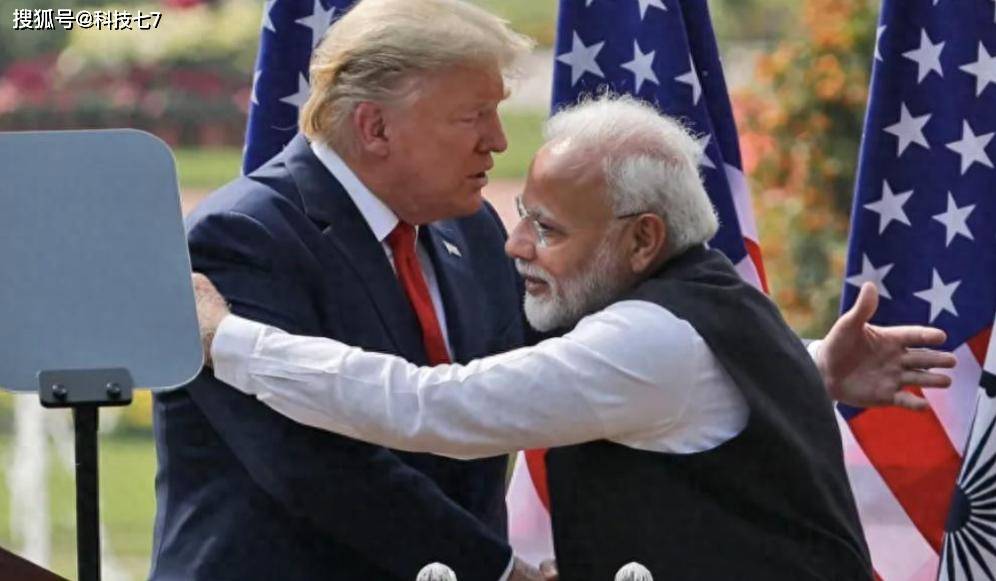
美国与印度的贸易协议即将达成,印媒公开刊报毫不掩饰:中国的帮助很重要
Sou Hu Cai Jing· 2025-10-23 15:30
Core Insights - The trade negotiations between the US and India are nearing completion, with the US planning to reduce average tariffs on certain Indian goods from nearly 50% to around 15% [1][3] - The negotiations are influenced by China's role, as India's adjustments in trade are seen as a balancing act between the US and Russia [1][5] Trade Conditions - The most notable condition is the significant reduction in tariffs, which would greatly benefit India's manufacturing sector [3] - The US is demanding that India gradually reduce its procurement of Russian oil and open its market to US agricultural products, such as non-GMO corn and soybean meal [3][5] - Since August, Indian state-owned refineries have been slowing down their purchases of Russian oil, indicating a shift in energy procurement strategies [3][7] Agricultural Impact - The reduction in tariffs could lead to increased exports of Indian textiles, engineering machinery, and chemical products to the US, potentially boosting India's export figures for the fiscal year 2025 [5] - The decrease in Chinese purchases of US corn has created an opportunity for India to step in as a new buyer, facilitating the trade negotiations [5] Risks and Considerations - Reducing reliance on discounted Russian oil may compress profit margins for Indian refineries, leading to potential domestic price increases [7] - Opening the market too much to US agricultural products could disrupt India's own agricultural system [7] - The agreement includes provisions for periodic reviews to mitigate risks associated with sudden policy changes from the US [7] Conclusion - The negotiations highlight the interconnected nature of modern international trade, where shifts in one country's purchasing decisions can accelerate negotiations between others [9] - If the agreement is finalized, India must remain vigilant about the broader implications of these changes in the context of global power dynamics [9]