智能家电

Search documents
追觅科技30余款全场景新品发布,高端全场景产品矩阵成型
Jing Ji Wang· 2025-09-05 07:30
Core Viewpoint - Chasing Technology held a product launch event showcasing over 30 new products and more than ten globally innovative technologies, emphasizing its belief that "core technology is fundamental" and its commitment to continuous R&D investment [1][3]. Product Innovations - The company has applied for a total of 6,379 patents globally, with 3,155 patents granted as of June 30, 2025 [3]. - The T60 Ultra and H60 Ultra flagship floor cleaning machines feature the world's first AI "dual-scrubbing" robotic arm, providing advanced solutions for sticky stains, water marks, and corner dirt [3]. - The Matrix10 Ultra vacuum cleaner incorporates a unique "smart cloth zone replacement system" to address cross-contamination issues during home cleaning [3]. - The V30 Pro vacuum cleaner utilizes the company's innovative "constant clean water washing system 2.0" technology, enabling it to handle mixed dry and wet waste effectively [3]. Home Care and Air Quality - The PM30 humidifying air purifier features globally innovative dual air duct and AI dynamic tracking technology for efficient humidification and purification in large spaces [5]. - The X30 hair care blow dryer employs a unique ultra-high frequency micron-level mist technology to retain moisture and reduce dryness, ensuring comfortable scalp health [5]. Smart Home Integration - Chasing Technology has developed a systematic smart home ecosystem, with products like the Extreme Series refrigerator using a world-first 5% ultra-low oxygen freshness technology [7]. - The X-Wind air conditioner features robotic wind control and a 126° wide-angle natural wind technology, enhancing personalized cooling and heating comfort by 200% [7]. - The L9 washing and drying set integrates various innovative functions for a comprehensive garment care experience [7]. Kitchen and Culinary Innovations - The company emphasizes reliability in kitchen appliances, with innovations in smoke control, temperature management, and cleaning processes [8]. - The Aura MiniLED 4K smart screen V3000 and AI smart ring showcase the company's high-end positioning in display technology and wearable devices [8]. Financial Performance - Chasing Technology reported that its revenue for the first half of 2025 has already surpassed the total revenue for the entire year of 2024, indicating significant growth [9]. - The company aims to continue leveraging technology and system capabilities to create a high-end smart future [9].

石头科技毛利率降至44.56% 销售费用激增144%成“元凶”?
Xi Niu Cai Jing· 2025-09-05 02:02
Core Insights - Stone Technology reported a significant increase in revenue but a drastic decline in net profit, marking the first substantial drop since its IPO in 2020 [2][3] - The company's net profit fell by 39.55% year-on-year, attributed to rising expenses, particularly in marketing and R&D [4][5][6] - The founder's stock sell-off and frequent executive changes have raised concerns about the company's stability and future prospects [9][10][12] Financial Performance - For the first half of 2025, Stone Technology achieved a revenue of 79.03 billion yuan, a year-on-year increase of 78.96% [3][4] - The total profit for the same period was 642.99 million yuan, down from 1.11 billion yuan in the previous year [4] - The net profit attributable to shareholders was 677.51 million yuan, a decrease from 1.12 billion yuan year-on-year [4] Expense Analysis - Marketing expenses surged to 21.65 billion yuan, a 144.51% increase, due to expanded global channel coverage and brand promotion efforts [5][6] - R&D expenses reached 6.85 billion yuan, up 67.28%, with a workforce of 1,364 R&D personnel, reflecting a 73.54% increase [6] - The gross margin dropped from 53.81% in the first half of 2024 to 44.56% in 2025, a decline of 17.19 percentage points [6] Competitive Landscape - In contrast, competitor Ecovacs reported a revenue of 86.76 billion yuan, a 24.37% increase, with a net profit of 9.79 billion yuan, up 60.84% [7][8] - Stone Technology's net profit has been declining for four consecutive quarters, with significant drops in each quarter [8] Management Changes - The founder, Chang Jing, reduced his stake from 23.15% to 21.09%, cashing out approximately 8.88 billion yuan, which has led to investor dissatisfaction [10][12] - Recent executive changes include the resignation of a vice president and the appointment of a new vice president, raising concerns about operational stability [12] New Business Challenges - The washing machine division has faced significant layoffs, with reports indicating over 70% of staff were cut, contradicting earlier expansion plans [13] - The washing machine segment generated only 10.7 billion yuan in revenue, significantly lower than the vacuum cleaner business, despite high R&D investments [13][14] - The competitive environment in the washing machine market is dominated by established players like Haier and Midea, making it difficult for Stone Technology to gain a foothold [15][16]


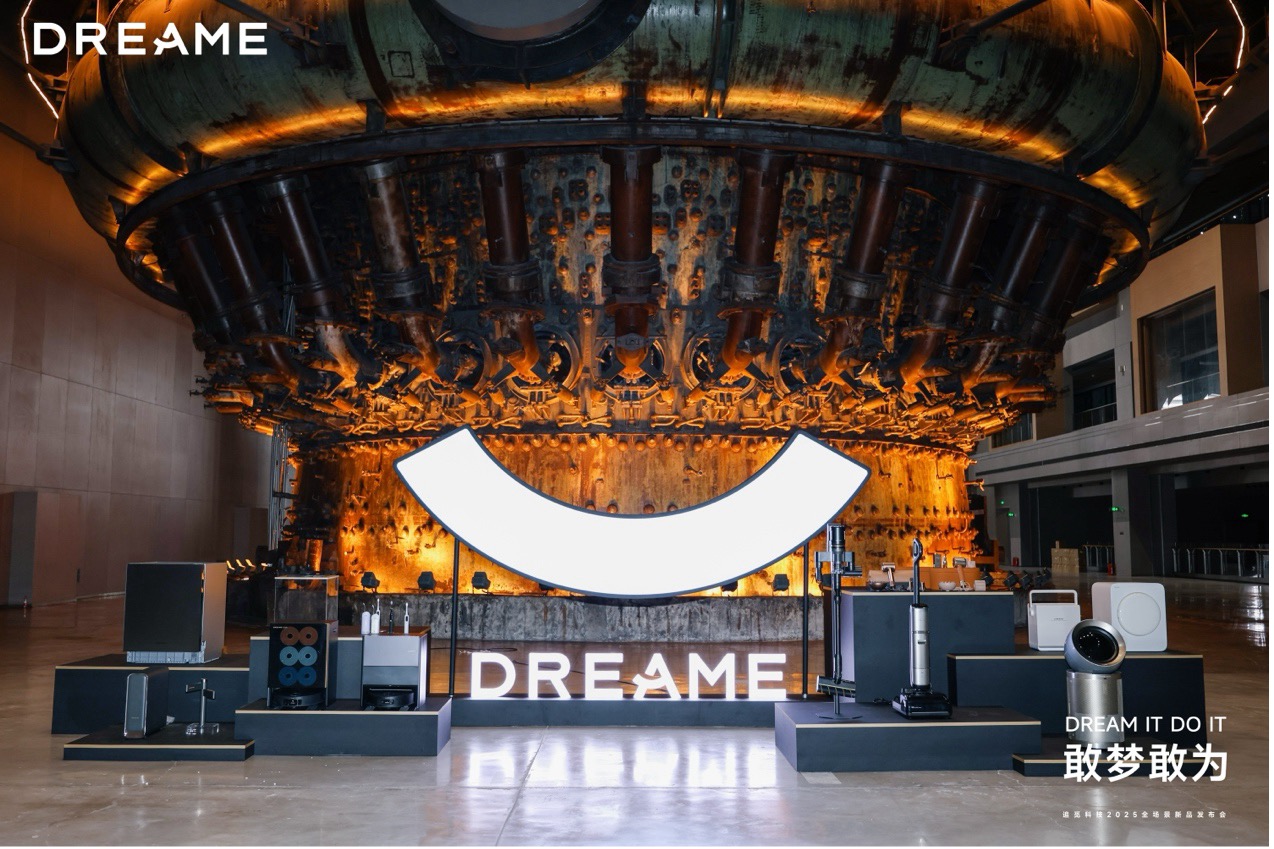
追觅科技举办2025“敢梦敢为”发布会 超30款全场景新品集中亮相
Huan Qiu Wang· 2025-09-04 10:33
Core Viewpoint - Chasing Technology launched over 30 new products at its 2025 product launch event, focusing on smart cleaning, smart home appliances, family health, and personal care, aiming to create a high-end intelligent ecological matrix and a more open all-scenario ecosystem [1][3]. Smart Cleaning - The Matrix10 Ultra robot vacuum features the world's first automatic mop replacement technology, addressing cross-contamination issues with dedicated mops for different areas [4]. - The T60 Ultra and H60 Ultra floor washers utilize an AI dual-wiping mechanical arm for effective cleaning, with T60 Ultra designed for low-profile access and H60 Ultra offering superior cleaning for stubborn stains [4]. Vacuum Cleaners - The V30 Pro vacuum cleaner incorporates a "Constant Clean Water Washing System 2.0" for effective cleaning, while the X3 vacuum addresses hair tangling issues with a dual-blade cutting system [5]. Family Health and Personal Care - The PM30 humidifying air purifier achieves uniform humidification and purification with a clean air output of 400m³/h, while the X30 hair dryer offers a "drying and hair care" experience through advanced technology [7]. Whole House and Kitchen Appliances - The company emphasizes a systematic approach to enhance user experience, with innovations in refrigeration, air conditioning, and laundry care, as well as a complete kitchen experience through various cooking and cleaning appliances [8]. Wearable Devices - The newly introduced AI smart ring features a slim design and integrates multiple health monitoring functions, supporting compatibility with both Apple and Android ecosystems [9]. Business Growth - By mid-2025, the company's revenue has significantly surpassed the total for 2024, indicating rapid growth and a commitment to becoming a leading global technology ecosystem enterprise [9].
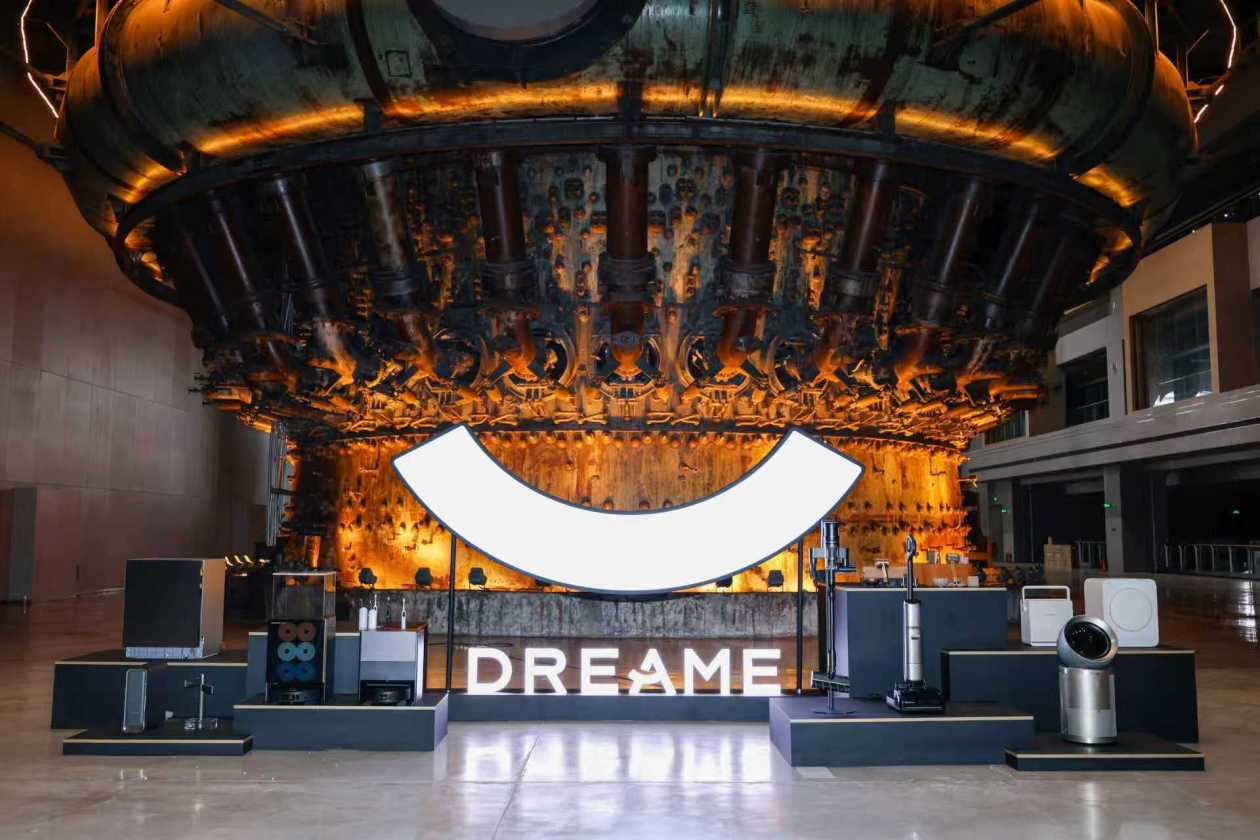
追觅科技半年营收远超2024年 高端全场景产品矩阵成型
Zhong Guo Jing Ji Wang· 2025-09-04 09:24
Core Insights - The company,追觅科技, announced that its revenue for the first half of 2025 has significantly exceeded the total revenue for the entire year of 2024, indicating a leap in growth [1] - The company launched over 30 new products and introduced more than ten globally innovative technologies on the same day [1] Product Innovations - In the smart cleaning sector, the company unveiled the AI "dual-scrubbing" robotic arm in its flagship T60 Ultra and H60 Ultra floor cleaning machines [1] - The Matrix10 Ultra vacuum cleaner features a unique cloth replacement system that addresses cross-contamination during home cleaning [1] - The V30 Pro vacuum cleaner incorporates a new water washing system to handle mixed waste effectively [1] - The PM30 humidifier and air purifier utilizes innovative technologies for efficient space coverage and real-time purification [1] Home Appliance Development - The company showcased its major appliance products at the AWE 2025 exhibition, further enhancing its smart home ecosystem [2] - The Extreme Series refrigerator employs a groundbreaking 5% ultra-low oxygen preservation technology [2] - The X-Wind air conditioner offers personalized airflow with a 200% improvement in comfort [2] - The L9 washing and drying set integrates various innovative features for a comprehensive garment care experience [2] - The U10 water purifier and S1 drinking system create a closed-loop for household water needs [2] Cross-Industry Expansion - The company launched the Aura MiniLED 4K smart screen V3000, positioning itself among the top tier of global display technology [3] - The AI smart ring offers health monitoring and notifications through fingertip vibrations [3] - The company's revenue growth is attributed to product upgrades driven by technology and deepening global strategies [3] - The company has established a presence in over 100 countries and regions, with more than 6,000 physical stores worldwide [3] - 追觅科技 has become the leading brand in China's cleaning appliance sector, with its vacuum and floor cleaning machines holding the top market share in over ten countries [3] - As of June 30, 2025, the company has filed 6,379 patents globally, with 3,155 patents granted [3]
追觅“全家桶”亮相:从扫地机到智能戒指,一口气发布30余款新品
Feng Huang Wang· 2025-09-04 07:31
Core Insights - The company, Chasing Technology, launched over 30 new products at its "Dare to Dream" event, expanding its product line from smart cleaning to home care, major appliances, kitchen electronics, smart displays, and wearable devices, showcasing its technological depth and systematic product layout capabilities [1][4] Smart Cleaning - Chasing Technology introduced the world's first AI "dual-scrubbing" robotic arm in its flagship floor washing machines, T60 Ultra and H60 Ultra, providing industry-leading solutions for sticky stains, water marks, and corner dirt [1] - The Matrix10 Ultra vacuum cleaner features a unique "smart cloth zone replacement system" that changes cloth materials based on different floor areas, addressing cross-contamination during home cleaning [1] - The V30 Pro vacuum cleaner incorporates the company's innovative constant clean water washing system 2.0, enabling it to handle mixed dry and wet waste, achieving a thorough clean in one go [1] Home Care - The PM30 humidifying air purifier utilizes the world's first intelligent dual air duct and AI perception dynamic tracking technology for rapid and uniform humidification and purification in large spaces [2] - The X30 hair dryer focuses on hair and scalp health with its ultra-high frequency micron-level mist technology, which helps retain moisture and reduce dryness [2] Major Appliances - Chasing Technology's major appliances, showcased at AWE 2025, include the Extreme Series refrigerator with a global first 5% ultra-low oxygen freshness technology, enhancing food preservation [2] - The X-Wind air conditioner features robotic wind control and a 126° wide-angle natural wind technology, improving cooling and heating comfort by 200% [2] - The L9 all-variable frequency washing and drying set integrates various innovative functions for a comprehensive garment care experience [2] Kitchen and Culinary Appliances - The company emphasizes solid and reliable foundational capabilities in kitchen appliances, with innovations in smoke control, temperature management, cleaning, and storage [3] - The Aura MiniLED 4K smart screen V3000 and AI smart ring were introduced, showcasing the company's high-end positioning in the display and wearable device markets [3] Systematic Technological Innovation - The event highlighted the company's ability to platform core technologies across different scenarios, with a total of 6,379 global patent applications as of June 2025 [4] - The launch of multiple globally pioneering technologies and over 30 all-scenario products indicates the company's strategy to build comprehensive competitiveness in the high-end smart living sector [4]
追觅科技:2025年上半年营收远超2024年全年
Mei Ri Jing Ji Xin Wen· 2025-09-04 07:00
Core Insights - The company,追觅科技, announced that its revenue for the first half of 2025 will significantly exceed the total revenue for the entire year of 2024 [1] - This breakthrough is attributed to a technology-driven product matrix upgrade and a deepened global strategy [1] Company Expansion - 追觅科技's products are now available in over 100 countries and regions [1] - The company has established a presence in more than 6,000 physical retail stores worldwide [1] - It has cumulatively served over 30 million households [1]
科沃斯股价跌5.13%,弘毅远方基金旗下1只基金重仓,持有3800股浮亏损失1.88万元
Xin Lang Cai Jing· 2025-09-04 02:44
Group 1 - The stock of Ecovacs Robotics fell by 5.13% on September 4, closing at 91.50 CNY per share, with a trading volume of 270 million CNY and a turnover rate of 0.51%, resulting in a total market capitalization of 52.737 billion CNY [1] - Ecovacs Robotics, established on March 11, 1998, and listed on May 28, 2018, specializes in the research, design, production, and sales of various household service robots and smart home appliances, with service robots contributing 55.89% and smart living appliances 42.96% to its main business revenue [1] Group 2 - The Hongyi Yuanfang Fund has a significant holding in Ecovacs, with its Hongyi Yuanfang Jiuying Mixed A Fund (013694) holding 3,800 shares, representing 0.51% of the fund's net value, making it the largest holding [2] - The Hongyi Yuanfang Jiuying Mixed A Fund was established on June 7, 2022, with a latest scale of 11.9581 million CNY, achieving a year-to-date return of 2.33% and a one-year return of 4.23% [2] Group 3 - The fund managers of Hongyi Yuanfang Jiuying Mixed A Fund are Ma Jia and Wu Yin, with Ma Jia having a tenure of 3 years and a total fund asset size of 336 million CNY, achieving a best return of 21.95% during his tenure [3] - Wu Yin has a tenure of 2 years with a fund asset size of 108 million CNY, achieving a best return of 3.6% during his tenure [3]

关于这两天的A股,我有话想说
Sou Hu Cai Jing· 2025-09-04 01:58
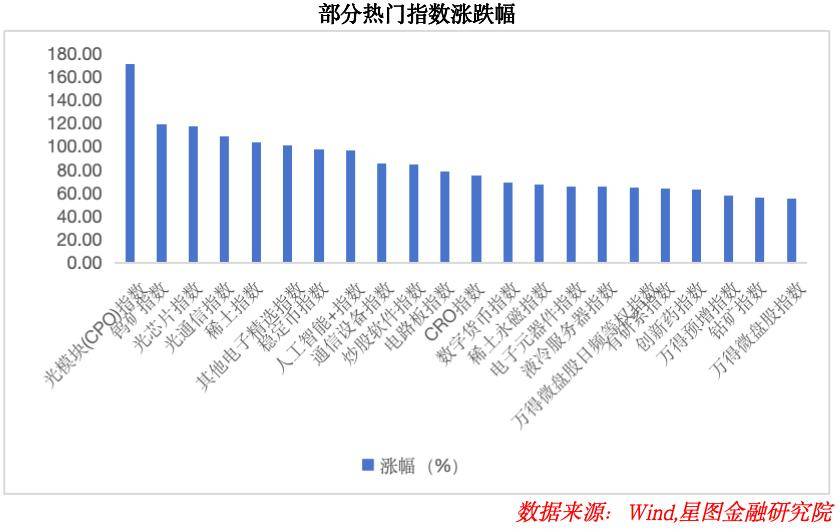
Core Viewpoint - The A-share market is experiencing significant fluctuations, particularly in technology sectors such as AI chips, PCB, optical modules, and liquid cooling, driven by profit-taking from a structural bull market that began in April [1][3] Market Environment - Despite structural pressures, there is no systemic risk in the current market environment, with liquidity support from coordinated fiscal and monetary policies [4] - The market's short-term adjustments are seen as normal profit-taking rather than a trend reversal, with expectations for continued upward movement after the current fluctuations [4] Sector Performance - The technology sector is outperforming traditional industries, with new industries and consumption showing significant growth [5][6] - The share of traditional industries in GDP is declining, while high-tech industries are expanding rapidly, with the "three new" sectors expected to account for 18.01% of GDP by 2024 [6][8] - Earnings reports indicate strong performance in the electronics and computer sectors, with revenue and profit growth significantly outpacing traditional sectors [10] Policy Support - The Chinese government continues to emphasize technology innovation as a core directive, with upcoming policies expected to further support the technology sector [13] - The focus on "AI+" initiatives and the upcoming 14th Five-Year Plan discussions suggest ongoing policy backing for technological advancements [13] Investment Recommendations - In the medium to long term, sectors such as AI and robotics are expected to remain core investment themes, despite current market overheating [14] - High-growth sectors with reasonable valuations, such as non-ferrous metals and innovative pharmaceuticals, are highlighted as attractive investment opportunities [14][15] - The pet economy and smart home appliances within the new consumption sector are also identified as having significant growth potential [16] - Additionally, undervalued sectors like photovoltaics and lithium batteries are recommended for investment due to improving supply-demand dynamics and favorable valuations [17]
跨界造车背后,一场被业绩增长与资本焦虑绑架的冒险
Xin Lang Cai Jing· 2025-09-03 08:52
Core Viewpoint - The automotive ambitions of Chasing Technology reflect a strategic shift in response to growth challenges in its core cleaning appliance business, raising questions about the feasibility and risks of such a transition [1][4][16]. Company Overview - Chasing Technology, founded in 2017, has evolved from a smart cleaning appliance company to a player in the automotive sector, with plans to launch its first model, a range-extended SUV, by 2027 [2][4]. - The company has applied for a total of 6,379 patents globally, with 45% being invention patents in key areas such as sensor fusion and motor control [2]. Market Context - The cleaning appliance market is nearing saturation, with the penetration rates for robotic vacuums and floor washers at only 5.5% and 3.1% respectively, leading to increased competition among key players [4][12]. - Chasing Technology's revenue surged from 2 billion to 15 billion RMB between 2020 and 2023, but the company now faces a growth ceiling as market dynamics shift [4][15]. Strategic Expansion - The company is pursuing a "boundary-less" expansion strategy, entering various sectors including drones and automotive, leveraging its existing technological capabilities [3][4]. - Chasing Technology has established a nearly 1,000-person automotive team and is expanding its capabilities in electric drive systems and intelligent cockpit technologies [1][3]. Challenges in Automotive Transition - The transition to automotive manufacturing poses significant challenges, including the need for deep technical expertise in electric vehicle systems, which differ greatly from home appliance technologies [6][8]. - The company faces high barriers to entry in the automotive sector, including the need for production qualifications and the establishment of a robust quality control system [9][10]. Competitive Landscape - The automotive market is increasingly competitive, with established players like Tesla and BYD reducing prices and enhancing technology, making it difficult for new entrants to gain a foothold [11][12][13]. - Chasing Technology's ability to compete against established automotive brands is questioned, particularly regarding its technological capabilities and market positioning [15][16]. Financial Considerations - The company has not secured new funding since May 2023, raising concerns about its financial sustainability as it embarks on a capital-intensive automotive venture [5][15]. - The potential for a "second curve" of growth through automotive manufacturing is seen as a necessary move to revitalize investor interest, but it carries significant risks [5][16]. Conclusion - Chasing Technology's decision to enter the automotive market reflects broader anxieties within the Chinese tech consumer sector as companies seek new growth avenues amid market saturation [15][16]. - The success of this transition will depend on the company's ability to navigate the complexities of automotive manufacturing while maintaining its core business [17].
IFA2025开幕在即:海信智能大屏冰箱同比增长2.8倍
Zhong Guo Zhi Liang Xin Wen Wang· 2025-09-03 05:15
Group 1 - The annual IFA in Berlin focuses on innovation, connectivity, and sustainability, with Hisense showcasing its "AI Your Life" theme, emphasizing practical AI applications and commercial innovation [1] - Hisense has accelerated its AI technology layout, establishing cross-OS platform capabilities that connect VIDAA OS and the ConnectLife smart home platform, enhancing user experience through interconnected devices [1] - Hisense's VIDAA OS has been recognized as the fastest TV operating system, achieving a performance score of 89 in a benchmark test conducted by WEKA MEDIA PUBLISHING GmbH [3] Group 2 - The ConnectLife smart home platform integrates AI and IoT, enabling interconnectivity among various appliances and enhancing user experience with personalized AI Agent services [5] - Hisense's smart large-screen refrigerators, equipped with ConnectLife, saw a 2.8 times year-on-year sales increase in overseas markets, priced around 3000 euros [5] - Hisense aims to capture the high-end European market by iterating differentiated products like smart large-screen refrigerators and high-efficiency models, with plans to lead in market share by mid-2025 [7]