
文化产业

Search documents
合生载物蒋香香:文投会,个人IP规模化发展的新起点
2 1 Shi Ji Jing Ji Bao Dao· 2025-10-21 09:54
Core Insights - The evolution of knowledge content dissemination is marked by a shift from traditional media to audio platforms and now to short video live streaming, with personal knowledge IP emerging as a significant force in the cultural industry [1] - The CEO of Beijing Hesheng Zaiwu Cultural Media Co., Ltd. emphasizes the commercial value of personal IP, which can rival that of some listed companies, but highlights the need for capital and systematic operations for scalable development [1][6] - A case study illustrates a five-person team generating over 10 million yuan in monthly transactions by teaching classic literature on platforms like Douyin, showcasing the immense potential of the personal IP sector [1][6] Industry Evolution - The cultural content industry can be divided into three stages: the print media era, the portal website era, and the current self-media era characterized by short videos and live streaming [2] - The self-media era allows for direct and frequent interaction between creators and audiences, enhancing emotional resonance and dissemination efficiency [2] - The path to building knowledge IP has transformed, with creators now utilizing various media formats, including books, audio courses, and short videos, to maximize their reach [2] Competitive Dimensions of IP - The competition for sustainable and competitive knowledge IP can be categorized into three levels: cognitive competition, value competition, and recognition [3][4] - Cognitive competition focuses on the depth of understanding of industry trends and user needs, which determines the potential for value acquisition [3] - Value competition emphasizes the importance of long-termism and sustainable business models, which help build user trust [3][5] - Recognition involves creating a clear and differentiated identity for the IP, enabling users to easily identify and remember it amidst a crowded market [4][5] Capital and Scale Challenges - The upcoming Guangdong-Hong Kong-Macao Greater Bay Area Cultural Investment Conference is seen as a crucial opportunity to address the challenges of scaling personal IP and securing capital support [6][7] - Traditional financial institutions often overlook personal IP due to their smaller scale, despite their impressive commercial efficiency [6] - The knowledge payment sector is highlighted for its high profit margins and favorable cost structure, with successful personal IPs generating profits comparable to listed companies [6] Future Aspirations - The company aims to explore scalable paths for quality IP, leveraging internet media to disseminate culture and positive values to a broader audience [7] - There is a strong desire to establish a presence in the Greater Bay Area and collaborate with influential IP creators to contribute to the region's cultural prosperity [7]
“投资海南 共赢未来”海南自贸港招商推介会在厦门举行
Sou Hu Cai Jing· 2025-10-21 07:16
Core Insights - The "Invest in Hainan, Win the Future" promotional event was held in Xiamen to attract businesses to invest in Hainan Free Trade Port [2] - The event coincided with the 10th anniversary of the Xiamen Hainan Chamber of Commerce, aiming to create a platform for efficient and precise business connections [2] Policy and Development - Experts from the Hainan Free Trade Port Talent Development Research Institute provided a systematic overview of the overall policy framework, key industry layout, and development plans [2] - Representatives from various cities and organizations in Hainan showcased regional industrial positioning and advantages, highlighting the unique industries in Hainan [2] Financial Support - The China Bank Hainan Branch offered professional interpretations of financial support policies for the Free Trade Port, providing dual guarantees of "policy + finance" for businesses [2] Networking and Collaboration - The event featured a bustling display and negotiation area where promotional materials were presented, facilitating in-depth one-on-one discussions between representatives and businesses [2] - Multiple cooperation intentions were reached during the event, indicating a vibrant negotiation atmosphere [2] Project Signings - The event resulted in the signing of five projects, including agreements between local governments and companies such as Linmo Cultural Industry Park and Hainan Liancheng Biotechnology Co., Ltd. [4] - Other signed agreements involved partnerships between the Yangpu Economic Development Zone and companies like Xinlai New Energy Co., Ltd. [4] Philanthropic Contributions - The Xiamen Hainan Chamber of Commerce made charitable donations of 200,000 yuan to Hainan Guoxing Middle School and 350,000 yuan to Hainan Normal University to support local education [4]

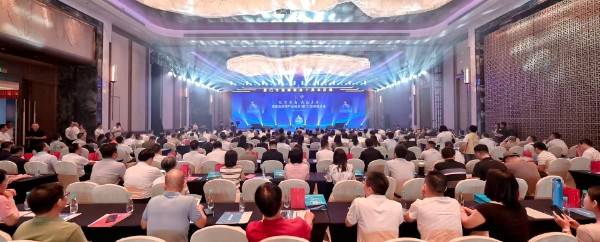
促文化名片变发展品牌(现场评论)
Ren Min Ri Bao· 2025-10-20 22:01
Group 1 - The integration of culture and technology is driving economic prosperity and enhancing cultural experiences, as seen in the immersive experiences offered at M511 Light and Shadow Hub in Hangzhou [1] - The "Eight-Eight Strategy" proposed by Xi Jinping emphasizes leveraging cultural advantages and promoting cultural innovation through a symbiotic system of culture, technology, industry, and talent [1] Group 2 - The West Lake District has invested over 50 million yuan in cultural creative funding over the past three years, establishing a comprehensive support system for cultural enterprises [2] - The success of cultural products like the game "Black Myth: Wukong" and the animated film "Chang'an 30,000 Li" highlights the importance of platforms like the Yichuang Town in fostering creative industries [2] Group 3 - Revitalization of idle spaces in cities through cultural initiatives has increased their attractiveness, with the East Nest Art Park receiving over 20 million visitors and generating over 600 million yuan in revenue [3] - The combination of cultural richness and innovative industries in Zhejiang is expected to enhance economic growth and create a harmonious balance between material wealth and spiritual richness [3]
丰源投资:钟情“文化+科技”领域,推动好项目广东落地生根
2 1 Shi Ji Jing Ji Bao Dao· 2025-10-20 11:08
Core Insights - The 2025 Guangdong-Hong Kong-Macao Greater Bay Area Cultural Industry Investment Conference aims to connect funding with projects, aligning with the needs of investment firms like Fengyuan Investment [1] Company Overview - Fengyuan Investment, established in 2022, focuses on equity investments in frontier technology commercialization, manufacturing transformation, and urban renewal [1] - The founder, Fu Zheng, has a background in investment banking and has previously worked with UBS and CVC Capital Partners, leading investments in various sectors [1] Industry Trends - The cultural industry is experiencing significant trends, particularly the integration of culture and technology, with areas like AIGC, metaverse, digital humans, and smart hardware reshaping product creation and consumption [3] - Guangdong has established itself as a cultural industry powerhouse, with a complete industry chain and a vibrant innovation atmosphere [3] Regional Advantages - Guangdong is the largest cultural industry province in China, with a total revenue of 2.5 trillion yuan from large-scale cultural enterprises in 2024, accounting for about one-sixth of the national total [4] - The province has introduced a new policy package to promote high-quality cultural industry development, releasing 87 policies to support new cultural business models [4] Investment Opportunities - The conference has successfully facilitated significant investment, with a total of 250 billion yuan in cultural industry investment funds announced over two sessions [4] - In 2023, the conference achieved an intended investment signing amount of 2 billion yuan, with actual financing reaching 1.51 billion yuan [4] Collaboration Expectations - Fengyuan Investment seeks precise recommendations for high-growth projects, guidance on product licensing in gaming and film, and opportunities to establish or participate in specialized funds for cultural technology [5]
大国五年丨强国梦,从蓝图一步步走向现实
Xin Hua She· 2025-10-20 09:28
Group 1: Manufacturing Strength - China has the largest and most complete manufacturing system globally, maintaining its position as the world's leading manufacturing country for 15 consecutive years [2] - The country produces over 200 major industrial products with the highest output in the world [2] Group 2: Aerospace Achievements - The first Chinese space station "Tianhe" has been fully constructed and is operational [5] - The "Chang'e 6" mission achieved the world's first lunar sample return from the far side of the moon [5] - The "Zhurong" Mars rover successfully landed on Mars, marking multiple global firsts in manned spaceflight [5] Group 3: Transportation Infrastructure - The national comprehensive three-dimensional transportation network has a completion rate exceeding 90% [7] - China's high-speed rail operating mileage is twice that of all other countries combined [7] - The country ranks first in urban rail transit operating mileage [7] Group 4: Technological Innovation - China ranks first globally in the number of top 100 technology innovation clusters, with 26 clusters [11] - The contribution of the "new economy" to GDP has reached 18% [11] - The national comprehensive innovation capability ranking has improved to 10th place [11] Group 5: Education System - China has established the largest and highest quality education system, with a gross enrollment rate in preschool education reaching 92% [15] - The consolidation rate for compulsory education exceeds 95% [15] - The gross enrollment rate for higher education has reached 60.8% [15] Group 6: Cultural Influence - The number of registered museums in China has reached 7,046, and there are 3,248 public libraries [17] - Cultural products such as web dramas, online literature, and online games have gained significant influence overseas [17] Group 7: Maritime Economy - China's marine product output has ranked first globally for several consecutive years [19] - The national marine production value is expected to exceed 10 trillion yuan in 2024 [19] - The country accounts for approximately one-third of global shipping volume and container throughput [19] Group 8: Financial Sector - The total assets of the banking industry are nearly 470 trillion yuan, ranking first in the world [23] - China's foreign exchange reserves have maintained the world's largest scale for 20 consecutive years [23] - The stock and bond market sizes rank second globally, with advancements in green and digital finance [23]
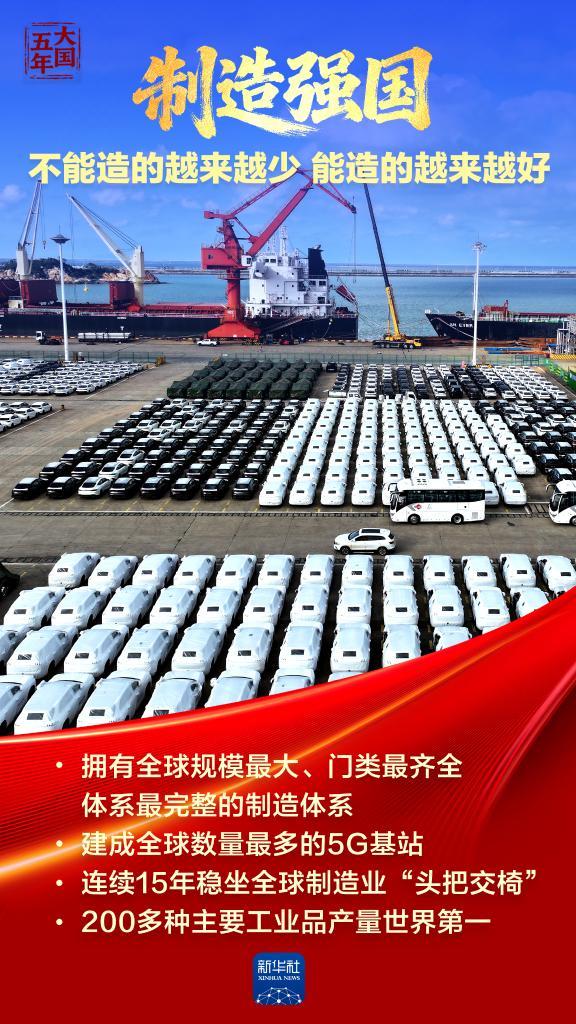
湖南益阳经贸合作对接会在伦敦举行
人民网-国际频道 原创稿· 2025-10-19 08:40
Core Insights - The 2025 Hunan Yiyang Economic and Trade Cooperation Conference was held in London, aiming to enhance economic ties between Yiyang and the UK [1][2] - The conference featured over 100 attendees, including notable figures from both Chinese and British political and business sectors, highlighting the importance of bilateral cooperation [1] Group 1: Conference Highlights - The event was organized by the Yiyang Municipal Government and aimed to showcase Yiyang's development and cooperation opportunities [1] - Key speakers included UK House of Lords member Kirkhope, who provided insights on Sino-British economic cooperation, and John McLean, who emphasized the role of institutions in facilitating trade [1] - Yiyang's Mayor Xiong Wei delivered an enthusiastic speech outlining the city's development and collaboration prospects [1] Group 2: Project Promotion - The conference included a project promotion segment led by Yiyang's Director of Commerce, Xiao Juan, showcasing the city's rich industrial resources and vast cooperation potential [2] - Entrepreneurs from the UK shared their investment experiences in Yiyang, highlighting the favorable business environment [2] - Various local companies presented their products and collaboration opportunities, including Anhua Black Tea Group and Hunan Agricultural Products Company, emphasizing Yiyang's strengths in agriculture and cultural industries [2] Group 3: Future Cooperation - The conference successfully deepened the understanding of Yiyang among British attendees and established a cooperative channel for businesses [2] - Participants expressed intentions to explore further cooperation in areas such as specialty agriculture, advanced manufacturing, and cultural industries [2] - The event is seen as a stepping stone towards creating a new chapter in transoceanic economic exchanges between Yiyang and London [2]
艺术瑰宝跨越山海,大湾区打造万亿 “文化梦工厂”
2 1 Shi Ji Jing Ji Bao Dao· 2025-10-19 03:29
Core Viewpoint - The 13th China International Folk Art Festival in Foshan showcases a blend of traditional and international cultures, enhancing the cultural tourism landscape and driving economic opportunities through cultural exchange [1][2]. Group 1: Cultural Exchange and Economic Opportunities - The festival features performances from 13 countries, highlighting the role of art in breaking down cultural barriers and fostering economic cooperation in tourism, cultural creation, and brand collaboration [2]. - Foshan's cultural events, such as the dragon boat drifting and concerts, have significantly boosted local tourism consumption, with over 680 million yuan generated from a single concert [5]. - The integration of traditional cultural elements with modern technology, such as AI and digital tools, is transforming the cultural landscape and enhancing the market competitiveness of cultural content [8][9]. Group 2: Cultural Industry Development in the Greater Bay Area - The Greater Bay Area is leveraging its cultural resources, creative design, advanced manufacturing, and global marketing to create a comprehensive cultural industry chain [2][8]. - Guangdong's cultural and related industries generated 2.25 trillion yuan in revenue in 2023, leading the nation, with a significant portion coming from cultural manufacturing [6]. - The collaboration among cities in the Greater Bay Area allows for efficient integration of cultural projects, from design to production, enhancing the overall effectiveness and reducing costs [11][12]. Group 3: Technological Empowerment in Cultural Industries - Emerging technologies like AI and VR/AR are driving the dynamic transformation of traditional cultural practices, making them more accessible and engaging for the public [9][10]. - Companies in the Greater Bay Area are utilizing technology to create immersive cultural experiences, thereby expanding the boundaries of the cultural industry [11][12]. - The focus on creating unique experiences through digitalization is seen as a key driver for the growth of the cultural sector in the region [10].
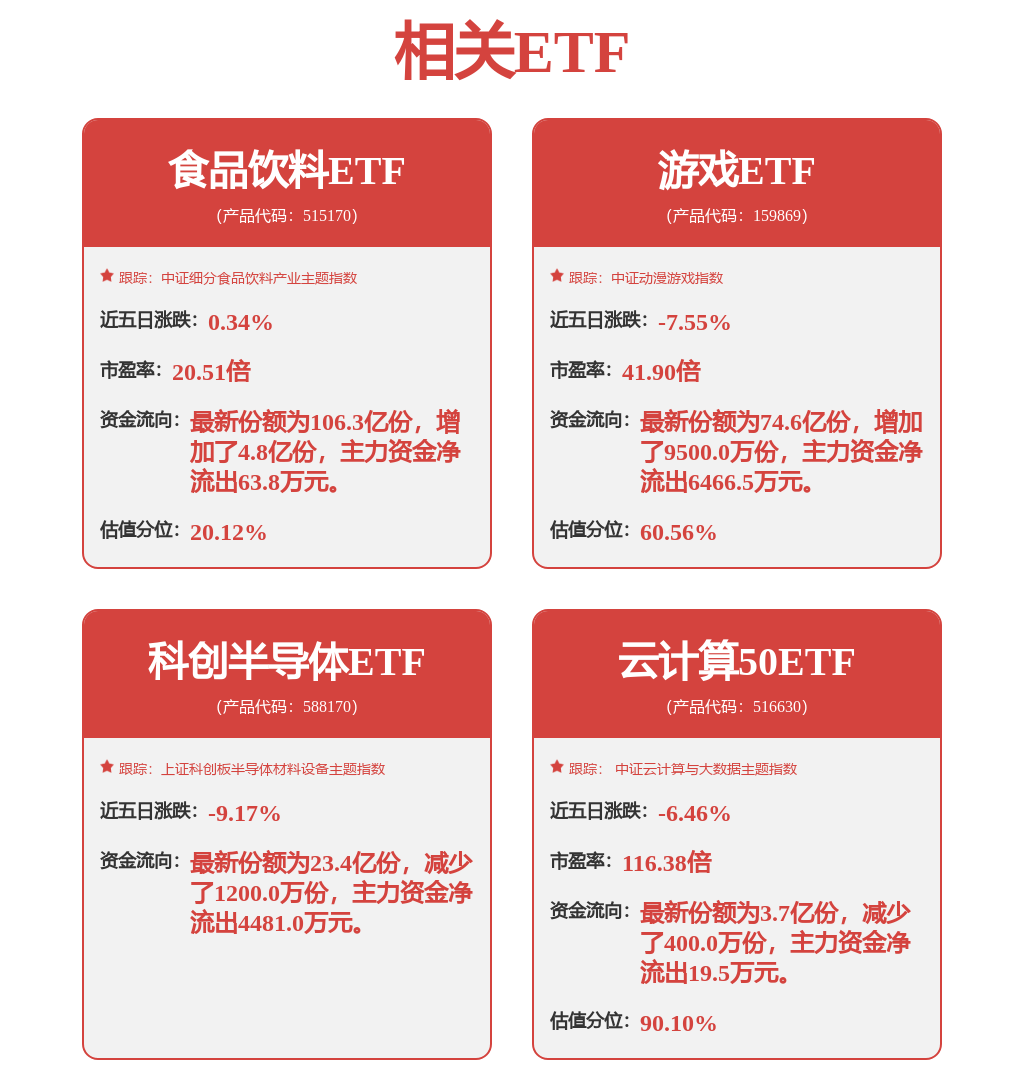
2025中国·澄迈国际经济贸易洽谈会农文旅推介会举行
Hai Nan Ri Bao· 2025-10-19 01:11
Core Insights - The 2025 China Chengmai International Economic and Trade Fair Agricultural, Cultural, and Tourism Promotion Conference was held to showcase the integration of agriculture, culture, and tourism in Chengmai, highlighting its economic potential and brand influence [2][3] Group 1: Event Overview - The conference focused on five key themes: agarwood, agricultural seed industry, fishery, under-forest economy, and the integration of agriculture, culture, and tourism [2] - The event aimed to build a high-end platform for external cooperation and to display the achievements and potential of Chengmai's agricultural and cultural tourism integration [2][3] Group 2: Industry Significance - Chengmai is recognized as an important industrial base in northern Hainan, with a solid agricultural foundation and notable brands such as Fuxian oranges and Qiaotou sweet potatoes [2] - The region's unique products and industries, including the under-forest economy and aquaculture, provide rich content and consumption scenarios for the integration of agriculture and tourism [2][4] Group 3: Engagement and Promotion - The conference included various activities such as entrepreneur sharing, policy promotion, keynote speeches, and project presentations, which generated significant interest among investors [3] - A showcase area featuring local products and tourism resources attracted considerable attention, allowing attendees to experience the region's rich resources and cultural heritage [3]
《全球城市人才黏性指数报告2025》发布 长沙位列全国第九中部第一
Chang Sha Wan Bao· 2025-10-18 02:20
Core Insights - The report highlights Changsha's ranking as the 9th city in China for talent stickiness, and the 1st in Central China, marking its continuous presence in the top 10 for two consecutive years [1][3]. Group 1: Talent Stickiness Index - The Talent Stickiness Index, proposed by the Beijing Talent Development Strategy Research Institute, measures the talent attraction and retention capabilities of cities globally [2]. - The report evaluates 125 cities across 45 countries based on six dimensions: economic foundation, innovation potential, cultural openness, ecological health, social welfare, and public life [3]. Group 2: Policy and Talent Attraction - Changsha has implemented various talent policies, including the "22 Talent Policies" and the upgraded "45 Talent Policies," aimed at attracting and nurturing talent [4]. - The city promotes a supportive environment for various talents, emphasizing a balance between work and quality of life, making it an attractive destination for young professionals [6]. Group 3: Economic and Innovation Landscape - Changsha's economic landscape supports diverse industries, including engineering machinery, rail transportation, artificial intelligence, and new materials, providing ample opportunities for talent [5]. - The city has seen a net increase of one million residents over the past decade, with young talent being the primary demographic driving this growth [7]. Group 4: Artificial Intelligence and Talent Development - The rapid development of artificial intelligence (AI) has significantly enhanced the city's talent stickiness, with Changsha ranking 18th globally in AI-related publications and 10th in high-impact scientific contributions [9]. - The establishment of the National Supercomputing Center in Changsha serves as a critical engine for the city's AI industry, supporting the development of a comprehensive innovation ecosystem [12]. Group 5: Future Prospects and Goals - Changsha aims to become a global research and development center, with a robust policy support system and a growing number of innovation platforms, including 152 national-level innovation platforms [12]. - The city is positioned to achieve its best historical rankings in innovation capability, aiming for a place among the top global technology clusters [12].
文化强国:在创新创造中赓续中华文脉
Jing Ji Ri Bao· 2025-10-17 21:43
Core Viewpoint - The article highlights the significant progress made in building a culturally strong nation in China during the "14th Five-Year Plan" period, emphasizing the integration of culture into economic and social development, and the enhancement of people's quality of life through cultural experiences [1][2][4][9]. Group 1: Cultural Demand and Activities - During the National Day and Mid-Autumn Festival holidays, major museums experienced high visitor demand, showcasing a blend of traditional and contemporary cultural experiences [1][8]. - The variety of cultural activities has increased, with events like "village evenings" and community performances attracting over 262 million participants in 2024 [3]. - The public cultural service system is being improved to meet the diverse spiritual and cultural needs of the people, making cultural services more accessible and high-quality [2][3]. Group 2: Cultural Industry Growth - The cultural industry has seen substantial growth, with total assets reaching 34.4 trillion yuan and revenue exceeding 1.9 trillion yuan in 2024 [4][5]. - New cultural business models are emerging, with revenue from new cultural sectors reaching 5.9 trillion yuan, accounting for over 40% of the entire cultural industry [5]. - The integration of culture and tourism has become a trend, with over 60% of attendees at large events traveling across cities for performances, indicating a growing demand for cultural tourism [6]. Group 3: Cultural Heritage and Preservation - The number of registered museums in China has reached 7,046, with a national archaeological park count of 65, reflecting the commitment to cultural heritage preservation [8][9]. - Significant archaeological discoveries and the establishment of a comprehensive cultural heritage protection system have been achieved, enhancing national pride and cultural confidence [7][9]. - The promotion of intangible cultural heritage has led to the establishment of 12,900 non-heritage workshops, creating job opportunities for over 1.2 million people [8]. Group 4: International Cultural Influence - China's cultural soft power and influence have been bolstered, with 60 sites now listed as World Heritage sites and 44 items recognized by UNESCO as intangible cultural heritage [9]. - The cultural trade volume reached 1.4 trillion yuan in 2024, with over 370 billion yuan attributed to digital and intelligent cultural products, showcasing the global reach of Chinese culture [9].