冰雪产业

Search documents
缺雪的南方城市,为何滑雪场生意越来越热闹? | 声动早咖啡
声动活泼· 2026-01-26 09:05
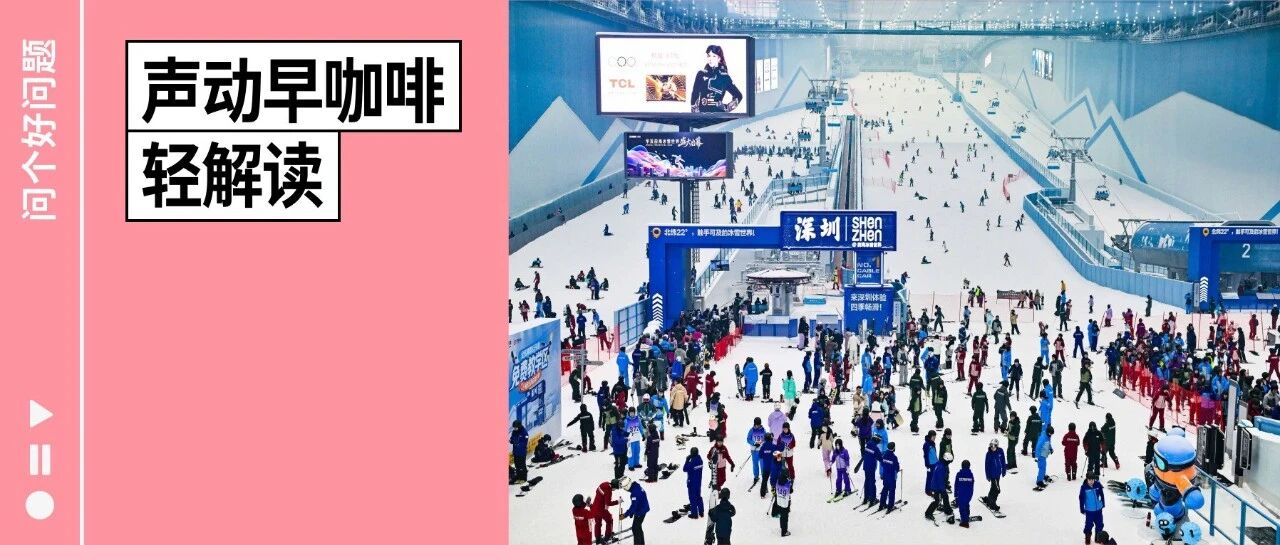
Core Viewpoint - The article discusses the rapid growth of the indoor snow sports economy in southern China, highlighting how cities with little to no snowfall are becoming significant players in the ice and snow consumption market, driven by strong consumer spending power and innovative facility designs [4][5][6]. Group 1: Market Growth and Consumer Trends - Southern cities are emerging as active participants in the ice and snow economy, with over 563 million visits to indoor snow venues in 2024-2025, accounting for over 21% of total visits nationwide [4]. - The largest indoor ski resort, Shenzhen Qianhai Ice and Snow World, opened in September last year, attracting over 5,000 visitors daily within six months of operation [4]. - The target demographic includes affluent parents, with 19% of ice and snow consumers being families, as skiing is seen as a valuable investment in children's development [6]. Group 2: Economic Structure and Spending Patterns - The primary expenses in the ice and snow sector include ticket prices, which are around 420 yuan for four hours, and coaching fees ranging from 200 to 600 yuan per hour [5]. - Indoor ski resorts are integrated into larger commercial complexes, offering additional attractions such as water parks and hotels, thus enhancing the overall consumer experience [7]. - The trend of combining skiing with other leisure activities is evident, as facilities aim to extend the consumer experience beyond just skiing [8]. Group 3: Operational Challenges and Industry Dynamics - Indoor ski resorts face higher operational costs compared to outdoor resorts, with energy costs potentially accounting for nearly half of total operational expenses [11]. - The investment return period for indoor ski resorts is longer, estimated at 10-15 years, compared to 5-8 years for outdoor resorts [11]. - Despite the growth, some indoor ski resorts have exited the market, indicating the challenges in converting casual visitors into long-term customers [12]. Group 4: Policy and Industry Support - The Chinese government has introduced policies to promote the development of the ice and snow industry, including financial incentives to reduce operational costs for southern venues [9]. - The domestic production of snow equipment is increasing, with over 90% of conveyor belts and more than 60% of snow-making machines now produced locally, which is expected to lower costs [10].

“冰雪+文旅”激发冬日经济热“雪”沸腾 冰雪产业成开年经济“强劲引擎”
Yang Shi Wang· 2026-01-25 07:46
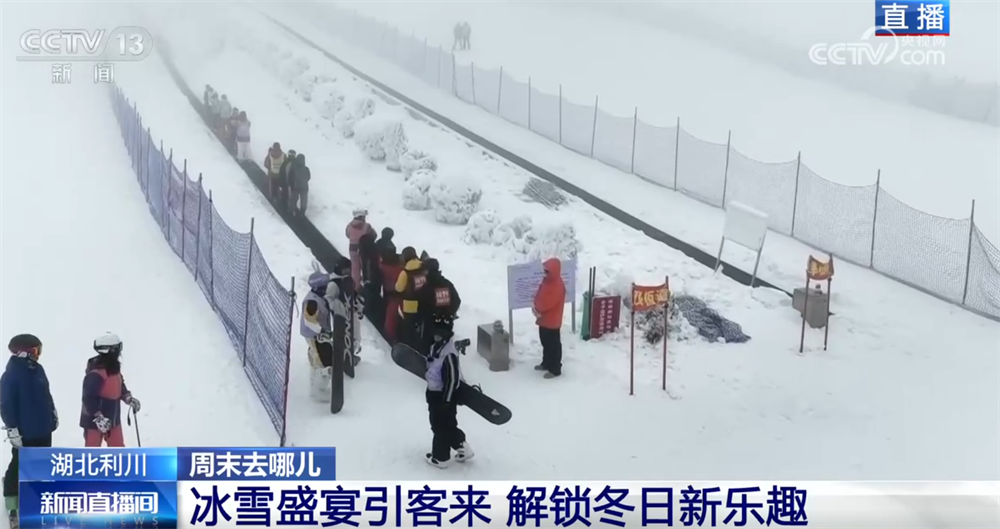
Group 1 - The core viewpoint of the articles highlights the growing popularity of winter sports, particularly skiing, in various regions of China, with new facilities and events attracting more visitors [1][10][19] - The Qiyue Mountain International Ski Resort in Hubei has opened with nine ski trails totaling 3.5 kilometers, catering to all skill levels, from beginners to advanced skiers [3][5] - The resort offers a "skiing-dining-accommodation" shuttle service, connecting the ski area with local lodging options, addressing the challenge of finding accommodations for visitors [7] Group 2 - The Daming Mountain Wansongling Ski Resort in Hangzhou has six ski trails and has upgraded its facilities to meet the needs of southern skiers, attracting visitors due to its proximity to major cities [10][12] - The ski season has seen a 15% increase in visitor numbers compared to the previous year, boosting local dining and accommodation sectors [18] - In Liaoning, winter ski camps for youth have gained popularity, with programs designed to teach skiing skills and promote physical fitness among children [19][23][24]
科技赋能 产业花开
Xin Lang Cai Jing· 2026-01-25 06:55
习近平总书记指出,"冰雪产业是一个大产业,也是一个朝阳产业"。 从哈尔滨冰雪大世界的AI光影秀到南方城市的智能室内雪场,从航天级材料打造的超轻雪板到大数据 驱动的智慧运营体系……高科技的赋能,让冰雪经济从"一季一景"的"冷资源"发展成为"全年可享、全 链繁荣"的"热产业"。 2025年,我国冰雪产业规模预计突破万亿元大关,真正践行了总书记强调的"把发展冰雪经济作为新增 长点""推动冰雪运动、冰雪文化、冰雪装备、冰雪旅游全产业链发展"的殷殷嘱托。 编辑:王瑜 ...
冰雪春天|科技赋能 产业花开
Yang Shi Wang· 2026-01-25 06:30
习近平总书记指出,"冰雪产业是一个大产业,也是一个朝阳产业"。 从哈尔滨冰雪大世界的AI光影秀到南方城市的智能室内雪场,从航天级材料打造的超轻雪板到大数据 驱动的智慧运营体系……高科技的赋能,让冰雪经济从"一季一景"的"冷资源"发展成为"全年可享、全 链繁荣"的"热产业"。 出 品丨中央广播电视总台央视网 [ 责编:徐皓 ] 监 制丨王敬东 视 频丨张紫曦 视 觉丨陈腾 校 对丨孙洁 孟利铮 宋春燕 李英卓 任佳 毛长志 2025年,我国冰雪产业规模预计突破万亿元大关,真正践行了总书记强调的"把发展冰雪经济作为新增 长点""推动冰雪运动、冰雪文化、冰雪装备、冰雪旅游全产业链发展"的殷殷嘱托。 总监制丨骆红秉 魏驱虎 ...
少雪江南,为何热“雪”沸腾?
Xin Lang Cai Jing· 2026-01-25 02:51
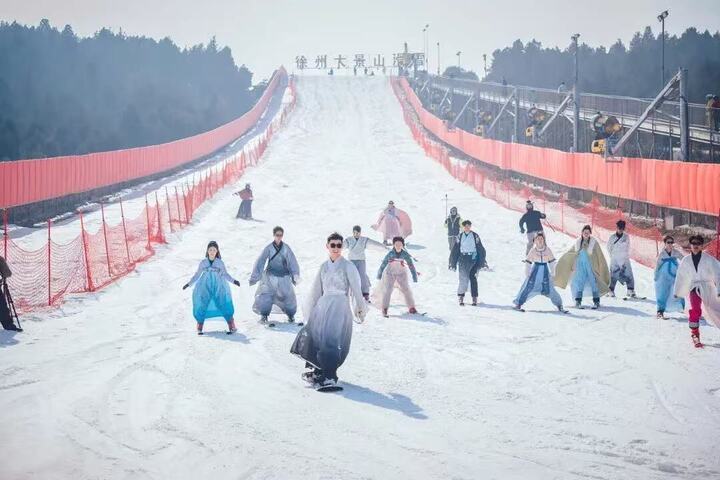
Core Insights - Jiangsu province is transforming its ice and snow economy, traditionally associated with northern regions, into a vibrant sector that attracts significant consumer interest and participation [1][2][11] Group 1: Economic Impact - The ice and snow economy in Jiangsu has become a new engine for consumption, with over 63.7 million participants in 69 large-scale ice and snow events during the New Year period, marking a year-on-year increase of 23.2% [2][11] - The Taicang Alps Snow World has received over 300,000 visitors in just two years, generating more than 5 billion yuan in revenue, with a peak daily visitor count exceeding 5,000 [1][5] - The Xuzhou ski resorts collectively attracted over 123,000 visitors during the New Year holiday, generating a total tourism revenue of approximately 43.07 million yuan, reflecting a 48% increase year-on-year [3][5] Group 2: Infrastructure Development - Jiangsu is accelerating the construction of ice and snow facilities, with plans to build three large outdoor ski resorts and five large indoor ski resorts by 2025, positioning itself among the top provinces in China for such facilities [6][9] - The province is leveraging existing resources by repurposing old factories and warehouses for ice and snow venue development, thus lowering investment barriers for businesses [9][14] Group 3: Policy and Market Dynamics - National policies are promoting the development of the ice and snow economy as a new growth point, with Jiangsu's local government actively implementing measures to support this initiative [6][12] - The province's high disposable income and strong consumer demand are driving a shift from traditional sightseeing to experiential consumption, making ice and snow activities increasingly popular [11][12] Group 4: Cultural Integration and Innovation - Jiangsu is integrating cultural elements with ice and snow activities, creating unique experiences such as ice sculpture exhibitions and traditional cultural events, enhancing the appeal of the ice and snow economy [11][12] - The collaboration between educational institutions and the industry is fostering talent development in ice and snow sports, addressing the shortage of skilled professionals [11][14] Group 5: Challenges and Future Directions - Despite rapid growth, Jiangsu faces challenges such as high operational costs due to reliance on artificial snow and a relatively short natural snow season, which may hinder sustainable development [12][13] - Experts suggest a differentiated approach to ice and snow economic development, focusing on urban indoor complexes in southern Jiangsu and large outdoor parks in northern regions to optimize resource allocation [13][14]
黑龙江“冰雪经济”火出圈背后的技能人才支撑
Zhong Guo Xin Wen Wang· 2026-01-24 02:11
Core Viewpoint - The ice and snow economy in Heilongjiang Province is becoming a significant engine for high-quality development, supported by a growing and skilled workforce in the industry [1][3]. Group 1: Talent Development Initiatives - The "Ice and Snow Revitalization Longjiang Skills Illuminate the Future" initiative was launched to enhance the talent pool for the ice and snow economy, focusing on large-scale talent cultivation and standardized technical skills [3][5]. - The Heilongjiang Ice and Snow Economic Industry College was established to train composite talents with a focus on "education + skills + employment," aiming to deliver over 1,000 graduates annually [3][5]. - A new talent cultivation model was introduced, creating a closed-loop connection between job demand, skills training, skills evaluation, and employment services [4][5]. Group 2: Industry Standards and Collaboration - The establishment of the Northeast Three Provinces and One Region Ice and Snow Economic Skills Master Studio Alliance aims to promote cross-field technical exchanges and collaborative innovation [5]. - Fifteen new vocational ability assessment standards for the ice and snow economy were released, with a focus on practical skills such as ice carving and snow sports guidance [5]. - Heilongjiang has published 23 "Ice and Snow Craftsman" series standards, with the "Ice Carving Master" standard transitioning from provincial to national level [5]. Group 3: Technological Advancements - Teams are working on breakthroughs in key technologies such as ice equipment manufacturing and intelligent construction, integrating practical wisdom from technicians with research capabilities from engineers [6]. - The focus is on enhancing the precision of construction and developing techniques for preserving natural ice across seasons, which are crucial for the industry's stability and growth [6]. Group 4: Future Outlook - Heilongjiang aims to leverage human resource development as a strategic support for promoting the ice and snow economy, aspiring to create a large and skilled workforce to establish an internationally influential ice and snow economic zone [7].
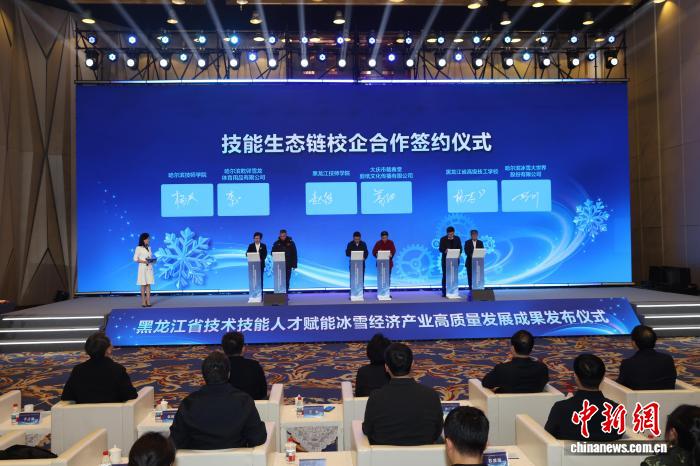
冰雪产业何以“加速跑”?从愿景变现实 生活新时尚激活“冰雪+”全链条消费生态
Yang Shi Wang· 2026-01-23 13:10
Group 1 - The "Ice and Snow +" integration development model is generating new business formats and consumption vitality in the ice and snow sector [2][3] - The trend of "Southern guests heading North" is becoming significant in China's ice and snow consumption, with over 50% of participants in Northern ice and snow tourism destinations being from Southern regions [6][10] - The number of indoor ski resorts in China has increased from 5 in the 2013-2014 season to 79 in the 2024-2025 season, primarily located in Southern provinces [11] Group 2 - The ice and snow industry in China is experiencing rapid growth, with the total scale increasing from 381.1 billion yuan in 2020 to 980 billion yuan in 2024, reflecting an annual growth rate of 26.6% [31] - The integration of "Ice and Snow + Culture and Tourism" is creating new consumption scenarios, enhancing the appeal of ice and snow activities [45] - The development of ice and snow tourism is projected to reach 360 million participants and generate 450 billion yuan in revenue by the 2025-2026 winter season [43]
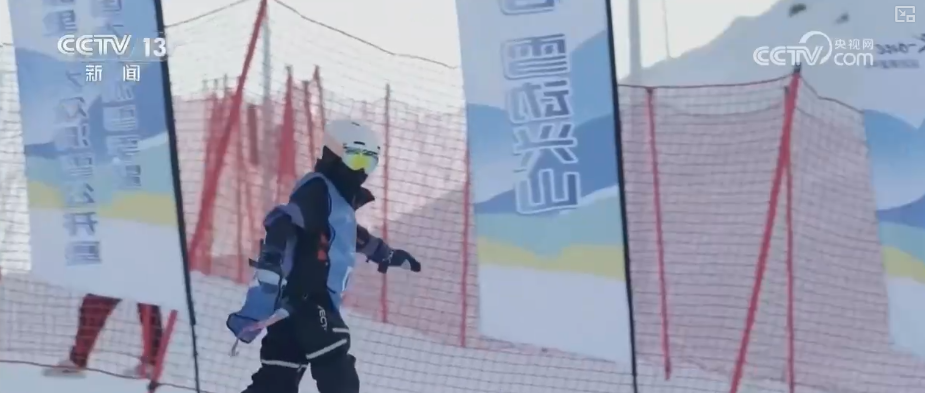
从天然雪原到科技雪场,“冰雪+”没有淡季!“冷冰雪”打破时空界限开辟红火大市场
Yang Shi Wang· 2026-01-23 04:29
Group 1 - The indoor ski resort in Shenzhen is the largest in the world, featuring a longest slope of 463 meters and a height difference of 83 meters, making skiing accessible to southern regions [3] - The ski resort has attracted over 400,000 visitors in its first month, with revenue from ticket sales accounting for only 40% of total income, highlighting a shift towards a multi-faceted consumption model [10] - The establishment of the largest ski club in South China, with 100,000 registered members and 10,000 active users, indicates significant community engagement and interest in skiing [12] Group 2 - The ski resort's success is attributed to its innovative "ice and snow + diversified business" model, which integrates training, dining, retail, and corporate services, reflecting a broader trend in the ice and snow economy [10][19] - The ski equipment section has gained popularity, attracting both domestic and international customers, showcasing the appeal of fashionable and professional skiing gear [17] - The development of the ice and snow economy is transforming from seasonal to year-round activities, merging sports with cultural tourism and consumption, thus creating a vibrant market [19]

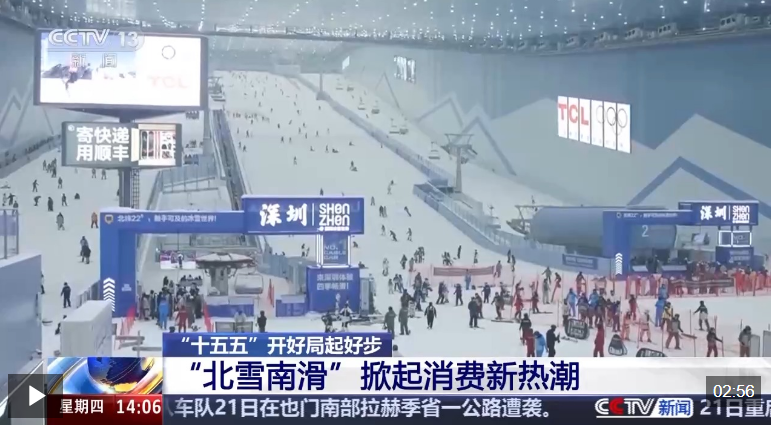
“十五五”开好局起好步丨来深圳 看“北雪南滑”掀起消费新热潮
Yang Shi Xin Wen Ke Hu Duan· 2026-01-23 01:20
Core Insights - The rise of the ice and snow economy is breaking traditional geographical and climatic barriers, allowing regions like Shenzhen, located at latitude 22 degrees, to embrace winter sports such as skiing [1][4]. Group 1: Ski Resort Features - The indoor ski resort in Shenzhen is the largest in the world, featuring five ski runs, including two certified professional runs, with the longest run measuring 463 meters and a vertical drop of 83 meters [2]. - The resort has attracted over 400,000 visitors in its first month of operation, indicating a strong demand and interest in winter sports in southern China [6]. Group 2: Economic Impact and Business Model - The revenue model of the ski resort has evolved, with ticket sales accounting for only 40% of total revenue; the remaining income is generated from training, dining, retail, and corporate services, showcasing a diversified consumption ecosystem [6]. - The establishment of the largest ski club in South China, with 100,000 registered members and 10,000 active users, highlights the growing interest in skiing and the development of a talent pool in the region [7]. Group 3: Talent Development and Industry Growth - The ski club offers comprehensive services from beginner training to professional coaching, supported by a team of over 200 professional instructors, many of whom have experience coaching national teams [7]. - The integration of northern snow sports expertise with southern market demands is creating a national "ice and snow talent market," facilitating the growth of the ice and snow industry [7][9]. Group 4: Broader Industry Trends - The ice and snow economy is evolving from a seasonal activity to a year-round industry, integrating various sectors such as culture, tourism, and consumption, thus creating a robust market ecosystem [9].
追雪河南 火热“开板”之后,如何穿越四季?
He Nan Ri Bao· 2026-01-20 23:58
Core Insights - The article discusses the booming ice and snow economy in Henan, driven by increased participation in winter sports and tourism, with a focus on sustainability and year-round engagement [3][4][6][10]. Group 1: Industry Growth and Trends - The ice and snow economy in Henan is experiencing significant growth, with over 150,000 visitors recorded in the last snow season [5]. - The government is actively promoting the development of ice and snow sports, aiming for a national ice and snow industry scale to exceed 1 trillion yuan by 2025 [6][18]. - The participation rate in ice and snow sports is projected to reach 20.61% by 2025, with 292 million residents expected to engage in these activities [6]. Group 2: Challenges and Concerns - Many ski resorts face operational challenges, with significant investments in infrastructure leading to high maintenance costs during off-seasons [8][9]. - The industry is experiencing product homogeneity, with many resorts offering similar basic services, which may reduce their appeal to returning customers [9]. - The reliance on seasonal weather conditions poses risks to profitability, as warmer winters can shorten the snow season [9]. Group 3: Innovations and Solutions - The industry is exploring ways to extend the ice and snow experience beyond winter, integrating activities like mountain biking and outdoor festivals to attract visitors year-round [10][22]. - Companies are diversifying their offerings, with some transitioning from equipment manufacturing to providing comprehensive solutions for ice and snow projects [16]. - The development of themed accommodations and packages, such as "stay and ski" deals, is enhancing the overall visitor experience and driving demand [12][13]. Group 4: Future Outlook - The government is implementing policies to support the ice and snow economy, including the issuance of consumer vouchers to encourage participation in winter sports [18]. - There is a strong emphasis on creating unique experiences that leverage local culture and natural resources, aiming to differentiate Henan's offerings from other regions [22][24]. - The focus is shifting towards building a resilient and innovative ecosystem that integrates various sectors, including culture, technology, and tourism, to sustain growth in the ice and snow economy [23][24].