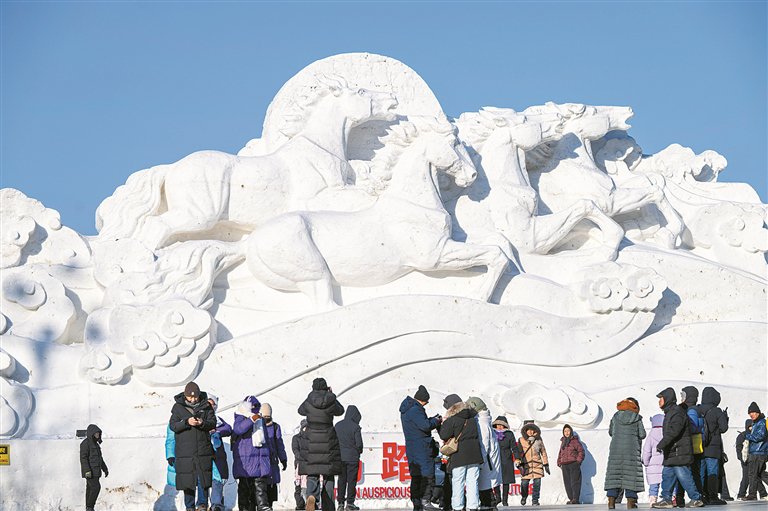
冰雪装备制造

Search documents
为全球冰雪产业迭代贡献“中国方案”
Xin Lang Cai Jing· 2026-01-10 04:05
Group 1 - The 2026 Harbin International Ice and Snow Economic Expo aims to create a high-end communication and cooperation platform in the global ice and snow sector, focusing on themes of new momentum, new connections, and new ecology [1] - Key projects signed during the expo include collaborations in ice and snow equipment manufacturing, cultural tourism development, financial support, and cross-border cooperation, highlighting the deep integration of the ice and snow economy [1][4] - The expo showcased significant advancements in ice and snow equipment, including a specialized snow-clearing equipment procurement project and a collaboration to address technical challenges in low-temperature environments [1][2] Group 2 - Financial institutions are actively supporting the ice and snow economy, with Harbin Bank providing a 1 billion yuan special credit line for upgrades at Harbin Ice and Snow World, and partnerships with other banks to enhance tourism projects [2] - The integration of ice and snow cultural tourism with financial services is creating new consumer scenarios, such as themed restaurants and recreational facilities, enhancing the overall experience [2][3] - Cross-border cooperation is emphasized, with strategic partnerships established between Russian and Chinese entities to facilitate business exchanges and collaborative projects in the ice and snow sector [3] Group 3 - The expo's outcomes are expected to have significant short-term and long-term impacts, activating the ice and snow industry chain and addressing challenges like seasonal dependency and technological bottlenecks [4] - The establishment of the Harbin Ice and Snow Economic Research Center aims to provide intellectual support and financial guarantees for the long-term development of the industry [3][4] - The expo serves as a vital platform for international collaboration, allowing Harbin's ice and snow industry to share experiences and best practices globally, thus enhancing its competitive edge [4][5]

撬动万亿市场,冰雪经济何以滚烫?
Xin Lang Cai Jing· 2026-01-09 18:42
Core Viewpoint - The development of the ice and snow economy in China is rapidly expanding beyond traditional regions, driven by increased consumer participation and innovative offerings, creating diverse opportunities for growth and transformation in various sectors [10][13][15]. Industry Overview - The 2024-2025 ice and snow season is expected to see a total of 26.05 million participants nationwide, with Zhejiang ranking first among southern provinces at 1.29 million participants [4]. - The Harbin Ice and Snow World has reached a record scale, covering 1.2 million square meters and utilizing over 400,000 cubic meters of ice and snow, attracting 90.357 million visitors and generating 137.22 billion yuan in tourism revenue [6][10]. Regional Development - The ice and snow economy is transitioning from a seasonal focus to year-round opportunities, with regions like Chongli successfully attracting 4.3 million summer visitors in 2024, surpassing winter numbers for the first time [11]. - The integration of outdoor sports and tourism is being emphasized, with events like the Chongli 168 Super Cross-Country Race and Chongli Marathon contributing to a complete sports tourism ecosystem [11]. Consumer Trends - The ice and snow sports market is witnessing a shift towards younger, fashionable, and family-oriented consumers, leading to a diverse and segmented market for equipment and experiences [13]. - The number of indoor ski resorts has increased to 79, with a growth rate of 33.9%, primarily concentrated in East and South China, catering to local demand for skiing experiences [12]. Industry Growth - The ice and snow industry is evolving into a comprehensive ecosystem, encompassing equipment manufacturing, event management, training services, and cultural tourism, with significant potential for future growth [13][14]. - The number of companies in the ice and snow equipment sector has increased from approximately 300 in 2015 to around 900 in 2023, with sales revenue rising from under 5 billion yuan to about 22 billion yuan [13][14].


浙江冰雪经济起势 电力助“冷资源”变“热产业”
Zhong Guo Xin Wen Wang· 2026-01-09 14:07
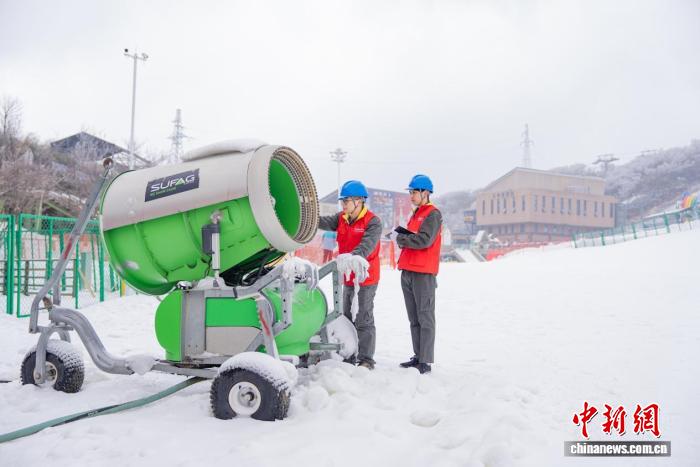
Core Insights - The cold air has led to a surge in the "ice and snow economy" in Zhejiang, transforming cold resources into hot industries, particularly in skiing and snow equipment production [1][3]. Group 1: Ice and Snow Economy Development - The Hangzhou Tonglu Shenshanli International Ski Resort has seen a significant increase in electricity consumption, with an average daily usage of 12,000 kWh, a 155% increase compared to the same period last year [1]. - Zhejiang has 26 operational ice and snow sports venues, ranking first among southern provinces, and is one of the fastest-growing regions for ski tourism in China [3]. - The provincial plan for 2025 includes promoting the ice and snow economy as part of a broader initiative to boost service consumption, encouraging the development of "ice and snow +" economic models [3]. Group 2: Power Supply and Infrastructure - Local power companies have implemented a "network perception + aerial inspection" service to ensure reliable electricity supply to ski resorts, featuring a four-level sensing network for real-time monitoring [3]. - The establishment of a 24-hour emergency response mechanism and the preparation of power repair materials tailored for ice and snow scenarios have been prioritized [3]. - The Zhejiang Electric Power Company has customized energy efficiency and power protection plans for businesses, ensuring reliable power for the production of snow removal and sweeping machines, which have seen increased overseas orders [4]. Group 3: Energy Efficiency and Competitiveness - The "Luban" energy efficiency management platform provides real-time electricity monitoring for export-oriented enterprises, helping them optimize energy use and reduce costs significantly [5]. - By implementing time-of-use electricity strategies, companies like Zhejiang Daban Electric Tools Co., Ltd. have saved hundreds of thousands in electricity costs, enhancing their international competitiveness [5]. - The province has developed a cluster of ice and snow equipment industries, with significant production capabilities in cities like Taizhou and Ningbo, benefiting from a strong manufacturing base and convenient shipping [5].
从哈尔滨冰博会看冰雪装备新趋势
Xin Lang Cai Jing· 2026-01-09 12:32
Core Insights - The first Harbin International Ice and Snow Economy Expo concluded, attracting over 300 enterprises from more than 20 countries and regions, showcasing advancements in ice and snow technology and products [1][3]. Industry Developments - The expo highlighted China's goal to engage 300 million people in ice and snow sports, reflecting a shift from cultural tourism consumption to manufacturing strength [1]. - The event featured innovative products such as a color-changing ski goggle developed by a team from Harbin Institute of Technology, showcasing advancements in low-temperature materials [3]. - A total of 80 ice and snow technology transformation achievements were presented by 29 local universities and research institutions, indicating strong academic and industrial collaboration [3]. Market Trends - The Chinese ice and snow economy is projected to reach a total scale of 1.5 trillion yuan by 2030, with local governments actively promoting specialized industrial chains and clusters [5]. - Participation in ice and snow sports reached 264 million people, with over 385 million engaging in ice and snow leisure tourism, demonstrating a solid grassroots foundation for the industry [7]. Domestic Brand Growth - The expo showcased a variety of domestic ice and snow equipment, including carbon fiber ski helmets and snow removal machines, indicating a rise in local manufacturing capabilities [7]. - Companies are leveraging aerospace materials for product development, enhancing the performance and safety of ice and snow gear [7]. International Collaboration - Chinese ice and snow technology is beginning to be exported, with companies like Ma Die Er Group and Hai Rui Ice and Snow exporting technologies to countries like Kazakhstan and Saudi Arabia [8]. - Foreign enterprises are shifting from merely selling products in China to establishing R&D and production facilities within the country, indicating a strategic pivot towards local market integration [9]. Future Outlook - The successful hosting of the Beijing Winter Olympics and the upcoming Harbin Asian Winter Games are seen as pivotal moments for the growth of China's ice and snow equipment manufacturing industry [9]. - The continuous improvement of the modern ice and snow industry system positions China as a potential global innovation center and collaboration hub in the ice and snow sector [9].

“三亿人上冰雪”孕育产业蓝海——从哈尔滨冰博会看冰雪装备新趋势
Xin Hua She· 2026-01-09 11:35
Group 1 - The first Harbin International Ice and Snow Economy Expo attracted over 300 enterprises from more than 20 countries and regions, showcasing a blend of ice and snow art with advanced technologies like unmanned snow removal machines and solid-state batteries [1] - The expo highlighted China's goal of engaging 300 million people in ice and snow sports, indicating a shift from cultural tourism consumption to manufacturing strength in the supply chain [1] - The event featured 80 ice and snow technology transformation achievements from 29 local universities and research institutions, demonstrating the integration of technology into the ice and snow economy [2][4] Group 2 - The Chinese ice and snow sports participation reached 264 million people, with over 385 million people engaging in ice and snow leisure tourism, indicating a strong grassroots foundation for the industry [4] - The Chinese government aims for the ice and snow economy to reach a total scale of 1.5 trillion yuan by 2030, with local authorities in Heilongjiang and Harbin developing specialized plans to cultivate five key industrial chains [3] - Domestic brands are rising, with companies utilizing aerospace materials to innovate products like carbon fiber ski helmets, showcasing a collaborative approach between academia and industry [4] Group 3 - Foreign enterprises are shifting from merely selling products in China to establishing R&D and production facilities within the country, indicating a trend towards localization [6] - Global ice and snow giants are planning to set up significant manufacturing centers in China, which will not only support local ice and snow sports development but also extend their reach to Southeast Asia and Japan [6] - The successful hosting of the Beijing Winter Olympics and the Harbin Asian Winter Games has positioned China as a historical opportunity for the ice and snow equipment manufacturing industry [7]
追光 | 促进冰雪经济, “冰超”“冰博”有妙招
Xin Hua Wang· 2026-01-08 07:43
Core Viewpoint - Heilongjiang Province is transforming its winter landscape into an economic powerhouse through extensive ice and snow activities, showcasing its rich heritage in winter sports and tourism potential [1][22]. Group 1: Ice and Snow Activities - The province is hosting over a thousand ice and snow events during the winter season, which is a unique achievement compared to other regions [3]. - The "Ice Super" series, which includes various competitions and community activities, is significantly boosting winter sports enthusiasm in Heilongjiang [4][5]. - Diverse ice and snow sports such as snow kiting, ice sledding, and winter swimming are featured in the "Ice Super" events, appealing to a wide audience [7]. Group 2: Integration with Tourism - Events are strategically combined with tourism initiatives, promoting a "travel with the events" concept that connects unique local tourism resources [9]. - During the "Ice Super," cities like Mudanjiang are organizing cultural festivals and photography competitions to enhance visitor engagement and showcase local culture [11]. Group 3: Historical Context and Development - Heilongjiang has a deep-rooted history in winter sports, with Harbin being the birthplace of modern ice and snow sports in China, establishing multiple ski resorts over a century ago [13]. - The province has hosted significant events like the first National Ice Sports Games in 1953 and has produced numerous world champions, contributing to its reputation in winter sports [15]. Group 4: Economic Impact - The ice and snow economy in Heilongjiang is projected to reach a total output of 2,661.7 billion yuan by 2024, highlighting the substantial economic value of winter sports [22]. - The 2026 Harbin International Ice and Snow Economic Expo is set to showcase advancements in ice sports, culture, and equipment, attracting global attention and fostering local industry growth [17][19].

冰雪经济投资促进专题推介活动举办
Xin Lang Cai Jing· 2026-01-07 22:24
Group 1 - The Harbin International Ice and Snow Economy Expo aims to showcase investment potential and cooperation projects in various fields related to the ice and snow economy [1] - Over a hundred representatives from domestic ice and snow tourism and equipment manufacturing sectors attended the event to discuss new opportunities for development [1] - The Harbin Municipal Bureau of Enterprise and Investment Services presented the advantages of Harbin's ice and snow economy, with specific promotions from districts focusing on equipment manufacturing and tourism [1] Group 2 - The president of the Harbin Ice and Snow Economy Industry Chamber highlighted the establishment of a comprehensive industrial chain covering manufacturing, tourism, technology, finance, and event operations [2] - Local companies shared their experiences and innovations, such as the development of a metaverse ice and snow experience platform and AI photography technology [2] - The integration of past experiences in cultural tourism projects with new technologies aims to enhance Harbin's ice and snow tourism innovation [2]
冰雪经济:热潮之下的产业深耕与未来展望
Xin Hua She· 2026-01-07 07:16
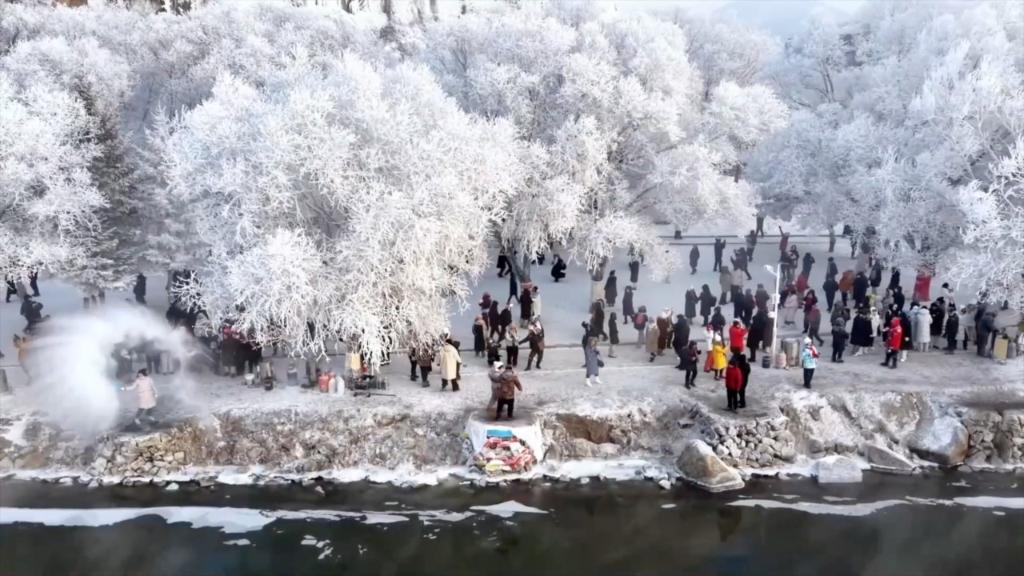
Core Insights - The winter tourism market is experiencing a boost due to diverse ice and snow cultural activities introduced during the New Year holiday, enhancing consumer vitality in winter [1][4]. Group 1: Market Dynamics - The 24th China Changchun Jingyue Lake Vasa International Ski Festival commenced on January 4, 2026, attracting 2,227 professional athletes and skiing enthusiasts from 33 countries and regions [3][7]. - The ice and snow economy achieved a strong start in the first month of the new snow season, with activities ranging from northern snowfields to southern indoor snow venues, indicating a growing interest in ice and snow experiences [6][7]. Group 2: Transportation and Policy Impact - The expansion of transportation networks, including the completion of the Shenyang-Baihe high-speed railway by 2025, is expected to integrate Changbai Mountain into a "4-hour tourism circle" in North China, facilitating travel and enhancing regional connectivity [9]. - Policy initiatives at the national and regional levels, such as new snow holiday policies and free admission measures, are bridging the psychological gap between ice and snow activities and the general public, stimulating market demand [12]. Group 3: Consumption Trends - The consumption model in the ice and snow sector is evolving from a focus on ticket sales to a comprehensive chain that includes clothing, accommodation, transportation, entertainment, and dining, thereby driving growth in multiple related industries [14]. - According to the "China Ice and Snow Industry Development Research Report," the scale of China's ice and snow industry is projected to exceed 1 trillion yuan by 2025, supported by the continuous extension of the industry chain [15]. Group 4: Future Development - To overcome seasonal limitations and ensure sustainable high-quality development, the industry must leverage technology to simulate real ice and snow experiences year-round and establish long-term cultural IPs that transcend seasonal and spatial constraints [15]. - The transformation of "cold resources" into a "hot industry" is being driven by the interplay of increased traffic, extended consumption, and industrial upgrades, highlighting the potential for growth in the ice and snow economy [17].
新华视点丨冰雪经济:热潮之下的产业深耕与未来展望
Xin Hua Wang· 2026-01-07 03:26
Core Insights - The winter tourism market is experiencing a boost due to diverse ice and snow cultural activities introduced during the New Year holiday, enhancing consumer vitality in winter [1][4]. Group 1: Market Dynamics - The 24th China Changchun Jingyue Lake Vasa International Ski Festival commenced on January 4, 2026, attracting participants from 33 countries and regions, including 2,227 professional athletes and skiing enthusiasts [3][6]. - The ice and snow economy has shown promising growth, with the first month of the new snow season indicating a strong start, driven by various experiences from northern snowfields to southern indoor snow venues [6]. Group 2: Infrastructure and Policy Support - The expansion of transportation networks, such as the upcoming Shenyang-Baicheng high-speed railway, will integrate Changbai Mountain into a "4-hour tourism circle" in North China, facilitating easier travel for tourists [9]. - Policy initiatives at both national and regional levels, including new snow holiday policies and free entry measures, are designed to make ice and snow sports more accessible, thus stimulating market demand [11]. Group 3: Consumption Trends - The consumption model in the ice and snow sector is evolving from a focus on ticket sales to a comprehensive economic chain that includes clothing, accommodation, transportation, and entertainment, thereby driving growth in related industries [13]. - The ice and snow industry is projected to exceed 1 trillion yuan by 2025, with ongoing extension of the industry chain laying a solid foundation for the ice and snow economy [15]. Group 4: Future Development - Experts suggest leveraging technology to simulate real ice and snow experiences year-round, enhancing the emotional and athletic value of the ice and snow economy beyond seasonal limitations [17]. - Establishing a long-term cultural IP for ice and snow sports is essential for sustaining momentum and transcending seasonal and spatial constraints [17].
黑龙江以监督护航冰雪经济高质量发展
Zhong Yang Ji Wei Guo Jia Jian Wei Wang Zhan· 2026-01-07 00:19
Core Viewpoint - The article emphasizes the development of the ice and snow economy in Heilongjiang Province, highlighting the integration of ice sports, culture, and tourism as key drivers for economic growth and regional revitalization [3][10][13]. Group 1: Ice and Snow Economy Development - Heilongjiang Province aims to cultivate new growth points in the ice and snow economy, establishing world-class ice and snow brands and tourist destinations [3][10]. - The province plans to achieve a total ice and snow economy scale of 1.2 trillion yuan by 2027 and 1.5 trillion yuan by 2030, integrating it into the local economic development plan [10][11]. - The first Heilongjiang Ice Sports Super League will feature over 100 provincial-level events, promoting the synergy of sports and tourism industries [4][10]. Group 2: Supervision and Governance - The provincial disciplinary inspection and supervision agencies are actively involved in ensuring the integrity and efficiency of ice sports events, focusing on financial management and event organization [5][6]. - Political supervision is emphasized in the construction of the National Ice and Snow Sports Academy, ensuring resources are used effectively and in compliance with regulations [6][10]. - The supervision extends to cultural projects related to ice and snow, ensuring proper funding and project management to prevent misuse [7][9]. Group 3: Cultural Integration and Tourism - The development of ice and snow culture is seen as essential for enhancing tourism, with events like the Harbin Ice Festival showcasing local traditions and attracting visitors [7][8]. - The integration of ice and snow culture with historical preservation is highlighted, ensuring that cultural projects respect and enhance local heritage [9][10]. - The article notes the recognition of Harbin as a "World Ice and Snow Tourism City," reflecting the city's commitment to enhancing its tourism market [15][16]. Group 4: Industry Upgrades and Innovations - The cold region testing industry is identified as a new growth engine for the ice and snow economy, with a focus on technological innovation and infrastructure development [11][12]. - The establishment of a year-round cold testing facility is expected to expand the capabilities of the cold region testing industry beyond winter [12][19]. - The integration of the cold testing industry with tourism and cultural sectors is seen as a model for multi-faceted economic development [19][20].