
家居家装

Search documents
空间美学升级,催生家居情绪消费|世研消费指数品牌榜Vol.58
Sou Hu Cai Jing· 2025-08-06 12:13
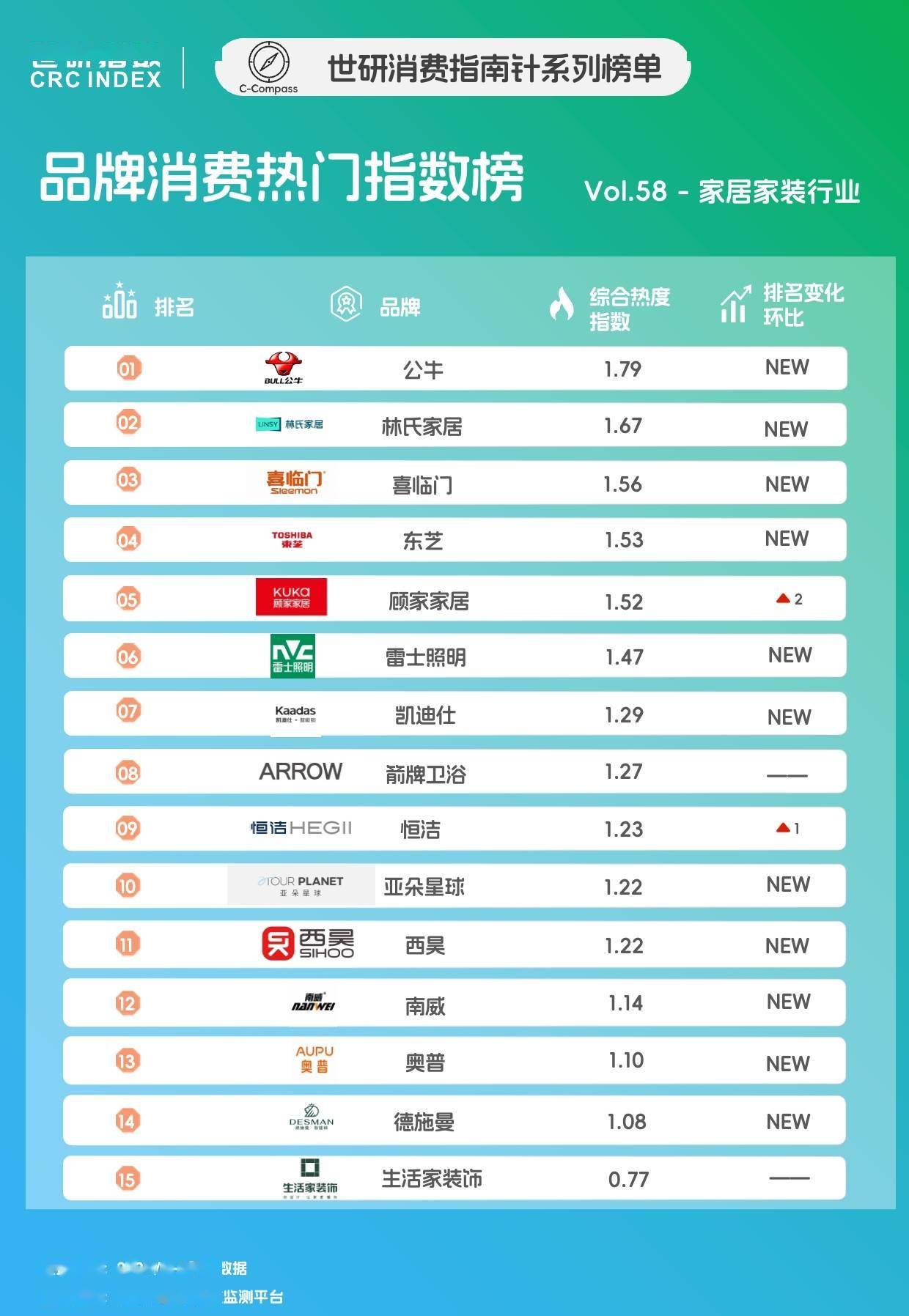
本次监测周期内,公牛、林氏家居和喜临门分别以1.79、1.67和1.56的综合热度位列榜单综合热度前三。 榜单说明 世研消费指南针系列指数报告是由世研指数独家研发的消费指数评价系统。本系列包括《品牌消费热门指数榜》、《行业消费热力指数榜》、《产品消费热 浪指数榜》、《消费热门事件榜》等主要榜单,以及对应范围的延伸性榜单报告。旨在通过指数评价的方式,客观、真实地呈现消费世界的趋势特点,帮助 行业与品牌主持续追踪消费市场趋势、为企业经营提供参考,提升商业综合竞争力。 图源:世研指数 场景技术重构生活体验,"无感化品质"催生智能家居信任闭环 从品牌分布来看,以恒洁、凯迪仕、德施曼、东芝为代表的智能科技先锋品牌通过场景化技术重构生活体验,精准捕捉用户对"无感化品质"的核心需求。恒 洁以AI智导巡航清洗、恒流阀恒温技术解决水温波动与冲力不足痛点,配合"移动式全卫体验空间"的场景化营销,将技术可靠性转化为用户可感知的信任价 值;其长时间质保与闪装服务进一步将技术优势延伸至售后维度,建立"零干预"的品质闭环。 凯迪仕与德施曼则聚焦家庭安防场景,以"无钥匙化"技术匹配年轻家庭对便捷与安全的双重刚需:凯迪仕通过高精度人脸识别强 ...

三维家AI全域营销方案,重构引流获客新革命
Sou Hu Cai Jing· 2025-08-06 08:06
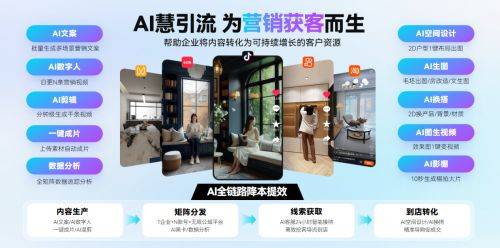
什么样的营销能穿透全场景?什么样的技术能驱动组织变革?什么样的策略能占领行业先机? 8月5日,三维家"AI赢销大会"隆重揭幕,针对短视频流量争夺白热化、获客成本暴涨、门店转化持续失 血的多重困局,三维家首次发布覆盖"总部-门店-客户"全链路的智能营销解决方案。从流量荒漠到增长 绿洲,这场由AI驱动覆盖"战略-战术-战场"的深度协同,正为家居行业点燃新增长引擎。 第一章:全域流量核动力,慧引流2.0重构获客生态 面对传统卖场客流锐减、线索成本暴涨以及"线上种草——线下体验"的消费模式转变,三维家慧引流产 品专家郭学敏介绍了AI慧引流2.0解决方案,该方案通过AI技术实现低门槛内容生产、多平台矩阵分 发、智能获客、到店转化成交的全链路降本提效。AI慧引流2.0核心能力: 一、AI智能创作:秒级复制爆款基因 文案生成:输入关键词,AI秒级生成多风格营销文案,支持爆款视频文案一键提取与仿写,且文案零 门槛生成视频; AI剪辑:云端剪辑技术实现分钟级生成上千条差异化视频,剪辑效率提升超10倍; 二、AI素材突破:数字资产裂变 数字人克隆:30秒视频+声音采样即可生成专属数字人分身,用于口播视频、人设打造等; 图生视频: ...
上半年上海三大先导产业产值同比增长9.1%
Ren Min Ri Bao· 2025-08-04 19:08
Core Insights - Shanghai's GDP reached 2.62 trillion yuan in the first half of the year, with a year-on-year growth of 5.1% [1] Economic Performance - The industrial added value of Shanghai's large-scale enterprises grew by 5.1% year-on-year, an increase of 1.4 percentage points compared to the first quarter [1] - The city is actively promoting the construction of world-class high-end industrial clusters, implementing policies for industries such as smart terminals and commercial aerospace [1] - The output value of shipbuilding, aerospace, and electrical machinery manufacturing increased by 18.1% and 13.3% year-on-year, respectively [1] - The three leading industries saw a year-on-year output value growth of 9.1%, with integrated circuits, artificial intelligence, and biomedicine growing by 11.7%, 12.3%, and 4.4%, respectively [1] Consumer Market - Shanghai has implemented national measures to boost consumption, organizing a series of activities to expand consumer spending [1] - The city issued 500 million yuan in "2025 Le. Shanghai" service consumption vouchers [1] - The "old-for-new" subsidy program for consumer goods has accelerated, with the program directly driving social consumption exceeding 54 billion yuan in the first half of the year [1]
盛夏焕新正当时! 华夏家博会暨上海家电家居以旧换新嘉年华开幕
Sou Hu Cai Jing· 2025-08-02 12:19
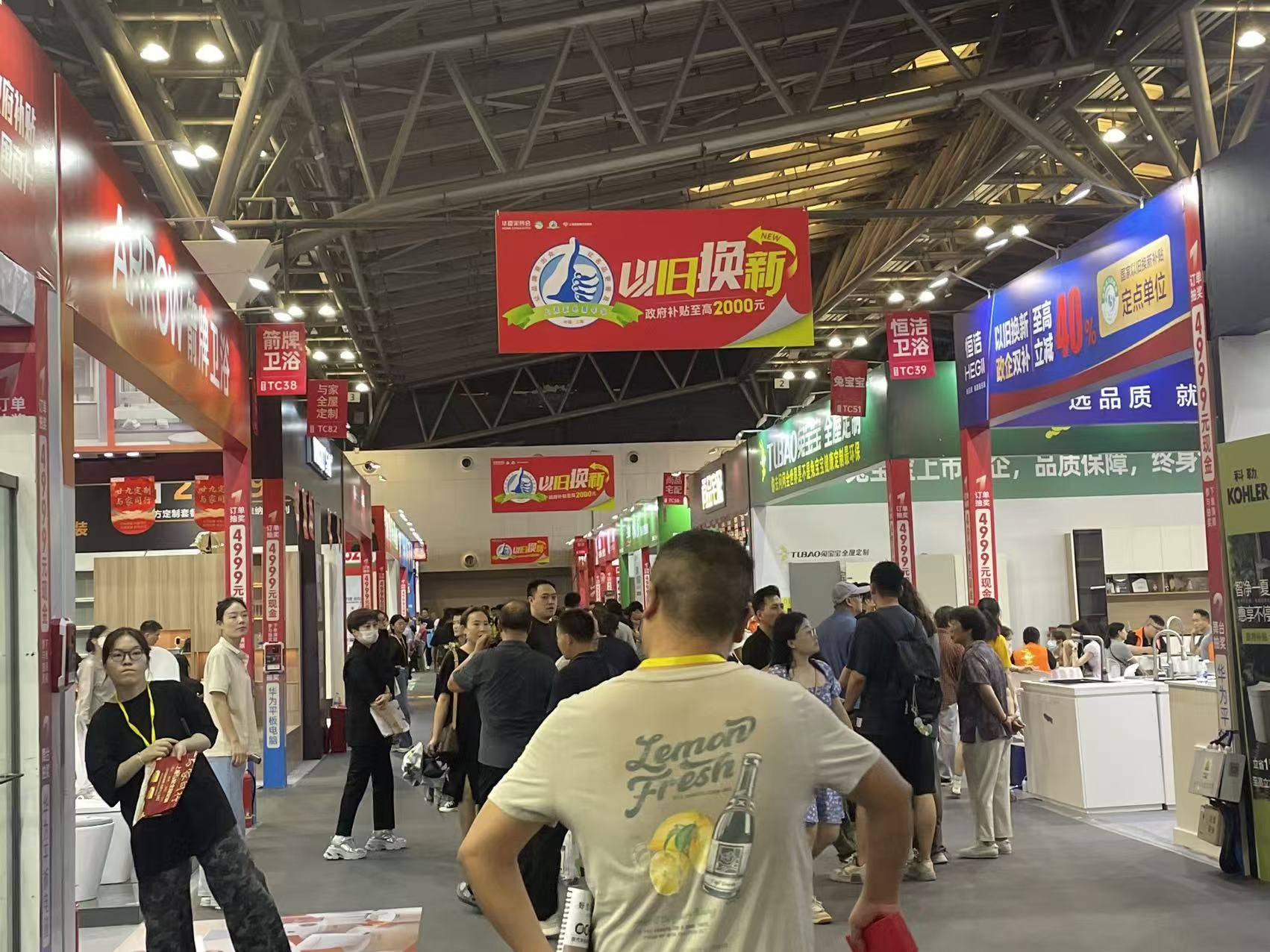
Core Viewpoint - The 华夏家博会暨上海家电家居以旧换新嘉年华 aims to create a summer consumption festival that integrates home appliances, home decor, and renovation, promoting market prosperity and consumer engagement [3][5]. Group 1: Event Overview - The event will take place from August 1 to 3 at the Shanghai Expo Exhibition Center, co-hosted by the Shanghai Electrical Appliances Commercial Association and 华夏家博会 [3]. - The event serves as a comprehensive platform for consumers to experience, display, and purchase home-related products, addressing the high demand for a comfortable living environment during summer [3][5]. Group 2: Subsidy Policies - The event emphasizes the importance of the old-for-new policy, with subsidies covering 12 categories of appliances, including TVs, air conditioners, and refrigerators, offering 15% to 30% off based on energy efficiency ratings [5]. - A total of nearly 60 categories, including home appliances and home decor products, are included in the subsidy program, enhancing consumer appeal [5]. Group 3: Product Offerings - Major brands such as Midea, Haier, Gree, and Bosch will showcase their latest products, including energy-efficient air conditioners and kitchen appliances designed to combat summer heat [7]. - The event will feature a wide range of new furniture and home textiles, catering to consumer desires for summer comfort [7]. Group 4: Consumer Engagement - The event will include various customer activities, offering cash prizes and electronic devices as incentives for purchases, along with interactive games to enhance the shopping experience [7]. - Services such as price matching guarantees and personalized consulting will be provided to improve consumer satisfaction [7]. Group 5: Market Impact - The event has already seen significant engagement, with over 23,000 orders and a total transaction value exceeding 90 million yuan within the first two days [8]. - Since the implementation of the new old-for-new subsidy policy, the Shanghai market has recorded over 17.25 million related orders and sales of 42 billion yuan, indicating a strong consumer response [9].
45天净赚30万,第一批薅同城流量的人赚翻了
3 6 Ke· 2025-07-30 09:39
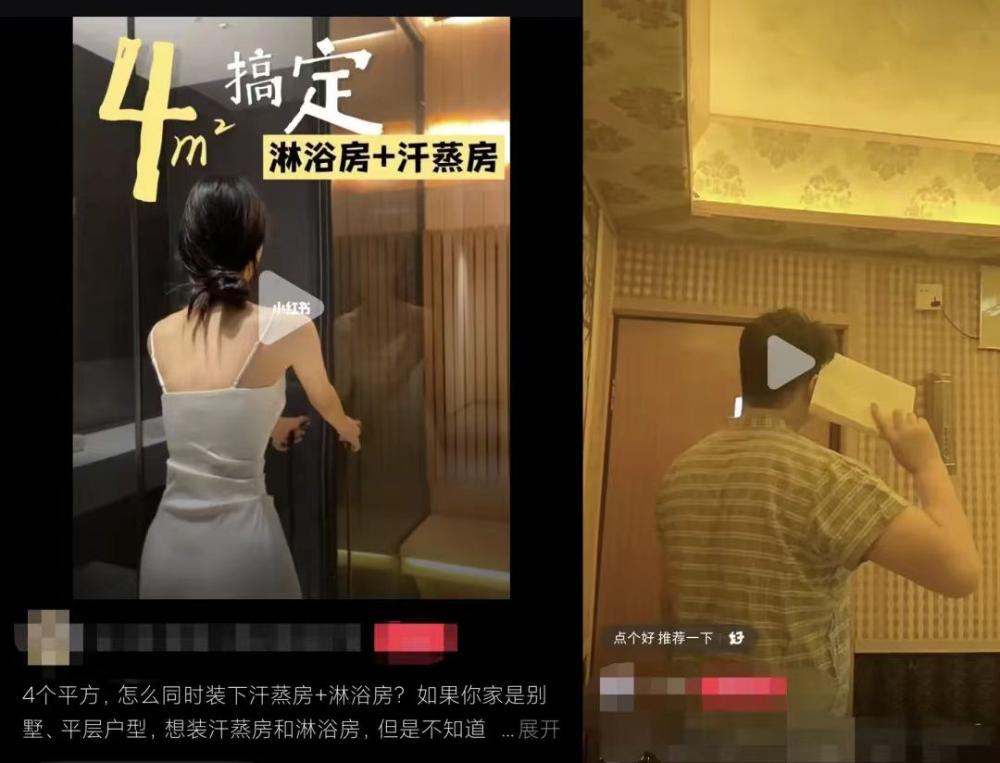
Core Insights - The article discusses the rising trend of local traffic acquisition on content platforms like Xiaohongshu and Douyin, highlighting its effectiveness for local businesses in reaching targeted customers and driving sales growth [1][7][22] Group 1: Local Traffic Acquisition - Local traffic refers to the flow generated by content platforms based on users' geographical locations, allowing businesses to reach nearby customers effectively [1][6] - Local businesses are increasingly leveraging local traffic to enhance visibility and drive sales, with examples of significant revenue generated in short timeframes [2][6][19] - Content platforms are prioritizing local traffic, with dedicated sections for local content, indicating a competitive landscape for local businesses [7][22] Group 2: Successful Case Studies - A hairstylist in a third-tier city achieved 580,000 yuan in sales within 20 days by utilizing local traffic strategies on Douyin [2][19] - A home decor operator in Shanghai generated over 50,000 yuan in sales from a single video, showcasing the potential of local traffic for high-ticket items [3][5] - A restaurant owner in Xi'an reported nearly 1 million yuan in revenue within 45 days by capitalizing on local traffic through Douyin [6][19] Group 3: Strategies for Local Traffic - Businesses are employing various strategies to attract local customers, including using local landmarks in content to filter and engage the target audience [15][18] - Different content strategies such as influencer marketing, user-generated content, and targeted advertising are being utilized to maximize local traffic effectiveness [10][12][21] - The importance of keyword optimization in local searches is emphasized, with businesses encouraged to dominate relevant local keywords to capture consumer interest [21][22] Group 4: Future Trends - The trend of leveraging local traffic is expected to continue growing, with more local businesses entering the space, leading to increased competition [23][24] - The article suggests that the focus for businesses should be on the precision of exposure rather than sheer volume, as targeting the right audience is crucial for success [22]
老板跳楼,与一个行业的崩塌
商业洞察· 2025-07-29 09:25
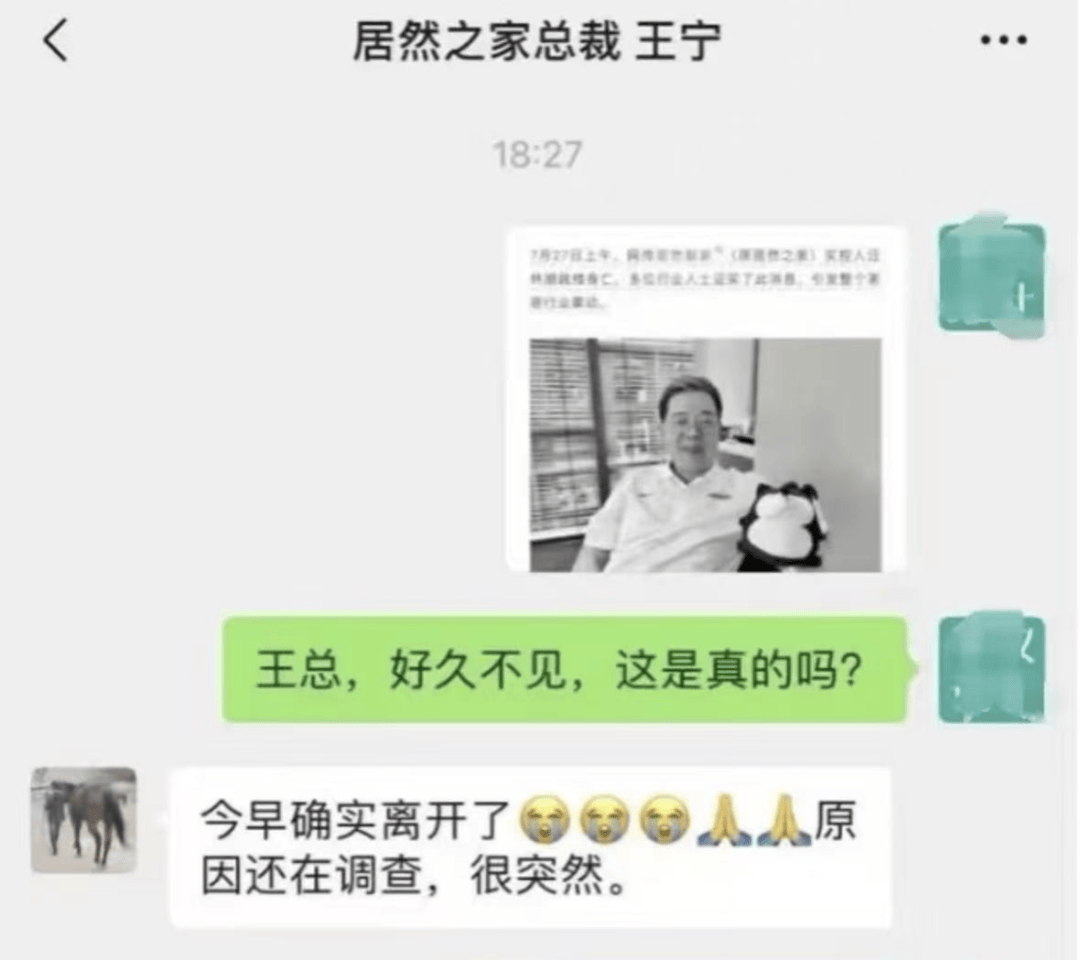
Core Viewpoint - The home furnishing industry is facing a significant crisis, highlighted by the rapid collapse of major players like Liang Jia Ju and Ju Ran Zhi Jia, indicating broader systemic issues within the sector [2][7][10]. Group 1: Company-Specific Events - On July 17, rumors circulated about the death of Liang Jia Ju's founder, Zeng Yu Zhou, which was followed by the company's announcement on July 21 that it would cease operations by July 18, 2025, prompting creditors to register their claims [3][5]. - Liang Jia Ju, established for over 20 years with more than 100 stores, experienced a swift downfall, reflecting a troubling trend in the home furnishing industry [7]. - Ju Ran Zhi Jia's chairman, Wang Lin Peng, was also reported to have died under similar circumstances, further emphasizing the turmoil in the industry [9]. Group 2: Industry Challenges - The home furnishing sector has been adversely affected by a downturn in the real estate market, with new housing sales plummeting by nearly 50% from their peak in 2021 [11][12]. - Liang Jia Ju's business model heavily relied on new home sales, which have been declining, leading to a direct contraction in its core operations [12]. - The overall residential decoration market has been shrinking since 2021, making it difficult for companies to pivot towards renovation and partial remodeling services [13][14]. Group 3: Financial Performance - Among publicly listed home furnishing companies, nearly half reported losses in the first half of the year, with 16 out of 34 companies forecasting net profit losses for the mid-2025 period [20][21]. - Companies like Jiangxin Home and Mengbaihe have managed to grow profits by expanding into overseas markets, suggesting that international sales may be a viable path for recovery [22]. - The decline in the real estate sector has had a cascading effect on related industries, with many companies struggling to adapt to the new market realities [24].

居然之家CEO坠亡!广州品牌店曾爆雷,现未完全解决…
Sou Hu Cai Jing· 2025-07-28 15:05
Core Viewpoint - The recent death of Wang Linpeng, the CEO of Juran Smart Home, has raised significant concerns about the company's future and the overall state of the home furnishing industry in China [3][8][20]. Financial Performance - Juran Smart Home's financial indicators have shown a downward trend, with a 4.04% decrease in revenue from 2023 to 2024, totaling approximately 12.97 billion yuan [10][11]. - The net profit attributable to shareholders dropped by 40.83%, from approximately 1.3 billion yuan in 2023 to about 769 million yuan in 2024 [11]. - The first quarter of 2025 also reflected negative trends, with a 39.39% decline in net profit compared to the same period in the previous year [12]. Market Conditions - The home furnishing and building materials market is facing intensified competition due to economic fluctuations and a downturn in the real estate sector, leading to increased pressure on merchants [13][34]. - Juran Smart Home has been forced to provide rent and management fee reductions to support merchants, contributing to a decline in rental and management income [13]. Corporate Governance Issues - Wang Linpeng was recently released from detention just four days before his death, raising questions about the circumstances surrounding his removal and the company's governance [6][22]. - The company has faced scrutiny due to the lack of transparency regarding the reasons for Wang's detention, which is typically associated with serious allegations such as corruption [22]. Industry Trends - The home furnishing industry is experiencing a significant downturn, with many once-prominent brands now struggling or facing bankruptcy [34][40]. - The case of the Foshan International Home Furnishing Expo Center, which is now up for auction due to financial distress, exemplifies the broader challenges facing the industry [39].

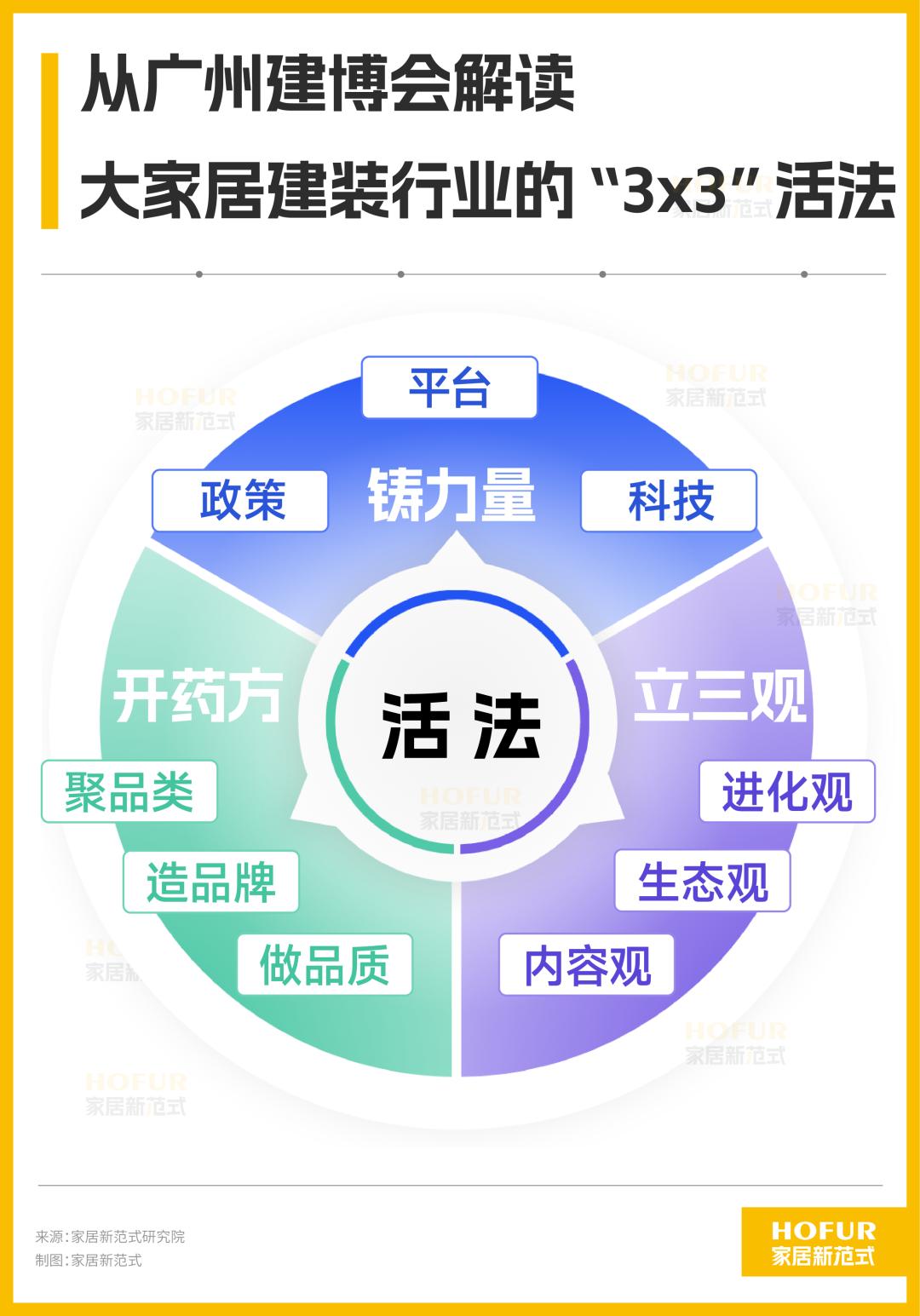
解读大家居建装行业的“3x3”活法 重塑“三观”拥抱未来
3 6 Ke· 2025-07-21 02:38
Core Viewpoint - The recent launch of the "Louis" giant ship by Louis Vuitton in Shanghai and the opening of the 2025 Guangzhou Construction Expo signify a new consumption drive in Shanghai and the home furnishing industry, respectively, indicating a shift towards a new cycle and trends in the industry [1][4]. Group 1: Construction - The home furnishing and construction industry is experiencing a transformation driven by three forces: policy, platform, and technology [5]. - The GDP growth rate has stabilized above 5%, and retail sales of home furnishing products have increased by 22.9% in the first half of the year [5]. - Various local governments are implementing "old-for-new" policies to stimulate consumption, with significant subsidies planned for 2025 [6]. Group 2: Health - The home furnishing industry is facing challenges such as declining performance and management turnover, indicating a need for adaptation to the new industrial cycle [7]. - Companies are advised to focus on core product categories to enhance brand advantages and reduce market confusion [8][9]. - The Guangzhou Construction Expo promotes an ecosystem approach, integrating various product categories to redefine market boundaries [9][10]. Group 3: Quality - The emphasis on high-quality products is crucial for meeting consumer demands in the evolving market [12]. - Key indicators for assessing product quality include functionality, design, and service, which reflect the overall capability of manufacturers [12]. - The expo showcases advancements in smart home services and design, highlighting the industry's shift towards intelligent manufacturing [12]. Group 4: Suggestions - The Guangzhou Construction Expo emphasizes the importance of evolution, ecological thinking, and content creation in adapting to market changes [13][15]. - The event aims to foster collaboration and communication among industry players, creating a comprehensive ecosystem for growth [15][16]. - The concept of "good content" is highlighted as essential for brand strength and market presence, facilitating ongoing engagement with consumers [16]. Group 5: Industry Outlook - The home furnishing industry is likened to the "Louis" ship, representing high standards and aspirations for quality and global reach [17]. - The Guangzhou Construction Expo is positioned as a pivotal platform for the industry, aiming to lead the home furnishing sector towards international markets [17].
上半年我省以旧换新带动消费约236亿元
Hai Nan Ri Bao· 2025-07-19 01:56
Group 1 - The core viewpoint of the articles highlights the effectiveness of Hainan's "old for new" consumption policy, which has significantly boosted consumer participation and sales in various sectors [1][2] - In the first half of the year, the "old for new" policy in Hainan has driven sales of related products to approximately 236 billion yuan [1] - The policy includes support for various durable consumer goods such as automobiles, home appliances, digital products, and electric bicycles, with new subsidies introduced for mobile phones [1] Group 2 - Statistics show that the "old for new" policy directly stimulated a total consumption of 235.98 billion yuan in Hainan during the first half of the year [2] - Specific contributions include: 0.9 thousand vehicles scrapped, leading to 12.52 billion yuan in new car sales; 10.27 thousand vehicle exchanges, resulting in 163 billion yuan in new car sales; and 9.7 thousand electric bicycles exchanged, generating 2.88 billion yuan in new sales [2] - Additionally, 98.06 million home appliances were exchanged, driving 27.96 billion yuan in appliance sales; 17.15 million home decoration items were exchanged, leading to 14.12 billion yuan in home decor sales; and 55.06 million digital products were purchased, resulting in 15.5 billion yuan in sales [2]
消费增速连续27个月高于全国平均水平
Liao Ning Ri Bao· 2025-06-27 01:38
Group 1 - The core viewpoint highlights the vibrant consumption dynamics in Shenyang, driven by events like concerts, which stimulate local tourism and spending [2] - The retail sales of consumer goods in Liaoning province reached 419.13 billion yuan in the first five months of the year, showing a year-on-year growth of 6.4%, surpassing the national average by 1.4 percentage points [2] - The retail sales of major consumer goods categories, such as home appliances and furniture, have seen significant growth, with home appliances and audio-visual equipment sales increasing by 91.2% year-on-year [2] Group 2 - Multiple policies aimed at boosting consumer confidence have been implemented in Liaoning, including measures to promote the silver economy and cultural tourism [3] - The "old-for-new" consumption policy has been effective, with over 6.25 million consumers participating and generating sales of 39.79 billion yuan, contributing to the overall retail sales growth [3] - The retail sales of energy-efficient home appliances and smart phones have increased significantly, with smart phone sales growing by 130% year-on-year [4] Group 3 - The provincial commerce system plans to enhance summer consumption through various festivals and events, while also stabilizing major consumer sectors like automotive sales [4] - New consumption growth points are being explored, including the application of artificial intelligence in commerce and the development of smart retail environments [4]
