
文博

Search documents
文博联动让“城之源”活起来
Bei Jing Ri Bao Ke Hu Duan· 2025-11-30 22:41
Core Viewpoint - The article highlights the significance of the "Tai Bao Yong Yan - Fangshan Liuli River Site Special Exhibition" at the Capital Museum, emphasizing the integration of technology in cultural heritage presentation and the ongoing efforts to enhance public engagement with historical artifacts [3][4]. Group 1: Exhibition and Public Engagement - The exhibition attracted many visitors on its last day, showcasing the allure of cultural heritage through interactive multimedia displays [3]. - Visitors expressed pride in their connection to Beijing's historical roots, indicating a successful outreach of the exhibition [3]. - The museum aims to utilize new technologies to make cultural resources more accessible and engaging for the public [4]. Group 2: Technological Integration - The museum is implementing digital technologies for the permanent preservation and sustainable use of cultural artifacts, including virtual exhibitions and 3D modeling [4]. - There is a focus on using immersive technologies, such as artificial intelligence, to recreate historical scenes and enhance visitor experiences [4]. Group 3: Cultural Development Initiatives - The Beijing Municipal Bureau of Cultural Heritage reported the addition of 49 new registered museums and the opening of 56 new types of museums during the 14th Five-Year Plan period, bringing the total to 266 registered museums [4]. - The city is actively promoting cultural innovation and development through various initiatives, including the "Beijing Museum Season" and the "Cultural Relics Tell You Why Chinese Festivals" series [5]. Group 4: Archaeological Significance - The Liuli River site, discovered 80 years ago, is recognized as the earliest urban relic in Beijing, with significant archaeological findings that contribute to understanding the history of the Western Zhou period [5]. - The site has been included in the national list of top ten archaeological discoveries, with ongoing efforts for its inclusion in the UNESCO World Heritage list [5][6].


在天津博物馆感受三千年前的中国制造
Ren Min Wang· 2025-11-29 16:01
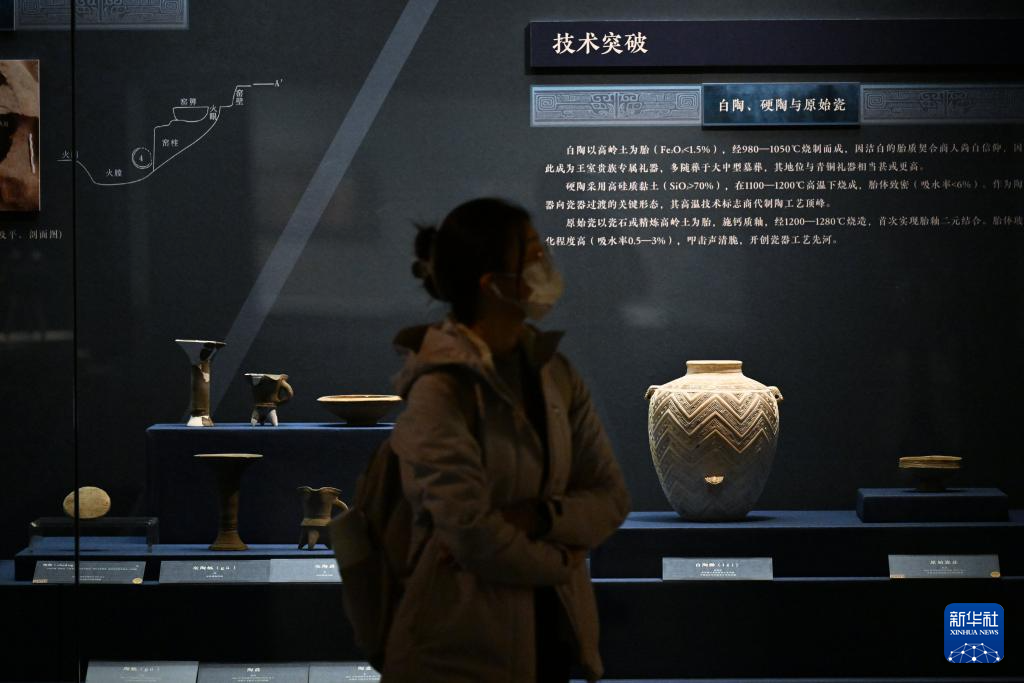
Core Insights - The exhibition "Shang Yi Bai Gong - Chinese Manufacturing 3,000 Years Ago" at Tianjin Museum has attracted over 400,000 visitors since its opening on August 23 [2][4][6] Exhibition Overview - The exhibition is divided into five sections: "Overview of Craftsmen," "Building Shang Yi," "Tools and Crafts," "Rituals and Music," and "Transportation" [2][4][6] - It showcases over 180 artifacts from the Shang Dynasty, sourced from four cultural institutions: the Chinese Academy of Social Sciences Archaeological Research Institute, Anyang Museum, Anyang Municipal Institute of Cultural Relics and Archaeology, and Tianjin Museum [2][4][6] - The exhibition highlights the rich archaeological findings from the Yin Ruins [2][4][6]
新消费如何赋能“好生活”?多元路径如何探索?
Xin Jing Bao· 2025-11-28 07:20
Group 1 - The concept of "good life" transcends material wealth, emphasizing a harmonious balance between material and spiritual, individual and societal, creation and enjoyment [2][3] - The rise of "new consumption" reflects a shift from product-centric to experience-centric purchasing, where consumers seek emotional value and unique experiences [5][6] - The trend of "personalized consumption" is becoming prevalent, with consumers increasingly favoring tailored products and services that resonate with their individual lifestyles [5][7] Group 2 - The integration of AI technology in various industries, such as tourism and fashion, is seen as a genuine upgrade that addresses industry pain points and enhances efficiency [9][10] - The tourism sector continues to prioritize core elements of travel, with AI serving to better meet personalized consumer demands rather than replacing the fundamental travel experience [10] - The beauty industry is experiencing a complex relationship with AI, where it serves as a tool for data processing but requires careful interpretation to avoid marketing missteps [9] Group 3 - The "pet economy" is rapidly growing, with an increasing number of tourism and hospitality venues accommodating pet owners, indicating a significant market opportunity [6] - The "de-gendering" trend in the beauty sector shows that male consumers are increasingly purchasing a wider range of skincare products, reflecting a shift in consumer attitudes [6] - The future of consumption in China is expected to evolve towards lifestyle brands that embody cultural values, moving away from mere product replication [7]

全球首个文物艺术品溯源元数据国际标准发布
Ren Min Ri Bao· 2025-11-21 19:32
Core Points - The "Metadata Standard for Tracking Cultural Relics and Artworks Based on Distributed Ledger Technology" was officially released at the 2025 Beijing International Cultural Relics Expo [1] - This standard is the world's first international standard for the traceability of cultural relics and artworks, led by China [1] - The establishment of this standard provides a unified common language for digital cultural exchanges among countries, promoting the digital transformation of the global cultural heritage industry [1] - It will also serve as a dialogue bridge for various applications of cultural relics and artworks in digital scenarios, including the internet and virtual reality [1]
用改革疏浚发展的航道
Ren Min Ri Bao· 2025-11-19 06:41
Group 1 - The core viewpoint emphasizes the necessity of institutional and mechanism innovation to eliminate bottlenecks that hinder high-quality development, ensuring smooth flow of various production factors [1][2] - The cultural industry is projected to achieve an operating income of 19.14 trillion yuan in 2024, representing a 37.7% increase compared to 2020 [2] - The "14th Five-Year Plan" period has seen a flourishing of cultural and artistic creation, with the National Arts Fund supporting 3,568 projects in creation, performance, exhibition, and talent development [2] Group 2 - The need to break through outdated concepts and institutional barriers is highlighted as essential for achieving high-quality development, with simplified processes aiding the integration of micro-short dramas into the cultural and internet sectors [3] - The focus on problem-oriented approaches aims to clear obstacles and enhance the development of new productive forces, thereby expanding the space for economic and social growth [3] - Continuous reform and innovation in institutional mechanisms are crucial for enhancing the dynamism and vitality of economic and social development, contributing to the success of Chinese-style modernization [3]
用改革疏浚发展的航道——推动“十五五”时期经济社会发展向新而行④
Ren Min Ri Bao· 2025-11-19 03:37
Group 1 - The core viewpoint emphasizes the significant progress in the cultural heritage sector, driven by comprehensive reforms and innovations in management and utilization of cultural relics [1][2] - The "14th Five-Year Plan" period has seen a vibrant creation of cultural and artistic works, with the cultural industry projected to achieve an operating income of 19.14 trillion yuan in 2024, marking a 37.7% increase from 2020 [2] - The Palace Museum has made breakthroughs in cultural relic protection, digital cultural construction, and innovative cultural dissemination, enhancing public cultural confidence and integrating traditional culture into modern life [1] Group 2 - The need for systemic, holistic, and coordinated reforms is highlighted to enhance development momentum and social vitality, ensuring smooth flow of production factors [2][3] - The simplification of processes and the breaking down of industry barriers have facilitated the integration of micro-short dramas into the cultural and internet sectors [3] - Continuous innovation in institutional frameworks is essential for fostering new productive forces and achieving high-quality economic and social development [3]
用改革疏浚发展的航道(评论员观察)
Ren Min Ri Bao· 2025-11-19 00:03
Group 1 - The core viewpoint emphasizes the necessity of institutional and mechanism innovation to eliminate bottlenecks that hinder high-quality development, ensuring smooth flow of various production factors [1][2][3] - The cultural industry in China is projected to achieve a revenue of 19.14 trillion yuan in 2024, reflecting a 37.7% increase compared to 2020, driven by reforms and innovations in the sector [2] - The "14th Five-Year Plan" period has seen a flourishing of cultural and artistic creations, with the National Arts Fund supporting 3,568 projects, indicating a robust support system for the arts [2] Group 2 - The need to break down outdated concepts and institutional barriers is highlighted as essential for achieving high-quality development, with specific reforms like "classification and layered review" simplifying processes and fostering innovation [3] - The integration of technology and cultural sectors is being facilitated by lowering entry barriers in key areas such as telecommunications, internet, education, culture, and healthcare, promoting orderly development [3] - The ongoing reforms aim to enhance the dynamism and vitality of economic and social development, positioning China for sustainable modernization [3]
“看·见殷商”展览总结暨博物馆高质量发展研讨会在京举行
Zhong Guo Jing Ji Wang· 2025-11-18 23:58
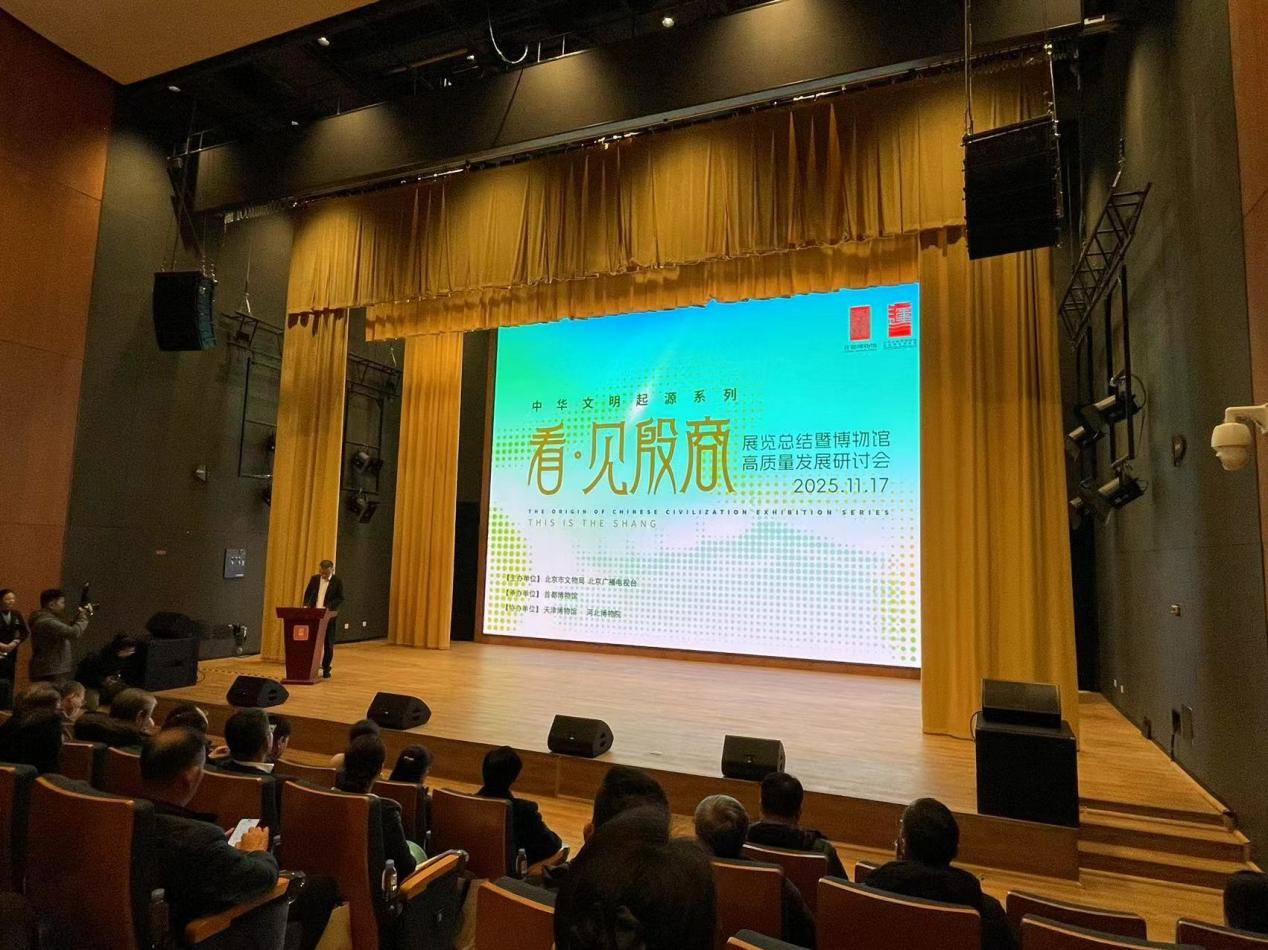
中国经济网北京11月18日讯(记者 成琪)11月17日,"中华文明起源系列——'看·见殷商'"展览总结暨博物馆高质量发展研讨会在北京大运河博物馆(首 都博物馆东馆)举行。北京市委宣传部、北京市文物局、北京广播电视台、"看·见殷商"展览借展单位、中央在京博物馆等44家单位的120位代表出席会议, 共同回顾"看·见殷商"展览的创新实践,并就新时代博物馆高质量发展的路径展开深入研讨。 下午的研讨会围绕"文博高质量发展"和"博物馆展陈建设"两大主题展开分组讨论,为博物馆发展建言献策。文博高质量发展研讨会上,与会代表围 绕"体制机制改革""文商旅体融合""博物馆职业伦理"等议题展开深入探讨;首都博物馆展陈建设研讨会则聚焦"一馆六址"差异化发展路径。 本次研讨会既是对"看·见殷商"展览经验的系统总结,更是对博物馆未来发展的前瞻谋划。与会代表表示,在文化强国建设背景下,博物馆不仅要收藏 过去,更要参与构建未来,加强跨界融合,以更开放的姿态、更丰富的形式、更优质的服务,让文物活起来,让文化传下去。 作为首都博物馆在深化文化文物单位改革试点下推出的首个大型展览,"看·见殷商"自筹备之初便备受关注。展览以殷商文明为核心,通过文物 ...
用改革疏浚发展的航道(评论员观察) ——推动“十五五”时期经济社会发展向新而行④
Ren Min Ri Bao· 2025-11-18 22:57
Group 1 - The core viewpoint emphasizes the necessity of institutional and mechanism innovation to eliminate bottlenecks that hinder high-quality development, ensuring smooth flow of various production factors [2][3] - The cultural industry is projected to achieve an operating income of 19.14 trillion yuan in 2024, representing a 37.7% increase compared to 2020 [2] - The "14th Five-Year Plan" period has seen a flourishing of cultural and artistic creation, with the National Arts Fund supporting 3,568 projects in creation, performance, exhibition, and talent [2] Group 2 - The need to break through outdated concepts and interests that solidify barriers is highlighted as essential for achieving high-quality development [3] - The simplification of processes through "classification and layered review" has facilitated the integration of micro-short dramas into the arts and internet sectors [3] - Continuous reform and innovation in systems are deemed crucial for enhancing the dynamism and vitality of economic and social development, contributing to the long-term stability of Chinese modernization [3]
数字文博何以向新而活(人民时评)
Ren Min Ri Bao· 2025-11-11 22:40
Core Viewpoint - The integration of technology and cultural heritage is transforming the way museums present artifacts, enhancing audience engagement and cultural confidence through immersive experiences [1][4]. Group 1: Cultural Heritage Activation - The concept of "cultural co-creation" emphasizes the importance of activating cultural relics and engaging audiences to foster a deeper cultural appreciation [1][4]. - The Nanjing Museum's VR exhibition of the "Kunyu Wanguo Quantu" showcases how technology can revitalize static artifacts into dynamic experiences, attracting significant audience interest [1][2]. Group 2: Innovative Product Development - Museums like the Henan Museum are creatively merging cultural relics with culinary experiences, such as coin-shaped chocolates, to appeal to younger audiences and enhance cultural engagement [2]. - Successful cultural products, like those from the Forbidden City, demonstrate the effectiveness of combining artistic and practical elements to meet consumer needs for both material enjoyment and spiritual experience [2]. Group 3: Audience Interaction and Experience - The use of VR technology allows visitors to interact with historical narratives, such as experiencing the voyages of Zheng He through immersive storytelling, enhancing both credibility and engagement [3][4]. - The shift from passive observation to active participation transforms museums into cultural communities where audiences can contribute to the narrative [3][4]. Group 4: Future Opportunities - The ongoing popularity of cultural tourism and the integration of technology present new opportunities for the activation and transformation of cultural resources [4]. - Emphasizing protection, activation, content quality, experience optimization, and innovative supply will sustain the momentum of cultural heritage engagement and enrich public cultural life [4].