
财政管理

Search documents
向“新”而行 “数”说常州财政韧性与活力——2025年常州财政运行稳中提质,税收占比全省第一
Sou Hu Cai Jing· 2025-12-17 06:26
Core Insights - Changzhou's economy demonstrates remarkable resilience amid a complex external environment, with key fiscal indicators reflecting stability, progress, and vitality for high-quality development [1] Group 1: Fiscal Performance - In the first 11 months of 2025, Changzhou's general public budget revenue reached 67.15 billion yuan, a year-on-year increase of 2.7%, with tax revenue growing by 4.3% and accounting for 86% of total revenue, leading the province [2] - The city's tax revenue from the secondary industry constitutes 65.6% of total tax revenue, with manufacturing tax revenue showing a five-year average growth of 8.2% and a 7% increase in 2025 [2] Group 2: Social Spending - In the first 11 months, general public budget expenditure totaled 67.7 billion yuan, with 52.74 billion yuan (78%) allocated to social welfare sectors such as education, social security, healthcare, and housing [3] - The implementation of zero-based budgeting reform and a new mechanism for "business-finance collaboration" has led to a 19.1% reduction in annual funding arrangements for trial units, allowing for more focused allocation of fiscal resources [3] Group 3: Policy Initiatives - Changzhou has introduced a comprehensive set of fiscal policies aimed at stimulating consumption, stabilizing investment, and nurturing industries, including 160 million yuan for new energy vehicle purchase subsidies and innovative housing assistance for low-income workers [4] - In the first 11 months, science and technology expenditure reached 3.91 billion yuan, with significant funding directed towards supporting "unicorn" and "specialized" enterprises, leveraging fiscal investments to attract over 300 million yuan in social capital for cutting-edge fields [4] Group 4: Digital Transformation - The upgrade of Changzhou's "Direct Benefit Platform" has enabled 3.44 billion yuan in funds to reach over 4,900 enterprises and 1.26 million individuals without application, enhancing the efficiency of policy implementation [5] - The "Su Cai Yun" system in government procurement has eliminated bidding fees, saving suppliers 35.92 million yuan, while fiscal electronic ticket reforms have streamlined payment processes for the public [5] Group 5: Overall Outlook - The fiscal operations of Changzhou in 2025 reflect a city committed to innovation and practical development, providing a solid foundation for high-quality growth as it transitions from the 14th Five-Year Plan to the 15th [6]
【西安】财政推进系统性集成式改革
Shan Xi Ri Bao· 2025-12-16 22:38
亮出预算"纪律尺",建立"三张清单"硬化预算约束。一张禁止性事项清单划定红线,系统梳理20项 预算管理禁止性事项,有力落实《党政机关厉行节约反对浪费条例》和"过紧日子"要求。一张民生政策 清单明确责任,全面落实中央和省上民生政策配套责任,严格管控地方自行出台或提标扩面政策,确保 民生支出可持续、不开"空头支票"。一张产业政策清单聚焦发展,围绕全市重点产业动态调整支持方 向,维护全国统一大市场,将有限资金精准投向高质量发展最需要的领域。 打破资金"部门墙",强化资金统筹与预算评审。西安市实行大统筹机制,打破专项资金管理屏障, 由市政府在年初统筹确定重点项目,给财政部门赋予跨部门调动专项资金的权限,实现市级资金、上级 补助、存量资金的"一盘棋"整合,集中财力办大事。实行预算评审机制,出台市级全口径预算评审管理 办法,在编制和执行环节对项目实行全覆盖评审,通过加强支出标准应用、优化评审流程,夯实财政审 核职责,大幅提升预算安排的科学性和准确性。 西安市财政局相关负责人介绍,全口径预算管理改革使得财政可持续性增强,通过前端评估与后端 清单约束,从源头上遏制了超财力安排支出,财政运行风险显著降低;资金使用效益提升,绩效 ...
日本敲定18.3万亿日元补充预算,拟追加发债11.7万亿
Hua Er Jie Jian Wen· 2025-12-16 10:30
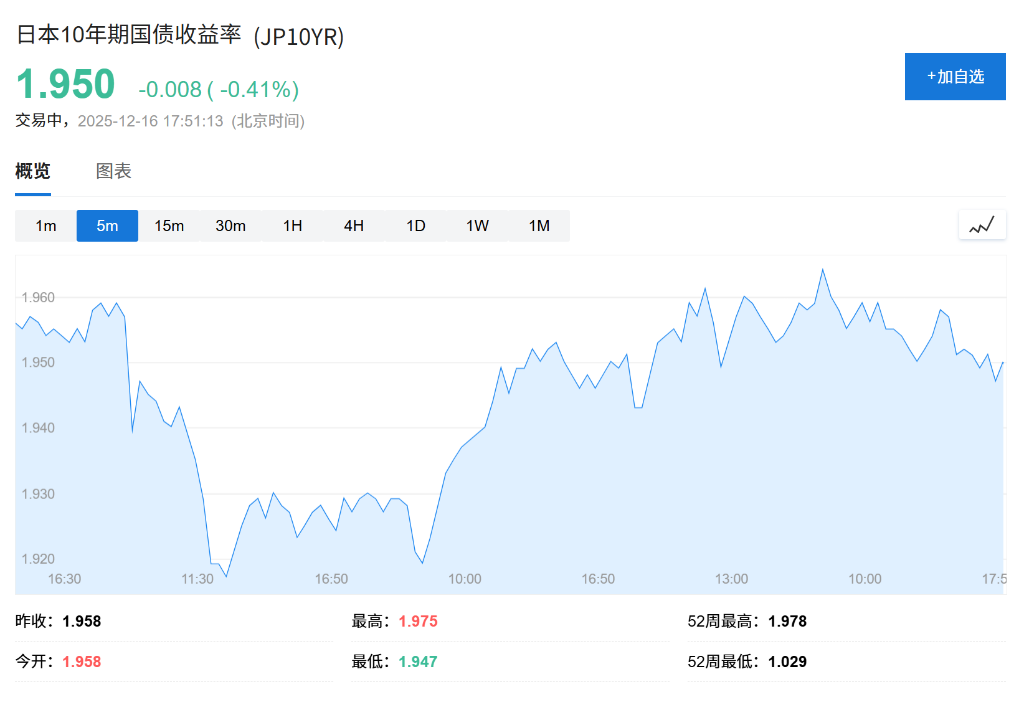
据央视新闻消息,当地时间12月16日,日本国会参议院表决通过2025财年补充预算案,一般会计总额达到18.3万亿日元,相比2024财年补充预算 案增加31%。 补充预算案支出部分中,追加了1.1万亿日元防卫相关费用;连同9.9万亿日元的初始预算,2025财年防卫开支合计达到约11万亿日元,在GDP中 占比达到2%。 因财政来源存在巨大不足,日本政府将追加发行11.69万亿日元国债。 日本政府因财政来源存在巨大缺口,不得不通过大规模发债来填补预算。补充预算的通过进一步加重了日本已经高企的公共债务负担,可能对日 本国债市场和日元汇率产生压力。 美元/日元下跌0.26%,维持在154日元附近。 此举正值日本央行或将结束超宽松货币政策之际,最新调查显示,九成经济学家预测日本央行将在12月18日至19日的会议上加息25个基点,市场 定价也显示,12月加息25基点的概率约为90%。财政与货币政策方向的分化或将加剧市场对日本财政可持续性的关注。 截至发稿,日本10年期国债收益率报1.95%。 风险提示及免责条款 市场有风险,投资需谨慎。本文不构成个人投资建议,也未考虑到个别用户特殊的投资目标、财务状况或需要。用户应考虑本文 ...

省人大常委会组成人员对省政府关于2024年度<br/>省本级预算执行和其他财政收支审计查出<br/>问题整改情况报告的审议意见
Liao Ning Ri Bao· 2025-12-06 01:05
Core Viewpoint - The provincial government is taking significant steps to address issues identified in the audit report, demonstrating a commitment to improving financial management and accountability [1] Group 1: Audit Rectification Efforts - The provincial government has prioritized the rectification of issues identified in audits, holding a special meeting to deploy corrective actions [1] - The Provincial Audit Office has detailed the rectification tasks, assigning clear responsibilities and deadlines to ensure accountability [1] - The report indicates that the rectification efforts have yielded positive results, with the committee members generally agreeing with the findings [1] Group 2: Recommendations for Improvement - There is a call to enhance the quality of rectification measures by addressing systemic barriers and establishing a long-term rectification mechanism [2] - The need for increased efforts on unresolved issues is emphasized, advocating for a clear responsibility framework and collaborative rectification processes [2] - Strengthening accountability measures is recommended, including legal actions against responsible individuals and enhancing the integration of audit supervision with other oversight mechanisms [2] - The management of non-tax revenue and budget performance is highlighted, with a focus on optimizing fiscal expenditure and ensuring the protection of essential public services [2]
如皋经开区财资局保障惠民政策精准直达
Xin Hua Ri Bao· 2025-12-03 21:41
该局加强政策宣传,确保群众知晓"无死角"。在公安部门通知的基础上持续加强政策宣传,通过业务窗 口和多种媒介构建立体宣传网络拓宽宣传渠道,向群众普及相关政策,提升政策知晓率,打破政策传播 的"最后一公里"壁垒,确保符合育儿补贴发放条件的对象应知尽知。部门协同发力,打造资金发放"稳 定器"。将财政资金拨付系统与银行结算系统深度对接,实现账户信息核验匹配,形成"财政复核下达— 银行即时划转"闭环,进一步提高"一卡通"发放的效率。夯实财政监管,编织风险防控"安全网"。建立 健全资金监管机制,严格根据政策要求执行补贴申报和发放,线上监控和线下核查相结合,实行全流程 动态监管,防范化解潜在风险。联合相关部门加强常态化监督检查,及时发现并疏通政策执行中的堵点 难点。 "一卡通"卡片虽小,却一头连着党和政府的关怀,一头连着人民群众的期盼。下一步,如皋经开区财资 局将持续细化落实举措,进一步提升资金保障,优化发放流程,健全监管机制,为降低家庭生育成本、 构建"生育友好型社会"提供坚实保障。吴聪睿 11月1日起,全省推行育儿补贴直接发放至个人的政策。近期以来,如皋经开区财资局多维发力推进育 儿补贴"一卡通"发放。 ...
英国财政空间超预期 英镑兑美元升破1.32
Xin Hua Cai Jing· 2025-11-26 14:19
Group 1 - The UK Office for Budget Responsibility (OBR) has provided a more optimistic forecast for the UK economy, estimating a fiscal surplus of nearly £22 billion over the next five years, significantly higher than previous estimates [1] - The budget proposal includes measures such as extending the freeze on personal tax thresholds for three years, increasing taxes on dividends, property, and savings, and introducing new taxes on properties valued over £2 million [1] - The OBR has adjusted the GDP growth forecast for the UK to 1.5% for 2025, while lowering the 2026 forecast to 1.4%, indicating ongoing structural challenges that may limit long-term growth potential [1] Group 2 - The UK's actual inflation rate remains high at 3.6%, which is significantly above the target level, influencing the Bank of England's cautious stance on monetary policy [2] - Despite an expanded fiscal space, structural contradictions leading to a downward adjustment in trend growth rates pose long-term growth concerns for the UK economy [2]
美国10月财政赤字较去年同期上涨10%
Sou Hu Cai Jing· 2025-11-26 09:49
新华社华盛顿11月26日电 美国财政部25日发布的数据显示,受近期联邦政府"停摆"影响,10月美国政 府财政赤字升至2840亿美元,较去年同期增长10%。 美国媒体援引美国财政部官员的话报道,2026财年(2025年10月至2026年9月)首月预算结果因多个联 邦机构"停摆"而延迟公布,此次"停摆"导致政府雇员薪资等多项款项支付延期。 数据显示,10月美国政府财政赤字较去年同期增加270亿美元,增幅达10%。当月财政支出达6890亿美 元,同比增长18%。 彭博社评论,美国10月财政赤字数据凸显特朗普政府在试图大幅削减联邦借贷需求方面面临的挑战。 (完) ...
因国防支出增加 德国等欧盟成员赤字超标
Yang Shi Xin Wen· 2025-11-26 06:04
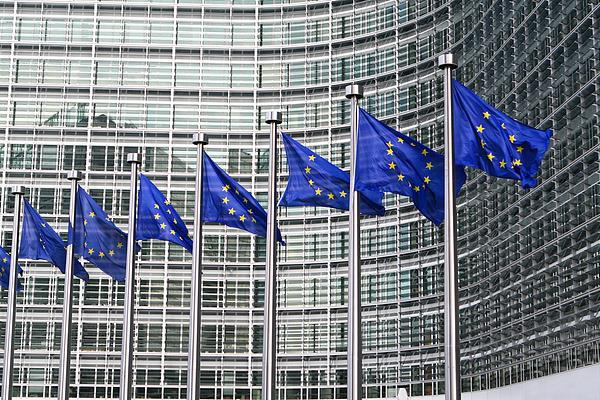
Core Points - The European Commission announced that Germany's defense spending increase has led to an excessive deficit, but no procedures have been initiated against Germany for this issue [1] - The Commission highlighted several strategic vulnerabilities and structural challenges facing the EU, including low productivity, demographic pressures, and rising public spending demands related to defense, decarbonization, and digital economy transformation [1] - The Commission called for EU member states to maintain sound public finances and enhance competitiveness [1] Summary by Category Fiscal Outlook - The European Commission projected that the budget deficit in the Eurozone will slightly increase from 3.1% of GDP in 2024 to 3.2% in 2025, further rising to 3.3% in 2026 and 3.4% in 2027 [2] - Finland's budget deficit is expected to be 4.4% of GDP in 2024, rising to 4.5% in 2025 and decreasing to 4.0% in 2026, prompting the need for excessive deficit procedures against Finland [1] Member States' Performance - Germany's projected budget deficit is expected to reach 3.1% of GDP in 2025, 4.0% in 2026, and 3.8% in 2027 [1] - The European Commission emphasized that under the Stability and Growth Pact, member states' annual budget deficits should not exceed 3% of GDP, and public debt should not exceed 60% of GDP [1]
收支双增!云南晒出“十四五”财政账本
Sou Hu Cai Jing· 2025-11-25 01:06
Core Insights - The financial performance of Yunnan Province during the "14th Five-Year Plan" period shows a steady increase in revenue and a significant rise in expenditure, indicating a focus on enhancing fiscal capacity and supporting key development areas. Revenue Growth - The total general public budget revenue is expected to reach 1.08 trillion yuan, an increase of 9.4% compared to the "13th Five-Year Plan" period, with an additional 92.481 billion yuan [1] - The revenue from the state-owned capital operating budget is projected to grow by 71.9%, reaching 32.19 billion yuan [1] - Social security fund budget revenue is expected to increase by 40.6%, reaching 1.14579 trillion yuan [1] - Government fund revenue is anticipated to be 388.36 billion yuan, reflecting a decrease of 30.7% compared to the previous five-year period [1] Expenditure Enhancement - The total general public budget expenditure is projected to reach 3.39 trillion yuan, marking a 10.94% increase from the "13th Five-Year Plan" period, with an additional 334.219 billion yuan [2] - Approximately 74% of fiscal expenditure is allocated to livelihood-related areas, with significant investments in education, social security, employment, and health care [2] - Expenditure in the agriculture, forestry, and water sectors is expected to total 457.254 billion yuan, while ecological environment protection spending is projected at 133.893 billion yuan [2] - The province plans to support major projects and infrastructure development with 3.76498 trillion yuan from central and provincial funds, alongside 470.208 billion yuan from special bonds [2]
【环球财经】英国10月份公共财政状况没有明显改善
Xin Hua Cai Jing· 2025-11-21 11:15
英国工党政府将在11月26日提出执政以来的第二份财政预算。市场预期,由于现阶段英国财政状况没有 得到明显改善,尽管英国政府可能不会增加个人所得税的税率,但税收门槛可能进一步冻结,从而增加 纳税人基数,以此来提高政府收入,改善财政状况。 (文章来源:新华财经) 新华财经伦敦11月21日电 最新数据显示,英国10月份公共财政状况没有得到改善,这进一步加大了市 场对英国政府可能加税的预期。 英国工党政府的执政目标之一是稳定财政,但截至目前,这方面没有明显进展。 英国国家统计局的数据显示,10月份,英国政府的公共借款为174亿英镑,比去年减少了18亿英镑,但 仍较市场预期的150亿借款超出不少。从4月份的本财年开始,到10月份,英国政府的公共借款达到1172 亿英镑,比上个财年同期超出8%。截至10月份,英国本财年用于支付日常支出的财政赤字已达839亿英 镑,超出去年同期74亿英镑,政府的净债务与GDP之比为94.5%,低于去年同期0.2个百分点。 ...