
农产品种植

Search documents
中方一单未下,美国大豆被判死刑,美农民泣、特朗普劝,全无效用
Sou Hu Cai Jing· 2025-09-22 19:21
中美"大豆战"硝烟弥漫:金黄的绝望,巨人的抉择 在美利坚腹地,那片曾承载着丰收希望的金黄豆田,如今却被阴霾笼罩。收割机的轰鸣声不再是喜悦的奏鸣曲,而是奏响了一曲曲绝望的哀歌。 "瞧瞧这庄稼,我一生中从未种出过如此饱满的金黄!可现在,因为这场关税的拉锯战,中国不再下单。我只能看着它们被无情地碾碎,重新回归泥土,因 为它们毫无价值,无人问津。"一位美国中西部豆农在短视频平台上哽咽着,镜头中,一颗颗饱满成熟的大豆被粉碎机搅烂,化作田间的肥料。这幅画面, 如同美国农业在贸易战阴影下的一声声无助的呐喊。 今年秋季,美国迎来了令人瞩目的玉米和大豆大丰收,然而,曾经最大的买家——中国,却迟迟未发出任何订单。美国大豆协会主席凯莱布·拉格兰心急如 焚,紧急致信总统特朗普,发出了严峻的警告:美国农业正濒临一场深刻的危机,豆农们的处境已是"极其严峻"。 贸易寒风中的牺牲品:大豆的命运交织 这场突如其来的大豆危机,其根源可追溯至2025年初中美两国贸易摩擦的不断升级。彼时,特朗普政府先发制人,对来自加拿大和墨西哥的商品施加25%的 关税,同时对中国商品加征10%的关税。 作为强有力的回应,中国政府迅速启动了反制措施,对原产于美国的若 ...

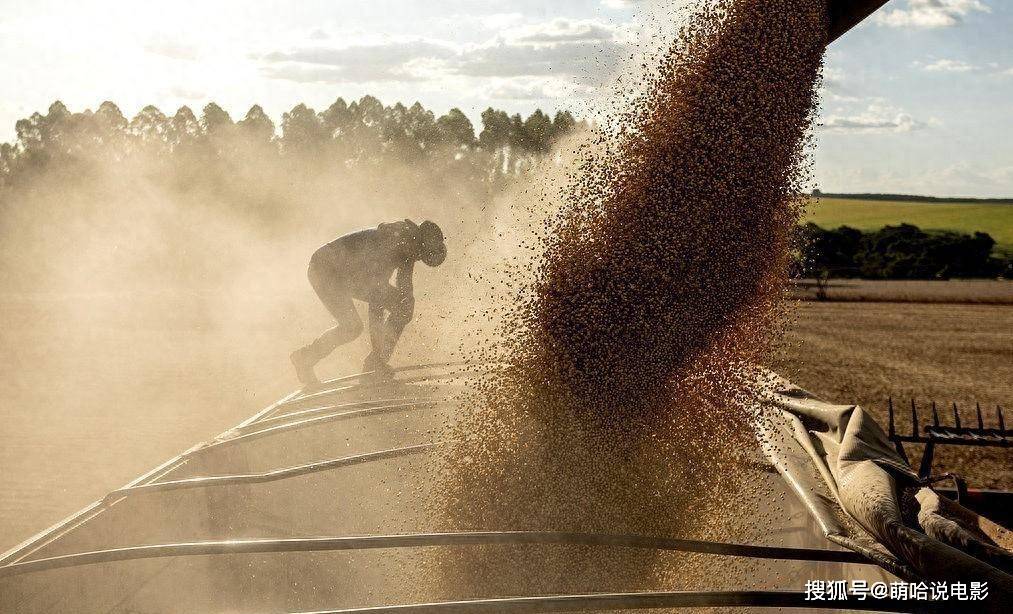
中国市场“回不去” 美国豆农陷困境
Jin Tou Wang· 2025-09-22 07:13
Core Insights - U.S. soybean farmers are facing significant financial losses due to Trump's tariff policies, which have resulted in a lack of orders from China, a major customer [1] - The American Soybean Association reported that the overall tariff rate on U.S. soybeans by China reached 34% in August, severely impacting market competitiveness [1] - There is increasing pressure within the U.S. agricultural sector to reach a trade agreement with China to secure crop sales, as the absence of orders during the harvest season is a major blow to farmers [1] Group 1 - U.S. soybean farmers typically secure about 14% of their expected import volume from China before the harvest season, but this year has seen a significant absence of orders [1] - Since the 2021-22 marketing year, one-quarter of U.S. soybean production has been exported to China, with this figure peaking at 31% after the Phase One trade agreement [1] - Many U.S. farmers believe that the Chinese market is irreplaceable in the short term, and failure to reach a trade agreement could jeopardize their livelihoods for years to come [1] Group 2 - The U.S. government plans to provide financial assistance to farmers if conditions do not improve, but there is no clear timeline or specific amount announced by the Secretary of Agriculture [2] - Officials have suggested that the U.S. needs a more open market and global competitiveness, claiming that U.S. soybeans are of higher quality than those from Brazil [2] - However, the second-largest buyer, the European Union, accounts for less than one-fifth of China's demand, making it insufficient to fill the gap left by China [2] - Brazil supplied 71% of China's soybean imports last year, up from 53% in 2017, indicating a shift in China's sourcing strategy [2] - A farmer from Iowa expressed skepticism about China's willingness to purchase U.S. soybeans unless a miraculous change occurs [2]
小红薯成致富大产业,顺义大韩庄红薯文化节开幕
Xin Jing Bao· 2025-09-21 23:12
近年来,顺义区木林镇锚定农业高质量发展目标,培育以大韩庄红薯为代表的特色产业,从优化品种、 强化科技支撑,到拓宽销售渠道多管齐下,让小红薯成长为带动农民增收致富、推动乡村振兴的大产 业。 大韩庄红薯文化节已经连续举办四年,木林镇将以本届红薯文化节为契机,进一步深化"农业+"多元业 态融合,推动特色农产品品牌化、产业化发展,持续提升木林镇知名度与影响力。 新京报讯(记者耿子叶)9月20日上午,顺义区木林镇大韩庄村北红薯田热闹非凡,第四届大韩庄红薯 文化节正式拉开帷幕。作为2025年顺义区中国农民丰收节分会场,本次活动以"浅山红薯香,美在大韩 庄"为主题,通过"农业+科技+文化+旅游"深度融合的特色活动,展现木林镇农业发展成果、农耕文化 魅力与乡村振兴新风貌。 在开幕式现场,6名"德孝木林人"代表共同拔出象征丰收的红薯,寓意着木林镇丰收季的甜蜜与喜悦, 丰收正式开启。在沿展区,观众可以参观特色农产品展示区,大韩庄 "韩晓农" 红薯、茶棚安辛庄苹 果、贾山甘蔗等20余种木林镇地标农产品集中亮相。 为让市民深度参与丰收盛宴,木林镇围绕 "展成果、促交流、拓销路、浓氛围" 四大目标,设计六大核 心亮点活动,覆盖产业、文 ...
云姨夜话丨秋天的新“栗”程
Qi Lu Wan Bao· 2025-09-21 13:36
Group 1 - Xinfeng Supermarket announced a partnership with Qianxi County to procure approximately 2,500 tons of chestnuts, specifically the "Yanshan Zaofeng" variety, known for its quality [3] - The chestnuts are harvested naturally and undergo a four-step screening process before being sold in stores, enhancing product quality and consumer experience [3] - The local chestnut industry has evolved with various business models, including cooperatives, e-commerce, and cultural tourism, indicating a diversification in sales channels [3][4] Group 2 - Qianxi County, known as the "Hometown of Chinese Chestnuts," has a vast chestnut planting area of 750,000 acres, primarily cultivating the "Yanshan Zaofeng" variety, which constitutes over 90% of the production [2] - The price for high-quality chestnuts this year ranges from 1.2 to 1.5 yuan per pound, significantly benefiting local farmers and contributing to an increase in income [4] - The chestnut market sees a seasonal peak from around the Mid-Autumn Festival to the following March, with increasing sales during this period [3]

精彩剧透!甜美遂溪邀你9月23日共赴丰收盛会
Nan Fang Nong Cun Bao· 2025-09-21 03:06
Core Viewpoint - The event on September 23 aims to celebrate the harvest and promote the "Sweet Suixi" regional public brand, enhancing agricultural development and rural revitalization in Suixi County [2][4][5]. Group 1: Event Details - The event will take place at the Beibu Gulf Agricultural Cultural and Tourism Industry Park, featuring theme releases, exhibitions, and sales to showcase harvest achievements [3][19]. - Activities will include traditional lion dance performances, promotional videos, and live streaming to highlight the "Sweet Suixi" brand [19][26]. - The event emphasizes the role of farmers, aiming to boost urban-rural consumption and promote excellent farming culture [29][30]. Group 2: Agricultural Development - Suixi County is recognized for its rich agricultural resources, producing 13 nationally recognized specialty products and maintaining the highest agricultural output value in the city for four consecutive years [11][13]. - The county has implemented a branding strategy to enhance agricultural product value, focusing on a collaborative approach involving government, enterprises, and society [15][16]. - The "Sweet Suixi" brand aims to inject new momentum into high-quality agricultural development and comprehensive rural revitalization [4][5]. Group 3: Cultural Integration - The event will also feature a variety of cultural activities, including competitions and product tasting, to enhance the reputation of the "Sweet Suixi" brand [32][34]. - The Beibu Gulf Agricultural Cultural and Tourism Industry Park integrates agriculture, tourism, and leisure, providing diverse income channels for local farmers [40][41]. - The ongoing Suixi Lion Dance Cultural Season will add unique charm to the harvest celebration with themed activities and experiences [42][44].

地缘经济论 | 第五章 粮食安全与农产品制裁
中金点睛· 2025-09-21 01:05
Core Viewpoint - Agriculture plays a crucial role in human survival and national strategy, with food self-sufficiency being vital for global food security, particularly for populous countries like China and India, which achieve this through policy choices rather than just natural resources [2][3]. Group 1: Contemporary Geoeconomic Implications of Agriculture - Agriculture remains an essential industry despite its declining share in the global economy, as food supply gaps pose threats to national security [3]. - Food inflation significantly impacts low-income groups, with food expenditure constituting a larger share of their income compared to higher-income households [3]. - Supply-demand imbalances in agricultural products can lead to price volatility, affecting policy decisions in agriculture, finance, trade, and diplomacy [4]. Group 2: Food Security Risks in Low-Income Countries - Low-income countries face greater food security risks due to lower grain self-sufficiency and per capita production, exacerbated by geopolitical factors [20][22]. - Armed conflicts and extreme weather events are primary contributors to food insecurity in these regions, with significant portions of the population facing severe hunger [21][30]. - Economic sanctions and trade disruptions can further elevate food prices and reduce purchasing power, leading to nutritional deficiencies [22]. Group 3: Strategies for Ensuring Food Security - Maintaining a reasonable level of food self-sufficiency is crucial for mitigating the impacts of international market fluctuations [26]. - China's agricultural development has been driven by production advancements and market reforms, significantly increasing grain yield per capita since 1949 [28][29]. - The focus on technological innovation and market-oriented reforms has been pivotal in enhancing agricultural productivity and farmer income [28][29][36].

“中国订单量仍为零”,美大豆协会主席喊话特朗普:中国市场至关重要,需立刻行动!
Xin Lang Cai Jing· 2025-09-20 09:12
Core Viewpoint - The U.S. soybean industry is facing significant challenges due to zero orders from China, which is the largest export market for U.S. soybeans, highlighting the critical need for strong markets and opportunities [1] Industry Summary - The U.S. soybean sector is currently in the harvest season, but the lack of orders from China poses a warning sign for the industry [1] - There are approximately 500,000 soybean farmers in the U.S., and the Chinese market is essential for their livelihoods [1] Call to Action - Immediate action is required to address the situation, as expressed by the president of the American Soybean Association, who emphasized the need for access to the Chinese market rather than mere discussions [1]
庆农业丰收,享美好生活!9月23日,新丰县庆祝丰收节活动将开幕
Nan Fang Nong Cun Bao· 2025-09-20 08:30
Core Viewpoint - The event celebrating the agricultural harvest in Xinfeng County aims to showcase rural revitalization achievements, promote agricultural culture, and stimulate consumer activity, marking an important occasion in the context of the "14th Five-Year Plan" [5][6][8]. Group 1: Event Details - The "Chinese Farmers' Harvest Festival" will take place on September 23, 2025, in Fushui Village, Maotou Town, featuring a variety of engaging and culturally rich activities [2][3][10]. - The main theme of the event is "Celebrating Agricultural Harvest, Enjoying a Better Life" [5]. - The event will include innovative elements to enhance the festival experience and influence, such as agricultural product exhibitions, food experiences, and traditional games [9][11]. Group 2: Agricultural Development - Xinfeng County has established seven "vegetable basket" bases for the Guangdong-Hong Kong-Macao Greater Bay Area and two provincial agricultural product export demonstration bases [32]. - The county has initiated the first "unmanned smart farm" in Shaoguan City, utilizing advanced technologies for rice planting, achieving a 32% increase in yield compared to traditional methods [34][35]. - The regional public brand "Xinfeng Flavor" continues to expand its influence, with the second batch of authorized products announced, including 12 selected items that promote standardization and branding of agricultural products [38][39].
惠州仲恺高新技术产业开发区雅辰果酒咖啡工作室(个体工商户)成立 注册资本10万人民币
Sou Hu Cai Jing· 2025-09-20 07:44
Core Insights - A new individual business named Yachen Fruit Wine Coffee Studio has been established in Huizhou Zhongkai High-tech Industrial Development Zone with a registered capital of 100,000 RMB [1] Business Scope - The business scope includes general projects such as coffee bean planting, vegetable planting, agricultural scientific research and experimental development, daily necessities sales, information technology consulting services, experiential expansion activities and planning, and food sales (only pre-packaged food) [1] - The business is also involved in the retail of edible agricultural products and the sale of health food (pre-packaged) [1] Licensing and Regulatory Compliance - The business requires licenses for food sales, food internet sales, and catering services, which must be approved by relevant authorities before operations can commence [1] - Specific business activities are subject to approval documents or permits from relevant departments [1]
湛江:红土地上的丰收答卷
Nan Fang Nong Cun Bao· 2025-09-20 04:05
Core Viewpoint - Zhanjiang is experiencing a significant agricultural harvest, with a total agricultural output value of 52.946 billion yuan in the first half of the year, reflecting a year-on-year growth of 4.4% [6][7]. Group 1: Agricultural Production - The city has a strong agricultural foundation, being the largest grain-producing city in Guangdong, with a grain planting area of 4.2644 million mu and a total output of 1.5958 million tons, accounting for 12.15% of the province's total output [20][21]. - The tropical crop industry is particularly competitive, with a fruit planting area of 1.7844 million mu and a total output of 3.4556 million tons, where pineapple production accounts for nearly 90% of the province's total [22]. - The vegetable planting area is 2.5549 million mu, with a total output of 4.8537 million tons, ranking first in the province [23]. Group 2: Livestock and Aquaculture - The livestock industry has a total output value of 17.079 billion yuan, with cattle and sheep output ranking first in the province [26]. - Zhanjiang is recognized as the "Capital of Chinese Prawns," leading the nation in seven indicators related to shrimp seedling production, breeding area, and processing scale [27]. Group 3: Value Addition and Branding - The city has established 26 modern agricultural industrial parks, with 4 at the national level and 22 at the provincial level, leading the province in quantity [42]. - The agricultural product processing industry is projected to reach an output value of 66.722 billion yuan in 2024, forming four industrial clusters with over 10 billion yuan in value [43]. - The "Zhanpin" brand has recognized 176 products, with online retail sales of agricultural products reaching 1.6 billion yuan, a year-on-year increase of 39.8% [49][50]. Group 4: Rural Development and Innovation - The city has accelerated rural operations, establishing 41 strong town and rich village companies, and 222 benchmark family farms, ranking second in the province [60][61]. - The total income of rural collective economies is projected to reach 1.167 billion yuan in 2024, reflecting a year-on-year growth of 5.9% [62]. - Zhanjiang is transforming traditional agriculture into modern agriculture, with multiple billion-yuan agricultural industrial clusters being cultivated [68].