文旅产业

Search documents
湖南文旅消费券500多万元,带动兑现消费优惠3亿元
Sou Hu Cai Jing· 2025-12-19 11:11
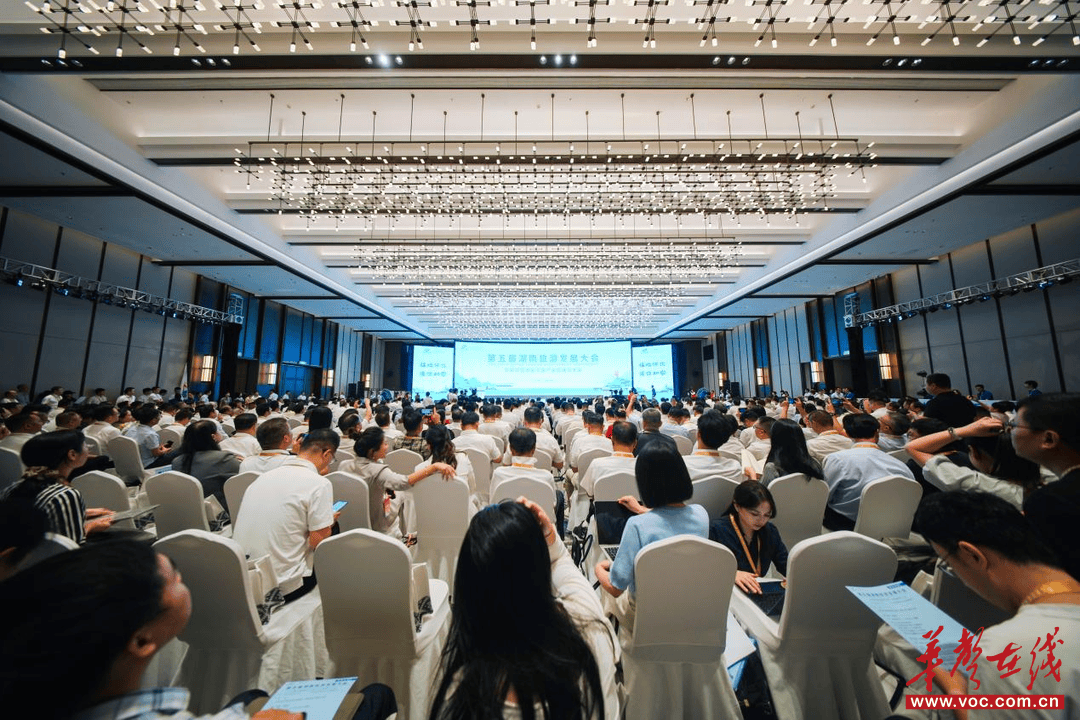
Group 1 - The core viewpoint of the news is that Hunan province is focusing on four main strategies to boost its cultural and tourism sector by 2025, which include "One Conference, One Plan, One Policy, and One IP" [1] - In the first three quarters, Hunan received 700.5 million tourists, with total spending reaching 856.28 billion yuan, marking year-on-year growth of 9.5% and 9.19% respectively [1] - The fifth Hunan Tourism Development Conference, held in Huaihua, significantly boosted tourism during the National Day and Mid-Autumn Festival, with monitored tourist areas seeing a 143% increase in visitor numbers and a 94.8% increase in revenue compared to the previous year [1] Group 2 - The "One Plan" initiative includes the release of the "2025 Hunan Special Action Plan to Boost Cultural and Tourism Consumption," which aims to enhance domestic tourism, double inbound tourism, and optimize new cultural tourism products through 15 specific measures [2] - The "One Policy" aspect involves government and enterprise collaboration to introduce various consumer incentives, including nearly 100 million yuan in discounts and 5 million yuan in tourism consumption vouchers, which collectively stimulated 300 million yuan in consumer spending [2] - The "One IP" strategy focuses on creating new consumer experiences through events, performances, and food tourism, with the "Xiang Super League" generating over 2.7 million visitors and 11.36 billion yuan in cultural tourism spending during the event [4]

德百集团张月娟谈商业新生态:从购物场所到城市会客厅
Sou Hu Cai Jing· 2025-12-19 09:11
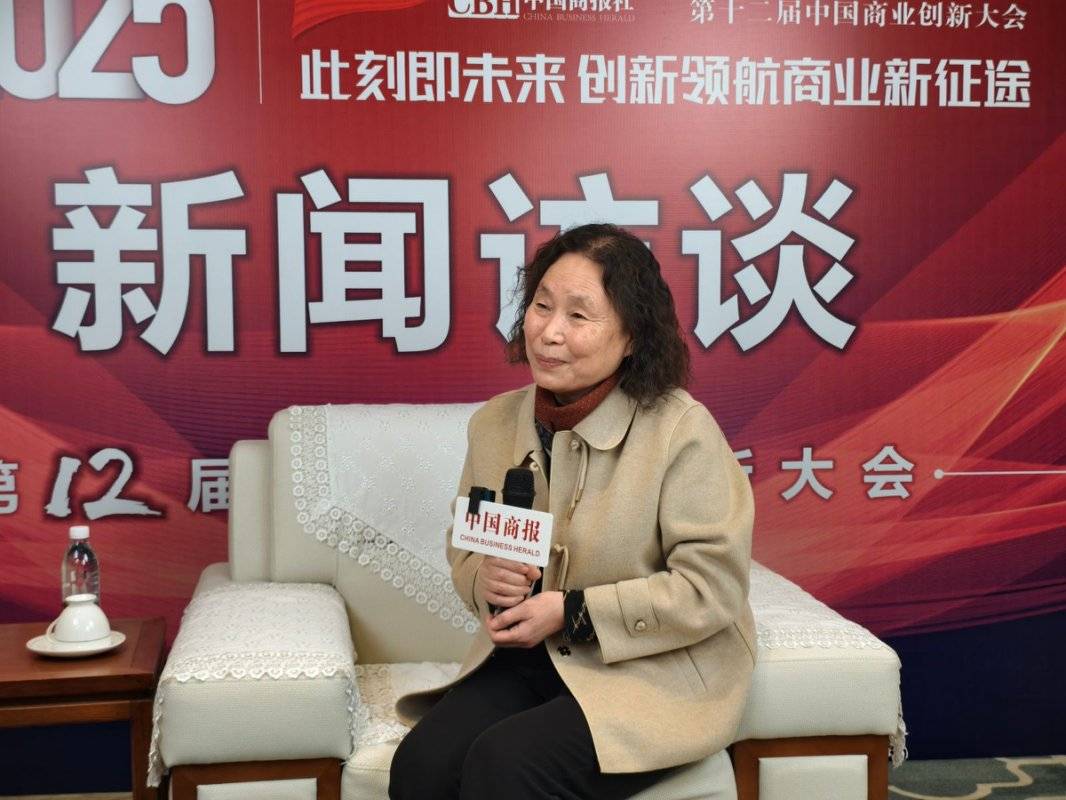
Core Viewpoint - Traditional retail enterprises are facing a profound transformation in consumer behavior, shifting from mere purchasing to seeking emotional value, cultural identity, and immersive experiences, prompting a redefinition of the marketplace's role [1]. Group 1: Consumer Behavior Changes - Consumers are no longer satisfied with just shopping; they seek social connections, emotional links, and cultural resonance in retail spaces [4]. - The real challenge for offline retail is not a decrease in foot traffic, but a fundamental change in consumer behavior, where consumers "vote with their feet" towards places that offer unique experiences and emotional value [4]. Group 2: Business Strategy and Transformation - 德百集团 is transforming its commercial spaces from "transaction venues" to "city living rooms" and "cultural experience sites," which is both a strategy to address challenges and a key to seizing new opportunities [4]. - The company has launched the "德州589街区," which leverages historical context to enhance commercial space, achieving significant results in foot traffic and consumption levels since its opening [4]. Group 3: Market Positioning and Future Directions - 德百集团 aims to serve a diverse customer base while maintaining a clear core positioning as a "quality consumption leader" and "provider of a better life" [5]. - The company is pursuing a diversified strategy guided by the principles of "development, consolidation, breakthrough, and combination," which includes upgrading traditional retail, enhancing online-offline integration, and expanding into health and cultural tourism sectors [5]. - These initiatives reflect the company's commitment to social responsibility, integrating local cultural heritage and regional economic development into its business model [5].
新华视点丨特色产业激活乡村振兴动能
Xin Hua Wang· 2025-12-19 01:57
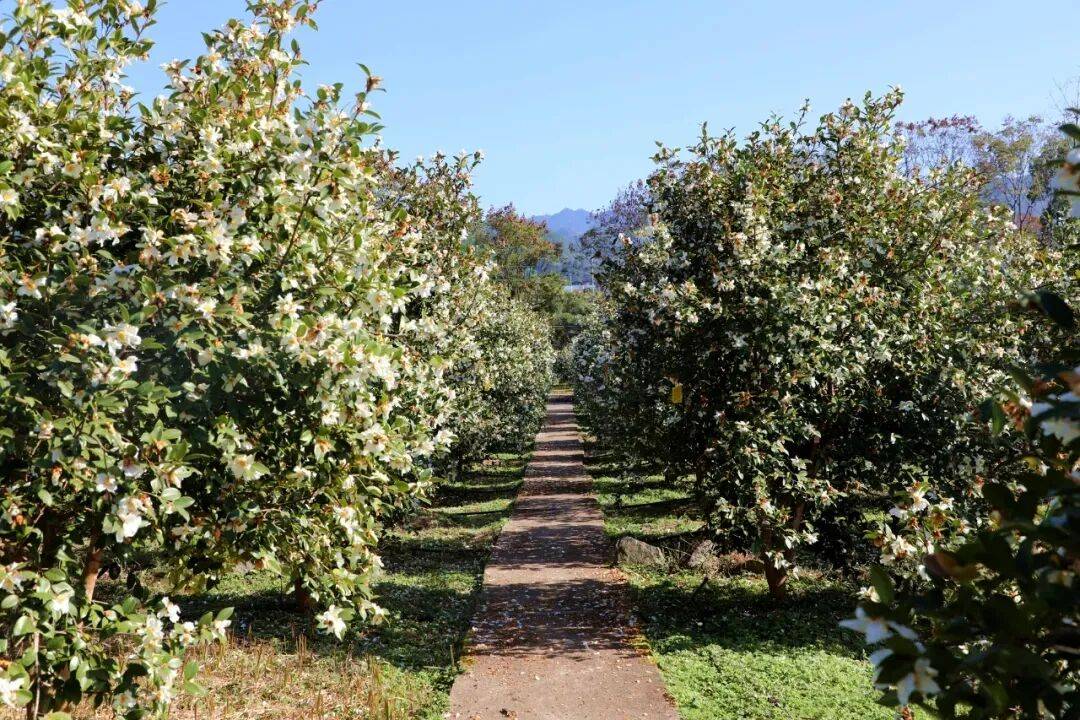
Group 1 - The rural revitalization strategy is fostering vibrant development in specialized industries [2] - The Grand Canal in Hebei Cangzhou has led to the creation of a beautiful rural road, enhancing cultural heritage and benefiting local communities [3] - The Cangzhou Grand Canal top road has generated over 100,000 entrepreneurial and employment opportunities for local villagers, with an expected 4 million tourists in 2024, resulting in an annual income growth of over 10% for nearby villages [5] Group 2 - In Wuzhishan, Hainan, the oil tea harvest season is in full swing, with villagers actively picking oil tea fruits, contributing to local economic stability [7] - The oil tea planting area in Nanding Village has exceeded 5,000 acres, becoming a crucial income source for local residents [9] - Newly harvested oil tea fruits will be processed efficiently into oil, transforming the ecological "green fruits" into profitable "golden fruits" for the community [10] Group 3 - In Yuncheng, Shandong, rose cultivation in heated greenhouses is thriving despite winter challenges, showcasing the economic potential of the rose industry [11] - Yuncheng has implemented policies, subsidies, and technical support to enhance the rose industry, turning previously idle land into profitable ventures for local farmers [13] Group 4 - Liaohu Village in Qujing, Yunnan, has a long history of ceramic production, with ancient techniques still in practice, creating a beautiful landscape of cultural heritage [15] - The local artisans have combined traditional pottery with modern production, resulting in an industrial cluster of 83 ceramic enterprises, with an expected output value of 480 million yuan in 2024 [17] Group 5 - In Yuanjiang, Yunnan, the unique climate has made it a prime area for growing custard apples, contributing to the local economy [19] - Yuanjiang custard apples received geographical indication status in 2021 and are included in the national list of quality agricultural products, showcasing the region's agricultural development [21] - The area has established a complete industrial chain from seed breeding to marketing, demonstrating a successful model for rural prosperity through specialized agriculture [21]
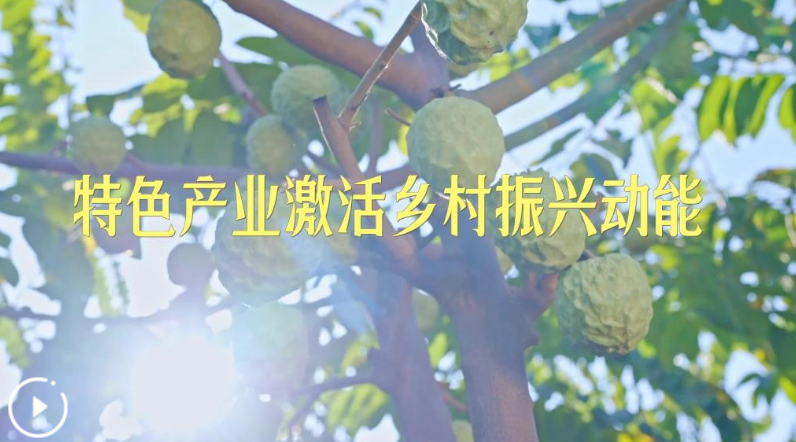
特色产业激活乡村振兴动能
Xin Hua Wang· 2025-12-19 01:49
Core Viewpoint - The article highlights the vibrant development of specialized industries under the rural revitalization strategy, showcasing various successful agricultural and cultural initiatives across different regions in China. Group 1: Economic Impact of Rural Industries - The Cangzhou Grand Canal top road has led to over 100,000 entrepreneurial and employment opportunities for local villagers, with an expected 4 million tourists in 2024, resulting in an annual income growth of over 10% for nearby villages [4] - The rose planting industry in Huan Cheng has achieved value growth despite winter challenges through facility upgrades and technical support, becoming a significant contributor to local income [9][13] - The ceramic industry in Yunnan's Liao Hu village has formed an industrial cluster with 83 enterprises, projecting a total output value of 480 million yuan in 2024 and approximately 260 million yuan in the first half of 2025 [16] Group 2: Agricultural Developments - In Wuzhishan, the oil tea harvest season has seen over 5,000 acres of oil tea cultivation, becoming a crucial income source for local villagers [7] - The fresh oil tea fruits are efficiently processed into oil, transforming the local ecological resources into significant economic benefits for the community [10] - The cultivation of custard apples in Yuanjiang has established a complete industry chain from seed breeding to marketing, contributing to local wealth generation [19] Group 3: Cultural and Tourism Integration - The integration of cultural heritage with rural tourism is exemplified by the scenic beauty of the Grand Canal and the development of the "most beautiful rural road," enhancing local cultural engagement [2] - The ancient ceramic craftsmanship in Liao Hu village, combined with modern production techniques, has revitalized the local tourism and cultural landscape [12]

出新出彩更出圈 山东“十四五”绘就文旅新图景
Zhong Guo Xin Wen Wang· 2025-12-19 01:16
Core Viewpoint - Shandong province is implementing a series of practical measures to promote high-quality development in the cultural and tourism sectors during the "14th Five-Year Plan" period, focusing on integrating culture and tourism to enhance economic growth and community engagement [1][5]. Group 1: Cultural and Artistic Development - Over the past five years, Shandong has produced an average of over 40 large-scale and 100 small-scale artistic productions annually, enhancing the "Good Drama Shandong" brand [3][4]. - Notable works include the national award-winning ethnic opera "Yimeng Mountain," which has been performed over 300 times, showcasing the province's commitment to high-quality artistic creation [3][4]. - The province has established a systematic approach to enhance artistic creation through initiatives like the "Qilu Art Peak Plan" and the establishment of a provincial-level project library for artistic creation [3][4]. Group 2: Integration of Culture and Tourism - Shandong's cultural and tourism sectors have seen significant growth, with the added value of these industries expected to account for approximately 6.8% of GDP by the end of 2024 [5][6]. - The province has launched various tourism initiatives, including the "Good Guest Shandong · Qilu No. 1" tourist train and the "Half Island No. 1" maritime tourism product, which have contributed to a 10.5% year-on-year increase in domestic and international tourist arrivals, totaling 860 million visitors from January to October [5][6]. - New business models and consumption patterns in the cultural and tourism sectors have emerged, with over 10,000 promotional events held annually, significantly boosting local economies [6]. Group 3: Cultural Heritage and Education - Shandong has implemented the "Qilu Cultural Gene Decoding and Utilization Project," creating a cultural gene database and enhancing the utilization of cultural heritage through various initiatives [8][9]. - The province boasts 189 national-level museums, the highest in the country, and hosts an average of 5,000 exhibitions annually, promoting cultural education and engagement [8][9]. - Shandong has developed over 300 provincial-level research bases for students, enhancing educational tourism and cultural awareness among youth [8][9]. Group 4: International Promotion and Tourism Growth - The province has actively promoted its cultural heritage internationally through events like the International Confucius Culture Festival and various tourism promotion activities in Southeast Asia [9][10]. - From January to October, Shandong welcomed 1.387 million inbound tourists, marking a 47.3% increase, and generated $930 million in inbound tourism revenue, reflecting a 50.1% growth [10].
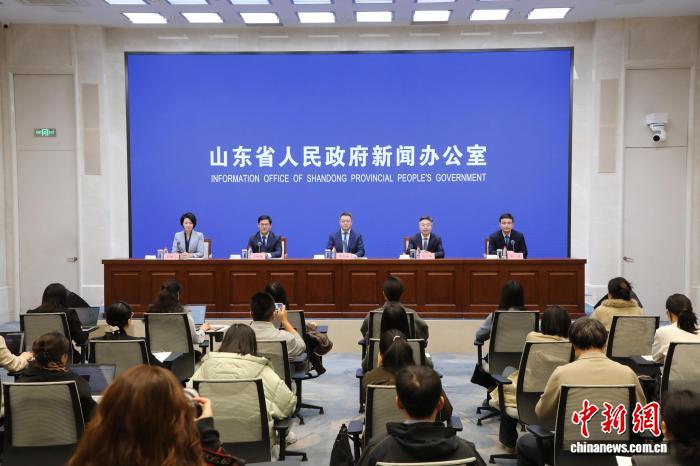
新业态、新场景带来高质量、多样化供给 文旅产业跃动蓬勃发展生机
Ren Min Ri Bao Hai Wai Ban· 2025-12-19 00:51
Group 1 - The core viewpoint of the articles highlights the growth and innovation in China's cultural and tourism industry, with a focus on enhancing consumer experiences and expanding service offerings [1][2][3][4][5][6] - In the first eleven months of this year, China's service retail sales increased by 5.4% year-on-year, with cultural and leisure services showing a growth rate exceeding 10% [1] - The introduction of new business models and immersive experiences in tourism, such as XR technology and innovative project offerings, is reshaping consumer engagement and driving demand [2][3] Group 2 - Zhejiang Province has showcased 15 cases of innovative practices in the cultural and tourism sector, demonstrating significant achievements in expanding consumption scenarios and optimizing the consumer environment [3] - The development of new tourism formats, such as performance economies and themed food streets, has led to substantial increases in visitor numbers and revenue, contributing to local economic growth [3][4] - The cultural and tourism industry is becoming a new highlight for driving domestic demand, promoting employment, and revitalizing the market [3][4] Group 3 - Innovative operational models in the tourism sector are reducing reliance on single ticket sales, broadening revenue streams through market-oriented approaches [4][5] - The integration of cultural heritage and entrepreneurial initiatives in rural areas is creating sustainable economic benefits for local communities, with significant increases in individual incomes [5] - The rise of cultural products reflecting Chinese heritage is driving consumer demand and enhancing cultural identity, contributing to a vibrant market landscape [6]
“十四五”山东文旅产业能级跃升,经济支柱地位进一步巩固
Feng Huang Wang Cai Jing· 2025-12-18 23:55
Core Viewpoint - During the "14th Five-Year Plan" period, Shandong Province's cultural and tourism industry focuses on high-quality development, balancing scale expansion with structural optimization, significantly enhancing its industry capability and increasingly serving as a driver for domestic demand and consumption [1][3]. Group 1: Industry Growth and Scale - The cultural and tourism industry in Shandong has shown continuous growth, with the number of large-scale cultural enterprises reaching 3,896 by the end of 2024, an increase of 1,114 from 2021 [3]. - The industry achieved a revenue of 7,663 billion yuan, reflecting a growth of 24.5% compared to 2021, reinforcing its position as a strategic pillar industry [3]. Group 2: Financial Empowerment and Investment - Since the beginning of the "14th Five-Year Plan," Shandong has implemented over 1,000 key cultural and tourism projects, with a total investment of approximately 2,400 billion yuan [3]. - The province has established a "financial + cultural tourism" cooperative mechanism, with the loan balance for the cultural tourism industry exceeding 2,740 billion yuan by the end of 2024, benefiting 79,000 market entities, representing growth of about 61.2% and 111.2% respectively since 2021 [3]. Group 3: Consumer Innovation and New Business Models - Shandong has hosted over 10,000 consumption promotion activities annually in the past three years, distributing over 100 million yuan in discounts, directly driving consumption by over 600 billion yuan [5]. - New business formats such as night economy, digital cultural tourism, and health tourism are thriving, with innovative products like the "Good Guest Shandong. Qilu No. 1" tourist train gaining widespread market acceptance [5]. Group 4: Policy Support and Future Directions - The provincial government has introduced multiple important policy documents to create a comprehensive policy system that supports high-quality development in the cultural and tourism industry through planning guidance, financial support, and land guarantees [5]. - Future strategies include strengthening market entities, deepening large project-driven strategies, enhancing financial empowerment, and fostering new business formats, scenarios, models, and capabilities to ensure stable and sustainable development of the cultural and tourism industry [5].
徐曙海在研究全市文旅产业项目建设工作时强调 盘活资源资产 规范项目建设 推动文旅产业持续健康发展
Zhen Jiang Ri Bao· 2025-12-18 23:45
徐曙海强调,要坚持依法依规,完善各项审批手续,做到规范有序推进,确保闲置项目早日建成达 效、持续平稳运营。要突出问题导向,全面梳理风险隐患,加强行业监管执法,完善项目退出机制,有 效解决一批历史遗留问题。要盘活资源资产,根据实际情况开展分类处置,吸引优质经营主体参与,导 入更多新业态、新产品,推动存量资源激活盘活、闲置资产保值增值。要强化政策支持,紧跟文旅消费 升级和产业融合新趋势,加强系统谋划、统筹项目推进,提供优质服务,努力打造更多符合消费者需求 的文旅产品新供给。 市领导周凯、黄春年、武鸣,市政府秘书长戴卫东参加会议。(记者 陈志奎) 12月17日,市长徐曙海主持召开专题会议,听取全市文旅产业项目建设工作情况汇报,研究部署下 一阶段重点工作。 徐曙海指出,项目建设是推动文旅产业高质量发展的硬支撑。各地区各相关部门要积极整合文旅资 源、加快盘活现有存量,大力推动文旅产业项目建设,为全市文旅产业高质量发展注入新动能、塑造新 优势。 ...
添彩“如画江西”新画卷 江西文旅高质量发展步伐稳健亮点纷呈
Ren Min Ri Bao· 2025-12-18 21:47
非遗的活化利用为文旅融合增添强大动能。"根与魂"非遗展演香江流芳;"非遗点亮生活展"获评全国创 新与影响力双案例。景德镇古窑、婺女洲度假区、上饶婺源篁岭成为非遗进景区"五好"典范,推动古老 技艺与旅游体验深度交融,让非遗可见、可感、可消费。 从滕王阁的璀璨夜景到武功山的金色草甸,从婺源篁岭的晒秋盛景到瓷都窑火的千年传承……江西省着 力推动文旅深度融合、做大做强文旅产业,让"诗和远方"成为更多人的生活日常。 今年以来,江西坚持以文塑旅、以旅彰文,力争把文旅产业真正打造成为支柱产业、民生产业、幸福产 业,不断推动文化和旅游更深层次融合、更高质量发展。如今,一幅流动的"如画江西风景独好"画卷正 在赣鄱大地上徐徐铺展。 文化为基:赓续文脉,焕发新生 赣鄱文脉好似赣江之水,汇聚千流;又如庐山云海,吞吐万象;更像瓷都窑火,熔铸古今。今日之江 西,守正创新,让深厚的文化底蕴与时代脉搏同频共振。 江西坚持"保护第一、传承为先",筑牢文化遗产保护防线。第四次全国文物普查扎实推进,新公布第七 批省级文物保护单位,夯实资源家底;推进赣江流域先秦遗址考古调查,持续叩问区域文明之源;开展 廊桥保护三年行动、省级以上文保单位"两线"测绘 ...
写在酉阳大地上的“石化答卷”
Sou Hu Cai Jing· 2025-12-18 15:37
Core Viewpoint - The article emphasizes the role of China Petroleum & Chemical Corporation (Sinopec) in supporting rural revitalization in Youyang, focusing on targeted assistance in various sectors such as industry, education, and cultural tourism to drive sustainable development [1][24]. Group 1: Empowering Local Industries - Sinopec has identified Youyang's 400,000 acres of oil tea cultivation as a key area for support, planning to invest in high-standard demonstration projects and brand development from 2024 to 2025 [2][4]. - The company has implemented smart irrigation systems and upgraded production lines to enhance oil tea yield and quality, addressing challenges like extreme weather and high labor costs [4][6]. - Sinopec is also developing a diverse product matrix under the "Youyang Tea Oil" brand, including cooking oils and personal care products, to improve market competitiveness [6][9]. Group 2: Building Sales Channels - Sinopec is establishing a comprehensive sales network for Youyang's specialty products, partnering with convenience stores and online platforms to enhance market reach [9][11]. - The company has organized various promotional events, resulting in significant orders and sales for Youyang products, demonstrating effective market integration [11][12]. Group 3: Education Support - Education is prioritized in Sinopec's assistance strategy, focusing on improving school facilities and educational quality in Youyang [13][17]. - Upgrades to schools, including sports facilities and dormitories, have been made, alongside the establishment of partnerships to enhance educational resources and management [15][17]. Group 4: Cultural and Tourism Integration - Sinopec is promoting the integration of culture and tourism in Youyang, investing in infrastructure that supports local tourism and enhances community engagement [18][21]. - The construction of a science museum and various tourism facilities aims to attract visitors and boost local economic growth, with significant visitor numbers reported [21][23]. Group 5: Comprehensive Support Model - Sinopec's approach combines immediate assistance with long-term development strategies, focusing on leveraging local resources and corporate strengths to foster sustainable growth [24]. - The company's model serves as a replicable example for rural revitalization efforts, aiming to empower local communities and enhance their economic resilience [24].