
公共交通

Search documents
新一批公交线路调整方案征求意见
Xin Hua She· 2025-09-25 01:08
Core Viewpoint - The city is seeking public feedback on a new bus route adjustment plan that aims to enhance connectivity and alleviate traffic pressure in specific areas, particularly in the Changping District and around major transit points [1][2]. Group 1: Route Adjustments - Eight bus routes, including 126 and 330, are involved in the adjustment plan, which focuses on improving the connection between suburban lines and major urban transit networks [1]. - The plan proposes to adjust routes 883, 885, and 886, moving them from Deshengmen West to Beitu City Bus Station to enhance rapid connections with the Third Ring Road and the urban subway network [1][2]. - The adjusted routes will allow for convenient transfers at key stations, including "Madian Bridge East" with Route 300 and subway Line 12, as well as "Anhua Bridge North" with Line 8 and "Beitu City Bus Station" with Line 10 [1]. Group 2: Service Enhancements - Routes 885 and 886 will strengthen their peak hour services while discontinuing operations during low-demand midday periods [2]. - Passengers during low peak times can utilize Route 345 to travel between Changping District and the city center [2]. - The plan also includes the cancellation of the night service Route 6 due to low average ridership, with fewer than 4 passengers per trip [2].
中国公交车:每年亏损2000亿,但不可替代
3 6 Ke· 2025-09-24 08:42
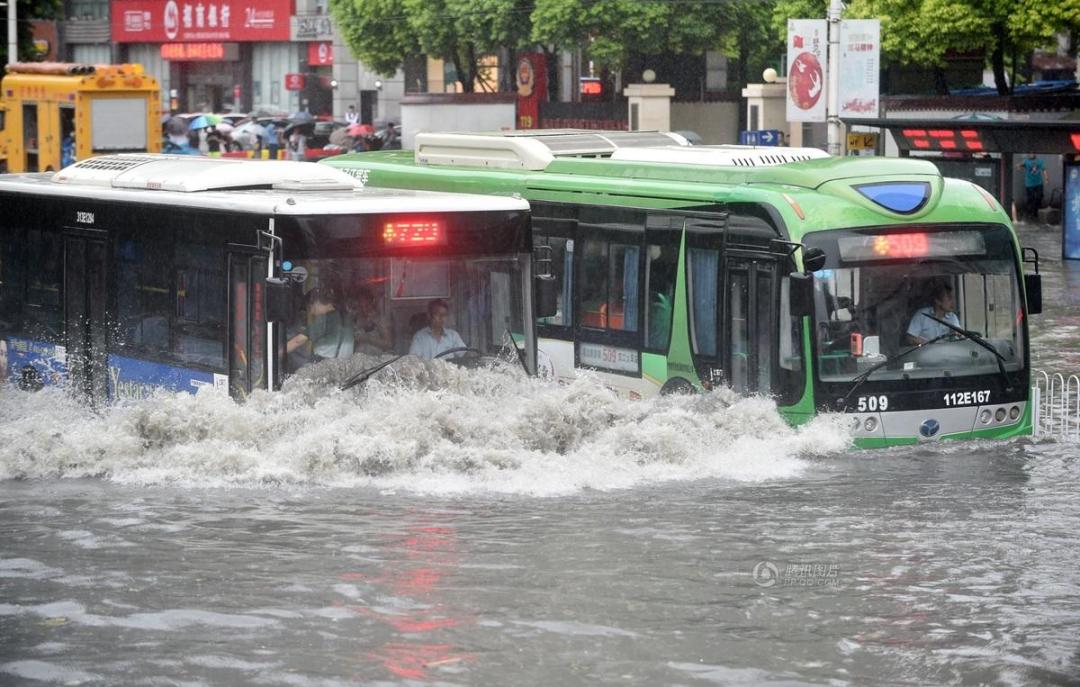
时代真的变了,连武汉的公交车都不狂野了。 老局从初中开始就在武汉生活,那是遥远的2005年,江湖上关于"武汉公交"的狂野名声,就是从那个时代传下来的。 当时的武汉公交有多生猛呢? 司机师傅经常一边开车,一边吃热干面——需要变道、拐弯的时候,就一只手把着一次性纸碗,另一只手打盘子。要是遇到直线或者红灯,那干脆就双手 脱把直接开吃。 至于什么急加速和急刹车,那都是常态,没必要议论。 我只记得:有一年下暴雨,地下通道被水淹了,公交司机喊了一嗓子"注意啊"之后,就直接把车往水里开——有座位的还能站在座位上躲一下,我当时没 抢到座位,结果膝盖以下全部湿透了。 这车船税是真的没有白交 而且,当时还有相当多私人承包的"小巴"在路上跑,他们可就更肆无忌惮了——超速只是基本操作,遇到同线路两辆小巴车为了尽早到站拉客而飙车才属 于值回票价——全车人都会给司机叫好助威的。 但现在,这种情况再也不会出现了。 一方面是越来越规范化的管理,另一个显而易见但却非常残酷的现实是:随着地铁越来越多、私家车越来越普及、两轮电动车满街走,坐公交车的人,真 的是越来越少了。 即便是有钱如深圳,除了大鹏新区仍凭借助游客观光收入,广告以及补贴,有些许盈 ...

公交车电池惊现超6000万元大单!
第一商用车网· 2025-09-24 06:50
Group 1 - The project involves the replacement of batteries and maintenance services for 300 pure electric buses by Daye City Public Transport Group Co., Ltd, with a winning bid amount of 61,677,107 yuan [1][2]. - The supplier awarded the contract is Hubei Jincheng Automobile Sales Service Co., Ltd, located in Daye City, Hubei Province [2]. - The funding for the project is sourced from the enterprise's own funds, with a budget amount of approximately 62.06 million yuan [3]. Group 2 - The project was publicly tendered, and the announcement was published on September 1, 2025, on the Huangshi Public Resource Trading Information Network and Daye Government website [3]. - The opening date for bids is set for September 22, 2025, and any objections to the bid results must be submitted within seven working days from the announcement [3]. - Contact information for the procurement entity and the project contact person is provided for inquiries related to the project [4][5].
省相关出行体验促进月活动在苏启动
Su Zhou Ri Bao· 2025-09-24 00:42
Core Points - The event "Barrier-Free Travel Experience Promotion Month" was launched in Suzhou to enhance public transportation accessibility for disabled individuals and the elderly [1][2] - The theme of the event is "Enjoy Public Transport, Travel with Love and Without Barriers," focusing on improving accessibility services through collaboration at provincial, municipal, and county levels [1] - A barrier-free experience team, consisting of officials from various departments, evaluated key travel aspects such as vehicle facilities, station construction, information services, and payment guarantees [1] Summary by Sections Accessibility Initiatives - Suzhou has integrated barrier-free environment construction into its disability services and urban civilization indicators, implementing multiple measures to address travel difficulties faced by disabled individuals [2] - Since 2023, all disabled individuals in Suzhou can ride public transport for free, and a dedicated QR code for free subway rides will be introduced by June 2024 [2] - Additional initiatives include "no-sense parking" for disabled vehicles, installation of inclined elevators for rail transit transfers, and the launch of the 9001 care line for disabled individuals [2]
江苏城市公共交通无障碍出行体验促进月启动
Xin Hua Ri Bao· 2025-09-23 23:56
Core Viewpoint - The event aims to enhance the accessibility of public transportation for disabled individuals and the elderly in Jiangsu Province, promoting a more inclusive environment for these groups [1][2] Group 1: Event Overview - The "Accessibility Experience Promotion Month" was launched in Suzhou on September 23, coinciding with the second anniversary of the implementation of the Accessibility Environment Construction Law [1] - The event is organized by multiple provincial departments, including the Provincial Disabled Persons' Federation and the Provincial Transportation Department, and will run from late September to late October [2] Group 2: Participation and Activities - A special "Experience Supervisory Team" was formed, consisting of representatives from various government departments, public transport companies, and experts, along with disabled and elderly individuals [1] - The team will assess the convenience and shortcomings of accessible public transport services, including buses and ride-hailing services, and provide actionable suggestions for improvement [1] Group 3: Target Demographics and Goals - As of the end of 2024, Jiangsu Province is expected to have approximately 4.793 million disabled individuals and 21.75 million elderly individuals aged 60 and above [2] - The initiative focuses on improving accessibility at key public transport locations, such as major community connections, hospitals, and shopping centers, to encourage more disabled and elderly individuals to engage with public life [2]
人走场净、骑行旅游、水稻旱作 “绿色低碳”融入生活
Yang Shi Wang· 2025-09-23 23:35
Group 1: Carbon Market and Green Initiatives - The third China Carbon Market Conference will be held on the 24th in Shanghai, highlighting the increasing integration of green and low-carbon initiatives across various sectors of daily life [1] - The concept of low-carbon has been embedded in the design of sports events, with electronic ticketing systems replacing traditional paper tickets, reducing paper consumption by over 20,000 sheets per match [6][8] - The development of a voluntary carbon market in China is expected to provide high-quality carbon credits for low-carbon and even carbon-neutral events, indicating a promising future for green sports events [8][20] Group 2: Green Innovations in Sports Events - The Jiangsu Suqian Public Transport Group deployed 80 new energy buses to facilitate transportation for the football match, emphasizing the commitment to low-carbon travel [4] - The implementation of waste classification at the venue, with 160 categorized trash bins, has led to effective waste management, ensuring that the area remains clean post-event [8] - The integration of green travel options, such as public transport and electronic ticketing, has transformed the football match into a platform for green innovation [2][6] Group 3: Low-Carbon Tourism Trends - Low-carbon tourism is gaining popularity, with travelers opting for "train + cycling" combinations to minimize their carbon footprint while enjoying nature [9] - Many accommodations are now designed with low-carbon principles in mind, utilizing eco-friendly materials and energy-saving devices [13] - The promotion of solar-powered streetlights and electric vehicles in scenic areas enhances the green travel experience, aligning with global trends towards sustainability [15] Group 4: Agricultural Innovations for Sustainability - In Yunnan, the promotion of "dryland rice" cultivation is breaking the dependency on water resources for rice farming, significantly reducing water usage and carbon emissions [16][20] - The shift to dryland rice farming can lead to a methane reduction of 60% to 90%, addressing a major source of agricultural greenhouse gas emissions [18][20] - The expansion of dryland rice cultivation from hundreds of acres to over 200,000 acres demonstrates the successful development of a full industry chain that supports both economic and ecological benefits [20]
消费更绿色 生活更宜居
Ren Min Ri Bao· 2025-09-23 22:33
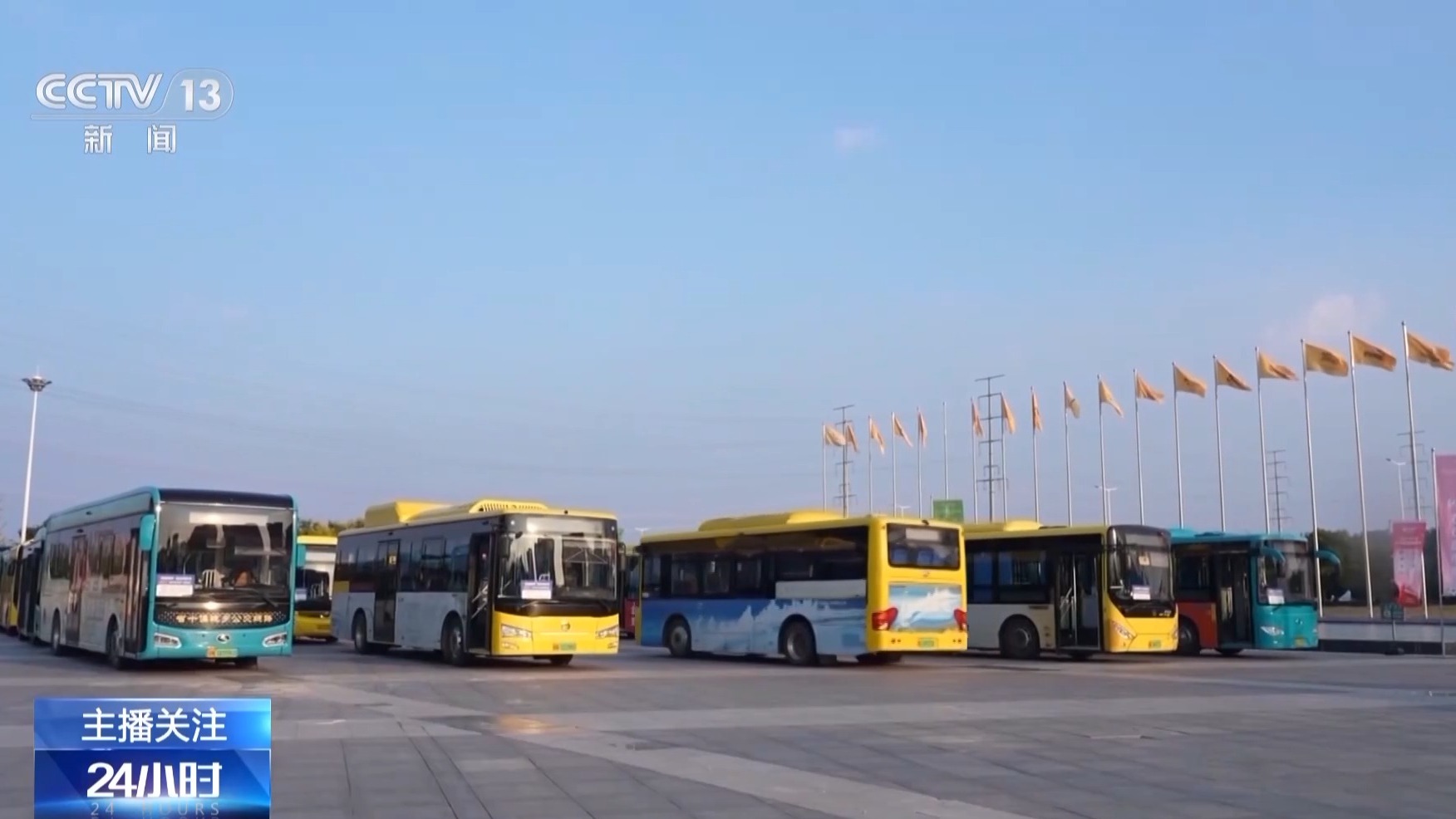
Core Viewpoint - The city of Luoyang is actively promoting green travel and consumption, with initiatives such as shared bicycles, electric buses, and a "clean plate" campaign in restaurants, reflecting a commitment to sustainable tourism and urban living [1][2]. Group 1: Green Travel Initiatives - Luoyang has implemented a low-carbon scene by promoting the use of shared Hanfu clothing, allowing tourists to return outfits via dedicated express cabinets, showcasing the concept of green consumption [1]. - The public transportation system in Luoyang has seen a significant increase in usage, with a mechanized travel share of 51.0%, and the number of city buses has grown from 1,500 to 2,113 over the past decade [2]. Group 2: Urban Development and Infrastructure - The city has expanded its urban rail transit with two operational lines and has increased the number of bus routes to enhance accessibility for both tourists and residents [2]. - Luoyang is focusing on urban planning improvements, including the construction of parking and charging facilities, and the renovation of streets and markets to promote cycling and walking [2]. Group 3: Cultural and Tourism Development - The city has introduced new entertainment options and street performances to enhance the tourist experience, supported by energy-efficient renovations in public spaces [3]. - The Maiti Spring Resort has transitioned to an all-electric model, reducing energy costs and improving supply stability, marking it as one of the first fully electric scenic spots in Luoyang [3]. Group 4: Tourism Statistics - From January to August this year, Luoyang received 121.40 million visitors, generating a tourism revenue of 98.28 billion yuan, reflecting a year-on-year growth of 4.84% and 8.73% respectively [4].
机场巴士首都机场廊坊城市航站楼线路发车时刻调整
Bei Jing Ri Bao Ke Hu Duan· 2025-09-23 09:12
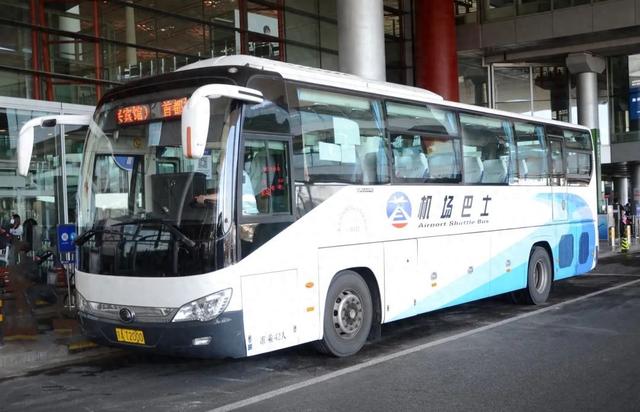
转自:北京日报客户端 尊敬的机场巴士乘客: 请您提前规划出行时间,合理安排行程。您可以关注微信服务号"机场巴士官方平台"发车时刻表进行查 询,给您带来的不便敬请谅解,感谢您的理解和支持! 首都机场巴士24小时咨询电话:010-64378900 北京民航机场巴士有限公司 2025年9月23日 来源:机场巴士官方平台 因运营调整自9月15日起首都机场廊坊城市航站楼班线发车时间进行调整: | 运行方向 | 发车时间 | | --- | --- | | 廊坊城市航站楼 - 首都机场 | 5:30 | | 首都机场 - 廊坊城市航站楼 | 18:30 | ...
260辆新能源公交车招标!
第一商用车网· 2025-09-23 06:51
Core Viewpoint - The article discusses the public tender for the Jincheng Urban Public Transport Energy Saving and Carbon Reduction Transformation Project, which includes the procurement of 260 new electric buses and the retrofitting of 90 existing buses, along with the construction of charging stations, with a total investment of approximately 294 million yuan [1][3]. Group 1: Project Overview - The project aims to achieve energy saving and carbon reduction goals, promoting a green and low-carbon transformation in the transportation sector [3]. - The project includes the purchase of 260 pure electric buses and the retrofitting of 90 buses' power batteries, along with the construction of 30 charging stations and 480 charging piles [1][3]. - The total investment for the project is approximately 294 million yuan, with a construction period of three years [1][3]. Group 2: Tender Conditions - The tender is organized by Jincheng Public Transport Co., Ltd., with 100% of the funding sourced from government finances [2]. - The project has met the necessary conditions for tendering and is now open for public bidding [2]. Group 3: Tender Scope and Requirements - The tender includes the procurement of 20 units of 5.99-meter electric buses, 57 units of 8.5-meter electric buses, and 2 units of 10.5-meter double-decker electric buses [4]. - Bidders must be registered in the People's Republic of China and possess independent legal status, capable of providing the required products and services [6]. - Joint bids are not accepted for this tender [8]. Group 4: Submission and Opening of Bids - The deadline for submitting bids is set for October 22, 2025, at 09:00, with the opening of bids occurring at the same time and location [13]. - Bidders must submit electronic documents through the designated public resource trading platform and provide physical copies at the specified location [13]. - A bid security of 300,000 yuan is required for participation in the tender [11].

防御桦加沙,深圳机场、地铁、公交、高速、出租车停运安排来了
2 1 Shi Ji Jing Ji Bao Dao· 2025-09-23 05:58
Core Points - Shenzhen upgraded its typhoon warning from yellow to orange on September 23 to defend against Typhoon "Haikui" [1] Transportation Impact - The city implemented a "five-stop" policy starting from 20:00 on September 23, leading to the early closure of the metro system, with the last trains departing at 18:00 [2] - All conventional buses in Shenzhen will stop operations from 20:00 on September 23, with adjustments to peak service hours [2] - All bus lines under Shenzhen Bus Group will temporarily cease operations from 20:00 on September 23, with the last buses departing earlier [2] Passenger Transport - All bus stations in Shenzhen will close from 20:00 on September 23, halting road passenger services [3] - High-speed and regular trains in Guangdong province will begin to stop operations from 12:00 on September 23, with a complete halt on September 24 [3] Aviation and Maritime Services - Shenzhen Airport will suspend all flight operations from 20:00 on September 23, with resumption dependent on the typhoon's impact [4] - As of 12:55 on September 23, 210 outbound and 319 inbound flights were canceled at Shenzhen Bao'an International Airport [4] - All ports in Shenzhen have also suspended operations [5]
