智能穿戴设备

Search documents
“试水”产品搅动二级市场,AI眼镜概念冲高回落
Di Yi Cai Jing· 2025-06-27 10:25
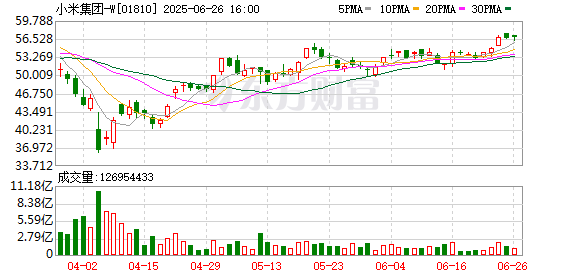
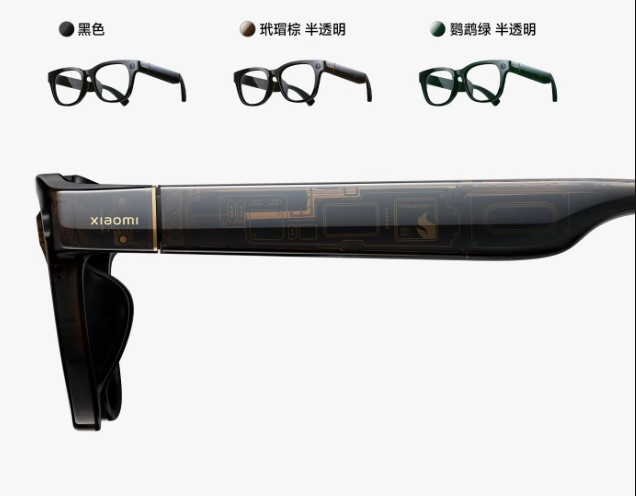
产品整体配置下来,据咨询机构Wellsenn XR小米AI眼镜BOM拆解报告显示,小米每副AI眼镜综合成本 约1281元,对比1999元的起售价,仍有较大盈利空间。对此数据,Rokid创始人祝铭明对记者表示,还 需要考虑ODM(原始设计制造商)与影像音质等方面的调教成本,其中ODM企业负责从概念设计到量 产的全部环节,品牌方仅参与需求确认和最终验收。调教成本指为了使AI眼镜在图像拍摄、视频录制 以及音频播放等方面达到良好效果所投入的成本,涉及硬件调试、软件算法优化等多个环节。 小米在AI眼镜方面的动作试水意味比较重。 受益于小米集团(1810.HK)发布旗下首款AI眼镜,6月27日,AI眼镜概念高开,相关成分股冲高回 落。Wind数据显示,小米产业链指数(884665)涨0.48%。 具体产业链企业合作方面,据商络电子(300975.SZ)披露,公司为小米智能眼镜间接供应被动器件和 射频器件等产品;作为小米公司客户的中科创达(300496.SZ)主要与小米在软件开发领域具有广泛合 作;佰维存储(688525.SH)为小米提供ePOP存储芯片,系闪存和内存垂直堆叠封测的产品;歌尔股份 (002241.SZ)表示 ...
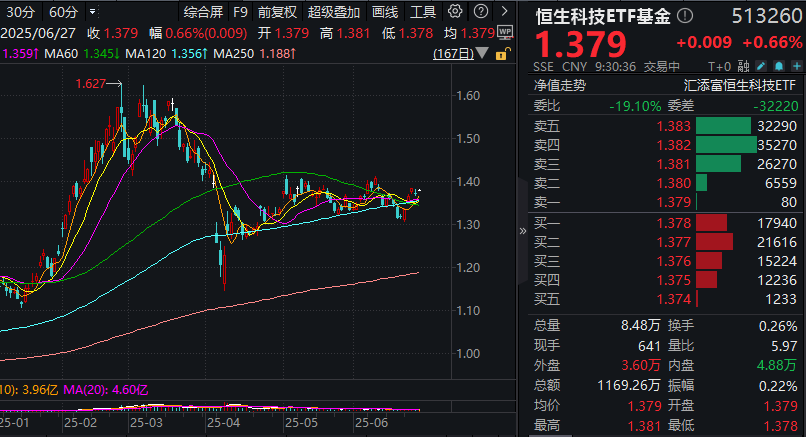
YU7爆了!小米高开8%创历史新高!恒生科技ETF基金(513260)大幅放量!张忆东:港股大行情风雨无阻
Xin Lang Cai Jing· 2025-06-27 06:00
Group 1: Xiaomi's Product Launch and Market Response - Xiaomi's first SUV model, YU7, was launched with a starting price of 253,500 CNY, which is 10,000 CNY cheaper than Tesla's Model Y [1][4] - The YU7 received over 200,000 pre-orders within 3 minutes and surpassed 289,000 pre-orders within an hour, exceeding market expectations [4] - The YU7 features a range of configurations and advanced technology, including a 700 TOPS Nvidia THOR chip and a 1,000万Clips version for assisted driving [4] Group 2: Xiaomi's AI Glasses - Xiaomi's AI glasses were launched with a starting price of 1,999 CNY and weigh only 40g, featuring a color-changing function and support for third-party apps [5][6] - The glasses are designed to enhance Xiaomi's "smart home" ecosystem, allowing users to control smart devices [6] - The initial release of the color-changing version sold out quickly, indicating strong market interest [6] Group 3: Market Trends and ETF Performance - The Hang Seng Technology ETF (513260) saw a nearly 1% increase, with Xiaomi's ADR rising over 10% following the product announcements [1][3] - The upcoming launch of the Hong Kong Stock Connect Technology 30 ETF (520980) is expected to attract significant investment, with a 53% increase in its index over the past year [3] - The top six weighted stocks in the ETF include major players like Kuaishou, Xiaomi, Tencent, and Alibaba, indicating a strong focus on technology [3]

雷军立下“超越SU7”军令状,小米YU7如何在竞争中创造奇迹
Bei Ke Cai Jing· 2025-06-27 04:59
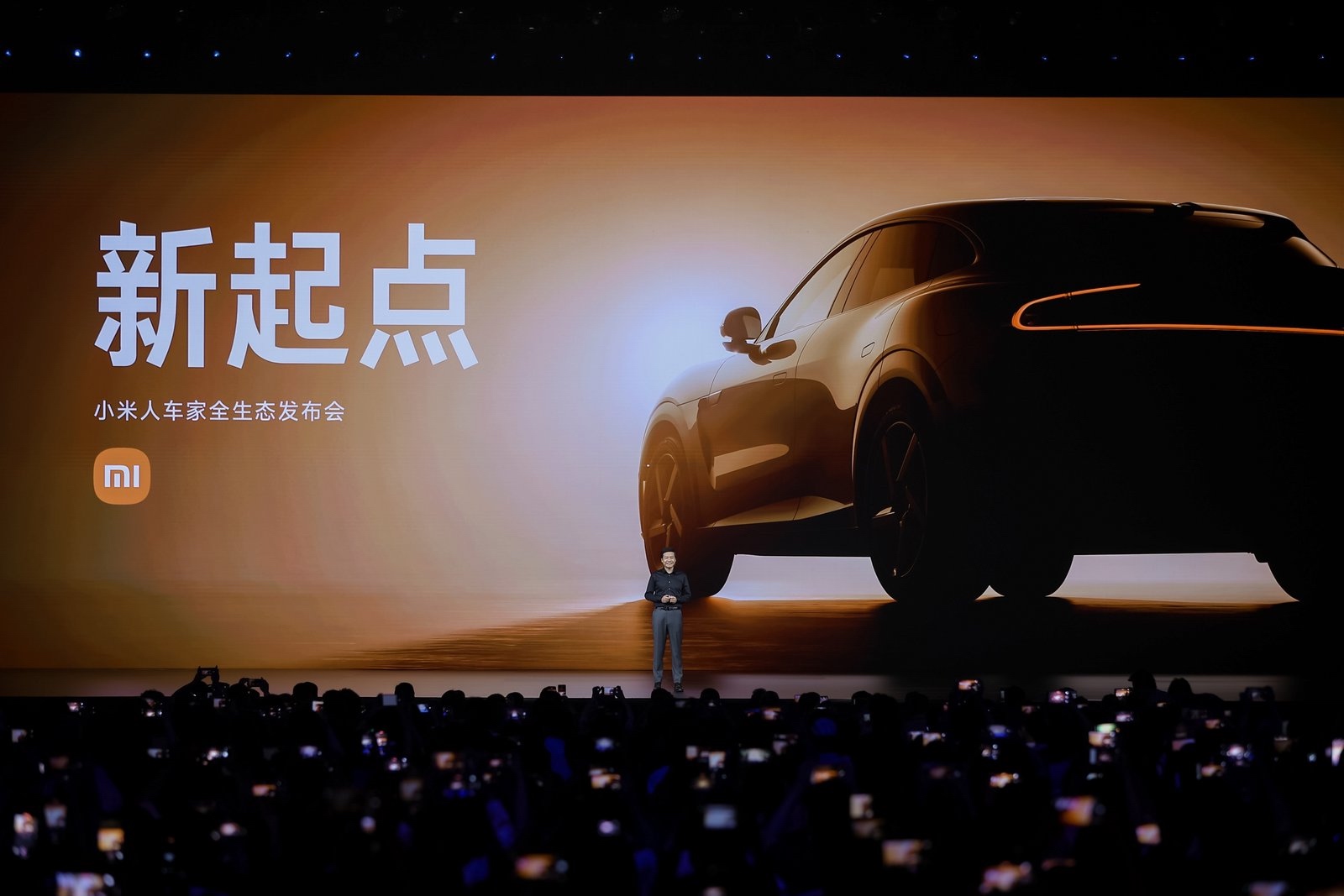
Group 1 - The core announcement of the event was the launch of Xiaomi's first SUV model, the Xiaomi YU7, which achieved over 200,000 orders in just 3 minutes and 289,000 in 1 hour, marking a significant milestone in the Chinese automotive industry [1][6][10] - Xiaomi YU7 is positioned as a "luxury high-performance SUV" and features advanced technology such as the Xiaomi V6s super motor, smart chassis, and an 800V silicon carbide high-voltage platform, with a CLTC range of up to 835 km [5][6] - The company aims to increase production capacity significantly, with plans for a total annual output of 300,000 vehicles across its Beijing factories, and the first phase of the factory has already been completed and operational [10][11] Group 2 - Xiaomi YU7 is seen as a direct competitor to established models like the Xpeng G7, Tesla Model Y, and Li Auto L7, with a pricing strategy that undercuts the Model Y [6][11] - The company has set ambitious sales targets for the YU7, expecting it to outperform the previous model, the SU7, which has already seen strong sales growth [7][11] - Xiaomi's automotive business is becoming a crucial part of its overall strategy, with projected revenues of 365.9 billion yuan for 2024, a 35% increase year-on-year, and a focus on leveraging user data for product optimization [7][11] Group 3 - In addition to the YU7, Xiaomi also launched its first AI glasses, which are positioned as a personal smart device and AI entry point for the next era [12][15] - The AI glasses feature capabilities such as photo and video recording, translation in 10 languages, and support for third-party applications, indicating a strong push into the smart wearable market [16][18] - The global smart glasses market is expected to grow significantly, with an estimated shipment of 12.05 million units by 2025, highlighting the competitive landscape as major players like Xiaomi enter the field [17][18]

小米AI眼镜售价1999元起,给“百镜大战”再添一把火
第一财经· 2025-06-26 14:59
2025.06. 26 本文字数:1446,阅读时长大约3分钟 作者 | 第 一财经 吕倩 王珍 2025年初以来,"百镜大战"这个口号被喊了六个多月,小米集团(1810.HK)对AI眼镜的预热也持 续数月。6月26日,这款定位"面向下一个时代的个人智能设备"的硬件产品终于面世。 AI眼镜最早可以追溯至2008年立项的爱普生AR眼镜BT-100,2012年Google Project Glass将智能 眼镜概念引入大众视野。十余年的发展时间,AI眼镜从小众产品升级为开始产生规模化产品需求的 品类。据Wellsenn XR,2025年一季度,全球AI智能眼镜销量60万台,同比增长达216%,主要由 Ray Ban Meta贡献。除了小米,下半年阿里、三星等十几个品牌也将发布新品,Meta预计将在三 季度发布多款不同功能和形态的AI智能眼镜。 从技术层面来讲,是否具备显示功能是划分AI眼镜过渡阶段与成熟阶段的重要指标。AI眼镜要么主 要作为"AI语音眼镜"或"AI拍照眼镜",提供基础的语音交互和拍照功能;要么逐步演变为"AI+AR眼 镜",深度融合AI大模型,实现更复杂的人机交互和情境感知,可实现虚拟内容与现实场 ...
3分钟,大定突破200000台!小米YU7价格定了!AI眼镜1999元起
Zheng Quan Shi Bao· 2025-06-26 14:27
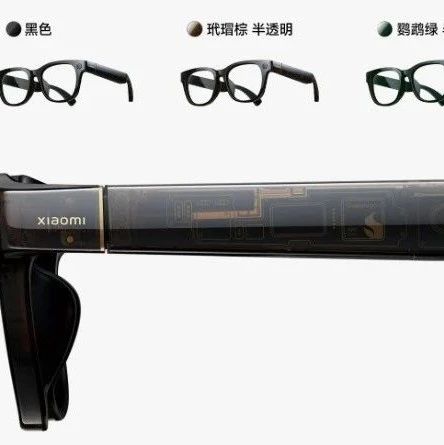
Core Insights - Xiaomi has launched its new products, the Xiaomi YU7 electric vehicle and AI glasses, during the "Smart Technology Spring Festival" event, indicating a significant push into the tech and automotive sectors [2][4]. Product Launch - The Xiaomi AI glasses are priced starting at 1999 yuan and are designed as a next-generation personal smart device, weighing only 40 grams for all-day wear [4][6]. - The Xiaomi YU7 electric vehicle starts at 253,500 yuan, with a pre-order of over 200,000 units within three minutes of launch [2][7]. Features of Xiaomi AI Glasses - The AI glasses feature a 12-megapixel camera with high dynamic range and stabilization, allowing users to capture moments hands-free [6]. - They also include an open-ear headphone design with five microphones and support for third-party app video calls and live streaming [6]. - The glasses come in three versions: standard at 1999 yuan, monochrome at 2699 yuan, and color at 2999 yuan [6]. Features of Xiaomi YU7 - The YU7 boasts a range of 835 km for the standard version and 770 km for the four-wheel drive model, making it a leader in the mid-to-large electric SUV segment [8][11]. - It has a maximum power of 690 PS and can accelerate from 0 to 100 km/h in just 3.23 seconds [8][10]. - The vehicle features an 800V silicon carbide high-voltage platform, allowing for rapid charging capabilities [11]. Market Potential and Challenges - The AI glasses market is expected to see significant growth by 2025, although challenges such as technology limitations and consumer acceptance remain [6]. - The YU7's pricing strategy focuses on value for money, with luxury features included in the initial sales period [18]. Performance Testing - The YU7 completed a 24-hour endurance challenge, covering 3944 km with an average speed exceeding 210 km/h, showcasing its performance capabilities [17]. - The vehicle's endurance test highlights its long-range and fast-charging capabilities, essential for competitive positioning in the electric vehicle market [17]. Industry Collaboration - Xiaomi aims to create a comprehensive "human-car-home ecosystem" and has partnered with companies like BYD and GAC Toyota [13]. - The YU7's launch is seen as a validation of Xiaomi's automotive capabilities, with expectations of it becoming a popular model in the electric SUV market [18].
小米AI眼镜售价1999元起,给“百镜大战”再添一把火
Di Yi Cai Jing· 2025-06-26 14:18
Core Insights - The launch of AI glasses by Xiaomi marks a significant step in the transition from the transitional phase to the mature phase of AI glasses technology [3][4] - The global sales of AI smart glasses reached 600,000 units in Q1 2025, representing a year-on-year growth of 216%, primarily driven by Ray-Ban Meta [3] - The presence of display functionality is a critical indicator distinguishing between transitional and mature stages of AI glasses [3][6] Industry Development - The AI glasses market has evolved from niche products to a category with growing demand, with major brands like Xiaomi, Alibaba, and Samsung expected to release new products in the latter half of the year [3][4] - The development timeline of AI glasses shows a progression from initial exploration (2010-2013) to market expansion (2014-2016) and the integration of AI technology (2017-2022) [5] Technological Aspects - Xiaomi's AI glasses feature basic functions such as AI voice assistance and navigation, with potential for enhanced interaction and immersion if display capabilities are added [4][6] - The complexity of "AI+AR" functionality requires significant technological advancements, including optical solutions and algorithm optimization [6] Market Dynamics - The entry of major players like Xiaomi is expected to boost market confidence and accelerate consumer education regarding AI glasses [6][7] - The competitive landscape indicates that AI glasses are not a winner-takes-all market, with companies needing to identify specific user groups and product offerings [7] Pricing and Sales - Xiaomi's AI glasses are priced starting at 1999 yuan, and pricing will significantly influence short-term sales performance [7] - The current stage of AI glasses is characterized as "half toy, half tool," with tool attributes accounting for approximately 30%-40% of their functionality [7]
小米AI智能眼镜发布 超3万人提前预约引发关注
news flash· 2025-06-26 10:29
Group 1 - Xiaomi officially launched its AI smart glasses on June 26, attracting over 30,000 pre-orders before the event [1] - Despite the rising interest in the smart glasses market, no manufacturers have yet achieved profitability with this product [1] - Xiaomi's smart glasses feature a camera and utilize the self-developed Vela system, indicating a strategic move to establish a foothold in the market [1] Group 2 - The market is feeling pressure from Xiaomi's entry, but there are expectations for the company to help establish industry standards and enhance ecosystem development [1] - Industry experts believe that the smart glasses market has significant growth potential, although Xiaomi may not dominate the market due to intense competition [1]
A股中报季提振AI士气 短期颠簸或可借基上车
Cai Fu Zai Xian· 2025-06-26 08:47
Group 1 - The core focus of the articles is on the growth potential of AI and computing power sectors, particularly in the context of AI smart glasses, which are expected to drive the next wave of technological advancement in wearable devices [1][2]. - The AI smart glasses market is transitioning from an exploratory phase to a high-growth phase, with significant advancements in technology and product offerings anticipated [1][2]. - Predictions indicate that global sales of AI smart glasses could reach 5.5 million units by 2025, representing a 135% year-on-year growth, with further projections suggesting sales could reach 1.4 billion units by 2035, achieving a penetration rate of approximately 70% [2]. Group 2 - The integration of AI and AR technologies is seen as the future of smart glasses, with expectations that these products will replace traditional smart glasses and reach a scale comparable to smartphones [2]. - Investment strategies are recommended to focus on core components, modules, and leading companies in the AI smart glasses supply chain, as the industry trend towards AI terminals has been established [2]. - The performance of funds focused on AI, such as the Hui'an Growth Preferred Mixed Fund, has shown strong returns, indicating a favorable investment environment for those looking to capitalize on the AI sector [3].
为苹果、三星提供体感交互内容,「葫乐科技」获数千万元Pre-B轮融资|早起看早期
36氪· 2025-06-26 00:07
以下文章来源于硬氪 ,作者胡依婷 硬氪 . 专注全球化、硬科技报道。36kr旗下官方账号。 日活跃用户超400万,覆盖超190个国家。 文 | 胡依婷 编辑 | 袁斯来 来源| 硬氪(ID:south_36kr) 封面来源 | 企业官网 硬氪获悉,近日AI硬件内容平台"葫乐科技"宣布完成数千万元Pre-B轮融资,本轮融资由视觉特效和虚拟现实内容提供商数字王国 领投,资金将用于研发投入、生态建设与品牌市场拓展。 "葫乐科技"是一家为玩家和开发者提供AI、XR空间+跨操作系统SDK+海量游戏/文娱的体感内容服务平台。其产品可预装在AR眼 镜、智能手表、耳机、投影仪等硬件APP中,公司已和苹果、三星等全球超五十家硬件厂商合作,日活跃用户超400万,覆盖超 190个国家。 智能穿戴设备市场增长迅猛。Precedence Research数据显示,2023年以头戴式设备、AR眼镜等为代表的智能穿戴设备市场规模达 到了600亿美元,预计将于2034年超4000亿美元。 硬件产品市场空间提升之际,空间交互算法门槛较高且复杂,考验各大厂商开发团队的技术水平与效率;当前多数智能硬件如智 能手表更多作为工具型产品使用,缺乏生态内 ...

智能眼镜行业深度报告之二:AI、AR眼镜多点开花,传统眼镜赛道的蝶变
Shenwan Hongyuan Securities· 2025-06-25 13:41
Investment Rating - The report maintains a positive outlook on the smart glasses industry, indicating a robust growth trajectory and recommending attention to key players such as 康耐特光学, 明月镜片, 博士眼镜, and 英派斯 [5][31]. Core Insights - The smart glasses market is experiencing rapid growth, driven by the introduction of AI and AR glasses, with significant potential for long-term expansion [2][6]. - The industry is at a pivotal point where traditional eyewear is evolving, and midstream lens manufacturing and downstream eyewear channels remain crucial [3][7]. - The report highlights the increasing integration of advanced functionalities in smart glasses, which enhances user interaction and expands application scenarios [18][19]. Summary by Sections 1. Smart Glasses: AI and AR Glasses Flourishing - AI glasses, exemplified by Meta's RayBan Meta, have ignited market interest, with significant sales growth expected [24][29]. - AR glasses are evolving with continuous optical solution iterations, broadening their application scope [6][18]. - The market is witnessing a surge in domestic players, with companies like 雷鸟创新, Xreal, and Rokid rapidly developing their product lines [4][6]. 2. Transformation of Traditional Eyewear - The midstream lens manufacturing sector is seeing steady global demand growth, with a shift towards higher-value, functional products [4][7]. - Downstream channels, particularly offline retail, play a vital role in capturing consumer trends and facilitating product development [9][7]. - The report emphasizes the importance of collaboration between smart glasses manufacturers and established eyewear retailers to enhance market penetration [9][7]. 3. Key Companies to Watch - 康耐特光学 is positioned as a leading lens manufacturer, focusing on domestic market growth and XR business opportunities [5][31]. - 明月镜片 is enhancing its product structure and actively engaging in high-growth segments like AI glasses [5][31]. - 博士眼镜 is expanding its retail presence and integrating smart glasses into its service offerings [5][31]. - 英派斯 is diversifying into the AI glasses sector while maintaining steady growth in its core fitness equipment business [5][31].