电子制造

Search documents
“归雁”返乡见暖意——重庆开州区服务保障返乡人员观察
Bei Jing Ri Bao Ke Hu Duan· 2026-01-18 14:58
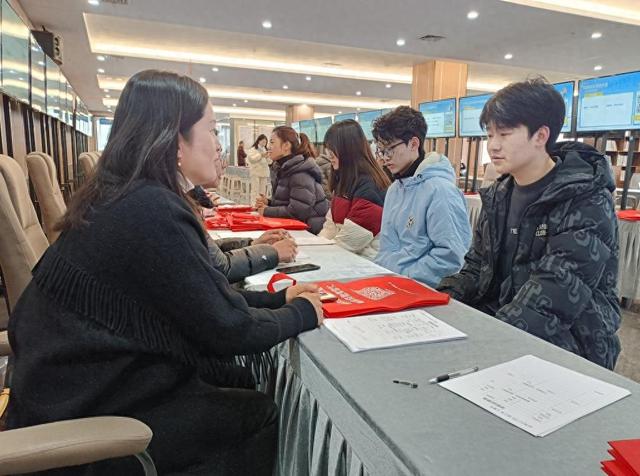
Core Viewpoint - The article highlights the proactive measures taken by the Kaizhou District in Chongqing to facilitate the return of migrant workers and enhance local employment opportunities through a comprehensive service network and targeted initiatives [1][3][5]. Group 1: Employment Services - Kaizhou District has established a three-tiered service network to monitor the return of workers and their employment needs using big data [3][5]. - The district has organized over 50 specialized recruitment events in 2025, resulting in 51,000 job postings and 16,800 employment intentions [5]. - A public employment service platform has been developed to match job seekers with suitable positions based on their profiles, enhancing the efficiency of job placement [3][5]. Group 2: Skills Development - The district has seen significant growth in industries such as electronic information and intelligent manufacturing, providing ample job opportunities for returning workers [6][8]. - A total of 5,174 individuals received various skills training in 2025, with an employment rate of over 70% post-training [8]. Group 3: Entrepreneurship Support - The district is fostering an entrepreneurial ecosystem, encouraging returning workers to start their own businesses with support such as guaranteed loans and subsidies [9][10]. - In 2025, 128 projects were introduced, with a 58% increase in investment, attracting 1,836 individuals to return for entrepreneurship [10].

欲进军PCB核心耗材领域 LED照明企业民爆光电拟收购两家微型钻针制造商
Mei Ri Jing Ji Xin Wen· 2026-01-18 13:58
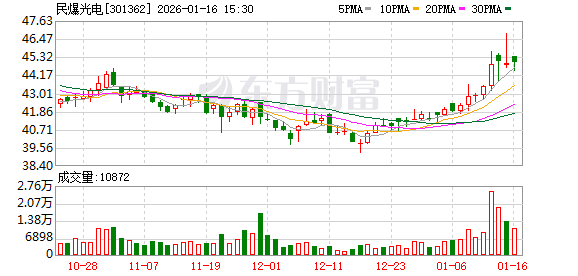
Core Viewpoint - Minbao Optoelectronics is expanding its business into the core consumables field of PCB manufacturing by planning to acquire 100% equity of Xiamen Xizhi Precision Technology Co., Ltd. and Jiangxi Maida Intelligent Technology Co., Ltd. through a combination of issuing shares and cash payments [2][4]. Group 1: Acquisition Details - The acquisition involves two companies focused on micro-drill needle business essential for PCB manufacturing, both of which are high-tech enterprises specializing in high-end drill needle research and production [3][5]. - Minbao Optoelectronics' stock will be suspended from trading starting January 19, 2026, for a period not exceeding 10 trading days [3]. - The company has signed a letter of intent with the controlling shareholder of the target companies, Xiamen Maida Intelligent Technology Co., Ltd., and will disclose the transaction plan by February 2, 2026 [4]. Group 2: Target Companies Overview - Jiangxi Maida was established on January 14, 2022, with a registered capital of 10 million yuan, while Xizhi Precision was founded on March 3, 2022, with a registered capital of 20 million yuan [5]. - Both companies focus on the research, production, and sales of micro-drill needles, providing specialized micro-hole processing technology solutions for leading global PCB clients [5][6]. Group 3: Importance of PCB Drill Needles - PCB drill needles are essential core consumables in PCB manufacturing, enabling precise drilling to create stable connections for electronic components and signal transmission [6]. - The products from the target companies cover sizes from 0.09mm to 0.35mm, with a particular expertise in developing and manufacturing micro-drills with diameters below 0.20mm [6].

拟购厦芝精密、江西麦达100%股份,民爆光电1月19日起停牌
Bei Jing Shang Bao· 2026-01-18 10:39
Core Viewpoint - The company, Minbao Optoelectronics, plans to acquire 100% of Xiamen Xazhi Precision Technology Co., Ltd. and Jiangxi Maida Intelligent Technology Co., Ltd. through a combination of issuing shares and cash payment, with the stock suspension starting from January 19 [1] Group 1: Transaction Details - The transaction is expected not to constitute a major asset restructuring [1] - It is also anticipated that the transaction will not be classified as a related party transaction [1] - The acquisition will not lead to a change in the actual controller of the company and does not qualify as a restructuring listing [1] Group 2: Business Focus - Xiamen Xazhi and Jiangxi Maida specialize in the research, production, and sales of micro-drilling needles, focusing on core consumables in PCB manufacturing [1] - They provide professional micro-hole processing technology solutions for leading global PCB clients [1] Group 3: Timeline and Disclosure - The company is expected to disclose the transaction plan within 10 trading days, by February 2 [1] - If the company fails to hold a board meeting and disclose the transaction plan by the deadline, it will resume trading on February 2 and terminate the related planning [1]
IIGF观点 | 邓洁琳:数字经济投资转向下的全球可持续挑战与中国“走出去”ESG实践路径
Mei Ri Jing Ji Xin Wen· 2026-01-18 10:21
Group 1: International Investment Trends - Global foreign direct investment (FDI) is experiencing a downward trend for two consecutive years, with a 3% decrease compared to the same period in 2024, and a significant 7% decline in developed economies [2] - Developing economies are showing stable growth, with Asia expanding by 7% and Latin America and the Caribbean increasing by 12%, alongside a notable 254% rise in merger and acquisition activities [2] - Investment focus is shifting from sustainable infrastructure projects to the digital economy, with a 10% decrease in the number of sustainable development-related projects in developing countries and a 7% drop in investment amounts [3] Group 2: Digital Economy Investment Trends - Investment in the digital economy has seen significant growth, with greenfield investments nearly doubling since 2020, reaching $360 billion, and attracting an average of 8.3% of global FDI annually from 2021 to 2023 [3] - Despite a 10% decline in sustainable development-related projects in early 2025, the digital economy continues to attract foreign direct investment, with developing economies seeing nearly a doubling of annual inflows [3] Group 3: Global Sustainable Development Challenges - The digital divide is widening due to increased demands for physical infrastructure and digital literacy, exacerbated by a slowdown in sustainable infrastructure investment [4] - Inequitable distribution of benefits and costs in the digital economy, where developed countries capture most value while developing nations bear the costs, is a significant challenge [5] - The environmental footprint and resource consumption associated with the digital economy are rising, with projections indicating a 500% increase in demand for minerals like graphite, lithium, and cobalt by 2050 [6] Group 4: China's Foreign Investment and Sustainable Development - China ranks among the top three globally in foreign investment, with a 7.5% year-on-year increase in direct investment amounting to approximately $158.2 billion in 2025 [8] - The investment landscape is diversifying, with over 80% directed towards five major sectors, and significant growth in information technology services and construction [9] - China's investments in ASEAN countries have surged, with a 61% increase from 2022 to 2023, highlighting the role of Chinese firms in supporting local economic and technological development [11] Group 5: Implementation of Global Initiatives - The "Four Global Initiatives" framework emphasizes China's commitment to sustainable development and corporate social responsibility in international investments [13] - The guidelines for corporate social responsibility abroad stress the importance of integrating ESG principles into business strategies to enhance sustainable development in host countries [14] - The focus on supporting local economic development through technology and investment aligns with global trends in digital transformation and sustainable practices [14]
民爆光电筹划收购厦芝精密、江西麦达相关事项 1月19日起停牌
Zhi Tong Cai Jing· 2026-01-18 08:41
Core Viewpoint - The company is planning to issue shares and pay cash to acquire assets and raise matching funds, with its stock suspended from trading starting January 19, 2026 [1] Group 1: Acquisition Details - The target companies for the acquisition are Xiamen Xizhi Precision Technology Co., Ltd. and Jiangxi Maida Intelligent Technology Co., Ltd. [1] - Both target companies focus on the research, production, and sales of micro drill bits, specializing in core consumables for PCB manufacturing [1] Group 2: Industry Significance - PCB drill bits are essential core consumables in PCB manufacturing, enabling precise drilling to create inter-layer connections on circuit boards [1] - The core function of these drill bits is to establish stable connections for electronic components, which is fundamental for signal transmission and functional integration in PCBs [1] Group 3: Product Specialization - The company specializes in high-end drill bit research and production, with core products including tungsten steel micro-drills for PCB, FPC, IC substrates, and AIPCB processing [1] - The size range of the drill bits produced spans from 0.09mm to 0.35mm, with particular expertise in manufacturing micro-drills below 0.20mm [1] Group 4: Transaction Status - The acquisition is currently in the planning stage, with the preliminary identified counterparty being Xiamen Maida Intelligent Technology Co., Ltd., which holds 100% equity of the target companies [1]
民爆光电:筹划购买资产,明日停牌
Bei Ke Cai Jing· 2026-01-18 08:37
Core Viewpoint - The company Minexplosion Optoelectronics announced plans to acquire assets through a share issuance and cash payment, focusing on two companies specializing in micro-drilling technology for PCB manufacturing [1] Group 1: Company Announcement - Minexplosion Optoelectronics is planning to purchase assets from Xiamen Xizhi Precision Technology Co., Ltd. and Jiangxi Maida Intelligent Technology Co., Ltd. [1] - The target companies are engaged in the research, production, and sales of micro-drilling needles, providing solutions for micro-hole processing in the PCB manufacturing sector [1] Group 2: Market Impact - The transaction is currently in the planning stage, which introduces uncertainty [1] - To ensure fair information disclosure and protect investor interests, the company's stock will be suspended from trading starting January 19, 2026 [1]
奋进的河北“十四五”答卷丨共享为钥 智造为翼 河北特色产业集群焕新发展
Xin Lang Cai Jing· 2026-01-18 05:04
Core Viewpoint - Hebei province is advancing its "shared intelligent manufacturing" model, which has led to the establishment of numerous shared factories and equipment, fostering collaboration among local enterprises and driving high-quality development in traditional manufacturing sectors [3][6][27]. Group 1: Shared Manufacturing Development - Since the "14th Five-Year Plan," Hebei has developed 194 shared factories with over 15,000 shared devices, benefiting nearly 20,000 enterprises [3]. - Shijiazhuang has integrated 12 provincial-level industrial clusters into its shared factory cultivation project, with 24 projects in total, including 18 completed and 6 under construction, involving 590 shared devices and 595 participating enterprises [6]. - Zhangjiakou has established 10 shared intelligent manufacturing service centers, integrating over 700 shared devices and involving more than 300 enterprises [8]. Group 2: Robotics Industry Focus - Tangshan, as a major hub for the robotics industry, has over 240 robotics companies, accounting for more than 60% of the province's total, and is implementing a collaborative shared manufacturing model [11]. - The first dedicated shared service platform for non-standard robotics products in the country offers design and manufacturing services, allowing innovators to focus on their core innovations [10]. Group 3: Efficiency and Cost Reduction - The introduction of shared factories has significantly reduced costs for companies, with one firm reporting a direct reduction in equipment investment costs from millions to a more manageable level [8]. - In Hengshui, the shared manufacturing platform has improved efficiency, with one company doubling its revenue to approximately 13 million yuan [18]. - Xingtai's "shared park within a park" model has reduced production time for garments by over 90%, with participating companies seeing an average profit margin increase of 10% [23]. Group 4: Industry Cluster Expansion - Handan has identified shared intelligent manufacturing as a key strategy for developing industrial clusters, resulting in 42 distinct industrial clusters and 21 shared factories with over 2,000 shared devices benefiting more than 1,000 enterprises [27].

科技周报|闻泰科技印度相关资产被查封
Di Yi Cai Jing· 2026-01-18 02:33
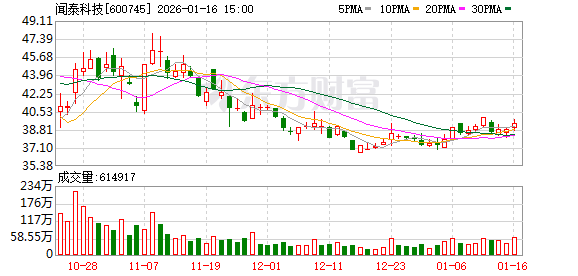
Group 1 - Wentech Technology's subsidiary in India is involved in a dispute with Luxshare's subsidiary over an asset transaction, with approximately 160 million yuan remaining unpaid [2] - Luxshare Precision announced that the asset transfer is hindered due to asset seizures and freezes, preventing ownership transfer procedures [2] - Wentech is divesting its product integration business, which has faced years of losses, and has been placed on the U.S. Entity List, affecting its ability to secure new orders [2] Group 2 - Midea Group's chairman emphasized the need to eliminate redundant businesses and low-efficiency assets, aiming for a streamlined organization and a focus on core markets and businesses by 2026 [3] - The company plans to enhance its core white goods and HVAC businesses while targeting growth in robotics, new energy, and medical sectors [3] Group 3 - Qianwen App has integrated with Alibaba's ecosystem, allowing users to order food, book hotels, and purchase tickets directly through the app, enhancing AI shopping experiences [4] - This move signifies Alibaba's strategy to leverage its ecosystem in the AI ToC market, emphasizing collaboration and payment integration with Alipay [4] Group 4 - Xunlei has filed a civil lawsuit against former CEO Chen Lei, seeking 200 million yuan for damages related to a shadow company allegedly controlled by him [5][6] - This lawsuit marks a new phase in a long-standing dispute that began in 2020, highlighting internal conflicts and power struggles within the company [6] Group 5 - Perfect World announced the detention of three art department heads for corruption, focusing on issues related to outsourcing and procurement management [7] - The company is part of a broader trend in the gaming industry, where marketing and procurement roles have been identified as high-risk areas for corruption [7] Group 6 - The World Economic Forum has recognized several Chinese companies, including Hisense, Haier, and Midea, as "lighthouse factories" for their digital transformation efforts [8] - This recognition reflects the increasing global acknowledgment of China's advancements in smart manufacturing [8] Group 7 - Aishi Technology launched PixVerse R1, a real-time world model capable of 1080P resolution, marking a significant advancement in video generation technology [9] - This model reduces video generation latency from seconds to instant response, representing a shift towards real-time interactive experiences in the AIGC field [9]

科技周报|闻泰科技印度相关资产被查封;罗永浩贾国龙账号禁言
Di Yi Cai Jing· 2026-01-18 02:24
Group 1 - Wentai Technology announced a dispute regarding the transaction of its Indian assets with Luxshare's subsidiary, with a remaining payment of approximately 160 million yuan yet to be received [1] - Luxshare stated that the delivery of the assets is restricted due to issues such as asset seizure and freezing, preventing the transfer of ownership [1] - Wentai is divesting its product integration business, which has faced years of losses, and is listed on the U.S. Commerce Department's entity list, affecting its ability to secure new orders [1] Group 2 - Midea Group's chairman, Fang Hongbo, emphasized the need to streamline redundant businesses and low-efficiency assets, aiming for a focus on core markets and businesses by 2026 [2][3] - The company plans to enhance its core white goods and HVAC businesses while also targeting growth in robotics, new energy, and medical sectors [3] Group 3 - Qianwen App announced full integration with Alibaba's ecosystem, allowing users to order food, book hotels, and purchase tickets directly through the app, enhancing AI shopping experiences [4] - This move signifies Alibaba's strategy to leverage its ecosystem in the AI ToC market, emphasizing collaboration and payment integration with Alipay [4] Group 4 - Xunlei has filed a civil lawsuit against former CEO Chen Lei, seeking 200 million yuan for damages related to alleged misconduct and a hidden interest transfer scheme involving a company controlled by Chen [5][6] - This lawsuit marks a new phase in a long-standing internal conflict that began over five years ago, highlighting ongoing governance issues within the company [6] Group 5 - Perfect World reported that three art-related executives were detained for corruption, focusing on issues in art outsourcing and procurement management [7] - The gaming industry has seen similar corruption issues, with other companies like Tencent and NetEase also addressing such problems [7] Group 6 - The "Dead or Alive" app was removed from the Apple App Store just six days after reaching the top of the paid app charts, with the founder yet to comment on the reasons for removal [8] - Investors noted that while the app resonated with social sentiments, its current form may not support long-term viability unless it evolves into deeper applications [8] Group 7 - The World Economic Forum announced a new batch of "Lighthouse Factories," with Hisense, Haier, and Midea recognized for their digital transformation efforts [9] - This recognition reflects the increasing global acknowledgment of China's advancements in smart manufacturing [9] Group 8 - Aishi Technology launched PixVerse R1, a real-time world model capable of 1080P resolution, marking a significant advancement in video generation technology [10] - This model reduces video generation latency from seconds to instant response, representing a shift towards real-time interactive experiences in the AIGC field [10]


美国人发现,打完贸易战,全球再难冒出第二个中国这样的工业大国了
Sou Hu Cai Jing· 2026-01-18 01:46
Core Viewpoint - The ongoing trade friction between the US and China has significantly raised the barriers to entry in global manufacturing, leading to a reconfiguration of the industrial landscape, where only countries with comprehensive systems can thrive [1][20][29]. Group 1: Trade Friction and Its Impact - The trade conflict initiated in 2018 has escalated from tariffs on steel and aluminum to a potential 145% tariff on various goods, indicating a shift towards hard decoupling [2][9]. - The global supply chain has been disrupted, altering the logic of manufacturing and increasing costs, particularly in the US where labor and infrastructure issues persist [4][5][6]. - Countries like India and Vietnam face significant challenges in becoming viable alternatives to China due to systemic inefficiencies and infrastructural limitations [7][8][15]. Group 2: China's Resilience and Transformation - China has not retreated in the face of trade friction; instead, it has deepened its industrial transformation, achieving full industrial chain coordination by 2025 [13][21]. - The integration of advanced technologies such as AI and digital economy practices into manufacturing processes has become standard in Chinese factories, enhancing productivity and global competitiveness [10][31][39]. - China's ability to maintain a robust export figure of $524.7 billion to the US in 2025 is attributed to technological integration rather than low-cost dumping [13][31]. Group 3: Global Manufacturing Landscape - The competition in global manufacturing has shifted from merely low labor costs to a comprehensive evaluation of system integration capabilities, including energy stability, skilled labor, and financial support [10][24][35]. - The rise of multi-currency settlements among Southeast Asian countries reflects a pragmatic shift away from reliance on the US dollar, driven by the need for risk mitigation [11][18][37]. - The industrial landscape is consolidating around countries that can provide complete ecosystems for manufacturing, with China being a prime example due to its extensive supply chain and infrastructure [24][29][39]. Group 4: Future Outlook - The next decade is expected to see a continuation of manufacturing not "de-China-izing" but rather "in China+" as companies seek efficiency and responsiveness in their supply chains [26][29]. - The barriers to entry in manufacturing have risen, making it increasingly difficult for new players to compete without a comprehensive set of capabilities [24][34]. - The focus will shift towards green manufacturing, AI integration, and circular economies, with China positioning itself as a leader in these emerging fields [39].