
稀土

Search documents
中国的稀土地位悬了?撬走中方人才,攻克提炼技术,但是西方笑得太早了
Sou Hu Cai Jing· 2026-01-20 11:09
Core Viewpoint - Lynas's production of dysprosium represents a small breakthrough for the West in the rare earth sector, but it does not change the fundamental global supply chain dynamics dominated by China [35][37]. Group 1: Lynas's Developments - Lynas has made significant progress by achieving commercial production of dysprosium at its Malaysian plant by May 2025, which has been reported by Western media as a step towards reducing dependence on China [1]. - The production of dysprosium is only one part of the entire rare earth industry chain, which includes mining, ore processing, separation, smelting, and downstream applications [3][8]. - Despite the achievement in dysprosium production, Lynas still relies on China for subsequent processing stages, which are crucial for high-end applications like electric vehicles and wind power [5][8]. Group 2: China's Dominance in Rare Earths - China controls over 90% of rare earth refining capacity and more than 70% of high-performance neodymium-iron-boron magnet production, making it difficult for Lynas to escape reliance on Chinese capabilities [8][18]. - The core technologies in China's rare earth industry have been developed over decades, making them difficult to replicate, even with the hiring of Chinese experts by Lynas [10][12]. - China's complete industrial chain, from mining to processing and application, gives it a significant competitive advantage that cannot be easily matched by other countries [18][26]. Group 3: Policy and Regulatory Environment - China has implemented clear policy measures to strengthen its position in the rare earth sector, including new export restrictions set to take effect by 2025 [28][31]. - The "0.1% rule" requires that any foreign product containing more than 0.1% of Chinese rare earths must undergo approval for export, further tightening control over the supply chain [28][31]. - These policies are not merely protective but are aimed at rationally managing strategic resources, making it challenging for Western companies to fully escape dependence on China [33].

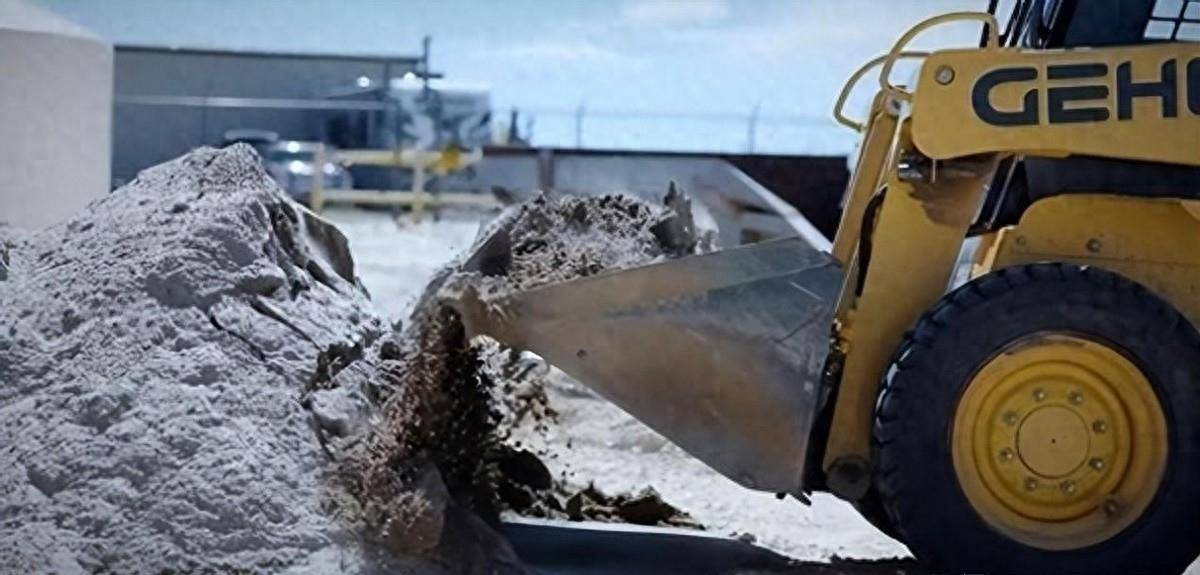
打脸来得太快!G7 十几国稀土会议刚落幕,各国抢着排队访华
Sou Hu Cai Jing· 2026-01-20 10:47
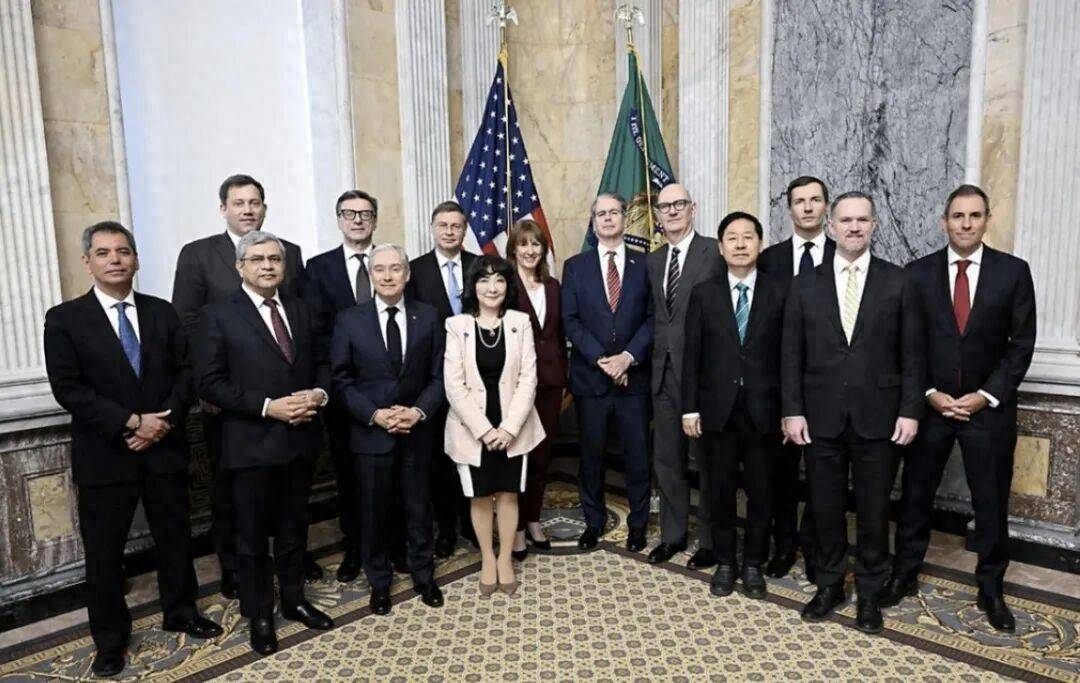
嘴上喊着"去中国化",却一个接着一个地访华。 欧美到底是自我欺骗?还是另有图谋? 当地时间1月12日,由美国财长贝森特主导,G7成员国联合欧盟、澳大利亚、印度、韩国、墨西哥等国,在华盛顿召开了一场针对性极强的会议,核心议题 就是构建"去中国化"的稀土供应链。 但这场看似"众志成城"的集会,实则是各怀鬼胎的松散联盟。 参会国里,欧盟各国的态度就很微妙。 德国、法国等国的汽车、新能源产业高度依赖中国稀土加工产品,尤其是高端稀土永磁材料,几乎找不到替代来源。 欧盟委员会此前就明确表态,对华政策是"去风险而非脱钩",这次参会更多是迫于美国压力,根本不敢真正切断与中国的供应链。 会上贝森特的发言充满煽动性,称"中国掌控着全球稀土产业链的命脉,这对西方安全构成威胁,必须集体打破这种垄断",还提出了三项具体举措:设定稀 土价格下限以激励本土产能、对中国稀土产品加征关税、推动成员国及伙伴国的稀土开采与加工合作。 澳大利亚作为全球第二大稀土精矿出口国,看似是G7计划的重要支撑,可现实是其85%的稀土精矿都要出口到中国进行深加工,本土缺乏成熟的分离技 术,一旦脱离中国产业链,自身的矿产资源根本无法转化为实际收益。 印度和韩国的处 ...
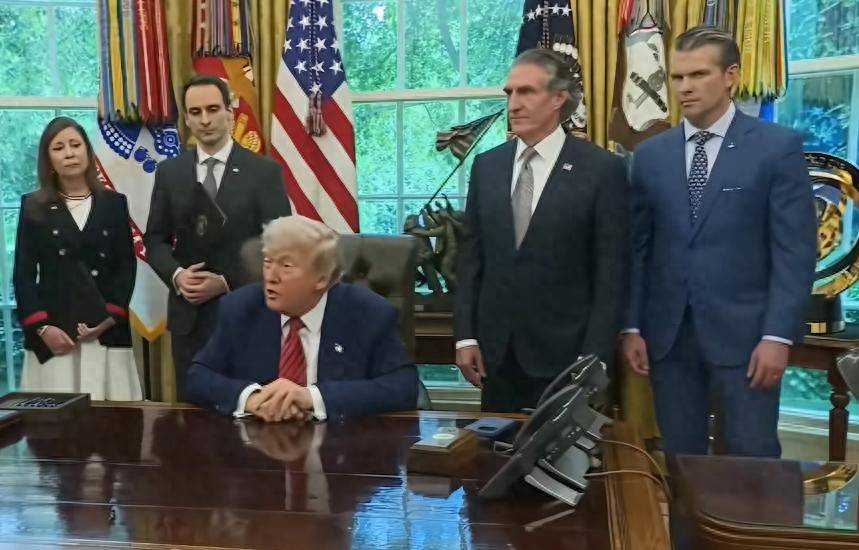
特朗普向全球发出通牒:180天内必须对中国动手,不配合就加税
Sou Hu Cai Jing· 2026-01-20 09:44
Group 1 - The core viewpoint of the articles suggests that the Trump administration's shift in attitude towards China is primarily due to the failure of the tariff war, leading to a renewed aggressive stance against China, including the formation of a new alliance aimed at reducing China's dominance in global mineral resources [1][6][10] - The newly formed alliance includes Japan, South Korea, Singapore, Australia, and Israel, with the objective of decreasing reliance on Chinese minerals, as directed by Trump [3][5] - Trump's ultimatum to initiate negotiations with allies on mineral imports is seen as a coercive tactic rather than a collaborative effort, highlighting the vulnerabilities of the allied nations that depend on the U.S. for military and economic support [5][6][12] Group 2 - The U.S. is facing a paradox where it seeks to maintain its global leadership while being dependent on China for critical industries, particularly in rare earth elements, which are essential for advanced technologies [8][10] - Despite the U.S. having its own rare earth resources, it lacks the necessary processing technology, making it difficult to establish an alternative supply chain within the proposed 180-day timeframe [10][12] - China has prepared for potential disruptions by restricting the export of key technologies and maintaining a complete rare earth industry chain, ensuring its position as the dominant supplier globally [12][13]
中国收紧对日稀土出口审查,要求提交更详尽的供应链材料,日本企业开始绝望了!
Sou Hu Cai Jing· 2026-01-20 08:48
Core Viewpoint - China has tightened its scrutiny on rare earth exports to Japan, requiring more detailed supply chain information, which increases pressure on the U.S. and Japan regarding rare earth supply chains and indicates potential shifts in international dynamics [1][3]. Group 1: China's Control Over Rare Earths - China controls 91% of global rare earth refining capacity, establishing a unique and irreplaceable industrial chain that enhances its negotiating power in international discussions [1]. - The tightening of export scrutiny is a strategic move by China to protect its national security interests, ensuring that rare earths are not diverted for military use by other countries, particularly the U.S. [3]. Group 2: Japan's Dependence and Challenges - Japan's dependence on Chinese rare earths is nearly 100%, making these materials essential for its automotive and military industries [3]. - The potential transfer of Chinese rare earths to U.S. military enterprises poses a significant security concern for China, prompting the new scrutiny measures [3]. Group 3: U.S. and Allies' Response - The U.S. has been preparing to establish a supply chain for rare earths with Japan and other allies to reduce reliance on China, but faces significant challenges due to the lack of a complete refining industry [3][5]. - Despite investments in infrastructure, the U.S. and its allies encounter technical barriers and market challenges that hinder their ability to quickly develop a competitive rare earth supply chain [5]. Group 4: Strategic Implications - The rare earth issue transcends trade, embodying deep strategic significance that affects global resource, technology, and security dynamics [7]. - China's export control measures may serve as a critical bargaining chip in future international negotiations, highlighting the geopolitical complexities surrounding rare earth resources [7].
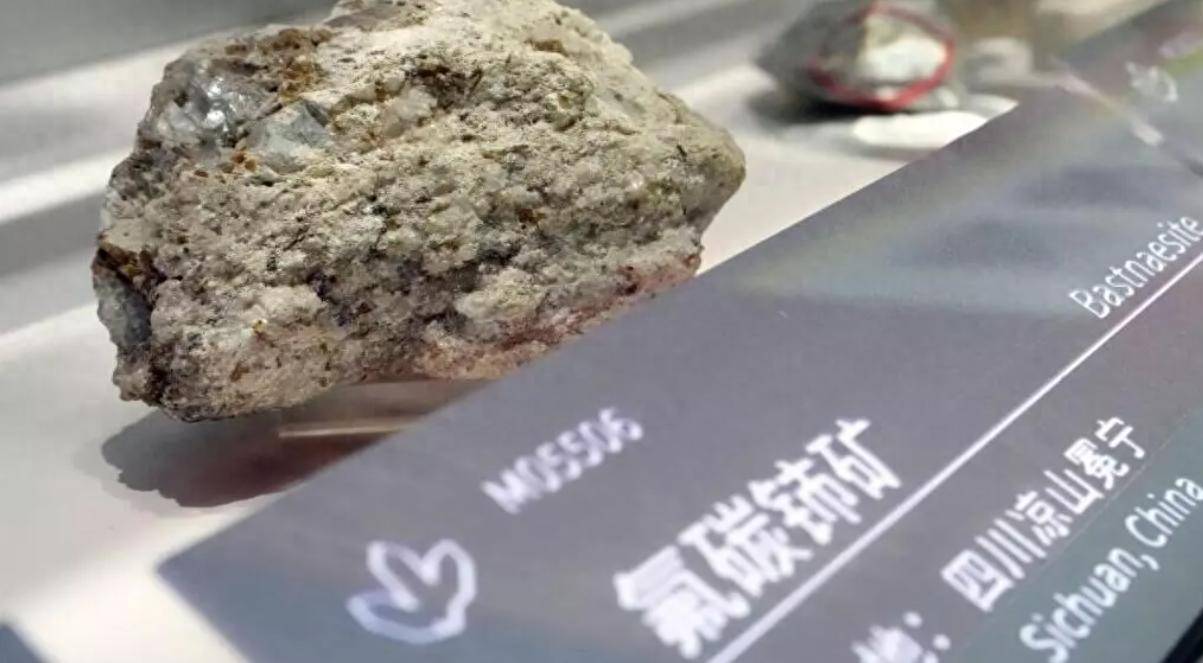
研报掘金丨西部证券:维持北方稀土“增持”评级,稀土行业景气度提升
Ge Long Hui A P P· 2026-01-20 06:52
Company - In 2025, Northern Rare Earth is expected to achieve a net profit attributable to shareholders of 2.176 to 2.356 billion yuan, representing a year-on-year increase of 116.67% to 134.60% [1] - For Q4 2025, the expected net profit attributable to shareholders is projected to be between 635 to 815 million yuan, with a year-on-year increase of 6.01% to 36.06% and a quarter-on-quarter increase of 4.10% to 33.61% [1] - The significant growth in Q4 performance is primarily driven by a substantial increase in rare earth prices [1] - The company is actively promoting innovation, talent development, industrial upgrades, and management reforms, which are contributing to a steady improvement in overall operational quality [1] Industry - The overall prosperity of the rare earth industry is expected to significantly improve in 2025, with rising prices for praseodymium and neodymium oxide [1] - There is an anticipated continuous growth in downstream order demand, which is expected to benefit the company's performance [1]

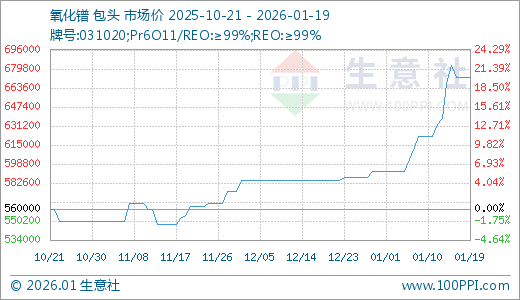
01月19日氧化镨672500.00万元/吨 10天上涨8.03%
Xin Lang Cai Jing· 2026-01-20 06:33
Price Trends - The latest price of praseodymium oxide as of January 19 is 672,500 million yuan per ton [2][4] - The price has increased by 8.03% over the last 10 days [2][4] - The price has risen by 13.50% over the last 15 days [2][4] - The price has grown by 14.96% over the last 30 days [2][4] - The price has surged by 19.56% over the last 60 days [2][4] Related Companies - Key producers in the praseodymium oxide market include Northern Rare Earth (600111), China Minmetals Rare Earth (000758), China Rare Earth (000831), and Shenghe Resources (600392) [2][4]


2025年11月中国稀土及其制品出口数量和出口金额分别为1.25万吨和3.72亿美元
Chan Ye Xin Xi Wang· 2026-01-20 03:27
Core Insights - The report by Zhiyan Consulting forecasts the competitive strategy and market demand for China's rare earth industry from 2026 to 2032 [1] Export Data - In November 2025, China's export volume of rare earths and related products reached 12,500 tons, representing a year-on-year increase of 22.7% [1] - The export value for the same period was $37.2 million, showing a year-on-year growth of 35% [1] Company Profile - Zhiyan Consulting is recognized as a leading industry consulting firm in China, specializing in in-depth industry research and providing comprehensive consulting services, including feasibility studies and customized reports [1]

有色冲高回调逾2%!资金实时反向加仓逾3100万份,近10日狂揽6.4亿元
Sou Hu Cai Jing· 2026-01-20 02:49
Group 1 - The core viewpoint of the news highlights the accelerating investment in the non-ferrous metals sector, driven by a combination of the "AI leap" and the "century change" in global order, suggesting a super cycle for non-ferrous metals [1] - The non-ferrous ETF Huabao (159876) has seen significant net subscriptions, with over 31 million shares purchased in real-time and a total of 376 million yuan in the last five days, indicating strong market interest [1] - Historical patterns show that each super copper cycle corresponds with a strong macro narrative, and the current cycle is expected to last until at least 2026, influenced by factors such as the recovery of the US dollar credit and strategic stockpiling [1] Group 2 - The non-ferrous ETF Huabao (159876) and its linked fund (017140) cover a wide range of sectors including copper, aluminum, gold, rare earths, and lithium, allowing for better capture of the overall sector's beta performance [2] - As of January 19, the latest scale of the non-ferrous ETF Huabao (159876) reached 1.626 billion yuan, setting a new historical high and making it the largest ETF tracking the China Nonferrous Metals Index in the market [2]
西部证券晨会纪要-20260120
Western Securities· 2026-01-20 02:42
Group 1: Macroeconomic Overview - The economy achieved a growth rate of 5% in 2025, with significant contributions from external demand [6][8] - The nominal GDP growth rate slowed down, but stabilized in the fourth quarter, with a year-on-year increase of 4.5% [6][8] - Retail sales growth showed a slight recovery, while fixed asset investment saw an expanded decline [7][8] Group 2: Power Equipment Sector - Siyi Electric (002028.SZ) - Siyi Electric reported strong performance in 2025, with total revenue of 21.205 billion yuan, up 37.18% year-on-year, and a net profit of 3.163 billion yuan, up 54.35% [10][11] - The company is expected to achieve net profits of 3.163 billion, 4.423 billion, and 5.924 billion yuan for 2025, 2026, and 2027 respectively, with year-on-year growth rates of 54.3%, 39.8%, and 33.9% [10][11] - The demand for domestic power grid investment exceeded expectations, with the company winning contracts worth 7.015 billion yuan, an increase of 82% [10] Group 3: Nonferrous Metals Sector - Jincheng (603979.SH) - Jincheng signed three mining contracts with a total estimated value of 1.074 billion yuan, enhancing the certainty of future earnings [13][14] - The company’s resource business saw significant growth, with revenue of 4.57 billion yuan in the first three quarters of 2025, up 131.3% year-on-year [14] - EPS for 2025-2027 is projected to be 3.97, 5.50, and 6.37 yuan, with corresponding PE ratios of 19, 14, and 12 [14] Group 4: Nonferrous Metals Sector - Northern Rare Earth (600111.SH) - Northern Rare Earth expects a net profit of 2.176-2.356 billion yuan for 2025, representing a year-on-year increase of 116.67%-134.60% [16][17] - The company’s performance in Q4 2025 is expected to show significant growth due to a sharp increase in rare earth prices [16][17] - The price of praseodymium and neodymium oxide rose to 685,000 yuan per ton, a year-on-year increase of 62.71% [16] Group 5: Nonferrous Metals Sector - Luoyang Molybdenum (603993.SH) - Luoyang Molybdenum forecasts a net profit of 20-20.8 billion yuan for 2025, a year-on-year increase of 47.80%-53.71% [19][20] - The company achieved a copper production of 741,100 tons, exceeding its production plan [19] - The dual-core strategy focusing on copper and gold is expected to drive future growth, with significant acquisitions planned [20]
资金抢筹有色金属!有色金属ETF(512400)连续11日净流入,成交额显著放量,机构预计黄金铜价有望双线上行
Xin Lang Cai Jing· 2026-01-20 02:35
Group 1 - The international gold market experienced a historic breakthrough on January 19, with spot gold prices rising over 2% to surpass $4,690 per ounce, reaching a peak of $4,690.88 per ounce, setting a new record [1] - The copper price on the London Metal Exchange (LME) rebounded, reported at $12,935 per ton, an increase of $132 per ton from the previous trading day, ending a two-day decline [1] - Citic Securities predicts that the asset environment in 2026 may show characteristics of marginal liquidity easing and moderate economic recovery, with gold potentially reaching $5,000 per ounce and copper averaging $12,000 per ton due to supply constraints and electricity demand [1] Group 2 - Long-term structural changes are occurring in the global base metals market, driven by geopolitical tensions and supply chain security concerns, with strong and sustained demand for copper and aluminum from green industries such as electric vehicles, photovoltaics, and wind power [2] - North Rare Earth announced an expected net profit of 2.176 billion to 2.356 billion yuan for 2025, representing a year-on-year growth of 116.67% to 134.60%, highlighting the high-quality development of the rare earth industry [2] - The global strategic importance of rare earth resources is increasing, with the industry entering a new era of high-quality development, driven by demand from emerging sectors like electric vehicles and humanoid robots, and an anticipated widening supply-demand gap starting in 2026 [3] Group 3 - The non-ferrous metal ETF (512400) closely tracks the CSI Shenyin Wanguo Non-Ferrous Metals Index, which selects 50 listed companies from the non-ferrous metals and non-metallic materials sectors to reflect the overall performance of the industry [3] - The top ten weighted stocks in the index include Zijin Mining, Luoyang Molybdenum, North Rare Earth, Huayou Cobalt, China Aluminum, Ganfeng Lithium, Shandong Gold, Yun Aluminum, Zhongjin Gold, and Cangge Mining [3]