3D打印

Search documents
大疆投资3D打印公司,剑指前员工企业拓竹科技?双方回应
Sou Hu Cai Jing· 2025-11-17 13:45
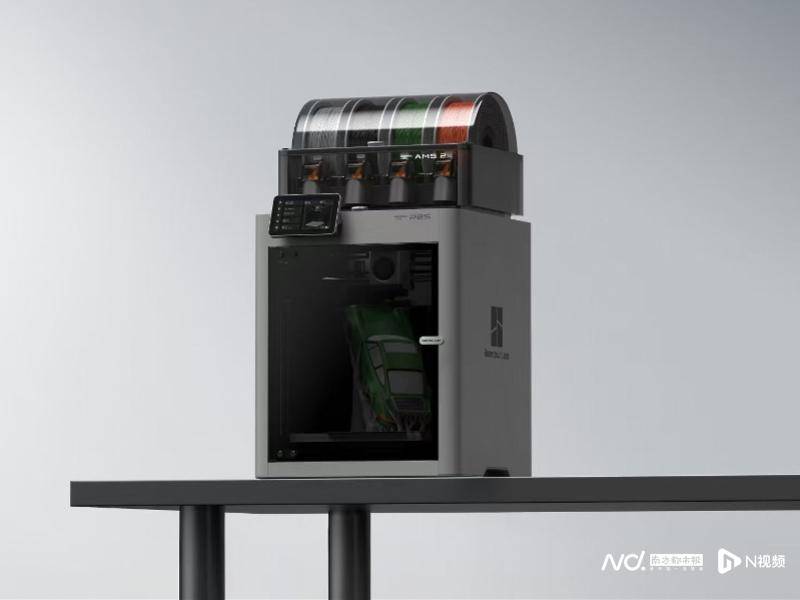
Core Viewpoint - DJI's investment in a 3D printing company is perceived as a strategic move that may threaten its former employee's venture, TuoZhu Technology, indicating a competitive shift in the 3D printing industry [1][2][5]. Group 1: Company Developments - DJI has invested in Shenzhen Smart派科技有限公司, a notable player in the consumer-grade 3D printing sector, which was established in March 2015 and completed its Series A financing in December 2022 [1][2]. - TuoZhu Technology, founded in 2020, has rapidly ascended to the top of the global consumer-grade 3D printing market within five years [2][4]. - The core team of TuoZhu Technology consists of former DJI employees, including founder Tao Ye, who previously managed DJI's Mavic product line [4]. Group 2: Competitive Landscape - The competition among DJI, Insta360, and TuoZhu Technology reflects a broader trend in Shenzhen's hardware industry, transitioning from a single dominant player to a multi-competitive environment [1][6][9]. - The rivalry between DJI and Insta360 has intensified, particularly in the action camera and panoramic camera markets, with both companies launching new products to capture market share [6][8]. - The ongoing competition is expected to focus on supply chain efficiency, global channel capabilities, brand building, and organizational management, rather than solely on product specifications and pricing [9].

大疆回应投资3D打印公司传闻:看好消费级技术潜力
Sou Hu Cai Jing· 2025-11-17 13:45
Group 1 - DJI confirmed its investment in a 3D printing company, highlighting its confidence in the growth potential of consumer-grade 3D printing technology and the industry's future prospects [1][3] - The investment was initially disclosed by Tao Ye, founder of Tuozhu Technology, who mentioned that the agreement includes special clauses related to Tuozhu Technology [3] - The rumored investment amount in the 3D printing company, identified as Smart Pie, is said to be several hundred million yuan, indicating a significant financial commitment [3] Group 2 - Smart Pie, established in March 2015, is one of the early entrants in the domestic consumer-grade 3D printing sector, although it has not yet shown any changes in equity ownership [3] - The 3D printing industry is currently entering an accelerated development phase, with other companies like Meituan and Gao Ling also making investments in this field [3] - According to market research firm Precedence Research, the global 3D printing market is projected to reach $24.61 billion (approximately 170 billion yuan) by 2024, with a compound annual growth rate of 18.5% expected from 2024 to 2034, indicating robust industry growth [3]

10月经济数据解读:全年目标逼近 稳增长促转型
Yang Guang Wang· 2025-11-17 11:11
Core Insights - China's economy continues to show resilience and potential, maintaining a stable growth trajectory despite global economic challenges [1][2] - Key economic indicators remain within a reasonable range, supporting the achievement of annual economic development goals [1] Production Sector - Industrial production remains stable, with a year-on-year increase of 4.9% in the added value of industrial enterprises above designated size [1] - High-tech manufacturing and equipment manufacturing sectors outperformed overall industrial growth, with increases of 7.2% and 8.0% respectively [1] - New product output is experiencing rapid growth, with significant increases in production of new energy vehicles (19.3%), industrial robots (17.9%), and 3D printing equipment (30.8%) [1] Consumption Sector - In October, the total retail sales of consumer goods increased by 2.9% year-on-year, indicating a steady recovery in the consumer market [1] - Notably, consumption upgrade products are growing rapidly, with retail sales of communication equipment and cultural office supplies increasing by 23.2% and 13.5% respectively [1] - Service retail sales accelerated, with a year-on-year growth of 5.3% from January to October, reflecting a 0.1 percentage point increase compared to the first three quarters [1] Investment Structure - Investment structure is showing positive changes, with high-tech industry investment maintaining rapid growth, particularly in information services (32.7%) and aerospace manufacturing (19.7%) [2] - These trends indicate a solid move towards high-quality development and a more pronounced innovation-driven growth characteristic [2] Policy Support - The Chinese government has introduced new policy tools worth 500 billion yuan to enhance local government financial capacity and stimulate effective investment [2] - Measures have been implemented to further invigorate private investment, contributing to improving corporate performance and supporting favorable economic conditions [2] Future Outlook - The 20th National Congress has outlined a development blueprint for the next five years, presenting numerous opportunities for high-quality economic growth [2] - As consumer potential is gradually released and industrial upgrades accelerate, the economy is expected to gain sustained momentum [2]
中国台湾芯片设备,限制出口
半导体芯闻· 2025-11-17 10:17
Group 1 - Taiwan authorities announced a revision of the export control list for strategic high-tech goods, adding 18 new controlled items including advanced 3D printing equipment, semiconductor equipment, and quantum computers [2] - The revision requires Taiwanese manufacturers to apply for export permits for controlled items, with the Trade Bureau assessing the risk of military expansion before granting permission [2][3] - The Trade Bureau aims to align Taiwan's controlled goods list with international export control organizations, referencing agreements such as the Wassenaar Arrangement and the Nuclear Suppliers Group [3] Group 2 - The semiconductor industry is experiencing significant market fluctuations, with major chip companies facing declines in market value [4] - Huang Renxun described High Bandwidth Memory (HBM) as a technological marvel, indicating its importance in the semiconductor landscape [5] - Jim Keller expressed confidence in the RISC-V architecture, predicting its eventual success in the industry [5]

西安高校,正在批量制造IPO
Mei Ri Jing Ji Xin Wen· 2025-11-17 10:15
Group 1 - The core viewpoint of the article highlights the rise of technology companies from Xi'an, particularly those linked to local universities, as they increasingly dominate the IPO landscape in China, showcasing a successful model of technology commercialization and innovation [1][3][22] - Beijing Yunjike Technology, known as the "first hotel robot stock," recently went public on the Hong Kong Stock Exchange, marking a significant milestone for the hotel robotics sector [1][7] - Xi'an's universities, particularly Xi'an Jiaotong University and Northwestern Polytechnical University, are identified as key players in fostering technology innovation and entrepreneurship, contributing to a growing number of IPOs in the region [3][22] Group 2 - The concept of "hard technology" was introduced at the first Global Hard Technology Innovation Conference in Xi'an in 2017, establishing a foundation for the city's competitive edge in technology [2][3] - Notable companies like Maike Aote and Youai Zhihhe, both founded by alumni of Xi'an Jiaotong University, are seeking to go public, reflecting the strong entrepreneurial spirit among graduates [3][6] - The article emphasizes the importance of government policies and capital support in overcoming the "valley of death" that often hinders the commercialization of scientific research [14][19] Group 3 - The article discusses the transformation of Xi'an's universities into comprehensive operators of technology commercialization, creating a complete ecosystem that includes proof of concept, technology transfer, venture capital, and incubation [16][22] - The establishment of alumni funds and local capital sources has provided essential early-stage funding for startups, facilitating their growth and eventual IPOs [17][19] - The successful IPOs of companies like Huayin Technology and Juzhi Biotechnology have created a feedback loop, where profits are reinvested into the universities, enhancing research and development capabilities [3][22] Group 4 - The article outlines a new "3.0 model" of industry-university collaboration, where universities take a leading role in innovation ecosystems, supported by government and capital [22][23] - This model addresses the long-standing disconnect between technology, industry, and finance, providing a replicable framework for other regions with rich educational resources [22][23] - The success of Xi'an's technology companies illustrates the potential for regional economic transformation through institutional innovation and the cultivation of self-sustaining industrial clusters [23]
中国台湾,限制先进半导体设备出口!
是说芯语· 2025-11-17 08:18
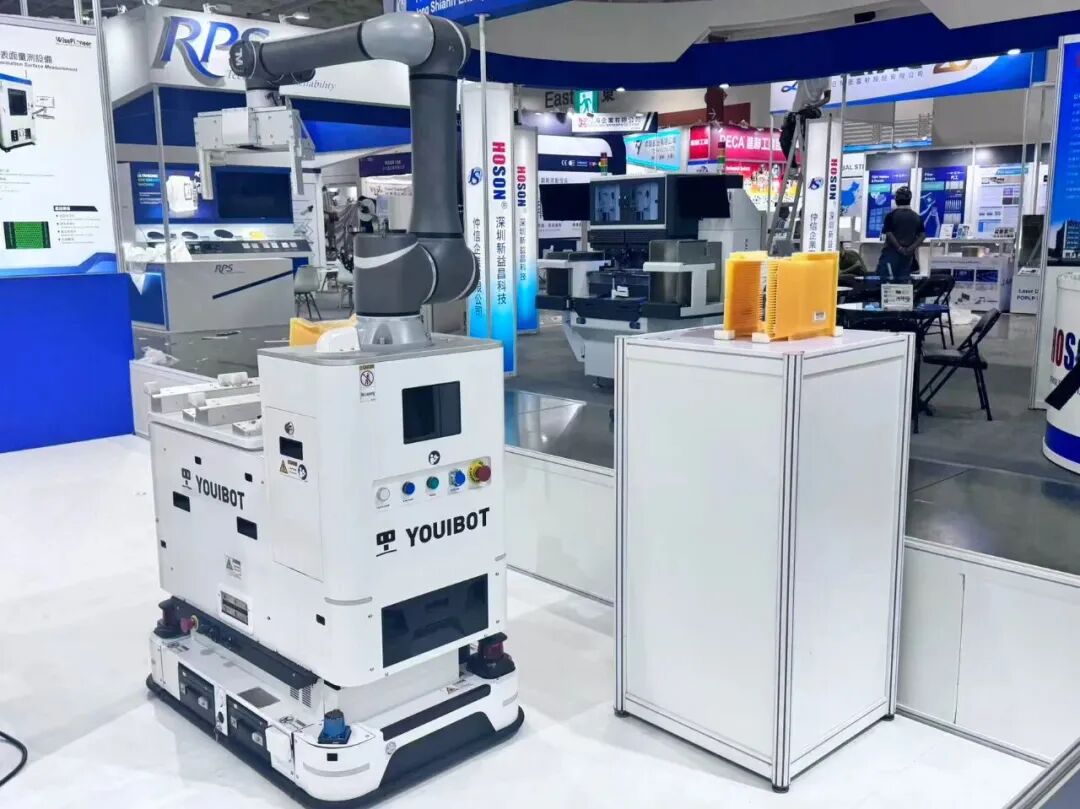
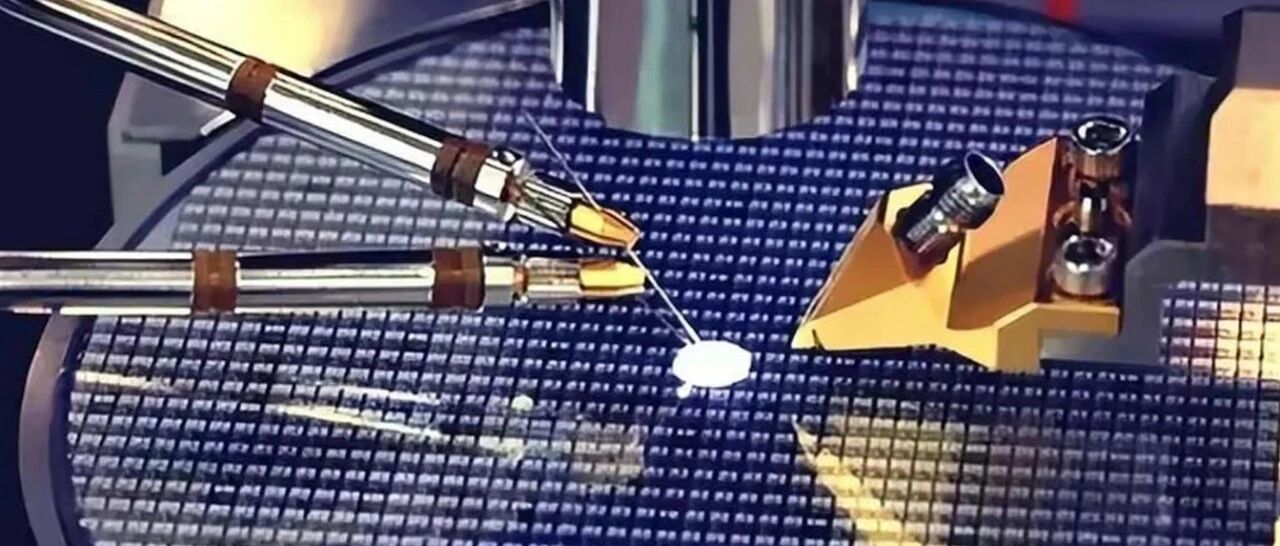
Core Viewpoint - Taiwan has announced modifications to its export control list for strategic high-tech goods, adding 18 new items, including advanced 3D printing equipment, advanced semiconductor equipment, and quantum computers [1]. Group 1: New Export Control Items - The new export control items include high-end 3D printing equipment, advanced semiconductor equipment such as Complementary Metal-Oxide-Semiconductor (CMOS) integrated circuits, low-temperature cooling systems, scanning electron microscopes (SEM), and low-temperature wafer testing equipment [1]. - The addition of quantum computers to the export control list is also significant, reflecting the growing importance of quantum technology in the high-tech sector [1]. Group 2: Export Licensing Process - Taiwanese manufacturers wishing to export controlled items must apply for a strategic high-tech goods export license from the Taiwan Trade Bureau [3]. - The Trade Bureau will review the export transaction for any potential military expansion risks and will grant the export license if deemed appropriate [3].
拓竹科技创始人「炮轰」大疆:人才都离开了,碰触了逆鳞
Xin Lang Ke Ji· 2025-11-17 05:45
Core Viewpoint - The founder of Tuozhu Technology, Tao Ye, expressed concerns about talent loss to competitors, particularly in the context of a recent investment by his former employer in a 3D printing company, indicating a shift in competitive dynamics within the industry [1][3][4]. Group 1: Talent Competition - Tao Ye believes that the recent investment by the former employer is largely due to talent migration, which has become a significant issue for the company [1][3]. - He noted that the competitive landscape has changed, with candidates increasingly choosing Tuozhu over the former employer, which may have prompted a reaction from the latter [1][4]. - The founder emphasized that the competition for talent is critical in the tech industry, and the loss of employees could indicate deeper issues within the former employer [5][6]. Group 2: Industry Preparedness - Tuozhu Technology has been preparing for increased competition in the 3D printing sector for the past five years, anticipating a more intense competitive environment by the end of 2023 [2][7]. - The company secured funding at the end of 2022, despite not being in immediate need of capital, as a proactive measure against future challenges [2][7]. - Tao Ye expressed confidence in Tuozhu's product capabilities, asserting that the industry ultimately relies on product quality, which the company believes it can deliver [2][7]. Group 3: Market Dynamics - The founder pointed out that the current market conditions have led to a fear of missing out (FOMO) among investors, which has resulted in high valuations for projects associated with the former employer [4][5]. - He suggested that the former employer's strategy appears to be more about aggressive competition rather than value investment, as indicated by their choice of investment targets [4][5]. - The competitive pressure is expected to increase as more players enter the market, making it essential for companies to focus on product development and innovation [2][7].
拓竹科技创始人“炮轰”大疆:人才都离开了,碰触了逆鳞
Xin Lang Ke Ji· 2025-11-17 04:26
Core Viewpoint - The founder of Tuozhu Technology, Tao Ye, expressed concerns about competition from DJI in the 3D printing sector, indicating that the recent investment by his former employer in a 3D printing company is a reaction to talent loss to Tuozhu [1][3][4]. Group 1: Talent Competition - The shift in DJI's attitude towards Tuozhu is attributed to increased competition for talent, with candidates choosing Tuozhu over DJI despite similar compensation [1][4]. - Tao Ye emphasized that the competition for talent is critical in the tech industry, and the loss of talent from DJI suggests deeper issues within the company [5][6]. Group 2: Market Dynamics - The investment by DJI in a 3D printing company is seen as a strategic move rather than a value investment, indicating a competitive response to Tuozhu's growth [4][5]. - The capital market's current enthusiasm for "DJI-related" projects has led to a surge in entrepreneurship, with former DJI employees starting their own ventures and attracting talent from DJI [4][5]. Group 3: Preparedness and Strategy - Tuozhu Technology has been preparing for increased competition for the past five years, anticipating a significant market shift by the end of 2023 [2][6][7]. - The company secured funding at the end of 2022, despite not needing it at the time, as a proactive measure against future challenges [2][7]. - Tao Ye expressed confidence in Tuozhu's product capabilities, asserting that the 3D printing industry ultimately relies on product quality [2][7].
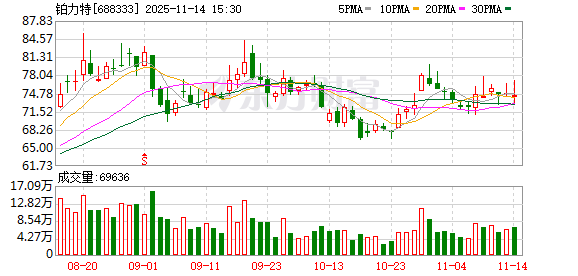
铂力特:公司将持续关注行业动态、技术发展机会
Zheng Quan Ri Bao· 2025-11-14 13:39
Group 1 - The company, Pltlite, has identified significant lightweighting and functional enhancement demands in sectors such as low-altitude economy, drones, and flying cars [2] - The company emphasizes the strong advantages of 3D printing for processing metal components, which aligns well with the identified market needs [2] - Ongoing efforts are being made to advance related work, with a commitment to continuously monitor industry trends and technological development opportunities [2]

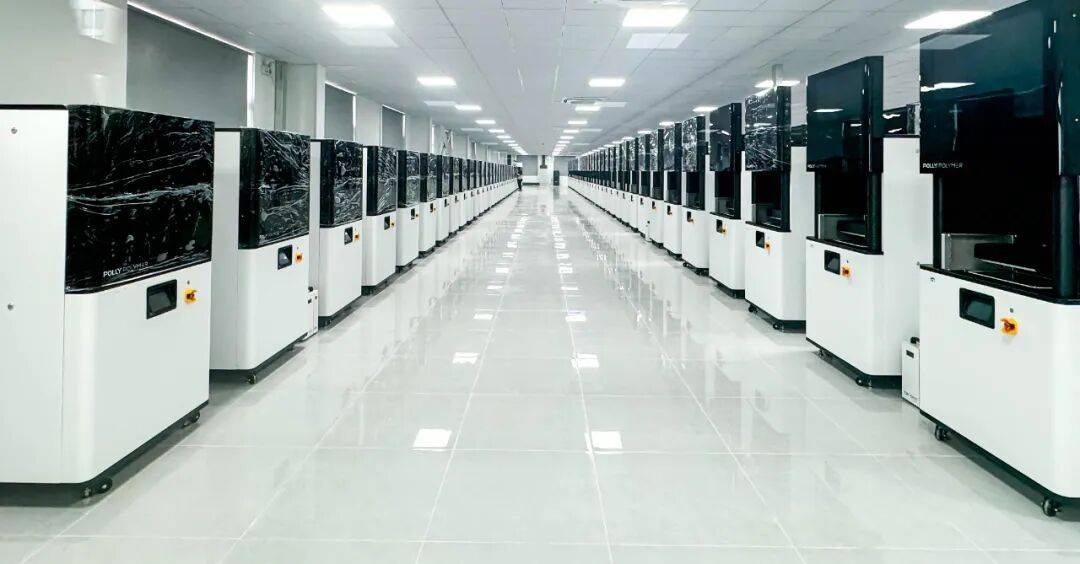
年内两轮融资,博理科技3D打印撬动千亿鞋业
Sou Hu Cai Jing· 2025-11-14 12:49
Core Insights - Suzhou Boli New Materials Technology Co., Ltd. (Boli Technology) has completed its B+ round of financing, marking the second round of funding within the year [1] - The company specializes in elastomer materials and 3D printing mass manufacturing solutions, having previously raised over 200 million yuan in its B round financing [3] - The B+ round financing was led by Dongqi Capital, Zhongshi Capital, Tiantang Silicon Valley, and Gewu Zhizhi Fund, although the specific amount raised was not disclosed [4] Company Developments - Boli Technology aims to advance its 3D printing large-scale manufacturing technology, smart factory construction, and explore the integration of AI technology within the 3D printing industry [4] - The company has developed HALS technology, which enhances printing speed by 20 to 100 times compared to traditional methods, facilitating industrial-scale 3D printing [4] - Boli Technology's self-developed elastomer materials are utilized in various consumer products, including footwear, bicycle seats, and shock-absorbing helmets, covering the entire process from midsole to shoe mold [6] Market Context - The global footwear market is projected to reach $435 billion in 2024 and exceed $460 billion by 2025, with a CAGR of approximately 3.8% [8] - China, as the largest footwear producer and consumer market, is expected to have a market size of 520 billion yuan in 2024, reflecting a year-on-year growth of 5.2% [8] - Boli Technology collaborates with well-known brands such as Li Ning, Peak, and Skechers, and has maintained rapid growth in this sector for four consecutive years [8] Industrial Applications - Boli Technology's materials are widely used in electronic components, robotics, and aerospace parts due to their lightweight and thermal conductivity advantages [10] - The company has established smart factories in Suzhou, Wuhu, and Yangzhou, achieving significant progress in process optimization and commercial exploration [10] - Boli Technology's production capabilities have reached millions of units annually, transitioning from laboratory-scale to industrial manufacturing [10] Future Strategy - The chairman of Boli Technology, Wang Wenbin, envisions a development strategy from AIGC to AIGT (Artificial Intelligence Generated Terminal Products), utilizing IoT systems to create a dynamic feedback loop for design and manufacturing [11] - The company aims to complete custom orders within 48 hours, from design to global delivery, enhancing its operational efficiency [11] - Industry experts note that Boli Technology's advancements are contributing to a shift in the Chinese 3D printing industry from a technology-driven to a market-driven phase [11]