酒类

Search documents
泸州老窖股价连续5天下跌累计跌幅5.39%,华泰柏瑞基金旗下1只基金持1312.8万股,浮亏损失9544.06万元
Xin Lang Cai Jing· 2025-09-26 07:30
Core Viewpoint - Luzhou Laojiao's stock price has been declining for five consecutive days, with a total drop of 5.39% during this period, indicating potential concerns among investors regarding the company's performance and market conditions [1]. Group 1: Company Overview - Luzhou Laojiao Co., Ltd. is located at 71 Nanguang Road, Luzhou City, Sichuan Province, established on May 3, 1995, and listed on May 9, 1994. The company primarily engages in the production and sales of Luzhou Laojiao series liquor [1]. - The revenue composition of the company is as follows: 91.45% from mid-to-high-end liquor, 8.20% from other liquor types, and 0.34% from other income sources [1]. Group 2: Stock Performance - As of the report, Luzhou Laojiao's stock price is 127.58 CNY per share, with a trading volume of 1.625 billion CNY and a turnover rate of 0.87%. The total market capitalization stands at 187.792 billion CNY [1]. Group 3: Shareholder Analysis - Huatai-PB Fund's Huatai-PB CSI 300 ETF (510300) is among the top ten circulating shareholders of Luzhou Laojiao, having increased its holdings by 1.0446 million shares in the second quarter, totaling 13.128 million shares, which represents 0.89% of the circulating shares [2]. - The estimated floating loss for Huatai-PB CSI 300 ETF today is approximately 24.6806 million CNY, with a cumulative floating loss of 95.4406 million CNY over the five-day decline [2]. Group 4: Fund Performance - The Huatai-PB CSI 300 ETF (510300) was established on May 4, 2012, with a current scale of 374.704 billion CNY. Year-to-date returns are 19.31%, ranking 2813 out of 4220 in its category, while the one-year return is 38.15%, ranking 2394 out of 3824 [2]. - The fund manager, Liu Jun, has a tenure of 16 years and 119 days, with a total asset scale of 466.972 billion CNY. The best fund return during his tenure is 131.59%, while the worst is -45.64% [2]. Group 5: Additional Fund Information - The Cash Flow ETF (563390) holds 63,700 shares of Luzhou Laojiao, accounting for 2.83% of the fund's net value, making it the tenth largest holding [3]. - The estimated floating loss for the Cash Flow ETF today is about 119,800 CNY, with a total floating loss of 463,100 CNY over the five-day decline [3]. - The Cash Flow ETF was established on April 23, 2025, with a current scale of 255 million CNY and a cumulative return of 15.31% since inception [4].

古越龙山:走出江浙沪舒适区,同步拓展全国化和全球化
Cai Jing Wang· 2025-09-26 07:26
Core Insights - The company aims for over 6% growth in liquor sales and over 3% growth in profits for the year, focusing on high-end, youthful, global, and digital development strategies [1] Group 1: Strategic Focus Areas - The company emphasizes cultural and brand output by leveraging its historical resources and unique qualities to lead in high-end yellow wine [1] - The company plans to enhance production efficiency through technological empowerment, including the launch of a 5G smart factory and increased R&D investment [1] - The company is targeting new consumer groups by analyzing Z-generation consumption trends and innovating product categories to create new consumption scenarios [1] - The company is committed to expanding its market presence beyond the Jiangsu, Zhejiang, and Shanghai regions, where its current sales outside these areas account for 42% [1]


从“天涯沦落人”到品牌增值:王海鹰如何用情绪价值重构光瓶酒市场认知
Sou Hu Cai Jing· 2025-09-26 06:55
Core Insights - The emergence of the "Tianya Lunluoren" light bottle liquor at a price of 58 yuan, which is 10% higher than mainstream competitors, highlights a unique branding strategy that resonates emotionally with consumers [1] - The case illustrates that in a highly competitive market, emotional resonance is a more effective differentiation strategy than functional differences [1] - The brand's success is attributed to its ability to tap into the psychological needs of its target consumers, such as truck drivers and construction workers, which traditional marketing often overlooks [1] Brand Strategy - The team behind "Tianya Lunluoren" utilized a combination of endorsements from "Chinese Time-honored Brands" and ISO 9001 certification to establish a solid trust standard while reconstructing emotional trust through the image of "the lonely brave who wanders the world" [1] - The pricing strategy involved a "high-low" approach, where the product was positioned with high-end packaging and quality but priced for the mid-market, creating a strong perception of value [2] - This pricing strategy proved effective in attracting distributors, with 83% of them willing to make payments due to sufficient profit margins [2] Marketing Approach - The case reveals a paradox where advanced digital tools lead brands to experience flow anxiety, yet the fundamental psychological mechanisms of consumer decision-making remain unchanged [4] - The marketing strategy involved initially generating emotional resonance through content like the "Lunluoren Declaration" before launching influencer promotions, resulting in over 100 million views [4] - Successful cases demonstrate that the core of their strategy is not merely creative ideas but a systematic value reconstruction, focusing on emotional storytelling rather than just product features [4] Brand Building - In today's increasingly emotional consumer decision-making landscape, brand building has shifted from "persuasion logic" to "resonance logic" [4] - The team has shown that sustainable brand value begins with a deep understanding and respect for human nature, allowing brands to articulate the unspoken sentiments of consumers [4]

国泰海通:即时零售或为白酒变革期新尝试 预计将持续扩容
智通财经网· 2025-09-26 05:52
Core Viewpoint - The rapid expansion of instant retail in China's liquor market is expected to maintain double-digit growth in the coming years, driven by the competitive landscape of food delivery services by 2025 [1][3] Group 1: Instant Retail Growth - China's retail industry has evolved through traditional retail, e-commerce, and new retail, with instant retail significantly shortening delivery times and enhancing consumer choices [1][2] - The liquor instant retail market has seen a surge since its inception on platforms like 1919 and Jiuxiaoer, with four main channel models emerging: vertical, platform-based, warehouse-store integrated, and front warehouse models [1][2] Group 2: Drivers of Instant Retail - The rise of instant retail in liquor is attributed to changing consumer habits, with a growing demand for convenience and quick fulfillment of spontaneous needs [2] - Cost efficiency is achieved by reducing distribution layers and operational costs, coupled with subsidies from some platforms, leading to significant price advantages [2] - Supply-side drivers include channel partners seeking to capture new growth and brand owners willing to collaborate with channels for new product launches and promotions [2] Group 3: Impact on the Liquor Industry - Instant retail presents both opportunities and challenges for the liquor industry, offering efficient fulfillment and better reach to younger consumers, while potentially impacting brand image and pricing structures [3] - Historical trends indicate that changes in the liquor cycle often coincide with channel transformations, and the current deep adjustment in the industry necessitates adaptation to instant retail [3] - The instant retail market for liquor in China is projected to reach 100 billion yuan by 2027, with a compound annual growth rate approaching the mid-double digits, benefiting core categories like baijiu and beer [3] Group 4: Investment Recommendations - The liquor retail channel is undergoing structural growth, with instant retail emerging as a highlight; recommended stocks include leading national brands and regional players with strong channel development capabilities [4] - Specific recommendations for baijiu include Guizhou Moutai, Shanxi Fenjiu, Wuliangye, Luzhou Laojiao, Yingjia Gongjiu, Jiansiyuan, and Guqingongjiu, while short-term elastic stocks include Zhenjiu Lidu and Shede Liquor [4] - For beer, which is the second-largest category in liquor, recommended stocks include Qingdao Beer, Zhujiang Beer, and China Resources Beer, reflecting high participation in instant retail [4]




中国杏花村酒博会即将启幕,全球名酒齐聚助推产业发展
Qi Lu Wan Bao· 2025-09-26 01:05
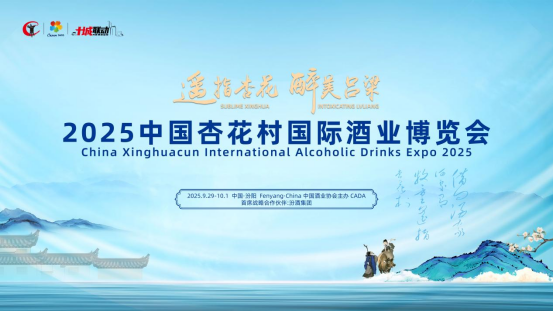
Core Insights - The 2025 China Xinghua Village International Wine Expo will be held in Fenyang, showcasing nearly 500 domestic and international wine enterprises, emphasizing the integration of technology, culture, and consumption [1][3][4] - The expo serves as a key platform for Chinese wine culture to connect with the international market, highlighting the success of the Lüliang wine region as a model for innovation in the industry [3][4] - The event is expected to significantly boost local economic development, with Fenyang's GDP reaching 37.627 billion yuan in 2024, reflecting a 170.5% increase since 2016 [4] Industry Development - The expo aims to elevate industry standards and reshape the development landscape by promoting collaboration and technological innovation among global wine enterprises [5][6] - Over 30 specialized activities will take place during the expo, including high-level conferences and awards that provide authoritative product quality certification [6] - The integration of cultural and technological elements will be showcased through smart brewing technologies and blockchain traceability, enhancing the consumer experience [6] Economic Impact - The expo has a strong impact on local economic growth, with previous events generating sales in the millions of yuan, demonstrating its effectiveness in driving explosive marketing for wine products [4] - The event is positioned as a new urban brand for Fenyang, contributing to high-quality regional economic development [4][5]
国泰海通|食饮:白酒:即时零售渠道兴起——白酒新渠道专题报告
国泰海通证券研究· 2025-09-25 12:07
报告导读: 2025 年以来供需共同驱动即时零售渠道扩张,本轮渠道浪潮有望为酒类品牌 提供结构性机会,白酒、啤酒等领域具备较强渠道力和资金实力的企业有望受益。 投资建议: 零售渠道正经历变革、呈现结构性增长,即时零售成为酒类渠道亮点。 1 )白酒仍在磨底,全国化名酒及区域头部酒企韧性相对较强、具备领先 的渠道开拓能力和资金实力 ; 2 )啤酒作为酒类第二大品类、客群广泛,在即时零售中的参与度较高,推荐龙头及成长标的 。 即时零售:大盘景气,酒类积极参与。 我国零售行业经历了传统零售、电商、新零售的发展过程,即时零售极大缩短履约时间、丰富消费者选择。近年来我 国即时零售规模迅速扩大, 2025 年外卖大战边际催化,行业有望在未来几年维持双位数增长。具体到酒水领域,酒类即时零售最早发源于 1919 、酒小二 等垂类平台, 2015 年前后加速,形成垂类、平台型、仓店一体型、前置仓型 4 类渠道模式;与此同时酒企加大布局与合作,酒类即时零售渗透率显著提 升。 我们认为酒类即时零售的兴起主要有三方面原因。 一是消费习惯改变,消费者愈发追求便捷,且临时需求激发后希望快速得到满足。二是契合性价比需求, 压缩流通环节的同时 ...

从2025上半年宏观经济及酒类景气指数看酒类发展趋势报告
Sou Hu Cai Jing· 2025-09-25 10:30
Core Insights - The report highlights the significant impact of macroeconomic changes and consumer behavior on the liquor industry in the first half of 2025, indicating a shift towards online growth and personal drinking scenarios [1][4]. Economic Overview - China's GDP growth for the first half of 2025 is projected at 5.3%, reflecting resilience but facing challenges in consumer sentiment [1][13]. - Consumption policies have been implemented, with a total of nearly 370 billion yuan in subsidies targeting newborns, students, and low-income groups, contributing to market recovery [1][17]. Consumer Behavior - A "frugal" mindset is prevalent among consumers, with 72% seeking additional income sources and 47% focusing on essential purchases to avoid waste [2][11]. - Quality (35%), cost-effectiveness (31%), and brand recognition (23%) are the primary considerations for consumers, indicating a shift towards rational consumption [2][11]. Sales Channel Dynamics - In the first half of 2025, the overall sales of fast-moving consumer goods (FMCG) grew by 4.7%, with online channels leading at a growth rate of 21.1%, while offline channels saw a decline of 4.3% [2][3]. - Online sales of liquor are driven by competitive pricing and the growing influence of younger consumers, while traditional retail faces significant pressure [2][3]. Liquor Market Trends - The liquor market shows a divergence between online and offline performance, with an online index of 61.30, significantly above the benchmark, driven primarily by strong sales of white liquor [3][4]. - The offline supermarket index is at 49.77, close to the benchmark, indicating stable pricing but declining volumes, particularly in white and red wines [3][4]. Consumption Scenarios - There is a notable shift from collective drinking occasions to personal drinking experiences, with consumers increasingly favoring home consumption and relaxation [4][5]. - The demand for smaller packaging and lower-alcohol products is rising, reflecting the changing preferences of consumers [4][5]. Price Trends - The liquor market exhibits a "polarization" in pricing, with significant growth in both economy-priced and high-end products, while mid-range products see slower growth [4][5]. - Different liquor types show varying price spans, with some covering both mass and premium markets, while others focus on mass consumption [4][5]. Future Outlook - The liquor industry is expected to align closely with evolving consumer demands, channel transformations, and product innovations [5]. - Companies are encouraged to enhance online marketing and adapt to younger consumer preferences while revitalizing offline channels through experiential upgrades [5].
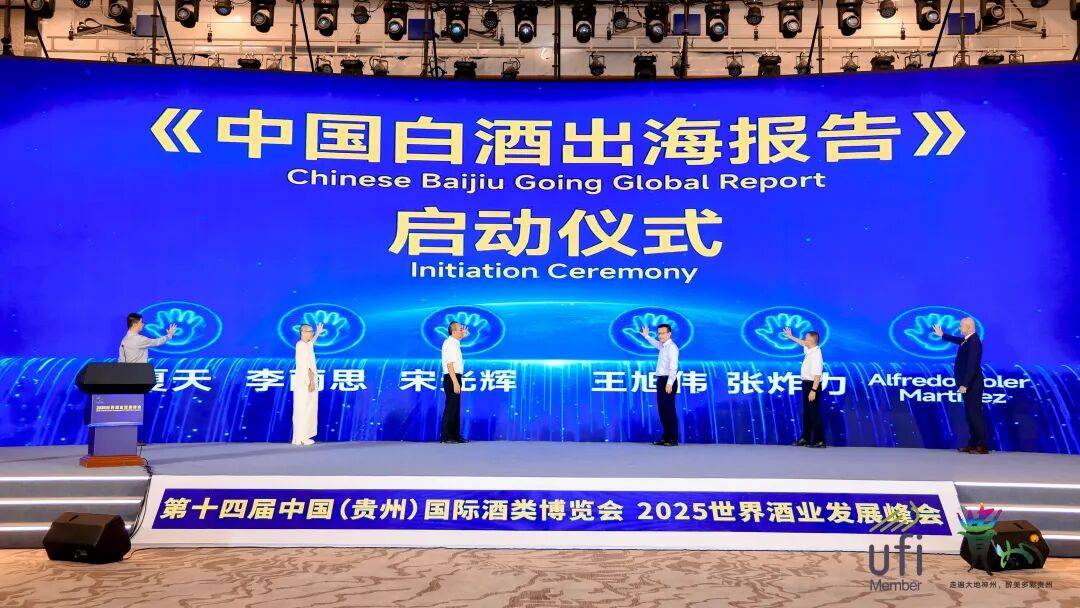
酒博会热点解析 |《中国白酒出海报告》的价值分析
Sou Hu Cai Jing· 2025-09-25 06:55
Core Viewpoint - The primary focus of the news is on the internationalization of Chinese Baijiu, driven by the need for Chinese liquor companies to explore global markets due to domestic economic challenges and changing consumer behaviors [1][5][8]. Group 1: Current Status and Challenges - The current state of Chinese Baijiu exports is underwhelming, with an export value of $970 million in 2024, accounting for only 2.4% of the global liquor export market [8][9]. - The internationalization of Chinese Baijiu faces multiple challenges, including cultural barriers, varying regulations across countries, and a lack of established international standards [10][11]. - The report highlights that approximately 70% of Baijiu exports rely on Chinese communities abroad, indicating a weak local sales network [6][10]. Group 2: Industry Consensus and Collaborative Development - The report aims to unify the industry’s voice and promote the cultural value of Chinese Baijiu internationally, establishing a clear identity for the product [11][12]. - It advocates for a collaborative mechanism involving government, industry associations, and enterprises to create a supportive ecosystem for Baijiu's internationalization [12][13]. - The need for international talent with expertise in both Baijiu culture and international trade is emphasized to enhance local operations [13]. Group 3: Policy and Standardization - The report will outline the tax, sales, and labeling regulations in overseas markets to assist companies in formulating effective market entry strategies [14][15]. - It will also address domestic policies that support Baijiu exports, urging the government to facilitate favorable trade conditions [15][16]. - The establishment of a standardized certification system for Baijiu is proposed to improve its recognition in international markets [16]. Group 4: Strategic Outlook - The report is seen as a milestone in transitioning Chinese Baijiu from a local specialty to a global liquor category, with predictions of significant international growth by 2025 [17]. - Future trends include a shift from product-focused to culture-focused exports, diversification of markets, and an increase in high-end market participation [17]. - The collective effort of government, industry associations, and enterprises is deemed essential for successfully promoting Chinese Baijiu on the global stage [17].
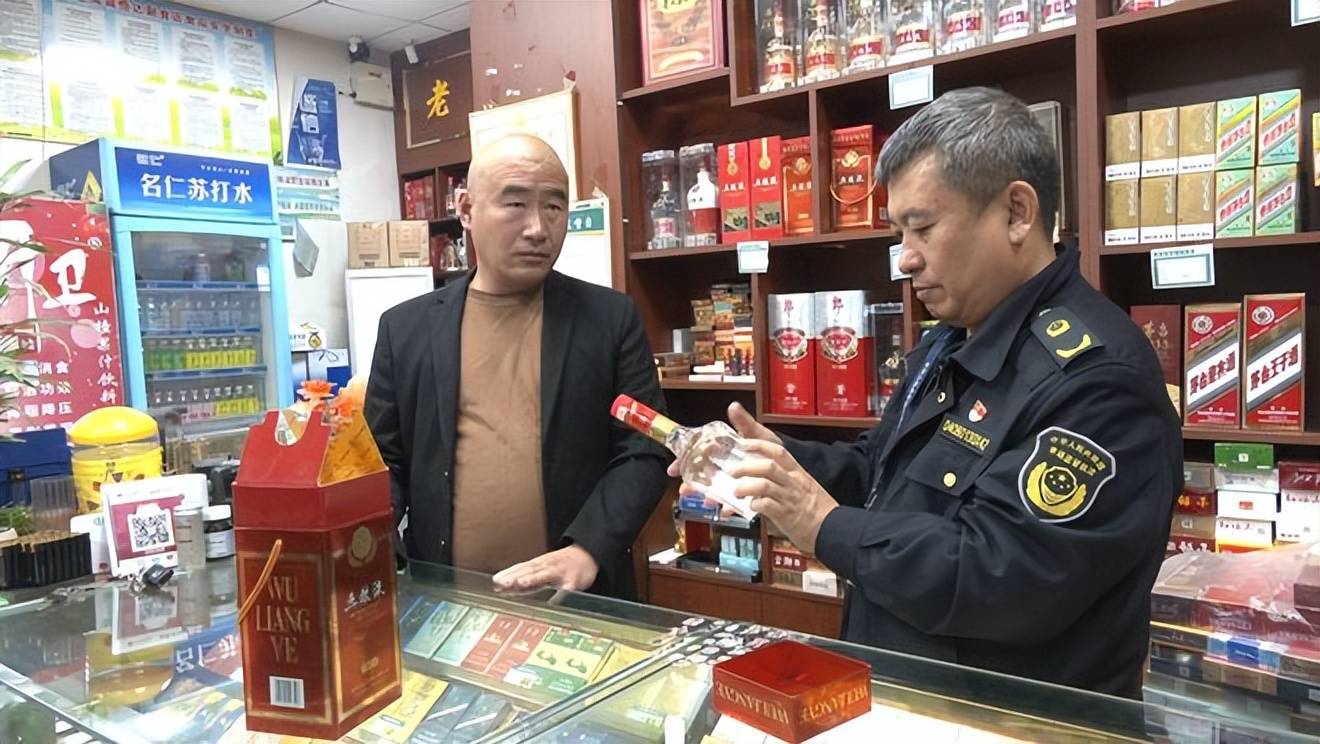
盐湖区市场监督管理局开展节前酒类产品安全检查 筑牢节日消费“安全防线”
Sou Hu Cai Jing· 2025-09-25 05:00
Group 1 - The upcoming Mid-Autumn Festival and National Day are expected to drive a peak in alcohol consumption, prompting regulatory actions to ensure product safety [1][3] - A joint inspection team was formed by the Salt Lake District Market Supervision Administration to conduct safety checks on alcoholic products in key retail locations, focusing on the safety of consumer products [1][3] - The inspection emphasized popular alcoholic beverages such as white wine, red wine, and beer, with a thorough examination of sourcing, quality, and labeling [3] Group 2 - Inspectors reviewed purchase ledgers and required documentation from retailers, specifically targeting well-known brands like "Fenjiu" and "Wuliangye" for authenticity verification [3] - Issues identified during inspections included incomplete purchase records and non-compliant labeling, leading to immediate corrective actions and follow-up checks to ensure compliance [3] - The administration plans to enhance market surveillance during the holiday period and maintain open channels for consumer complaints regarding counterfeit or expired products [3]

万博酱酒团队赴深圳考察市场 深化渠道布局探索新机遇
Sou Hu Cai Jing· 2025-09-25 03:55
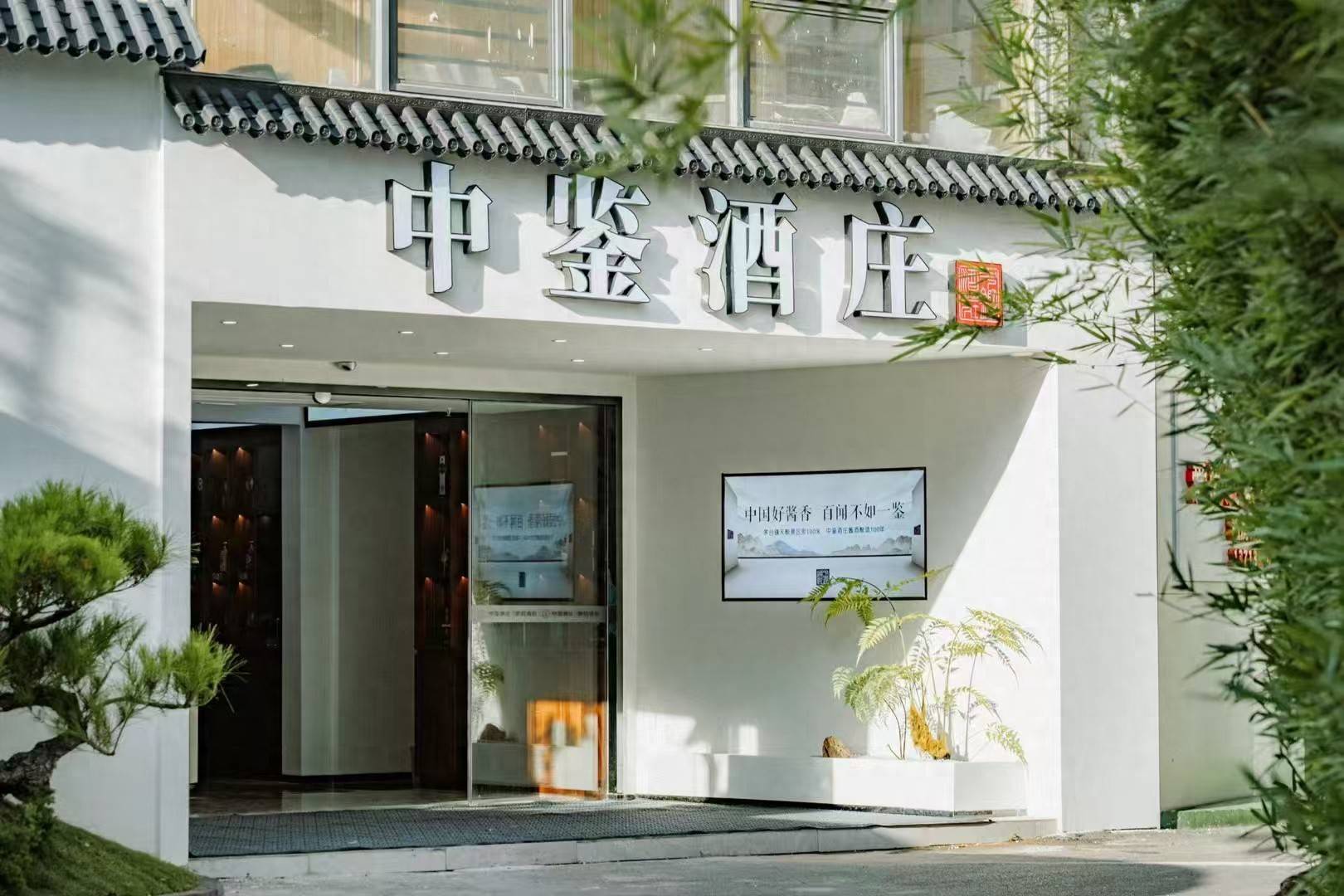
9月21日至23日,万博酱酒核心团队一行赴粤港澳大湾区的核心引擎城市——深圳,进行深度市场考察与交流活动。本次考察旨在深入了解深圳高端酒类消 费市场动态,拓展合作渠道,并探讨酱酒文化与岭南餐饮文化的融合创新。 考察首站,团队到访了在华南地区享有盛名的专业酒类运营机构、万博集团投资入股的中鉴酒庄。双方围绕酱酒市场的发展趋势、品牌建设以及精细化运营 等议题进行了深入的座谈交流。万博酱酒团队分享了其品牌理念与产品优势,中鉴酒庄则介绍了其在深圳及周边市场的渠道网络与运营经验,为后续共同推 动酱酒产业发展奠定了坚实基础。 次日,团队拜访了深圳市连山商会、深圳市安顺福实业有限公司,并与企业负责人梁旭东会长进行了亲切交流。梁会长对万博酱酒团队的到访表示热烈欢 迎,并介绍了连山商会和安顺福公司在连接乡谊、促进商贸方面的积极作用。双方就如何借助相互平台资源,发挥各自优势,精准对接在深企业,拓展圈层 营销,提升品牌影响力等话题交换了宝贵意见。 为更直观地体验本地饮食文化,考察的最后一站设在了深圳知名的餐饮老字号——凤凰楼。凤凰楼餐饮创始人方雪萍热情地接待了万博酱酒团队,并邀请大 家品尝了凤凰楼正宗地道的粤菜,在充满温情的餐叙氛围 ...