饮料制造

Search documents
宗馥莉行的基本盘,还都是父亲布的局
虎嗅APP· 2025-07-22 00:31
Core Viewpoint - The article discusses the governance issues surrounding Wahaha Group under the leadership of Zong Fuli, particularly in light of the inheritance disputes and allegations of asset hollowing out within the company [2][24]. Shareholding Structure and Profit Sources - The majority of the subsidiaries within the "Wahaha system" are controlled by Zong Fuli, while the main Wahaha Group has limited influence over the profits generated by the brand [4][12]. - As of the end of 2022, the total assets of the domestic "Wahaha system" were 37.047 billion, with operating income of 51.202 billion and net profit of 4.767 billion. In contrast, Wahaha Group had total assets of 5.807 billion, with operating income of 1.403 billion and net profit of 0.187 billion [5][6]. - The state-owned assets in Wahaha Group accounted for only 15.67% of the total assets of the "Wahaha system," indicating a significant disparity in profit distribution [5]. Control and Ownership Dynamics - Zong Fuli's control over the "Wahaha system" is characterized by a complex web of shareholding structures, with many subsidiaries being indirectly controlled by her [8][12]. - The establishment of Bountiful Gold Trading Limited, a key player in the investment history of Wahaha, highlights the long-term planning by Zong Qinghou, Zong Fuli's father, to secure control over the company's assets [15][19]. - The article suggests that Zong Fuli's consolidation of power is a continuation of her father's legacy, with strategic moves to regain control over brand assets and subsidiaries [20][23]. Brand Asset Management - The "Wahaha" brand, which includes 387 trademarks, is currently under the control of Wahaha Group, but there are ongoing efforts to transfer these trademarks, potentially consolidating Zong Fuli's control over the brand [21][24]. - The estimated value of the "Wahaha" brand is approximately 91.187 billion, indicating its significant market position [21]. Future Prospects and Challenges - Zong Fuli's intention to centralize control may be aimed at preparing Wahaha for a potential public listing, a shift from her father's previous stance against going public [24][25]. - The challenges Zong Fuli faces include internal resistance from existing stakeholders and the need to modernize the company's management structure to adapt to changing market conditions [25][26].


宗馥莉行的基本盘,还都是父亲布的局
Hu Xiu· 2025-07-21 23:30
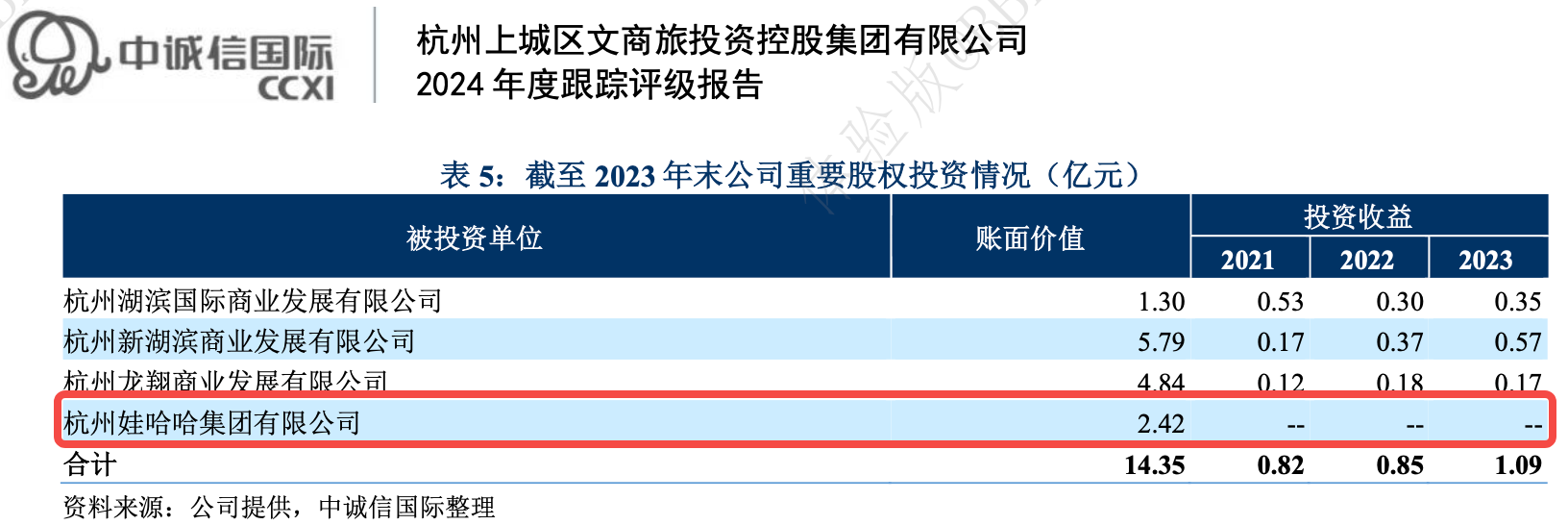
Core Viewpoint - The article discusses the ongoing controversies surrounding Wahaha Group under the leadership of Zong Fuli, particularly focusing on the allegations of asset hollowing and the control of the company's profits by the Zong family through various shadow companies [1][2]. Group 1: Financial Analysis - As of the end of 2022, the total assets of the domestic "Wahaha system" (including external companies) amounted to 37.047 billion yuan, with an operating income of 51.202 billion yuan, operating profit of 6.148 billion yuan, and net profit of 4.767 billion yuan [1]. - In contrast, Wahaha Group (and its 16 directly invested subsidiaries) had total assets of 5.807 billion yuan, with an operating income of 1.403 billion yuan, operating profit of 73.078 million yuan, and net profit of 18.7128 million yuan [1]. - The state-owned assets in Wahaha Group accounted for only 15.67% of the total assets of the "Wahaha system," with operating income and net profit contributions of merely 2.74% and 0.39%, respectively [1]. Group 2: Ownership Structure - The ownership structure of Wahaha Group is clear, with Hangzhou Shangcheng Wen Shang Lv Investment Holding Group Co., Ltd. (state-owned) holding 46%, Zong Fuli inheriting 29.4%, and the employee shareholding meeting holding 24.6% [2]. - The state-owned entity has reported zero investment returns from Wahaha Group from 2021 to 2023, with a book value of only 242 million yuan [2]. Group 3: Corporate Governance and Control - Zong Fuli controls most of the subsidiaries under the "Wahaha system," which are the primary sources of profit for the brand, while Wahaha Group itself has limited influence over the broader commercial empire [1][2]. - The complex ownership structure of the subsidiaries, such as Hong'an Wahaha Beverage Co., Ltd., indicates that Zong Fuli has significant control over these entities, which are crucial for Wahaha's product lines [4][5]. Group 4: Brand and Asset Management - The control of the "Wahaha" brand assets, which includes 387 trademarks, remains with Wahaha Group, but there are ongoing efforts to transfer these trademarks, potentially consolidating Zong Fuli's control over the brand [19][21]. - The estimated value of the "Wahaha" brand is approximately 91.187 billion yuan, highlighting its significance in the company's overall valuation [19]. Group 5: Future Prospects - Zong Fuli's consolidation of power and control over Wahaha may be aimed at preparing the company for a potential public listing, a shift from her father's previous stance against going public [24][25]. - The challenges Zong Fuli faces include modernizing the company's management structure and addressing internal and external pressures, particularly in light of changing consumer preferences and market dynamics [28].
宗馥莉「长公主复仇记」成了江浙沪独女启示录?
3 6 Ke· 2025-07-21 08:54
"14岁开始隐忍,20开始布局,40岁开始反杀",最近全网都在追更这部大女主商战爽文。 娃哈哈集团董事长、"2024年胡润百富榜中国女首富"宗馥莉,就是这个大女主。 最初,人们以为宗馥莉是"江浙沪独女"的典型样本:杭州出生、美国留学,是家里一路当继承人培养的掌上明珠,不被催婚催生,享受充分的"搞事业"自 由。直到前几天,大家才知道,敢情她不是独女。 "私生子争家产"的豪门八卦一朝曝光,宗馥莉本就别具一格的继承故事添上了更浓重的传奇色彩——"她一步步走到今天,原来不是被托举上来的,而是 自己隐忍筹谋挣出来的。" 图源:小红书@小白鱼 "布鞋首富"宗庆后据传为非婚生子女准备的信托大礼包,也激起了广大网友对金融知识的学习热情。 信托是啥?怎么个托法?富豪们为了把钱留在自己家,都有哪些fancy的招数?我们找专业人士聊了聊。 01 地道江浙沪千金,用不着重生 也要夺回属于自己的一切? 现实版"继承之战"风起云涌,每天都有新鲜的豪门故事会素材热辣出炉。今天宗馥莉的叔叔宗泽后接受媒体采访时直言宗馥莉"从小就很自私,六亲不 认";明天宗庆后被爆料孩子不止宗馥莉一个,其实有7个;后天宗泽后再度向媒体"打假"称没有7个,就4个 ...
关爱新业态劳动者东鹏研学长沙专场活动收官 好“鹏”友收获成长与友谊
Chang Sha Wan Bao· 2025-07-20 23:54
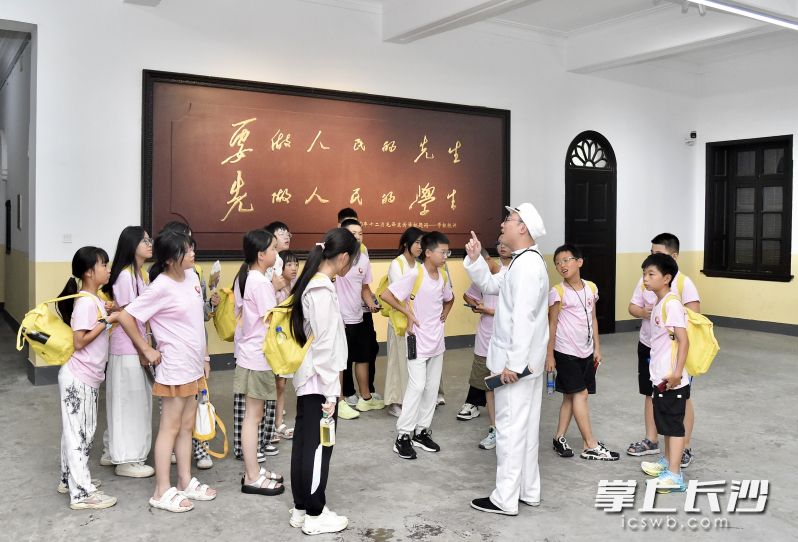
Core Points - The event "Caring for New Economy Workers - Little Migrant Birds Dongpeng Study Tour" successfully concluded in Changsha, focusing on the children of new economy workers such as delivery and ride-hailing drivers, providing them with cultural experiences and emotional connections [1][10] - The initiative aims to enrich the summer lives of these children and support their comprehensive development in various aspects [1][6] Group 1: Event Overview - The event was held over four days and three nights, allowing children to explore the cultural and historical aspects of Changsha [2][4] - Activities included visits to the Changsha Planning Exhibition Hall, Hunan Provincial Xiang Embroidery Museum, and East Peng Beverage production base, where children engaged in hands-on experiences [4][6] Group 2: Emotional and Social Impact - The event featured warm interactions, such as a name relay game and letter writing, fostering friendships and emotional bonds among participants [6][8] - Parents expressed appreciation for the opportunity to connect with their children, highlighting the importance of such activities in strengthening family ties [8][10] Group 3: Community Support - The event received strong support from various social sectors, aiming to provide a sense of belonging and warmth to the children of new economy workers [8][10] - The Shenzhen Dongpeng Beverage Public Welfare Foundation emphasized the importance of addressing the needs of these families and ensuring the children can better integrate into the city [10]

中国富豪热衷的离岸家族信托有多神秘?专家详解何为“击穿”
第一财经· 2025-07-18 15:32
Core Viewpoint - The article discusses the complexities and implications of offshore family trusts in the context of wealth inheritance and family disputes, particularly following the death of Wahaha Group founder Zong Qinghou. It highlights the increasing popularity of offshore family trusts among high-net-worth families for wealth preservation, risk isolation, and tax planning, while also addressing the legal challenges and ethical considerations involved [1][2]. Group 1: Offshore Family Trusts - Offshore family trusts are gaining traction among high-net-worth families due to their legal stability and tax advantages compared to onshore trusts [3][4]. - The Foreign Grantor Trust (FGT) model is particularly appealing for families with U.S. beneficiaries, offering flexibility in cross-border fund movement and reinvestment opportunities [4][5]. - FGTs allow the grantor to retain control over trust assets during their lifetime, providing both privacy and tax planning benefits [6][10]. Group 2: Legal and Tax Implications - FGTs are classified as foreign trusts under U.S. tax law, with specific characteristics that differentiate them from Foreign Non-Grantor Trusts (FNGTs) [5][6]. - Upon the death of the grantor, FGTs transition to FNGTs, which alters the tax obligations for the beneficiaries [7][9]. - The complexities of cross-border tax laws create a "tax law triangle," complicating the management and effectiveness of offshore family trusts [21]. Group 3: Trust Structure and Governance - The governance structure of offshore family trusts can include multiple grantors, which may complicate decision-making and asset control, especially in cases of family disputes [9][12]. - The flexibility of FGTs allows for dynamic asset management, but this can conflict with the desire for certainty in wealth distribution among beneficiaries [11][12]. - Effective use of family trusts requires a clear understanding of their governance mechanisms and the legal frameworks involved, as mismanagement can lead to the trust being deemed ineffective or "pierced" [14][22]. Group 4: Practical Considerations - Not all high-net-worth individuals are suitable candidates for offshore family trusts; specific conditions such as having assets abroad or cross-border family dynamics should be considered [22]. - The establishment of offshore family trusts should be approached with caution, ensuring that they are not merely set up for risk avoidance but are integrated into a broader governance strategy [22].
见过塌房的,没见过塌坟的
叫小宋 别叫总· 2025-07-18 14:09
Group 1 - The article discusses the ongoing family disputes within the Zong family, particularly focusing on the tensions between Zong Fuli and her siblings following the death of Zong Qinghou [3][4][12] - Allegations have emerged regarding Zong Qinghou's business practices during the partnership with Danone, including breaching agreements and transferring profits to non-joint venture entities [6][12] - The article raises questions about the future of family businesses in China, suggesting that similar inheritance disputes may arise among other entrepreneurs as they age and pass on their wealth [12] Group 2 - The article highlights the immaturity of the merger and acquisition market, the professional manager system, and family trusts in China, indicating significant opportunities for investors and financial professionals [13] - It suggests that the public's fascination with business figures needs to evolve for a more mature commercial civilization to develop in China [13]
哇哈哈创始人35年坚持不上市不想割韭菜,赚钱也要讲良心再看恒大
Sou Hu Cai Jing· 2025-07-18 12:11
Core Viewpoint - The article highlights the legacy of Zong Qinghou, the founder of Wahaha, emphasizing his commitment to ethical business practices and his decision to keep the company private rather than going public for profit maximization [1][3]. Group 1: Zong Qinghou and Wahaha - Zong Qinghou passed away at the age of 79, having founded Wahaha 35 years ago and achieving significant sales of 860.1 billion yuan and tax contributions of 74.2 billion yuan [3]. - Despite the potential for immense personal wealth through an IPO, Zong prioritized the integrity of the business and the welfare of employees and consumers over personal gain [1][3]. - Wahaha is recognized as a leading player in its industry, creating thousands of jobs and contributing significantly to the economy [3]. Group 2: Comparison with Other Companies - Other companies like Huawei, Lao Gan Ma, and DJI also share a similar ethos of focusing on core business rather than seeking public listing for quick profits [3]. - In contrast, companies like Alibaba, JD.com, and Meituan have seen founders become billionaires post-IPO, raising questions about the ethics of such practices [3][6]. - The article criticizes the practices of companies like Evergrande and LeEco, highlighting their financial mismanagement and the negative impact on investors [6][8]. Group 3: Personal Values and Conduct - Zong Qinghou is portrayed as a humble individual, often traveling without entourage and using ordinary transportation, reflecting his down-to-earth nature [5]. - His patriotic stance is evident in his charitable contributions during national disasters, emphasizing a sense of responsibility towards society [6]. - The article contrasts Zong's values with those of other business leaders who are perceived as exploitative, reinforcing the narrative of ethical versus unethical business practices [6][8].
宗庆后家族,海外资产大曝光
阿尔法工场研究院· 2025-07-18 11:23
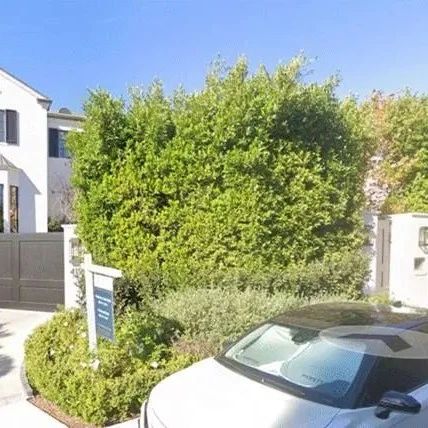
Core Viewpoint - The article discusses the potential challenges and changes facing the Zong family business network due to emerging conflicts of interest among family members, particularly in light of recent real estate transactions and the passing of Zong Qinghou [1][24]. Real Estate Transactions - A luxury mansion owned by the Hilton family in Los Angeles was sold for $25 million after being on the market for over two years, down from an initial asking price of $55 million, representing a price drop of over 50% [2][21]. - The buyer of this property is reportedly connected to the Zong family, specifically Zong Qinghou's family [2]. Family Dynamics and Asset Management - Zong Qinghou, known for his frugal lifestyle, had a more complex family structure than publicly known, with multiple children, including some not widely recognized [3]. - The Zong family has established a significant offshore capital network, with offshore companies playing a crucial role in their asset management [5][8]. Offshore Companies and Investments - Zong Fuli controls Hongsheng Beverage Group, which is linked to an offshore company registered in the British Virgin Islands [5][6]. - Zong Fuli has held directorships in several offshore companies, including Best Max Group Limited in Seychelles and others registered in the British Virgin Islands [7][8]. - The Zong family's offshore companies are part of a larger, intricate network that allows them to manage and invest in various domestic enterprises [11][17]. Domestic Business Control - The Zong family, through offshore entities, has significant control over domestic companies, including joint ventures and wholly-owned subsidiaries in the food and beverage sector [12][13]. - Hongsheng Group, under Zong Fuli's leadership, has invested in numerous domestic companies, creating a comprehensive supply chain in the food and beverage industry [12][18]. Real Estate Investments - The Zong family has a history of investing in overseas real estate, including properties in Los Angeles and Hong Kong [21][23]. - Zong Fuli purchased a property in Hong Kong for approximately 11.1 million yuan, which was later sold for 26 million yuan [21][23]. - The family has also acquired high-value properties in Hong Kong, with one estimated to be worth around 200 million HKD [23]. Conclusion - The Zong family's previously stable business network is now facing potential upheaval due to internal family disputes and the complexities of their asset management strategies [24].
可口可乐改配方背后,是一场已持续40年的甜味剂暗战
Qi Lu Wan Bao Wang· 2025-07-18 07:12
Core Viewpoint - The announcement by former President Trump regarding Coca-Cola potentially switching back to real cane sugar in its U.S. products has sparked significant attention and concern within the industry, particularly affecting corn syrup manufacturers like Archer-Daniels-Midland, whose stock dropped by 8% in after-hours trading [2]. Group 1: Historical Context and Ingredient Changes - Coca-Cola originally used cane sugar as the sole sweetener in its classic formula until the 1980s when high fructose corn syrup (HFCS) began to replace it due to lower production costs influenced by U.S. corn subsidy policies [3][5]. - By the 1980s, nearly 40% of added sugars in the U.S. market were HFCS, leading Coca-Cola to switch its U.S. formula to HFCS while maintaining flexibility for other products [3][5]. Group 2: Market Variations and Consumer Preferences - In contrast to the U.S. market, countries like Mexico, the UK, and Australia still use cane sugar in Coca-Cola, creating a unique consumer preference for the "Mexican Coke," which is often sold at a premium due to its nostalgic value [7]. - The flavor profiles of cane sugar and HFCS differ significantly, with HFCS providing a quick sweetness and cane sugar offering a more prolonged, nuanced taste experience [7][8]. Group 3: Economic and Supply Chain Considerations - Transitioning back to cane sugar would significantly increase production costs for Coca-Cola, potentially leading to higher retail prices and reduced market competitiveness [9]. - The existing supply chain for HFCS is well-established, and switching to cane sugar would require substantial adjustments, including sourcing new suppliers and modifying processing equipment [9][10]. - The HFCS industry supports approximately 120,000 jobs, and a shift to cane sugar could result in a 3%-5% reduction in these positions, impacting the livelihoods of many in the food manufacturing sector [9]. Group 4: Political and Consumer Resistance - The U.S. agricultural subsidy structure heavily favors corn production, with about 60% of agricultural subsidies allocated to corn and other grains, complicating any potential shift to cane sugar [10]. - Consumer taste preferences have evolved, and while some may long for the original formula, many have adapted to the HFCS version, creating uncertainty about market acceptance of a potential switch back to cane sugar [10][11].

A股饮料制造板块震荡回调,皇氏集团跌近7%,庄园牧业跌超5.5%,新乳业、骑士乳业、贝因美、*ST椰岛等跟跌。
news flash· 2025-07-18 05:31
Group 1 - The beverage manufacturing sector in A-shares is experiencing a volatile correction, with significant declines in stock prices [1] - Huangshi Group has seen a nearly 7% drop, while Zhuangyuan Dairy has fallen over 5.5% [1] - Other companies such as New Dairy, Knight Dairy, Beingmate, and *ST Yedao have also experienced declines [1]