
零食

Search documents
两个百亿国资,为了江陵首富“打”起来了
Sou Hu Cai Jing· 2025-09-14 03:38
Core Insights - The acquisition of Liangpinpuzi by state-owned enterprises has become a hot topic, with Wuhan Yangtze International Trade Group (Changjiang Guomao) entering the picture after a previous agreement with Guangzhou Light Industry [3][4][7] - The deal involves the transfer of 29.99% of Liangpinpuzi's shares, with Changjiang Guomao set to gain control of the company [8][4] - Liangpinpuzi's founder, Yang Hongchun, has faced challenges as the company transitions from a high-end snack positioning to a focus on "natural and healthy new snacks" amid increasing competition [11][12][15] Acquisition Details - Changjiang Guomao will acquire 21% of Liangpinpuzi's shares for 10.46 billion yuan and an additional 8.99% for 4.45 billion yuan, maintaining the price of 12.42 yuan per share [4][8] - The acquisition process has been complicated by a lawsuit from Guangzhou Light Industry, which had previously signed an agreement to acquire shares from Liangpinpuzi's controlling shareholder [3][9] Company Background - Liangpinpuzi, once a leading player in the snack industry, has seen its market position challenged by the rise of low-cost competitors and changing consumer preferences [11][12] - The company previously thrived on the dual trends of consumption upgrade and e-commerce boom, achieving a peak market value of over 30 billion yuan [11][12] Strategic Shifts - Liangpinpuzi is undergoing a strategic transformation to address market challenges, focusing on reducing sugar, salt, fat, and additives in its products while promoting a "clean label" approach [13][14] - The company aims to lower prices by 10%-40% on key products to compete with low-cost snack retailers, while also enhancing its supply chain efficiency [14][15] Industry Trends - The Chinese snack industry is expected to face significant challenges in the next five years, including consumption segmentation, health awareness, and supply chain excess [15][18] - Brands must adapt by upgrading their products, supply chains, channels, and emotional branding to survive and thrive in a competitive landscape [15][18]



食品板块的低估值探讨
雪球· 2025-09-13 03:05
Core Viewpoint - The article discusses the investment opportunities in the consumer sector, particularly focusing on traditional consumption, which is perceived to have more potential than new consumption due to the undervaluation of leading companies in this space [3][15]. Summary by Sections Traditional vs. New Consumption - The consumer market is divided into traditional consumption (e.g., Guizhou Moutai, Haitian Flavoring, Yili) and new consumption (e.g., Pop Mart, Laopu Gold, Weilong). The author favors traditional consumption due to strong companies with clean balance sheets and current undervaluation [4][5]. Performance of Food and Beverage Sector - The article reviews the half-year performance of various segments within the food and beverage sector: - **Baijiu**: Revenue growth of -0.4% and net profit growth of -0.9%, with a notable decline in Q2 due to policy impacts [7]. - **Beer**: Revenue growth of +2.8% and net profit growth of +11.8%, with a focus on non-drinking channels and premium products [7]. - **Beverages**: Revenue growth of +7.2% and net profit growth of +3.2%, driven by new product launches [7]. - **Condiments**: Revenue and net profit growth both at +10.6%, with a recovery in soy sauce and vinegar [7]. - **Dairy Products**: Revenue growth of +1.9% and net profit decline of -1.3%, but a significant recovery in Q2 with a net profit growth of 44.2% [7]. - **Frozen Foods**: Revenue growth of +0.2% and net profit decline of -11.5%, impacted by reduced dining out [7]. - **Snacks**: Revenue growth of -4.2% and net profit decline of -42.9%, with some segments performing better [7][8]. Future Outlook - The article suggests that the food and beverage sector's performance is generally underwhelming, reflecting a recovering economic environment where consumer spending on dining out is reduced [8][9]. - For the baijiu industry, a U-shaped recovery is expected, with growth resuming in two to five years [10]. - For other consumer goods, a recovery is anticipated, but the timing of a market turnaround remains uncertain [11]. Investment Directions - Notable investment opportunities include leading companies like Ningde Times and Guizhou Moutai, with the latter serving as a benchmark for evaluating other investments [12]. - The article highlights the low valuation of the consumer sector, with the food ETF's price-to-earnings (PE) ratio at 21.3, which is at the 10th percentile compared to the past decade [12][13][14]. - The author suggests that if investors recognize these leading consumer companies as strong, the current valuation presents a worthwhile opportunity [15]. Investment Strategy - The article advises a diversified investment approach, balancing high-growth sectors with traditional consumption and utilizing ETFs for broader exposure to leading companies [16].


齐云山拟港股上市 中国证监会要求补充说明历次股权转让的定价依据等事项
Zhi Tong Cai Jing· 2025-09-12 12:58
Group 1 - The China Securities Regulatory Commission (CSRC) has requested additional information from Qiyunshan regarding its overseas listing application, including pricing basis for past equity transfers and compliance with regulations [1] - Qiyunshan submitted its listing application to the Hong Kong Stock Exchange on June 27, 2025, with Zhongtai International as the sole sponsor [1] - The CSRC's inquiries include the company's compliance with the negative list for foreign investment, audit opinion types from accounting firms, and user data protection measures [1] Group 2 - Qiyunshan is a well-known fruit snack company in China, specializing in South sour jujube food products, holding a 32.4% market share in the South sour jujube food market as of 2024 [2] - The company's flagship product, South sour jujube cake, has been certified as "green food" for 28 consecutive years and recognized as a national geographical indication product since 2018 [2] - Qiyunshan has expanded its product range to include four other South sour jujube snacks and is recognized as a high-tech enterprise and a key leading enterprise in agricultural industrialization [2]
来伊份跌2.05%,成交额1.66亿元,主力资金净流出1802.10万元
Xin Lang Cai Jing· 2025-09-12 06:29
Company Overview - Shanghai Laiyifen Co., Ltd. is located at 90 Guyi Road, Xuhui District, Shanghai, established on July 2, 2002, and listed on October 12, 2016. The company specializes in the chain operation of snack foods [1]. Financial Performance - For the first half of 2025, Laiyifen achieved operating revenue of 1.94 billion yuan, representing a year-on-year growth of 8.21%. However, the net profit attributable to the parent company was -50.68 million yuan, a decrease of 439.60% compared to the previous year [2]. - Since its A-share listing, Laiyifen has distributed a total of 314 million yuan in dividends, with 47.79 million yuan distributed over the past three years [3]. Stock Performance - As of September 12, Laiyifen's stock price decreased by 2.05%, trading at 14.30 yuan per share, with a total market capitalization of 4.782 billion yuan. The stock has declined by 7.26% year-to-date [1]. - The stock has appeared on the "龙虎榜" (a list of stocks with significant trading activity) 12 times this year, with the most recent appearance on March 3 [1]. Shareholder Information - As of June 30, 2025, Laiyifen had 41,800 shareholders, a decrease of 3.06% from the previous period. The average number of circulating shares per person increased by 2.51% to 8,005 shares [2]. - Tianhong Zhongzheng Food and Beverage ETF (159736) is among the top ten circulating shareholders, holding 462,600 shares as a new shareholder [3]. Business Segmentation - Laiyifen's main business revenue composition includes: meat and aquatic products (24.21%), candies and preserved fruits (21.10%), nuts and fried products (18.35%), pastries and puffed foods (14.16%), other food categories (14.15%), non-food items (1.66%), and rental business (0.21%) [1].

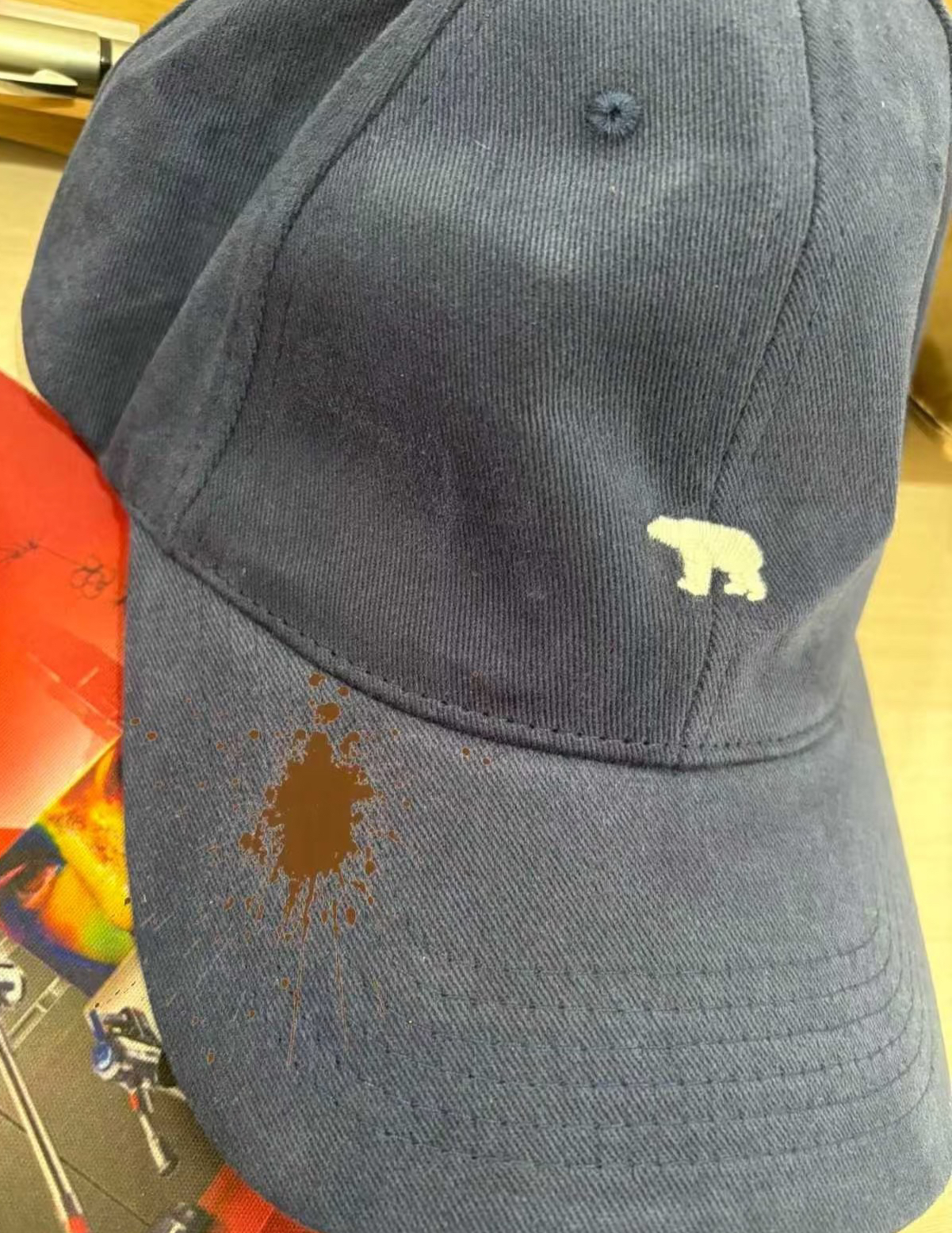
帽子被污损、水果变发霉……AI伪造图竟成骗取退款“神器”?
Qi Lu Wan Bao· 2025-09-11 14:27
Core Viewpoint - The rise of AI-generated fake images for refund claims has sparked significant discussion, highlighting the need for stricter regulations in the e-commerce sector to combat misuse of technology [1][10][12]. Group 1: AI Misuse in Refund Claims - Consumers are using AI tools to create fake images of product defects to claim refunds, leading to a phenomenon referred to as "refund神器" [1][10]. - Examples include AI-generated images of products with fabricated defects, such as a hat with a fake stain that appears too perfect [1][3]. - Some consumers have successfully used AI to generate images that lack clear watermarks, making it difficult for merchants to identify the fakes [9][11]. Group 2: Impact on Small Merchants - The majority of affected merchants are small businesses dealing with low-value items, making them more vulnerable to such fraudulent claims [10][11]. - The shift in e-commerce platforms' refund policies has led to an increase in refund requests without the need for returns, further complicating the situation for small merchants [10][12]. Group 3: Legal and Regulatory Developments - The introduction of the "Artificial Intelligence Generated Content Identification Measures" aims to address the misuse of AI in e-commerce by mandating clear labeling of AI-generated content [15]. - The new regulations focus on identifying what content is generated, who generated it, and how it was created, which is crucial for both merchants and consumers [15]. - Non-compliance with these regulations could result in severe penalties for service providers and platforms, including fines and license revocation [15].
供应链赋能打造品牌竞争优势——武汉市世纪民生商贸有限公司创始人王静
Sou Hu Cai Jing· 2025-09-11 08:32
Industry Overview - The food industry in China is entering a new golden development period, characterized by a layered consumer market with both affordable and high-end segments focusing on quality, health, and emotional value [1][3] - The snack sector, particularly in the wholesale supply chain, is becoming a battleground for numerous entrepreneurs and companies, driven by rapid channel changes, evolving consumer habits, and product diversification [1][3] Market Resilience - The food industry exhibits strong resilience, with food consumption maintaining rigid demand regardless of economic fluctuations, especially in the snack and agricultural product sectors [3] - Companies that can grasp consumer trends while balancing efficiency and quality are more likely to gain long-term market recognition [3] Supply Chain Importance - The value of the supply chain is increasingly recognized, with consumers now aware of the complexities behind transportation, storage, turnover, and quality control [3] - Stability and transparency in the supply chain have become core competitive advantages, particularly in the deep processing of agricultural products [3] Company Profile: Century Minsheng - Founded by Wang Jing in 2016, Wuhan Century Minsheng Trading Co., Ltd. has emerged as a key player in the food industry, focusing on supply chain and brand development [5][17] - The company emphasizes a dual development path of "supply chain + brand," injecting new vitality into the local economy [3][17] Brand Development - Century Minsheng operates two brands: "Panling," which focuses on agricultural products, and "Jianqian," which targets baked snacks, both reflecting the founder's commitment to quality and emotional connection with consumers [9][11] - "Panling" aims to create a closed-loop system from farming to processing to sales, enhancing product value while supporting rural revitalization [9][11] Operational Strategy - The company adopts a light asset operation model, prioritizing supply chain efficiency and strict quality control to maintain competitiveness in a crowded market [11][13] - Century Minsheng employs a multi-channel strategy, integrating e-commerce, community group buying, and offline wholesale to build a robust market network [13] Future Outlook - Century Minsheng plans to deepen its focus on the snack supply chain and increase investment in its own brands while promoting deep processing of agricultural products [17] - The company aims to explore international markets while ensuring that each expansion is grounded in responsibility and commitment to quality [17]

黑芝麻跌2.25%,成交额1.13亿元,主力资金净流出2329.92万元
Xin Lang Cai Jing· 2025-09-11 03:21
Core Viewpoint - The stock of Black Sesame has experienced a decline in price and trading activity, with significant net outflows of capital, indicating potential concerns among investors [1][2]. Group 1: Stock Performance - As of September 11, Black Sesame's stock price decreased by 2.25%, trading at 6.53 CNY per share, with a total market capitalization of 4.92 billion CNY [1]. - Year-to-date, Black Sesame's stock has dropped by 4.39%, with a slight increase of 0.77% over the past 20 days and a 3.16% increase over the past 60 days [2]. Group 2: Trading Activity - The net outflow of main funds was 23.30 million CNY, with large orders showing a buy of 12.04% and a sell of 19.96% [1]. - Black Sesame has appeared on the trading leaderboard twice this year, with the most recent net buy of 5.89 million CNY on January 7 [2]. Group 3: Financial Performance - For the first half of 2025, Black Sesame reported a revenue of 928 million CNY, a year-on-year decrease of 4.65%, and a net profit of 7.77 million CNY, down 29.26% year-on-year [3]. - Cumulative cash dividends since the company's A-share listing amount to 211 million CNY, with 75.35 million CNY distributed over the past three years [4]. Group 4: Shareholder Information - As of August 29, the number of shareholders decreased to 102,000, while the average circulating shares per person increased by 4.90% to 7,213 shares [3]. - The top ten circulating shareholders include Tianhong Zhongzheng Food and Beverage ETF, which reduced its holdings by 249,500 shares [4].

盐津铺子跌2.02%,成交额5846.92万元,主力资金净流出898.50万元
Xin Lang Cai Jing· 2025-09-11 02:22
Core Viewpoint - Salted Fish's stock price has experienced fluctuations, with a recent decline of 2.02% and a year-to-date increase of 12.47%, indicating volatility in the market [1] Financial Performance - For the first half of 2025, Salted Fish achieved a revenue of 2.941 billion yuan, representing a year-on-year growth of 19.58%, and a net profit attributable to shareholders of 373 million yuan, up 16.70% year-on-year [2] - Cumulative cash dividends since the company's A-share listing amount to 1.318 billion yuan, with 923 million yuan distributed over the past three years [3] Shareholder Structure - As of June 30, 2025, the number of shareholders increased by 21.92% to 10,900, while the average circulating shares per person decreased by 17.65% to 22,561 shares [2] - The top ten circulating shareholders include Hong Kong Central Clearing Limited as the third-largest shareholder, increasing its holdings by 1.0793 million shares [3]
当品牌还在做极简主义,年轻人却在搞极繁主义
3 6 Ke· 2025-09-10 12:53
Group 1 - The core concept of the article is the emergence of "Creative Maximalism," a new creative language that reflects the cultural characteristics and content preferences of Generation Z, reshaping global pop culture [3][5][18] - Generation Z has shifted their attention from traditional media to online content creation, spending 26% less time on TV and movies while dedicating 54% more time to social platforms and user-generated content [5][6] - 66% of young people aged 14-24 believe their peers significantly influence online trends, compared to only 49% of adults aged 25-49, indicating a strong sense of cultural confidence and influence among Generation Z [5][6] Group 2 - Creative Maximalism is characterized by four core features: audiovisual complexity, content co-creation, meme fluidity, and global cultural integration [7][18] - The audiovisual complexity of Creative Maximalism contrasts with traditional media, as Generation Z is accustomed to fast-paced, information-rich content from video games and short videos [8][9] - Content co-creation is a hallmark of Creative Maximalism, where audiences actively participate in expanding narratives through fan creations, as seen in projects like "EPIC: The Musical" [11][18] Group 3 - The trend of Creative Maximalism presents implications for brands and industries, as the proliferation of AI tools lowers the barriers to content creation, increasing the quantity and influence of such content [18][19] - Brands are encouraged to embrace digital-native contexts and understand the cultural nuances of Generation Z to effectively engage with them [19][20] - Encouraging user-generated content and relinquishing control over brand image can transform users into brand advocates, as demonstrated by successful campaigns like the "Mi Xue Bing Cheng" theme song [23][24] Group 4 - The article emphasizes that embracing imperfection and prioritizing "internet feel" over polished quality resonates more with Generation Z, who value authenticity in content [25][27] - The chaotic nature of Creative Maximalism reflects Generation Z's desire for participation and self-expression, with AI acting as a catalyst for this transformation [27]

银河基金施文琪:在经济复苏和结构性行情中寻找新消费新机遇
Shang Hai Zheng Quan Bao· 2025-09-07 18:36
Core Viewpoint - The stock market reflects the steady recovery of the real economy, with the new consumption trend gaining momentum, driven by policy support and evolving consumer behavior [1] Group 1: Market Trends - Since August, the new consumption trend has shown a resurgence, with certain trendy toy IP companies experiencing a maximum increase of over 30% [2] - The macroeconomic environment indicates a moderate recovery, with a consensus on expanding domestic demand, suggesting that the consumer sector is in a phase of stabilization and potential growth [2] - The current consumption landscape differs from the 2019-2020 period, characterized by a shift towards emotional spending and cultural confidence, requiring fund managers to adopt a bottom-up stock selection approach [2][3] Group 2: Investment Opportunities - Three main investment themes in new consumption are identified: spiritual consumption products like trendy gold jewelry, cost-effective mass consumer goods, and domestic beauty and personal care products [2][3] - The demand for trendy gold jewelry is shifting from traditional wedding uses to self-indulgence, with brands offering affordable, aesthetically pleasing products that appeal to younger consumers [3] - Cost-effective consumer goods are gaining traction as consumers prioritize value over brand loyalty, with strategies like bulk purchasing and reduced distribution costs enhancing market penetration [3] Group 3: Performance and Strategy - The funds managed by the company have shown significant growth, with net value growth rates of 29.50% and 23.84% for two products, outperforming their respective benchmarks [4] - The company aims to continue selecting companies with strong competitive advantages and barriers to entry in thriving industries to drive portfolio returns [4]